The efficacy of microbial organic fertilizer as a partial replacement for chemical fertilizer in augmenting crop yield and improving soil quality has been a topic of uncertainty. This study sought to clarify the influence of microbial organic fertilizer on soil nitrogen transformation across various growth stages and uncover the physiological mechanisms that contribute to the enhanced yield of wheat. The research focused on a winter wheat field in the North China Plain subjected to two consecutive years of microbial organic fertilizer application. We examined the soil’s physical and chemical properties and studied the biological characteristics of wheat. The application of microbial organic fertilizer significantly elevated soil nitrate nitrogen content during the overwintering and regreening stages, as well as soil ammonium nitrogen content during the filling and maturity stages. Additionally, it enhanced the activities of soil urease and sucrase during the flowering stage. This increase in soil-available nitrogen during critical growth stages provided a solid foundation for wheat growth. Furthermore, microbial organic fertilizer markedly boosted the phosphorus and potassium contents in grains and nitrogen in straw during the grain-filling stage, supporting essential nutrients for wheat grain development. Simultaneously, the fertilizer increased the activities of nitrate reductase and nitrite reductase enzymes, promoting efficient nitrogen utilization in winter wheat. Our findings suggested that the prolonged use of microbial organic fertilizer could augment winter wheat nutrient accumulation, enhance nitrogen-related enzyme activities, and regulate soil nutrient content. This, in turn, laid the groundwork for improving soil fertility and ultimately increasing wheat yield.
The increasing demand for environmentally friendly agricultural practices has driven the need for diversified crop cultivation to optimize crop productivity while minimizing carbon footprints (CFs). However, the impacts of crop diversification on crop production and environmental benefits are still poorly understood. In this study, conducted at two sites in the Yellow River Delta, China, we investigated the effects of legume intercropping, specifically maize/soybean (M/S) and maize/peanut (M/P) systems, on crop productivity, economic return, ecosystem economic budget (NEEB), CF, and carbon sustainability index (CSI) in comparison to conventional monocrops. Crops were grown in replicated field plots and fertilized in their strips according to common practice for monocrops. Compared to the expected averages of monocrops, maize/legume intercropping demonstrated higher crop yields, with M/S achieving a 37% and 43% increase at the two sites, respectively, and M/P achieving an 11% and 20% increase. The higher overyielding in M/S was attributed to stronger selection effects, i.e., interspecific facilitation. However, the complementarity effects induced by the competitive dominance of maize were similar in both intercropping systems. Additionally, M/S exhibited greater potential for improving net revenues compared to M/P. Life cycle assessments revealed lower CFs in the intercropping systems compared to monocultures. M/S reduced CFs per unit of area by 26.8% at both sites, CFs per unit of maize equivalent energy yield by 25% and 33%, and CFs per unit of revenue by 20% and 25% at the two sites, respectively. M/P also resulted in reduced CFs, albeit to a lesser extent. Intercropping enhanced the CSI, with the highest values observed in the M/S system. However, both intercropping systems showed limited effects on soil C sequestration. Overall, our results highlight that maize/legume intercropping is a feasible approach to enhance crop productivity while reducing CFs. The M/S system outperformed the M/P system in terms of crop yields, economic benefits, and CF reduction. However, the intercropping systems showed limited effects on SOC storage. This study provides important implications for sustainable agriculture by appropriate crop diversification.
土壤盐渍化是世界性的生态问题.种植耐盐植物是盐碱地利用和生物改良的重要途径.进行水生植物耐盐研究对盐碱湿地的合理开发和科学利用有重要作用.本文从水生植物耐盐评价方法、耐盐水生植物的筛选以及水生植物耐盐生理机制三方面对相关研究进行综述,并提出了下一步的研究重点,为开展相关研究提供参考.
一次性施肥是农业轻简化生产的迫切需求,一次性施肥在我国主要粮食作物上的短期应用研究较多,但缺乏长期效应分析,探明一次性施肥长期施用对三大粮食作物产量、土壤肥力、氮肥利用率及环境效应的影响,可为我国农业轻简化绿色可持续生产提供支撑.本研究利用"中国知网"数据库对三大粮食作物上进行一次性施肥的所有文献(截至2021年12月20日)进行检索,分析一次性施肥连续施用5 a及5 a以上对三大粮食作物产量、土壤肥力和氮肥利用率的影响,以及一次性施肥连续施用3 a及3 a以上对农田生态环境的影响.与普通尿素分次施肥相比,一次性施肥连续施用5 a及以上使小麦、玉米和水稻的产量分别提高4.9% ~19.6%、0~14.4%、0~17.6%,氮肥利用率分别提高24.2% ~52.0%、14.3% ~80.3%、4.4% ~80.7%,土壤全氮、有机质、无机氮(NO3–-N、NH4+-N)含量分别提高0~8.7%、0~6.7%、0~23.8%,3.8% ~11.8%、0~6.4%、0~16.6% 和0~77.2%、0~66.3%、0~42.4%;一次性施肥连续施用3 a及以上的小麦、玉米和水稻农田N2O排放、NH3挥发分别降低16.9% ~43.3%、5.1% ~56.0%、5.6% ~43.2% 和18.6% ~37.6%、6.1% ~52.4%、37.2% ~66.0%.一次性施肥在三大粮食作物连续应用可长期维持土壤肥力和作物产量,同时提高氮肥利用率和降低氮素损失.
To illustrate the effects of long-term straw returning on the fungal community, soil enzyme activity, and crop yield in a fluvo-aquic soil area typical of the Huang-Huai-Hai Plain, a 10-year field experiment (established in 2010) located in Dezhou City, Shandong province, was performed, including three fertilization regimes (NF, no fertilization control; NPK, fertilization with chemical N, P, and K fertilizers; NPKS, straw returning combined with chemical N, P, and K fertilizers). This study aimed to explore the regulation mechanisms of fungal communities on soil fertility, enzyme activities, and crop yield by employing co-occurrence network and structural equation model analyses. Our results showed that long-term straw returning significantly improved soil nutrients, enzyme activity, and wheat yield. Compared with the NPK and NF treatments, soil organic matter (SOM) increased by 9.20% and 34.75%, alkali-hydrolyzed nitrogen (AN) increased by 12.03% and 39.17%, dehydrogenase (DHA) increased by 37.21% and 50.91%, β-glucosidase (β-GC) increased by 17.29% and 73.48%, and wheat production increased by 16.22% and 125.53%, respectively. Different long-term fertilization regimes did not significantly change soil fungal α-diversity but resulted in significant differences in β-diversity. Available phosphorus (AP), SOM, and AN were the main driving factors of fungal community differentiation based on redundancy analysis and hierarchical partitioning analysis. Different abundance analyses revealed significantly different fungal community compositions among fertilization regimes. The long-term NF treatment resulted in a significant enrichment of phosphate/potassium-solubilizing species (i.e., Mortierella, Aspergillus, Ceriporia, and Acremonium) and symbiotic species (i.e., Leohumicola and Hyalodendriella). The relative abundance of pathogenic fungi, namely Sarocladium, Fusarium, and Fusicolla, increased significantly in the NPK treatment. Long-term straw returning in the NPKS treatment significantly stimulated the growth of plant growth-promoting species (i.e., Pseudogymnoascus and Schizothecium) and straw-degrading species (i.e., Trichocladium and Lobulomyces). Co-occurrence network analysis showed that the fungal network was composed of four main modules; the cumulative relative abundance of module 2 was significantly increased under the NPKS treatment and showed a positive linear correlation with DHA and β-GC. The structural equation model further indicated that the wheat yield was mainly regulated by SOM, whereas species of module 2 could indirectly affect SOM and wheat yield by positively regulating DHA and β-GC. Taken together, long-term straw returning to the fluvo-aquic soil area of the Huang-Huai-Hai Plain could regulate fungal interspecific interactions, stimulate the growth of specific species groups, inhibit the activity of pathogens, increase the activity of soil enzymes, promote the accumulation of SOM, and achieve high crop yield.
Soil compaction constrains root growth and crop yield. Previous studies have shown that localized nutrient supply can significantly improve maize plant growth in field conditions at the early growth stage. However, this promoting effect has not been tested in the compacted soil. We describe 2-year field experimentation on a fluvo-aquic soil in the North China Plain to investigate the effect of localized vs. broadcast ammonium and phosphorus supply on maize under three soil compaction treatments (NC: non-compacted, C: compacted and SC: severely compacted) during 2012 and 2013. Results showed that compared with broadcast ammonium and phosphorus (BNP), localized ammonium and phosphorus supply (LNP) resulted in significantly higher PFPN in the NC (by 31–37%), C (by 43–44%) and SC (by 45%) treatments at harvest. When soil was compacted (C and SC), the enhancement of nitrogen (N) utilization in the LNP treatment was attributed to the increased root growth, including greater specific root length (a greater proportion of fine roots), lower root tissue density and deeper rooting at the seedling stage, especially in the compacted treatment (C). The enhanced root penetration capacity contributed to the increased N and water uptake from the deep soil layers. Our study highlighted the importance of nutrient management for mitigating negative impacts of soil compaction on crops, and will underpin new soil compaction management practices by considering optimal fertilization to strengthen the root-soil interactions.
[目的]采用高通量测序和分子生态网络分析技术,研究连续施用化肥及秸秆还田对细菌群落结构和种间互作关系的影响,为黄淮海潮土区秸秆资源化利用与土壤肥力提升提供理论依据.[方法]长期定位试验位于山东德州,始于2010年,土壤为典型潮土,为冬小麦-夏玉米轮作.2021年从不施肥对照(CK)、单施化肥(NPK)和秸秆还田配施化肥(NPKS)3个处理小区采集土壤样品,分析土壤养分、酶活性、细菌群落等指标.[结果]与CK处理相比,NPK和NPKS处理pH均降低了 0.06个单位,土壤有机质分别提升了 23.19%和34.82%,细菌多样性分别降低了 0.90%和0.91%,均匀度均显著降低了 1.11%.与CK相比,NPK处理土壤中β-葡糖苷酶(β-GC)和碱性磷酸酶(ALP)分别显著升高47.91%和50.35%,NPKS处理β-GC、ALP和脱氢酶(DHA)活性分别升高78.31%、46.53%和50.91%.CK处理的优势菌群为寡营养型细菌(酸杆菌门和浮霉菌门)和固氮菌(生丝微菌科和伯克氏菌科),NPK处理的优势菌群为可降解顽固有机质的变形菌门(草酸杆菌科、红丹杆菌科和黄单胞菌科)、放线菌门和拟杆菌门;NPKS处理的优势菌群为具有纤维素降解能力的厚壁菌门(芽胞杆菌科).网络分析发现,不同施肥处理优势菌群分属于不同网络模块,与土壤养分含量和酶活性呈显著相关关系,其中NPKS处理中富集的芽胞杆菌通过强烈的共生关系形成特定物种集群,并且与β-GC、ALP和DHA呈显著正相关关系.[结论]秸秆还田配施化肥有利于黄淮海潮土区土壤肥力的提升,并可通过调节细菌种间互作关系,优化细菌群落组成,提高土壤酶活性.
稻麦轮作是我国黄淮稻区最重要的农业种植模式之一.缓释氮肥作为高效氮肥类型在单双季稻上均具有良好的增产增效作用,但在麦茬稻的肥效研究却鲜有报道,因此研究不同类型高效氮肥的肥效并筛选出合适的种类,对实现麦茬稻减肥增效具有重要意义.本研究通过大田小区试验,以不施氮和农民习惯施氮(普通尿素分次施肥)为对照,在氮肥用量减少20%及一次性施肥条件下研究三种高效氮肥(水性树脂包膜尿素、水性树脂+改性腐植酸包膜尿素、稳定性尿素)对麦茬稻生长中期叶绿素含量、植株氮含量、氮肥利用率、产量构成因子、产量及经济效益的影响.结果表明,与农民习惯施氮相比,三种高效氮肥提高了水稻生长中期的叶绿素含量;植株氮含量却未有明显变化,较好地实现了氮素供需在水稻生长时期的匹配,促进水稻的生殖生长,提高穗实粒数和千粒重;大幅提高氮肥利用率,增加水稻产量和经济效益.三种高效氮肥中,水性树脂+改性腐植酸包膜尿素表现最为突出,是实现水稻减肥增效的最佳选择,比农民习惯施氮氮肥利用率提高62.0%,产量增加4.6%,相对收益增加2310.5元/hm2.
以山东莲藕地方品种“齐头”为试材,采用田间池栽试验,在莲藕不同生育期动态取样,测定各器官的干物质量和氮、磷、钾养分含量,计算各生育时期养分积累量,明确莲藕干物质积累及氮、磷、钾的吸收规律,以期为黄河中下游地区莲藕合理施肥提供参考依据.结果 表明:莲藕干物质积累呈“慢-快-慢”的变化趋势.膨大茎形成期是莲藕干物质积累最快的时期,积累速率为每株29.27 9·d-1.根状茎膨大之前,干物质主要集中在叶片和叶柄中,膨大之后,叶片和叶柄中的营养物质逐渐向膨大茎中转移,膨大茎中干物质最终积累量占全株的66.68%.不同时期莲藕氮、磷、钾的吸收积累量不同.膨大茎形成期莲藕对氮、磷、钾的积累速率最大,分别为每株0.46、0.18、0.56 9·d-1,积累量分别占全生育期的49.50%、31.49%、39.56%.整个生育期莲藕氮、磷、钾吸收积累量的比例为1∶0.62∶1.53.根状茎膨大之前,莲藕氮和磷主要集中在叶片中,钾主要集中在叶柄中,之后随着地下根状茎的膨大,叶片和叶柄中的养分逐渐向地下部分转移,成熟期地下膨大茎中氮、磷和钾积累量分别占全株积累总量的71.97%、69.54%和87.89%.综上所述,莲藕前期以营养生长为主,根状茎膨大之后,以贮藏生长为主,膨大茎形成期为莲藕生长的关键时期.
采用大田试验法,设置CK(对照:不施氮)、OPT(两次施肥:基、追肥均沟施尿素)、OPT1(分层施肥:上、下层均施尿素,全部一次性基施)和OPT2(分层施肥:上层尿素,下层腐植酸复合肥,全部一次性基施)4个处理,研究不同优化施氮处理对玉米氮养分吸收与利用、植株生长和产量及土壤氮素累积的影响.结果表明:与CK相比,OPT、OPT1和OPT2处理的氮素吸收、生物量干重及产量均显著提高,各优化施肥处理的氮肥表观回收率、农学利用率和偏生产力分别达到37.4% ~39.4%、8.3~8.5 kg/kg和39.0~39.1 kg/kg,收获期玉米的氮吸收、生物量干重和产量分别提高68.6% ~72.4%、43.4% ~51.3%和27.2% ~27.7%;与OPT处理相比,OPT1、OPT2处理能够使生长季0~30、30~60 cm土层的氮维持较高浓度,从而保证玉米氮素吸收和产量不降低,同时节省了玉米生育期追肥用工.分层施肥兼顾氮肥利用效率及作物产量、收益,同时节约了劳动力,在不使用缓控释肥条件下也可实现一次性施肥.
Although humic acid has been demonstrated to improve the quality of some soil types, the long-term effects of humic acid on soil under continuous cropping peanut are not fully understood. This study aimed to investigate the continuous effects of humic acid on the physicochemical properties, microbial diversity, and enzyme activities of soil under continuous cropping peanut. In this study, a three-year consecutive experiment of cropping peanut was conducted in the North China Plain. In addition to the equal nitrogen, phosphorus, and potassium inputs, humic acid treatment was applied with inorganic fertilizers. Compared with control experiments, humic acid increased the yield and quality of continuous cropping peanut. To elucidate the mechanism of humic acid affecting the soil quality, various soil quality indicators were evaluated and compared in this study. It was found that humic acid increased soil nutrient contents, including the total soil nitrogen, total phosphorus, total potassium, available nitrogen, available phosphorus, available potassium, and organic matter contents, which exhibited the maximum effect in the third year. Meanwhile, the urease, sucrase, and phosphatase activities in the soil significantly increased after treated with humic acid, of which the maturity period increased most significantly. The same results were observed for three consecutive years. Microbial diversity varied considerably according to the high throughput sequencing analysis. Specifically, the number of bacteria decreased while that of fungi increased after humic acid treatment. The abundance of Firmicutes in bacteria, Basidiomycota, and Mortierellomycota in fungi all increased, which have been reported as being beneficial to plant growth. In contrast, the abundance of Ascomycota in fungi was reduced, and most of the related genera identified are pathogenic to plants. In conclusion, humic acid improved the yield and quality of continuous cropping peanut because of improved physicochemical properties, enzymatic activities, and microbial diversity of soil, which is beneficial for alleviating the obstacles of continuous cropping peanut.
基因编辑技术为植物基因功能研究和作物遗传改良提供了有效途径.目前基因编辑植株基因分型多采用PCR/RE法、PAGE检测法、Sanger测序法等手段,但这些方法存在操作复杂、耗时长或成本高等问题.PARMS技术(penta-primer amplification refractory mutation system,五引物扩增受阻突变体系)是最新开发出的基于荧光检测的SNP基因分型方法,具有操作简便、耗时短、成本低的优势.本研究利用PARMS技术对水稻CRISPR/Cas9基因编辑植株进行了基因分型,鉴定结果与PAGE检测和Sanger测序法一致,证明PARMS技术可用于水稻基因编辑植株后代基因分型,也为其它作物基因编辑后代基因分型技术选择提供了参考.
[目的]针对不同的土壤类型,筛选适宜的控释氮肥类型,为控释氮肥的高效施用以及冬小麦一次性施肥提供科学依据与技术支撑.[方法]基于2013-2016年多点的大田试验,设置对照(CON)、优化施肥处理(OPT)和6种不同类型的控释氮肥(A1、A2、B、C、D和E)处理,研究控释氮肥在不同地区(泰安、驻马店、德州、菏泽和石家庄)的应用效果,从作物养分吸收与土壤养分供应两方面研究和分析不同控释氮肥对小麦的增产效应.[结果]泰安砂姜黑土试验点A2、C、E的氮素释放规律与小麦生长需求较为吻合,且与OPT处理相比,3年平均冬前分蘖、最大分蘖和有效分蘖分别增加5.7%-14.7%、10.9%-22.2%和4.5%-6.0%,产量增加2.6%-4.6%.驻马店砂姜黑土3年平均结果表明,A2、C和E较OPT处理提高了氮肥表观回收率和氮素吸收,分别提高7.7%-11%和4.3%-5.3%.石家庄褐土上的结果发现,控释氮肥A2、D可以实现养分释放与小麦生长需求相同步,相比OPT处理,3年平均氮肥表观回收率、氮素吸收分别提高6.4%-26%、2.8%-12%,产量增加1.7%-5.6%.潮土(德州、菏泽)上的结果表明,与OPT处理相比,A2连续3年均能维持小麦高产;其他控释氮肥处理的应用效果年际间差异较大,随着试验的进行逐年稳定,2015-2016年,A2、C处理使德州和菏泽的小麦分别增产1.4%-8.3%和1.5%-4.8%;综合3年的结果,与OPT处理相比,A2、C具有比较稳定的增产趋势.[结论]控释氮肥的应用效果因土壤类型不同而不同,控释氮肥田间氮素释放与小麦氮素需求相匹配是促进小麦产量增加的关键.
[目的]采用控释氮肥掺混磷钾等养分在冬小麦上一次性施用,揭示减肥、增效、节本增收方面的效应,为冬小麦轻简化生产提供技术支撑.[方法]于2011-2012、2012-2013、2013-2014年,选择在黄淮海东部不同冬小麦生态区进行控释氮肥随小麦播种一次性施用试验.与普通氮肥分次施用(农民习惯施肥(FP)和优化施肥(OPT))对比,通过设置控释氮肥a等量氮素投入(CRFa)、控释氮肥a和控释氮肥b分别减量20%氮素投入(80%CRFa与80%CRFb)处理,经过3年31个试验对产量、养分效率、节本增收等进行研究.[结果]控释氮肥在冬小麦上一次性施用总体表现稳产或小幅增产趋势,相比普通氮肥分次施用(OPT)3年平均增产2.6%,增产点位数占全部试验点数量的83.9%.减少20%氮素投入的控释氮肥处理稳产增产点比例显著降低,两种控释氮肥中生物可降解型控释氮肥a的产量效应优于有机树脂包膜控释氮肥b;4种施肥模式随土壤质地由轻到重平均施氮增产分别为10.7%、17.4%增长到19.7%,控释氮肥应用在砂质或壤质土壤的相对增产效应(较OPT)优于黏质土壤;在中低产量水平下控释氮肥一次性施用相对产量效应(较OPT)优于高产水平地块.CRFa、80%CRFa和80%CRFb处理相比农民习惯施肥(FP)分别节约氮素投入14.7、59.3、59.3 kg N·hm-2,CRFa、80%CRFa和80%CRFb处理相比OPT氮肥偏生产力(PFPN)分别提高0.4、7.32、6.93 kg·kg-1,氮肥表观利用率分别提高1.5、8.6、6.2个百分点.CRFa和80%CRFa处理相比OPT节本增收分别达到543.8、150.3元/hm2.[结论]冬小麦上控释氮肥配合其他养分底肥一次性施用、后期不再追肥的方式相比习惯施肥及普通肥料优化施用在产量稳定性、提高氮效率、节约劳动力及节本增收等方面优势明显.本试验条件下CRFa和80%CRFa处理效果较好.推荐减少20%氮用量CRFa施肥模式在黄淮东部冬小麦生产应用.
当前我国粮食生产面临过量施肥、氮肥利用率低和农业劳动力短缺等问题,探讨主要粮食作物一次性施肥技术及其对作物产量、肥料利用效率以及环境效应的影响,为我国粮食生产的简化施肥提供技术支撑.本论文系统分析了一次性施肥技术的发展现状及其在三大粮食作物上的应用效果,针对一次性施肥技术存在的不足,提出其在我国三大粮食作物主产区的推广应用前景和发展方向.一次性施肥是一种生产轻便、节本增效和保护环境的技术模式.当前农业生产中,通过一次性基施缓控释肥、氮肥减量施用技术以及化学调控技术均可以实现三大粮食作物的一次性施肥.与农民传统施肥方式相比,一次性基施缓控释肥可以显著提高玉米、小麦和水稻三大粮食作物的产量和氮肥利用率,产量、氮肥利用率分别提高3.1%-31.7%、6.2%-86.6%;显著减少农田氨挥发、氧化亚氮排放、氮素淋溶和径流损失,分别减少18.1%-81.3%、22.4%-73.4%、0-53.0%和0-43.2%.氮肥减量施用技术可在减少20%-37%氮肥施用量的条件下,维持玉米、小麦和水稻的产量不降低,提高三大粮食作物氮肥利用率2.3%-20.4%,以及降低氮素的损失.添加硝化抑制剂可使三大粮食作物产量、氮肥利用率分别提高6.5%-20.1%、5.0%-78.3%,使氧化亚氮排放显著降低22.1%-51.0%;添加脲酶抑制剂显著提高三大粮食作物产量5.8%-22.8%,显著提高玉米、小麦氮肥利用率25.4%-40.7%,同时显著降低三大作物氨挥发、氧化亚氮排放46.1%-51.2%、11.9%-45.2%.在全国主要粮食主产区的应用结果表明,一次性施肥技术既实现了作物稳产高产、氮肥高效和氮损失减少,又节省了农业劳动力和降低了农业生产成本.因而,一次性施肥技术协同实现了作物高产、养分高效和环境友好的农业可持续发展道路,同时解决了我国当前农业生产劳动力不足的难题,是适宜在全国粮食主产区全面推广和应用的新技术.
Over the past five decades, Chinese grain production has increased 4-fold, from 110 Mt in 1961 to 557 Mt in 2014, with less than 9% of the world's arable land feeding 22% of the world's population, indicating a substantial contribution to global food security. However, compared with developed economies, such as the USA and the European Union, more than half of the increased crop production in China can be attributed to a rapid increase in the consumption of chemicals, particularly fertilizers. Excessive fertilization has caused low nutrient use efficiency and high environmental costs in grain production. We analysed the key requirements underpinning increased sustainability of crop production in China, as follows: (i) enhance nutrient use efficiency and reduce nutrient losses by fertilizing roots not soil to maximize root/rhizosphere efficiency with innovative root zone nutrient management; (ii) improve crop productivity and resource use efficiency by matching the best agronomic management practices with crop improvement; and (iii) promote technology transfer of the root zone nutrient management to achieve the target of high yields and high efficiency with low environmental risks on a broad scale. Coordinating grain production and environmental protection by increasing the sustainability of nutrient use will be a key step in achieving sustainable crop production in Chinese agriculture.
The effects of the toxicity of copper,cadmium(5 μmol/L and 50 μmol/L) on tomato seedlings growth and physiological and biochemical characteristics were investigated,using nutrient solution culture in greenhouse in this study.The testing indices included copper and cadmium contents,root activity,nitrate reductase activity,photosynthetic characteristics,ATPase and H+-PPase activities in biomembrane.The alleviating effect of exogenous nitric oxide under copper,cadmium stress was also discussed preliminarily.The results showed that copper,cadmium stress significantly restrained tomato growth.With the increase of stress degree,root activity and nitrate reductase activity declined dramatically,and the appearance of plant turned into worse.The copper,cadmium stress had a more severe effect on ion adsorption in roots than in leaves,particularly for copper.Copper stress at 50 μmol/L increased copper content by 12 times in tomato roots,but had no effect on cadmium content.The cadmium stress reduced copper absorption.The copper,cadmium stress dramatically decreased net photosynthetic rate(Pn),transpiration rate(Tr),and stomatal conductance(Gs),while enhanced the intercellular CO2 concentration(Ci).The copper,cadmium stress(50 μmol/L) also remarkably depressed the activities of H+-ATPase、Ca2+-ATPase in plasma membrane of leaves and roots,and the activities of H+-ATPase、Ca2+-ATPase and H+-PPase in root vacuolar membrane,indicating the response time and location of function protein of biological membrane to copper and cadmium stress varied with stress levels.Copper toxicity damaged more on the plasma membrane,while cadmium toxicity injured more on vacuolar membrane.Addition of 100 μmol/L SNP(a NO donor) could significantly alleviate the inhibitory effects induced by excessive copper,cadmium,and increased the total absorption of copper and cadmium.
15N tracer elements were used to study the effects of fertilization either using a fertilizer applicator or broadcast application in the radial ditch(CK) on nitrogen absorption,utilization,and distribution,and fruit quality and yield of five-year-old trees of the early-maturing peach 'Yuhualu' and ten-year-old trees of the late-maturing cultivar 'Chinese Peach'.After fertilization with the fertilizer applicator,the percentage nitrogen derived from fertilizer(Ndff%) of new shoot leaves increased significantly from the new shoot growth stage and throughout the growing season the Ndff% and chlorophyll content of new shoot leaves were maintained at high levels,while the growth rate of new shoots was accelerated significantly at the new shoot growth stage.After the fruits were harvested,the Ndff% of the fruit flesh and stone were 3.64 and 4.73 times higher,respectively,than those of CK.The nitrogen absorptivity of the plant was 20.35% at the end of the growing season,which increased 5.87 percentage points than that of CK.These results indicated nitrogen was absorbed more quickly and transported to newly developing organs following fertilization with the fertilizer applicator and,in addition,nitrogen utilization efficiency was significantly improved.After fertilization with the fertilizer applicator,the percentage residual nitrogen fertilizer was 49.33%,whereas with broadcast fertilization in the radial ditch,the residual nitrogen fertilizer was 50.46%;the difference between the two methods was not significant.Fertilization with the fertilizer applicator was beneficial to improve yield and the soluble solids content of peach fruit.Provided with 1000 kg/ha compound fertilizer applied with the fertilizer applicator each year,the soluble solids content of peach fruit was 14.14% and the fruit yield was 26780 kg/ha,respectively,an increase of 3.31 percentage points and 3525 kg/ha over that of CK(1250 kg/ha).
Five genotypes pakchoi〔Brassica campestris L. ssp. chinensis(L.)Makino var. communis Tsen et Lee〕including‘Suzhouqing’,‘Huangxinwu’,‘Piaoercai’,‘Kangre 605’and‘Nannongaijiaohuang’were selected. The genotypic variations of Zn tolerance and Zn accumulation were studied under 5 different zinc levels(0.43,100,200,400 and 800 mg·L-1)by pot experiment with sand culture in solar greenhouse. The results indicated that the shoot biomass of 5 varieties was slightly increased under different zinc levels. Only the root growth of‘Kangre 605’was inhibited under the highest Zn solution, while the roots of the other 4 genotypes were slightly affected. The root tolerance indexes of all the genotypes ranged from 0.82 to 1.90. So they showed very high tolerance to Zn stress. Comparatively, the tolerance of‘Kangre 605’was inferior. The Zn concentration and accumulation in different organs were increased greatly with enhancement of Zn level. The Zn content in roots was the highest. However, Zn accumulation in it was the lowest. More than 60 % Zinc absorbed by roots was transferred to up ground. The redundant zinc absorbed by‘Suzhouqing’,‘Huangxinwu’,‘Kangre 605’and‘Nannongaijiaohuang’was mostly stored in petioles, and leaves were primary storing organ in‘Piaoercai’. Comparatively, Suzhouqing's ability for accumulating Zn is the strongest. While‘Nannongaijaohuang’is the weakest, but it has very high translocation ability.
Nitric oxide(NO) serves as a bioactive molecule involved in antioxidant and anti-stress agent in tolerance responses to abiotic stress.A hydroponic experiment was conducted to investigate the effects of exogenous sodium nitroprusside(SNP),a NO donor,on photosynthetic characteristics,bioluminescence intensity,chlorophyll and mineral element contents in tomato(Lycopersicon esculentum Mill.) plants treated with 50 μmol/L CuCl2.The application of 100 μmol/L SNP significantly increased chlorophyll contents,net photosynthetic rate(Pn),transpiration rate(Tr),stomatal conductance(Gs),copper(Cu),calcium(Ca),iron(Fe),zinc(Zn),manganese(Mn) contents in leaves and copper(Cu),potassium(K),iron(Fe),zinc(Zn) contents in roots;and dramatically decreased ultraweak luminescence intensity,fluorescence intensity,phosphorescence intensity and calcium(Ca) content in roots induced by CuCl2.While the mitigate response of SNP to Cu stress were inhibited by addition of hemoglobin(a NO scavenger).No significant difference on photosynthetic,bioluminescent characteristics and mineral element contents in tomato was observed by the application of sodium nitrate or nitrite(the decomposition products of NO or its donor SNP) or sodium ferrocyanide(an analog of SNP) which did not release NO.We concluded that exogenous NO could improve photosynthetic characteristics,decrease ultraweak luminescence intensity,fluorescence intensity,phosphorescence intensity,maintain the mineral nutrition balance,alleviate the inhibition of tomato by copper stress.
 Deshui Tan (谭德水)合作论文数Institute of Agricultural Resources and Environment, Shandong Academy of Agricultural Sciences10
 Xiumin Cui (崔秀敏)合作论文数山东农业大学资源与环境学院7
 Zhaohui Liu (刘兆辉)合作论文数Shandong Rural Revitalization Practice Research Institute7
 JianLin Wei (魏建林)合作论文数5FuLi Zheng (郑福丽)合作论文数5Chen XiuLing合作论文数4ZiShuang Li (李子双)合作论文数4Yanru Xu (徐艳如)合作论文数4Xiu Wu合作论文数3RongZong Cui (崔荣宗)合作论文数3Xiao Yin (阴筱)合作论文数3JingJing Yin (尹静静)合作论文数3GuoXin Xu (徐国鑫)合作论文数3Xiaozun Li (李效尊)合作论文数Shandong Academy of Agricultural Sciences3Jin Hong合作论文数2Wentang Lü (律文堂)合作论文数2GuoSheng Li (李国生)合作论文数2XiaoLin Zhou (周晓琳)合作论文数2
 Haigang Li合作论文数2Zhang Yi-Kai合作论文数2Guoliang Zhu合作论文数2
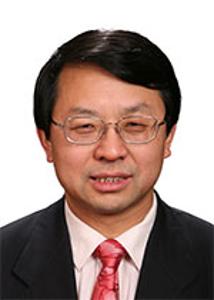 Fusuo Zhang (张福锁)合作论文数Shanxi Agricultural University;China Agricultural University2
 Jianbo Shen (申建波)合作论文数College of Resources and Environmental Sciences, China Agricultural University;National Academy of Agriculture Green Development, China Agricultural University2
 Zed Rengel合作论文数School of Agriculture and Environment, The University of Western Australia2William J. Davies合作论文数1Lingfei Zhang (张灵菲)合作论文数1Jiang Bai-wen合作论文数1MA Lei (马垒)合作论文数1
 Li Wang (王利)合作论文数1
 Wei Li (李威)合作论文数1
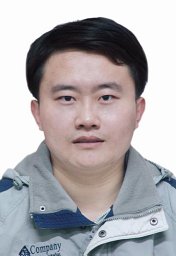 Tao Sun (孙涛)合作论文数School of Pharmacy, Fudan University1Xiaodong Zhang (张骁栋)合作论文数Institute of Wetland Research, Chinese Academy of Forestry1Zhongyang Liu合作论文数1LI Xiao-yun (李晓云)合作论文数1YuWen Shen (沈玉文)合作论文数1ZiChao Zhao (赵自超)合作论文数1AiLing He (和爱玲)合作论文数1Feng Fang (房锋)合作论文数1XiaoZong Song (宋效宗)合作论文数1JiangTao Wang (王江涛)合作论文数1XuHua Li (李絮花)合作论文数1Ping Liu (刘苹)合作论文数1Yan Li (李彦)合作论文数1
 Lihua Jiang (江丽华)合作论文数Shandong Agriculture and Engineering University1
 Geilfus Christoph-Martin合作论文数Institute of Plant Nutrition and Soil Science, Christian Albrechts University1
 Lingyun Cheng (程凌云)合作论文数College of Resources and Environmental Sciences, China Agricultural University1




