Tabular anomaly detection (TAD) aims to identify samples that deviate from the majority in tabular data and is critical in many real-world applications. However, existing methods follow a “one model for one dataset (OFO)” paradigm, which relies on dataset-specific training and thus incurs high computational cost and yields limited generalization to unseen domains. To address these limitations, we propose OFA-TAD, a generalist one-for-all (OFA) TAD framework that only requires one-time training on multiple source datasets and can generalize to unseen datasets from diverse domains on-the-fly. To realize one-for-all tabular anomaly detection, OFA-TAD extracts neighbor-distance patterns as transferable cues, and introduces multi-view neighbor-distance representations from multiple transformation-induced metric spaces to mitigate the transformation sensitivity of distance profiles. To adaptively combine multi-view distance evidence, a Mixture-of-Experts (MoE) scoring network is employed for view-specific anomaly scoring and entropy-regularized gated fusion, with a multi-strategy anomaly synthesis mechanism to support training under the one-class constraint. Extensive experiments on 34 datasets from 14 domains demonstrate that OFA-TAD achieves superior anomaly detection performance and strong cross-domain generalizability under the strict OFA setting.
Despite their success in various domains, the growing dependence on GNNs raises a critical concern about the nature of the combinatorial reasoning underlying their predictions, which is often hidden within their black-box architectures. Addressing this challenge requires understanding how GNNs translate topological patterns into logical rules. However, current works only uncover the hard logical rules over graph concepts, which cannot quantify the contribution of each concept to prediction. Moreover, they are post-hoc interpretable methods that generate explanations after model training and may not accurately reflect the true combinatorial reasoning of GNNs, since they approximate it with a surrogate. In this work, we develop a graph concept bottleneck layer that can be integrated into any GNN architectures to guide them to predict the selected discriminative global graph concepts. The predicted concept scores are further projected to class labels by a sparse linear layer. It enforces the combinatorial reasoning of GNNs' predictions to fit the soft logical rule over graph concepts and thus can quantify the contribution of each concept. To further improve the quality of the concept bottleneck, we treat concepts as "graph words" and graphs as "graph sentences", and leverage language models to learn graph concept embeddings. Extensive experiments on multiple datasets show that our method GCBMs achieve state-of-the-art performance both in classification and interpretability.
In this paper, we rethink model agent behaviors from a geometric structure perspective in multi-agent reinforcement learning. Modeling agent behaviors is essential for understanding how agents interact and facilitating effective decisions. The key lies in capturing the dependencies and sequential relationships among agent decisions. Since each decision influences the subsequent choices, this forms a hierarchical and nested tree-like structure of interdependencies. While modeling tree-like data in Euclidean spaces could cause distortion, which results in a loss of agent decision structure information. Motivated by this, we reconsider model agent behaviors in hyperbolic space and propose the Hyperbolic Multi-Agent Representations (HMAR) method, which projects the agent behaviors into a Poincaré ball and leverages hyperbolic neural networks to learn agent policy representations. Additionally, we designed a contrastive loss function to train this network, minimizing the distance in feature space between different representations of the same agent while maximizing the distance between representations of distinct agents. Experimental results provide empirical evidence for the effectiveness of the HMAR method in cooperative and competitive environments, demonstrating the potential of hyperbolic agent representations for effective decision-making in multi-agent environments.
Vision GNNs (ViGs) divide an image into multiple patches, treating these image patches as graph nodes. The image is represented by extracting explicit features from these patches as node features and constructing edge connections based on explicit dependencies. However, this explicit graph structure struggles to accurately capture deeper implicit dependencies. For example, at the node-level, implicit relationships include the intra-group consistency of local and global features belonging to the same semantic group and the inter-group distinction of features belonging to different semantic groups. At the graph-level, implicit relationships manifest in whether global consistency of edge connections can be established in the absence of direct edge connection supervision. These aspects are crucial for improving the accuracy of downstream tasks. Therefore, more effective learning of implicit dependencies in vision graph structures remains an area requiring further research. We designed the Discriminative Feature Reorganization (DFR) module to address implicit dependencies at the node-level. This module constructs a loss function using similarity measures between positive and negative sample feature pairs from adjacent layers of the neural network. By adjusting this loss function, the intra-group consistency and inter-group distinction of node-level local and global features can be enhanced. We also designed the Graph Structure Refinement (GSR) module. This module refines the consistency of graph-level implicit relationships of edge connections through interactive supervision of two graphs learned from adjacent layers of the neural network. Experimental results show that ViDR-GNN achieves significant performance improvements in image classification, object detection, and instance segmentation tasks.
Graph classification is a fundamental task. Traditional graph kernels often struggle with inaccurate similarity computation by counting discrete substructures rather than capturing their continuous distribution. To address this, we propose the Distributional Neural Tangent Kernel (DNTK), a novel framework that unlocks deep infinite-width graph representations via NTK formulations to effectively capture continuous node distributions. DNTK captures infinite-width neural representations inspired by graph neural networks (GNNs) while avoiding epoch-based end-to-end optimization. To explicitly tackle the over-smoothing bottleneck inherited from GNNs and preserve macroscopic structural properties, we introduce topology-residual connections alongside a scale-aware dual-pooling readout mechanism. In DNTK, each graph is viewed as an empirical distribution in the spectral space of its neural tangent kernel, and the Maximum Mean Discrepancy (MMD) is employed to compute robust distances between them, finalized by a Laplacian kernel. Extensive experiments across diverse benchmark datasets demonstrate that DNTK alleviates limitations of traditional graph kernels while remaining competitive with modern GNNs.
In this work, we focus on a novel and practical task, i.e., Time-vAriant iMage inPainting (TAMP). The aim of TAMP is to restore a damaged target image by leveraging the complementary information from a reference image, where both images capture the same scene but with a significant time gap in between, i.e., time-variant images. Different from conventional reference-guided image inpainting, the reference image under TAMP setup presents significant content distinction to the target image and potentially also suffers from damages. Such an application frequently happens in our daily life to restore a damaged image by referring to another reference image, where there is no guarantee of the reference image's source and quality. In particular, our study finds that even SOTA reference-guided image inpainting methods fail to achieve plausible results due to the chaotic image complementation. To address such an ill-posed problem, we propose a novel Interactive Distribution Transition Estimation (InDiTE) module which interactively complements the time-variant images with appropriate semantics thus facilitate the restoration of damaged regions. To further boost the performance, we propose our TAMP solution, namely Interactive Distribution Transition Estimation-driven Diffusion (InDiTE-Diff), which integrates InDiTE with SOTA diffusion model and conducts latent cross-reference during sampling. Moreover, considering the lack of benchmarks for TAMP task, we newly assembled a dataset, i.e., TAMP-Street, based on existing image and mask datasets. We conduct experiments on the TAMP-Street datasets under two different time-variant image inpainting settings, which show our method consistently outperform SOTA reference-guided image inpainting methods for solving TAMP.
Generalist graph anomaly detection (GAD) aims to detect anomalies on unseen graphs without graph-specific retraining. Nevertheless, existing approaches primarily focus on aligning heterogeneous features across different data domains via PCA-based projection, which harmonizes feature dimensions ignores feature semantics. As a result, GAD models fail to learn transferable semantic knowledge, and even exhibit negative transfer on unseen graphs. To address this issue, we propose a Relational Fingerprint-based generalist GAD approach (ReFi-GAD for short), aligning heterogeneous raw features with a universal and semantics-aware Relational Fingerprint (ReFi) that encodes anomaly-indicative cues from both contextual and structural perspectives. Building on ReFi, we design a fingerprint-grounded generalist GAD model, which combines a transformer-based encoder to capture domain-invariant knowledge with an SNR-guided refinement module for domain-specific adaptation. Extensive experiments on 14 datasets demonstrate that ReFi-GAD significantly outperforms state-of-the-art methods.
Learning with high-resource data has demonstrated substantial success in artificial intelligence (AI); however, the costs associated with data annotation and model training remain significant. A fundamental objective of AI research is to achieve robust generalization with limited-resource data. This survey employs agnostic active sampling theory within the Probably Approximately Correct (PAC) framework to analyze the generalization error and label complexity associated with learning from low-resource data in both model-agnostic supervised and unsupervised settings. Based on this analysis, we investigate a suite of optimization strategies tailored for low-resource data learning, including gradient-informed optimization, meta-iteration optimization, geometry-aware optimization, and LLMs-powered optimization. Furthermore, we provide a comprehensive overview of multiple learning paradigms that can benefit from low-resource data, including domain transfer, reinforcement feedback, and hierarchical structure modeling. Finally, we conclude our analysis and investigation by summarizing the key findings and highlighting their implications for learning with low-resource data.
Machine unlearning, which aims to efficiently remove the influence of specific data from trained models, is crucial for upholding data privacy regulations like the “right to be forgotten". However, existing research predominantly evaluates unlearning methods on relatively balanced forget sets. This overlooks a common real-world scenario where data to be forgotten, such as a user's activity records, follows a long-tailed distribution. Our work is the first to investigate this critical research gap. We find that in such long-tailed settings, existing methods suffer from two key issues: Heterogeneous Unlearning Deviation and Skewed Unlearning Deviation. To address these challenges, we propose FaLW, a plug-and-play, instance-wise dynamic loss reweighting method. FaLW innovatively assesses the unlearning state of each sample by comparing its predictive probability to the distribution of unseen data from the same class. Based on this, it uses a forgetting-aware reweighting scheme, modulated by a balancing factor, to adaptively adjust the unlearning intensity for each sample. Extensive experiments demonstrate that FaLW achieves superior performance.
Recent advances in embodied AI have established robot foundation models (RFMs) as the dominant approach for generalist robotic systems to date. By leveraging imitation learning on extensive robot demonstrations, RFMs have achieved impressive capabilities in mapping visual observations and language instructions to continuous robotic actions. However, current RFMs lack an inherent ability to reason about physical dynamics and the causal effects of robot behaviors on the 3D physical world. This creates a fundamental mismatch between 2D-centric visual perception and 3D-centric embodied interaction, severely limiting the generalization ability of RFMs in real-world tasks.To address this gap, we present WSA_1, a novel RFM built upon proposed 3D-Centric World-Spatial-Action modeling paradigm. It not only learns 3D world-aware visual thought for future robot behaviors, but also models mutual constraints between 3D world state transitions and robotic actions to enhance behavior generalization. Notably, WSA_1 achieves highly data-efficient pre-training with 6k hours of expert demonstration data (only 1k hours from real robot), while delivering competitive manipulation performance (93
Deep learning is rapidly becoming the default engine for automated discovery in astronomy, yet it remains unclear which part of the discovery pipeline it actually improves. Here we introduce ATLAS, a cross-modality benchmark spanning galaxy imaging, one-dimensional spectroscopy, and time-domain light curves. We use ATLAS to separate the contributions of representation learning, post-hoc scoring, feature-space geometry, and robustness under physically realistic distribution shifts. Across more than 20 methods, deep learning provides its clearest benefit at the representation stage, and only when the modality demands it: neural backbones retain a substantial advantage on morphology, but this advantage largely disappears on spectroscopy and time-domain data once representations are fixed. Classical scores match or exceed neural scorers on spectrum and light curve, including AUROC=0.967 for unsupervised random forest (URF) Weirdness on spectroscopy. Across all modalities and paradigms, feature-proximate Near-OOD targets remain consistently harder to recover than feature-distant Far-OOD anomalies, and near-perfect physical probe performance (R^2 > 0.984 for all six backbones) does not guarantee strong discovery performance. These results position deep learning not as a universally superior end-to-end detector, but as a modality-dependent representation engine whose benefits are selective, measurable and bounded.
Test-time adaptation enables models to adapt to evolving domains. However, balancing the tradeoff between preserving knowledge and adapting to domain shifts remains challenging for model adaptation methods, since adapting to domain shifts can induce forgetting of task-relevant knowledge. To address this problem, we propose FOCUS, a novel frequency-based conditioning approach within a diffusion-driven input-adaptation framework. Utilising learned, spatially adaptive frequency priors, our approach conditions the reverse steps during diffusion-driven denoising to preserve task-relevant semantic information for dense prediction. FOCUS leverages a trained, lightweight, Y-shaped Frequency Prediction Network (Y-FPN) that disentangles high and low frequency information from noisy images. This minimizes the computational costs involved in implementing our approach in a diffusion-driven framework. We train Y-FPN with FrequencyMix, a novel data augmentation method that perturbs the images across diverse frequency bands, which improves the robustness of our approach to diverse corruptions. We demonstrate the effectiveness of FOCUS for semantic segmentation and monocular depth estimation across 15 corruption types and three datasets, achieving state-of-the-art averaged performance. In addition to improving standalone performance, FOCUS complements existing model adaptation methods since we can derive pseudo labels from FOCUS denoised images for additional supervision. Even under limited, intermittent supervision from the derived pseudo labels, we show that FOCUS mitigates catastrophic forgetting for recent model adaptation methods. Source code is available at https://github.com/gabriel-tjio/FOCUS .
Few-shot learning aims to recognize novel categories from limited labeled samples, where prototypes estimated from 1--5 supports per class are often unreliable. Semantic-based approaches alleviate this by introducing class-level priors, but they often ignore instance-level cues and rarely optimize queries under the inductive protocol. We propose PMCE, a Probabilistic framework that leverages Multi-granularity semantics with Caption-guided Enhancement for few-shot classification. On base classes, we build a knowledge bank with class-wise visual statistics and class-name embeddings. At test time, the semantic embedding of a novel class retrieves a few similar base classes whose visual priors are aggregated into a class-specific prior and combined with the support-based prototype via MAP estimation. Simultaneously, we train a lightweight enhancer on base classes that fuses frozen BLIP captions with visual features, and apply it to both supports and queries without using query-set statistics or novel labels. A simple caption-consistency regularizer further improves robustness to noisy captions. Experiments on four standard benchmarks with ResNet-12 and Swin-T backbones show that PMCE outperforms state-of-the-art few-shot baselines, achieving up to 7.71% gains over the strongest competitor on MiniImageNet in the challenging 1-shot setting. Our code is available at https://github.com/channa419/PMCE.
Few-shot learning aims to identify novel categories from only a handful of labeled samples, where prototypes estimated from scarce data are often biased and generalize poorly. Semantic-based methods alleviate this by introducing coarse class-level information, but they are mostly applied on the support side, leaving query representations unchanged. In this paper, we present PMCE, a Probabilistic few-shot framework that leverages Multi-granularity semantics with Caption-guided Enhancement. PMCE constructs a nonparametric knowledge bank that stores visual statistics for each category as well as CLIP-encoded class name embeddings of the base classes. At meta-test time, the most relevant base classes are retrieved based on the similarities of class name embeddings for each novel category. These statistics are then aggregated into category-specific prior information and fused with the support set prototypes via a simple MAP update. Simultaneously, a frozen BLIP captioner provides label-free instance-level image descriptions, and a lightweight enhancer trained on base classes optimizes both support prototypes and query features under an inductive protocol with a consistency regularization to stabilize noisy captions. Experiments on four benchmarks show that PMCE consistently improves over strong baselines, achieving up to 7.71
In practical applications, datasets often exhibit imbalanced distributions. Deep models trained on imbalanced data frequently produce biased results, leading to degraded generalization performance. Data augmentation techniques represent a key approach to addressing imbalanced data. Although random image class mixing is widely regarded as a reliable method, existing mix-based augmentation strategies often neglect the spatial relationships between majority and minority class images, potentially generating low-quality samples. In this paper, we adopt an optimal transport approach to perform pre-matching based on the spatial relationships between primary objects across images before class mixing. This method ensures the accuracy of primary object positioning for both majority and minority classes while maximizing the utilization of majority-class background images. Experimental results demonstrate that as a data-centric input-level optimization method, our approach achieves superior performance across various imbalanced scenarios and exhibits scalability.
Multi-objective protein design is essential for meeting the complex demands of synthetic biology. To adapt to shifting multi-functional targets without the prohibitive cost of retraining, test-time scaling has emerged as a flexible, training-free alternative. However, current test-time diffusion methods face critical challenges: i) ineffective learning from interaction history leading to repetitive design errors, ii) over-reliance on successful cases as the reward signal, and iii) difficulties in balancing multi-objective functional trade-offs . To address these limitations, we propose MoMST, a framework for Multi-objective protein design via Memory-aware Self-contrastive learning with Test-time scaling in diffusion models. At test time, we develop a memory bank to extract generalizable reasoning experience from historical iterations. Building on this powerful experience learner, we derive rich residue-level relative preference signals from both successful and failed cases via self-contrastive learning for guiding protein generation. To ensure balance among competing multi-objective functions, we present an inference-time Pareto alignment strategy to resolve objective conflicts. Evaluations on both single-objective and complex multi-objective tasks demonstrate that MoMST exhibits remarkable performance.
Reply-free rumor detection requires a model to reason from source-post semantics and incomplete propagation signals while distinguishing insufficient evidence from conflicting evidence. Existing graph-based and knowledge-enhanced methods remain largely deterministic, whereas recent LLM-based approaches can generate useful auxiliary evidence but still lack explicit mechanisms for trust control and epistemic uncertainty modeling. To address this problem, we propose C-UKRE, a trust-gated counterfactual evidential reasoning framework for reply-free rumor detection. C-UKRE constructs a dual-view architecture: a reality view that encodes source-post semantics and observed propagation topology, and a counterfactual view that uses a frozen Large Language Model (LLM) to instantiate virtual expert responses as heuristic evidence. We further introduce a learnable trust gate and a Dempster-Shafer-based evidential fusion module to adaptively combine the two views and produce belief masses together with explicit epistemic uncertainty. Experiments on Twitter15, Twitter16, and PHEME under a strict reply-free setting show that C-UKRE improves the F1-score by 2.13% and 2.05% on Twitter15 and Twitter16 over the strongest baseline, while achieving the highest precision of 87.06% on PHEME. Additional analyses show that the estimated uncertainty is useful for uncertainty stratification and human-in-the-loop triage, highlighting the practical value of the proposed evidential learning framework under limited-context rumor verification.
Extending traditional graph anomaly detection (GAD) from one-for-one to one-for-all paradigms, generalist GAD aims to learn a universal detector for identifying anomalies on unseen graphs without graph-specific retraining. Nevertheless, existing approaches primarily focus on aligning heterogeneous features across different data domains via PCA-based projection, which harmonizes feature dimensions but neglects semantic alignment. As a result, GAD models fail to acquire semantically transferable knowledge from source-domain pre-training, and even exhibit negative transfer on unseen graphs. To address this issue, we propose a Relational Fingerprint-based generalist GAD approach (REFI-GAD for short), aligning heterogeneous raw features with a universal and semantics-aware relational fingerprint (REFI) that encodes anomaly-indicative cues from both contextual and structural perspectives. Building on REFI, we design a fingerprint-grounded generalist GAD model, which combines a transformer-based encoder to capture domain-invariant knowledge with an SNR-guided refinement module for domain-specific adaptation. Extensive experiments on 14 datasets demonstrate that REFI-GAD significantly outperforms state-of-the-art methods.
In real-world decision-making tasks, it is critical for reinforcement learning (RL) methods to be both stable and robust. Maximum entropy RL methods typically generate a robust policy with entropy augmented reward. While incorporating entropy into the reward offers the benefit of exploration, it presents limited universal applicability and persistent convergence difficulties, such as suboptimal policy stabilization and unstable $Q$ value update. From optimization, we define these two issues as tremulous policy and spiky Q-function, investigating their underlying causes and relationships. Analysis with this, the maximum entropy principle leads to a spiky $Q$ -function update, which ultimately results in a tremulous policy. We thus introduce a beta-symmetric Kullback-Leibler (KL) divergence objective to mitigate such issues under the maximum entropy framework. With this objective function, the tremulous nature of the policy could be controlled with a large beta value. The spiky $Q$ -function could be avoided by annealing the entropy in the target $Q$ value, as the beta-symmetric KL divergence is an upper bound of the original reverse KL divergence. Theoretically, we prove that minimizing our new objective function results in a new policy that presents an improvement in the $Q$ value. Guaranteed by these results, we ultimately derive the optimal policy by iteratively updating the $Q$ value and policy, and we call this method max-entropy stable optimization (MeSO). Experimental results on the Mujoco and Roboschool platforms demonstrate that our algorithm maintains stability while offering better flexibility and overall performance.
Dynamic graph learning, which focuses on modeling the merging, vanishing, and reconnection of nodes and edges, is crucial for real-world applications. In dynamic graphs, node neighborhoods often exhibit diverse and time-evolving topologies, including hierarchical, grid-like, and cyclic patterns. Existing methods typically embed graphs into a single curvature space, which limits the quality of node representations when the embedding geometry is not aligned well with the local graph topology. In this paper, we propose , a namic raph Transformer with a ixture f urvature-aware xperts, which efficiently embeds each node at every timestamp into an adaptive curvature space. Specifically, DyGMoCE incorporates a mixture-of-experts framework to both the attention and feed-forward modules, where each expert operates on a Riemannian manifold with a distinct curvature. Then, motivated by the geometric continuity across the experts, we introduce a routing mechanism with a ranking constraint. To improve efficiency, we design a mathematically equivalent fast Riemannian attention module, achieving an average speedup of 26.3% and memory reduction of 52.0% for DyGMoCE. Notably, the fast Riemannian attention module is broadly applicable to Transformer models with sequence inputs. Extensive experimental results show that DyGMoCE significantly outperforms other state-of-the-art methods.
 Ivor Tsang合作论文数Agency for Science, Technology and Research30
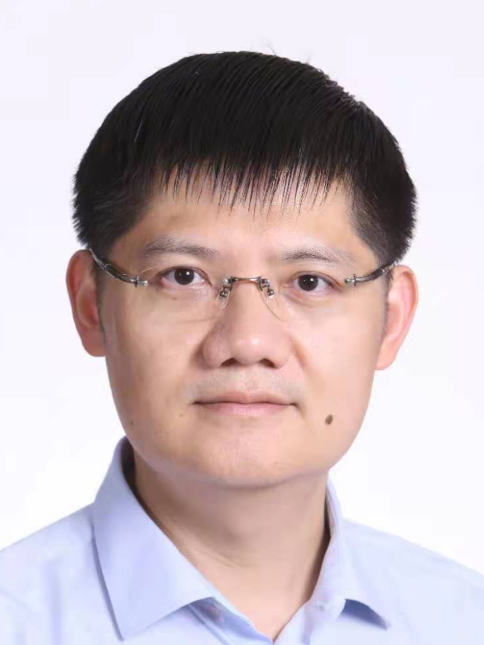 Yi Chang (常毅)合作论文数School of Artificial Intelligence, Jilin University;Research & Development Affairs Office, Jilin University18
 Qing Guo (郭青)合作论文数College of Computer Science, Nankai University12
 Wei Ye (叶伟)合作论文数Department of Control Science and Engineering, College of Electronic and Information Engineering, Tongji University;Shanghai Research Institute for Intelligent Autonomous Systems, Tongji University10
 Hengtao Shen (申恒涛)合作论文数School of Computer Science and Technology, Tongji University;School of Computer Science and Engineering, University of Electronic Science and Technology of China;AI Research Institute, University of Electronic Science and Technology of China8
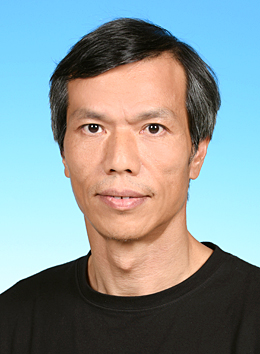 James Tin-Yau KWOK (郭天佑)合作论文数Department of Computer Science and Engineering, School of Engineering, Hong Kong University of Science and Technology8
 Jingcai Guo合作论文数Hong Kong Polytechnic University7
 Shirui Pan (潘世瑞)合作论文数School of Information and Communication Technology, Griffith University7
 Bohao Qu合作论文数6
 Jiangchao Yao (姚江超)合作论文数Cooperative Medianet Innovation Center, School of Integrated Circuits, Shanghai Jiao Tong University;Shanghai Artifcial Intelligence Laboratory6
 Hechang Chen (陈贺昌)合作论文数School of Artificial Intelligence, Jilin University5
 Mingwei Xu合作论文数4
 Zenglin Shi合作论文数Institute for Infocomm Research, Agency for Science, Technology and Research4
 Yang Jielong合作论文数Peking University, Peking University4
 Guandong Xu合作论文数School of Computer Science, University of Technology Sydney;Data Science Institute, University of Technology Sydney;Institution of Engineering and Technology;Smart Future Research Centre4
 Yew-Soon Ong合作论文数College of Computing and Data Science, Nanyang Technological University;School of Computer Science and Engineering, Nanyang Technological University;Centre for Frontier Al Research, Agency for Science, Technology and Research4
 Zhen Fang (方震)合作论文数Decision Systems and e-Service Intelligence Research Laboratory, Australian Artificial Intelligence Institute, University of Technology Sydney4
 Yuansheng Liu (刘元盛)合作论文数College Of Computer Science And Electronic Engineering, Hunan University4
 Yonggang Zhang合作论文数Hong Kong University of Science and Technology4Yun Xing合作论文数3
 Sheng-Jun Huang (黄圣君)合作论文数College of Computer Science and Technology, Nanjing University of Aeronautics and Astronautics3Weixin Bu合作论文数3
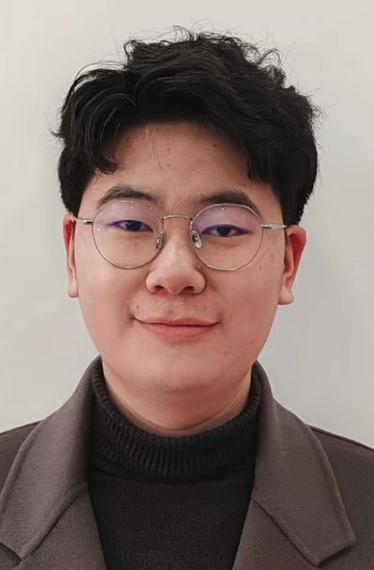 Yaming Guo (郭亚明)合作论文数The Hong Kong University of Science and Technology (Guangzhou)3
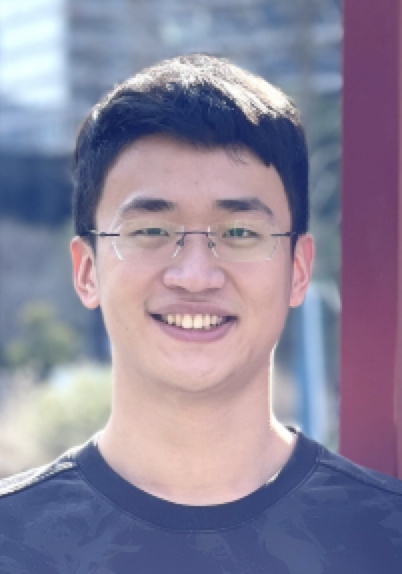 Chen Zhang (张晨)合作论文数Department of Electrical and Electronic Engineering, University of Hong Kong3
 Yizhen Zheng合作论文数Faculty of Information Technology, Monash University3
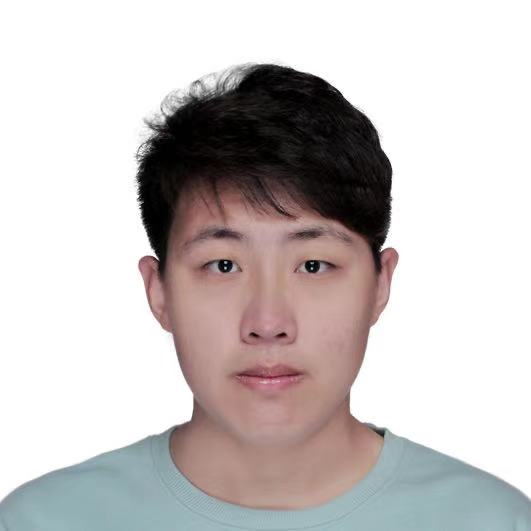 Pengkun Wang (王鹏焜)合作论文数Suzhou Institute for Advanced Research, University of Science and Technology of China3
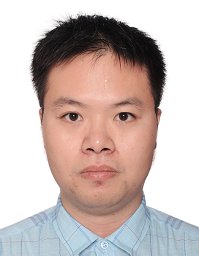 Weizhuo Li (李炜卓)合作论文数School of Modern Posts, Nanjing University of Posts and Telecommunications3
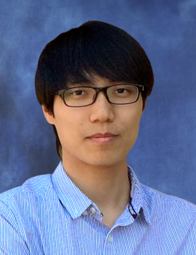 Weiyang Liu (刘威杨)合作论文数Department of Computer Science & Engineering, The Chinese University of Hong Kong;Max Planck Institute for Intelligent Systems3
 Baozhi Qiu (邱保志)合作论文数Zhengzhou University3
 Jianliang Xu (徐建良)合作论文数Blockchain and FinTech Lab, Department of Computer Science, Hong Kong Baptist University3
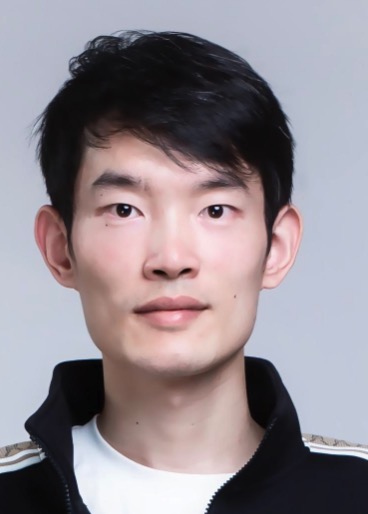 Kai Guo合作论文数Michigan State University3Chunyan Liu (刘春艳)合作论文数Tongji Medical College, Huazhong University of Science and Technology3
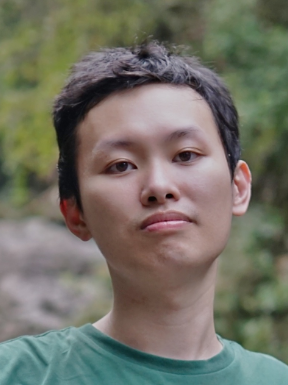 Yixin Liu (刘奕鑫)合作论文数Monash University3
 Xianwei Song (宋显伟)合作论文数Institute of Genetics and Developmental Biology, Chinese Academy of Sciences3
 Wengang Guo (郭文刚)合作论文数College of Electronic and Information Engineering, Tongji University2Zhijie Rao合作论文数2Xiaofeng Zu合作论文数2Feng Ji合作论文数School of Electrical and Electronic Engineering, Nanyang;Technological University2
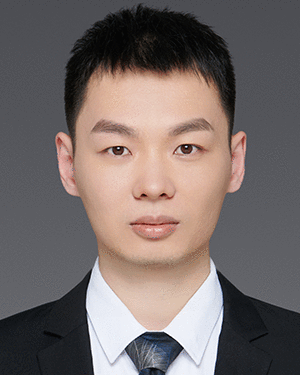 Yu Wang合作论文数2
 Feng Hong (洪峰)合作论文数Cooperative Medianet Innovation Center, Shanghai Jiao Tong University2
 Hang Yu (余航)合作论文数School of Computer Engineering and Science, Shanghai University2
 Jiaoyan Zhao合作论文数2
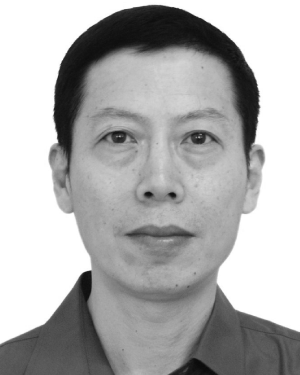 ZHANG Wei-ming合作论文数2Jie Gong合作论文数2
 Rui Fan (范睿)合作论文数College of Electronics & Information Engineering, Tongji University2Tao Tang合作论文数2
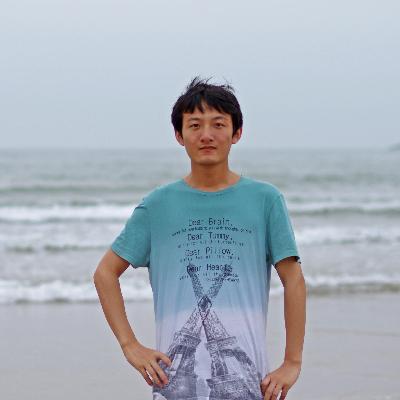 Xiaofeng Xu合作论文数School of Computer Science and Engineering, Nanjing University of Science and Technology2
 Bo Han (韓波)合作论文数Department of Computer Science, Faculty of Science, Hong Kong Baptist University2Cheng Zhu合作论文数2




