Obesity is a major human health crisis that promotes insulin resistance and, ultimately, type 2 diabetes. The molecular mechanisms that mediate this response occur across many highly complex biological regulatory levels that are incompletely understood. Here, we present a comprehensive molecular systems biology study of hepatic responses to high-fat feeding in mice. We interrogated diet-induced epigenomic, transcriptomic, proteomic, and metabolomic alterations using high-throughput omic methods and used a network modeling approach to integrate these diverse molecular signals. Our model indicated that disruption of hepatic architecture and enhanced hepatocyte apoptosis are among the numerous biological processes that contribute to early liver dysfunction and low-grade inflammation during the development of diet-induced metabolic syndrome. We validated these model findings with additional experiments on mouse liver sections. In total, we present an integrative systems biology study of diet-induced hepatic insulin resistance that uncovered molecular features promoting the development and maintenance of metabolic disease.
In recent years, the assay for transposase-accessible chromatin using sequencing (ATAC-Seq) has become a fundamental tool of epigenomic research. However, it is difficult to perform this technique on frozen samples because freezing cells before extracting nuclei can impair nuclear integrity and alter chromatin structure, especially in fragile cells such as neurons. Our aim was to develop a protocol for freezing neuronal cells that is compatible with ATAC-Seq; we focused on a disease-relevant cell type, namely motor neurons differentiated from induced pluripotent stem cells (iMNs) from a patient affected by spinal muscular atrophy. We found that while flash-frozen iMNs are not suitable for ATAC-Seq, the assay is successful with slow-cooled cryopreserved cells. Using this method, we were able to isolate high quality, intact nuclei, and we verified that epigenetic results from fresh and cryopreserved iMNs quantitatively agree.
Src homology 3 (SH3) domains bind peptides to mediate protein–protein interactions that assemble and regulate dynamic biological processes. We surveyed the repertoire of SH3 binding specificity using peptide phage display in a metazoan, the worm Caenorhabditis elegans , and discovered that it structurally mirrors that of the budding yeast Saccharomyces cerevisiae . We then mapped the worm SH3 interactome using stringent yeast two‐hybrid and compared it with the equivalent map for yeast. We found that the worm SH3 interactome resembles the analogous yeast network because it is significantly enriched for proteins with roles in endocytosis. Nevertheless, orthologous SH3 domain‐mediated interactions are highly rewired. Our results suggest a model of network evolution where general function of the SH3 domain network is conserved over its specific form.
Diet-induced obesity (DIO) predisposes individuals to insulin resistance, and adipose tissue has a major role in the disease. Insulin resistance can be induced in cultured adipocytes by a variety of treatments, but what aspects of the in vivo responses are captured by these models remains unknown. We use global RNA sequencing to investigate changes induced by TNF-α, hypoxia, dexamethasone, high insulin, and a combination of TNF-α and hypoxia, comparing the results to the changes in white adipose tissue from DIO mice. We found that different in vitro models capture distinct features of DIO adipose insulin resistance, and a combined treatment of TNF-α and hypoxia is most able to mimic the in vivo changes. Using genome-wide DNase I hypersensitivity followed by sequencing, we further examined the transcriptional regulation of TNF-α-induced insulin resistance, and we found that C/EPBβ is a potential key regulator of adipose insulin resistance.
MicroRNA (miRNA)-mediated gene regulation is of critical functional importance in animals and is thought to be largely constrained during evolution. However, little is known regarding evolutionary changes of the miRNA network and their role in human evolution. Here we show that a number of miRNA binding sites display high levels of population differentiation in humans and thus are likely targets of local adaptation. In a subset we demonstrate that allelic differences modulate miRNA regulation in mammalian cells, including an interaction between miR-155 and TYRP1, an important melanosomal enzyme associated with human pigmentary differences. We identify alternate alleles of TYRP1 that induce or disrupt miR-155 regulation and demonstrate that these alleles are selected with different modes among human populations, causing a strong negative correlation between the frequency of miR-155 regulation of TYRP1 in human populations and their latitude of residence. We propose that local adaptation of microRNA regulation acts as a rheostat to optimize TYRP1 expression in response to differential UV radiation. Our findings illustrate the evolutionary plasticity of the microRNA regulatory network in recent human evolution.
“Smart-pooling” is a strategy to achieve high efficiency, sensitivity, and specificity in large-scale yeast two-hybrid screening. In smart-pooling, reagents are multiplexed in a highly redundant manner and the positives can be read out on the final selection plates without the requirement of any extra experimental steps. We have shown that the Shifted Transversal Design (STD), a powerful theoretical construction for smart-pooling, can be used in yeast two-hybrid interactome mapping. STD pooling can achieve similar levels of sensitivity and specificity as one-on-one array-based yeast two-hybrid, while the costs and workloads are much lower. This chapter focuses on the construction and usage of STD arrays for large-scale yeast two-hybrid interactome mapping.
Gene regulation is a process with many steps allowing for stochastic biochemical reactions, which leads to expression noise-i.e., the cell-to-cell stochastic fluctuation in protein abundance. Such expression noise can give rise to drastically diverse phenotypes, even within isogenic cell populations. Although numerous biophysical approaches had been proposed to model the origin and propagation of expression noise in biological networks, these models essentially characterize the innate stochastic dynamics in gene regulation in a mechanistic way. In this work, by investigating expression noise in the context of yeast cellular networks, we place the biophysical formulism onto solid genetic ground. At the sequence level, we show that extremely noisy genes are highly conserved in their coding sequences. At the level of cellular networks where natural selection is manifested by the topological constraints, we show that genes with varying expression noise are modularly organized in the protein interaction network and are positioned orderly in the gene regulatory network. We demonstrate that these topological constraints are highly predictive of stochastic gene expression, with which we were able to confidently predict stochastic expression for more than 2,000 yeast genes whose expression noise was previously not known. We validated the predictions by high-content cell imaging. Our approach makes feasible genome-wide prediction of stochastic gene expression, and such predictability in turn suggests that expression noise is an evolvable genetic trait.
SH3 domains are peptide recognition modules that mediate the assembly of diverse biological complexes. We scanned billions of phage-displayed peptides to map the binding specificities of the SH3 domain family in the budding yeast, Saccharomyces cerevisiae. Although most of the SH3 domains fall into the canonical classes I and II, each domain utilizes distinct features of its cognate ligands to achieve binding selectivity. Furthermore, we uncovered several SH3 domains with specificity profiles that clearly deviate from the two canonical classes. In conjunction with phage display, we used yeast two-hybrid and peptide array screening to independently identify SH3 domain binding partners. The results from the three complementary techniques were integrated using a Bayesian algorithm to generate a high-confidence yeast SH3 domain interaction map. The interaction map was enriched for proteins involved in endocytosis, revealing a set of SH3-mediated interactions that underlie formation of protein complexes essential to this biological pathway. We used the SH3 domain interaction network to predict the dynamic localization of several previously uncharacterized endocytic proteins, and our analysis suggests a novel role for the SH3 domains of Lsb3p and Lsb4p as hubs that recruit and assemble several endocytic complexes.
"Smart-pooling," in which test reagents are multiplexed in a highly redundant manner, is a promising strategy for achieving high efficiency, sensitivity, and specificity in systems-level projects. However, previous applications relied on low redundancy designs that do not leverage the full potential of smart-pooling, and more powerful theoretical constructions, such as the Shifted Transversal Design (STD), lack experimental validation. Here we evaluate STD smart-pooling in yeast two-hybrid (Y2H) interactome mapping. We employed two STD designs and two established methods to perform ORFeome-wide Y2H screens with 12 baits. We found that STD pooling achieves similar levels of sensitivity and specificity as one-on-one array-based Y2H, while the costs and workloads are divided by three. The screening-sequencing approach is the most cost- and labor-efficient, yet STD identifies about twofold more interactions. Screening-sequencing remains an appropriate method for quickly producing low-coverage interactomes, while STD pooling appears as the method of choice for obtaining maps with higher coverage.
Systematic functional genomics approaches were used to map a network centered on the small ubiquitin-related modifier (SUMO) system. Over 250 physical interactions were identified using the SUMO protein as bait in affinity purification-mass spectrometry and yeast two-hybrid screens. More than 500 genes and 1400 synthetic genetic interactions were mapped by synthetic genetic array (SGA) analysis using eight different SUMO pathway query genes. The resultant global SUMO network highlights its role in 15 major biological processes and better defines functional relationships between the different components of the SUMO pathway. Using this information-rich resource, we have identified roles for the SUMO system in the function of the AAA ATPase Cdc48p, the regulation of lipid metabolism, localization of the ATP-dependent endonuclease Dna2p, and recovery from the DNA-damage checkpoint.
http://www.sciencemag.org/cgi/content/full/322/5898/104 version of this article at: including high-resolution figures, can be found in the online Updated information and services, http://www.sciencemag.org/cgi/content/full/1158684/DC1 can be found at: Supporting Online Material found at: can be related to this article A list of selected additional articles on the Science Web sites http://www.sciencemag.org/cgi/content/full/322/5898/104#related-content http://www.sciencemag.org/cgi/content/full/322/5898/104#otherarticles , 20 of which can be accessed for free: cites 45 articles This article 42 article(s) on the ISI Web of Science. cited by This article has been http://www.sciencemag.org/cgi/content/full/322/5898/104#otherarticles 16 articles hosted by HighWire Press; see: cited by This article has been http://www.sciencemag.org/cgi/collection/genetics Genetics : subject collections This article appears in the following
service Email alerting click here top right corner of the article or Receive free email alerts when new articles cite this article-sign up in the box at the
Current yeast interactome network maps contain several hundred molecular complexes with limited and somewhat controversial representation of direct binary interactions. We carried out a comparative quality assessment of current yeast interactome data sets, demonstrating that high-throughput yeast two-hybrid (Y2H) screening provides high-quality binary interaction information. Because a large fraction of the yeast binary interactome remains to be mapped, we developed an empirically controlled mapping framework to produce a “second-generation” high-quality, high-throughput Y2H data set covering ∼20% of all yeast binary interactions. Both Y2H and affinity purification followed by mass spectrometry (AP/MS) data are of equally high quality but of a fundamentally different and complementary nature, resulting in networks with different topological and biological properties. Compared to co-complex interactome models, this binary map is enriched for transient signaling interactions and intercomplex connections with a highly significant clustering between essential proteins. Rather than correlating with essentiality, protein connectivity correlates with genetic pleiotropy.
Several attempts have been made to systematically map protein-protein interaction, or 'interactome', networks. However, it remains difficult to assess the quality and coverage of existing data sets. Here we describe a framework that uses an empirically-based approach to rigorously dissect quality parameters of currently available human interactome maps. Our results indicate that high-throughput yeast two-hybrid (HT-Y2H) interactions for human proteins are more precise than literature-curated interactions supported by a single publication, suggesting that HT-Y2H is suitable to map a significant portion of the human interactome. We estimate that the human interactome contains approximately 130,000 binary interactions, most of which remain to be mapped. Similar to estimates of DNA sequence data quality and genome size early in the Human Genome Project, estimates of protein interaction data quality and interactome size are crucial to establish the magnitude of the task of comprehensive human interactome mapping and to elucidate a path toward this goal.
Intersectins (Itsn) are conserved EH and SH3 domain containing adaptor proteins. In Drosophila melanogaster, ITSN is required to regulate synaptic morphology, to facilitate efficient synaptic vesicle recycling and for viability. Here, we report our genetic analysis of Caenorhabditis elegans intersectin. In contrast to Drosophila, C. elegans itsn-1 protein null mutants are viable and display grossly normal locomotion and development. However, motor neurons in these mutants show a dramatic increase in large irregular vesicles and accumulate membrane-associated vesicles at putative endocytic hotspots, approximately 300 nm from the presynaptic density. This defect occurs precisely where endogenous ITSN-1 protein localizes in wild-type animals and is associated with a significant reduction in synaptic vesicle number and reduced frequency of endogenous synaptic events at neuromuscular junctions (NMJs). ITSN-1 forms a stable complex with EHS-1 (Eps15) and is expressed at reduced levels in ehs-1 mutants. Thus, ITSN-1 together with EHS-1, coordinate vesicle recycling at C. elegans NMJs. We also found that both itsn-1 and ehs-1 mutants show poor viability and growth in a Disabled (dab-1) null mutant background. These results show for the first time that intersectin and Eps15 proteins function in the same genetic pathway, and appear to function synergistically with the clathrin-coat-associated sorting protein, Disabled, for viability.
PDZ domains are protein-protein interaction modules that recognize specific C-terminal sequences to assemble protein complexes in multicellular organisms. By scanning billions of random peptides, we accurately map binding specificity for approximately half of the over 330 PDZ domains in the human and Caenorhabditis elegans proteomes. The domains recognize features of the last seven ligand positions, and we find 16 distinct specificity classes conserved from worm to human, significantly extending the canonical two-class system based on position -2. Thus, most PDZ domains are not promiscuous, but rather are fine-tuned for specific interactions. Specificity profiling of 91 point mutants of a model PDZ domain reveals that the binding site is highly robust, as all mutants were able to recognize C-terminal peptides. However, many mutations altered specificity for ligand positions both close and far from the mutated position, suggesting that binding specificity can evolve rapidly under mutational pressure. Our specificity map enables the prediction and prioritization of natural protein interactions, which can be used to guide PDZ domain cell biology experiments. Using this approach, we predicted and validated several viral ligands for the PDZ domains of the SCRIB polarity protein. These findings indicate that many viruses produce PDZ ligands that disrupt host protein complexes for their own benefit, and that highly pathogenic strains target PDZ domains involved in cell polarity and growth.
BID is a BH3 domain-only member of the Bcl-2 family that acts as an apoptotic agonist in programmed cell death. After cleavage by caspase-8, the N-terminal of BID (N-BID) stays in the cytosol while the C-terminal of BID (C-BID) translocates to mitochondria, leading to cytochrome c release in vivo and in vitro. We have previously reported that BID or truncated BID (tBID) can induce the release of entrapped trypsin and cytochrome c from large unilamellar vesicles (LUVs). Further studies have been performed and are presented here; the results demonstrate that C-BID, like BID and tBID, induces vesicle leakage, whereas N-BID or the BID mutants BID (D59A) and BID (G94E) fail to have any significant effects. The affinity of the above-mentioned proteins for soybean phospholipid LUVs (SLUVs) decreased in an order similar to their leakage-inducing capability: tBID > BID > BID (D59A), while N-BID and BID (G94E) were unable to bind to the vesicles at all. BID-induced leakage was dependent on the lipid composition of vesicles. Acidic phospholipid (e.g. phosphatidic acid or phosphatidylglycerol) was necessary for BID-induced leakage while the presence of phosphatidylethanolamine or cholesterol reduced the leakage. It was also found C-BID is better able to penetrate the soybean phospholipid monolayer than BID or tBID. A further finding was that tBID, but not full-length BID, could stimulate the aggregation of SLUVs. Finally, Bcl-x(L), an apoptotic antagonist in programmed cell death, can prevent the aggregation of LUVs induced by tBID, but not the release of entrapped trypsin. It is postulated that two separate domains of tBID are responsible for inducing leakage and aggregation of phospholipid vesicles.
 Charles Boone合作论文数Donnelly Centre for Cellular and Biomolecular Research, Temerty Faculty of Medicine, University of Toronto;Department of Molecular Genetics, University of Toronto9
 Marc Vidal合作论文数Dana-Farber Cancer Institute;Harvard Medical School;Division of Medical Sciences, Harvard Kenneth C. Griffin Graduate School of Arts and Sciences, Harvard University8
 David E. Hill合作论文数Department of Cancer Biology, Center for Cancer Systems Biology, Dana-Farber Cancer Institute7
 Jean-Francois Rual合作论文数6
 Tomoko Hirozane-Kishikawa合作论文数6
 Haiyuan Yu合作论文数Department of Computational Biology, Cornell University;Center for Innovative Proteomics, Cornell University;Weill Institute for Cell and Molecular Biology, Cornell University;Meinig School of Biomedical Engineering, Cornell University5Julie M Sahalie合作论文数4Christophe Simon合作论文数4
 Hao Tong (童浩)合作论文数Huazhong University of Science and Technology4
 Albert-Laszlo Barabasi合作论文数College of Science, Northeastern University;Center for Complex Network Research, Northeastern University;Dana-Farber Cancer Institute;University of Notre Dame;Brigham and Women's Hospital4Michael E. Cusick合作论文数4
 Frederick Roth合作论文数Department of Molecular Genetics, Temerty Faculty of Medicine, University of Toronto;Donnelly Centre for Cellular & Biomolecular Research, Temerty Faculty of Medicine, University of Toronto;Lunenfeld-Tanenbaum Research Institute, Mt. Sinai Hospital;BioSymetrics;Constantiam Biosciences;Ranomics;SeqWell;Center for Cancer Systems Biology, Dana Farber Cancer Institute4
 Alexei Vazquez合作论文数Nodes & Links4
 Pascal Falter-Braun合作论文数4Fana Gebreab合作论文数4Nicolas Simonis合作论文数Centre de Biologie Structurale et Bioinformatique, Université Libre de Bruxelles4
 Irma H. Lemmens合作论文数4
 Jan Tavernier合作论文数Université catholique de Louvain4Amélie Dricot合作论文数4Troy Moore合作论文数3Michael E. Hudson合作论文数3Ryan Murray合作论文数3
 Nicolas Thierry-Mieg合作论文数Univ Grenoble Alpes, CNRS, TIMC IMAG, F-38000 Grenoble, France3Jingjing Li合作论文数Univ Toronto, Dept Mol Genet, Toronto, ON M5S 1A8, Canada3
 Sachdev Sidhu合作论文数Anvil Institute, School of Pharmacy, University of Waterloo3Tonikian Raffi合作论文数3
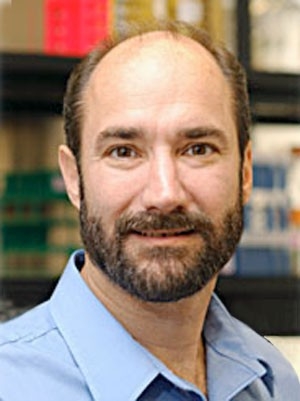 Michael Snyder合作论文数Department of Genetics, School of Medicine, Stanford University;Center for Genomics and Personalized Medicine;Karolinska Institute3
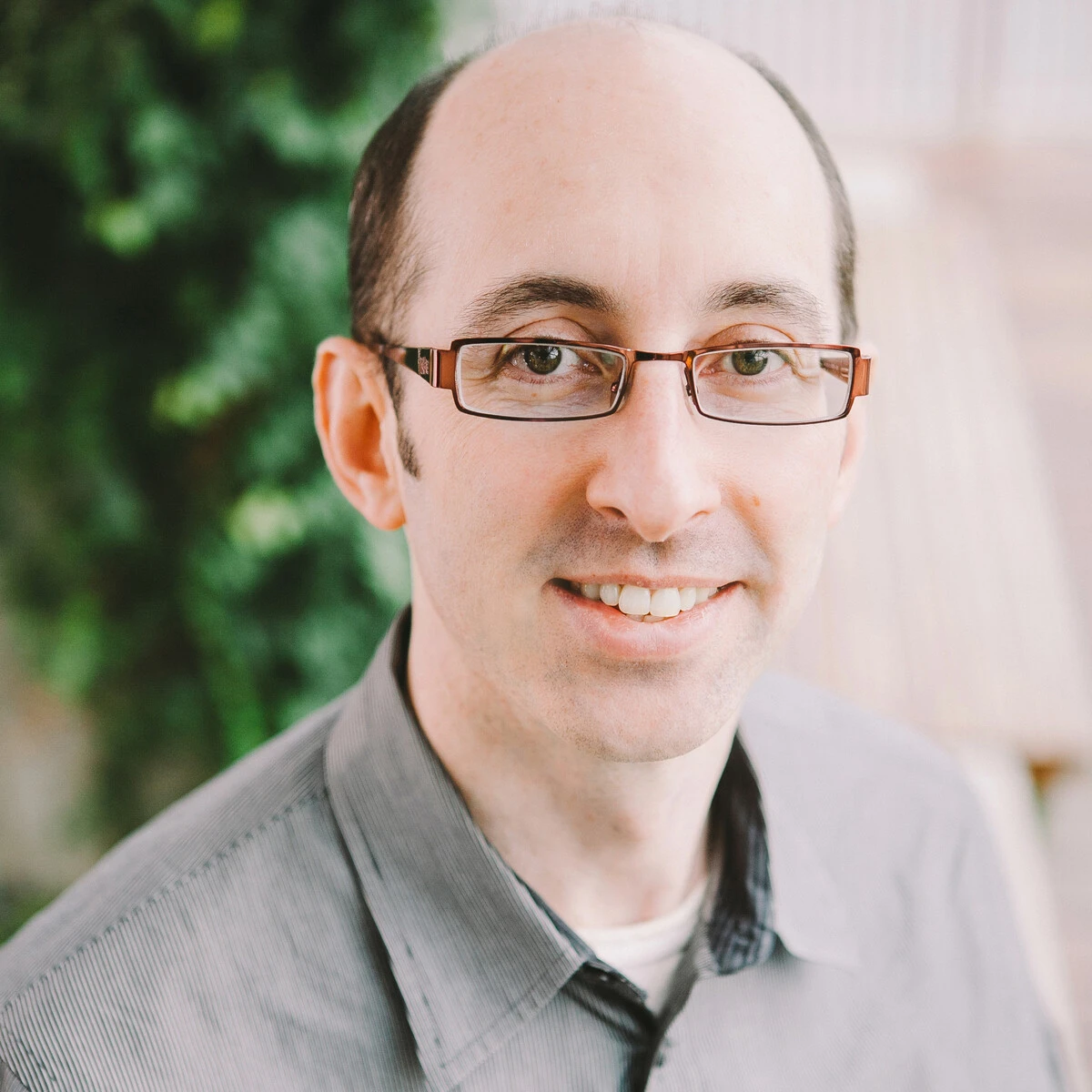 Gary Bader合作论文数Donnelly Centre for Cellular and Biomolecular Research, University of Toronto;Department of Molecular Genetics, Temerty Faculty of Medicine, University of Toronto3Stanley Tam合作论文数Center for Cancer Systems Biology (CCSB) and Department of Cancer Biology, Dana-Farber Cancer Institute3Changyu Fan合作论文数3Charlie Boone合作论文数3Leah Tardivo合作论文数3
 Nenad Svrzikapa合作论文数Orfonyx Bio3Adriana Motyl合作论文数3Kavitha Venkatesan合作论文数Center for Cancer Systems;Dana-Farber Cancer Institute;Center for Cancer Systems, Dana-Farber Cancer Institute3Muhammed A Yildirim合作论文数Center for Cancer Systems;Dana-Farber Cancer Institute;Center for Cancer Systems, Dana-Farber Cancer Institute3Anne-Sophie De Smet合作论文数3
 Ernest Fraenkel合作论文数School of Engineering,MIT3Bridget Currell合作论文数3
 Sekar Seshagiri合作论文数AntlerA Therapeutics;ModMab Therapeutics;SciGenom Research Foundation3Na Li合作论文数2
 Yingnan Zhang合作论文数Genentech2
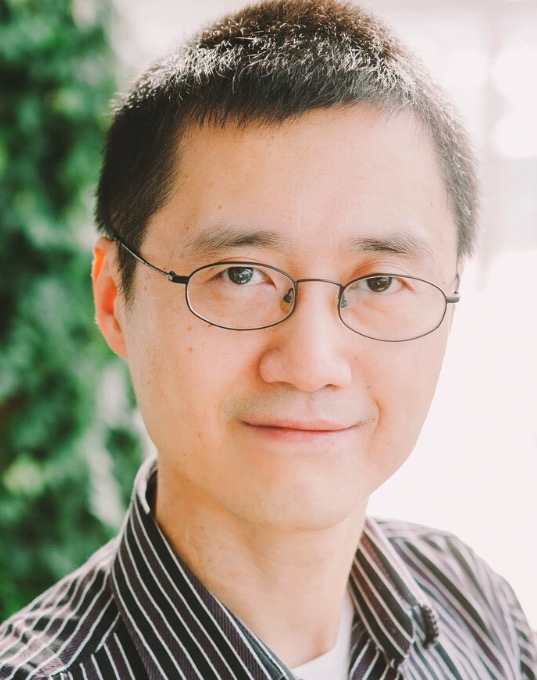 Zhaolei Zhang合作论文数Donnelly Centre for Cellular and Biomolecular Research, Temerty Faculty of Medicine, University of Toronto;Department of Molecular Genetics, University of Toronto2
 Bryan J. Matthews合作论文数Departments of Biological Engineering and2Yoon Sing Yap合作论文数Departments of Biological Engineering and2
 Roger J Davis合作论文数NeuroNexus Institute, T.H. Chan School of Medicine, University of Massachusetts;Department of Biochemistry and Molecular Biotechnology, Morningside Graduate School of Biomedical Sciences, University of Massachusetts;Howard Hughes Medical Institute2
 David Drubin合作论文数Department of Molecular and Cell Biology, College of Letters & Science, University of California;Division of Genetics, Genomics and Development, College of Letters & Science, University of California2
 Juyong Park合作论文数2Norman J. Kennedy合作论文数2




