Large old trees are important ecological entities in human settlements, providing cultural values and ecological services that are threatened by current and future changes in global climate, land use and disturbance regimes. Some studies suggest incorporating social and cultural significance into the conservation of large old trees. However, research on the biological and cultural conservation mechanisms of these trees is limited. It is urgent to explore how to combine both biological and cultural aspects for the protection of large old trees and to provide a feasible reference framework for their management and conservation in other regions. The ethnobotanical methods such as free enumerations, semi-structured interviews and participatory surveys have been used to collect traditional knowledge associated with large old trees in Nujiang Lisu Autonomous Prefecture. Four environmental variables and three response variables were quantified to make generalized additive analysis. A total of 75 large old tree species were recorded, along with their traditional knowledge. Most species are native plants, predominantly from the Fagaceae, Moraceae, Fabaceae, Juglandaceae and Pinaceae. Local people possess extensive traditional knowledge about large old trees. 95% of these trees have value in terms of edibility, medicinal properties, timber, ornamental and cultural significance, playing an important role in the lives of local people. Townships located at low elevation and with higher population density are associated with a higher tree density. The proportion of cultural trees decreases with an increase in the proportion of the Han population. Nujiang Lisu Autonomous Prefecture has a variety of large old trees, and local people possess rich traditional knowledge associated with them. Traditional knowledge and local ethnic culture play an important role in the protection (such as taboos, Cunguiminyue practices and customary laws) in the conservation efforts for large old trees. Our study enriches the culture-ecology co-conservation paradigm, providing localized solutions as references for sustainable ancient tree management across diverse geographical contexts.Read the free for this article on the Journal blog. (sic)(sic)(sic)(sic)(sic)(sic)(sic)(sic)(sic)(sic)(sic)(sic)(sic)(sic)(sic)(sic)(sic),(sic)(sic)(sic)(sic)(sic)(sic)(sic)(sic)(sic)(sic)(sic)(sic)(sic)(sic)(sic)(sic)(sic)(sic)(sic)(sic)(sic)(sic)(sic)(sic)(sic)(sic)(sic)(sic),(sic)(sic)(sic)(sic)(sic)(sic)(sic)(sic)(sic)(sic)(sic)(sic)(sic)(sic).(sic)(sic)(sic)(sic)(sic)(sic)(sic)(sic)(sic)(sic)(sic)(sic)(sic)(sic)(sic)(sic)(sic)(sic)(sic)(sic)(sic)(sic)(sic)(sic),(sic)(sic)(sic)(sic)(sic)(sic)(sic)(sic)(sic)(sic)(sic)(sic)(sic)(sic)(sic)(sic)(sic)(sic)(sic)(sic)(sic)(sic)(sic)(sic)(sic)(sic)(sic)(sic).(sic)(sic)(sic)(sic)(sic)(sic)(sic)(sic)(sic)(sic)(sic)(sic)(sic)(sic)(sic)(sic)(sic)(sic)(sic)(sic)(sic),(sic)(sic)(sic)(sic)(sic)(sic)(sic)(sic)(sic)(sic)(sic)(sic)(sic)(sic)(sic)(sic)(sic)(sic)(sic)(sic). (sic)(sic)(sic)(sic)(sic)(sic)(sic)(sic)(sic)(sic),(sic)(sic)(sic)(sic)(sic)(sic)(sic)(sic)(sic)(sic)(sic)(sic)(sic)(sic)(sic)(sic)(sic)(sic)(sic)(sic),(sic)(sic)(sic)(sic)(sic)(sic)(sic)(sic)(sic)(sic)(sic)(sic)(sic)(sic)(sic)(sic)(sic)(sic)(sic)(sic)(sic)(sic),(sic)(sic)(sic)(sic)(sic)4(sic)(sic)(sic)(sic)(sic)(sic)3(sic)(sic)(sic)(sic)(sic)(sic)(sic)(sic)(sic)(sic)(sic)(sic)(sic)(sic)(sic). (sic)(sic)(sic)75(sic)(sic)(sic)(sic)(sic)(sic)(sic)(sic)(sic)(sic)(sic),(sic)(sic)(sic)(sic)(sic)(sic)(sic),(sic)(sic)(sic)(sic),(sic)(sic),(sic)(sic),(sic)(sic)(sic)(sic)(sic)(sic)(sic)(sic).(sic)(sic)(sic)(sic)(sic)(sic)(sic)(sic)(sic)(sic)(sic)(sic)(sic)(sic)(sic),95%(sic)(sic)(sic)(sic)(sic)(sic)(sic),(sic)(sic),(sic)(sic),(sic)(sic)(sic)(sic)(sic)(sic)(sic),(sic)(sic)(sic)(sic)(sic)(sic)(sic)(sic)(sic)(sic)(sic)(sic). (sic)(sic)(sic),(sic)(sic)(sic)(sic)(sic)(sic)(sic)(sic)(sic)(sic)(sic)(sic)(sic)(sic);(sic)(sic)(sic)(sic)(sic)(sic)(sic)(sic)(sic)(sic)(sic)(sic)(sic)(sic)(sic)(sic)(sic)(sic)(sic).(sic)(sic)(sic)(sic)(sic)(sic)(sic)(sic)(sic)(sic)(sic),(sic)(sic)(sic)(sic)(sic)(sic)(sic)(sic)(sic)(sic)(sic)(sic)(sic)(sic)(sic)(sic)(sic). (sic)(sic)(sic)(sic)(sic)(sic)(sic)(sic)(sic)(sic)(sic)((sic)(sic)(sic),(sic)(sic)(sic)(sic),(sic)(sic)(sic)(sic))(sic)(sic)(sic)(sic)(sic)(sic)(sic)(sic)(sic)(sic)(sic)(sic).(sic)(sic)(sic)(sic)(sic)(sic)(sic)(sic)-(sic)(sic)(sic)(sic)(sic)(sic)(sic)(sic),(sic)(sic)(sic)(sic)(sic)(sic)(sic)(sic)(sic)(sic)(sic)(sic)(sic)(sic)(sic)(sic)(sic)(sic)(sic)(sic)(sic)(sic)(sic)(sic)(sic)(sic)(sic)(sic).
The greatest global challenge is to ensure that all people have access to adequate and nutritious food. Wild edible plants, particularly those that provide substitutes for staple foods, can play a key role in enhancing food security and maintaining a balanced diet in rural communities. We used ethnobotanical methods to investigate traditional knowledge on Caryota obtusa, a substitute staple food plant of the Dulong people in Northwest Yunnan, China. The chemical composition, morphological properties, functional, and pasting properties of C. obtusa starch were evaluated. We used MaxEnt modeling to predict the potential geographical distribution of C. obtusa in Asia. Results revealed that C. obtusa is a vital starch species with cultural significance in the Dulong community. There are large areas suitable for C. obtusa in southern China, northern Myanmar, southwestern India, eastern Vietnam, and other places. As a potential starch crop, C. obtusa could substantially contribute to local food security and bring economic benefit. In the future, it is necessary to study the breeding and cultivation of C. obtusa, as well as the processing and development of starch, to solve long-term and hidden hunger in rural areas.
在产业扶贫的过程中,要有价值链思维,通过多主体合作,确保扶贫产业提供的产品或服务能善始善终,真正实现价值.广西D县通过"扶贫鸡"产业培育,由政府和龙头企业共同整合价值链不同环节的参与主体,以保障产业发展始终建立在完整价值链基础上,并取得了较好成效.但整个"扶贫鸡"产业培育过程,也能观察到产业链在各个阶段,不同主体间的利益博弈较为激烈,质量-成本控制存在许多障碍,价值链断裂风险始终存在.为了避免扶贫产业价值链断裂,需要形成政府-龙头企业坚守价值链思维,形成推动产业发展的双主导格局,扶贫政策资金、项目要着眼于价值链整体维持和延续进行综合设计.要建立跨区域协同的价值链延伸、维持机制,通过对市场消费的刺激,推动扶贫产业真正走向市场化和可持续发展.
Angiopteris esculenta is one of the most important wild substitute plant for staple food in Dulong’s communities (the least populated ethnic group in Yunnan Province, China) for centuries. The Dulong people collect the underground parts of A. esculenta to extract flour and make it into food. In order to study and record the traditional knowledge of Angiopteris esculenta, ethnobotanical methods were employed to investigate and document the traditional knowledge about A. esculenta, and approaches of food science were used to reveal the basic components, morphology, physicochemical properties, and gelatinization characteristics of A. esculenta flour in the present paper. The results were as follows: (1) A. esculenta was a multipurpose plant in the traditional livelihood of Dulong people. Local people employed this plant for edible, medicinal, ornamental purpose and woody purposes. Quantitative analysis showed that the relative frequency of citation (RFC) of the edibleness was much higher than that of other uses, indicating that it was mainly used as staple food. (2) The traditional uses of fern flour extracted from the underground part of A. esculenta imply rationality. There was high starch content in the flour, and the total starch content was 86.2%, and A. esculenta flour contained various mineral elements necessary for human body. (3) The flour had good physicochemical properties, among which the retrogradation and freeze-thaw stability were strong, which could be used in the production and process of frozen food and starch products. The regeneration value and attenuation value of starch were much lower than that of common starch, which indicated that it had good stability of hot paste and cold paste, and not easy to regenerate, thus imply the good processability in food industry. In conclusion, A. esculenta flour has a good potential for utilization and further development. It is expected to play a positive role for increasing local residents’ income and for rural revitalization in remote areas, through the approaches of artificial cultivation. The research results provide a theoretical basis for the subsequent processing and utilization of A. esculenta.
The Dulong people have accumulated a wealth of traditional botanical knowledge (TBK) over a long period on bamboo use to adapt to their living environment, which impacts many aspects of the life, culture, and creative productivity of the Dulong people. However, research on TBK associated with bamboo in Dulong communities is still lacking. It is urgent to investigate and document the TBK related to bamboo in the context of rapid economic development and social changes in Dulong communities. Field surveys were conducted four times between 2019 and 2020. Thirty informants were selected using snowball sampling and were interviewed using free lists and semi-structured interviews. Most informants were or had been engaged in bamboo collection and weaving. The participatory observation approach has also been applied to field surveys. The use value (UV) of bamboo species and the relative frequency of citations (RFC) were used to evaluate and compare the importance of bamboo plants used by the Dulong people. Through ethnoecological investigations, 12 bamboo species belonging to seven genera traditionally used by the Dulong people and TBK associated with bamboo were recorded. Phyllostachys sulphurea , Dendrocalamus fugongensis , and Fargesia pleniculmis were the most valuable and favored species, as indicated by their relatively high RFC and UV indices. The Dulong people have accumulated a wealth of TBK associated with bamboo and are familiar with the distribution, ecology, morphology, characteristics, and purpose of bamboo species in the Dulongjiang region. These bamboo plants and their traditional knowledge have great potential for conserving the local biodiversity and sustainable development. In the future, we will increase the growth of industries related to bamboo plants, such as bamboo shoots as food, bamboo as medication, bamboo for the weaving industry, and bamboo for biocultural diversity conservation.
民间生物分类是一种基于当地文化的方言命名系统,是指在科学分类以外、存在于民间的对生物进行分门别类的方法和过程.许多研究证明,民间分类与科学分类法十分相似,在生物多样性调查与编目、生物文化多样性保护和资源的可持续利用等方面有着非常重要的作用.随着文化同质性和生物多样性丧失的日益加剧,许多珍贵的民间分类传统知识在没有被记录或被发现之前就已经消失,亟待抢救.本文对民间生物分类的概念、主要研究内容和进展进行全面回顾,并对目前民间生物分类存在的问题进行展望,以期为人们全面了解民间生物分类提供参考,并为今后民间生物分类的相关研究提供资料.
跨区域农产品产业链协作,能将东部地区市场、资本与中西部地区相对后发展县域优质农产品供应基地、相对低收入的农户更紧密地结合在一起.通过农产品产业链协作,促进产业链纵向、横向延伸,并将产业链主体尽可能留在中西部县域,对助力这些县域构建巩固脱贫攻坚成效、实现乡村振兴的长效机制具有重要意义.但是,这种跨区域农产品产业链协作面临各层级政府间协调性不足、政府与市场双失灵风险,存在产业链最后一公里障碍、农户参与积极性不高等困难和阻力.通过完善跨区域农产品产业链协作顶层制度设计、调适政府与市场主体合作关系、建立全国统一的农产品信息服务平台、加强中西部县域商贸物流基础设施建设、优化产业链各环节主体间利益关系,可以有效克服跨区域产业链协作障碍,让农产品产业链更好地服务带动中西部地区乡村振兴.
Pu'er Traditional Tea Agroecosystem is one of the projects included in the United Nations' Globally Important Agricultural Heritage Systems (GIAHS) since 2012. Against the background of having rich biodiversity and a long history of tea culture, the ancient tea trees in Pu'er have experienced from wild–transition–cultivation for thousands of years, and the local people's knowledge about the management of ancient teagardens has not been rigorously recorded. For this reason, it is important to study and record the traditional management knowledge of Pu'er ancient teagardens and the influence on the formation of tea trees and communities. This study focuses on the traditional management knowledge of ancient teagardens in Jingmai Mountains, Pu'er, and monoculture teagardens (monoculture and intensively managed planting base for tea cultivation) were used as the control, through the community structure, composition and biodiversity of ancient teagardens to respond to the influence of traditional management, and this work with a view to providing a reference for further research on the stability and sustainable development of tea agroecosystem. From 2021 to 2022, information on traditional management of ancient teagardens was obtained through semi-structured interviews with 93 local people in the Jingmai Mountains area of Pu'er. Informed consent was obtained from each participant before conducting the interview process. The communities, tea trees and biodiversity of Jingmai Mountains ancient teagardens (JMATGs) and monoculture teagardens (MTGs) were examined through field surveys, measurements and biodiversity survey methods. The Shannon-Weiner (H), Pielou (E) and Margalef (M) indices were calculated for the biodiversity of the teagardens within the unit sample, using monoculture teagardens as a control. The tea tree morphology, community structure and composition of Pu'er ancient teagardens are significantly different from those of monoculture teagardens, and the biodiversity is significantly higher than that of monoculture teagardens. The local people mainly manage the ancient tea trees mainly using several methods, including weeding (96.8
The Dulong, an ethnic group living in the isolated Northwest Yunnan of Southwest China, have directly used a wide of plants to serve their needs and have accumulated rich traditional knowledge about medicinal plants over years. Unfortunately, little has been reported about the medicinal plants used by the Dulong people. Ethnobotanical data were collected through semi-structured interviews, guided field trips, and quantitative analysis. Prior informed consent was obtained before each interview. The surveys allowed for the collection of sociodemographic data and traditional knowledge about medicinal plants and their uses. This study used relative frequency of citation (RFC) to identify the most culturally significant medicinal plants and used informant consensus factor (FIC) to evaluate agreement among informants. A total of 105 medicinal plant species belonging to 69 families were recorded. Amongst these 69 families, Asteraceae (8 species), Polygonaceae, Ranunculaceae, and Rosaceae (4 species each) were the dominant families. The whole plants were the most frequently used part in the preparation of medicines. The most common preparation method was decoction and the most frequent application route was oral administration. Coptis teeta (0.15), Acorus calamus (0.12), Ophiocordyceps sinensis (0.11), Tanacetum tatsienense var. tanacetopsis (0.11), and Paris polyphylla var. yunnanensis (0.08) were shown to be the most useful plants as indicated by their relatively high RFC values. Among the usage types of medicinal plants, the highest FIC values were recorded for the circulatory system (FIC = 0.91), the immune system (FIC = 0.89), and the nervous system (FIC = 0.85). Furthermore, sixty-two medicinal plants utilized by the Dulong for medicinal purposes also have dietary use. Traditional knowledge associated with medicinal plants has been seriously threatened in recent decades. In the future, modern approaches should be used to demystify traditional medicine. However, significant measures need to be taken to protect from loss the important traditional knowledge gained by the Dulong through their experience and inheritance. A collective effort should be made to promote and conserve the important traditional medicinal knowledge and outline a plan for sustainable use of medicinal plants and improve local economic development under the premise of protection.
Prunus mume has been cultivated for more than three millennia with important edible, ornamental, and medicinal value. Due to its sour taste, the Prunus mume fruit (called Meizi in Chinese and Ume in Japanese) is not very popular compared to other fruits. It is, however, a very favorite food for the Bai people living in Eryuan County, Dali of Yunnan, China. The local people are masters of making various local products with plum in different ways. In this research, we conducted field investigations in Eryuan County using ethnobotanical methods from August 2019 to July 2021, focusing on the Prunus mume (for its edible fruits). A total of 76 key informants participated in our semi-structured interviews. The survey recorded 37 species (and varieties) belonging to 11 families related to the Bai people’s Meizi-consuming culture. Among them, there are 14 taxa of plum resources, including one original species and 13 varieties. These 37 species are either used as substitutes for plum due to their similar taste or as seasonings to improve the sour taste of plum. The higher Cultural Food Significance Index value implies that Prunus mume, Chaenomeles speciosa, Phyllanthus emblica, Prunus salicina, and Chaenomeles cathayensis have high acceptance and use value in the Bai communities. Among the various local products traditionally made by the Bai people, carved plums, preserved plums, perilla-wrapped plums, and stewed plums are the most famous and popular categories in the traditional markets. Currently, the plum business based on the traditional Meizi-consuming culture of the Bai people is already one of Eryuan’s economic pillars. This study showed that plums play an important role in expressing the local cultural diversity, and they also help the local people by improving their livelihood through their edible value. In turn, for the sustainable use of plum resources, the Bai people positively manage local forests through a series of measures to protect the diversity of plum resources and related plant communities.
我国区域经济发展表现出越来越明显的向核心城市极化的趋势,在全国形成了三大经济核心,而各省级区域也围绕着"首位城市"极化.经济极化在中西部民族省区,体现得更明显.但中西部民族省区因为远离国家经济核心,无法有效分享国家经济核心发展红利,而在本区域经济极化的过程中,人口、资源、财富向核心城市集聚的步伐不一,导致本来就比较大的民族间发展差距问题,变得更加复杂.为此,各地应在顺应经济极化趋势的情况下,改变发展思路,加大引导少数民族劳动者向核心城市转移,探寻跨区域土地、人口、财政等协同分配,避免核心城市在虹吸周边地区资源、财富的同时,却排斥周边人口,以人均的发展均衡代替片面的区域均衡发展.
改革开放以来我国东部地区先行城镇化,推动了农产品供应链西移,这对形成优势互补高质量发展区域经济布局,实现立足双循环保障农产品供应链稳定,促进各区域民众共同富裕具有积极意义.但中西部地区小农户嵌入农产品供应链还存在一些困难和障碍,使其难以公平分享供应链西移带来的发展红利.针对这种情况,应平衡农业规模化与小散农户关系,提升小农户参与现代农产品供应链能力,培育家庭农场并提高小农户组织化水平,引导农产品产业链—价值链同步下移,消除小农户嵌入现代农产品供应链的能力障碍、心理顾虑,充分保障其利益.
我国现阶段经济发展出现了明显的极化趋势,部分核心城市或发达地区在经济格局中地位越来越重要,其他地区在经济上相对边缘化.通过将广东、广西、贵州、云南四省区作为一个整体,可以观察到这种极化现象,在区域经济总体规模对比、区域经济效率对比两个角度都非常明显.在经济极化、区域经济失衡的过程中,因为一系列因素的影响,核心地区对边缘地区出现选择性虹吸,人口向核心地区集聚滞后于资源、财富的集聚,核心地区产业、经济向边缘地区的扩散,却受到了抑制.这种情况导致区域经济失衡的同时,也造成了同地区社会群体间发展水平失衡.为此,需要在保障政策"竞争中性"的同时,通过跨区域产业-就业协同,破解经济极化导致的区域-群体发展不公平叠加现象,推动人口与经济的同步集聚,以实现群体间发展的公平.
建设县域农村电子商务服务体系,对促进农村、农业信息化和农村经济市场化,推动农村经济转型升级具有重要意义.但是,在县域农村电子商务发展起步阶段,重复建设问题就已经突显出来,一个县域建设众多电商平台,一个乡镇建设多个服务站点,物流机构蜂拥而入,配套服务多元机构混乱提供.重复建设不但导致资源的严重浪费,还对农村经济发展和产业转型升级造成了较严重干扰.政府制度与政策供给偏差、电商企业恶性竞争、农村经济类型多样和资源分散,是导致县域电子商务服务体系建设出现问题的关键原因.为了引导农村电子商务健康发展,需要明确农村电商发展以服务农村产业培育、集聚和升级为导向的思路,要以公共物品或准公共物品供应的思路推动后发地区农村三级电子商务服务体系和配套物流服务体系建设,改变撒网式、普惠式的农村基础设施和服务项目建设方式,在引导农村供给和消费适当集中的基础上,降低农村电子商务服务体系建设和运营成本.
乡村经济精英因其生长于乡村,且立足乡村经济获得精英地位,在精准了解贫困群体需求,精准选择和培育产业方面更具比较优势.广西地区部分县域的乡村经济精英,通过精准选择产业,敏锐把握新经济模式,在获得自我发展机会的同时,也在带动贫困户发展方面有较好的表现,他们的成功更直观地展示了乡村经济精英在精准扶贫工作中的价值.为更好地发挥这些乡村经济精英在精准扶贫过程中的作用,建立多元主体分工协作机制,改进相关政策设计,便利乡村经济精英参与一些项目,多渠道增强乡村经济精英的获得感,采取有力措施治理"精英俘获"避免乡村精英价值扭曲,通过多方面措施激励和强化乡村经济精英更深入参与精准扶贫工作的积极性.
我国公共政策决策机构识别和建构的民族政策问题,与社会现实的族群关系问题之间,存在一定的偏离.这种偏离使得民族政策的设计与实施受到了较大影响,其政策目标也相应地出现了偏离.在社会多元化环境下,民族政策中存在的这些情况,若不能得到调整和改变,将会对我国族群团结、社会稳定造成不利影响.为了克服民族政策存在的这些问题,需要纠正对民族问题的泛化理解,将涉及族群因素的政策更多建立在市场、公共服务基础上,在族群间建构多维联系纽带.
公共服务O2O平台,是未来公共服务供应的重要载体,对促进公共服务协同性、便利性、互动性和体验性都具有重要意义.公共服务O2O平台要实现一个平台、一个网络、一个标准面向公众提供公共“一站式”服务,以平台整合各类公共服务主体和资源,以在线门户服务公共服务消费者.当前公共服务O2O平台建设,还面临法制不健全、信息公开不充分,可办事项少,互动性不足,区域发展不均衡等障碍,需要在平台建设过程中不断克服这些障碍,促进公共服务O2O平台健康良性发展.
在促进南疆发展稳定的工作中,解决南疆劳动者就业问题具有关键意义.在南疆经济社会发展水平相对偏低的情况下,依托有力的财政政策支持,有组织、规模化推动南疆劳动力向中、东部省市转移就业,并基于中央关于构建嵌入式社会结构的战略安排,引导转移就业者融入当地社会,不但是解决南疆就业问题的重要措施,而且对破解南疆社会固化状况,解决南疆其他社会问题也具有非常直接的作用.要引导南疆劳动者向外转移,同时激励社会主体、市场机构参与服务、接纳南疆劳动者,需要出台有效的财政奖补措施,以激发劳动者转移就业的动机,弥补相关主体为此付出的成本.同时,也要出台配套的工作机制,整合就业岗位资源和服务资源,更好地服务于转移就业劳动者,更有效促进他们转移后的社会融入.
当前部分民族文化研究和宣传工作中,存在“与汉族切割”现象.这种民族文化研究和宣传思路,会对我国民族团结局面造成深刻伤害,会强化民族关系领域业已存在的“二元结构”,引发激进民粹主义与狭隘民族主义合流,也很容易被民族分裂势力和国际反华势力利用以达成其撕裂中国社会、分裂中国国家的目的.在民族文化研究和宣传过程中,要防范和纠正这种做法,着重强调各民族的融合而非敌对,注重共性研究而不是差异研究,从公共文化服务视角开展文化遗产保护.同时,要构建一个多维度的话语体系,与敌对势力争夺“民族问题”话语权,向国内外民众讲好中国民族故事.
目前新疆各民族分区聚居集中程度很高,相互嵌入不足,这是导致新疆社会稳定问题的重要原因之一。因此,在新疆城镇化进程中,应通过一系列措施促进各民族互嵌式社会结构的建设,同时也要转变对口援疆模式,引导更多新疆各民族群众到内地就业居住,融入当地社会,形成相互嵌入式的社会结构。
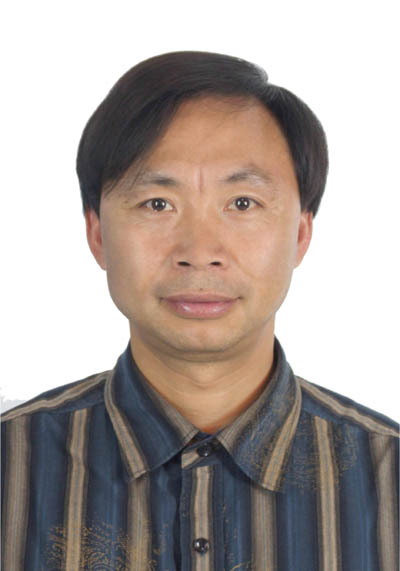 ChunLin Long (龙春林)合作论文数College of Life and Environmental Sciences, Minzu University of China8
 Zhuo Cheng合作论文数7
 Yanxiao Fan合作论文数5
 Xian Hu合作论文数4
 Qing Zhang (张清)合作论文数3
 Bin-Sheng Luo合作论文数3
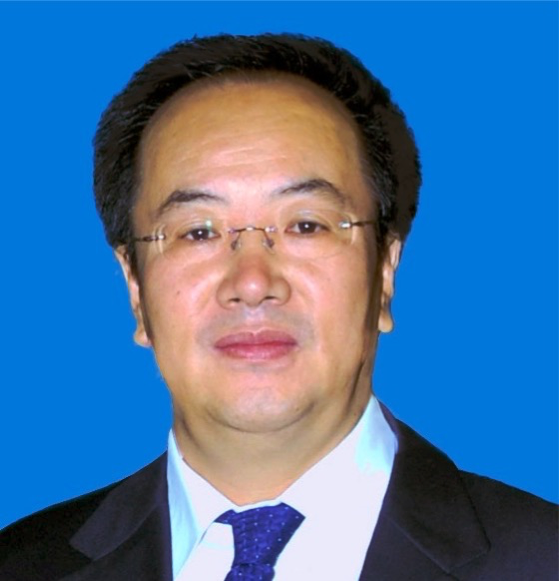 Junqing Li (李俊清)合作论文数School of Management Minzu University of China3Jingyuan GUO (郭静远)合作论文数2Hangfei ZHONG (种航飞)合作论文数2
 Qiong Fang合作论文数Wageningen University & Research2liubai yan (闫柳柏)合作论文数1Wanlin Li合作论文数1Yuan Meng (孟媛)合作论文数1
 Maroof Ali合作论文数Anhui Normal University1yanan du (杜亚男)合作论文数1ShangGuo Xie (谢尚果)合作论文数1Yong Xiong (熊勇)合作论文数1




