Hemolytic performance is the key performance of artificial heart pumps. To reduce the damage to blood during the operation of artificial heart pumps and improve hemolysis performance, this paper investigates the influence of several key parameters of artificial heart pumps (volute type, inlet guide cone, blade wrap angle, tip clearance) on hemolysis performance. Firstly, a fluid domain model of the artificial heart pump was established, and mesh partitioning and fluid simulation parameter settings were carried out. Secondly, a shear stress model and a hemolysis estimation model were established, providing a model foundation for the study of hemolysis performance. Finally, the influence of several key parameters on the hemolysis performance was studied based on CFD, and the optimal parameter combination was determined, thereby completing the optimization of the hemolysis performance of the artificial heart pump. The results showed that the hemolysis performance of the artificial heart pump was significantly improved under the parameter combination of the single-volute, increased inlet guide cone, blade wrap angle of 90°, and tip clearance of 100 μm. The optimized standard hemolysis index decreased by 94.40 % compared to before optimization. This work can provide technical guidance for the development of artificial heart pumps.
Lithium-ion batteries are currently widely used in various industries. Battery aging is inevitable, and it is also a key scientific issue in battery research. However, it is still lacking a comprehensive view of the aged battery from a mechanical perspective. This article aims to provide insight into the mechanical perspectives of the aged batteries. First, the morphologies of aged batteries were observed and measured from macro-to micro-scale. Second, the relationship between mechanical properties and the SOH of components and single batteries was quantified. Third, industrial CT and computational models were used to analyze the internal deformation of aged batteries. Finally, the swelling forces of aged batteries were investigated. The typical characteristics of swelling force were analyzed for various aged batteries, and mechanisms were revealed through experimental investigation, theoretical analysis, and numerical calculation. The results will help observe and reveal the aging mechanism of lithium batteries from a mechanical perspective.
Titanium (Ti) and its alloys have been widely used as clinical implant biomaterials. However, protein adhesion and bacterial infection can negatively impact the efficacy of these implants. To combat this, a promising strategy is to develop a versatile coating on Ti materials that endows them with antifouling and antibacterial capabilities. This work focused on the development of a polydopamine (PDA) and poly(sulfobetaine methacrylate) (PSBMA) co-deposition coating on Ti substrates. The coating contained copper ions, iron ions, and catechol groups, which coordinated to assemble bimetal-phenolic networks (bMPNs). Digital imaging, SEM, AFM, XPS, water contact angle, and film thickness tests confirmed the success of the modification. The antibacterial properties of the coating were evaluated using Gram-positive Staphylococcus aureus, while the cytotoxicity of the coating on human umbilical vein endothelial cells was also examined. The results demonstrated an excellent improvement in hydrophilicity, antibacterial properties, and benign biocompatibility of the coated Ti substrate, making it suitable for bioimplants and medical devices.
Venous sinus stenosis is commonly observed in patients presenting with pulsatile tinnitus (PT). While magnetic resonance imaging (MRI) and computed tomography (CT) are commonly used for assessing venous sinus geometries, the preferred modality remains unclear. In this study, we reconstructed the three-dimensional (3D) geometries of the venous sinus using MRI and CT imaging data from 20 PT patients. We conducted comparisons of the anatomical features of the venous sinus through case-wise analysis and anatomic geometrical parameter-wise analysis. Our findings indicate that by taking the geometries from CT as a reference, MRI could provide a better illustration of venous structure, primarily due to a stronger flow signal concentrated in the vascular tree. We observed high agreements in anatomic parameters measured from 3D geometries reconstructed based on CT and MRI in 19 out of 20 cases. Notably, the cross-sectional area of the sinus and segment length displayed the highest consistency, with a mean difference of -5.01% and 6.5% between modalities, respectively. In addition, we noticed that 55% of cases exhibited consistency in analyzing the confluence of the sinus, while variants of connectivity and collateral branching were observed between CT and MRI. Importantly, CT-based geometric reconstruction provided better detail of inflow side branches in the straight sinus, whereas MRI preserved more side branches of outflow in the downstream sinus. It is important to note that CT-based evaluation may be affected by the bone structures surrounding the venous sinus, whereas MRI-based evaluation focuses on blood flow to the segments, potentially indicating both anatomical and functional abnormalities.
Objective Exploring the position and bone wall thickness characteristics of the maxillary central incisors in Southern Chinese adults to provide a clinical reference for the design of immediate maxillary central incisor implantation surgery. Methods The hospital ethics committee approved the study, and the patients provided informed consent. CBCT images of 990 adult patients (aged 20-79 years) from the Stomatology Hospital (January 2018 to December 2021) were categorized based on the dental arch form and age-sex groups. Sagittal CBCT images of the maxillary central incisors were used to measure the labial and palatal bone thickness wall at 4 mm the CEJ to apical, the middle of the root, and the angle between the tooth long axis and the long axis of the alveolar process, to compare the thickness of the labial and palatal bone walls in samples of male and female patients, and to explore the relationship between the angle between the tooth long axis and the alveolar process long axis in samples of male and female patients in different age groups (20-39 years; 40-59 years; 60-79 years). Results Significant differences were found in the labiopalatine side of the alveolar bone of the maxillary incisor root position. A total of 95.8% (948/990) of the maxillary incisors were positioned more buccally, 4.1% (41/990) were positioned more midway, and 0.1% (1/990) were positioned more palatally. The thicknesses of the bone wall at the CEJ of 4 mm below the palatal side, the middle of the root, and at the apex were greater (1.82 ± 0.56 mm, 3.20 ± 1.10 mm, and 7.70 ± 2.00 mm, respectively) than those at the labial side (1.21 ± 0.32 mm, 0.89 ± 0.35 mm, and 1.86 ± 0.82 mm, respectively), with statistical significance (P<0.05). Male bone wall thickness was generally greater than female bone wall thickness (P<0.05). The angle between the long axis of male teeth and the alveolar bone was 14.77° ± 5.66°, while that of female teeth was 12.80° ± 5.70°, with a statistically significant difference (P<0.05). The angle between the long axis of teeth and the alveolar bone in the 40-59-year-old group and the 60-79-year-old group was greater than that in the 20-39-year-old group, and the difference was statistically significant (P<0.05). Conclusion A total of 95.8% of adults in South China have maxillary central incisors with root deviation toward the labial bone cortex. The thickness of the labial bone wall is much thinner than that of the labial bone wall, which is the middle of the thickness of the root. In Southern Chinese adults, the angle between the upper central incisor and the long axis of the alveolar bone in males is greater than that in females, and the degree of the angle increases with age. It is recommended to pay attention to the thickness of the bone wall around the root and the angle between the teeth before immediate implantation surgery to choose a reasonable implantation plan.
Adverse events(AEs) related to hepatotoxicity have been reported in patients treated with immune checkpoint inhibitors (ICIs). As the number of adverse events increases, it is necessary to assess the differences in each immune checkpoint inhibitor regimen. The purpose of this study was to examine the relationship between ICIs and hepatotoxicity in a scientific and systematic manner. Data were obtained from the FDA Adverse Event Reporting System database (FAERS) and included data from the first quarter of 2014 to the fourth quarter of 2021. Disproportionality analysis assessed the association between drugs and adverse reactions based on the reporting odds ratio (ROR) and information components (IC). 9,806 liver adverse events were reported in the FAERS database. A strong signal was detected in older patients (≥65 years) associated with ICIs. hepatic adverse events were most frequently reported with Nivolumab (36.17%). Abnormal liver function, hepatitis, and autoimmune hepatitis were most frequently reported, and hepatitis and immune-mediated hepatitis signals were generated in all regimens. In clinical use, patients should be alert to these adverse effects, especially in elderly patients, who may be aggravated by the use of ICI.
Introduction: The role of gender, age, dose and other factors in the adverse reaction process of pseudocholelithiasis caused by ceftriaxone is controversial. In this study, we further explored potential risk factors using the FAERS database. Methods: The reported odds ratio (ROR) and the information component (IC) of specific candidate factors were calculated by using the ROR method and the Bayesian confidence promotion neural network (BCPNN) method respectively to detect potential risk factors in adverse events(AEs) of ceftriaxone and hepatobiliary calculi(HBC). One candidate factor will be considered as a suspicious signal, or potential risk factors if its lower limit of 95% confidence interval of ROR (ROR025) is greater than 1 and its lower limit of 95% confidence interval of IC (IC025) is greater than 0. Results: A total of 764 AEs of HBC were used to this analysis to evaluate candidate risk factors: Age group, Gender, Dose. Child (1-12 years): male ROR025 = 6.64, IC025 = 2.42, female ROR025 = 6.66, IC025 = 2.40. Adolescent group (12-18 years): male ROR025 = 5.47, IC025 = 2.08; elderly (>= 65 years): female ROR025 = 1.25, IC025 = 0.22. Conclusions: Gender was not detected as a risk factor for HBC caused by ceftriaxone. However, Male infants, male children, female children, adolescent male, and elderly female were potential risk factors for HBC caused by ceftriaxone based on criteria ROR025 > 1 and IC025 > 0.
ObjectiveDietary intake of fruit is associated with lower incidence of hypertension and cardiovascular risk. Papaya is a kind of delicious fruit and reported has dietary therapeutic effects, such as digestive stimulation and hypotensive efficacy. However, the mechanism of pawpaw involved have not been elucidated. Here, we illustrate that the effect of pawpaw on the gut microbiota and the prevention of cardiac remodeling.MethodsGut microbiome, cardiac structure/function, and blood pressure were examined in SHR and WKY groups. The intestinal barrier was tested with histopathologic; immunostaining and Western blot were used to measure the tight junction protein level; Gpr41 was tested by RT-PCR, and inflammatory factors were detected with ELISA.ResultsWe observed a significant decrease in microbial richness, diversity, and evenness is the spontaneously hypertensive rat (SHR), in addition to an increased Firmicutes/Bacteroidetes (F/B) ratio. These changes were accompanied by decreased in acetate and butyrate-producing bacteria. Compared with SHR, treatment with pawpaw at the dosage of 10 g/kg for 12 weeks significantly reduced the blood pressure, cardiac fibrosis and cardiac hypertrophy, while the ratio of F/B decreased. We also found that the concentration of short-chain fatty acids (SCFAs) was increased in SHR fed with pawpaw compared with that in control group, while the gut barrier was restored and level of proinflammatory cytokines in the serum were decreased.ConclusionsPawpaw, rich of high fiber, led to changes in the gut microbiota that played a protective role in the development of cardiac remodeling. The potential mechanism of pawpaw may explained by the generation of one of the main metabolites of the gut microbiota, the short-chain fatty acid acetate, increasing tight junction protein level occluding to enhance the gut barrier for less releasing the inflammation cytokines, and upregulating G-protein-coupled receptor 41 (GPR41) to reduce blood pressure.
The objective of this paper is to investigate fine-grained 3D face reconstruction. Recently, many methods based on 3DMM and mixed multiple low-level losses for unsupervised or weak supervised learning have achieved some results. Based on this, we propose a more flexible framework that can reserve original structure and directly learn detail information in 3D space, which associates 3DMM parameterized model with an end-to-end self-supervised system. To encourage high-quality reconstruction, residual learning is introduced. Evaluations on popular benchmarks show that our approach can attain comparable state-of-the-art performance. In addition, our framework is applied to a reconstruction system for interaction.
The structural integrity and crashworthiness of the battery-pack system (BPS) in electric vehicles are an emerging concern of engineers. Therefore, corresponding numerical and experimental investigations have to be carried out. Engineers need to select appropriate thicknesses and materials of main components through multiple finite element analysis (FEA), e.g., upper enclosure and bottom shell. This process is laborious and time-consuming. In this paper, a rapid stress prediction method is proposed to help select components' thicknesses and materials under crush scenarios. This method is based on historical FEA data and a deep neural network (DNN) algorithm. First, a nonlinear FE model of a BPS that includes battery modules is developed. The FE model is verified via mesh-sensitivity analysis and modal test results. The crush simulations are performed and the FEA data are collected. Second, a DNN framework with forwarding and backward propagations is used to train the FEA data. Therefore, a DNN model that can describe the relationship between the inputs (thicknesses and materials of related components) and outputs (maximum von Mises stresses of modules) is established The established DNN model can effectively predict the modules' stresses. The accuracy of the DNN model is investigated in terms of error functions. Furthermore, the second-order response surface model, third-order response surface model, and radial basis function neural network model are used to demonstrate the advantages of the DNN model. The proposed crushing behavior prediction method, which can be used in the design of safe and durable BPS, is proven efficient and accurate.
MicroRNAs (miRNAs) are important types of noncoding RNAs, and there is a lack of holistic and systematic understanding of the functions they play in disease. We proposed a research strategy, including two parts network analysis and network modelling, to analyze, model, and predict the regulatory network of miRNAs from a network perspective, using unstable angina pectoris as an example. In the network analysis section, we proposed the WGCNA & SimCluster method using both correlation and similarity to find hub miRNAs, and validation on two datasets showed better results than the methods using correlation or similarity alone. In the network modelling section, we used six knowledge graph or graph neural network models for link prediction of three types of edges and multilabel classification of two types of nodes. Comparative experiments showed that the RotatE model was a good model for link prediction, while the RGCN model was the best model for multilabel classification. Potential target genes were predicted for hub miRNAs and validation of hub miRNA-target gene interactions, target genes as biomarkers and target gene functions were performed using a three-step validation approach. In conclusion, our study provides a new strategy to analyze and model miRNA regulatory networks.
Background: Transverse sinus stenosis (TSS) is commonly found in Pulsatile Tinnitus (PT) patients. Vortex flow is prominent in venous sinus with stenosis, and so it is important to determine the distribution and strength of the vortical flow to understand its influence on the occurrence of PT. Methods: In this study, by using computational fluid dynamics for hemodynamic analysis in patient -specific geometries based on Magnetic Resonance Imaging (MRI), we have investigated the blood flow within the venous sinus of 16 subjects with PT. We have employed both laminar and turbulent flow models for simulations, to obtain (i) streamlines of velocity distribution in the venous sinus, and (ii) pressure distributions of flow patterns in the venous sinus. Then, hemodynamic analysis in the venous sinus recirculation zone was carried out, to determine the flow patterns at the junction of transverse sinuses and sigmoid sinuses. Finally, we have proposed a new model for turbulence evaluation based on the regression analysis of anatomic and hemodynamics parameters. Results: Correlation analysis between the anatomical parameters and the hemodynamic parameters has shown that stenosis at the transverse sinus was the main factor in the local hemodynamics variation in the venous sinus of patients; in this context, it is shown that vorticity can be used as a prime indica-tor of the severity of the stenosis function. Our results have shown a significant correlation between the vorticity and the stenotic maximum velocity (SMV) ( r = 0.282, p = 0.004). Then, a parameterized predic-tion model is proposed to determine the vorticity in terms of flow and anatomic variables, termed as the turbulence eddy prediction model (TEP model). Our result have shown that the TEP model is sensitive to the dominant flow distribution, with a high correlation to the flow-based vorticity ( r = 0.809, p = 0.009). Conclusions: The quantification of the vorticity (as both vorticity and MVV) in the downstream of TSS could be a marker for indication of turbulent energy at the transverse-sigmoid sinus, which could poten-tially serve as a hemodynamic marker for the functional assessment of the PT-related TSS. (c) 2022 Elsevier B.V. All rights reserved.
We present a simulation microscope device called GiantScope, which combines virtual microscope, cloud computing, and embedded technologies. Users can complete most of the microscope‐based experiments in biology courses by operating our device, while learning the operating skills of microscopes at the same time. Our device supports most of the operation functions of optical microscopes, including quasifocus screw adjustment, slide movement recognition and so on, and also has auxiliary enhancement functions including manual measurement, annotation and so on. In addition, we have built a cloud‐based digital slide database, which enables users to select experimental observations through digital slides, including static cell specimens or dynamic cell activities. After user study, we found that using GiantScope for biological experiments has better learning efficiency and user experience than traditional microscopes.
High costs and risks are common issues in traditional drug research and development. Usually, it takes a long time to research and develop a drug, the effects of which are limited to rela-tively few targets. At present, studies are aiming to identify unknown new uses for existing drugs. Drug repositioning enables drugs to be quickly launched into clinical practice at a low cost because they have undergone clinical safety testing during the development process, which can greatly re-duce costs and the risks of failed development. In addition to existing drugs with known indications, drugs that were shelved because of clinical trial failure can also be options for repositioning. In fact, many widely used drugs are identified via drug repositioning at present. This article reviews some popular research areas in the field of drug repositioning and briefly introduces the advantages and disadvantages of these methods, aiming to provide useful insights into future development in this field.
The complex processes of action of Chinese medicines and their formulations can be studied in terms of complex heterogeneous networks, however multiple diseases are different from one disease. In this study, we proposed a graph neural network-based modelling strategy to explore the material basis and mechanisms of the formulae under multiple disease conditions, exemplified by Xuefu Zhuyu Decoction for stable angina pectoris and unstable angina pectoris. Our modelling approach consists of two parts, a feature part and a model part. In the feature part, we calculated four similarities and their combinations in the similarity network as features of nodes of the heterogeneous network, using a variety of algorithms. In the model part, both the multi-label classification model for compounds and the link prediction model for compounds-targets were performed in six model comparison experiments and four partial ablation experiments. We confirmed that the GraphSAGE-based model was the best performing multi-label classification model while the GAT-based model was the best performing link prediction model, and that the full model with various similarity contents was optimal. Good generalization ability of the model was demonstrated through generalization ability experiments. In the case study, the model was used to predict potential compound-target interactions for marker targets and the reliability of the predictions was demonstrated by molecular docking and literature mining. In conclusion, the model successfully predicted the known material basis and mechanisms and also predicted unknown compound-marker target interactions. The proposed modelling approach can be extended to the study of other formulations.
Important protein identification methods based on centrality have reached a high level of accuracy. However, there is a need to improve centrality algorithms because they currently consider the nature of protein–protein interaction (PPI) network topology but not protein properties. To improve the centrality algorithm, we introduce the weighted PageRank algorithm, which represents node importance, and the protein interaction combined_score, which represents PPI network edge importance in the STRING database to construct a weighted PPI network. We constructed yeast protein networks for simulations to validate the improved algorithm. Finally, we studied the hepatotoxicity of Pinelliae Rhizoma by applying the PageRank and Edge Clustering (PEC) algorithm. Our study shows that the PageRank and Edge Clustering algorithm can pre-screen important targets and has superior accuracy, sensitivity, and specificity to other centrality algorithms.
High costs and risks are common issues in traditional drug research and development. Usually, it takes a long time to research and develop a drug, the effects of which are limited to relatively few targets. At present, studies are aiming to identify unknown new uses for existing drugs. Drug repositioning enables drugs to be quickly launched into clinical practice at a low cost because they have undergone clinical safety testing during the development process, which can greatly reduce costs and the risks of failed development. In addition to existing drugs with known indications, drugs that were shelved because of clinical trial failure can also be options for repositioning. In fact, many widely used drugs are identified via drug repositioning at present. This article reviews some popular research areas in the field of drug repositioning and briefly introduces the advantages and disadvantages of these methods, aiming to provide useful insights into future development in this field.
Ethnopharmacological relevance: Kangxian formula (KXF) is a traditional Chinese medicine which shows effective outcomes in treating cardiac remodeling induced by hypertension. However, the exact effects and the mechanisms involved remain obscure. Aim of the study: In this study, we aimed to identify the therapeutic role of KXF in vivo and in vitro, and investigate the mechanism of KXF on hypertension induced cardiac remodeling. Materials and methods: After quality control of KXF using fingerprint, blood pressure, cardiac structure/function indexes, and degree of myocardial collagen were measured in vivo. Moreover, the proliferation, migration, and fibroblast-to-myofibroblast transformation (FMT) of cardiac fibroblasts (CFBs) were determined. Using gene chip, the related mechanisms of KXF treatment on cardiac remodeling were identified and further validated by western blot and polymerase chain reaction. Results: A stable quality control standard of KXF was established in this study. KXF administration ameliorated systolic/diastolic blood pressure, cardiac damages, and cardiac fibrosis in vivo. The proliferation, migration, and FMT of CFBs were also inhibited by the treatment of KXF medicated serum. Furthermore, KXF reduced the protein level of transforming growth factor-beta (TGF-I3) receptors I, II, Tak1, p38, Smad2/3, and Smad4 and the expression of mRNA, which are the hub proteins in the TGF-I3 signaling pathway. Conclusion: Our findings suggest that KXF attenuates cardiac remodeling by improving cardiac damages, attenuating cardiac fibrosis, and inhibiting the activity of CFBs. In addition, KXF ameliorates cardiac remodeling partially through modulating the TGF-I3 signaling pathway. These data provide insights and mechanisms into the wide application of KXF in clinical practice.
Nephrotoxicity occasionally occurs during treatment with immune checkpoint inhibitors (ICIs). Few related studies compare the differences between these drugs. This study aimed to systematically characterize nephrotoxicity after ICI initiation. Data were extracted from the US FDA Adverse Event Reporting System (FAERS) database. Disproportionality analysis, including information components (ICs) and reporting odds ratios (RORs), was performed to determine the potential renal toxicity of ICIs. A total of 7,204 reports of renal adverse events (AEs) were identified in the FAERS database. Renal AEs were most commonly reported for nivolumab (46.84%). Strong signals were detected in male patients combined with ICIs. In the clinical application of ICIs, attention should be paid to patients, especially male patients, with acute kidney injury, nephritis, autoimmune nephritis and other nephrotoxic AEs. The use of ICIs is likely to aggravate their condition.
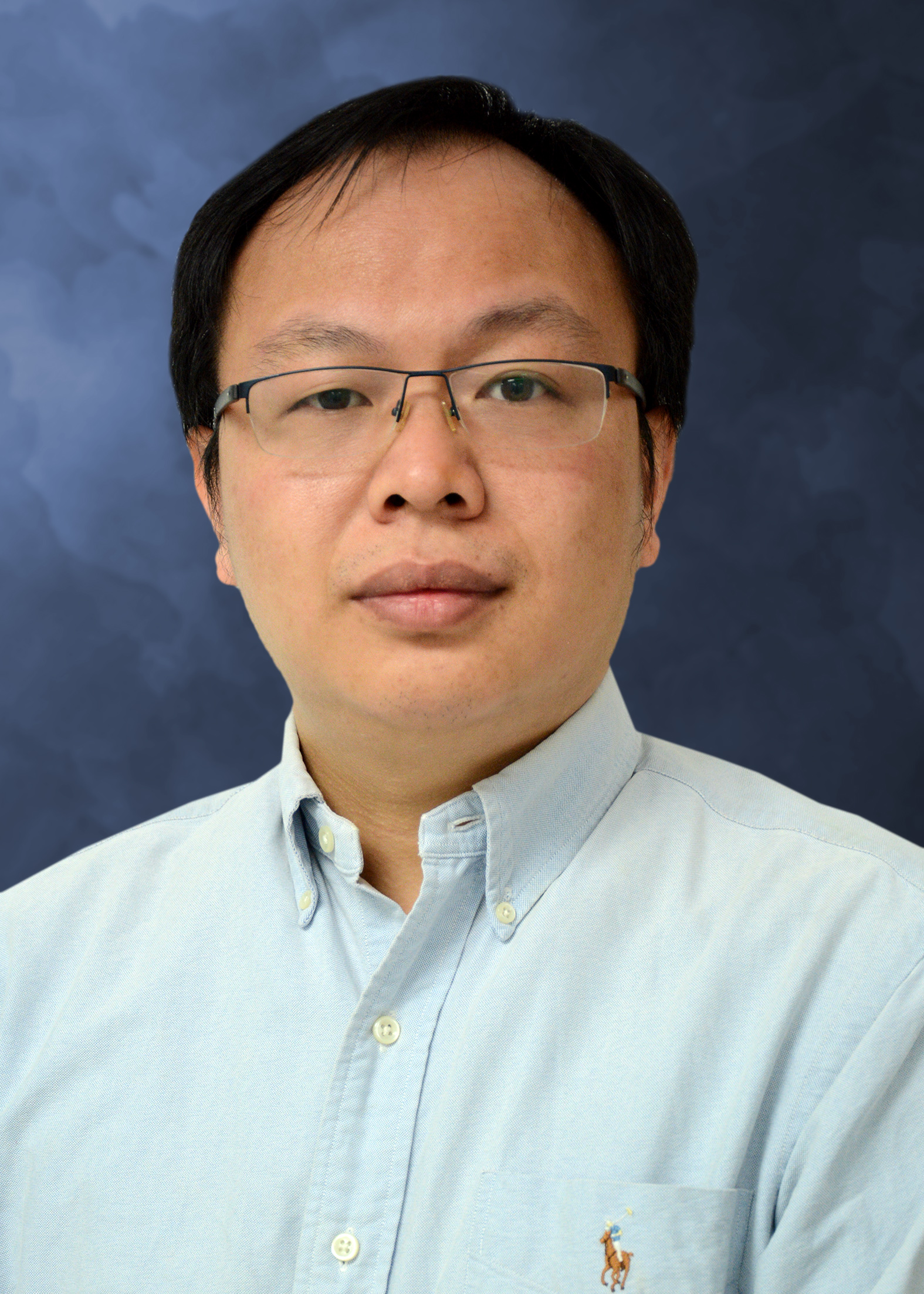 Heye Zhang (张贺晔)合作论文数School of Biomedical Engineering, Sun Yat-sen University11
 Yushe Yang (杨玉社)合作论文数Shanghai Institute of Materia Medica, Chinese Academy of Sciences;University of Chinese Academy of Sciences7
 Kai Chen合作论文数6Guohua Zhang合作论文数6
 Ze Xu合作论文数6
 Zhaohang Li合作论文数6
 Guanpeng Qi合作论文数6
 Juman Ma合作论文数6
 Aijun Zhang合作论文数6
 Zhifan Gao (高智凡)合作论文数School of Biomedical Engineering, Sun Yat-sen University6Lin Lü合作论文数6
 Zuojing Li合作论文数6
 Wenhua Huang (黄文华)合作论文数School of Basic Medical Sciences, Souther Medical University6Huili He合作论文数6Yunci Ma合作论文数4William Kongto Hau合作论文数4Shaoyu Wu (吴少瑜)合作论文数4
 Zhigeng Pan (潘志庚)合作论文数School of Artificial Intelligence, Nanjing University of Information Science & Technology;Hangzhou Normal University4
 Wanqing Wu (吴万庆)合作论文数School of Biomedical Engnieering, Sun Yat-Sen University4
 Dhanjoo N. Ghista合作论文数Biomedical Engineering Division, Indian Institute of Technology4
 Liqiang Fu合作论文数4Dongling Quan合作论文数3Jingru Zhang (张静茹)合作论文数3Yiqing Guan合作论文数3HuaHua Xiong (熊华花)合作论文数3
 Yuanting Zhang (張元亭)合作论文数Department of Electronic Engineering, The Chinese University of Hong Kong;Department of Biomedical Engineering, City University of Hong Kong3Xingsheng Guo合作论文数3Zhan Cai合作论文数3
 Huacui Wang合作论文数2Yu-Xin Zhuang合作论文数2xufeng cao合作论文数2
 Cao Yangzheng合作论文数2
 Xiaosong Zheng合作论文数2
 Yufa Xia合作论文数Elect Informat Sch, Wuhan Univ2
 Changnong Peng合作论文数2Heyu Ding合作论文数2Xiaoqing Wang合作论文数2
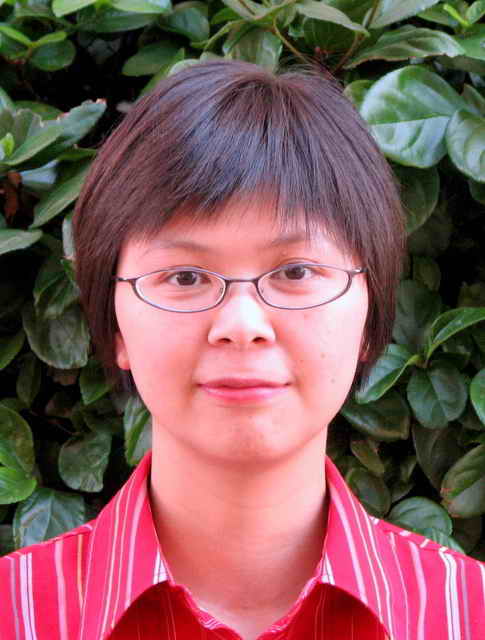 Yu Huang合作论文数Department of Materials Science and Engineering, Henry Samueli School of Engineering and Applied Sciences, University of California Los Angeles2ZhanChao Xian (冼展超)合作论文数2LiJie Ren (任力杰)合作论文数2
 Binghe Liu (刘冰河)合作论文数College of Mechanical and Vehicle Engineering, ChongQing University;School of Automotive Engineering, Chongqing University2
 Jianjun Cheng (程建军)合作论文数Polymer Chemistry and Biomaterials Laboratory, School of Engineering, Westlake University2
 Yu Liu (刘宇)合作论文数Institute of High Energy Physics, Chinese Academy of Sciences2Gutiérrez Luis F合作论文数2
 Pu Lina合作论文数2A. Nasier合作论文数2Shi Ding (丁实)合作论文数School of Pharmaceutical Science, Liaoning University2
 Weiqun Zhu (朱维群)合作论文数School of Chemistry and Chemical Engineering, Shandong University;National Engineering Research Center for Colloidal Materials, Shandong University2
 Mingmin Zhang (张明敏)合作论文数College of Computer Science and Technology, Zhejiang University2




