The growing global energy crisis has promoted the rapid development of sustainable hydrogen production technologies, among which electrochemical water splitting is considered one of the most promising approaches. However, the performance of water electrolysis is mainly restricted by the anodic oxygen evolution reaction (OER). The slow kinetics of the four-electron transfer process leads to a high overpotential, and this process acts as the rate-determining step in the overall reaction. To overcome this issue, metal–organic frameworks (MOFs) have been recognized as a suitable platform for enhancing the OER, due to their well-ordered porous structure, tunable architecture, and diverse composition. In this review, recent progress in non-precious metal MOF-based OER catalysts is systematically summarized and divided into four categories: single-metal MOFs, multimetallic MOFs, MOF-derived materials, and MOF-based composites. Particular attention is given to rational modification strategies that aim to improve intrinsic activity, electrical conductivity, and long-term stability. Additionally, the fundamental OER reaction mechanism during electrochemical splitting is discussed to provide theoretical guidance for the rational design of MOF-based catalysts. Finally, the key challenges and future development directions of non-precious metal MOF electrocatalysts are critically discussed, offering prospects for future development in high-efficiency and sustainable water electrolysis systems.
Tuning the oxidation state and reducibility of Co species is crucial for enhancing the catalytic performance of Cobased catalysts in the ethanol steam reforming (ESR) reaction. Here, two Co/CeO2 catalysts are synthesized from Co(NO3)2.6H2O (Co/CeO2-N) and CoCl2.6H2O (Co/CeO2-C) precursors to enhance hydrogen-production efficiency. Catalytic tests show that Co/CeO2-N exhibits superior performance, achieving complete ethanol conversion (100 %) and a high H2 yield of 68.0 % at 500 degrees C. X-ray diffraction (XRD) and in situ diffuse reflectance infrared Fourier transform spectroscopy (DRIFTS) of CO chemisorption demonstrate higher Co dispersion in Co/ CeO2-N than in Co/CeO2-C. X-ray photoelectron spectroscopy (XPS) and H2 temperature programmed reduction (H2-TPR) studies reveal that Co/CeO2-N possesses a lower oxidation states and improved reducibility of Co species, originating from an electronic metal-support interaction (EMSI) that facilitates electron donation from the CeO2 support to Co. We ascribe this EMSI to the weakened Co-nitrate interactions after low-temperature nitrate decomposition. In situ DRIFTS analysis of the ESR reaction further confirms preferential formation of C1 compounds over Co/CeO2-N, consistent with its optimized lower Co oxidation states. This work establishes a rational precursor-mediated strategy to tune the oxidation state of Co via EMSI, thus enabling efficient hydrogen production.
Electrocatalytic nitrate reduction reaction (NO3RR) is a promising strategy for converting nitrate (NO3- ) pollutants into valuable ammonia (NH3), and catalyst is widely recognized as the most crucial factor influencing this process. In this work, metal-organic frameworks (MOFs) are synthesized using Cu and 1,3,5-benzenetricarboxylic acid (BTC) for NO3RR, in which intentional coordination defects are fabricated to improve their electrocatalytic activity. Compared to conventional MOF (Cu-BTC), MOF with coordination defects (Cu-BTC-D) shows lower crystallinity and higher catalytic performance. Cu-BTC-D efficiently overcomes the kinetic barriers of NO3RR, achieving a NH3 Faradaic efficiency of 92% and a NH3 yield of 13.06 mg h-1 cm-2 at -0.7 V (vs. RHE), superior to Cu-BTC. Mechanism research proves that the increased electrochemically active surface area, reduced charge transfer resistance and enhanced reaction kinetics are responsible for the enhanced performance of Cu-BTC-D. Meanwhile, Cu-BTC-D also retains satisfactory stability. Experimental results and density functional theory (DFT) conclusions reveal that the defect engineering strategy of Cu-BTC improves the conversion efficiency of NO3-and NH3 yield for NO3RR, which provides a sustainable approach for nitrogen-containing wastewater treatment and nitrogen resource recovery.
The product selectivity of Cu-based catalysts relates to a great extent to the electron localization at active sites in the electrochemical CO2 reduction reaction (CO2RR). While internal electric field engineering offers a pathway to modulate Cu's electronic structure, the quantitative correlation between field intensity and CO2RR performance remains unexplored. This work systematically investigates gradient electric field effects in Cu-based bimetallic systems, contrasting conventional electron-withdrawing metals (Ag/Au) with electron-donating counterparts. Indeed, guided by the theoretical calculations, the cost-effective In, Fe, and Ni metals, which donate electrons to Cu interface, were integrated into Cu via single-step co-reduction. It achieves distinct selectivity at > 100 mA cm-2 with Cu-In, delivering 87% CO Faradaic efficiency (FE), whereas Cu-Fe/Ni shifts toward HCOOH (FE ~40%). In situ Raman spectroscopy characterization and density functional theory (DFT) calculations confirm that field-regulated electron localization governs CO2 adsorption and conversion pathways. This mechanistic insight establishes internal electric field optimization as a critical strategy for tuning Cu-based bimetallic catalysts in CO2RR.
Developing a high-efficiency catalyst for the selective hydrogenation of acetylene to ethylene is of great importance for industrial polyethylene production to remove acetylene impurities. In this work, a passivation strategy for palladium catalyst has been developed by inducing strong electron metal-support interaction (EMSI) between the loaded Pd nanocatalyst and the nitrogen-containing metal-organic framework (MOF) support (ZIF-8-dia) to substantially improve the catalytic performance. Catalytic hydrogenation of acetylene demonstrates that the Pd/ZIF-8-dia exhibits ethylene selectivity above 83%, whether ethylene is cofed with acetylene and hydrogen or not. Mechanism studies reveal that the convenient transformation of Zn-N into Pd-N strengthens the EMSI to form a Pd nanocatalyst with a positively charged surface, substantially lowers its activity for hydrogen activation and the hydrogenation reaction, and favors the desorption of ethylene from the catalyst surface, therefore improving the performance of the ZIF-supported Pd catalyst for selective acetylene hydrogenation. The passivation strategy developed in this work opens up an opportunity for developing high-performance Pd catalysts for selective acetylene hydrogenation.
Efficient removal of arsenic during tin smelting is key to achieving green metallurgy. Industrially, arsenic-tin separation is realized by adding iron to form high-melting-point Fe-As compounds; however, the microscopic mechanisms of this process remain unclear, leading to a lack of controllability in separation. This study employs Deep Potential Molecular Dynamics (DPMD) simulations to systematically model the microstructural evolution of the Fe-As-Sn ternary system under varying temperatures (573-1373 K) and Fe/As ratios (0.5-3.79). Coupled analyses of temperature-composition with short-range order parameters and bond distances were conducted on the simulation results. Coordinated validation through atomic distribution snapshots, Warren-Cowley short-range order parameters, and bond length analyses indicate that Fe-As bonding is the strongest and most stable interaction in the system, forming the structural core for arsenic capture, with Fe-As interactions peaking between 673-800 K. A critical threshold range for the Fe/As ratio was identified: when Fe/As is between 2.0 and 2.5, Fe-As clusters transition from discrete distributions to a continuous network, maximizing arsenic fixation. Based on data analysis, the optimal process window for arsenic removal in tin smelting is defined as temperature 673-800 K and Fe/As molar ratio 2.0-2.5. This window aligns well with practical smelting and crystallization processes in tin metallurgy and can be used to predict the best arsenic removal temperatures during these stages. Precise temperature control can thus maximize arsenic removal during smelting and crystallization. This study establishes a linkage from microscopic data to macroscopic parameters, providing mechanistic support for precise regulation of arsenic removal in tin smelting.
The vacuum distillation (VD) method was studied for extraction of valuable metals from In-Zn, In-Sn, and In-Sn-Zn waste alloys. The VD studies were carried out between 773 K and 1073 K, at 5 Pa, and for 60 min for the In-Zn alloys. The In content in the residues was greater than 99.999 wt%, and the Zn content in the volatiles was the highest at 99.8962 wt%. For the In-Sn alloys, the VD experiments were carried out from 1323 K to 1573 K at 5 Pa for 540 min for the In-Sn alloys. The Sn content in the residues exceeded 99.9963 wt%, whereas the In content in the volatiles was 99.86 wt%. Further, the In-Sn-Zn VD was carried out between 773 K and 1073 K at 5 Pa for 90 min. The Zn content of the residues decreased from 6.0 wt% to 0.0009 wt%, while the Zn content of the volatiles was 99.79 wt%. Using the M-MIVM and vapor-liquid equilibrium (VLE) theories, the VLE data was predicted and the related phase diagrams for the binary and ternary alloys were displayed. The remarkable similarity between theoretical and experimental VLE phase diagrams demonstrates the reliability of the M-MIVM for In-based alloys.
Developing a high-activity and low-cost catalyst to reduce the anodic overpotential is essential for hydrogen production from water splitting. In this work, a hetero-structured Co7Fe3/Mo2C@C catalyst has been developed to efficiently catalyze oxygen evolution reaction (OER), the overpotential (ƞ10) of Co7Fe3/Mo2C@C-catalyzed OER with current density of 10 mA/cm2 is about 254 mV, substantially lower than the counterparts of Co7Fe3@C-catalyzed OER (ƞ10, 308 mV) and Mo2C@C-catalyzed OER (ƞ10, 439 mV), close to that of OER catalyzed by commercial RuO2. The mechanistic studies reveal that the distinct electron transfer across the Co7Fe3/Mo2C interface results in electron-deficient Co7Fe3, which has been identified as the highly active catalytic sites. Density functional theory (DFT) calculations manifest that Mo2C induces a distinct decrease in electron density on Co7Fe3 and upgrades the d-band centers of Co and Fe in Co7Fe3 towards Fermi energy level, thus substantially lowering the energy barrier of the rate-determining reaction step and conferring significantly improved OER activity on the Co7Fe3/Mo2C@C catalyst.
Nano-Y2O3-dispersion strengthened CoCrFeNi high entropy alloys are fabricated via mechanical alloying and spark plasma sintering using high purity elemental powders or pre-alloyed CoCrFeNi powder. All the alloys show an FCC matrix incorporated by small amount of BCC Cr-rich segregations, whose brittle nature is detrimental to the mechanical properties of the alloys. It has been found that using pre-alloyed powder significantly suppresses the formation of the Cr-rich phase, and its size and volume fraction can be further reduced by increasing the rotation speed of ball-milling during mechanical alloying. Besides, the grain refinement is also achieved under a higher rotation speed. Y2O3 nanoparticles with a number density of 1.8 x 10(22) m(-3 )and an average diameter of 11.0 +/- 7.3 nm are uniformly distributed in the alloy that produced from pre-alloyed powder under the rotation speed of 350 rpm during ball-milling. These Y2O3 nanoparticles share coherent interface with the FCC matrix, indicating the in-situ precipitation mechanism. Due to a good combination of grain boundary strengthening, dislocation strengthening and precipitation strengthening, this ODS high entropy alloy possesses a yield strength of 1281 MPa at room temperature.
A new method for the preparation of low oxygen titanium was proposed by the direct reduction of TiO2 with Mg produced by MgCl2−KCl−YCl3 molten salt electrolysis. The Mg−Ti−O phase diagram indicates that it is feasible to reduce TiO2 using Mg, and the Φ−pO2− diagrams indicate that deep deoxidation of titanium in molten MgCl2−YCl3 is also feasible. The experimental study on the reduction of TiO2 was carried out in MgCl2−YCl3 and MgCl2−YCl3−KCl molten salts. The results showed that the O2− from the reduction and deoxygenation was removed using YOCl precipitation and COx gas production and TiO2 can be reduced to titanium peroxide (Ti6O) by electrochemical reduction at 1073−1173 K and 2.5−3.1 V. The high-oxygen titanium was electrochemically deoxidized in the molten salt of MgCl2−YCl3 at a temperature of 1173 K at different voltages. Moreover, it was observed that it is possible to reduce the high oxygen content of titanium from 1200×10−6 to less than 100×10−6 oxygen.
Nitrate reduction reaction (NO3RR) is deemed a promising pathway for both ammonia synthesis and water purification. Developing a high-efficiency catalyst with excellent NH3 selectivity and catalytic stability is desirable but remains challenging. In this work, a dendritic copper oxide catalyst (Cu-B2) has been developed to efficiently catalyze NO3RR for ammonia production, the Cu-B2 exhibits excellent catalytic performance, achieving an NH3 Faradaic efficiency as high as 94 % and an NH3 yield of 16.9 mg h-1 cm-2 with a current density of 192.3 mA cm-2 at - 0.6 V (vs. RHE, reversible hydrogen electrode). During NO3RR testing, the Cu-B2 catalysts are reduced in situ to form highly active Cu0/Cu+ sites, while retaining its dendritic morphology. Compared with other catalysts, the Cu-O bond in Cu-B2 catalyst has weaker polarity, resulting in Cu0/Cu+ sites in lower oxidation states. In situ attenuated total reflection surface enhanced infrared absorption spectroscopy (ATR-SEIRAS) studies reveal the Cu-B2 catalyst exhibits a potential-independent capability for *NO3 - adsorption and high conversion efficiency of NO2- intermediate into ammonia, DFT calculations reveal that Cu-B2 exhibts higher NO3 - adsorption energy and lower NO3 - adsorption energy barrier than Cu-B1, thus endowing it with a remarkably improved catalytic activity and durability.
Tuning the metal-support interaction is a general strategy of regulating the chemical state of catalytic active site for high-efficiency hydrogen production from ethanol steam reforming (ESR) reaction. In this work, a Co catalyst supported on the Si4Al2O2N6 solid solution of Si3N4 and Al2O3 (Co/Si4Al2O2N6) has been developed to effectively catalyze ESR reaction. Our results demonstrate that the Co/Si4Al2O2N6 catalyst exhibits remarkably improved performances as compared with the Co/Si3N4 and Co/Al2O3 catalysts. In the Co/Si4Al2O2N6-catalyzed ESR reaction, ethanol conversion of 97 % has been achieved with hydrogen yield reaching 73 %. Long-time catalytic experiment manifests the Co/Si4Al2O2N6 catalyst possesses excellent durability. X-ray photoelectron spectroscopy (XPS) studies reveal that the enhanced metal-support interaction (MSI) and charge transfer from Si4Al2O2N6 support to Co species in the Co/Si4Al2O2N6 catalyst confer lower valence state on the Co catalyst supported on Si4Al2O2N6, thus promoting the C-C bond cleavage capability, leading to high C1 product yield and boosting the hydrogen-production efficiency. The catalytic mechanism studies explored by in situ diffuse reflectance infrared Fourier transform spectroscopy (DRIFTS) reveal that the Co/Si4Al2O2N6 exhibits a remarkable preference for C1 products over the Co/Si3N4 and Co/Al2O3 catalysts at low reaction temperature, thus resulting in high hydrogen-production efficiency with excellent catalytic durability.
Prompt production of bismuth subcarbonate (Bi2O2CO3) intermediate is crucial for high-efficiency formate production and preservation of the bismuth-oxygen (Bi-O) structures during electrochemical CO2 reduction re-action (CO2RR) catalyzed by Bi-based catalyst. In this work, we investigate the CO2RR performance of bismuth oxyhalide (BiOX, including BiOCl, BiOBr and BiOI) catalysts with nanosheet-assembling microsphere morphology and develop an effective strategy of engineering BiOI-derived Bi2O2CO3 through dynamic ion ex-change reaction to promote formate production from CO2RR. Among investigated BiOX catalysts with nanosheet-assembling microsphere morphology, BiOI exhibits the highest ion exchange rate due to the large interlayer spacing and low binding energy between [Bi2O2]2+ layer and I- ion. The produced BiOI-derived Bi2O2CO3 in-herits the large interlayer spacing of BiOI and thus facilitates diffusion of HCO3- ions to promote CO2RR for formate production. By comparison with BiOCl and BiOBr, BiOI exhibits better CO2RR performance, achieving faradaic efficiency of 98 % with a current density of 42.0 mA cm- 2 and excellent long-term durability. Mech-anism studies demonstrate that the sufficient supply of HCO3- ions resulted from large interlayer spacing of BiOI-derived Bi2O2CO3 significantly promotes formate production and, in turn, improves the resistance of Bi-O structures to electroreduction. This work provides a deep insight into the mechanism of BiOX-catalyzed CO2RR for formate production, opening up new opportunities for developing high-performance CO2RR catalysts.
Silicon nitride (Si 3 N 4 ) supported cobalt catalysts (Co/Si 3 N 4 ) were fabricated by using wetness impregnation procedure.The microscopic morphology,phase composition,and electronic states were characterized by XRD,TEM,SEM,and XPS,respectively.For comparison,cobalt catalyst supported on SiO 2 (Co/SiO 2 ) was also investigated.XPS studies and DFT calculations show that the cobalt species in Co/Si 3 N 4 have lower valence state than those in Co/SiO 2 .The catalytic ESR reactions demonstrate that Co/Si 3 N 4 exhibits distinctly higher catalytic activity and hydrogen selectivity than Si 3 N 4 support and Co/SiO 2 catalyst with the identical cobalt loading,indicative of the favorable effect of Si 3 N 4 support on the catalytic performance of supported cobalt catalyst.Durability tests and TG-DSC studies show that Co/Si 3 N 4 catalyst exhibits better stability and resistance to coke during the same catalytic experiment period.
Molybdenum carbide (Mo2C) is a cost-effective transition metal carbides (TMCs) electrocatalyst for hydrogen evolution reaction (HER) due to its electronic structure similar to Pt-group noble metal. Herein, we report that an effective strategy of regulating the surface wettability and electronic state of Mo2C by ammonia and hydrothermal co-treatment to enhance its HER activity. The electrochemical results demonstrate that Mo2C undergoing ammonia and hydrothermal co-treatment (Mo2C-wh) exhibits remarkably improved electrocatalytic HER activity as compared to the pristine Mo2C (Mo2C-p) catalyst. The activity-structure relationship studies manifest that ammonia and hydrothermal co-treatment increases the content of hydroxyl group and pyridinic-N, thus endowing Mo2C-wh with lower charge transfer resistance, larger electrochemical active surface area and higher surface wettability. DFT calculations reveal that ammonia and hydrothermal co-treatment enhances the Mo 3d-band center and reduces the hydrogen adsorption free energy. These changes in electronic states of Mo sites and physical properties of Mo2C positively contribute to the improvement of electrocatalytic HER activity.
High-selectivity acetylene hydrogenation to produce ethylene is an important issue of removing acetylene impurity in ethylene for industrial polyethylene production. Developing high-efficiency catalyst with excellent ethylene selectivity and catalytic durability is desirable but still challenging. In this work, potassium doped palladium catalysts supported on zirconia with different K contents (Pd/ZrO2-xK) have been developed to catalyze acetylene hydrogenation, the Pd/ZrO2-16K exhibits impressive catalytic performance with acetylene conversion of 100 %, ethylene selectivity of 81 % and high catalytic durability. In situ diffuse reflectance infrared Fourier transform spectroscopy (DRIFTS), in situ synchrotron radiation photoionization mass spectrometry (SR-PIMS) and density functional theory (DFT) calculations reveal that K doping effectively weakens the adsorption of ethylene by regulating the electronic state of catalyst to improve ethylene selectivity and substantially lowers the barriers of hydrogen activation and transfer reactions to favor hydrogen spillover, thus conferring a remarkably improved durability on the Pd/ZrO2-16K catalysts.
Vacuum volatilization is a clean and efficient method for metal purification, alloy separation, and comprehensive recovery of secondary resources. The evaporation kinetics of In and In–Sn alloys were investigated to better understand the evaporation mechanism during the vacuum volatilization of In. The evaporation rates of the In and In–Sn alloys at 1173–1373 K and 5 Pa increased significantly with increasing temperature in accordance with the equation ω = e(a+b∙T). The evaporation rates at 1323 K and 5 Pa decreased with increasing crucible depth in accordance with the equation ω = a2+(a1-a2)/(1+e(h-b)/c). For In and In–Sn, the total mass-transfer coefficients of In were obtained at different temperatures and crucible depths. A theoretical kinetic model of In was established and limiting links were obtained vacuum volatilization of In and In–Sn.
Regulating the chemical state of Co sites to develop high-performance Co-based catalysts for ethanol steam reforming reaction is desirable but challenging. Herein, we report an effective strategy of tuning chemical states of Co sites by preferred exposure of CeO2 facets. The as-prepared Co/CeO2-(M) and Co/CeO2-(U) catalysts have exposure preference of (1 1 1) facet and (1 0 0) facet of CeO2 supports, respectively. The results demonstrate that the Co/CeO2-(M) has Co sites in lower oxidation state and exhibits higher CC bond cleavage capability and more excellent catalytic performance for ethanol steam reforming reaction than Co/CeO2-(U), the hydrogen selectivity reaches as high as 97% at ethanol conversion of 100%. In situ synchrotron radiation photoionization mass spectrometry and density functional theory calculations reveal that Co site in low oxidation state has a significant preference for carbon chain shortening by CC cleavage over carbon chain lengthening by condensation reaction, thus improving the hydrogen production efficiency of ethanol steam reforming reaction. This work provides an effective strategy to enhance the catalytic performances of Co-based catalysts for ethanol steam reforming reaction and expands the understanding about ethanol steam reforming reaction mechanism.
Highly efficient electrocatalyst for carbon dioxide reduction (CO2RR) is desirable for converting CO2 into carbon-based chemicals and reducing anthropogenic carbon emission. Regulating catalyst surface to improve the affinity for CO2 and the capability of CO2 activation is the key to high-efficiency CO2RR. In this work, we develop an iron carbide catalyst encapsulated in nitrogenated carbon (SeN-Fe3C) with an aerophilic and electron-rich surface by inducing preferential formation of pyridinic-N species and engineering more negatively charged Fe sites. The SeN-Fe3C exhibits an excellent CO selectivity with a CO Faradaic efficiency (FE) of 92 % at -0.5 V (vs. RHE) and remarkably enhanced CO partial current density as compared to the N-Fe3C catalyst. Our results demonstrate that Se doping reduces the Fe3C particle size and improves the dispersion of Fe3C on nitrogenated carbon. More importantly, the preferential formation of pyridinic-N species induced by Se doping endows the SeN-Fe3C with an aerophilic surface and improves the affinity of the SeN-Fe3C for CO2. Density functional theory (DFT) calculations reveal that the electron-rich surface, which is caused by pyridinic N species and much more negatively charged Fe sites, leads to a high degree of polarization and activation of CO2 molecule, thus conferring a remarkably improved CO2RR activity on the SeN-Fe3C catalyst.
Tuning the valence state and reducibility of Co active site in Co-based catalysts to improve catalytic perfor-mances is desirable for hydrogen production from ethanol steam reforming (ESR) reaction. In this work, we fabricate Co/LaxCe1-xO2-x/2 (x = 0.5, 0.25, 0.17) catalysts and investigate their catalytic performances for ESR reaction. Our studies manifest that the catalytic performances of Co-based catalysts have been effectively improved by La doping in CeO2. Among the investigated catalysts, Co/La0.25Ce0.75O1.88 exhibits the highest catalytic activity and durability, the hydrogen yield reaches as high as 80 % at ethanol conversion of 100 %, with an excellent durability during long-time (58 h) catalytic experiment. X-ray photoelectron spectroscopy (XPS) and hydrogen temperature programmed reduction (H2-TPR) studies demonstrate that the valence state and reduc-ibility of the Co/La0.25Ce0.75O1.88 are effectively regulated via donation of electron density from the concomitant peroxide anions in La0.25Ce0.75O1.88 to the supported cobalt catalyst, the C-C bond cleavage capability has been significantly enhanced to boost the hydrogen-production efficiency from ESR reaction. In situ diffuse reflectance infrared Fourier transform spectroscopy (DRIFTS) studies reveal that Co/La0.25Ce0.75O1.88 shows a remarkable preference for producing C1 products, the Co species in low valence state and with high reducibility result in highly efficient C-C cleavage and excellent catalytic durability.
 Ling-Xin Kong (孔令鑫)合作论文数34
 Bin Yang (杨斌)合作论文数School of Metallurgical and Energy Engineering, Kunming University of Science and Technology;State Key Laboratory of Complex Nonferrous Metal Resources Clean Utilization, Kunming University of Science and Technology33
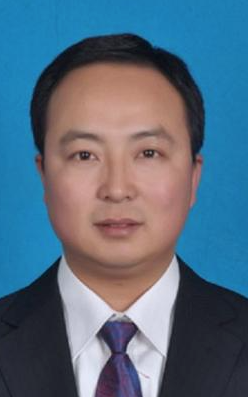 Baoqiang Xu (徐宝强)合作论文数School of Metallurgical and Energy Engineering, Kunming University of Science and Technology26
 Yifu Li合作论文数18
 Lilin Lu合作论文数17Dachun Liu合作论文数10YOU Yan-jun (游彦军)合作论文数8YanJun You (游延军)合作论文数8Ruiling Li合作论文数7
 Jinjin Ma合作论文数7PANG Jian (庞俭)合作论文数7Jing Yan合作论文数7Jiaqi Ni合作论文数6Yuezhen Zhou合作论文数5Jiaou Qi合作论文数5Haiyan Ma合作论文数5
 Zhenghao Pu合作论文数5
 Gao Jingbao (高晶宝)合作论文数5Jia-qi REN (任佳琦)合作论文数5Shufang Zhu合作论文数5
 Min Ruan (阮敏)合作论文数4
 Yi Liu (刘义)合作论文数School of Material Science and Engineering, Tiangong University4Shuai Xu合作论文数3ZHU Liguo (朱立国)合作论文数3Yue Chen合作论文数3Feiyue Fan合作论文数3
 Qi Zhang (张琪)合作论文数School of Chemical Engineering, East China University of Science and Technology3
 Youwei Yan (严有为)合作论文数School of Aerospace Engineering, Huazhong University of Science and Technology3
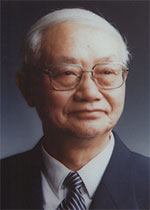 Yongnian Dai (戴永年)合作论文数School of Metallurgy and Energy Engineering, Kunming University of Science and Technology3
 Mi Zhao (赵觅)合作论文数School of Aerospace Engineering, Huazhong University of Science and Technology3Zibin Zhu合作论文数3Ganggang Liu (刘刚刚)合作论文数2
 Xiumin Chen合作论文数2
 Peng Zhang合作论文数2Wei Ye合作论文数2
 Liang Li合作论文数2Qian Ye合作论文数2
 Hai Wu合作论文数2Jianquan Zhao (赵健全)合作论文数2
 Huan Zhang (张寰)合作论文数Institute of Zoology, Chinese Academy of Sciences;University of Chinese Academy of Sciences2
 Hideo Kameyama合作论文数2
 Baoshan Wang (王宝山)合作论文数College of Chemistry and Molecular Sciences, Wuhan University2
 Xiaohua Zuo (左小华)合作论文数Hubei Polytechnic University2
 Yanqiang Qiao (乔彦强)合作论文数School of Materials Science and Engineering, Northwestern Polytechnical University2Tongtang Shi合作论文数1Zhicheng Yang合作论文数1Haoqing Tian合作论文数1Zhuhua Ruan合作论文数1




