目的 探讨BCOR/BCORL1突变的髓系肿瘤患者的共突变基因表达谱,分析其病理参数及临床意义.方法 回顾性分析2017年1月至2021年8月在上海交通大学附属第一人民医院确诊的47例BCOR/BCORL1突变的髓系肿瘤患者.运用二代测序技术分析患者的基因共突变表达谱,采用两独立样本秩和检验分析BCOR/BCORL1突变患者病理参数之间的差异.通过Kaplan-Meier分析突变位置和治疗方法对患者无病生存(DFS)时间和总生存(OS)时间的影响.结果 急性髓系白血病(AML)患者以点突变为主(51.1%),骨髓增生异常综合征(MDS)和MDS/骨髓增殖性肿瘤(MPN)患者以移码突变、错义突变和无义突变为主(19.1%),二者分布差异具有统计学意义(χ2=7.458,P=0.006).伴代谢酶组突变患者白细胞计数(Z=-3.500,P=0.018)、血小板计数(Z=82.500,P=0.027)、血浆纤维蛋白原(Fib)含量(Z=-0.935,P=0.008)和凝血酶时间(Z=0.800,P=0.027)与野生型患者相比差异均有统计学意义;伴甲基化组突变患者血浆Fib含量(Z=-0.855,P=0.030)、伴信号传导通路组突变患者的白细胞计数(Z=5.500,P=0.019)和转录因子组突变患者凝血酶原时间(Z=-1.600,P=0.008)与野生型患者相比差异有统计学意义.结构域突变患者中位DFS时间明显短于非结构域突变患者(χ2=4.920,P=0.027).与未移植组患者相比,移植组患者中位DFS时间和中位OS时间显著延长(χ2=7.703,P=0.006;χ2=13.380,P=0.000).结论 BCOR/BCORL1突变的髓系肿瘤患者的共突变基因与白细胞计数、血浆Fib等临床病理参数密切相关.异基因造血干细胞移植可有效改善此类突变患者预后.
Objective:To analyze the risk factors,clinical characteristics and prognosis of the pneumocystis pneumonia(PCP) that is one of the severe pulmonary complications after allogeneic hematopoietic stem cell transplantation(allo-HSCT).Methods:The clinical features,laboratory data,treatment and outcomes of patients with PCP after allo-HSCT in our hospital from January,2016 to January,2021 were retrospectively collected and analyzed.Results:Twenty three cases who met the clinical diagnostic criteria of PCP were enrolled. The median time of diagnosed as PCP after transplantation was 221 days. The computed tomography (CT) of chest indicated diffuse ground glass opacity.The median of β-1,3-D glucan consentration was 894.25 ng/L, and 91.3% of the cases were over 60 ng/L.The lymphocyte count in 60.9% cases was lower than 1×10 9/L;CD4 +T lymphocyte count in 65.2% of patients was less than 200/μL. Pneumocytis sequences of mNGS were positive in all 21 cases.15 patients were complicated with mixed infection.All patients were treated with TMP-SMX,18 patients were cured and 5 patients died. Conclusions:Patients with PCP after allo-HSCT progresses rapidly, and which is usually with multiple infections. Serum β-1,3-D glucan concentration increase contributes to the diagnosis of PCP.And mNGS in alveolar lavage fluid is highly sensitive to Pneumocystis, which helps patients get treatment in time, so as to reduce mortality.Patients with respiratory failure progressing to a need for mechanical ventilation and high flow oxygen inhalation suggest a poor prognosis.
目的:探讨异基因造血干细胞移植(allogeneic hematopoietic stem cell transplantation,allo-HSCT)后出血性膀胱炎(hemorrhagic cystitis,HC)发生的危险因素,为HC的预防和治疗提供临床依据.方法:对2018年1月至2020年1月在本院完成allo-HSCT的188例患者的病例资料进行回顾性分析.选择影响allo-HSCT后HC发生的相关临床参数进行单因素和多因素分析.结果:HC的发生率为20.7%(39/188),中位年龄41岁.尿BK病毒(BK virus,BKV)阳性检出率76.9%(30/39).轻度HC 33例,重度HC 6例.HC发生的中位时间为30(-2~69)d,其中38例为迟发型HC,1例为早发型HC,HC中位持续时间为16(5~82)d.巨细胞病毒(cytomegalovirus,CMV)血症(-0.000)以及急性移植物抗宿主病(acute graft versus host disease,aGVHD) (P=0.006)是HC发生的独立危险因素.结论:定期检测CMV-DNA,积极有效的抗病毒治疗是预防HC发生的有效措施.积极有效地预防和治疗aGVHD是预防HC的发生、促进HC恢复的有效措施.
Objective: To analyze the clinical features and prognosis of cytomegalovirus pneumonia after allogeneic hematopoietic stem cell transplantation(allo-HSCT). Methods: We reviewed the clinical features and laboratory data of cytomegalovirus pneumonia patients after allogeneic peripheral blood HSCT from March 1, 2016 to June 30, 2019 at the hematology department of the Shanghai general hospital and analyze the prognostic factors. Results: Of the 411 allo-HSCT patients, 34(8.3%)developed CMV pneumonia after transplantation, including 18 men and 16 women, with a median age of 32(8-62)y. Total 14 patients had acute myeloid leukemia, 10 had acute lymphoblastic leukemia, 5 had myelodysplastic syndrome, 3 had non-Hodgkin's lymphoma, and 2 had aplastic anemia. The median onset time for CMV pneumonia was 53(36-506)d after transplantation. The main symptoms were cough(26 cases, 76.5%), fever(23 cases, 67.6%), and shortness of breath(14 cases, 41.2%). Only 17.6%(6/34)patients had expectoration, and 2 cases(5.9%)had no obvious symptoms in the early stage, but were diagnosed on routine chest CT examination. Twenty-eight(82.4%)patients showed signs of typical interstitial pneumonia, such as lobular central nodule and diffuse ground glass opacity; 6(17.6%)patients showed atypical imaging changes of patch, nodule, and consolidation. Further, 26 patients(76.5%)were positive for CMV-DNA, and the copy number was lower than that of BALF[1.70×10(7)(5.44×10(5)-4.45×10(9))copies/L vs 1.45×10(8)(1.10×10(7)-1.10×10(11))copies/L, P=0.004]. Thirteen(38.24%)patients with CMV pneumonia had mixed infection with other lower respiratory tract pathogens(10 strains of fungi, 6 strains of bacteria, and 1 of adenoviruses). The median follow-up duration was 12.8(0.4-46.5)months. The OS rate was 58.82%. Age ≥ 40 y and high flow ventilation were independent risk factors for poor prognosis in CMV pneumonia patients(P=0.049, P=0.009). Conclusion: Bronchoscopic bronchoalveolar lavage fluid detection helps in improving the accuracy of the etiological diagnosis of CMV pneumonia after allo-HSCT. Age ≥ 40 y and high flow ventilation were independent risk factors for poor prognosis in patients with CMV pneumonia.
目的:研究异基因造血干细胞移植(allogeneic hematopoietic stem cell transplantation,Mlo-HSCT)治疗伴TP53基因突变髓系肿瘤患者的疗效和预后相关因素.方法:纳入2016年1月至2019年12月我院allo-HSCT治疗的患者267例,回顾分析31例伴TP53突变髓系肿瘤患者的临床特征和治疗结果,并与236例无TP53突变患者比较分析.结果:伴和不伴有TP53突变患者中位年龄分别为55(26~65)岁和41(7~67)岁(P=0.001);移植时突变组缓解期患者比例(45.2%)显著低于无突变组(64.8%)(P=0.004).供受者ABO血型相合比例显著低于无突变组(35.5%比53.0%,P=0.013).所有移植时未缓解(no remission,NR)患者移植后均获得完全缓解(complete remission,CR);植入率、粒系和巨核系植入时间2组无差别.伴TP53突变患者Ⅱ~Ⅳ度急性移植物抗宿主病(acute graft versus host disease,aGVHD)发生率(33.3%)与无突变组相当(30.0%)(P=0.648);移植后1年中重度慢性GVHD (chronic GVHD,cGVHD)发生率2组相当(18.5%比20.3%,B=0.831).TP53突变患者与无突变组患者2年累积复发率(cumulative incidences of relapse,CIR)分别为65.6%±1.4%比15.1%±0.1% (P=0.035),2年无复发生存(relapse free survival,RFS)率(10.1%±8.6%比72.2%±3.7%,P<0.001)及总生存(overall survival,OS)率(19.4%±10.7%比74.0%±3.4%,P<0.001)显著降低.多因素分析显示,年龄(≥55岁)、移植时NR同时是伴TP53突变的急性髓系白血病(acute myeloidleukemia,AML)和骨髓增生异常综合征(myelodysplastic syndromes,MDS)患者OS和RFS的预后不良因素,移植前NR患者复发风险是CR患者的3.591倍[风险比(hazard ratio,HR)=3.591,95%置信区间(confidence interval,CI):1.136~11.355,P=0.029].减低强度预处理(reduced intensity conditioning,RIC)预处理方案、高危核型和未发生cGVHD分别是OS和RFS的预后不良因素.发生cGVHD患者的CIR率显著下降(HR=0.558,95%CI: 0.082~5.493,P=0.034).结论:早期获得缓解并行allo-HSCT是治疗伴TP53突变的AML和MDS的首选方法,高龄、高危核型、移植时NR及RIC预处理方案及未发生cGVHD是影响TP53突变患者移植后生存时间的危险因素.
目的:分析阿糖胞苷联合氟达拉滨或克拉屈滨的预处理方案对血液学未缓解急性髓系白血病(AML)患者接受异基因造血干细胞移植(allo-HSCT)后复发和生存的影响.方法:对血液学未缓解的AML进行allo-HSCT,采用马利兰、氟达拉滨或克拉屈滨联合阿糖胞苷的预处理方案,应用Kaplan-Meier曲线和Logrank检验,分析植入情况、急/慢性移植物抗宿主病(a/cGVHD)的发生率、复发和生存情况,并对影响生存的相关因素进行单因素和Cox多因素回归分析.结果:2010-03-2018-06期间,72例未缓解AML患者接受含阿糖胞苷预处理方案的allo-HSCT,中位年龄42(7~67)岁;其中45例(62.50%)患者移植前骨髓原始细胞比例≥20%;40例接受HLA亲缘或非亲缘相合移植,32例接受亲缘单倍体移植.中位随访241(10~2 591)d,粒系植入中位时间为13d,血小板植入中位时间为15d.生存时间≥28 d的66例患者中,Ⅲ~Ⅳ度aGVHD 8例(12.12%);生存时间≥100 d的56例患者中,cGVHD 22例(39.29%),其中轻度18例,中度3例,重度1例.1年复发率和1年累积移植相关死亡率分别为22.22%和36.11%,1年无复发生存率为41.50%,1年总体生存率为47.00%.多因素分析显示Ⅲ~Ⅳ度aGVHD(HR=3.915,P=0.022)和无cGVHD(HR=0.445,P=0.054)是影响生存的独立危险因素,而患者年龄(P=0.108)、供者性别(P=0.475)、供受者血型相合情况(P=0.468)、移植前病程(P=0.948)、原始细胞比例(P=0.352)、供者类型(P=0.091)和预处理方案(P=0.192)对生存无影响.结论:对于血液学未缓解的AML患者,采用阿糖胞苷联合氟达拉滨或克拉屈滨的预处理方案,可促进植入,降低复发率,改善总体生存.
目的:分析异基因造血干细胞移植(allo-HSCT)治疗骨髓增生异常综合征(MDS)的疗效及影响生存的相关因素.方法:对49例行allo-HSCT的MDS患者进行回顾性研究,应用Kaplan-Meier曲线和Log-rank检验分析总生存,并对影响患者预后的相关因素进行单因素和COX比例风险回归分析.结果:49例患者中年龄≥60岁10例,单倍体移植26例,中位随访13.7(0.4~65.4)个月,中性粒细胞植入中位时间13(7~25)d,血小板植入中位时间12(6~48)d,达到完全供者嵌合的中位时间为移植后15(9~51)d.Ⅱ~Ⅳ度急性移植物抗宿主病(aGVHD)及慢性移植物抗宿主病发生率分别为14.3%、27.9%,复发率为14.3%,年龄<60岁与年龄≥60岁患者的1年总生存率分别为77.0%、40.0%.年龄<60岁患者中,单倍体移植与全相合移植的1年总生存率分别为76.0%、78.0%.COX比例风险回归分析结果显示,年龄≥60岁的MDS患者生存率较60岁以下患者低(HR=3.5,95%CI 1.08~11.32,P=0.04),而移植前病程、移植时骨髓原始细胞比例、供者类型及Ⅱ~Ⅳ度aGVHD等对MDS患者总体生存无明显影响.结论:对于年龄<60岁MDS患者,allo-HSCT是有效的治疗方法.无HLA相合供者的患者,单倍体移植疗效与HLA全相合移植结果相似.对于年龄60~70岁的老年患者,如果体能状态和主要脏器功能良好,allo-HSCT亦可能是较好的治疗选择.
Objective: To evaluate the diagnostic value of bronchoalveolar lavage (BAL) for pulmonary complications in patients after allogeneic hematopoietic stem cell transplantation (allo-HSCT) and its safety. Methods: Patients with pulmonary complications after allo-HSCT underwent BAL. Microbiological smears, culture, PCR of CMV-DNA, EBV-DNA and TB-DNA, macro genomes new generation sequencing (mNGS) techniques were performed to detect pathogens in BAL fluid (BALF) . Results: A total of 73 allo-HSCT patients with 86 times of pulmonary complications enrolled this prospective study. They underwent 132 times of BAL procedures. The clinical diagnoses of 88.4% cases were made based on BALF analysis. Of them, 67 cases (77.9%) had infectious pulmonary complications, including 29 cases (33.7%) of fungal infection, 18 cases (20.9%) of mixed infection, 11 cases (12.8%) of viral infection and 9 cases (10.5%) of bacterial infection. The other 9 cases (10.5%) of non-infectious pulmonary complications included 8 cases (9.3%) of idiopathic pneumonia syndrome (IPS) and 1 case (1.2%) of pulmonary infiltration of lymphoma. The diagnoses of the remaining 10 cases (11.6%) were not determined. The platelet counts of 33 patients were less than 50×10(9)/L before BAL. None of them developed severe bleeding complications during or after BAL. Transient fever occurred in 10 patients after BAL. Blood cultures showed staphylococcal bacteremia in them and anti-infection therapies were effective. No life-threatening complications occurred in all of the patients during or after BAL. Conclusion: BALF analysis was informative for the diagnosis of pulmonary complication and safe for patients with pulmonary complications after allo-HSCT.
Objective To evaluate the efficacy of haploidentical allogeneic hematopoietic stem cell transplantation (Haplo-HSCT) combined with third-party umbilical cord blood (UCB) infusion in treatment of high-risk lymphoblastic malignancies. Methods The clinical data of 20 patients with high-risk lymphoblastic malignancies who received Haplo-HSCT from April 2012 to April 2015 in Shanghai General Hospital were retrospectively analyzed, which were compared with the data from 15 patients who underwent matched unrelated donor HSCT (MUD-HSCT) or 14 matched sibling donor HSCT (MSD-HSCT) during the same period. The efficacy of Haplo-HSCT combined with UCB infusion in treatment of high-risk lymphoblastic malignancies was evaluated. The preparative regimen mainly consisted of teniposide, cyclophosphamide and total body irradiation (TBI). Graft versus host disease (GVHD) preparative regimen included cyclosporine and a short term of methotrexate. The patients who received Haplo-HSCT combined with UCB infusion and MUD-HSCT were treated with antithymocyte globulin (ATG). Results After the transplantation, one patient in MUD-HSCT group and one in MSD-HSCT group died within 21 days, and other patients were engrafted successfully. The median time of neutrophil engraftment was 13 days (10-18 d), 12 days (9-16 d) and 12 days (9-14 d) in Haplo-HSCT + UCB group, MUD-HSCT group and MSD-HSCT group, respectively; the median time of platelets engraftment was 11 days (9-18 d), 12 days (10-23 d) and 12 days (9-14 d), respectively. There were 10, 3, 3 cases of grade Ⅱ-Ⅳacute GVHD at day 100 in the three groups, respectively, and there were 6, 4, 3 cases of chronic GVHD in the three groups, respectively. The 2-year cumulative incidence of relapse was 40.6%, 66.2% and 26.7%, respectively. The predicted 2-year overall survival rate was 37.9%, 42.9% and 55.4%, respectively. All these data had no significant difference (all P> 0.05). Conclusion The efficacy of Haplo-HSCT combined with UCB infusion is similar to that of MUD-HSCT or MSD-HSCT in treatment of high-risk lymphoblastic malignancies, which should be recommended to the patients with high-risk lymphoblastic malignancies and without matched donors.
造血干细胞移植能改善大多数外周T细胞淋巴瘤患者的生存.患者诊断明确后,在诱导化疗缓解后需要接受高剂量巩固化疗或自体造血干细胞移植.一旦复发,应该积极寻找供者,行异基因造血干细胞移植.本文综述了目前造血干细胞移植在外周T细胞淋巴瘤治疗中的应用和进展.
目的:评价采用免疫抑制联合脐血输注治疗重型再生障碍性贫血(severe aplastic anemia,SAA)的疗效.方法:分析2010年5月至2016年5月间我院收治的19例接受氟达拉滨、兔抗胸腺细胞球蛋白(anti-thymocyte globulin,ATG)和环孢素(cyclosporin A,CsA)免疫抑制并联合脐带血输注患者的临床资料,统计造血恢复情况、治疗反应、治疗相关死亡率、总生存(overall survival,OS)率等.结果:中性粒细胞恢复的中位时间仅为22(13,36)d,血小板恢复的中位时间为180(48,217)d.6例患者有短暂性或持续性脐带血植入,有脐带血植入患者中位血小板恢复时间显著快于无脐带血植入的患者(46 d比206 d,P=0.006).3个月内治疗相关死亡率仅为5.3%,12个月的累积反应率为88.7%±7.5%,其中完全缓解(complete remission,CR)率达72.2%±10.6%.预期2年和5年OS率分别为94.7%±5.1%和78.9%+15.0%.结论:免疫抑制联合脐血输注治疗SAA安全有效,脐带血输注可能加速免疫抑制治疗SAA患者的造血恢复,有助于降低早期死亡率,增加CR率,保证患者较高的OS率和良好的生活质量.
Objective To evaluate the efficacy of reduced-intensity conditioning allogeneic hematopoietic stem cell transplantation (RIC-allo-HSCT) for patients with myelofibrosis (MF).Methods The clinical data of 10 patients with myelofibrosis (MF) who underwent RIC-allo-HSCT.Results Of all 10 patients,6 were male and 4 women,with a median age of 28.5 (22-54).Using fludarabine/busulfan plus total body irradiation (FB+TBI) pretreatment scheme based.Hematopoiesis reconstitution was achieved in 9 patients (90%).The median time of neutrophil and platelet engraftment was 13.5 (10-22) day and 16.5 (13-40) day,respectively.Acute GVHD occurred in 4 cases while chronic GVHD in 5 cases.The prospective OS for 3 years was (90.0±8.5)% after a median follow-up time of 17 months.Transplant related mortality was 1 case.Conclusion RIC-HSCT with FB+TBI is a feasible and effective alternative for MF patients.
目的:探讨去除第11天甲氨蝶呤(methotrexate,MTX)急性移植物抗宿主病(acute graft-versus-host disease,aGVHD)预防方案在同胞相合供体异基因外周血造血干细胞移植(allogeneic peripheral blood stem cell transplantation,allo-PBSCT)中的疗效和安全性.方法:回顾性分析2015年1月至2017年8月接受同胞相合allo-PBSCT治疗的32例患者临床资料,GVHD预防方案为环孢素(CsA)联合MTX 15 mg/m2第1天,10 mg/m2第3、第6天.结果:中位随访时间14(7,30)个月,32例患者移植后全部造血重建.可评估患者中性粒细胞和血小板中位植入时间分别为13(11,18)d和16.5(14,36)d.aGVHD总体发生率为40.6%,Ⅱ~Ⅳ度aGVHD为25.0%.慢性GVHD(cGVHD)总体发生率为48.3%,其中轻度13.8%,中度20.7%,重度17.2%.移植后30 d内口腔黏膜炎的发生率为40.6%,Ⅲ~Ⅳ度口腔黏膜炎的发生率为18.8%.相比采用标准MTX预防方案的研究结果,重度口腔黏膜炎发生率显著降低(P<0.05),而aGVHD发生率差异无统计学意义.结论:去除第11天MTX预防方案相比标准4次方案,不增加Ⅱ~Ⅳ度aGVHD发生率,口腔黏膜炎发生率明显下降.
Objective: To evaluate the efficacy of allogeneic hematopoietic stem cell transplantation (allo-HSCT) for elderly patients with advanced myeloid neoplasm. Methods: From September 2014 to September 2017, 30 consecutive hospitalized 50-plus-year-old myeloid neoplasm patients were retrospectively analyzed. At the time of transplantation, 6 patients reached complete remission and the others remained no remission after treatment. The donors were identical sibling (12), matched unrelated (6) and haploidentical family member (12), respectively. 18 patients received RIC while 12 patients received MAC conditioning regiments consisted of Busulfan, cytarabine, fludarabine or clarithromycin±TBI, respectively. Results: Five patients died early in the conditioning stage, 24 patients successfully engrafted. The median time of neutrophil engraftment was 14(10-18) d, whereas platelet engraftment was 15(10-19) d. Six cases (25%) experienced aGVHD grades Ⅱ, 8 cases (32%) cGVHD, including moderate to severe cGVHD in 2 cases (8%). Seven, 7 and 5 cases developed CMV viremia, pneumonia and herpeszoster, respectively after transplantation, but no patients died of infections. The median follow-up time of the patients was 7(0.5-38) months. Twenty-one patients were still alive. The estimated 2 years OS and LFS were 62.5% (95% CI 39.2%-85.8%) and 59.2% (95% CI 26.9%-91.5%), respectively. Univariate analysis showed that HCT-CI was the only factor influencing OS. Conclusion: Allogeneic hematopoietic stem cell transplantation could improve the survival of elderly patients with myeloid neoplasm.
目的 探讨异基因造血干细胞移植(HSCT)患者术后并发特发性肺炎(IPS)的临床特征及治疗转归.方法 回顾性分析2013年1月至2014年12月上海交通大学附属第一人民医院血液科70例HSCT患者中5例诊断IPS患者的临床特点、肺功能表现、影像学表现和治疗经过.结果 5例IPS患者临床表现均有咳嗽、咳痰,部分伴有发热、胸闷及低氧血症,均伴有不同程度急慢性移植物抗宿主病(GVHD)表现.肺CT表现为以多个肺野散在分布的斑片影伴毛玻璃影为主要特点.3例患者肺功能表现为阻塞性为主的混合性通气功能障碍,另外2例表现为弥散性通气功能障碍;所有患者在接受激素治疗后症状改善明显,影像学大部分明显吸收好转.结论 异基因HSCT术后IPS具有特殊的影像学和肺功能表现,多伴有GVHD临床表现,早期给予包含激素在内的综合治疗往往能取得较好效果.
The blood component transfusion is recommended in modern medicine. The proportion of component transfusion, which reflects the medical development of a country or region, is one of the important indicators. The blood component transfusion has obvious advantages, but clinicians should be familiar with its indications and reactions. Scientiifc and reasonable application of component transfusion can reduce unnecessary blood transfusion and transfusion reaction.
目的 探讨临床药师在血液肿瘤患者治疗实践中的作用.方法 对上海交通大学附属第一人民医院血液科2015年1月~2016年4月收治的12例急性淋巴细胞白血病患者进行研究,这些患者接受了以长春新碱或长春地辛、蒽环/蒽醌类药物、糖皮质激素为基础的方案(VDP)诱导治疗,或联合使用环磷酰胺(CTX),或联合使用注射用培门冬酶(PEG-Asp),从不良反应的预防、监测和处理等方面着手,考察患者的肝肾功能、心脏功能、消化道反应、神经毒性等指标,介绍药学服务的过程.结果 临床药师权衡利弊,采取恰当的措施有效预防和干预临床治疗,2例肝功能损伤患者经保肝降酶治疗恢复正常,3例出现消化道反应患者经对症治疗和心理疏导后得以缓解,对2例轻度神经毒性的患者除密切观察外未作药物干预,全部病例未出现药物性心脏功能、肾功能损伤.结论 临床药师对化疗方案的全面、细致药学服务,完善了患者的个体化治疗方案,减轻了不良反应的发生,提高了临床疗效.
Objective To investigate the efficacy and safety of Caspofungin for the treatment of invasive fungal infections after allogeneic hematopoietic stem cell transplantation(allo-HSCT).Methods Thirty-nine cases of invasive fungal infections after allo-HSCT were selected,stratified diagnosis was made according to the standard of European Organization for Research on Treatment of Cancer(EORTC),and treatment with intravenous Caspofungin was performed.The initial dosage and maintenance dosage were 70 mg/d and 50 mg/d respectively,with time of infusion more than 1 h and course of treatment ranging from 14 d to 42 d.Imaging and microbiological examinations were carried out weekly before treatment and in the course of treatment.Side effects were assessed after treatment.Results The overall favorable response to Caspofungin was 76.9%(30/39).The response rates of confirmed cases,clinically diagnosed cases and suspected cases were 100%(3/3),73.7%(14/19) and 76.5%(13/17) respectively.There was no significant difference in the response rates between clinically diagnosed cases and suspected cases(P>0.05).Three cases had mild liver function abnormalities,and hypokalemia occurred in 4 cases.Conclusion Caspofungin is an effective agent with minimal adverse effects for treatment of invasive fungal infections after allo-HSCT.
Objective To evaluate the response rate and survival rates of refractory or relapsed Hodgkin lymphoma (HL) and grey zone lymphoma patients treated with autologous peripheral blood stem cell transplantation (APBSCT).Methods From January 2004 to August 2012,30 HL and grey zone lymphoma patients were retrospectively analyzed.Statistical analysis was done to explore the long term outcome and prognostic factors of patients treated with APBSCT.Among all patients,the median age at transplantion was 30 (13-55) years old.Patients were major with nodular sclerosis HL and in stage Ⅲ/Ⅳ.Results Every patient had a successful collection.The median MNC cell dose infused was 6.8×10⁸/kg [range (1.0-13.8)×108/kg] and median CD34+ cell dose infused was 6.3×10⁶/kg [range (0.6-20.6)×106/kg].Median time to neutrophil engraftment was 9 days (range 8-12 days).28 patients were evaluable after transplantation with a median follow-up of 18.5 months (range 2.5-95.0 months).The overall response rate was 89.3 % [CR 64.3 % (18/28),PR 25.0 % (7/28)].The overall survival (OS) rate and progression free survival (PFS) rate at 5 year would be 78 % and 58 % for all patients.3 in 7 patients with no remission after salvage chemotherapy with rituximab plus chemotherapy before APBSCT got CR and 2 got PR.Univariate analysis showed that disease status and the number of replacement types of chemotherapy prior to transplantation affected OS,the history of radiotherapy prior to transplantation affected PFS.Conclusion APBSCT can increase CR rate,prolong survival time in patients with refractory or relapsed HL and grey zone lymphoma.Rituximab plus chemotherapy as a salvage therapy could raise CR rate before APBSCT.Chemosensitivity before transplantation affect outcome with APBSCT.Changing many types of chemotherapy is adverse for APBSCT.Salvage radiotherapy before APBSCT is not recommended.
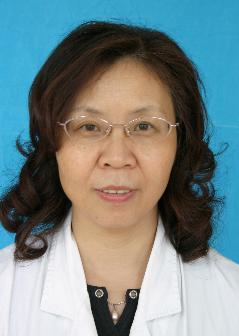
 Liping Wan (万理萍)合作论文数Shanghai General Hospital26
 Chun Wang (王椿)合作论文数GoBroad Medical Institute of Hematology (Shanghai Center)25
 Jieling Jiang合作论文数22Yu Cai合作论文数17
 Shike Yan (颜式可)合作论文数 Department of Hematology, Shanghai First People's Hospital, Shanghai, , P. R. China16
 Xianmin Song (宋献民)合作论文数School of Medicine, Shanghai Jiao Tong University8
 Yanrong Gao (高彦荣)合作论文数Shanghai General Hospital8Qi Cai (蔡琦)合作论文数7
 Haitao Bai (白海涛)合作论文数Shanghai General Hospital5Chongmei Huang合作论文数4Jiahua Niu合作论文数4ChuXian Zhao (赵初娴)合作论文数3DaoLin Wei (魏道林)合作论文数3Ying Jiang (蒋瑛)合作论文数3
 Su Li合作论文数3
 Yin Tong (童茵)合作论文数The First Affiliated Hospital, Zhejiang University School of Medicine3Xiaoqian Xu (许晓倩)合作论文数3Youwen Qin (秦尤文)合作论文数3Aihua Bao合作论文数2zaihong shen (沈再红)合作论文数2ZHANG Chunling (张春玲)合作论文数2Shan Shao合作论文数2XiaoWei Xu (许晓巍)合作论文数2XiaoRui Wang (王小蕊)合作论文数2
 Zhu Zhou (周柱)合作论文数上海第一人民医院血液科2X. Y. Cai合作论文数2Chan Wang (王椿)合作论文数1Ping Zhang (张萍)合作论文数1Fangfang Yu合作论文数1Bing Zhang (张冰)合作论文数1Wangtianyi Shi (施汪添翼)合作论文数1Linyan Wan (万林焱)合作论文数1Andi WANG (王安迪)合作论文数1Yi Sun (孙懿)合作论文数1Lin Wu (吴琳)合作论文数1Ying LI (李莹)合作论文数1YanDe Ding (丁言德)合作论文数1KaiTai Wang (王开泰)合作论文数1Wen Shu (舒文)合作论文数1KuangCheng Xie (谢匡成)合作论文数1GaoLin Liu (刘皋林)合作论文数1Kun Zhou (周琨)合作论文数1XiaoYu Li (李晓宇)合作论文数1Bin Shao (邵彬)合作论文数1HuiXia Liu (刘慧霞)合作论文数1




