Herein, Zn was introduced to regulate the tetrahedral coordination of Co3O4 and then leached out via alkaline impregnation. Experimental characterization indicated that the generation of tetrahedral defects significantly enhanced the electrocatalytic oxygen evolution reaction (OER) activity. Theoretical calculations showed that these selective defects endowed the adsorption sites with a moderate d-band center, thus optimizing the binding strength of intermediates.
Present design and application of perovskite oxide catalysts assume lattice oxygen redox (LOR) mechanisms that depend on lattice oxygen activity without consideration of the entire redox cycle. Herein, using in situ characterizations and theoretical calculations, we uncover a hole-mediated LOR cycle on p-type Sr-deficient SrFeO3-δ (SFO-Srv) perovskites in CO oxidation reaction. Sr vacancies activate surface lattice oxygen of SFO-Srv and promote formation of highly covalent Fe(4-x)+-O(2-x)- sites. In situ electrical conductivity measurement demonstrates that holes directly participate in the entire LOR cycle, and are reversibly consumed and regenerated in reducing/oxidizing atmosphere via Fe(4-x)+-O(2-x)- sites of SFO-Srv. Hole-mediated LOR in SFO-Srv, as revealed by in situ soft X-ray absorption spectroscopy, occurs through changing in covalency of Fe-O bonds, O 2p hole state, and electron density of Fe sites. 18O2 labeling experiment further confirms an improved Mars-van Krevelen pathway in the hole-mediated LOR cycle, which accounts for a ten-times enhancement of SFO-Srv for CO reaction rate over that of SFO alone.
Understanding the fundamental effect of the oxygen vacancy atomic structure in perovskite oxides on catalytic properties remains challenging due to diverse facets, surface sites, defects, etc. in traditional powder catalysts and the inherent structural complexity. Through quantitative synthesis of tetrahedral (LaCoO2.5-T), pyramidal (LaCoO2.5-P), and octahedral (LaCoO3) epitaxial thin films as model catalysts, we demonstrate the reactivity orders of active-site geometrical configurations in oxygen-deficient perovskites during the CO oxidation model reaction: CoO4 tetrahedron > CoO6 octahedron > CoO5 pyramid. Ambient-pressure Co L-edge and O K-edge XAS spectra clarify the dynamic evolutions of active-site electronic structures during realistic catalytic processes and highlight the important roles of defect geometrical structures. In addition, in situ XAS and resonant inelastic X-ray scattering spectra and density functional theory calculations directly reveal the nature of high reactivity for CoO4 sites and that the derived shallow-acceptor defect levels in the band structure facilitate the adsorption and activation of reactive gases, resulting in more than 23-fold enhancement for catalytic reaction rates than CoO5 sites.
The application life of Lithium-oxygen (Li-O-2) batteries can be significantly affected by the formation and full decomposition of the discharge product Li2O2. After exsolution, the catalyst is designed to control the morphology and crystallinity of Li2O2 enhanced reversibility. In the perovskite exsolution system, the large amount of A-site defects are introduced to induce the activation of lattice oxygen and the formation of oxygen vacancy, and promote the bimetallic exsolution from LaxFe0.8Cu0.1Co0.1O3. When x = 0.70, the distribution density of CuCo alloy and Cu metal increases and the size is smaller. Through exsolution process, the resulting oxygen vacancy and more doped ions exsolved expose a significant number of active sites that enhance the charge transfer and catalytic activity. Therefore, the charge resistance (Rct) smaller and can be better decomposed due to the generated small-size Li2O2 with nano-sheet morphology. Meanwhile, theoretical calculation shows that the exsolution of the catalyst enhances the adsorption of the intermediate LiO2 that makes the surface mechanism more advantageous. The reversibility of the battery is improved, and the cycle stability reaches 195 cycles. This work can serve as a guide for the development of exsolution that directs the design of high efficiency cathode catalyst.
Lithium-oxygen batteries are widely studied because of the highest theoretical specific energy density among candidates for next-generation energy storage devices. However, the insulated bulk Li2O2 generated during discharge restricts their further development. Here, we demonstrate a surface reconstruction strategy on perovskite La0.8Fe0.9Co0.1O3-delta(LFCO) to construct a LaF3/LFCO composite, which induces a modified surface and also manipulates the electronic structure. The optimized surface and electronic structure adjust the discharge reaction pathway and form thin petal-like F doped Li2O2, which have better conductivity compared to traditional discharge product and benefit for Li-O2 battery performance. This LaF3/LFCO leads to much better cycle stability (157 vs 57 cycles) in comparison to the pristine LFCO. This work suggests surface reconstruction provides a new approach in the design of cathode catalyst for long-life lithium-oxygen battery.
A temperature-controlled cation-exchange approach is introduced to achieve a unique dual-exsolution in perovskite La 0.8 Fe 0.9 Co 0.1 O 3−δ where both CoFe alloy and Co metal are simultaneously exsolved from the parent perovskite, forming an alloy and metal co-decorated perovskite oxide. Mossbauer spectra show that cation exchange of Fe atoms in CoFe alloy and Co cations in the perovskite is the key to the co-existence of Co metal and CoFe alloy. The obtained composite exhibits an enhanced catalytic activity as Li-O 2 battery cathode catalysts with a specific discharge capacity of 6549.7 mAh g −1 and a cycling performance of 215 cycles without noticeable degradation. Calculations show that the combination of decorated CoFe alloy and Co metal synergistically modulated the discharge reaction pathway that improves the performance of Li-O 2 battery.
For ABO3 perovskite oxides, one of the key issues limiting their utilization in heterogeneous catalysis is the dominant presence of catalytically inactive A‐site cations at the surface. The engineering of B‐site terminated perovskites is considered as an effective method to address this issue, especially when dealing with Mn/Co‐based perovskite catalysts. However, to date, such a strategy has not been fully successful and remains a major challenge in the field. Herein, a Mn‐terminated La0.45Sr0.45MnO3 (B‐LSM) is successfully synthesized via a one‐pot hydrothermal method, in which low‐valence Mn ions partially occupy the A site to form the active Mn‐excess phase. Experimental results and theoretical calculations reveal that the presence of the surface Mn termination in B‐LSM optimizes the hybrid orbitals of Mn 3d‐O 2p and promotes the activation of surface lattice oxygen, where the pristine inert lattice O2− is evolved into active and stable lattice O2−x. Such structural optimization significantly reduces the activation energy barriers on going from O2− species to important intermediate O− species during O2 activation. Moreover, this results in good stability and Pt‐like activity for the B‐LSM during CO oxidation. This work offers a new chemical route for the design of advanced perovskite‐type oxides possessing novel functions.
Alloy/perovskite composites prepared by exsolution of Fe-based perovskite have attracted wide attention due to their embedded and well anchored structure, which have broad applications in heterogeneous catalysis and energy conversion. Herein, we use Co-doped lanthanum ferrite as a model to study the effect of doping on the B-site exsolution of Fe-based perovskite. CoFe alloy can be exsolved from La0.9Fe0.9Co0.1O3 (LFCO) after heat treatment at 500 degrees C in a reduced atmosphere, whereas Fe will not be exsolved from La0.9FeO3 (LFO). Density functional theory calculations revealed that the stability of LFCO decreased after Co is doped into the lanthanum ferrite perovskite lattice and the formation energy of the Co-Fe bond on the surface of LFCO is lower than that of Fe-Fe in LFO, which promises an easier exsolution of CoFe alloy than the pristine Fe cluster. In addition, owing to the strong interaction and charge transfer between the exsolved CoFe alloy and parent perovskite, as well as the longer Fe-O bond after exsolution, the exsolved composite can act as an excellent bifunctional electrocatalyst for oxygen evolution and oxygen reduction reactions. Our work not only reveals the mechanism of the alloy exsolution in Fe-based perovskites but also provides a potential route to prepare the highly efficient electrocatalysts.
Development of efficient cathode catalysts is crucial for achieving high-performance rechargeable lithium-oxygen batteries. Herein, a simple one-step electrospun method was applied to obtain a silver-modified perovskite La0.9FeO3-delta (Ag@LFO) as an efficient cathode catalyst. The synthesized catalyst has two characteristics: first, the doping of Ag led to a tailored electronic structure including the generation of Fe4+; second, the in situ grown Ag exhibits a stronger interaction with perovskite. These two advantages result in high oxygen adsorbability and increased percentage of highly active oxygen species. Therefore, film-like Li2O2 was observed during discharge on the Ag@LFO cathode, which is beneficial for decomposition during recharge, whereas Li2O2 generated on the LFO cathode was largely toroidal. Density functional theory calculations were used to discuss the Li2O2 growth mechanism. As a result, compared to La0.9FeO3-delta and post-loading silver-decorated La0.9FeO3-delta (Ag/LFO), Ag@LFO exhibits lower overpotential, improved rate-capability, higher discharge specific capacity, and especially promoted cycling performance that is triple that of LFO.
Surface lattice oxygen in transition-metal oxides plays a vital role in catalytic processes. Mastering activation of surface lattice oxygen and identifying the activation mechanism are crucial for the development and design of advanced catalysts. A strategy is now developed to create a spinel Co3O4 /perovskite La0.3Sr0.7CoO3 interface by in situ reconstruction of the surface Sr enrichment region in perovskite LSC to activate surface lattice oxygen. XAS and XPS confirm that the regulated chemical interface optimizes the hybridized orbital between Co 3d and O 2p and triggers more electrons in oxygen site of LSC transferred into lattice of Co3O4 , leading to more inactive O2- transformed into active O2-x. Furthermore, the activated Co3O4/LSC exhibits the best catalytic activities for CO oxidation, oxygen evolution, and oxygen reduction. This work would provide a fundamental understanding to explain the activation mechanism of surface oxygen sites.
SmallVolume 15, Issue 29 1970153 Inside Front CoverFree Access ABO3-Type Perovskites: Unfolding BOB Bonds for an Enhanced ORR Performance in ABO3-Type Perovskites (Small 29/2019) Yu Sun, Yu Sun College of Chemistry, Jilin University, Changchun, 130012 P. R. ChinaSearch for more papers by this authorZhongyuan Liu, Zhongyuan Liu College of Chemistry, Jilin University, Changchun, 130012 P. R. ChinaSearch for more papers by this authorWei Zhang, Wei Zhang School of Materials Science and Engineering and Electron Microscopy Center, Jilin University, Changchun, 130012 P. R. ChinaSearch for more papers by this authorXuefeng Chu, Xuefeng Chu Jilin Provincial Key Laboratory of Architectural Electricity and Comprehensive Energy Saving, School of Electrical and Electronic Information Engineering, Jilin Jianzhu University, Changchun, 130118 P. R. ChinaSearch for more papers by this authorYingge Cong, Yingge Cong College of Chemistry, Jilin University, Changchun, 130012 P. R. ChinaSearch for more papers by this authorKeke Huang, Keke Huang College of Chemistry, Jilin University, Changchun, 130012 P. R. ChinaSearch for more papers by this authorShouhua Feng, Shouhua Feng College of Chemistry, Jilin University, Changchun, 130012 P. R. ChinaSearch for more papers by this author Yu Sun, Yu Sun College of Chemistry, Jilin University, Changchun, 130012 P. R. ChinaSearch for more papers by this authorZhongyuan Liu, Zhongyuan Liu College of Chemistry, Jilin University, Changchun, 130012 P. R. ChinaSearch for more papers by this authorWei Zhang, Wei Zhang School of Materials Science and Engineering and Electron Microscopy Center, Jilin University, Changchun, 130012 P. R. ChinaSearch for more papers by this authorXuefeng Chu, Xuefeng Chu Jilin Provincial Key Laboratory of Architectural Electricity and Comprehensive Energy Saving, School of Electrical and Electronic Information Engineering, Jilin Jianzhu University, Changchun, 130118 P. R. ChinaSearch for more papers by this authorYingge Cong, Yingge Cong College of Chemistry, Jilin University, Changchun, 130012 P. R. ChinaSearch for more papers by this authorKeke Huang, Keke Huang College of Chemistry, Jilin University, Changchun, 130012 P. R. ChinaSearch for more papers by this authorShouhua Feng, Shouhua Feng College of Chemistry, Jilin University, Changchun, 130012 P. R. ChinaSearch for more papers by this author First published: 19 July 2019 https://doi.org/10.1002/smll.201970153Citations: 1AboutPDF ToolsRequest permissionExport citationAdd to favoritesTrack citation ShareShare Give accessShare full text accessShare full-text accessPlease review our Terms and Conditions of Use and check box below to share full-text version of article.I have read and accept the Wiley Online Library Terms and Conditions of UseShareable LinkUse the link below to share a full-text version of this article with your friends and colleagues. Learn more.Copy URL Share a linkShare onFacebookTwitterLinkedInRedditWechat Graphical Abstract With revealing the evolution of the B–O–B bond angle, Shouhua Feng and co-workers demonstrate in article number 1803513 the structure–effect relationship between B–O bond covalency and oxygen reduction reaction performance in ABO3-type perovskite oxides. This work is devoted to offering a fundamental theoretical and technical insight into precise regulation of electronic structure through design and construction of chemical bonds. Citing Literature Volume15, Issue29Special Issue: Advanced Materials for Green Chemistry and Renewable EnergyJuly 19, 20191970153 RelatedInformation
The exsolution of noble metal nanoparticles (NPs) from perovskite usually requires high doping ratio of noble metal. Herein, we constructed a RuO2/LFRO composite by the exsolution of a low Ru-substituted A-site deficient perovskite, La0.9Fe0.92Ru0.08O3 (LFRO). In this process, pure Ru NPs are in situ exsolved from LFRO via a relatively low temperature heat treatment in 5% H2/Ar. Then the exsolved Ru NPs were oxidized to RuO2 for oxygen evolution reaction (OER) applications. The RuO2/LFRO composite achieved a high OER performance compared with the pristine LFRO, which is mainly originated from the generation of electrochemically active RuO2 NPs and the improvement of conductivity. In addition, the exsolution is a reversible process that the exsolved Ru NPs can disappear into the perovskite lattice at 550 °C in air. Our work thereof demonstrates an effective strategy to minimize the dosage of precious metals for catalytic applications in different fields.
Cation segregation of perovskite oxide is crucial to develop high-performance catalysts. Herein, we achieved the exsolution of α-Fe2O3 from parent La0.85FeO3-δ by a simple heat treatment. Compared to α-Fe2O3 and La0.85FeO3-δ, α-Fe2O3-LaFeO3- x achieved a significant improvement of lithium-oxygen battery performance in terms of discharge specific capacity and cycling stability. The promotion can be attributed to the interaction between α-Fe2O3 and LaFeO3- x. During the cycling test, α-Fe2O3-LaFeO3- x can be stably cycled for 108 cycles at a limited discharge capacity of 500 mAh g-1 at a current density of 100 mA g-1, which is remarkably longer than those of La0.85FeO3-δ (51 cycles), α-Fe2O3 (21 cycles), and mechanical mixing of LaFeO3 and α-Fe2O3 (26 cycles). In general, these results suggest a promising method to develop efficient lithium-oxygen battery catalysts via segregation.
Anionic redox chemistry is becoming increasingly important in explaining the intristic catalytic behavior in transition-metal oxides and improving catalytic activity. However, it is a great challenge to activate lattice oxygen in noble-metal-free perovskites for obtaining active peroxide species. Here, we take La0.4Sr0.6CoO3-δ as a model catalyst and develop an anionic redox activity regulation method to activate lattice oxygen by tuning charge transfer between Co4+ and O2-. Advanced XAS and XPS demonstrate that our method can effectively decrease electron density of surface oxygen sites (O2-) to form more reactive oxygen species (O2- x), which reduces the activation energy barriers of molecular O2 and leads to a very high CO catalytic activity. The revealing of the activation mechanism for surface oxygen sites in perovskites in this work opens up a new avenue to design efficient solid catalysts. Furthermore, we also establish a correlation between anionic redox chemistry and CO catalytic activity.
Identifying the relationship between catalytic performance and material structure is crucial to establish the design principle for highly active catalysts. Deficiency in BO bond covalency induced by lattice distortion severely restricts the oxygen reduction reaction (ORR) performance for ABO3 -type perovskite oxides. Herein, a rearrangement of hybridization mode for BO bond is used to tune the overlap of the electron cloud between B 3d and O 2p through A-stie doping with larger radius ions. The BO bond covalency is strengthened with a BOB bond angle recovered from intrinsic structural distortion. As a result, the adsorption and the reduction process for O2 on the oxide surface can be promoted via shifting the O-2p band center toward the Fermi Level. Simultaneously, the spin electrons in the Mn 3d orbit become more parallel. It will lead to a high electrical conductivity by the enhanced double exchange process and thereof mitigate the ORR efficiency loss. Further density functional theory calculation reveals that a flat [BO2 ] plane will make contribution to the charge transfer process from lattice oxygen to adsorbed oxygen (mediated with B ions). Through such exploration of the effect of crystal structure on the electronic state of perovskite oxides, a novel insight into design of highly active ORR catalysts is offered.
Surface electronic structure of solid materials plays a critical role in heterogeneous catalysis. However, surface chemical composition of the perovskite oxides is usually dominated by segregated A-site cations and the amount of oxygen vacancies is relatively low, which seriously restricts their catalytic oxidation property. Here, we prepare perovskite LaxSr1-xCoO3-δ (x=0.3, 0.5, 0.7) with different Sr doping amount and experiment results show that perovskite LSCO with higher content of surface Sr possesses more oxygen vacancies and better catalytic activity. On this basis, we develop a new experimental strategy to create more surface oxygen vacancies to promote their CO catalytic activity. In this method, we use high active hydrogen atoms (BH4-) as reductant to realize surface in-situ chemical composite modification of LaxSr1-xCoO3-δ (x=0.3, 0.5, 0.7), which causes their surface reconstruction (surface Sr enrichment). The regulation mainly focuses on the atomic layer level without damaging their bulk phase structure. Different from traditional high temperature annealing under reducing atmosphere, this method is high-efficiency, green and controllable. Furthermore, we study the surface reconstruction process and demonstrated that it is atomic layer engineering on the surface of LaxSr1-xCoO3-δ (x=0.3, 0.5, 0.7) by X-ray photoelectron spectroscopy (XPS) and X-ray absorption fine structure (XAFS). Our experiment results also show that these samples treated by this method exhibit superior activity for CO oxidation compared with original samples.
The electronic structures of transition metal oxides play a crucial role in the physical and chemical properties of solid materials. Defect engineering is an efficient way to regulate the electronic structure and improve the performance of materials. Here, we develop a defect engineering route that is implemented by controlling the topochemical reactions between cobalt perovskite and urea to optimize the electronic structure of La0.5 Sr0.5 CoO3-δ (LSCO). Urea pyrolysis is able to increase the oxygen defect concentration and cause octahedral distortions. Furthermore, we can distinctly observe that the introduction of oxygen vacancies narrows the hybridization orbital between O 2p and Co 3d and optimizes the O p-band center near the Fermi level by X-ray absorption spectroscopy, which greatly improves the catalytic activity of CO oxidation and photocatalytic water splitting. These results highlight the relationship between oxygen defects, electronic structure, and catalytic activity of perovskite LSCO, and demonstrate a rational approach to defect design and reveal the importance of anion redox chemistry for the structures and properties of perovskite oxides.
In order to study the relationship of material’s physical properties and materials special facet ,the special facets need to be obtained firstly .La0.5Ca0.5MnO3 microcrystals with different morphologies were obtained by hydrothermal method using dif‐ferent concentration of urea ,KOH and adjusting the reaction temperature .Characterization methods of powder X‐ray diffraction (XRD) ,scanning electron microscope (SEM ) were used to show the crystal structure and morphology information for as‐pre‐pared products .The synthesis condition and reactant concentration play important roles in crystal facet tailoring process .The op‐timal route to prepare octahedral shape of La0.5Ca05MnO3 microcrystal wasdiscussed and its corresponding facet tailoring mecha‐nism was also set up ,which is important for further study and application on the relationship of structure and properties of per‐ovskite structure oxides .
We fabricated Ga-GaSb nanohybrids by the droplet epitaxy method and precisely tuned the interaction between the metal and semiconductor parts. Selective absorption enhancement from 1.2 to 1.3 μm was confirmed via ultraviolet-visible-infrared absorption spectra in all of the nanohybrids, which shows size and component dependence. Valence band spectra of the samples indicate that carrier separation occurs at the interface at the Schottky junction and the high density of states near the Fermi level in a semiconductor controls the process of charge transfer. Thus, the enhanced selective absorption in the infrared region will open up a broad prospect for applications in infrared detection and thermophotovoltaic cells.
 Keke Huang (黄科科)合作论文数College of Chemistry, Jilin University17
 Shouhua Feng (冯守华)合作论文数College of Chemistry, Jilin University;State Key Laboratory of Inorganic Synthesis Preparative Chemistry, Jilin University16
 Xiyang Wang合作论文数College of Electronic Science and Engineering, Jilin University12Zhibin Geng合作论文数8Yu Sun (孙瑜)合作论文数7
 Wei Zhang (张伟)合作论文数School of Materials Science and Engineering, Jilin University6
 Long Yuan (袁龙)合作论文数5
 Wu Xiaofeng合作论文数5
 Liping Li (李莉萍)合作论文数College of Chemistry, Jilin University4Xuefeng Chu合作论文数Jilin Jianzhu Univ, Dept Basic Sci, Changchun 130118, Peoples R China4
 Guangshe Li (李广社)合作论文数College of Chemistry, Jilin University4Hongwei Hou合作论文数3
 Qian Zhu合作论文数3
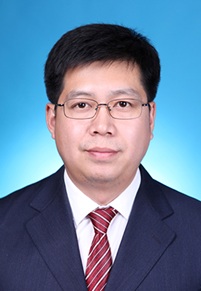 Xinbo Li (李新波)合作论文数College of Communication Engineering, Jilin University3
 Rui Cao (曹睿)合作论文数Key Laboratory of Applied Surface and Colloid Chemistry, Ministry of Education, Shaanxi Normal University3Chengda Ge合作论文数2Yilan Jiang合作论文数2Liuzhong Yuan合作论文数2Zhiyu Shao合作论文数2
 Ritimukta Sarangi合作论文数Stanford Synchrotron Radiation Lightsource, SLAC National Accelerator Laboratory2
 Yimin A. Wu合作论文数Department of Mechanical and Mechatronics Engineering, University of Waterloo/Waterloo Institute for Nanotechnology, University of Waterloo2Qian Jingyu合作论文数2
 Xinbo Zhang (张新波)合作论文数State Key Laboratory of Rare Earth Resource Utilization, Changchun Institute of Applied Chemistry, Chinese Academy of Sciences2Fangbing Shi合作论文数1Ziye Pan合作论文数1M. Liu (刘密兰)合作论文数1Haozhe Liu合作论文数1Beining Zheng合作论文数1Jingze Shao合作论文数1Shengru Chen合作论文数1Xiangyan Hou合作论文数1Yaowen Wang合作论文数1Qi Tang合作论文数1
 Tom Regier合作论文数Canadian Light Source, Univ Saskatchewan1
 Jia-Ao Wang合作论文数Univ Texas Austin, Dept Chem, Austin, TX 78712 USA1Zuolong Chen合作论文数Microcellular Plast Mfg Lab, Univ Toronto1
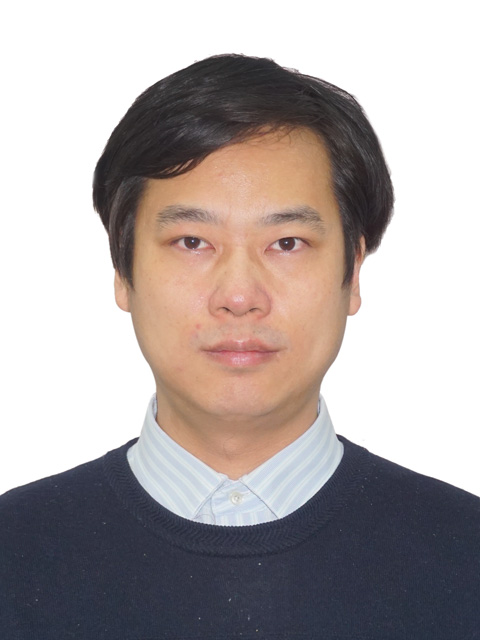 Fanqi Meng (孟繁琦)合作论文数School of Materials Science and Engineering, Peking University;Materials Processing and Analysis Center, Peking University1Yi Xiao合作论文数1
 Subhajit Jana合作论文数Department of Physics, Indian Institute of Technology1Boyko Teak D合作论文数1
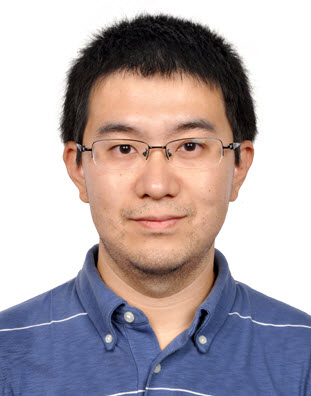 Erjia Guo (郭尔佳)合作论文数Key Lab for Optical Physics, Institute of Physics, Chinese Academy of Sciences;University of Chinese Academy of Sciences1
 Shibo Xi合作论文数Institute of Sustainability for Chemicals, Energy and Environment, Agency for Science, Technology and Research1
 Carl Redshaw合作论文数Department of Chemistry and Biochemistry, Faculty of Science and Engineering, University of Hull1Bo Wang合作论文数1Ma Wei合作论文数1
 Zhen Li (李振)合作论文数College of Chemistry and Molecular Sciences, Wuhan University1
 Lei Wang (王雷)合作论文数College of Materials Science and Engineering, Shenzhen University1
 Yuan Zhang (张媛)合作论文数College of Chemistry, Beijing Normal University1
 Ying Wang (王颖)合作论文数State Key Laboratory of Rare Earth Resource Utilization, Changchun Institute of Applied Chemistry, Chinese Academy of Sciences1




