While the occurrence of GenX, a novel alternative for perfluorooctanoic acid (PFOA), in the environment and its cytotoxicity at high concentrations to thyroid cells are well documented, limited information is available regarding its impact at low concentrations. GenX is detected to be as low as 0.001 ng/mL in drinking water and 0.04-1 ng/mL in human serum. In this study, we investigated the impact of GenX at levels similar to that from drinking water and human serum on thyroid function in vitro and in vivo. Our data showed that GenX from 0.001 to 0.1 ng/mL was sub-cytotoxic and did not exhibit apparent impact on thyroid cell viability. However, GenX at 0.001 ng/mL significantly reduced the expression of Thyroid Transcription Factor 1 (TTF-1) on both mRNA and protein levels. Further analysis showed that GenX suppressed TTF-1 expression through the inhibition of Wnt/ beta-catenin pathway. Furthermore, we tested as a proof-of-concept that inhibition of GSK-3 beta, a negative regulator in the Wnt/beta-catenin pathway, using specific inhibitors could rescue GenX-induced TTF-1 reduction in thyroid cells. Together, our findings have not only provided evidence that GenX at a low but human exposure-relevant concentration could cause thyroid disruption, but also proposed potential underlying mechanism and treatment approach. This information will be useful for the guidance of the future use of GenX.
Due to its potential adverse effects on human health, perfluorooctanoic acid (PFOA), one of the once widely used legacy per- and polyfluoroalkyl substances (PFASs), has been recently replaced by its novel alternatives including hexafluoropropylene-oxide-dimer-acid (GenX) and ammonium 4,8-dioxa-3H-perfluorononanoate (ADONA). These alternative PFASs are detected in water and exposed workers. PFASs can enter organs like thyroids, however, it is yet unknown whether the new alternatives are safer than PFOA. In the current study, we compared the thyroid disrupting effects of PFOA and its alternatives GenX and ADONA in vitro with both rat thyroid cell line FRTL5 and primary normal human thyroid (NHT) cells. Cells were exposed to ascendant doses of PFOA, GenX or ADONA for various incubation time and cell viability was assessed by WST-1 assay and LDH assay. The proliferation rate of survived cells was determined by crystal violet-based cell proliferation assay and MTT assay. The gene expression of thyroid hormone regulation-related genes in thyroid cells after exposure was quantified by RT-PCR and Western blot. Our data showed that both PFOA and GenX reduced thyroid cell viability in both dose and time dependent manner, with GenX being more toxic than PFOA at the same condition. Similarly, the proliferation rate of cells survived exposure to PFOA and GenX was considerably impaired, with GenX showing more profound adverse effect than PFOA. Unlike PFOA and GenX, ADONA showed no apparent adverse effects on the viability and proliferation of both thyroid cell types. Gene expression data revealed that all three PFASs altered gene expression in both thyroid cells and the altered gene expression seemed to be PFAS and cell type dependent. Taken together, our data reveal that the thyroid disrupting effects is increased in the order of GenX > PFOA > ADONA. Our findings will be beneficial for the guidance of the future usage of PFASs and development of better alternatives.
Background HBV promotes cell survival by upregulating the expression of the cellular inhibitor of apoptosis protein 2 (cIAP2), however whether it is involved in HBV-induced sorafenib resistance in liver cancer remains unclear. Methods cIAP2 overexpression and knockdown was adopted to assess the involvement of cIAP2 in HBV-induced sorafenib resistance. Anti-HBV drug lamivudine and Akt inhibitor were used to investigate the impact of HBV replication on cIAP2 expression and sorafenib resistance. Xenotransplantation mouse model was used to confirm the data on cell lines in vitro. Results Liver cancer cell line HepG2.215 showed increased cIAP2 expression and enhanced resistance to sorafenib. Upon sorafenib treatment, overexpression of cIAP2 in HepG2 lead to decreased cleaved caspase 3 level and increased cell viability, while knockdown of cIAP2 in HepG2.215 resulted in increased level of cleaved caspase 3 and decreased cell viability, suggesting the involvement of cIAP2 in HBV-induced sorafenib resistance. Furthermore, anti-HBV treatment reduced cIAP2 expression and partially restored sorafenib sensitivity in HepG2.215 cells. Xenotransplantation mouse model further confirmed that co-treatment with lamivudine and sorafenib could reduce sorafenib-resistant HepG2.215 tumor cell growth. Conclusion cIAP2 is involved in HBV-induced sorafenib resistance in liver cancer and anti-HBV treatments reduce cIAP2 expression and partially restore sorafenib sensibility.
甲状腺肿瘤为人体最常见的肿瘤类型之一,其发生率逐年升高,原因可能涉及多个方面.甲状腺肿瘤的性质和病理类型多样,对其进行鉴别诊断是指导日后治疗和随访的关键.本文概要介绍数种主要的甲状腺肿瘤鉴别诊断手段,分析每种鉴别诊断手段的特点及适用范围,以期为甲状腺外科临床工作提供参考.
低度恶性肌纤维母细胞肉瘤(low-grade myofibroblastic sarcoma,LGMS)是一种罕见的恶性肿瘤.上海交通大学医学院附属新华医院普外科收治1例源自乳腺的LGMS,笔者复习相关文献,探讨其临床病理学特点、诊断及鉴别诊断要点,以进一步提高医务工作者对该病的认识. 一、临床资料 患者,女,47岁,因"发现左乳肿块半年并逐渐增大"至外院检查,乳腺超声发现:左乳外侧3点钟方向见一低回声团,边界可见,大小约3.8 cm×2.1 cm,团块内见1.0 cm×0.6 cm无回声,团块内部及周边未探及彩色血流信号.于2016年 2月在全身麻醉下行乳房肿块切除术.
Hypothyroidism is a common condition of hormone deficiency, and oral administration of thyroid hormones is currently the only available treatment option. However, there are some disadvantages with this treatment modality including compliance challenges to patients. Therefore, a physiologically based alternative therapy for hypothyroidism with little or no side-effects is needed. In this study, we have developed a method for microencapsulating porcine thyroid cells as a thyroid hormone replacement approach. The hybrid wall of the polymer microcapsules permits thyroid hormone release while preventing immunoglobulin antibodies from entry. This strategy could potentially enable implantation of the microcapsule organoids containing allogeneic or xenogeneic thyroid cells to secret hormones over time without the need for immunosuppression of recipients. Porcine thyroid cells were isolated and encapsulated in alginate-poly-L-ornithine-alginate microcapsules using a microfluidic device. The porcine thyroid cells formed three-dimensional follicular spheres in the microcapsules with decent cell viability and proliferation. Thyroxine release from the encapsulated cells was higher than from unencapsulated cells ( P< 0.05) and was maintained during the entire duration of experiment (> 28 days). These results suggest that the microencapsulated thyroid cell organoids may have the potential to be used for therapy and/or drug screening.
C-terminal Src kinase (Csk)-binding protein (Cbp) is a ubiquitously expressed transmembrane adaptor protein which regulating Src family kinase (SFK) activities. Although SFKs are well known for their involvement in breast cancer, the function of Cbp in breast carcinogenesis upon the adipose-tumor microenvironment has not been investigated. Here, we reported that adipose-derived mesenchymal stem cells (ASCs) induced increased expression of Cbp accompanied by enhanced cell proliferation and chemotherapy resistance in breast cancer cell MCF-7/ADR. Depletion of Cbp in breast cancer cell by RNA interference led to remarkable inhibition of cell proliferation, invasion as well as synergy with adriamycin hydrochloride to suppress the tumor growth. Furthermore, silencing of Cbp concomitantly inhibited the expression of phosphoryl of Src, AKT and mTOR signals. Our study highlights the underlying mechanism of cross interaction between ASCs and breast cancer cells, and indicates that PAG1/Cbp in breast cancer cell may modulate tumor progression and acquired chemoresistance in the ASCs-associated breast cancer microenvironment through Src and AKT/mTOR pathways.
Hypothyroidism is a very common hormonal deficiency and the stem cell technology which developed in the recent years may offer a therapeutic strategy for treating this disorder. Hypoxia has been demonstrated to play an important role in embryonic formation and development and to modulate stem cell differentiation. However, the influence of oxygen tension on thyroid differentiation has not been studied. In this study, we used murine induced pluripotent stem (iPS) cells for thyroid cell differentiation under normoxic and hypoxic conditions and compared differentiation efficiency in morphology, function, gene and protein expression under both conditions. We found that hypoxia promoted adhesion and outgrowth of embryoid bodies (EBs) derived from murine iPS cells. Expression of endodermal markers (Foxa2 and Gata4) and thyroid transcription factors (Pax8 and Nkx2.1) was increased by hypoxia at both gene and protein levels during early-mid differentiation stages (p<0.05). And so were the thyroid specific markers NIS and TSHR at the end of the experiment (p<0.05). In addition, functional iodide uptake by differentiated cells was also increased after hypoxia. Thyroid differentiation from iPS cells is enhanced under hypoxia and this may involve hypoxia inducible factors (HIFs) and their downstream gene FGF2. Our data offer a foundation for understanding thyroid development and provide a potentially more efficient way to use cell therapy for treating thyroid deficiency.
巨大甲状腺肿在临床中并不常见,但仍有一定的发病率。因为多数为良性疾患,且不常见,所以在临床中更应予以重视。巨大甲状腺肿上极可至下颌角,下极可至胸骨后,两侧可至胸锁乳突肌后缘[1],压迫气管、食管等引起相应症状,并使手术难度增加。本文重点讲述笔者在巨大甲状腺肿临床实践中的一些经验以及相关文献复习的体会。
>近年来,甲状腺疾病的发病率逐渐升高,喉返神经永久性损伤是甲状腺手术常见的严重并发症之一 [1] ,国内报道手术引起的喉返神经损伤率为0.3% 9 .0%,最高者达13.3% [2] 。而甲状腺术后永久性喉返神经损伤的患者再度发生甲状腺癌,须再次行根治性手术的病例虽然相对比较少见,但处理起来极为棘手,再次手术因局部粘连,结构紊乱,若致使另一侧喉返神经损伤,患者将面临很大危险 [3] 。回顾我院自2001年1月至2013年7月收治的9例此类患者,报
OBJECTIVE This study aimed to investigate the expression of B7-H4 in human thyroid cancer and determine any association with patient clinicopathological parameters and survival. METHODS B7-H4 expression in 64 clinical thyroid cancer specimens was assessed with immunohistochemistry. Moreover, B7-H4 mRNA expression in 10 fresh resected specimens were evaluated by the reverse transcription-polymerase chain reaction (RT-PCR). Immunohistochemical staining of CD3 was performed to assess the number of tumor infiltrating T lymphocytes (TILs) in thyroid cancers. RESULTS Positive B7-H4 immunohistochemical staining was observed in 61 out of 64 (95.3%) specimens of thyroid cancer tissues. Significantly more B7-H4 mRNA copies were found in thyroid cancer tissue than that adjacent normal tissue. Moreover, B7-H4 expression in human thyroid cancer tissues was significantly correlated with patient TNM stages and extrathyroidal extension (P<0.05), being inversely correlated with the number of TILs (P<0.05). The overall survival rate of the patients with higher B7-H4 expression was significantly worse than that of the patients with lower B7-H4 expression. CONCLUSIONS This present study suggests that high B7-H4 expression is associated with cancer progression, reduced tumor immunosurveillance and worse patient outcomes in human thyroid cancer.
<正>患者女,51岁,因阵发性中下腹痛12h入院,入院时查体:体温38.5℃,双肺呼吸音清,右侧呼吸音稍轻;全腹平软,中下腹有散在轻压痛,无反跳痛,无肌卫。血常规:白细胞:16.70×10⁹/L,中性粒细胞:91.8%,血红蛋白139g/L,血小板:223.0×1012/L。CT示:双侧附件区见多发囊性低密度灶,考虑输卵管积液或积脓。超声示:双侧附件包块。胸部X线片(图1A)示:右
手术是乳腺癌综合治疗中最为关键的治疗措施,目前较常采用的术式是乳腺癌改良根治术或根治术.由于根治性手术的游离创面大,损伤范围广,创面渗出较多,皮瓣处理不当会引起皮下积液、感染、坏死,造成创口愈合延迟,影响术后早期进行化疗和放疗,所以皮瓣处理尤为重要.本文旨在对乳腺癌根治术术中皮瓣处理的方法作一经验总结.
食管憩室是食管壁的一层或全层局限性膨出,形成与食管腔相通的覆盖有上皮的囊袋[1].发生于颈部的咽食管憩室比较少见.颈部肿物因位置表浅,结合超声等检查容易作出诊断,但仍有少部分患者出现误诊.现对我院2001-2008年3例误诊为甲状腺或甲状旁腺肿块的食管憩室病例资料分析如下.
Objective To evaluate the effect of the central compartment neck dissection for cNO papillary thyroid mierocarcinoma(PTMC). Methods In 35 cases with oN0 PTMC, total thyroidectomy was performed on 3 bilateral PTMC cases, homolateral lobe and isthmus total thyroidectomy + contralateral lobe near total thyroidectomy was performed on 32 unilateral PTMC cases. The central compartment lymph node dissection was performed on all cases. Results Homolateral functional neck dissection was performed on 4 cases with positive nodes and the specimens were sent for routine histopathological examination which were not found metastasis. There were no such metastasis on the remaining 31 cases. 1 patient was complicated with lymph leakage. 2 patients was complicated with recurrent laryngeal nerve paralysis. 13 patients was complicated with transient postoperative hypoparathyroidism, which returned to normal 2 weeks later with the help of added calcium. 35 patients were followed - up from 6 to 42 months. All the cases were not found metastasis. Conclusions Routine central compartment neck dissection may be helpful to improve the survival of cN0 PTMC patients. Meanwhile, complication could be decreased by improving surgical skills.
目的 随着高频彩超技术的广泛应用,越来越多无症状和体检触摸不到的甲状腺结节钙化灶被探奋发现,在临床工作中需初步判断其良、恶性,本文通过对423例甲状腺结节术前高频彩趟检查中的钙化发生率、钙化表现与术后病理诊断进行对比,评估甲状腺结节钙化高频彩超的小同表现,对预判甲状腺结节性质的意义.方法 根据手术后病理检查结果分为良性结节组和恶性结节组,分别统计两组术前在高频超声检查中钙化检出例数,记录粗大与微小钙化例数.钙化按大小分为>2mm粗大钙化和≤2mm的微小钙化.统计学处理采用χ2检验.结果 423例患者中,80例有钙化灶,总发生率18.9%.良性结节患者共342例,有钙化38例(11.1%);粗大钙化25例(7.3%)、微小钙化13例(3.8%).恶性结节81例,有钙化42例(51.8%);粗大钙化9例(11.1%)、微小钙化33例(40.7%).两组在钙化率、粗大钙化和微小钙化发生率,差异均有统计学意义.结论 高频彩超探查出的甲状腺钙化灶在临床上应怀疑为恶性结节,特别是微小钙化灶在诊断甲状腺乳头状腺癌有特别的价值.
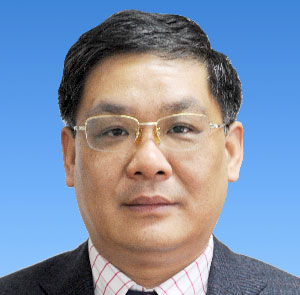
 Chu Bingfeng合作论文数7
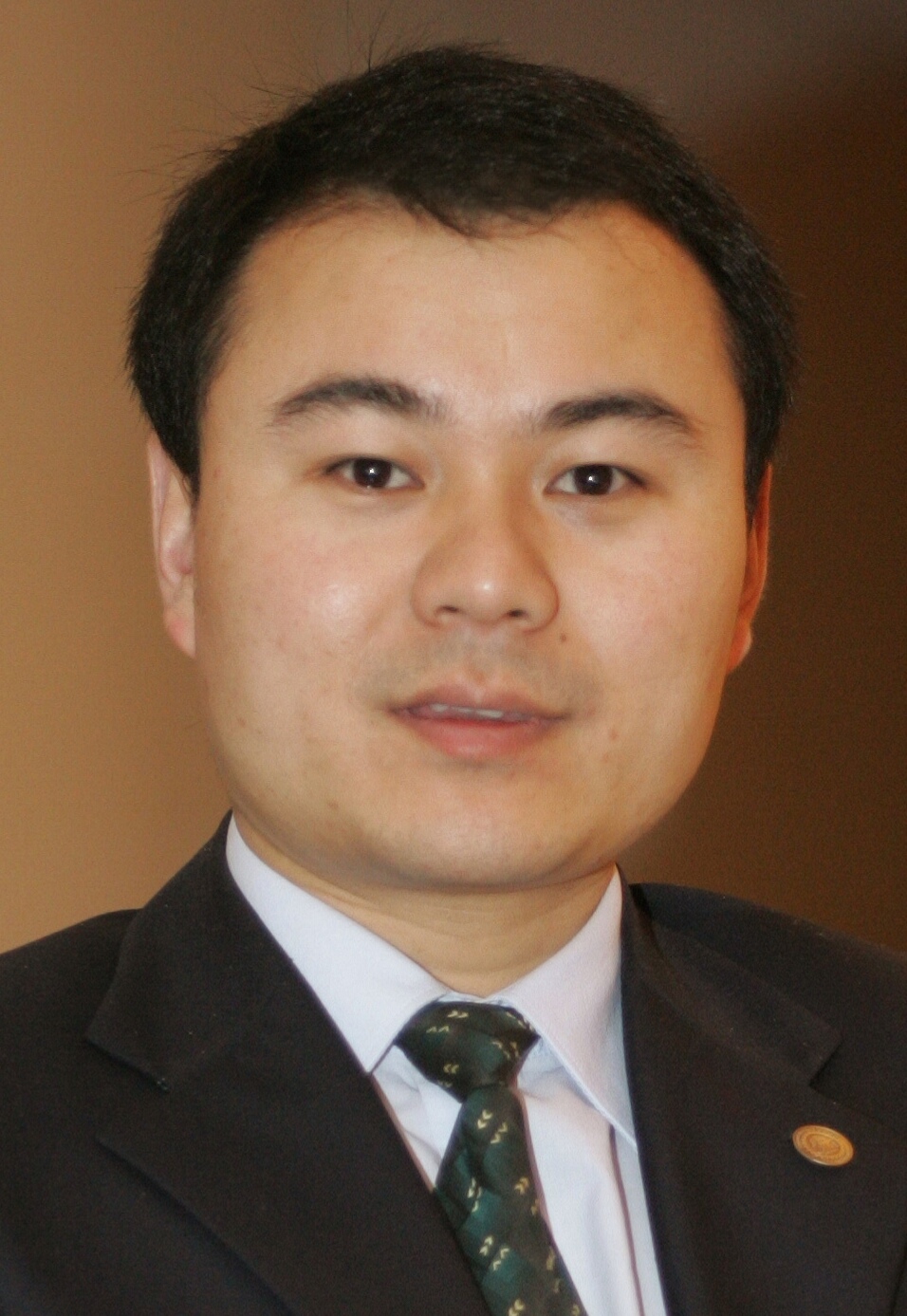
 Shenglai Zhang (张生来)合作论文数Xinhua Hospital Affiliatod to Shanghai Jiao Tong University School of Medicine7
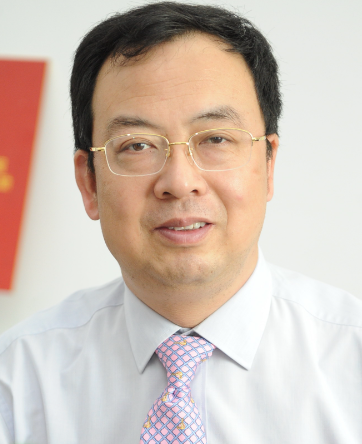
 Jian Zhu (朱健)合作论文数School of Marxism, Shanghai Jiaotong University6
 Yingbin Liu (刘颖斌)合作论文数Renji Hospital Affiliated to Shanghai Jiaotong University School of Medicine;Shanghai Cancer Institute5Yunshu Lu合作论文数4Ming Zhuang (庄明)合作论文数4Nuoya Li合作论文数2Jinlong Yan合作论文数2Yurong Gong合作论文数2
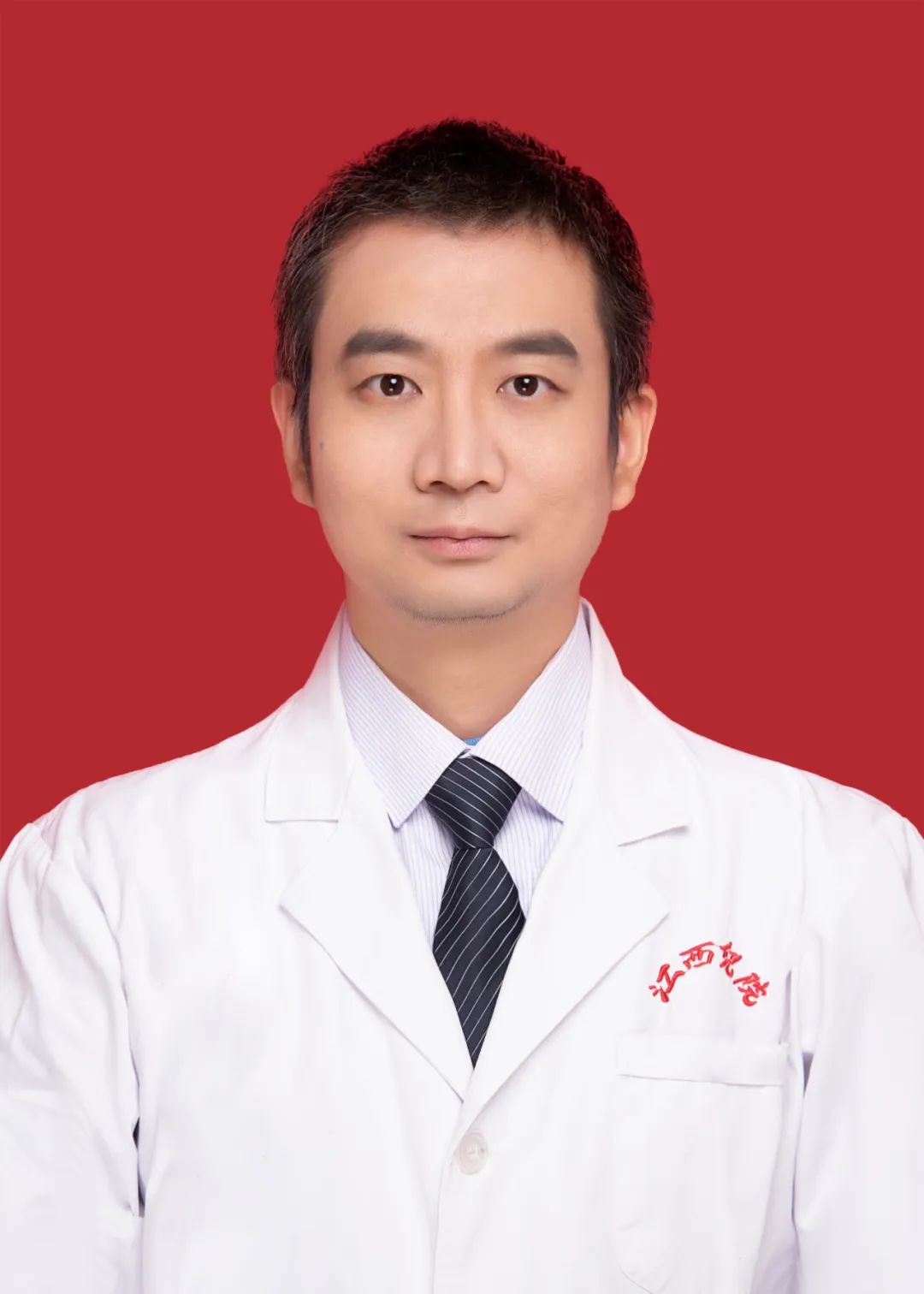 Shouhua Zhang (张守华)合作论文数Jiangxi Provincial Children's Hospital2
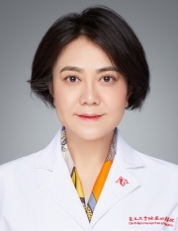 Kejin Wu (吴克瑾)合作论文数Department of Breast Surgery, Obstetrics & Gynecology Hospital of Fudan University2
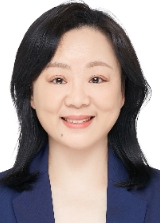 Ping Wu (吴萍)合作论文数School of Basic Medicine, Tongji Medical College, Huazhong University of Science and Technology2Weixin Zhao合作论文数2Weiming Li合作论文数1Juanming Du合作论文数1Yijing Tao合作论文数1Wen Chen合作论文数1Junquan Zeng合作论文数1Yanling Sheng合作论文数1Yajuan Hao合作论文数1Yuchen Fan合作论文数1Jianping LIAN (练建平)合作论文数1ying liu (刘颖)合作论文数1Xin Yu合作论文数1Yong Chai合作论文数1Yan Liu合作论文数1XiangRu Wu (吴湘如)合作论文数1
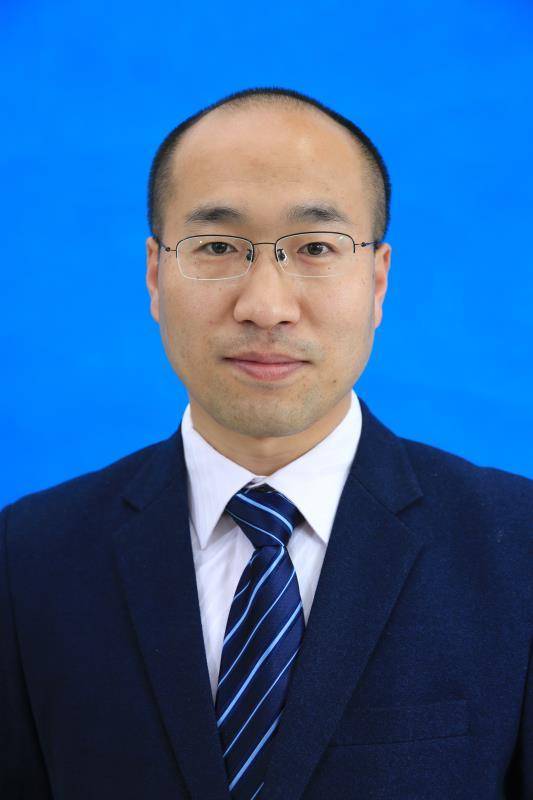 Mingping Qian (钱明平)合作论文数Tenth People's Hospital of Tongji University;School of Medicine, Tongji University1XueFeng Wang (王雪峰)合作论文数1
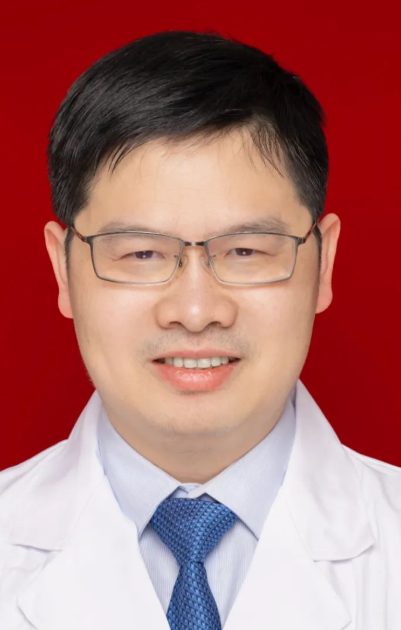 Kuai Chen (陈快)合作论文数Jiangxi Provincial Children's Hospital1Zhang Yijian合作论文数1Jiang Lin合作论文数1
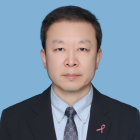 Baosan Han (韩宝三)合作论文数Shanghai Jiao Tong University School of Medicine1WenJie Lu合作论文数1
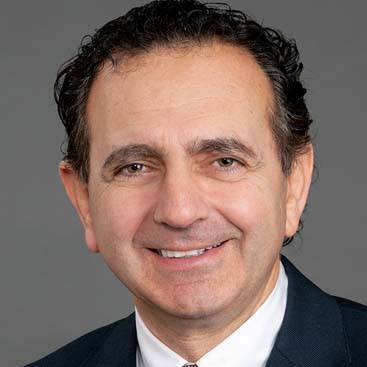 Anthony Atala合作论文数Wake Forest Institute for Regenerative Medicine;Department of Urology, Wake Forest School of Medicine;Brenner Children's Hospital, Atrium Health Levine Children's1
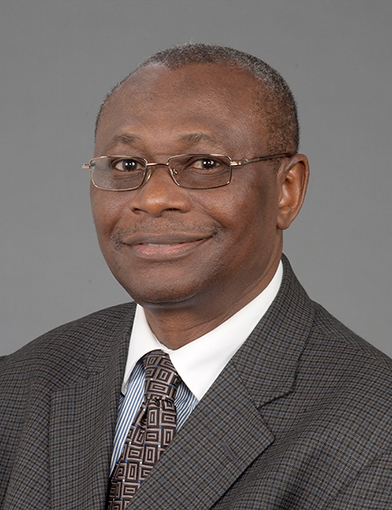 Emmanuel C. Opara合作论文数Wake Forest Institute for Regenerative Medicine, School of Medicine, Wake Forest University;Center for Diabetes, Obesity and Metabolism, Wake Forest University;Maya Angelou Research Center for Healthy Communities, Wake Forest University1




