Background: This study aimed to evaluate the various aspects of the implementation phase, including an economic evaluation, of Iran's Down syndrome (DS) screening program. Methods: Data were collected via phone interviews involving three random sample groups, with each group consisting of 1000 mothers who completed their pregnancies in 2018. To analyze the DS screening program from an economic aspect, we compared the costs related to the care of a DS individual in the country with that of finding and aborting a DS fetus based on the current screening program. In addition, to examine the financial expenses, we assessed the false positive rate (FPR) obtained from the tests and the status of pregnancy outcomes in terms of DS birth and the incidences of abortion complications in the interviewed samples. Results: A total of 94.5% of pregnant mothers participated in the DS screening program. The calculated FPRs in the screening tests were in the range of 15.3% (95% confidence interval (CI): 12.7%-18.1%) to 16.5% (95% CI: 13.7%-19.5%) for mothers registered in Iran's Health Network and 12.5% (95% CI: 10.2%-15.2%) for all mothers. The results suggest the inefficiency of the current implementation of the DS screening program in Iran from an economic perspective and given the respective side effects, especially fetal loss. Conclusions: The DS screening program in Iran necessitates urgent review and modification.
Introduction: Air pollution is one of the most important environmental risks to human health. The particulate matter tend to be carcinogenic for humans and can pose a greater hazard to children due to their immaturity and lack of development of the immune system. The current study is aimed to investigate the difference in the concentration of Particulate Matter (PM2.5 and PM10) in the ambient air in the breathing height of children and adults. Materials and methods: Particulate matter were measured cross-sectionally in sidewalks, streets, alleys, squares, and parks of Tehran simultaneously at two heights of 160 cm and 70 cm from the ground. As well as, other variables such as vegetation, buildings and meteorological data were also measured in each location. Results: There was a difference between the concentration of PM2.5 at the breathing height of children, with the average concentration of 52.0 μg/ m3, and the concentration of PM2.5 at the breathing height of adults with the average concentration of 51.6 μg/m3, with p-value of 0.013. Even though the difference is significant, it does not seem to have a significant impact on health. No significant difference was observed between the PM10 concentration at the breathing height of children and adults; however, there was significant difference between the concentrations of PM2.5 with the clean air standard of Iran and data from monitoring stations. Conclusion: The amount of PM2.5 and PM10 is almost the same in children and adults based on the difference in breathing height.
This research was carried out for two purposes. First, investigation of seven heavy metals concentrations in six supermarket vegetables in two seasons in Tehran, second, to estimate the potential health risk for consumers by calculating the target hazard quotient and excess lifetime cancer risk of each metal. The lead concentrations were higher than CODEX permissible limits in terms of root and fruit vegetables. Chromium content of root and leafy vegetables exceeded the CODEX standard. The non-cancer risk level in all metals was found to safe but the total cancer risk level was evaluated as unsafe even in non-conservative situation.
Backgrounds & objectives: Improper management of infectious waste cause environmental pollution and transmission of diseases through contact of susceptible groups with this type of waste. Due to mismanagement of infectious waste, development and improving the current management system are necessary. The aims of this study were to investigate the current status of infectious waste management in imam-khomeini hospital complex in Tehran and suggesting appropriate managerial solutions. Methods: This descriptive cross-sectional study was implemented from March to June 2014 in imam-khomeini hospital complex, Tehran. Th required data were collected using a questionnaire approved by World Health Organization for hospital waste management through field survey. Data analysis was performed using Microsoft Excel and IBM SPSS
Background: The apolipoprotein E (APOE) polymorphism is known to affect various neurologic disorders with different effects on the immune system and CNS repair. However, previous studies on possible modulation of the clinical course of multiple sclerosis (MS) by APOE polymorphism have been inconsistent. Objective: To clarify the issue for MS patients' management and future research. Methods: The present cross-sectional study investigated 81 patients with clinically proven MS and related their clinical and demographic findings to the allelic polymorphism of the APOE gene. The genotype distribution of patients with MS was compared with a comparison group of 93 asymptomatic elderly volunteers. Results: Significant differences were found in the distribution of e4 allele between patients with MS and the comparison group (9.3% vs. 0.5%; p <0.001). An analysis of disease progression in 81 patients with MS indicated that APOE e4 carriers are more likely to be affected with severe disease. Conclusion: The results obtained suggested that APOE genotype affected susceptibility to MS and indicated an association of the APOE e4 allele with a more severe course of the dis
A bibliometric analysis was conducted to assess the trend of microbial risk assessment publications indexed in Scopus from 1973 to 2015. The study was analyzed the distribution of languages, countries, journals, author keywords, authorship pattern, and co-authorship relationships. An exponentially increasing trend (R2 = 0.98) by 14.72 % article production per year was seen from 1973 to 2015. Risk Anal., Int. J. Food Microbiol. and J. Water Health were published the most papers. United States with 618 articles (78.23 %), Netherlands; 151 articles (19.11 %) and Australia; 135 articles (17.09 %) played active roles in the publication. Ashbolt NJ (3.16 %) from Alberta University and Haas CN from Drexel University (3.16 %) were the most productive authors in this field. The English language was dominant language of all publications (94.18 %). The analysis of author keywords revealed that foods and drinking waters are the most important environment media those are related to the transmission of microbial contamination. An upward trend in the number of articles reveals to be continuing in the future. Given the importance of microbial risk assessment, this trend reflects an increasing attention to the issue of microbial risk assessment among the scientists. It is hoped that transferring the experiences of developed countries in this field to less-developed countries may increases the number of researches in this field. It is expected this study could be the basis for a better understanding and development of researches related to microbial risk assessment worldwide.
Corrosion is one of the main problems of sewers around the world which causes huge quantities of both economic and ecological damages. Biological corrosion accounts for 20% of the total microbiological corrosion worldwide. The purpose of this study was to determine the corrosion potential in Ray sewers by H2S and ORP borne by wastewater. In this survey, H2S and Oxidation-Reduction Potential (ORP) were measured using a portable H2Smeter (MICRO III mark, model G203s) and a portable ORPmeter (mark Hana), respectively. The results were subsequently compared with those of CCTV (model IBAK) visual observations. The mean values of H2S in the sewers were found to be 0.83 ppm with a standard deviation of 0.931 at 9 a.m. and 1 ppm with a standard deviation of 1.155 at 3 p.m. Also, the mean values of ORP were -8.42 mV with a standard deviation of 60.43 at 9 a.m. and -37.3 mV with a standard deviation of 66.85 at 3 p.m. Based on the amounts of H2S and ORP produced in Ray sewers and also the results obtained from CCTV visual observations, the corrosion potential of wastewater in these sewers was judged to be considerably high.
The presence of synthetic dyes in aquatic environments poses potential health and ecological risks. Several techniques are available for dyes' removal. In this study the degradation of an anthraquinone dye, Reactive blue 29 (RB29), using an advanced oxidation process followed by single-wall carbon nanotubes (SWCNTs) was investigated. Advanced oxidation process was optimized over a period of 60 min by varying the ratio of acetic acid to hydrogen peroxide, the compounds which form peroxy acid. Reduction of 20.2-56.4% of RB29 was observed when the ratio of hydrogen peroxide/acetic acid/dye changed from 344/344/1 to 344/344/0.08 at different times (60, 120 and 180 min). Hydrogen peroxide served as controls in all advanced oxidation process and demonstrated minimal degradation over the time course study. The optimum ratio of acetic acid/hydrogen peroxide/dye was found to be 344/344/0.16 over 60 min. The resultant then introduced for further removal by SWCNTs as adsorbent. The adsorption of RB29 onto SWCNTs was also solely investigated. The Langmuir, Freundlich and BET isotherms were determined and the result revealed that the adsorption of RB29 onto SWCNTs well explained by BET model and changed to Freundlich isotherm when SWCNTs used after the application of peroxy acid. The maximum adsorption capacity of RB29 by SWCNTs also decreased from 496 mg/g to 472 mg/g when SWCNTs used solely and in sequence with peroxy acid, respectively. The removal of RB29 using an advanced oxidation process prior to the application of SWCNTs was also optimized over a period of 2 h. Color removal obtained over 2 h was 67.8-84.4% depending on the amount of SWCNTs used. Further studies are needed to identify the effects of peroxy acid degradation intermediates and to investigate their effects on SWCNTs.
Objective Pregnancy is a physiological condition that its concurrence with fasting introduces some controversies about condition of mother and fetus. This study was conducted to evaluate the effect of fasting on pregnancy outcome. Methods The historical cohort paradigm of this study was conducted on referrals of one of the Tehran's hospitals in 2004. All pregnant women at one of the trimesters in holy month of Ramadan were included in the study. The women were divided into non-fasting, 1-10 days fasting, 11-20 days fasting, and 21-30 days fasting. For statistical analysis of data, covariance analysis and SPSS package was used. Findings In this study, 189 cases were evaluated and their mean age, weight, and body mass index (BMI) were 25.9 years, 61.7 kg, and 23.9 kg/m2 respectively. The mean for number of days on fasting was 13 days and 66 cases (34.9%) had not been on fasting. In addition, there was no significant difference between BMI at the beginning of pregnancy, mother's age, number of pregnancies, and a history of abortion in different groups. Meanwhile, there was also no significant difference between means of weight, height, and head circumference of infants with number of days on fasting. Furthermore, there was no significant difference between pregnancy outcome parameters and fasting at different trimesters. Conclusion According to these findings, in healthy women with appropriate nutrition, Islamic fasting has no inappropriate effect on intrauterine growth and birth-time indices. Meanwhile, relative risk of low weight birth was 1.5 times in mothers on fasting at first trimester as compared to non-fasting mothers.
Introduction: The purpose of this study was to evaluate the Iranian trend of research in pharmaceutical sciences published in international publication and to compare it with that in other countries in the Middle East and North Africa in 1996-2006 through scientometrics methods. Methods: In this ecological study, the data were extracted from ISI: Web of Science, Scopus and International Pharmaceutical Abstract (IPA) databases. The indexed documents of authors from Iran as well as 13 other regional and North African countries in mentioned databases in the fields relevant to pharmaceutical sciences including pharmacy, pharmacology, toxicology and medicinal chemistry in the last 11 years (1996-2006) were retrieved and quantitatively analyzed. Results: Analysis of indexed pharmaceutical documents from the Middle East and North African countries (1996-2006) showed that Iran ranks second in the ISI/WOS, Scopus and IPA. However, Iran has achieved the first rank in the WOS and Scopus in the years 2004-2006 and in IPA in the last two years (2005-2006). Ranking of normalized indexed pharmaceutical documents based on GDP and population showed Iran fell to the forth rank in Scopus and IPA and the fifth in WOS. Conclusion: Iran has managed to stand on the first place of science production within the field of pharmaceutical sciences among Middle East and North Africa in the last 11 years. Maintenance of the acquired rank requires planning and paying enough attention to utilization of research potentials of universities and research centers within the field of pharmaceutical sciences and the interdisciplinary sciences. Keywords: Pharmacy; Chemistry, Pharmaceutical; Pharmacology; Databases.
Granular ferric hydroxide (GFH), a combination of poorly crystallized FeOOH, was investigated for removal of fluoride (F) from water. Adsorption was studied in batch experiments at room temperature together with the effect of contact time, pH, initial F concentration, and SO42- and Cl- as interfering anions. Lower pH with higher initial F concentration and longer contact time increased the F removal efficiency. In the absence of interfering anions, maximum removal of F approaching 88 percent was achieved at pH 6 after 30 min from water containing 7 mg F/L. Considering economic and feasibility aspects, adsorption of F with GFH is recommended as a successful method of F removal from water and wastewater treatment plants.
Introduction : Black tea leaf is one of the most important sources of Aluminum in dietary. Therefore this research was conducted to assess the amount of Aluminum in Iranian tea infusion. Methods: To assess Aluminum in Iranian consumed tea, 27 tea samples were analyzed for Al concentration for 10 and 60 min infusion, aluminum concentration was measured with atomic absorption and the results were analyzed by SPSS.13 version. Results: The results showed that minimum and maximum concentration of Al in tea infusion for 10 min infusion was 1.59 and 18.60 mg.L-1 respectively in this regard Baroti and Bamdad tea show the highest and lowest concentration respectively in term of Al, Also Statistical analysis with pair T-test showed that infusion time doesn't significantly effects on aluminum leaching into infusion (P>0.05). Calculation of percentage ‘available’ Al to the human system showed that 1 L of tea can provide 17.68 % of the daily dietary intake of Al, the percentage ‘available’ for absorption in the intestine is only 8.49 % for overall mean Al concentration. Conclusion: Therefore based on our results, tea consumption in medium values cannot cause toxic effects on human. Although it is necessary to note that tea consumption might be toxic because of effects on people with absorption or secretion problems.
 Ramin Nabizadeh Nodehi合作论文数Tehran University of Medical Sciences;Iran University of Medical Sciences9
 Kazem Naddafi合作论文数School of Public Health, Tehran University of Medical Sciences6
 Amir Hossein Mahvi合作论文数Center for Enviroment Research, Institute for Environment Research, Department of Environmental Health Engineering, School of Publich Health, Tehran University of Medical Sciences6
 Alireza Mesdaghinia合作论文数School of Public Health and Center for Environmental Research, Tehran University of Medical Sciences5
 V Hadavi合作论文数3M Seyedian合作论文数3
 Nabavi Seyed Massood合作论文数Neurology Department, Shahed University3Nabizadeh Nodehi Ramin合作论文数3
 Akbar Fotouhi合作论文数School of Public Health, Tehran University of Medical Sciences3
 Shahrokh Nazmara合作论文数Department of Environmental health Engineering of School of Public Health and Center for Environmental Research;Tehran University of Medical Sciences;School of Public Health and Center for Environmental Research, Tehran University of Medical Sciences3Mohammad Hossein Sanati合作论文数National Institute of Genetic Engineering and Biotechnology3
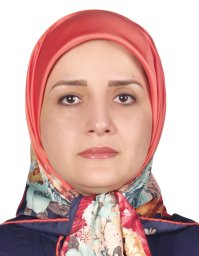 Bita Mesgarpour合作论文数School of Medicine, Tehran University of Medical Sciences2
 Arash Rashidian合作论文数Department of Pharmacoeconomics & Pharmaceutical Management, School of Pharmacy, Tehran University of Medical Sciences;Department of Health Management and Economics, Tehran University of Medical Sciences2
 Mehdi Fazlzadeh合作论文数Department of Environmental Health Engineering, School of Health, Ardabil University of Medical Sciences2
 Mahdi Hadi合作论文数Institute for Environmental Research (IER),, Tehran University of Medical Sciences2Arash Etemadi合作论文数Endocrine Research Center, Shaheed Beheshti University of Medical Sciences2Kazem Nadafi合作论文数2
 Sajad Mazloomi合作论文数2Ali Reza Mesdaghinia合作论文数1s n nejat合作论文数1r radgoudarzi合作论文数1Abdolreza Soudbakhsh合作论文数1mohammad reza mohebbi合作论文数1z h gholami合作论文数1m j faghihi合作论文数1a m mirsepasi合作论文数1Setareh Davoudi合作论文数1Hamid Emadi Kouchak合作论文数1Hossein Lotfi合作论文数1Mehdi Ahmadi合作论文数1shahrokh nazm ara合作论文数1Akbari Haghighi Feyz Elah合作论文数1Mona Zeinaloo合作论文数1
 Soheila Madihi-Bidgoli合作论文数Research Center for Environmental Contaminants (RCEC),, Abadan University of Medical Sciences1Saeid Parmy合作论文数1
 Alireza Asgari合作论文数Dept Environm Hlth Engn, Univ Tehran Med Sci1
 Ata Rafiee合作论文数Department of Medicine, University of Alberta1
 Mahmoud Shams合作论文数Corresponding authors.1
 Mostafa Leili合作论文数Res Ctr Hlth Sci, Hamadan Univ Med Sci1
 Abbas Kebriaeezadeh合作论文数1
 Shahram Yazdani合作论文数1
 Shariati Mohammad合作论文数1
 Rahimi-Movaghar Afarin合作论文数Iranian National Center for Addiction Studies, Tehran University of Medical Sciences1
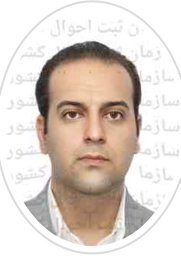 Mohammad sadegh Hassanvand合作论文数Institute for Environmental Research (IER),, Tehran University of Medical Sciences1
 Mahmud Alimohammadi合作论文数Environmental Health Engineering Department, School of Public Health, Tehran University of Medical Sciences1
 Ali Koolivand合作论文数1
 Farhoudian Ali合作论文数Substance Abuse and Dependence Research Center, University of Social Welfare and Rehabilitation Sciences1
 Ghanbari Farshid合作论文数Research Center for Environmental Contaminants, Ahvaz Jundishapur University of Medical Sciences1
 Jahangiri-Rad Mahsa合作论文数Department of Environmental Health Engineering, Islamic Azad University1




