Study DesignProspective single-center cohort study.ObjectiveTo evaluate cardiac morphology, cardiac function, and pulmonary hypertension impairment in patients with idiopathic scoliosis (IS) and their changes one year after scoliosis surgery.Methods70 patients with IS with predominantly thoracic curvature Cobb angle >40° were enrolled and categorized into moderate (<70°) and severe (≥70°) groups. Preoperative radiography and transthoracic echocardiography were performed. Postoperatively, 51 patients completed a one-year follow-up and were compared with preoperative data.Results(1) Left ventricular end-diastolic diameter (LVEDD), left ventricular global longitudinal strain (LVGLS), and e were lower and E/e was higher in the moderate vs severe group, and the aortic internal diameter and LVEF were lower in the severe group than in the control group (P < 0.05); (2) Right ventricular free wall strain (RVFWS), tricuspid annular plane systolic excursion (TAPSE), and TAPSE/systolic pulmonary artery pressure (SPAP) were lower, and SPAP was higher in the moderate vs severe group than in the control group (P < 0.05); (3) The thoracic curve Cobb angle was significantly negatively correlated with LVEDD, SV, LVGLS, RVFWS, TAPSE, TAPSE/SPAP and FVC and FEV1 measured/predicted (P < 0.05), and positively correlated with SPAP (P < 0.05); (4) After one-year postoperative follow-up, LVEDD, LVGLS, SV, e, RVFWS, TAPSE and TAPSE/SPAP were higher, and E/e and SPAP were lower (P < 0.05) compared to pre-operation.ConclusionCardiac morphology, left and right heart function, and pulmonary function were impaired in patients with IS, and which showed significant improvement after posterior corrective surgery.
Congenital scoliosis(CS) is associated with multiple organs defect, and cardiac abnormalities have been reported commonly associated with CS. Hemivertebra is caused by the failure of vertebral formation, which is a major constitute of CS. Till now, few studies focus on the incidence and interrelationship of hemivertebra and concomitant cardiac abnormalities in congenital scoliosis. We aimed to analyze the cardiac defect in CS patients with or without hemivertebra, and further explore the incidence of cardiac defect between different types of hemivertebra. The ultrasonic cardiography (UCG) results of surgically treated congenital scoliosis (CS) patients between 2015 and 2018 were retrospectively analyzed. Patients were divided into hemivertebra group and non-hemivertebra group according to preoperative CT. Patients with hemivertebra was further divided into sub-group by single/multiple or fully/partially/mixed segmented hemivertebra. Demographic information, radiographic data and cardiac abnormalities were statistically compared between groups. A total of 329 patients were analyzed, including 216 patients with hemivertebra and 113 patients without hemivertebra. UCG results were abnormal in 89 cases (27.1
Study design Retrospective Aanalysis of a Large Cohort of Cases. Objectives To explore the rate and cause of revision surgery after spinal fusion in adolescent idiopathic scoliosis(AIS). Methods The patients diagnosed with AIS who underwent spinal fusion surgery in a single center from 2002 to 2018 were retrospectively analyzed. All the patients were followed up at least 2 years. The causes of revision surgery were analyzed and the incidence of revision surgery was counted. Results A total of 1816 AIS patients were included in the study. After an average of 8.5 years (range 3-18 years) follow-up, a total of 51 patients underwent 54 revision operations. The overall revision rate is 2.8%. The revision rate of combined approach (anterior and posterior) and anterior approach was 6.6% (8/122), and the revision rate of posterior approach was 2.5% (43/1694). The most common causes of revision were malposition of implants/implants failure (37%), followed by poor wound healing/ infection (23%). Spinal decompensation, adding on and proximal junctional kyphosis (PJK) accounted for 20%. The compensatory curve continued to worsen after selective fusion accounted for 14% and finally the discomfort with the implants accounted for 6%. Conclusions The overall revision rate of spinal fusion for AIS is 2.8%. The implants and incision problems were the most common causes of revision surgeries.
This study aims to analyze the potential association between the preoperative coagulation status and perioperative blood loss in spinal deformity correction surgery. The preoperative coagulation status and estimated blood loss (EBL) during operation, postoperative wound drainage, and allogeneic transfusion during and after operation were recorded and analyzed. Among the 164 patients, 26 had a longer prothrombin time (PT), 13 had a lower fibrinogen level, 55 had a longer activated partial thromboplastin time (APTT), and 2 had a longer thrombin time (TT), and the platelet count (PLT) was all normal or higher than the normal level. The mean EBL per surgical level was 77.8 ml (range, 22-267 ml), and the mean drainage per surgical level was 52.7 ml (range, 7-168 ml). Fifty-five patients and 12 patients underwent allogeneic transfusion during and after the operation, respectively. The differences in EBL per surgical level, mean drainage per surgical level, the occurrences of allogeneic transfusion during and after operation between the patients with a longer PT, lower fibrinogen level, longer APTT or longer TT, and the normal controls were not significant (all P's > 0.05). The Spearman correlation analysis showed that there was no correlation between PT, fibrinogen, APTT, TT or PLT with EBL per surgical level, mean drainage per surgical level, or allogeneic transfusion during and after the operation (all P's > 0.05). The abnormal preoperative coagulation status but not hemophilia does not lead to more perioperative blood loss or a higher rate of perioperative allogeneic transfusion in spinal deformity correction surgery.
Osteoporotic fractures, also known as fragility fractures, are prevalent in the elderly and bring tremendous social burdens. Poor bone quality, weak repair capacity, instability, and high failure rate of internal fixation are main characteristics of osteoporotic fractures. Osteoporotic bone defects are common and need to be repaired by appropriate materials. Proximal humerus, distal radius, tibia plateau, calcaneus, and spine are common osteoporotic fractures with bone defect. Here, the consensus from the Osteoporosis Group of Chinese Orthopaedic Association concentrates on the epidemiology, characters, and management strategies of common osteoporotic fractures with bone defect to standardize clinical practice in bone repair of osteoporotic fractures.
目的:探究PUMCⅡb1型青少年特发性脊柱侧凸(AIS)选择性胸弯融合术后即刻肩平衡的影响因素,并构建回归方程以预测术后即刻肩平衡情况.方法:回顾性分析2015年1月至2021年6月诊断为PUMCⅡb1型AIS并行选择性胸弯融合手术的66例患者.以术后即刻影像学肩高(RSH)的绝对值>1 cm为肩失衡标准,分为肩平衡组(n=39)及肩失衡组(n=27).搜集两组患者一般临床资料,测量并计算相关影像学参数,并进行比较;对术后即刻RSH与胸弯矫正度及胸腰弯/腰弯矫正度进行回归分析,构建多元线性回归方程.结果:高Risser征(P=0.029)、术前胸弯Cobb角较大(P=0.033)及术前腰弯柔韧度较差(P=0.025)的AIS患者术后即刻可能更容易出现肩失衡.多元线性回归分析拟合方程为:术后即刻RSH(cm)=0.069×胸弯矫正度(°)-0.058×胸腰弯/腰弯矫正度(°)-0.179.结论:胸弯与胸腰弯/腰弯的矫正度协调性是影响术后即刻肩平衡的重要因素,骨成熟度高、腰弯柔韧性差的患者术后即刻更容易出现肩失衡.
背景:脊柱畸形患者可合并有肾脏超声结果异常,但目前文献中缺乏先天性脊柱侧凸(congenital scoliosis,CS)患者肾脏超声的研究.目的:分析CS患者的肾脏超声结果.方法:回顾性分析2015年1月至2018年12月我院收治的手术治疗的CS患者的肾脏超声结果.结果:共纳入321例患者,男155例,女166例;年龄1.6~20岁,平均(9.8±5.0)岁.肾脏超声结果异常11例(3.4%),其中男8例(2.5%),女3例(0.9%),男女比较差异无统计学意义(P=0.128).肾脏超声结果异常患者中孤立肾4例,异位肾2例,肾脏大小异常2例,肾脏多发小结石1例、肾脏钙化灶1例、肾囊肿1例.主弯位于胸弯/腰弯、主弯向左/右患者组间比较,肾脏超声结果异常发生率均无统计学意义(P值均>0.05).CS患者形成障碍型、分节障碍型与混合型患者组间比较,肾脏超声异常发生率差异亦无统计学意义(P=0.275).结论:脊柱侧凸畸形患者肾脏超声结果异常的发生率约为3.4%,性别、主弯位置与方向、CS的分型未影响CS患者肾脏超声异常的发生.
Purpose To analyze how pedicle subtraction osteotomy (PSO) treatment of severe Scheuermann thoracolumbar kyphosis (STLK) using pedicle screw instrumentation affects sagittal spinopelvic parameters. Background The medical literature on the post-surgical effects of treatments such as Ponte osteotomy is limited, but suggests few effects on spinopelvic profiles. Currently, there is no research regarding changes in sagittal spinopelvic alignment upon PSO treatment in STLK patients. Methods We performed a retrospective study on 11 patients with severe STLK. These patients underwent posterior-only correction surgeries with PSO and pedicle screw instrumentation between 2012 to 2017 in a single institute. Patients were measured for the following spinopelvic parameters: global kyphosis (GK), thoracic kyphosis (TK), thoracolumbar kyphosis (TL), lumbar lordosis (LL), sagittal vertical axis (SVA), pelvic incidence (PI), pelvic tile (PT), sacral slope (SS), and administered a Scoliosis Research Society-22 questionnaire (SRS-22) pre-operation, post-operation and at final follow-up. Results GK improved from a median of 74.1° to 40.0° after surgery, achieving a correction rate of 48.8% with a median correction loss of 0.8°. TK, TL and LL all showed significant difference ( P < 0.05) and SVA improved 22.7 (11.6, 30.9) mm post operation. No significant difference was found in pelvic parameters (PI, PT, SS, all P < 0.05). The absolute value of LL- PI significantly improved from a median of 26.5° pre-operation to 6.1° at the final follow-up. 72.7% in this series showed an evident trend of thoracic and lumbar apices migrating closer to ideal physiological segments after surgery. Self-reported scores of pain, self-image, and mental health from SRS-22 revealed significant improvement at final follow-up (all P < 0.05). Conclusions PSO treatment of severe STLK with pedicle screw instrumentation can improve spine alignment and help obtain a proper alignment of the spine and the pelvis.
Background Early-onset scoliosis (EOS), defined by an onset age of scoliosis less than 10 years, conveys significant health risk to affected children. Identification of the molecular aetiology underlying patients with EOS could provide valuable information for both clinical management and prenatal screening. Methods In this study, we consecutively recruited a cohort of 447 Chinese patients with operative EOS. We performed exome sequencing (ES) screening on these individuals and their available family members (totaling 670 subjects). Another cohort of 13 patients with idiopathic early-onset scoliosis (IEOS) from the USA who underwent ES was also recruited. Results After ES data processing and variant interpretation, we detected molecular diagnostic variants in 92 out of 447 (20.6%) Chinese patients with EOS, including 8 patients with molecular confirmation of their clinical diagnosis and 84 patients with molecular diagnoses of previously unrecognised diseases underlying scoliosis. One out of 13 patients with IEOS from the US cohort was molecularly diagnosed. The age at presentation, the number of organ systems involved and the Cobb angle were the three top features predictive of a molecular diagnosis. Conclusion ES enabled the molecular diagnosis/classification of patients with EOS. Specific clinical features/feature pairs are able to indicate the likelihood of gaining a molecular diagnosis through ES.
背景:脊柱畸形患者可合并有超声心动图(ultrasonic cardiography,UCG)结果异常,但文献中缺乏特发性脊柱侧凸(idiopathic scoliosis,IS)与先天性脊柱侧凸(congenital scoliosis,CS)患者UCG异常的比较.目的:比较青少年IS患者与CS患者UCG结果异常的发生情况.方法:回顾性分析2016年1月至2018年12月收治的手术治疗的青少年IS与CS患者的UCG结果.结果:共分析452例青少年脊柱侧凸患者.其中IS患者313例,UCG结果异常99例(31.6%),瓣膜病变为主者84例,非瓣膜病变为主者15例;CS患者139例,UCG结果异常36例(25.9%),瓣膜病变为主者24例,非瓣膜病变为主者12例.IS患者UCG异常发生率与CS患者相比,差异无统计学意义(P=0.265);瓣膜病变发生率相比差异有统计学意义(P=0.031).男性、女性,主弯位于胸弯、腰弯,主弯向左、主弯向右患者,UCG结果发生率组间比较,差异均无统计学意义(P>0.05).结论:青少年IS患者与CS患者UCG结果异常的发生率相当,瓣膜病变发生率IS患者高于CS患者,性别、主弯位置与方向未影响IS患者与CS患者UCG异常的发生差异.
Background. Percutaneous endoscopic transforaminal discectomy (PETD) is regarded as a viable alternative option for upper lumbar disc herniation (LDH). However, few studies have evaluated PETD for upper LDH, and no study has compared the advantages of endoscopic procedures versus conventional surgery. The present study was aimed at comparing the surgical outcome and safety of PETD versus conventional open lumbar discectomy in the treatment of upper LDH. Methods. Data from 42 patients treated for upper LDH from July 2015 to July 2018 were retrospectively analyzed, including 21 patients treated with PETD (PETD group) and 21 patients treated with conventional posterior lumbar discectomy (open group). The two groups were compared regarding demographic information, physical examination, radiological evaluations, and perioperative indicators. The clinical outcomes were assessed in accordance with the Oswestry Disability Index (ODI), visual analog scale (VAS), and modified MacNab criteria. Results. The postoperative ODI and VAS scores were significantly improved in both groups compared with the preoperative baseline values (P<0.001), and the satisfactory rate was 90.5% in both groups in accordance with the modified MacNab criteria. There were no significant differences between the two groups in the clinical outcomes and complication rate (P>0.05); however, compared with the open group, the PETD group had significantly less blood loss, less postoperative drainage, shorter operation time, and shorter postoperative hospitalization (P<0.001). Conclusions. PETD has a similar outcome to the conventional surgical method for the treatment of upper LDH but provides the typical advantages of minimally invasive procedures such as reduced iatrogenic injury, minimal activity restrictions, and accelerated ambulation recovery postoperatively.
背景:脊柱畸形不仅影响青少年的外观,还会影响患者的心理健康.但关于马方综合征脊柱侧凸(MSS)畸形对青少年心理健康影响的文献报道并不多.目的:分析接受矫形手术的MSS患者术前SRS-22问卷和SF-36问卷中的心理健康评分情况,并与青少年特发性脊柱侧凸(AIS)患者进行比较.方法:回顾分析2010年9月至2014年8月在我院接受手术治疗的28例MSS患者的SRS-22问卷及SF-36问卷结果,其中男7例,女21例;术时年龄11~19岁,平均14.8岁.选取同期收治的56例AIS患者的资料进行配比,男7例,女49例;年龄11~17岁,平均14.3岁.比较两组患者的临床及影像学参数、SRS-22问卷和SF-36问卷中的心理健康评分的差异.结果:MSS组与AIS组患者SRS-22问卷心理健康平均得分分别为3.6±0.5和3.8±0.6,总得分分别为17.8±2.7和19.2±3.0.MSS组与AIS组患者SF-36心理健康最终得分分别为66.3±11.4和71.9±10.3.上述SRS-22问卷及SF-36问卷心理健康得分组间比较差异均有统计学意义(P<0.05).得分差异主要来自于SRS-22问卷的Q20和SF-36问卷的Q9.8,其他问题得分差异无统计学意义.MSS组患者的上述心理健康评分与患者年龄、身高、体重指数、术前剃刀背高度、主弯冠状面Cobb角、顶椎偏距、术前冠状面躯干平衡情况、术前双肩及骨盆失平衡情况和矢状面胸后凸均无显著相关性(P>0.05).结论:手术治疗的MSS患者的心理健康状况评分低于AIS患者,这种差异主要来源于问卷中有关愉快感受方面.MSS患者的心理健康状况评分与患者侧凸的临床及影像学参数无明显相关性.
BACKGROUND: The original Peking Union Medical College (PUMC) classification of adolescent idiopathic scoliosis (AIS) is one system to combine each type with corresponding surgical fusion guidance, presenting comparable interobserver reliability, and reproducibility with Lenke classification. However, during its application in previous over 10 years, we found 2 main problems of this classification, which required modification. PURPOSE: (1) To evaluate the interobserver and intraobserver reliability, (2) to assess the effects of the added fusion criteria of proximal thoracic (PT) curve on improving postoperative shoulder balance of the modified PUMC classification of AIS. STUDY DESIGN/SETTING: Retrospective analysis of our AIS cohort and prospective validation of its effectiveness. PATIENT SAMPLE: Fifty sets of preoperative radiographs of AIS patients were randomly chosen from our AIS database. Furthermore, 46 consecutive AIS cases with PT curve were enrolled who underwent surgeries in our center from July 2007 to July 2013, with at least 2-year follow-up. OUTCOME MEASURES: The classification results of 50 sets of preoperative radiographs by 5 surgeons. The shoulder balance was evaluated using radiographic shoulder height. METHODS: Five surgeons independently evaluated and classified presurgical radiographs of 50 AIS patients based on the modified PUMC classification. Inter- and intraobserver reliabilities were calculated. Furthermore, the post-op shoulder balance was investigated in 46 consecutive cases of AIS with PT curve who were treated strictly based on the modified PUMC classification. RESULTS: The Kappa coefficients of inter- and intraobserver reliability of the overall modified PUMC classification are 0.889 and 0.865, respectively. The Kappa coefficients of inter- and intraobserver reliability for the type II are 0.791 and 0.746, respectively. In addition, the shoulder balance rate of the 46 AIS patients with PT curve at the final follow-up was 95.7%. CONCLUSIONS: Modified PUMC classification presents incremental improvement compared to our original published version, with high interobserver and intraobserver reliability and better performance of postoperative shoulder balance. Furthermore, the modified PUMC classification provides corresponding surgical fusion guidance for each subtype. Multicenter prospective studies with larger samples are still needed to further improve this system. (C) 2019 Elsevier Inc. All rights reserved.
背景:马方综合征脊柱畸形矫形手术比较复杂,针对此类手术并发症的报道并不多.目的:分析马方综合征脊柱侧凸(MSS)患者接受矫形手术的并发症发生情况.方法:回顾性分析2002年1月至2012年12月在我院接受矫形手术的MSS患者,对其中37例年龄在10~20岁的初次手术患者进行分析,其中男12例,女25例,平均年龄(15.0±2.7)岁.记录其手术并发症发生情况及转归.结果:本研究患者随访6~96个月,平均(25.7±22.5)个月.手术方式包括分期前路松解加后路矫形2例,一期前路松解加后路矫形1例,前路胸腔镜下器械矫形1例,其余患者均采用单一后路矫形手术.8例患者发生并发症,包括椎弓根螺钉植入时发生脑脊液漏1例,改在其他节段置钉;自发性气胸1例,予以放置胸腔引流管治疗好转;胸腔镜下胸弯融合后腰弯加重并远端交界性后凸1例,行翻修手术,延长融合节段至腰椎;腰弯未融合,随访时腰弯大并远端交界性后凸1例,随访观察中;近端交界性后凸1例,随访观察中;冠状面躯干失代偿1例,随访观察中;椎弓根螺钉断裂1例,行翻修手术,重置椎弓根螺钉;椎弓根螺钉位置异常导致神经并发症1例,予以探查、减压翻修手术,神经功能恢复正常.结论:马方综合征脊柱侧凸患者椎弓根发育差,植入椎弓根螺钉时易发生螺钉位置异常而导致并发症;此类患者融合节段不当易发生冠状面失代偿及矢状面交界性后凸.
Purpose To characterize clinically measurable endophenotypes, implicating the TBX6 compound inheritance model. Methods Patients with congenital scoliosis (CS) from China( N = 345, cohort 1), Japan ( N = 142, cohort 2), and the United States ( N = 10, cohort 3) were studied. Clinically measurable endophenotypes were compared according to the TBX6 genotypes. A mouse model for Tbx6 compound inheritance ( N = 52) was investigated by micro computed tomography (micro-CT). A clinical diagnostic algorithm (TACScore) was developed to assist in clinical recognition of TBX6 -associated CS (TACS). Results In cohort 1, TACS patients ( N = 33) were significantly younger at onset than the remaining CS patients ( P = 0.02), presented with one or more hemivertebrae/butterfly vertebrae ( P = 4.9 × 10 ‒8 ), and exhibited vertebral malformations involving the lower part of the spine (T8–S5, P = 4.4 × 10 ‒3 ); observations were confirmed in two replication cohorts. Simple rib anomalies were prevalent in TACS patients ( P = 3.1 × 10 ‒7 ), while intraspinal anomalies were uncommon ( P = 7.0 × 10 ‒7 ). A clinically usable TACScore was developed with an area under the curve (AUC) of 0.9 ( P = 1.6 × 10 ‒15 ). A Tbx6 -/mh (mild-hypomorphic) mouse model supported that a gene dosage effect underlies the TACS phenotype. Conclusion TACS is a clinically distinguishable entity with consistent clinically measurable endophenotypes. The type and distribution of vertebral column abnormalities in TBX6/Tbx6 compound inheritance implicate subtle perturbations in gene dosage as a cause of spine developmental birth defects responsible for about 10% of CS.
BACKGROUND CONTEXT:Transcranial motor evoked potential (MEP) monitoring has been widely adopted in spine surgery, but so far the useful monitoring data for patients with preoperative spinal deficits (PPSDs) are limited. Originally we thought that they seemed technically more difficult and less reliable in performing the MEP monitoring to PPSDs.PURPOSE:Our objective was to study (1) the feasibility of MEP monitoring in PPSDs and the (2) the significance of rapid MEP loss.STUDY DESIGN/SETTING:A retrospective case notes study from a prospective patient register was used as the study design.PATIENT SAMPLE:A total of 332 PPSDs who underwent posterior spine surgery with a reliable MEP monitoring were collected between September 2010 and December 2014.OUTCOME MEASURES:Relevant MEP loss was identified as rapid amplitude reduction (more than 80% MEP) associated with high-risk surgical maneuvers or high-risk diagnoses.METHOD:The muscles with higher strength were used to record the optimal MEP signal. MEP monitoring of these patients was considered to be feasible if reproducible signals had been obtained; moreover, sensitivity, specificity, positive predictive value (PPV), and negative predictive value were computed. The significance of the patients with rapid MEP loss was analyzed.RESULTS:From a total of 332 PPSDs, 27 cases showed significant MEP loss (23 true positive, 4 false positive), and 21 showed new spinal deficits. Invalid MEP baselines were found in 11 paralysis and 6 severely incomplete paraplegia patients, and success rate of reliable MEP was 95.1% in PPSDs. The congenital kyphoscoliosis, tuberculous kyphoscoliosis, and thoracic spinal stenosis are considered high-risk diagnoses to result in MEP loss. The sensitivity of intraoperative MEP monitoring was 100%, the specificity 98.7%, the positive predictive value 85.2%, and the negative predictive value 100%.CONCLUSIONS:Intraoperative MEP monitoring is feasible for most of the PPSDs. The rapid MEP loss during high-risk diagnoses and complicated surgical procedures may indicate new spinal deficits.
Objectives To analyze the occurrence, risk factors, treatment and prognosis of postoperative pleural effusion after spinal deformity correction surgery. Methods The clinical and imaging data of 3325 patients undergoing spinal deformity correction were collected from the database of our hospital. We analyzed the therapeutic process of the 28 patients who had postoperative pleural effusion, and we identified the potential risk factors using logistic regression. Results Among the 28 patients with postoperative pleural effusion, 24 (85.7%) suffered from hemothorax, 2 (7.1%) from chylothorax, and 2 (7.1%) from subarachnoid-pleural fistula. The pleural effusion occurred on the convex side in 19 patients (67.9%), on the concave side in 4 patients (14.3%), and on both sides in 4 patients (14.3%). One patient with left hemothorax was diagnosed with kyphosis. The treatment included conservative clinical observation for 5 patients and chest tube drainage for 23 patients. One patient also underwent thoracic duct ligation and pleurodesis. All of these treatments were successful. Logistic regression analysis showed that adult patients(≥18 years old), congenital scoliosis, osteotomy and thoracoplasty were risk factors for postoperative pleural effusion in spinal deformity correction surgery. Conclusions The incidence of postoperative pleural effusion in spinal deformity correction surgery was approximately 0.84% (28/3325), and hemothorax was the most common type. Chest tube drainage treatment was usually successful, and the prognosis was good. Adult patients(≥18 years old), congenital scoliosis, and had undergone osteotomy or surgery with thoracoplasty were more likely to suffer from postoperative pleural effusion.
Study Design: Retrospective study. Objectives: The aim of this study was to analyze whether there were differences in mental health scores of Scoliosis Research Society-22 (SRS-22) questionnaire and Short Form-36 (SF-36) questionnaire between adolescent idiopathic scoliosis (AIS) patients with/without preoperative brace treatment. Summary of Background Data: Mental health is an important domain of SRS-22 and SF-36 questionnaire. There are few studies focused on the effect of preoperative brace treatment on mental health in surgically treated AIS patients. Materials and Methods: The SRS-22 and SF-36 questionnaires of 211 AIS patients who underwent posterior correction surgery were retrospectively reviewed. The average age of the patients was 14.4 years (range, 11–18 y), and the patients were classified into 2 groups: with preoperative brace treatment (group BS-32 cases, 5 male and 27 female) and without preoperative brace treatment (group S-179 cases, 23 male and 156 female). The radiographic data and mental health scores of SRS-22 and SF-36 questionnaires were compared between the 2 groups. Results: There was no significant difference in terms of height, rib hump, the mean preoperative coronal Cobb angle or apical vertebral translation of the major curve, sagittal thoracic kyphosis, or coronal trunk balance between group BS and group S (all P>0.05). The average and total mental health scores of SRS-22 between group BS and group S were 3.6±0.7 and 3.7±0.5, and 18.1±3.5 and 18.3±2.6, respectively. The total mental health scores of SF-36 between group BS and group S were 71.1±8.7 and 68.7±11.5, respectively. There was no significant difference with regard to the mental health scores of SRS-22 and SF-36 questionnaires between group BS and group S (all P>0.05). Conclusions: Preoperative brace treatment did not have obvious influence on the mental health scores of SRS-22 and SF-36 questionnaires in surgically treated AIS patients.
BACKGROUND:The X-ray films of the patients with Marfan syndrome scoliosis (MSS) look like those with adolescent idiopathic scoliosis (AIS). In literature, there are many reports on the correction results of AIS, while there are a few studies focused on the difference of the correction results between MSS and AIS. This study aims to analyze whether there are differences of posterior correction surgery in MSS and AIS. METHODS:All the patients included underwent posterior correction surgery. The radiographic data, operation duration, estimated blood loss, transfusion, fusion levels, and correction rate were retrospectively reviewed and analyzed between the two groups. RESULTS:Group MSS included 42 patients, 11 male and 31 female, with an average age of 15.2 years old. Group AIS included 168 patients (ratio, 1:4), 34 male and 134 female, with an average age of 14.5 years old. Twenty-three patients in group MSS and 94 patients in group AIS were followed up regularly, with an average time of 18.4 and 18.5 months, respectively. The mean coronal Cobb angle of the major curve before operation and at final follow-up, the correction rate, fusion level, operation duration, estimated blood loss during operation, and transfusion between the two groups were 60.4 and 57.5°, 14.6 and 15.2°, 76.4 and 74.1%, 11.5 and 11.0 vertebrae, 4.6 and 4.0 h, 845 and 698 ml, and 1151 and 894 ml, respectively. The age, gender ratio, curve type, and coronal Cobb angle of the major curve were all matched (all P > 0.05). Group MSS had a longer operation duration and more estimated blood loss compared with those of group AIS (both P < 0.05), while there was no significant difference in terms of fusion level, transfusion, coronal Cobb angle of the major curve at final follow-up, and the correction rate (all P > 0.05). CONCLUSIONS:When performing posterior correction for scoliosis, the surgeons should be aware that the patients with Marfan syndrome scoliosis had more estimated blood loss and longer operation duration than AIS patients, while the correction rate was similar.
Purpose. Adolescent idiopathic scoliosis (AIS), the most common pediatric spinal deformity, is considered a complex genetic disease. Causing genes and pathogenesis of AIS are still unclear. This study was designed to identify differentially expressed long noncoding RNAs (lncRNAs) involving the pathogenesis of AIS. Methods. We first performed comprehensive screening of lncRNA and mRNA in AIS patients and healthy children using Agilent human lncRNA + mRNA Array V3.0 microarray. LncRNAs expression in different AIS patients was further evaluated using quantitative PCR. Results. A total of 139 lncRNAs and 546 mRNAs were differentially expressed between AIS patients and healthy control. GO and Pathway analysis showed that these mRNAs might be involved in bone mineralization, neuromuscular junction, skeletal system morphogenesis, nucleotide and nucleic acid metabolism, and regulation of signal pathway. Four lncRNAs (ENST00000440778.1, ENST00000602322.1, ENST00000414894.1, and TCONS_00028768) were differentially expressed between different patients when grouped according to age, height, classification, severity of scoliosis, and Risser grade. Conclusions. This study demonstrates the abnormal expression of lncRNAs and mRNAs in AIS, and the expression of some lncRNAs was related to clinical features. This study is helpful for further understanding of lncRNAs in pathogenesis, treatment, and prognosis of AIS.
 Yipeng Wang (王以朋)合作论文数Peking Union Medical College Hospital64
 Guixing Qiu (邱贵兴)合作论文数Peking Union Medical College Hospital63
 Jianguo Zhang (仉建国)合作论文数Peking Union Medical College Hospital57
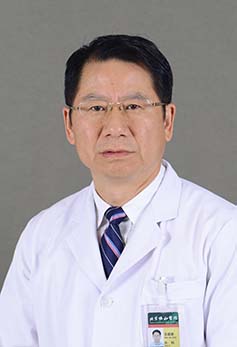 Jianxiong Shen (沈建雄)合作论文数Beijing Union Medical College Hospital28
 Yu Zhao (赵宇)合作论文数Peking Union Medical College Hospital;Peking Union Medical College, Chinese Academy of Medical Sciences25
 Xisheng Weng (翁习生)合作论文数Peking Union Medical College Hospital24
 Shugang Li (李书纲)合作论文数Peking Union Medical College Hospital21
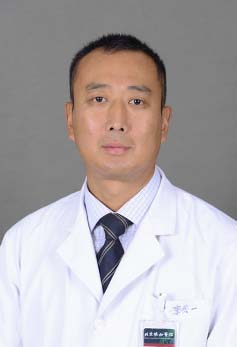 Qiyi Li (李其一)合作论文数Peking Union Medical College Hospital13
 Shengru Wang合作论文数11XinYu Yang (杨新宇)合作论文数8LiJuan Zhao (赵丽娟)合作论文数8
 Hong Zhao (赵宏)合作论文数Cancer Hospital, Chinese Academy of Medical Sciences7
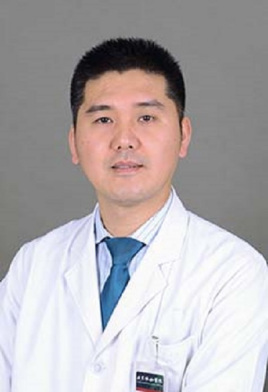 Keyi Yu (余可谊)合作论文数Chinese Academy of Medical Sciences Peking Union Medical College7
 Zhihong Wu (吴志宏)合作论文数Peking Union Medical College Hospital6
 Liang Wang (王亮)合作论文数Qilu Hospital, Shandong University;School of Nursing and Rehabilitation, Shandong University5xiaoyang liu合作论文数4Zhengyao Li合作论文数4Nan Wu (吴南)合作论文数4Wu Sun (孙武)合作论文数3
 Chen Wei-Sheng合作论文数3
 Ye Li (李野)合作论文数The Second Norman Bethune Hospital of Jilin University3
 Ye Tian (田野)合作论文数Peking Union Medical College Hospital3Weiqiang Liang合作论文数2Xue-yan Zhao合作论文数2
 Shuyang Zhang (张抒扬)合作论文数Peking Union Medical College Hospital;Chinese Academy of Medical Sciences & Peking Union Medical College2Yuchen Niu合作论文数2Zihui Yan合作论文数2Wencan LU (卢文灿)合作论文数2Xiaoxin Li合作论文数2Ting Wang (王婷)合作论文数2You Du合作论文数2
 Pengfei Liu合作论文数Department of Molecular and Human Genetics, Baylor College of Medicine, Houston, TX 77030, USA2Weiyu Li合作论文数Fudan Univ, Sch Life Sci, Obstet & Gynecol Hosp,State Key Lab Genet Engn, NHC Key Lab Reprod Regulat,Shanghai Inst Planned, Shanghai, Peoples R China2Guanfeng Lin合作论文数2
 Mao Lin (林茂)合作论文数Department of Orthopedic Surgery, The First Affiliated Hospital, Zhejiang University School of Medicine2XueSong Wang (汪学松)合作论文数2JingChen Liu (刘景臣)合作论文数2JianHua Hu (胡建华)合作论文数2
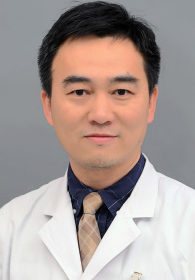 Jun Qian (钱军)合作论文数北京协和医学院北京协和医院2
 Sen Zhao合作论文数Beijing Key Laboratory for Genetic Research of Skeletal Deformity, Peking Union Medical College2Sen Liu合作论文数2
 Jennifer E Posey合作论文数Department of Molecular and Human Genetics, Baylor College of Medicine2Jiaqi Liu (刘嘉琦)合作论文数2
 Qianyu Zhuang (庄乾宇)合作论文数Peking Union Medical College Hospital2
 Renqian Du合作论文数2Qi Fei (费琦)合作论文数2
 Feng Zhang (张锋)合作论文数Institute of Metabolism & Integrative Biology, Fudan University;The Obstetrics & Gynecology Hospital of Fudan University;Institute of Medical Genetics and Genomics, Fudan University;Soong Ching Ling Institute of Maternity and Child Health2




