The precise functioning of natural systems is, to some extent, attributed to the remarkable molecular recognition capabilities of biological macromolecules. The sophisticated molecular encapsulation properties of viral capsids provide a fundamental blueprint for engineering hydrogenu2010bonded supramolecular polyhedra exhibiting programmable hostu2013guest properties. For an extended period, researchers have employed macrocyclic molecules to design and synthesize a range of supramolecular polyhedra, with the goal of simulating the structural features and molecular recognition capabilities of viral capsids. This perspective briefly summarizes structural advances in hydrogenu2010bondu2010directed assembly of macrocycleu2010based supramolecular polyhedra. Building on these architectural foundations, we discussed their emergent molecular recognition functions toward geometrically diverse guests. These fundamental insights may offer potential implications for hostu2013guest systems in fields such as precision drug delivery, highu2010contrast bioimaging, and stimulusu2010responsive sensing.
ABSTRACT The precise functioning of natural systems is, to some extent, attributed to the remarkable molecular recognition capabilities of biological macromolecules. The sophisticated molecular encapsulation properties of viral capsids provide a fundamental blueprint for engineering hydrogen‐bonded supramolecular polyhedra exhibiting programmable host–guest properties. For an extended period, researchers have employed macrocyclic molecules to design and synthesize a range of supramolecular polyhedra, with the goal of simulating the structural features and molecular recognition capabilities of viral capsids. This perspective briefly summarizes structural advances in hydrogen‐bond‐directed assembly of macrocycle‐based supramolecular polyhedra. Building on these architectural foundations, we discussed their emergent molecular recognition functions toward geometrically diverse guests. These fundamental insights may offer potential implications for host–guest systems in fields such as precision drug delivery, high‐contrast bioimaging, and stimulus‐responsive sensing.
This study tested students' socio-cognitive outcomes in using the Open Virtual Experiment Simulator Education Tool (OVESET), a series of virtual experiment simulators designed for undergraduate polymer science education. The educational tool, covering core polymer science concepts (e.g., molecular weight distribution and polymerization kinetics), was implemented across two consecutive years in an upper-level undergraduate macromolecules course. Guided by Self-Determination Theory (SDT), this pretest-post-test study measured changes in students' self-regulation, self-efficacy, sense of belonging, and intention to pursue a career in polymer science after using the virtual modules. In the first year, two modules were used across 3 weeks with 16 participating students; in the second year, seven modules were used over 12 weeks with 20 students. Results showed that OVESET modules significantly enhanced students' self-efficacy in polymer science, with medium effect sizes, while changes in self-regulation, belonging, and intention to pursue a career in polymer science were not significant. This study highlights the implementation and evaluation of virtual laboratory tools in polymer science education and underscores the importance of considering student perceptions and engagement.
With the accelerated advancement of biotechnology, microfluidic cell manipulation has emerged as a focal research area. Microfluidics leverages microscale channels to achieve precise control of fluids with high throughput, cost-effectiveness, and miniaturization. It makes use of the unique properties of fluids for single-cell manipulation and analysis with unprecedented accuracy and efficiency. With the advantages of high sensitivity, wide molecular coverage and excellent structural identification, mass spectrometry (MS) stands as a powerful tool for both qualitative and quantitative analysis of a vast range of biomolecules within single cells. In recent years, the integration of microfluidics and MS has gained significant attention, offering unprecedented precision and efficiency for single-cell studies. This review summarizes recent advances in microfluidic cell manipulation techniques and their integration with single-cell MS. The application scope covers multiple omics fields, including proteomics, metabolomics, lipidomics, metallomics, genomics, and transcriptomics. The review also discusses current challenges, outlines future research directions, and underscores the significance of this interdisciplinary area in biology, medicine, and environmental researches.
Glioblastoma is one of the most malignant tumors in the world, but the development of its therapies remains limited. Herein, a microfluidic chip that mimics the cerebrospinal fluid (CSF) circulation microenvironment is proposed to study the migration characteristics of glioblastoma U87-MG cells and U251 cells in complex environments where glioblastoma coexists with diseases that elevate CSF levels. In the presence of interstitial flow (IF), changing both cell densities and the cellular environment results in increased cell motility, including an increase in the number of migrating cells, the mean displacement of the top 30% fastest-moving cells, and the overall mean displacement. Then, through dynamic migration characterization analysis, it was found that IF enhances cell velocity and speed. Importantly, cells exposed to IF tend to migrate in directions with smaller angles of deviation from the opposite direction of IF. Finally, cytoskeleton inhibitors and decreased expressions of focal adhesion proteins, such as cytochalasin D, FAK inhibitors (VS-6063 and PF-573228), and FAK siRNA, were both proved to decrease the cells' response to IF. This work not only demonstrates the effect of IF on glioblastoma cell migration, but also indicates the reliability of microfluidic chips for modeling complex physiological environments, which is expected to be further developed for drug screening.
Even at very low concentrations, per- and polyfluoroalkyl substances (PFAS) pose a serious threat to human and animal health. Significant efforts have been made to develop water remediation technology for removing PFAS from the environment and groundwater, while also minimizing their discharge into the environment owing to their ubiquitous presence in consumer goods worldwide. In the context of developing selective ion-exchange polymers for PFAS remediation, this work reports the design of polystyrene-based fluorinated anion-exchange polymer bearing quaternary tetraaryl phosphonium cation moieties. The polymer was intended for highperformance and highly selective removal of commonly found PFAS contamination, such as perfluorooctanoic acid (PFOA), perfluorooctane sulfonic acid (PFOS), and hexafluoropropylene oxide-dimer acid (HFPO-DA, trade name GenX for the corresponding ammonium salt), at environmentally relevant concentrations from deionized water, drinking water and lake water (Lake Martin, Louisiana). Rapid removal of PFAS from different water matrices with more than 90 % efficiency at 1 ppb starting concentration was observed. The ionic fluoropolymer designed herein favors PFOA, PFOS, and GenX anions over other competing inorganic anions or organic species in solution via irreversible anion exchange which was assisted by strong hydrophobic interactions with the fluorophilic polymer's backbone. The synthesis of the polymer, its structural characterization, and its function in the removal of PFAS in real water matrices were discussed. The findings of this study are significant for developing water purification systems that aim to selectively and rapidly separate perfluoroalkyl compounds from waters at environmental concentrations and beyond.
Small molecule biomarkers are the terminal products of gene expression. Their presence or concentration changes are more directly associated with observable phenotypes, including disease states, than biomolecules reflecting genetic potential or intermediate biological processes. Microfluidic chips, as powerful tools, facilitate point-of-care testing (POCT) for these markers, providing rapid, accurate, and multiplexed detection. In this review, we summarize recent advances in POCT based on microfluidic chips for small molecule biomarkers. First, we discuss the substrates of microfluidic chips, including polydimethylsiloxane-based, paper-based, and wearable, as well as the detection technologies. Then, we summarize the current applications in medical diagnosis, drug testing, environmental monitoring, and public safety. Next, the integration of AI and POCT based on microfluidics may provide a new paradigm. Finally, we discuss current challenges and prospects. In summary, POCT based on microfluidic chips for small molecule biomarkers enables rapid, accurate, and convenient detection, overcoming spatial limitations and advancing analytical methods.
An efficient electrochemical hydrogen generation catalyst composed of robust ruthenium nanoparticles (Ru NPs) was synthesized through a simple one-pot hydrothermal reaction, where formaldehyde was employed as a reductant and low-molecular-weight poly(vinylpyrrolidone) (PVP) was employed as a stabilizing agent. The as-synthesized nanoparticles were initially characterized by powder X-ray diffraction, which confirmed their hexagonal, close-packed ruthenium phase. Structural analysis was performed by scanning electron microscopy (SEM) and transmission electron microscopy (TEM), which disclosed PVP-stabilized nanoflowers composed of Ru NPs with an average diameter of 5 nm. Further, energy-dispersive X-ray spectroscopy (EDX) confirmed the presence of ruthenium and carbon, and their oxidation states were also studied with X-ray photoelectron spectroscopy (XPS). The as-synthesized PVP-supported Ru NPs exhibited remarkable hydrogen evolution reaction (HER) activity, with overpotentials of 51 and 39 mV at a cathodic current density of -10 mA cm-2 and corresponding Tafel slopes of 23 and 40 mV dec-1 in acidic and alkaline conditions, respectively. Such a high performance of the PVP-protected Ru NPs was further evaluated in a continuous manner by using an electrolyzer flow cell, and our findings were supported by the corresponding density functional theory (DFT) calculations. Calculations of the Gibbs free energy for varied surface coverage on the (002) facet revealed that the individual site activity improved with an increase in surface coverage, enhancing the continuous HER performance. Besides reinforcing the exploitation of eco-friendly raw materials for nanocatalyst development, this work serves as a prelude to our upcoming systematic investigations on the influence of the molecular weight of the PVP polymer on the size of metallic nanoparticles.
With the growing number of applications for thin polymer films (e.g., corrosion-resistant coatings, photovoltaics, and optoelectronics), there is an urgent need to develop or advance cost-effective, versatile, and high-throughput manufacturing processes to produce thin polymer films and coatings with controllable properties (e.g., morphology, composition). In this work, we present a simple, cost-effective, and scalable approach: the air-assisted electrospray method for thin film coating. We systematically investigate its capabilities for producing coatings with a wide range of surface morphologies, its compatibility with three-dimensional substrates, and the fundamental understanding of the process. Through systematic control of concentration, needle configuration, and polymer selection, we demonstrate the ability to produce coating morphologies with diverse structural characteristics and excellent reproducibility. Notably, the introduction of air assistance through a coaxial needle greatly enlarges the range of achievable morphologies, particularly at lower concentrations. We also found that the position of the airflow relative to the solution is critical for determining the polymer film properties. Furthermore, we demonstrate its broad application potential in the fabrication of binderless electrodes for sodium-ion batteries.
Engineered hydrogel patches have shown promising therapeutic effects in the treatment of myocardial infarction (MI), especially anisotropic patches that mimic the characteristics of native myocardium have attracted widespread attention. However, it remains a great challenge to develop cardiac patches with long-range and orderly electrical conduction based on an effective, mild, and rapid strategy. Here, a multifunctional anisotropic cardiac patch is presented based on microfluidic manipulation. The anisotropic alginate-gelatin methacrylate hydrogel patches are easily and rapidly prepared through microfluidic focusing, ion-photocrosslinking, and parallel packing processes. The fluid-based anisotropic realization process does not involve complex machining and strong field stimulation and is compatible with the loading of macromolecular biological agents. The anisotropic hydrogel patch can mimic the anisotropy of the myocardium and guide the directional polarization of cardiomyocytes. In animal model experiments, it also exhibits significant effects in inhibiting ventricular remodeling, fibrosis, and enhancing cardiac function recovery after MI. These comprehensive features make the multifunctional hydrogel patch a promising candidate for cardiac tissue repair and future provide a new paradigm for expanding microfluidic technology to solve tissue engineering challenges.
Benefiting from the complex system composed of various constituents, medicament portions, species, and places of origin, traditional Chinese medicine (TCM) possesses numerous customizable and adaptable efficacies in clinical practice guided by its theories. However, these unique features are also present challenges in areas such as quality control, screening active ingredients, studying cell and organ pharmacology, and characterizing the compatibility between different Chinese medicines. Drawing inspiration from the holistic concept, an integrated strategy and pattern more aligned with TCM research emerges, necessitating the integration of novel technology into TCM modernization. The microfluidic chip serves as a powerful platform for integrating technologies in chemistry, biology, and biophysics. Microfluidics has given rise to innovative patterns like lab-on-a-chip and organoids-on-a-chip, effectively challenging the conventional research paradigms of TCM. This review provides a systematic summary of the nature and advanced utilization of microfluidic chips in TCM, focusing on quality control, active ingredient screening/separation, pharmaceutical analysis, and pharmacological/toxicological assays. Drawing on these remarkable references, the challenges, opportunities, and future trends of microfluidic chips in TCM are also comprehensively discussed, providing valuable insights into the development of TCM.
国家领导提出:"中国将提高国家自主贡献力度,采取更加有力的政策和措施,二氧化碳排放力争于2030年前达到峰值,努力争取2060年前实现碳中和."要实现碳中和的愿景,政府、企业、个人都必须参与协同,政府制定碳中和目标并进行规划和引导,企业通过结构转型、自主研发或改进低碳工艺实现碳中和规划,而个人则应践行低碳/零碳的消费和生活理念.
This study reported the application of an interactiveOpen EducationResource, namely, an open virtual experiment simulator education tool(OVESET), in teaching the kinetics of atom transfer radical polymerization(ATRP) in a polymer science classroom. The OVESET ATRP kinetic simulatoraims at improving students' inductive reasoning skills. Studentswere encouraged to perform virtual experiments to systematically examinethe influence of each parameter, e.g., type of polymerization andconcentrations of reagents, and to observe and make logical explanationsof the general trends behind each series of experiments. The toolwas designed to maximize accessibility and flexibility through openlicensing. The simulator runs under the Jupyter Notebook environment,which is free to use, modify, and redistribute; therefore, instructorscan adapt the simulator based on their teaching contexts. The simulatorcan be applied in a classroom setting without requiring any softwareinstallation and can be used across different operating systems. Assessmentof the implementation demonstrated that students' learningoutcomes and STEM and polymer science identity were improved. Studentsalso rated the tool as useful in increasing their understanding andinductive reasoning. The quick and in-place response of the notebookmakes it ideal for both in-class demonstrations and after-class practices.The tool is freely available at https://bit.ly/ATRP-Simulator.
Tetrakis(dialkylamino)phosphonium (TKDAAP) compounds exhibit extraordinary base resistance, a prerequisite feature for high-performance anion exchange membranes (AEMs). It is, however, challenging to synthesize a TKDAAP compound with reactive functionality that can be used to link the cation to a polymer backbone. In this study, two TKDAAP compounds with alkyne functionality were synthesized and incorporated into an azide-modified SBS triblock copolymer backbone via Cu(I)-catalyzed alkyne–azide cycloaddition (CuAAC) “click” chemistry. The properties of the resulting AEMs were characterized. It was found that (1) the triazole linker between the cation and the polymer backbone was stable under alkaline conditions; (2) varying the substituents of TKDAAP compounds could dramatically alter the stability; and (3) increasing the hydrophilicity of the AEM was an efficient way to enhance its ionic conductivity. Using clickable TKDAAP compounds makes it easy to combine various cations into polymer backbones with adjustable cation content, thus potentially leading to an efficient way to screen a wide variety of polyelectrolyte structures to identify the most promising candidates for high-performance AEMs.
Organoids/organs-on-a-chip open up new frontiers for basic and clinical research of intestinal diseases. Species-specific differences hinder research on animal models, while organoids are emerging as powerful tools due to self-organization from stem cells and the reproduction of the functional properties in vivo. Organs-on-a-chip is also accelerating the process of faithfully mimicking the intestinal microenvironment. And by combining organoids and organ-on-a-chip technologies, they further are expected to serve as innovative preclinical tools and could outperform traditional cell culture models or animal models in the future. Above all, organoids/organs-on-a-chip with other strategies like genome editing, 3D printing, and organoid biobanks contribute to modeling intestinal homeostasis and disease. Here, the current challenges and future trends in intestinal pathophysiological models will be summarized.
The vigorous nanomedicine offers significant possibilities for effective therapeutics of various diseases, and nanovesicles (NVs) represented by artificial liposomes and natural exosomes and cytomembranes especially show great potential. However, their complex interactions with cells, particularly the heterogeneous extracellular adsorptions, are difficult to analyze spatiotemporally due to the transient dynamics. In this study, by single NVs tracking, the extracellular NVs adsorptions are directly observed and their heterogeneous characteristics are revealed. Briefly, plenty of NVs adsorbed on HCT116 cells are tracked and classified, and it is discovered that they exhibit various diffusion properties from different extracellular regions: stable adsorptions on the rear surface and restricted adsorptions on the front protrusion. After the hydrolysis of hyaluronic acid in the extracellular matrix by hyaluronidase, the restricted adsorptions are further weakened and manifested as dissociative adsorptions, which demonstrated reduced total NVs adsorptions from a single-cell and single-particle perspective. Compared with traditional static analysis, the spatiotemporal tracking and heterogeneous results not only reveal the extracellular NVs-cell interactions but also inspire a wide variety of nanomedicine and their nano-investigations.
Polyacrylate coating has been used for modifying Polyethylene terephthalate (PET) film to improve its oxygen barrier performance. However, comprehensive study on the oxygen barrier of polyacrylate coating is still underway. In this work, a series of polyacrylate coatings with different functional monomers such as maleic acid (MA), acrylic acid (AA), 2-hydroxyethyl acrylate (2-HEA), and 2-butene-1, 4-diol (1, 4-BED) were prepared by using Desmodur L75 (L75) and Erisys Ga240 (Ga240) as a curing agent. The polyacrylate coatings were characterized by Fourier Transform Infrared (FT-IR) spectrometer. The oxygen permeability (Po2) of the coatings was measured by Gas Permeability Tester. The results reveal that anhydride moiety produced by dehydration of carboxylic acid is the key structure for enhancing the oxygen barrier property of the polyacrylate coating. Moreover, when the anhydride coexists with other cross-linking structures, the oxygen barrier performance of the resulting coatings was not further enhanced. Compared with the pristine PET substrate, the anhydride-containing polyacrylate-coated PET film has reduced Po2 by 68%. This work provides a facile strategy for improving the oxygen barrier performance of PET film by coating amorphous polyacrylate.
Noble metals and their alloy‐based nanomaterials are widely used in biomedicine, especially in the fields of photodynamic therapy (PDT) and photothermal therapy (PTT) on tumors, due to their remarkable physicochemical properties. Nonetheless, novel doping strategies with unexpected efficacies are still challenging and formidable. Herein, a photosensitizer‐alloy nanosystem is designed for highly efficient PDT and PTT. Specifically, the optimized Pt/Ag alloy nanoparticles are facilely synthesized in one step at room temperature and are simultaneously endowed with enhanced peroxidase‐like activity and photothermal conversion, and further activated cytotoxic singlet oxygen ( 1 O 2 ) productivity after covalent functionalization of chlorin e6 (Ce6). A small amount of Ag doping can kill two birds with one stone by simultaneously enhancing the synergistic PDT and PTT potential of Pt/Ag‐PEG‐Ce6 nanoparticles. Both in vitro and in vivo experimental results indicate that the significant temperature increase triggered by 808 nm laser and a large amount of toxic 1 O 2 excited by 671 nm laser synergistically and strongly kill tumor cells. Therefore, through proper doping and improved physicochemical properties, this nanosystem achieves effective PDT and PTT of tumors and also inspires the advanced design of noble metal‐based nanomedicine.
为研究基础油对切削液在钛合金表面润滑性能的影响,分别以菜籽油、氧化菜籽油、矿物油为基础油制备钛合金切削液,并通过摩擦因数及攻丝扭矩值等参数表征其对切削TC4钛合金的润滑性能.结果表明,以氧化菜籽油为基础油制备的切削液润滑性最佳,其次为菜籽油,矿物油最差;且氧化菜籽油的环氧值越高,其润滑性能越好.对以氧化菜籽油(环氧值5.03)为基础油制备的切削液进行钛合金实况切削试验.结果表明,相比于进口高端商用液,该切削液能有效降低切削力,减少刀具磨损,提升加工质量.
分别对切削液废液进行超滤、纳滤、反渗透处理,得到初级滤液、二级滤液、三级滤液,其COD分别为11340 mg/L、4250 mg/L、1604 mg/L,均不满足工业废水三级排放标准.以各级滤液为稀释水配制切削液工作液,并对其相关性能进行检测,结果表明:以初级滤液为稀释水时,工作液外观改变、有腐臭气味、防锈缓蚀性不合格、抗菌性变差,不能满足使用要求;以二级滤液为稀释水时,工作液外观正常、无腐臭气味、抗菌性能无明显下降,但会对7075铝合金造成轻微腐蚀,不宜用于有铝合金加工的工况;以三级滤液作为稀释水时,切削液工作液各性能指标与去离子水配制的工作液相近,可满足绝大部分工况的使用需求.
 Krzysztof Matyjaszewski合作论文数Center for Macromolecular Engineering, Carnegie Mellon University;Matyjaszewski Polymer Group, Department of Chemistry, Mellon College of Science, Carnegie Mellon University;Department of Chemical and Petroleum Engineering, University of Pittsburgh;McGowan Institute for Regenerative Medicine, University of Pittsburgh21
 Mingjiang Zhong合作论文数Chemical and Environmental Engineering, School of Engineering & Applied Science, Yale University10
 Liming Tang (唐黎明)合作论文数Department of Chemical Engineering, Tsinghua University10
 Qionglin Liang (梁琼麟)合作论文数Department of Chemistry, Tsinghua University9
 Dominik Konkolewicz合作论文数Department of Chemistry and Biochemistry, Miami University8
 Pawel Krys合作论文数Carnegie Mellon Univ, Carnegie-Mellon University6
 Yipeng Qiu (邱义鹏)合作论文数5Mary Nguyen合作论文数4Alec Clay合作论文数4
 Yongjian Ai (艾永建)合作论文数Department of Nutrition and Health, China Agricultural University4
 Michael Buback合作论文数Institut für Physikalische Chemie, Abteilung Technische und Makromolekulare Chemie, Georg-August-Universität Göttingen4
 Sushant Prabhakar Sahu合作论文数Amity Institute of Biotechnology, Amity University4Yuanjing Dai合作论文数4Amanda Gildersleeve合作论文数3
 Hua Sun合作论文数3Wanting Hu合作论文数3TengFei Liu (刘腾飞)合作论文数3
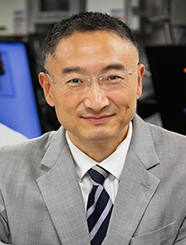 Xiao-Dong Zhou合作论文数College of Engineering, University of Connecticut;University of Louisiana at Lafayette3
 Manyu Li合作论文数3Armando Gennaro合作论文数Dipartimento di Scienze Chimiche, Università degli Studi di Padova3
 Abdirisak Ahmed Isse合作论文数Department of Chemical Sciences, University of Padova3Yungwan Kwak合作论文数3
 Liandi Guan合作论文数2Cameron Aaron Coco合作论文数2BinXiao Wei合作论文数2Nadia Turki合作论文数2Johannes Buback合作论文数2Hong-min FENG (冯红敏)合作论文数2Huibo Qi合作论文数2WANG Yuyu (王聿禹)合作论文数2
 Nengneng Xu合作论文数2
 Yudong Wang合作论文数Dept Chem Engn, Univ Louisiana Lafayette2YunHua Sheng (盛云华)合作论文数2Yue Hu (胡玥)合作论文数2LiMing Tang (唐黎明)合作论文数2YuanYuan Xie (谢媛媛)合作论文数2
 Yan Xing Zhang合作论文数2
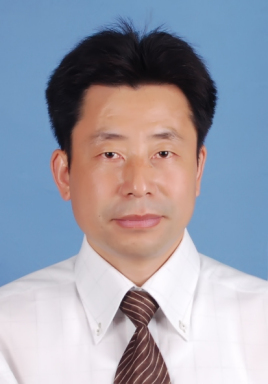 Shiyou Guan (关士友)合作论文数School of Materials Science and Engineering, East China University of Science and Technology2Botian Li (李勃天)合作论文数2
 Jinli Qiao (乔锦丽)合作论文数College of Environmental Science and Engineering, Donghua University2
 Hendrik Schroder合作论文数2
 Yongping Bai (白永平)合作论文数School of Chemistry and Chemical Engineering, Harbin Institute of Technology2Chi-How Peng合作论文数2
 Mingyu Ding (丁明玉)合作论文数Department of Chemistry, Tsinghua University2Andrew J. D. Magenau合作论文数Dept Chem, Carnegie Mellon Univ2Richard Glynne合作论文数1
 Yu Xiang (向宇)合作论文数Department of Chemistry, Tsinghua University1Arash Simchi合作论文数1Tianshun Su合作论文数1




