The quantum Hamiltonian is a fundamental property that governs a molecule's electronic structure and behavior, and its calculation and prediction are paramount in computational chemistry and materials science. Accurate prediction is highly reliant on extensive training data, including precise molecular geometries and the Hamiltonian matrices, which are expensive to acquire via either experimental or computational methods. Towards a fast yet accurate method for Hamiltonian prediction, we first introduce a geometry information-aware molecular language model to bypass the use of expensive molecular geometries by only using the readily available molecular language – simplified molecular input line entry system (SMILES). Our method employs multimodal alignment to bridge the relationship between SMILES strings and their corresponding molecular geometries. Recognizing that the molecular language inherently lacks explicit geometric information, we propose a geometry modality compensation strategy to imbue molecular language representations with essential geometric features, thereby enabling accurate predictions using SMILES. In addition, given the high cost of acquiring Hamiltonian data, we devise a weakly supervised strategy to fine-tune the molecular language model, thus improving the data efficiency. Theoretically, we prove that the prediction generalization error without explicit molecular geometry can be bounded through our modality compensation scheme. Empirically, our method achieves superior computational efficiency, providing up to 100x speedup over conventional quantum mechanical methods while maintaining comparable prediction accuracy. We further demonstrate the practical case study of our approach in the screening of electrolyte formulations.
As quantum computing continually improves, ensuring the reliability and correctness of quantum libraries has become increasingly critical. To this end, many LLM-based fuzzing approaches towards quantum libraries have been proposed to uncover potential bugs. However, these methods still suffer from limitations such as insufficient flexibility and low efficiency, which hinder the progress of the quantum computing field. To address these challenges, we propose KQFuzz, a novel knowledge-guided fuzzer for quantum libraries. It leverages comprehensive codebase knowledge to ground LLM-based test generation, synergizing this with fitness-guided evaluation and two-level mutations to explore complex execution paths and trigger potential bugs. Firstly, KQFuzz introduces a novel prompting scheme tailored to quantum programs, which strategically incorporates knowledge of the codebase to efficiently generate high-quality quantum seed programs. Moreover, we develop evaluation and mutation strategies to handle the generated seed programs, facilitating efficient fuzzing execution while further enriching the diversity of the resulting test cases. We implement KQFuzz and conduct fuzzing on three popular quantum libraries, including Qiskit, PennyLane, and Cirq. Experimental results demonstrate that our approach significantly outperforms other state-of-the-art methods, with coverage improved by up to 18.44
Wigner function learning is a central tool for characterizing continuous variable quantum systems. A fundamental challenge in this setting is to infer a continuous phase-space function from sparse pointwise measurement data, a task that becomes increasingly demanding as the effective dimension enlarges. Here, we develop a general machine learning framework to reconstruct Wigner functions directly as continuous functions from sparse phase-space data. For states with sparse Fock-space or coherent-state representations, such as binomial code states and cat states, we devise provably efficient regression models whose measurement complexity scales only logarithmically with the effective Hilbert-space dimension. For more general states, such as the Gottesman-Kitaev-Preskill (GKP) states, we design a deep learning model that reconstructs the Wigner function from sparse measurements and generalizes to arbitrary phase-space resolution. We demonstrate the broad applicability of our framework on both simulated data and experimental data from a circuit quantum electrodynamic (circuit-QED) system. Interestingly, on experimental data, we find that our model reconstructs Wigner functions of GKP code states across multiple rounds of quantum error correction and identifies the dominant error process using significantly fewer measurements than conventional estimation techniques.
The pursuit of practical quantum utility on near-term quantum processors is critically challenged by their inherent noise. Quantum error mitigation (QEM) techniques are leading solutions to improve computation fidelity with relatively low qubit-overhead, while full-scale quantum error correction remains a distant goal. However, QEM techniques incur substantial measurement overheads, especially when applied to families of quantum circuits parameterized by classical inputs. Focusing on zero-noise extrapolation (ZNE), a widely adopted QEM technique, here we devise the surrogate-enabled ZNE (S-ZNE), which leverages classical learning surrogates to perform ZNE entirely on the classical side. Unlike conventional ZNE, whose measurement cost scales linearly with the number of circuits, S-ZNE requires only constant measurement overhead for an entire family of quantum circuits, offering superior scalability. Theoretical analysis indicates that S-ZNE achieves accuracy comparable to conventional ZNE in many practical scenarios, and numerical experiments on up to 100-qubit ground-state energy and quantum metrology tasks confirm its effectiveness. Our approach provides a template that can be effectively extended to other quantum error mitigation protocols, opening a promising path toward scalable error mitigation.
Quantum error correction (QEC) is essential for enabling quantum advantages, with decoding as a central algorithmic primitive. Owing to its importance and intrinsic difficulty, substantial effort has been made to QEC decoder design, among which neural decoders have recently emerged as a promising data-driven paradigm. Despite this progress, practical deployment remains hindered by a fundamental accuracy-latency tradeoff, often on the microsecond timescale. To address this challenge, here we revisit neural decoders for surface-code decoding under explicit accuracy-latency constraints, considering code distances up to d=9 (161 physical qubits). We unify and redesign representative neural decoders into five architectural paradigms and develop an end-to-end compression pipeline to evaluate their deployability and performance on FPGA hardware. Through systematic experiments, we reveal several previously underexplored insights: (i) near-term decoding performance is driven more by data scale than architectural complexity; (ii) appropriate inductive bias is essential for achieving high decoding accuracy; and (iii) INT4 quantization is a prerequisite for meeting microsecond-scale latency requirements on FPGAs. Together, these findings provide concrete guidance toward scalable and real-time neural QEC decoding.
Understanding the dynamics of large quantum systems is hindered by the curse of dimensionality. Statistical learning offers new possibilities in this regime through neural network protocols and classical shadows, while both methods have limitations: the former suffers from incompatible dataset construction rules, resulting in substantial computational demands for data collection when addressing different tasks; the latter lacks the ability to distill knowledge from prior data to enhance subsequent learning endeavors. In this study, we propose a data-centric learning paradigm combining the strengths of these two approaches to advance quantum system learning (QSL). Central to our paradigm lies a unified dataset construction rule, achieved by classical shadows along with other easily obtainable information of quantum systems. To illustrate our approach, we present ShadowNet, implemented under both convolutional and attention mechanisms, to efficiently and faithfully tackle two pivotal QSL tasks: quantum state tomography (QST) and direct fidelity estimation (DFE). Numerical simulations on QST and DFE up to 60 qubits validate the efficacy of our proposal, showcasing how ShadowNet advances classical shadows with limited state copies, and highlighting how the varied neural networks impact the performance. Our work underscores the immense potential of a data-centric approach in comprehending novel and large quantum systems.
The ongoing development of quantum processors is driving breakthroughs in scientific discovery. Despite this progress, the formidable cost of fabricating large-scale quantum processors means they will remain rare for the foreseeable future, limiting their widespread application. To address this bottleneck, we introduce the concept of predictive surrogates, which are classical learning models designed to emulate the mean-value behavior of a given quantum processor with provably computational efficiency. In particular, we propose two predictive surrogates that can substantially reduce the need for quantum processor access in diverse practical scenarios. To demonstrate their potential in advancing digital quantum simulation, we use these surrogates to emulate a quantum processor with up to 42 programmable superconducting qubits, enabling efficient pre-training of variational quantum eigensolvers for families of transverse-field Ising models and identification of non-equilibrium Floquet symmetry-protected topological phases. Experimental results reveal that the predictive surrogates not only reduce measurement overhead by orders of magnitude, but can also surpass the performance of conventional, quantum-resource-intensive approaches. Collectively, these findings establish predictive surrogates as a practical pathway to broadening the impact of advanced quantum processors.
Quantum error correction (QEC) is indispensable for realizing fault-tolerant quantum computation, yet its effectiveness hinges critically on the classical decoding algorithm that interprets noisy syndrome measurements. Among all possible decoding strategies, maximum likelihood decoding (MLD) is provably optimal, since it identifies the logical group with largest likelihood by summing over all possible errors within logical class consistent with the observed syndrome. Despite its optimality, MLD is computationally intractable in general (#P-hard), motivating a rich landscape of exact and approximate algorithms. In this topical review, we provide a unified perspective on MLD by surveying recent advances through three complementary lenses: statistical mechanics, tensor networks, and artificial intelligence. From the statistical mechanics viewpoint, the MLD problem maps onto evaluating partition functions of disordered spin models, enabling exact solutions for certain codes and noise models as well as threshold estimation via phase-transition analysis. From the tensor network perspective, approximate contraction of tensor networks on the code's factor graph yields decoders that closely approach MLD accuracy with polynomial computational cost. From the artificial intelligence perspective, neural-network-based decoders, including autoregressive generative models and recurrent transformers, learn to approximate the MLD distribution from data, achieving high accuracy with the parallelism afforded by modern hardware accelerators. We discuss the connections among these three approaches, review their application to both simulated and experimental quantum hardware, and outline open challenges including real-time decoding, scalability to large code distances, and generalization to high-rate quantum low-density parity-check codes.
Digital quantum computing promises to offer computational capabilities beyond the reach of classical systems, yet its capabilities are often challenged by scarce quantum resources. A critical bottleneck in this context is how to load classical or quantum data into quantum circuits efficiently. Approximate quantum loaders (AQLs) provide a viable solution to this problem by balancing fidelity and circuit complexity. However, most existing AQL methods are either heuristic or provide guarantees only for specific input types, and a general theoretical framework is still lacking. To address this gap, here we reformulate most AQL methods into a unified framework and establish information-theoretic bounds on their approximation error. Our analysis reveals that the achievable infidelity between the prepared state and target state scales linearly with the total entanglement entropy across subsystems when the loading circuit is applied to the target state. In light of this, we develop AQER, a scalable AQL method that constructs the loading circuit by systematically reducing entanglement in target states. We conduct systematic experiments to evaluate the effectiveness of AQER, using synthetic datasets, classical image and language datasets, and a quantum many-body state datasets with up to 50 qubits. The results show that AQER consistently outperforms existing methods in both accuracy and gate efficiency. Our work paves the way for scalable quantum data processing and real-world quantum computing applications.
Foundation decoders, a class of high-capacity neural decoders, are leading candidates for fault-tolerant quantum computing, with accurate and efficient decoding at large code distances. However, their construction often faces a steep scaling barrier, as larger code distances rapidly amplify the cost of syndrome generation and neural optimization. To address this bottleneck, here we devise neural transfer unification (NTU), a unified framework for efficient foundation decoders. A central feature of NTU is its ability to align decoding tasks across code distances via algebraic structures shared by scalable code families, which enables knowledge learned on smaller codes to accelerate large-scale decoder training. We instantiate NTU as NTU-Transformer, a transformer-based neural decoder tailored for planar surface codes and bivariate bicycle codes. For planar surface codes under circuit-level noise, NTU-Transformer outperforms correlation-aware matching on the [[361,1,19]] code and further scales to the [[625,1,25]] code, where it exceeds standard matching through transfer adaptation. For the bivariate bicycle code with [[72,12,6]], it surpasses Relay-BP in the low-physical-error regime. These results establish our proposal as a scalable route to amortized cross-distance training of foundation decoders for fault-tolerant quantum processors.
Quantum resource theory has sharpened our understanding of the intrinsic complexity of quantum systems, particularly their classical simulability. However, it remains unclear which quantum resource governs the classical learnability of quantum circuits, especially beyond the regime of efficient classical simulation. Here we close this knowledge gap by studying the expectation-value functions of families of tunable quantum circuits, with many applications in digital quantum simulation, quantum metrology, and quantum-system characterization. Specifically, we introduce a new resource measure, the dynamical stabilizer entropy (), which quantifies how broadly an expectation-value function is distributed across its frequency modes. By relating to operator stabilizer entropy, we establish a computational phase diagram that compares classical simulators with quantum-data-assisted classical surrogates. We first determine the -dependent learnability boundary of this diagram by deriving bounds on the sample complexity and runtime of classical surrogates, and by developing a -guided surrogate. We then complete the diagram by proving, under standard complexity-theoretic assumptions, the existence of circuit families that can be efficiently learned by this surrogate but cannot be efficiently emulated from their circuit descriptions alone. Numerical experiments on random and structured circuits with up to 80 qubits support the predicted -dependent computational landscape. These results establish a quantitative resource-theoretic framework for delineating the boundary between classical simulation and learning, motivate resource measures linking quantum resources to learnability, and guide the design of learning-based algorithms for scalable quantum systems beyond the reach of direct classical simulation.
Efficient characterization of large-scale quantum systems, especially those produced by quantum analog simulators and megaquop quantum computers, poses a central challenge in quantum science owing to the exponential scaling of the Hilbert space with respect to system size. Recent advances in artificial intelligence (AI), with its aptitude for high-dimensional pattern recognition and function approximation, have emerged as a powerful tool to address this challenge. A growing body of research has leveraged AI to represent and characterize scalable quantum systems, spanning from theoretical foundations to experimental realizations. Depending on how previous knowledge and learning architectures are incorporated, the integration of AI into quantum system characterization can be categorized into three synergistic paradigms: machine learning, deep learning and language models. This Technical Review discusses how each of these AI paradigms contributes to two core tasks in representing and characterizing quantum systems: quantum property prediction and quantum system reconstruction. These tasks underlie a range of applications, from quantum certification and benchmarking to enhancing quantum algorithms and identifying critical quantum phenomena. We also discuss key challenges and open questions, together with future prospects at the interface of AI and quantum science. The application of artificial intelligence to quantum information science has emerged as a frontier of research. This Technical Review summarizes how AI techniques, including machine learning, deep learning and language models, are establishing a new way to describe complex quantum systems.
Effectively implementing quantum algorithms on noisy intermediate-scale quantum (NISQ) processors is a central task in modern quantum technology. NISQ processors feature tens to a few hundreds of noisy qubits with limited coherence times and gate operations with errors, so NISQ algorithms naturally require employing circuits of short lengths via quantum compilation. Here, we evaluate a reinforcement learning (RL)-based quantum compiler on a superconducting processor. Our experiments reveal that for two-qubit circuits, the RL-based compiler surpasses conventional methods, demonstrating its ability to discover hardware-amenable circuits with near-optimal lengths. However, for three-qubit circuits, the RL-based compiler does not achieve unity theoretical fidelity. To address this limitation, we integrate a variational strategy with the RL-based compiler, highlighting their complementary strengths. Systematic experiments show that this variational RL-based compiler consistently identifies near-optimal circuits, even under stringent hardware constraints, outperforming conventional techniques. Furthermore, we analyze the impact of decoherence and gate errors, providing critical insights into the practical performance of RL-based compilers on quantum hardware. These findings exemplify the codesign of the software with hardware for efficient quantum compilation, offering valuable insights for the advancement of RL-based compilers.
Pauli-based simulators offer a promising route to large-scale classical simulation of quantum circuits in the low-magic regime. Yet their applicability remains largely limited to forward simulation, making them inadequate for optimization-driven quantum tasks such as variational state preparation and parameter initialization. Existing approaches either lack native support for gradient-based optimization or suffer from severe gradient bias. Here we propose the stochastic Pauli-path simulator (SPPS), a computational framework for large-scale quantum optimization that enables unbiased stochastic gradient estimation via Pauli-path sampling across optimization iterations. Our theoretical analysis shows that the proposed simulator yields unbiased gradient estimates and admits provable convergence guarantees. We systematically evaluate our proposal, including quantum eigensolver benchmarks with up to 100 qubits and quantum neural network benchmarks with up to 40 qubits. Across these tasks, SPPS faithfully tracks optimization dynamics, converges within minutes, and broadens the role of Pauli-based simulation from forward estimation to large-scale quantum optimization.
Entanglement plays a pivotal role in numerous quantum applications, and as technology progresses, entanglement systems continue to expand. However, quantifying entanglement is a complex problem, particularly for multipartite quantum states. The currently available entanglement measures suffer from high computational complexity, and for unknown multipartite entangled states, complete information about the quantum state is often necessary, further complicating calculations. In this paper, we train neural networks to quantify unknown multipartite entanglement using input features based on squared entanglement (SE) and outcome statistics data produced by locally measuring target quantum states. By leveraging machine learning techniques to handle non-linear relations between outcome statistics and entanglement measurement SE, we achieve high-precision quantification of unknown multipartite entanglement states with a linear number of measurements, avoiding the need for global measurements and quantum state tomography. The proposed method exhibits robustness against noise and extends its applicability to pure and mixed states, effectively scaling to large-scale multipartite entanglement systems. The results of the experiment show that the predicted entanglement measures are very close to the actual values, which confirms the effectiveness of the proposed method.
As quantum devices continue to scale, distributed quantum computing emerges as a promising strategy for executing large-scale tasks across modular quantum processors. A central challenge in this paradigm is verifying the correctness of computational outcomes when subcircuits are executed independently following circuit cutting. Here we propose a cross-platform fidelity estimation algorithm tailored for modular architectures. Our method achieves substantial reductions in sample complexity compared to previous approaches designed for single-processor systems. We experimentally implement the protocol on modular superconducting quantum processors with up to 6 qubits to verify the similarity of two 11-qubit GHZ states. Beyond verification, we show that our algorithm enables a federated quantum kernel method that preserves data privacy. As a proof of concept, we apply it to a 5-qubit quantum phase learning task using six 3-qubit modules, successfully extracting phase information with just eight training samples. These results establish a practical path for scalable verification and trustworthy quantum machine learning of modular quantum processors.
Quantum many-body problems are central to various scientific disciplines, yet their ground-state properties are intrinsically challenging to estimate. Recent advances in deep learning (DL) offer potential solutions in this field, complementing prior purely classical and quantum approaches. However, existing DL-based models typically assume access to a large-scale and noiseless labeled dataset collected by infinite sampling. This idealization raises fundamental concerns about their practical utility, especially given the limited availability of quantum hardware in the near term. To unleash the power of these DL-based models, we propose AiDE-Q (\underline{a}utomat\underline{i}c \underline{d}ata \underline{e}ngine for \underline{q}uantum property estimation), an effective framework that addresses this challenge by iteratively generating high-quality synthetic labeled datasets. Specifically, AiDE-Q utilizes a confidence-check method to assess the quality of synthetic labels and continuously improves the employed DL models with the identified high-quality synthetic dataset. To verify the effectiveness of AiDE-Q, we conduct extensive numerical simulations on a diverse set of quantum many-body and molecular systems, with up to 50 qubits. The results show that AiDE-Q enhances prediction performance for various reference learning models, with improvements of up to $14.2\\%$. Moreover, we exhibit that a basic supervised learning model integrated with AiDE-Q outperforms advanced reference models, highlighting the importance of a synthetic dataset. Our work paves the way for more efficient and practical applications of DL for quantum property estimation.
The frequent interactions between quantum computing and machine learning revolutionize both fields. One prototypical achievement is the quantum auto-encoder (QAE), as the leading strategy to relieve the curse of dimensionality ubiquitous in the quantum world. Despite its attractive capabilities, practical applications of QAE have yet largely unexplored. To narrow this knowledge gap, here, we devise three effective QAE-based learning protocols to address three classically computational hard learning problems when learning quantum systems, which are low-rank state fidelity estimation, quantum Fisher information (QFI) estimation, and Gibbs state preparation. Attributed to the versatility of QAE, our proposals can be readily executed on near-term quantum machines. Besides, we analyze the error bounds of the trained protocols and showcase the necessary conditions to provide practical utility from the perspective of complexity theory. We conduct numerical simulations to confirm the effectiveness of the proposed three protocols. This work sheds new light on developing advanced quantum learning algorithms to accomplish hard quantum physics and quantum information processing tasks.
The vast and complicated many-qubit state space forbids us to comprehensively capture the dynamics of modern quantum computers via classical simulations or quantum tomography. Recent progress in quantum learning theory prompts a crucial question: can linear properties of a many-qubit circuit with d tunable RZ gates and G - d Clifford gates be efficiently learned from measurement data generated by varying classical inputs? In this work, we prove that the sample complexity scaling linearly in d is required to achieve a small prediction error, while the corresponding computational complexity may scale exponentially in d. To address this challenge, we propose a kernel-based method leveraging classical shadows and truncated trigonometric expansions, enabling a controllable trade-off between prediction accuracy and computational overhead. Our results advance two crucial realms in quantum computation: the exploration of quantum algorithms with practical utilities and learning-based quantum system certification. We conduct numerical simulations to validate our proposals across diverse scenarios, encompassing quantum information processing protocols, Hamiltonian simulation, and variational quantum algorithms up to 60 qubits.
 Dacheng Tao (陶大程)合作论文数College of Computing & Data Science, Nanyang Technological University;Lee Kong Chian School of Medicine, Nanyang Technological University;DaXiao Robot51
 Tongliang Liu合作论文数Sydney Artificial Intelligence Centre, Faculty of Engineering, The University of Sydney;School of Computer Science, Faculty of Engineering, The University of Sydney27
 Xinbiao Wang合作论文数14
 Min-Hsiu Hsieh合作论文数Japan and Statistical Laboratory, University of Cambridge14
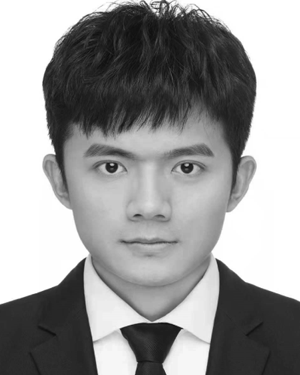 Yang Qian合作论文数The University of Sydney12
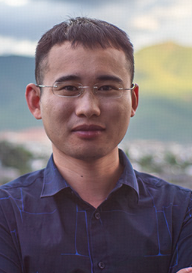 Xingyao Wu (邬兴尧)合作论文数School of Computer Science and Technology, Shandong University8
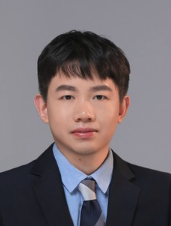 Yong Luo (罗勇)合作论文数School of Computer Science, Wuhan University8
 Kaining Zhang (张凯宁)合作论文数Nanyang Technological University7
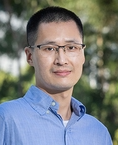 Bo Han (韓波)合作论文数Department of Computer Science, Faculty of Science, Hong Kong Baptist University7
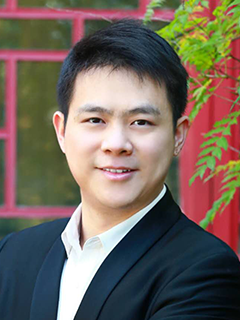 Xiao Yuan (袁骁)合作论文数Center on Frontiers of Computing Studies, Peking University;School of Electronics Engineering and Computer Science, Peking University6
 Shan You (游山)合作论文数SenseTime6Zhuozhuo Tu合作论文数School of Computer Science, The University of Sydney5
 Frank Patrick Rebentrost合作论文数Centre for Quantum Technologies;Department of Computer Science, School of Computing, National University of Singapore4Naixu Guo合作论文数3
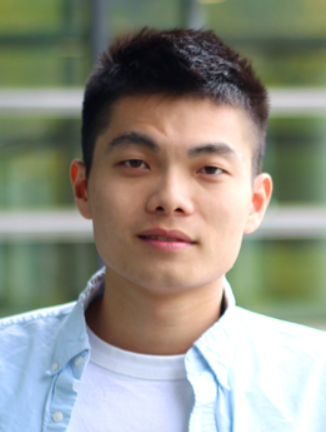 Zhan Yu合作论文数National University of Singapore;Centre for Quantum Technologies3
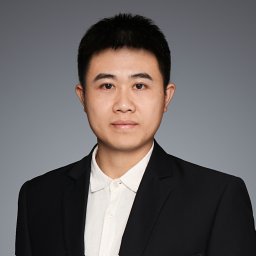 He-Liang Huang (黄合良)合作论文数Henan Key Laboratory of Quantum Information and Cryptography, Information Engineering University3
 Bujiao Wu (吴步娇)合作论文数Institute for Quantum Science and Engineering, Southern University of Science and Technology3
 Bo Du (杜博)合作论文数School of Computer Science, Wuhan University3
 Tao Huang (黄涛)合作论文数John Hopcropt Center for Computer Science, School of Computer Science, Shanghai Jiao Tong University3
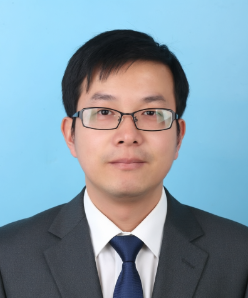 Jun Yu (於俊)合作论文数Department of Automation, School of Information Science and Technology, The Division of Information and Intelligence, University of Science and Technology of China;Institute of Advanced Technology, University of Science and Technology of China3
 Ge Yan (严格)合作论文数Nanyang Technological University2Qiuhao Chen合作论文数2
 Yu Yao合作论文数School of Computer Science, The University of Sydney;Thinkplus Tech Pty Ltd2
 Yingbin Bai合作论文数2
 Xu-Fei Yin合作论文数Hefei Natl Lab Phys Sci Microscale, Univ Sci & Technol China2Ruixia Wang合作论文数2
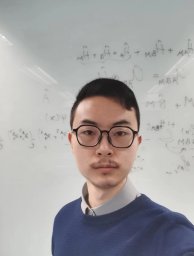 Yan Zhu合作论文数Dept Comp Sci, Univ Hong Kong2Huikai Xu合作论文数2
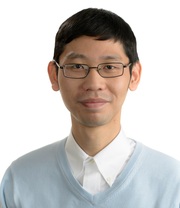 Wei Bao合作论文数School of Computer Science, Faculty of Engineering, The University of Sydney2
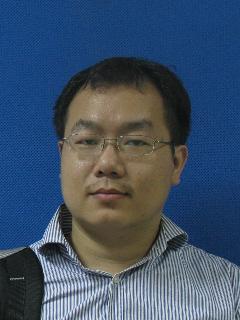 Xiliang Lv (吕锡亮)合作论文数School of Mathematics and Statistics, Wuhan University2
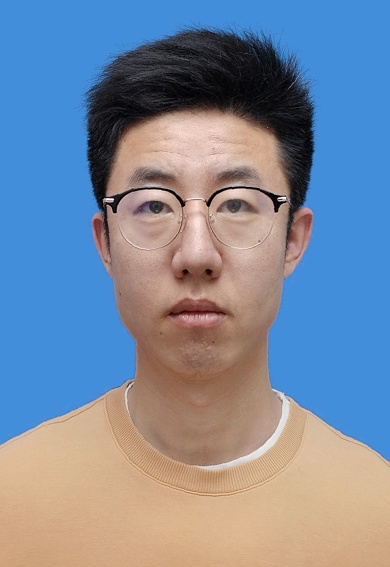 Ya-Dong Wu (吴亚东)合作论文数John Hopcroft Center for Computer Science, School of Computer Science, Shanghai Jiao Tong University2
 Jiankang Deng (邓健康)合作论文数Department of Computing, Faculty of Engineering, Imperial College London2
 Xinmei Tian (田新梅)合作论文数Dept. of Electronic Engineering and Information Science, University of Science and Technology of China2
 Jingning Zhang (张静宁)合作论文数Beijing Academy of Quantum Information Science2
 Giulio Chiribella合作论文数Department of Computer Science, The University of Hong Kong;Perimeter Institute;Department of Computer Science, University of Oxford;St Hilda's College, University of oxford2
 Jian-Wei Pan (潘建伟)合作论文数Division of Quantum Physics and Quantum Information, University of Science and Technology of China2
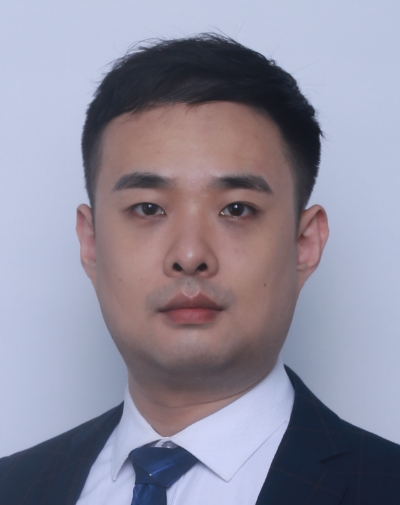 Yibo Yang合作论文数Image and Video Understanding Lab, King Abdullah University of Science and Technology2
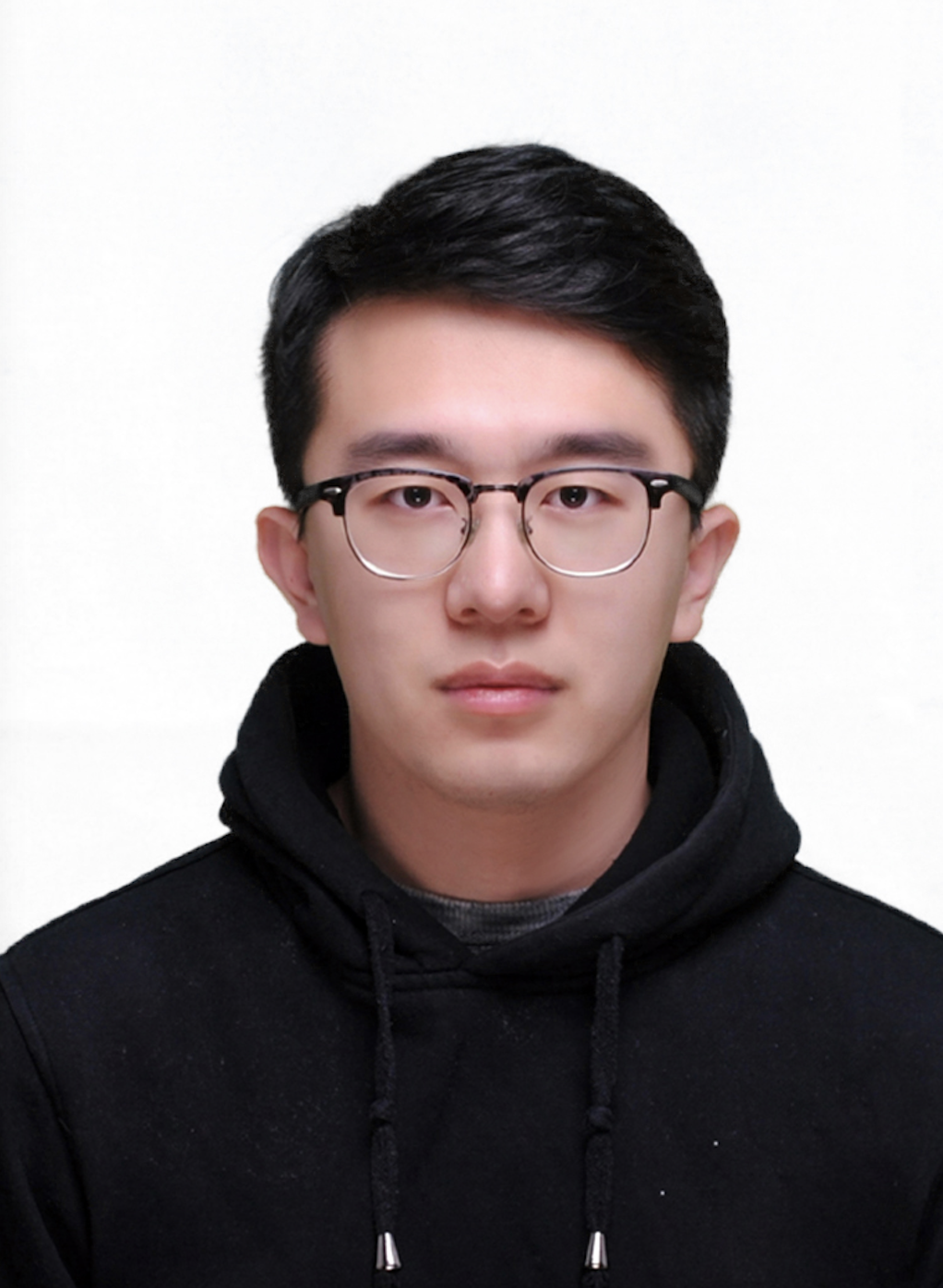 Xiaobo Xia合作论文数School of Computer Science, Faculty of Engineering, University of Sydney2
 Yirong Jin (金贻荣)合作论文数2
 Haifeng Yu (于海峰)合作论文数Division of Quantum Computation, Beijing Academy of Quantum Information Sciences2Peng Mi合作论文数Media Analytics and Computing Lab, School of Informatics, Xiamen University2
 Shanshan Zhao (赵杉杉)合作论文数University of Sydney2
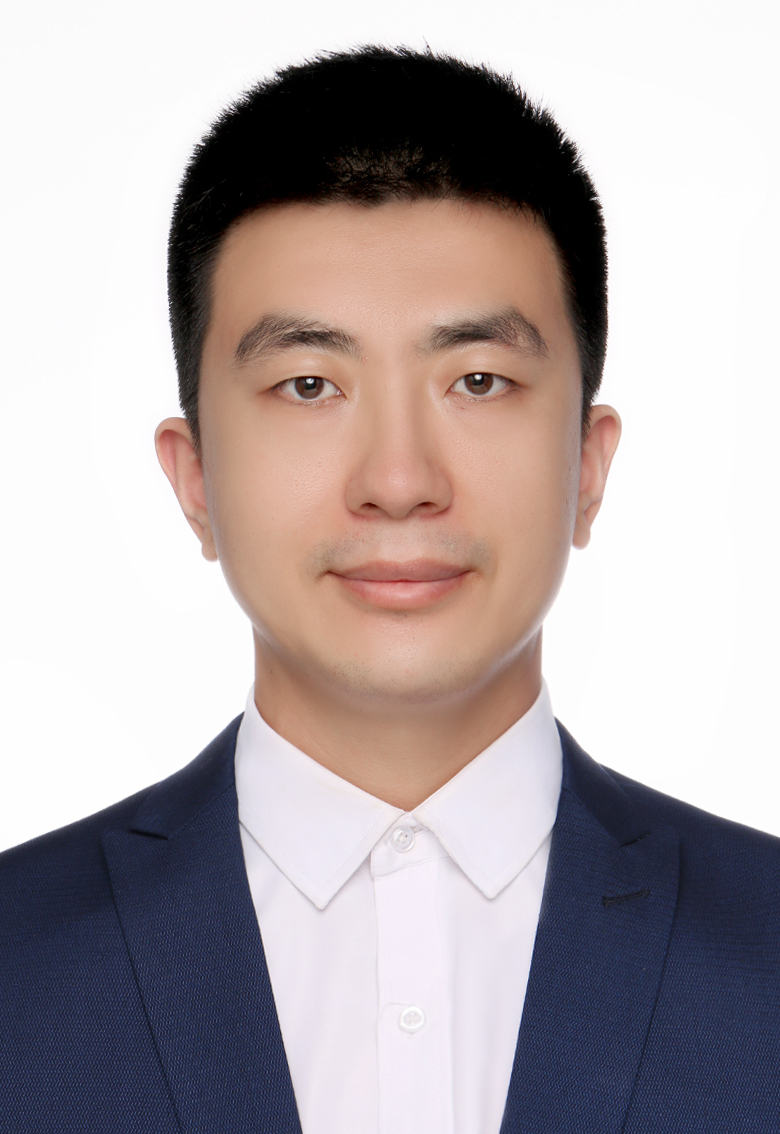 Erkun Yang (杨二昆)合作论文数School of Electronic Engineering, Xidian University2
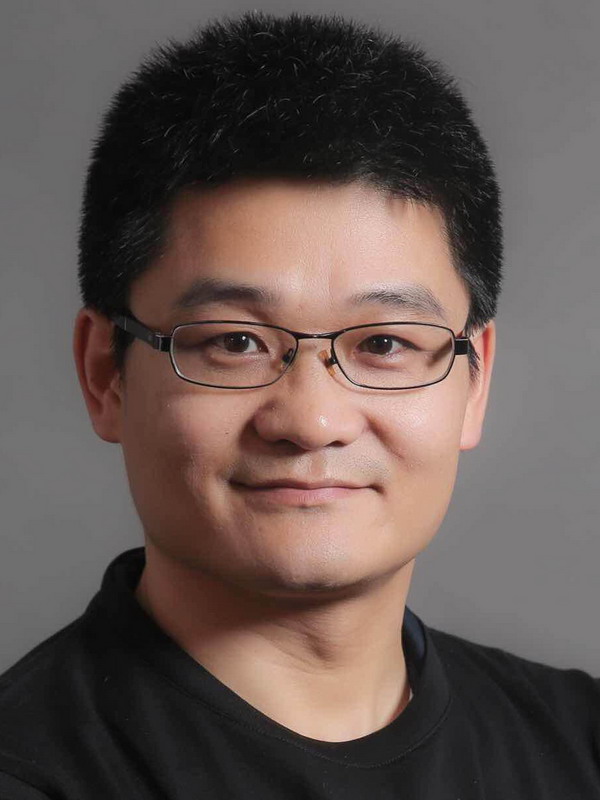 Shiguang Shan (山世光)合作论文数Key Lab of Intelligent Information Processing, Institute of Computing Technology, Chinese Academy of Sciences;School of Computer, University of Chinese Academy of Sciences2
 Cheng Deng (邓成)合作论文数Hohai University2
 Chaoyue Wang合作论文数JD Explore Academy2
 Dadong Wang合作论文数University of New South Wales;Quantitative Imaging Research Team, CSIRO2
 Mingming Gong (宫明明)合作论文数School of Mathematics and Statistics, The University of Melbourne2




