Variance reduction has been shown to improve the performance of Stochastic Gradient Descent (SGD) in centralized machine learning. However, when it is extended to federated learning systems, many issues may arise, including (i) mega-batch size settings; (ii) additional noise introduced by the gradient difference between the current iteration and the snapshot point; and (iii) gradient (statistical) heterogeneity. In this paper, we propose a lightweight algorithm termed federated adaptive batch size time evolving variance reduction (FedATEVR) to tackle these issues, consisting of an adaptive batch size setting scheme and a time-evolving variance reduction gradient estimator. In particular, we use the historical gradient information to set an appropriate mega-batch size for each client, which can steadily accelerate the local SGD process and reduce the computation cost. The historical information involves both global and local gradient, which mitigates unstable varying in mega-batch size introduced by gradient heterogeneity among the clients. For each client, the gradient difference between the current iteration and the snapshot point is used to tune the time-evolving weight of the variance reduction term in the gradient estimator. This can avoid meaningless variance reduction caused by the out-of-date snapshot point gradient. We theoretically prove that our algorithm can achieve a linear speedup of of $\mathcal {O}(\frac{1}{\sqrt{SKT}})$O(1SKT) for non-convex objective functions under partial client participation. Extensive experiments demonstrate that our proposed method can achieve higher test accuracy than the baselines and decrease communication rounds greatly.
Object counting is a fundamental task in computer vision, with broad applicability in many real-world scenarios. Fully-supervised counting methods require costly point-level annotations per object. Few weakly-supervised methods leverage only image-level object counts as supervision and achieve fairly promising results. They are, however, often limited to counting a single category, \eg person. In this paper, we propose WS-COC, the first MLLM-driven weakly-supervised framework for class-agnostic object counting. Instead of directly fine-tuning MLLMs to predict object counts, which can be challenging due to the modality gap, we incorporate three simple yet effective strategies to bootstrap the counting paradigm in both training and testing: First, a divide-and-discern dialogue tuning strategy is proposed to guide the MLLM to determine whether the object count falls within a specific range and progressively break down the range through multi-round dialogue. Second, a compare-and-rank count optimization strategy is introduced to train the MLLM to optimize the relative ranking of multiple images according to their object counts. Third, a global-and-local counting enhancement strategy aggregates and fuses local and global count predictions to improve counting performance in dense scenes. Extensive experiments on FSC-147, CARPK, PUCPR+, and ShanghaiTech show that WS-COC matches or even surpasses many state-of-art fully-supervised methods while significantly reducing annotation costs.
Digital subtraction angiography (DSA) is a key imaging technique for the auxiliary diagnosis and treatment of cerebrovascular diseases. Recent advancements in gaussian splatting and dynamic neural representations have enabled robust 3D vessel reconstruction from sparse dynamic inputs. However, these methods are fundamentally constrained by the resolution of input projections, where performing naive upsampling to enhance rendering resolution inevitably results in severe blurring and aliasing artifacts. Such lack of super-resolution capability prevents the reconstructed 4D models from recovering fine-grained vascular details and intricate branching structures, which restricts their application in precision diagnosis and treatment. To solve this problem, this paper proposes DSA-SRGS, the first super-resolution gaussian splatting framework for dynamic sparse-view DSA reconstruction. Specifically, we introduce a Multi-Fidelity Texture Learning Module that integrates high-quality priors from a fine-tuned DSA-specific super-resolution model, into the 4D reconstruction optimization. To mitigate potential hallucination artifacts from pseudo-labels, this module employs a Confidence-Aware Strategy to adaptively weight supervision signals between the original low-resolution projections and the generated high-resolution pseudo-labels. Furthermore, we develop Radiative Sub-Pixel Densification, an adaptive strategy that leverages gradient accumulation from high-resolution sub-pixel sampling to refine the 4D radiative gaussian kernels. Extensive experiments on two clinical DSA datasets demonstrate that DSA-SRGS significantly outperforms state-of-the-art methods in both quantitative metrics and qualitative visual fidelity.
Diffusion-based image-to-video (I2V) models increasingly exhibit world-model-like properties by implicitly capturing temporal dynamics. However, existing studies have mainly focused on visual quality and controllability, and the robustness of the state transition learned by the model remains understudied. To fill this gap, we are the first to analyze the vulnerability of I2V models, find that temporal control mechanisms constitute a new attack surface, and reveal the challenge of modeling them uniformly under different attack settings. Based on this, we propose a trajectory-control attack, called CtrlAttack, to interfere with state evolution during the generation process. Specifically, we represent the perturbation as a low-dimensional velocity field and construct a continuous displacement field via temporal integration, thereby affecting the model's state transitions while maintaining temporal consistency; meanwhile, we map the perturbation to the observation space, making the method applicable to both white-box and black-box attack settings. Experimental results show that even under low-dimensional and strongly regularized perturbation constraints, our method can still significantly disrupt temporal consistency by increasing the attack success rate (ASR) to over 90
AI-assisted research ideation has emerged as a promising paradigm for accelerating scientific discovery, with systems now capable of generating research directions conditioned on papers, topics, or lightweight researcher contexts. Yet current systems largely optimize individual suggestions in isolation. This leaves two blind spots. First, coarse researcher representations may elicit mainstream directions that appear broadly feasible, but lack sufficient researcher-specific grounding. Second, independent recommendations can concentrate a community's portfolio around recurring high-probability themes. To address these blind spots, we propose DivAlign, a four-stage pipeline for alignment-preserving de-homogenization. DivAlign extracts fine-grained researcher profiles, generates profile-conditioned candidate directions, scores them along three alignment dimensions (Executability, Comprehensibility, and Growth Potential), and surfaces researcher-local directions while reducing redundancy across the community portfolio. On a benchmark we construct from 95 AI researchers across five subfields, DivAlign reduces community-level redundancy while preserving researcher-direction fit. Compared with coarse single-shot ideation, it lowers average pairwise similarity from 0.331 to 0.294 and nearest-neighbor similarity from 0.704 to 0.608. Compared with the independent top-choice variant, DivAlign reduces nearest-neighbor similarity from 0.663 to 0.608 while retaining 99.9
Computational protein design holds immense promise across diverse domains, but existing approaches face significant challenges: traditional physics-based methods require substantial domain expertise, while emerging deep learning methods often rely on restricted functional ontologies, struggle to bridge the semantic gap between text and protein sequences, or lack closed-loop optimization mechanisms. In this paper, we present PDAgent, an LLM-driven autonomous agent framework that enables protein design through template-based directed mutation. Our framework accepts natural language specifications of desired protein properties and employs a ReAct-style reasoning loop comprising five phases: THINK, PLAN, ACT, OBSERVE, and REFLECT. PDAgent integrates template retrieval, conservation-aware mutation strategies, and domain-specific computational tools for property optimization across eight biophysical dimensions. Experiments on 100 diverse protein design tasks demonstrate that PDAgent achieves a 91.34% average constraint satisfaction rate with high structural quality (mean pLDDT 87.69), substantially outperforming both direct LLM generation and specialized deep learning methods.
Remote-sensing videos enable real-time observation of changes in target attributes, short-term activities, and scene evolution. They record motion, actions, interactions, and scene changes that cannot be captured by isolated images. Existing models primarily target single images or discrete temporal observations spanning a long time range. However, a unified evaluation setting for assessing vision-language models on continuous remote-sensing video understanding remains lacking. We introduce RSVideo-10K, a remote-sensing video dataset comprising 10,773 instances, 1.47 million frames, and 17.02 hours of footage, containing both unmanned aerial vehicles and satellite platforms. Its fixed evaluation benchmark, RSVideo-Bench, contains 2,731 test instances and evaluates two complementary aspects of remote-sensing video understanding: L1 Perception and L2 Reasoning, spanning seven capability groups and 17 tasks. Evaluations show that current vision-language models still struggle to recover small local evidence, track short-lived states, and use scene-constrained spatial relations. Based on this analysis, we further propose RSVideo, a reinforcement learning framework for small-target spatiotemporal focusing that selects question-relevant regions across frames and suppresses redundant background tokens. RSVideo achieves a maximum absolute improvement of 9.01
Text-to-multiview (T2MV) diffusion models have shown great promise in generating multiple views of a scene from a single text prompt. While few-step backbones enable real-time T2MV generation, they often compromise key aspects of generation quality, such as per-view fidelity and cross-view consistency. Reinforcement learning (RL) finetuning offers a potential solution, yet existing approaches desgined for single-image diffusion do not readily extend to the few-step T2MV setting, as they neglect cross-view coordination and suffer from weak learning signals in few-step regimes. To address this, we propose MVC-ZigAL, a tailored RL finetuning framework for few-step T2MV diffusion models. Specifically, its core insights are: (1) a new MDP formulation that jointly models all generated views and assesses their collective quality via a joint-view reward; (2) a novel advantage learning strategy that exploits the performance gains of a self-refinement sampling scheme over standard sampling, yielding stronger learning signals for effective RL finetuning; and (3) a unified RL framework that extends advantage learning with a Lagrangian dual formulation for multiview-constrained optimization, balancing single-view and joint-view objectives through adaptive primal-dual updates under a self-paced threshold curriculum that harmonizes exploration and constraint enforcement. Collectively, these designs enable robust and balanced RL finetuning for few-step T2MV diffusion models, yielding substantial gains in both per-view fidelity and cross-view consistency.
Mixture-of-Experts (MoE) based Large Language Models (LLMs) have demonstrated impressive performance and computational efficiency. However, their deployment is often constrained by substantial memory demands, primarily due to the need to load numerous expert modules. While existing expert compression techniques like pruning or merging attempt to mitigate this, they often suffer from irreversible knowledge loss or high training overhead. In this paper, we propose a novel expert compression paradigm termed expert replacing, which replaces redundant experts with parameter-efficient modules and recovers their capabilities with low training costs. We find that even a straightforward baseline of this paradigm yields promising performance. Building on this foundation, we introduce LightMoE, a framework that enhances the paradigm by introducing adaptive expert selection, hierarchical expert construction, and an annealed recovery strategy. Experimental results show that LightMoE matches the performance of LoRA fine-tuning at a 30
Vision–language models (VLMs) have demonstrated impressive performance across a wide range of domains. However, effectively adapting these models to the medical field remains a critical challenge, largely due to the requirement for large-scale, high-quality annotated datasets for model training. If domain-specific medical knowledge could be infused into VLMs to bridge their performance gap on clinical tasks—without relying on additional labeled data—it would offer a highly valuable and scalable pathway to extend the applicability of VLMs in medical settings. To bridge this gap, we propose MedMerge, a training-free, architecture-agnostic model merging framework that statically injects domain-specific knowledge from multiple Medical-Large Language Models(Med-LLMs) into the language module of general-purpose VLMs. Our method constructs a weighted parameter fusion in the offset space, guided by a Fisher Information– motivated task response formulation, enabling scalable and interpretable knowledge transfer without additional training or data. Extensive experiments across four medical VQA benchmarks demonstrate that MedMerge significantly improves medical reasoning and terminology comprehension while preserving original visual understanding. Furthermore, our analysis reveals interpretable layer-wise patterns of knowledge integration, offering insights into the structural synergy between general and domain-specific modalities. This work introduces a new paradigm for lightweight cross-modal capability transfer in low-resource medical scenarios. The source code is available at https://github. com/Wei-Yipan/MedMerge.git.
The ongoing development of quantum processors is driving breakthroughs in scientific discovery. Despite this progress, the formidable cost of fabricating large-scale quantum processors means they will remain rare for the foreseeable future, limiting their widespread application. To address this bottleneck, we introduce the concept of predictive surrogates, which are classical learning models designed to emulate the mean-value behavior of a given quantum processor with provably computational efficiency. In particular, we propose two predictive surrogates that can substantially reduce the need for quantum processor access in diverse practical scenarios. To demonstrate their potential in advancing digital quantum simulation, we use these surrogates to emulate a quantum processor with up to 42 programmable superconducting qubits, enabling efficient pre-training of variational quantum eigensolvers for families of transverse-field Ising models and identification of non-equilibrium Floquet symmetry-protected topological phases. Experimental results reveal that the predictive surrogates not only reduce measurement overhead by orders of magnitude, but can also surpass the performance of conventional, quantum-resource-intensive approaches. Collectively, these findings establish predictive surrogates as a practical pathway to broadening the impact of advanced quantum processors.
Deep model training on extensive datasets is increasingly cost-prohibitive, prompting adoption of deep model fusion to leverage knowledge from pre-existing models. From weight averaging to more sophisticated methods, fusion effectively improves model performance and accelerates new model development. However, parameter interference between models and the lack of interpretability remain challenges. Existing methods address interference by evaluating parameters attributes, such as magnitude or sign, or by pruning. We begin by examining the fine-tuning of linear layers through the lens of subspace analysis and define parameter interference as an optimization problem. Subsequently, we introduce an innovative approach called zero-shot Sparse MIxture of Low-rank Experts (SMILE) construction, which upscales source models into an MoE model without extra data or training. Our approach relies on the observation that fine-tuning mostly keeps the important parts from the pre-training, but it uses less significant or unused areas to adapt to new tasks. Additionally, the issue of parameter interference, which is intrinsically challenging in the original parameter space, can be managed by expanding the dimensions. We conduct extensive experiments across both image classification and text generation tasks, using full fine-tuning and LoRA fine-tuning, and we apply our method to LLMs, highlighting the adaptability and scalability of SMILE. For full fine-tuned models, about 50% additional parameters can achieve around 98% -99% of the performance of eight individual fine-tuned ViT models, while for LoRA fine-tuned Flan-T5 models, maintaining 99% performance with only 2% extra parameters. Code is available at https://github.com/tanganke/fusion_bench.
Existing battery State of Health (SOH) prediction approaches often struggle to provide both accurate predictions and reliable uncertainty estimates. This paper presents a novel Multi-Task Learning (MTL) framework that jointly tackles SOH prediction and provides a proxy metric for uncertainty through a unified architecture. The framework combines a Physics-Informed Neural Network (PINN) for SOH prediction with a deep autoencoding Gaussian mixture model for uncertainty modeling. Particularly, the energy score from the Gaussian mixture model serves as a proxy metric for uncertainty, where a higher score indicates potential prediction unreliability. Moreover, to enhance task-specific learning, we employ a multi-head attention mechanism that adaptively captures distinct feature relationships. Our experiments show improvements in prediction performance compared to the state-of-the-art baseline. A comprehensive evaluation on six XJTU battery benchmark datasets demonstrates that our framework achieves a prediction accuracy of 99.50% (MAPE: 0.0050) while providing reliable uncertainty quantification through the proxy metric.
Recent medical vision-language models have shown promise on tasks such as VQA, report generation, and anomaly detection. However, most are adapted to structured adult imaging and underperform in fetal ultrasound, which poses challenges of multi-view image reasoning, numerous diseases, and image diversity. To bridge this gap, we introduce FetalMind, a medical AI system tailored to fetal ultrasound for both report generation and diagnosis. Guided by clinical workflow, we propose Salient Epistemic Disentanglement (SED), which injects an expert-curated bipartite graph into the model to decouple view-disease associations and to steer preference selection along clinically faithful steps via reinforcement learning. This design mitigates variability across diseases and heterogeneity across views, reducing learning bottlenecks while aligning the model's inference with obstetric practice. To train FetalMind at scale, we curate FetalSigma-1M dataset, the first large-scale fetal ultrasound report corpus, comprising 20K reports from twelve medical centers, addressing the scarcity of domain data. Extensive experiments show that FetalMind outperforms open- and closed-source baselines across all gestational stages, achieving +14
Diffusion Large Language Models (dLLMs) offer a compelling paradigm for natural language generation, leveraging parallel decoding and bidirectional attention to achieve superior global coherence compared to autoregressive models. While recent works have accelerated inference via KV cache reuse or heuristic decoding, they overlook the intrinsic inefficiencies within the block-wise diffusion process. Specifically, they suffer from spatial redundancy by modeling informative-sparse suffix regions uniformly and temporal inefficiency by applying fixed denoising schedules across all the decoding process. To address this, we propose Streaming-dLLM, a training-free framework that streamlines inference across both spatial and temporal dimensions. Spatially, we introduce attenuation guided suffix modeling to approximate the full context by pruning redundant mask tokens. Temporally, we employ a dynamic confidence aware strategy with an early exit mechanism, allowing the model to skip unnecessary iterations for converged tokens. Extensive experiments show that Streaming-dLLM achieves up to 68.2X speedup while maintaining generation quality, highlighting its effectiveness in diffusion decoding. The code is available at https://github.com/xiaoshideta/Streaming-dLLM.
Few-step diffusion models enable efficient high-resolution image synthesis but struggle to align with specific downstream objectives due to limitations of existing reinforcement learning (RL) methods in low-step regimes with limited state spaces and suboptimal sample quality. To address this, we propose Stepwise Diffusion Policy Optimization (SDPO), a novel RL framework tailored for few-step diffusion models. SDPO introduces a dual-state trajectory sampling mechanism, tracking both noisy and predicted clean states at each step to provide dense reward feedback and enable low-variance, mixed-step optimization. For further efficiency, we develop a latent similarity-based dense reward prediction strategy to minimize costly dense reward queries. Leveraging these dense rewards, SDPO optimizes a dense reward difference learning objective that enables more frequent and granular policy updates. Additional refinements, including stepwise advantage estimates, temporal importance weighting, and step-shuffled gradient updates, further enhance long-term dependency, low-step priority, and gradient stability. Our experiments demonstrate that SDPO consistently delivers superior reward-aligned results across diverse few-step settings and tasks.
Image captioning is a fundamental task in visual understanding, aiming to generate textual descriptions for given images. Current image captioning methods are gradually shifting towards a fully end-to-end paradigm, which leverages pre-trained vision models to process images directly and generate captions, eliminating the need for separating object detectors. These methods typically rely on global features, neglecting the precise perception of local ones. The lack of fine-grained focus on the object may result in suboptimal prototype features contaminated by surrounding noise, and thus negatively affect the generation of object-related captions. To address this issue, we propose a novel method termed object-aware context integration (OACI), which captures the salient prototypes of individual objects and understands their relationships by leveraging the global context of the entire scene. Specifically, we propose an object-aware prototype learning (OAPL) module that focuses on regions containing objects to enhance object perception and selects the most confident regions for learning object prototypes. Moreover, a class affinity constraint (CAC) is designed to facilitate the learning of these prototypes. To understand the relationships between objects, we further propose an object-context integration (OCI) module that integrates global context with local object prototypes, enhancing the understanding of image content and improving the generated image captions. We conduct extensive experiments on the popular MSCOCO, Flickr8k and Flickr30k datasets, and the results demonstrate that integrating global context with local object details significantly improves the quality of generated captions, validating the effectiveness of the proposed OACI method.
Multi-task learning (MTL) leverages a shared model to accomplish multiple tasks and facilitate knowledge transfer. Recent research on task arithmetic-based MTL demonstrates that merging the parameters of independently fine-tuned models can effectively achieve MTL. However, existing merging methods primarily seek a static optimal solution within the original model parameter space, which often results in performance degradation due to the inherent diversity among tasks and potential interferences. To address this challenge, in this paper, we propose a Weight-Ensembling Mixture of Experts (WEMoE) method for multi-task model merging. Specifically, we first identify critical (or sensitive) modules by analyzing parameter variations in core modules of Transformer-based models before and after finetuning. Then, our WEMoE statically merges non-critical modules while transforming critical modules into a mixture-of-experts (MoE) structure. During inference, expert modules in the MoE are dynamically merged based on input samples, enabling a more flexible and adaptive merging approach. Building on WEMoE, we further introduce an efficient-and-effective WEMoE (E-WEMoE) method, whose core mechanism involves eliminating non-essential elements in the critical modules of WEMoE and implementing shared routing across multiple MoE modules, thereby significantly reducing both the trainable parameters, the overall parameter count, and computational overhead of the merged model by WEMoE. Experimental results across various architectures and tasks demonstrate that both WEMoE and E-WEMoE outperform state-of-the-art (SOTA) model merging methods in terms of MTL performance, generalization, and robustness.
Recently, the efficient deployment and acceleration of transformer-based pre-trained models (TPMs) on resource-constrained edge devices for multimedia services have gained significant interest. Although early exiting is a feasible solution, it may lead to extra computational cost and substantial performance degradation compared to the original models. To tackle these issues, we propose a framework termed EEformer, which incorporates global-local heads (GLHs) into intermediate layers to construct the early exiting dynamic neural network (EDNN). The GLH can efficiently extract global and local information from hidden states produced by the backbone layer, thereby achieving a better performance-efficiency trade-off for the EDNN. Moreover, we propose a novel progressive fine-tuning strategy to steadily improve the efficiency of the EDNN while maintaining its performance comparable to the original mode through three fine-tuning stages. We conduct extensive experiments on image classification and natural language processing tasks, demonstrating the superiority of the proposed framework. In particular, the proposed framework achieves 1.87 & times; speed-up while maintaining 99.0% performance on the CIFAR-100 dataset, and 3.05 & times; speed-up while maintaining 98.5% performance on the SST-2 dataset.
With the thriving artificial intelligence-generated content (AIGC), it is becoming increasingly appealing to exploit generative AI to generate wireless signals for facilitating wireless sensing. However, this is a challenging task, as wireless signals are highly random in general and contain rich physical information. To tackle these challenges, we propose a novel signal disentanglement and generation framework termed SigGen, which is inspired by the Fourier Transform (FT) that converts signals to the frequency domain and accordingly separates objectives by distinct frequency bands. In our proposed framework, we first disentangle the features of objects embedded in the signal and subsequently modify these features to generate the desired signals. Specifically, we devise a neural network based on the vision transformer (ViT) to extract effective features for signal generation. In this neural network, we incorporate both local and global frequency attention modules to adaptively leverage frequency features, and introduce a hybrid patch embedding module to enhance information interaction for the ViT architecture. Furthermore, we propose a novel sequential training method to improve the disentanglement and generation capability of the neural network. Finally, extensive experiments on two benchmark public wireless sensing datasets demonstrate that our framework can effectively decouple wireless signals and generate diverse signals closely resembling real ones, surpassing state-of-the-art methods by 30.83%. A practical case study further demonstrates that our framework can be used as a data augmentation method to improve gesture recognition accuracy by 12.74%.
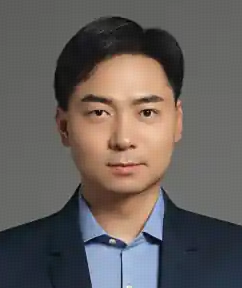 Dacheng Tao (陶大程)合作论文数College of Computing & Data Science, Nanyang Technological University;Lee Kong Chian School of Medicine, Nanyang Technological University;DaXiao Robot79
 Han Hu (胡晗)合作论文数School of Information and Electronics, Beijing Institute of Technology63
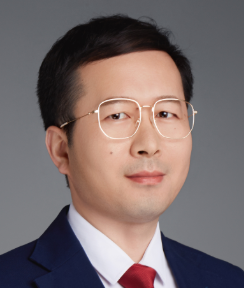 Bo Du (杜博)合作论文数School of Computer Science, Wuhan University60
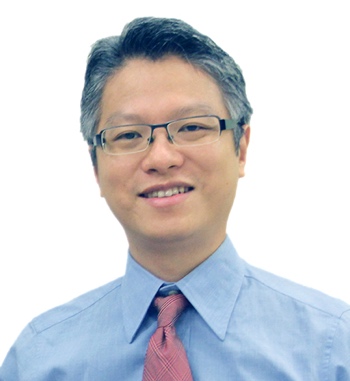 Yonggang Wen合作论文数School of Computer Science and Engineering, Nanyang Technological University;College of Engineering, Nanyang Technological University53
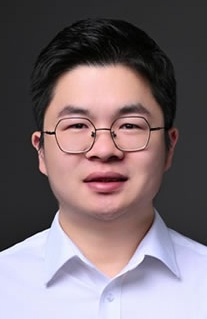 Li Shen (沈力)合作论文数School of Cyber Science and Technology, Sun Yat-sen University;Center for AI Theoretical Foundation and Systems, Shenzhen Loop Area Institute39
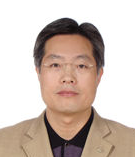 Chao Xu (许超)合作论文数School of Intelligence Science and Technology, Peking University18
 Anke Tang (唐安科)合作论文数School of Computer Science, Wuhan University16
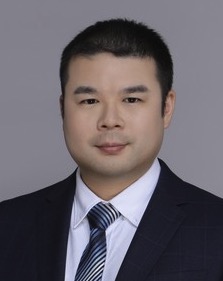 Lefei Zhang (张乐飞)合作论文数School of Computer, Wuhan University15
 Kirk W Cameron合作论文数College of Engineering, Department of Computer Science, Virginia Tech13
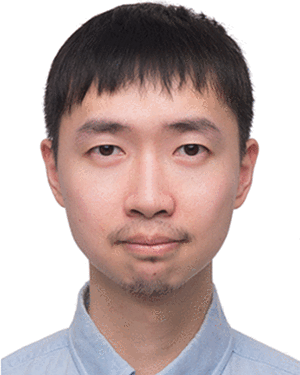 Yibing Zhan (詹忆冰)合作论文数JD Explore Academy13
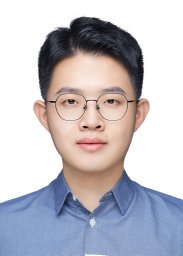 Zhiwei Hao合作论文数City University of Hong Kong12
 Tongliang Liu合作论文数Sydney Artificial Intelligence Centre, Faculty of Engineering, The University of Sydney;School of Computer Science, Faculty of Engineering, The University of Sydney11
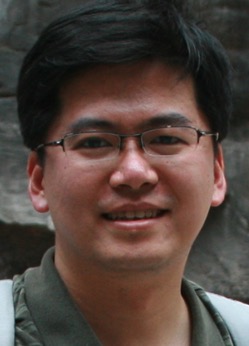 Ling-Yu Duan (段凌宇)合作论文数School of Computer Science, Peking University;Institute of Digital Media, School of Electronics Engineering and Computer Science, Peking University11
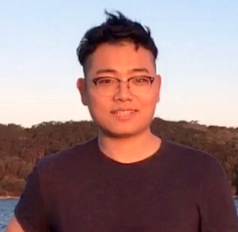 Liang Ding (丁亮)合作论文数Generative AI10
 Xin Zhou合作论文数10
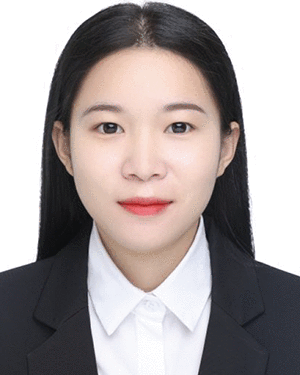 Mengya Han合作论文数9
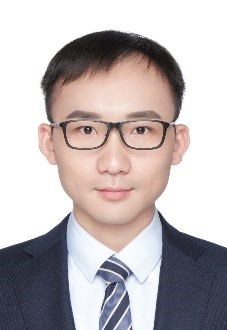 Zengmao Wang (王增茂)合作论文数School of Computer Science, Wuhan University;National Engineering Research Center for Multimedia Software9
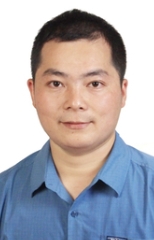 Jing Zhang (张敬)合作论文数School of Computer Science, Wuhan University9
 Yuxuan Du合作论文数8Xinbiao Wang合作论文数8Rui Xu合作论文数School of Computer Science, Wuhan University8Shuai Wang合作论文数Institute of Artifcial Intelligence, School of Computer Science, Wuhan University7
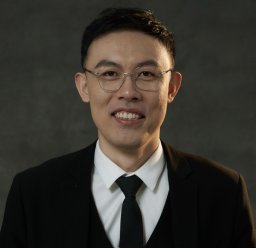 Huaizheng Zhang合作论文数Nanyang Technological University7
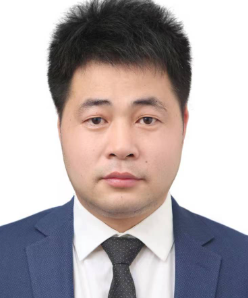 Kehua Su (苏科华)合作论文数School of Computer Science, Wuhan University6
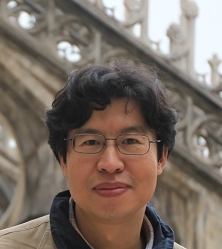 Jialie Shen合作论文数School of Science & Technology, University of London;School of Information Systems, Singapore Management University;Department of Computer Science, School of Science & Technology, City, University of London6
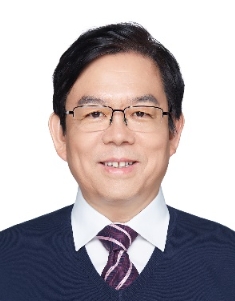 Jianping An (安建平)合作论文数School of Information and Electronics, Beijing Institute of Technology;School of Cyberspace Science and Technology, Beijing Institute of Technology6
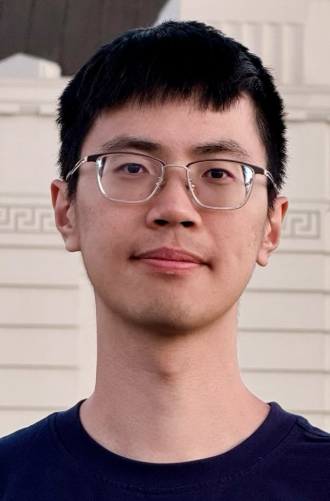 Jianyuan Guo (郭健元)合作论文数Department of Computer Science, City University of Hong Kong6
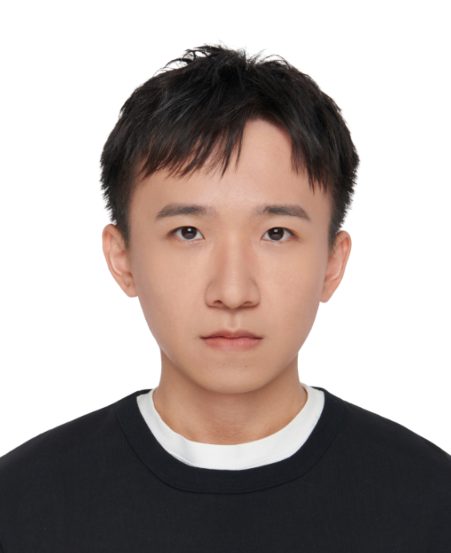 Bill Wang (王文斌)合作论文数School of Computer Science, Wuhan University5
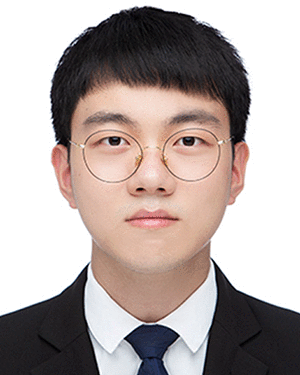 Guanyu Xu合作论文数5
 Baosheng Yu合作论文数Lee Kong Chian School of Medicine, Nanyang Technological University;School of Computer Science, University of Sydney5
 Xi Wu (吴锡)合作论文数School of Computer Science, Chengdu University of Information Technology5
 Yepeng Guan (管业鹏)合作论文数School of Communication and Information Engineering, Shanghai University5
 Yangxi Li合作论文数5Hongling Zheng合作论文数4
 Ziyi Zhang合作论文数Sensing IntelliGence and MAchine Learning Lab, School of Computer Science, Wuhan University;Institute of Artificial Intelligence, School of Computer Science, Wuhan University4
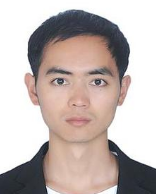 Enneng Yang合作论文数Sun Yat-sen University4
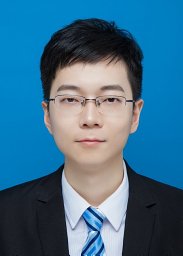 Huangxuan Zhao合作论文数Chinese Acad Sci, Shenzhen Inst Adv Technol, Res Lab Biomed Opt & Mol Imaging, Shenzhen 518055, Peoples R China4
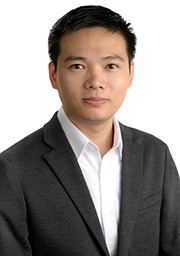 Chang Xu (徐畅)合作论文数School of Computer Science, Faculty of Engineering, The University of Sydney4
 Deheng Ye (叶德珩)合作论文数Tencent AI Department4
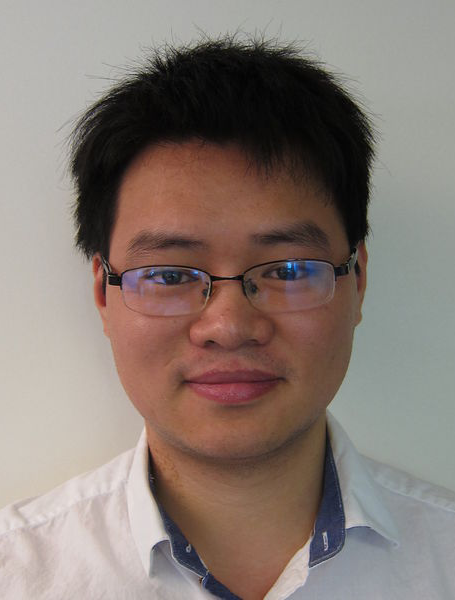 Yongchao Xu (许永超)合作论文数School of Computer Science, Wuhan University4
 Weiwei Liu (刘威威)合作论文数School of Computer Science, Wuhan University4
 He Dongmei合作论文数4
 Miaojing Shi (史淼晶)合作论文数Department of Control Science & Engineering, Tongji University4Xiaojie Li (李孝杰)合作论文数4
 Dominique Lavenier合作论文数IRISA / INRIA4
 Maya Gokhale合作论文数Computer Scientist, Center for Applied Scientific Computing, Lawrence Livermore National Laboratory (LLNL), Livermore, CA4
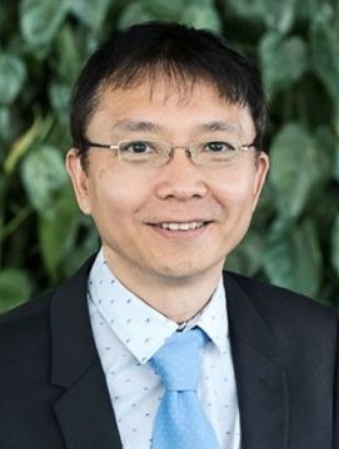 Yew-Soon Ong合作论文数College of Computing and Data Science, Nanyang Technological University;School of Computer Science and Engineering, Nanyang Technological University;Centre for Frontier Al Research, Agency for Science, Technology and Research4Xiantao Cai (蔡贤涛)合作论文数School of Computer Science, Wuhan University4
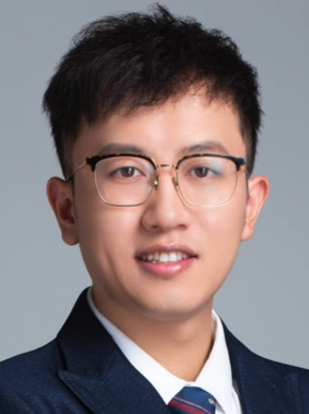 Chaoyue Wang合作论文数JD Explore Academy4




