Roadkill data are vital for assessing biodiversity and human–wildlife conflicts. However, datasets are often constrained by linear sampling along major highways, a lack of missing-data mechanism quantification, and geographical bias toward Western regions. This Data Descriptor presents a high-resolution dataset of 14,249 roadkill records collected over 11 years (2005–2007 and 2016–2025) in Tsukuba, Japan. Unlike traditional surveys, this dataset was generated through an “unintended citizen science,” in which citizens report carcasses to the municipal administration, triggering collection by contracted professionals. This mechanism ensured comprehensive “planar” coverage of the entire 284 km² administrative area. This standardized dataset features three methodological strengths: (1) a dual-resolution georeferencing system that assigns “point” and “polygon” precisions to detailed and ambiguous records, respectively; (2) a missing-data proxy via the retention of invalid reports; and (3) a three-tier taxonomic verification process involving citizens, contractors, and experts. The dataset offers a baseline for analyzing the impacts of urbanization, monitoring the invasion of non-native species, and evaluating the reliability of other administrative biodiversity monitoring systems.
Intraguild predation (IGP) is common in nature, and understanding the temporal changes in IGP structure is important for ecosystem management and biodiversity conservation. However, partial IGP, where the apex predator consumes not only shared prey and the mesopredator (IG prey) but also other prey (alternative prey), has rarely been addressed in terms of its temporal structural dynamics. We used stable isotope analysis to investigate seasonal changes in the structure of partial IGP involving feral cats, two non-native rat species (Rattus norvegicus and Rattus rattus), and seabirds on Mikura-shima Island, Japan. We also estimated the temporal dynamics of these two rat species by conducting a trapping survey. The results showed that cats depended on seabirds (shared prey) as food when seabirds were present, but when seabirds were absent, shifted their diet to Norway rats and subsequently showed increased reliance on black rats. In addition, Norway rats appeared to depend more on seabirds as food than black rats. Furthermore, the catch per unit effort of Norway rats declined sharply from the first to the second half of the period when seabirds were absent. These results suggested that Norway rats are IG prey, whereas black rats tend to be an alternative prey with less dependence on shared prey. The seasonal decline in Norway rats (IG prey) may have shifted this system from IGP to partial IGP, increasing the dependence on alternative prey. This study highlights the importance of understanding the dynamics of partial IGP involving multiple non-native predators for their management.
Biological invasions threaten biodiversity, economic stability, and public health, exacerbated by intensive global trade and transport. The economic costs of these invasions have exceeded US$2 trillion globally and continue to increase. Although past invasion costs have been described across various contexts, there are few robust projections of future costs, limiting effective management planning. We developed a mathematical framework to project future economic damage caused by biological invasions, combining cost-density relationships with a density-time function based on logistic population growth. We tested the model on five well-documented non-native mammal species in Japan, a country with long-term, high-resolution invasion cost records and a well-characterized history of mammal introductions: Pallas' squirrel Callosciurus erythraeus, small Indian mongoose Herpestes javanicus, nutria Myocastor coypus, masked palm civet Paguma larvata, and raccoon Procyon lotor. Species-level cost-density relationships were characterized by two distinct forms: a high-density curve for M. coypus and P. lotor, where costs increase progressively with density but the rate of escalation slows at higher densities, and a high-threshold curve for C. erythraeus, H. javanicus, and P. larvata, where costs remain minimal until populations exceed a density threshold, after which they rise steeply. Our model projected accumulated costs to 2050 varying over several orders of magnitude, from US$0.43 million (H. javanicus) to US$88 million (P. larvata), with proportional increases ranging from ~15% (M. coypus) to ~78% (H. javanicus). Under business-as-usual management, we explicitly model damage-only costs, assuming a historically observed management trend. These projections should therefore be interpreted as maximum estimates. Our approach identifies thresholds beyond which damages escalate rapidly-costs begin to surge 40-80 years after the first record, with 90% of expected long-term damages incurred typically within 10-20 years. For managers, these results highlight the importance of timely interventions, underscoring the need for tailored management strategies considering species-specific dynamics, socioeconomic contexts, and the speed of cost escalation. Early-stage cost dynamics can project future trajectories of existing and emerging invasions, helping guide proactive management prioritization. Our projections equip policymakers and resource managers with improved foresight to anticipate and mitigate future economic burdens of non-native species across spatial scales and for different taxa.
Invasive non-native species cause multifaceted and serious problems in the environments into which they are introduced. Sika deer (Cervus nippon) are a well-known invasive species worldwide. Even in Japan, where sika deer is native species, biological invasion issues have arisen due to the introduction of sika deer into areas where they did not originally exist. On 21 October 2024 a male deer with three pointed antlers was sighted in the Yambaru region of Okinawa-jima Island, Japan. Here, we analysed the extracted DNA from deer fecal samples in Yambaru to genetically identify the sex and origin. The results of the sex identification marker showed that the individual was male. Examination of mtDNA haplotypes showed a significant genetic affinity with Kinkazan Island in northern Japan. From Kinkazan Island, deer were actively captured and transported off the island to zoos throughout Japan between the 1920s and the 1970s. The Kinkazan Island lineage has likely been maintained in captivity for at least 40 years without interruption. Following this long period, one or more individuals of the lineage were brought to Okinawa-jima Island and subsequently escaped or were released. To address this issue, institutional measures are required, including systems that enable rapid response to escapes and, more fundamentally, those that prevent escapes.
In the northern part of Okinawa-jima Island, a Natural World Heritage site inhabited by many endangered and endemic species, a non-native sika deer Cervus nippon was sighted on October 21, 2024. Two days later, a sika deer fecal pellet was collected from the forest floor near the first observed location. In this study, DNA metabarcoding analysis was performed on feces to identify the plant species consumed by sighted individuals to consider the potential impacts of sika deer when established in this ecosystem. Analysis of five fecal samples of a single fecal pellet revealed the presence of 24 angiosperm species across 18 families, and four fern species across three families. Among these, two species are endemic to the Ryukyu Archipelago, including one classified as Critically Endangered (CR) on the Red List of Ministry of the Environment, Japan. These results indicate that establishment of sika deer populations in this region may have a significant impact on the survival of endangered species and ecosystems. Therefore, it is desirable to promptly remove sighted individuals and establish a system to prevent further invasions.
Temperate zones of the northern hemisphere are increasingly impacted by human biting ticks and the human pathogens they transmit. The relationships among ticks, hosts, and pathogens are undergoing significant changes with consequences for human health. This northern hemisphere focused review examines human biting ticks and the disease causing agents they transmit as increasing public health threats due to geographic range expansion, increasing size of tick populations, emergence of newly recognized pathogens, introduction of invasive tick species that are resulting in part from changing weather patterns, land use modifications, biodiversity loss, and human activities/behaviors; all of which result in significant challenges for tick control and disease prevention. As a result of these evolving interactions and the resulting threats they pose, there exist critical needs to implement existing and develop novel tools and strategies to prevent tick bites, control tick populations, and reduce transmission of tick-borne pathogens. Timely, up to date knowledge of which ticks and tick-borne infectious agents are present within an area is foundational for physicians, public health authorities tasked with disease prevention, and the public. Achieving these objectives poses significant challenges. Here, we examine current medically important tick – host - pathogen relationships in Asia, Europe, and North America.
Understanding the ecological drivers of tick abundance is crucial to mitigate the growing risk of tick-borne diseases such as severe fever with thrombocytopenia syndrome (SFTS) in Japan. This study investigates how mammal community composition and seasonality affect the abundance of questing ticks in mountainous forests of Gifu Prefecture, a border region of the SFTS endemic zone. Camera traps were used to monitor mammal species, and questing ticks were collected monthly via flagging along transects in 10 forest plots during 2021-2022. We recorded 14 mammal species including small-sized mammals like mice, medium-sized mammals like raccoon dog (Nyctereutes viverrinus), and large-sized mammals like wild boar (Sus scrofa). Among them, sika deer (Cervus nippon) was the most abundant. A total of 408 adult, 292 nymphal, and 1480 larval ticks representing 11 species (five Haemaphysalis species, five Ixodes species, and Amblyomma testudinarium) were collected. Generalized linear mixed models revealed that the abundance of adult Haemaphysalis kitaokai and H. megaspinosa, and nymphal H. flava and H. megaspinosa were significantly associated with sika deer abundance. Seasonal patterns varied by species and life stage, with H. kitaokai adults peaking in spring and early winter, and H. megaspinosa adults and nymphs in autumn. Wild boar abundance did not significantly influence tick numbers. These findings highlight the importance of sika deer as a key host driving tick population dynamics and underscore the role of host-targeted management, particularly deer population control, as a potential strategy to reduce tick density and related disease risks. Long-term monitoring is essential given ongoing climate and land-use changes that may alter tick phenology and distribution. Our results contribute to region-specific understanding of tick ecology and support the development of effective, ecologically informed countermeasures against tick-borne diseases in Japan.
Invasive cat predation on island-breeding seabirds is a well-known example of impacts reducing insular biodiversity. The affected islands show drastic seasonal changes in primary prey for cats (i.e., seabirds), yet no studies have detected the timing of cats' dietary shift to seabirds. Using camera trapping, opportunistic information gathering, and fecal analysis of cats captured during the transition season between the wintering and breeding seasons of the streaked shearwaters on Mikura-shima Island, we found that cats began unexpectedly preying on the shearwaters in the middle winter when the shearwaters ever reported to stay in the wintering waters, which was also earlier than the period shown by any other monitoring records in this study. We updated our estimate to 330 shearwaters annually killed by an average cat on the island. Though the cat population is yet unknown, at least 34 980 shearwaters will be killed annually, assuming the results of our recent cat trapping as the minimum population. In addition, three landbird species-Izu thrush, Japanese wood pigeon, and Japanese scops-owl-were detected in the cat feces. Mikura-shima Island lacks management by the relevant governments to solve the cat issue. Urgent action is needed from these administrations.
We collected original papers, abstracts of academic conference speeches, research reports of university hospitals and private clinics, bulletins of science museums, and reports from prefectural health institutions containing tick sampling information published from 1911 to 2021 using bibliography in journals published by the Japanese Association for Acarology and the Acarological Society of Japan. We also searched such publications through Google scholar using scientific and Japanese names of 46 tick species. We listed the recorded tick names, collected years, prefectures, the islands, survey months, collected month, tick developmental stages (larva, nymph, and adult), collection method (flagging from vegetation or direct sampling from host animal), and host animal species. This dataset may be useful to analyse trend and changes in the distribution of ticks correlated with environmental factors such as land use and climate.
Anthropogenic disturbances degrade ecosystems, elevating the risk of emerging infectious diseases from wildlife. However, the key environmental factors for preventing tick-borne disease infection in relation to host species, landscape components, and climate conditions remain unknown. This study focuses on identifying crucial environmental factors contributing to the outbreak of severe fever with thrombocytopenia syndrome (SFTS), a tick-borne disease, in Miyazaki Prefecture, southern Japan. We collected data on SFTS case numbers, annual temperature and precipitation, species richness of large- and middle-sized mammals, forest perimeter length (indicating the amount of forest boundaries), percentage of agricultural land, human population, and sightseeing place numbers for each 25 km2 grid cell encompassing Miyazaki Prefecture. Through the construction of a model incorporating these factors, we found that longer forest perimeter and higher temperature led to a higher number of SFTS cases. Precipitation, mammal species richness, percentage of agricultural land, human population, and sightseeing point numbers had no effect on SFTS case numbers. In conclusion, climate condition and forest fragmentation, which increase the opportunity for human infection, played a pivotal role in SFTS outbreak.
We report a draft genome sequence of Yersinia pseudotuberculosis isolated from the spleen of a wild rat from Mikura-shima Island, Japan. The bacterium was identified as serotype O:4b using PCR-based O-genotyping. These genomic data provide insights into the pathogenic potential of this strain in spontaneous outbreaks among wild animals.
Urbanization is an important driver of global change associated with a set of environmental modifications that affect the introduction and distribution of invasive non-native species (species with populations transported by humans beyond their natural biogeographic range that established and are spreading in their introduced range; hereafter, invasive species). These species are recognized as a cause of large ecological and economic losses. Nevertheless, the economic impacts of these species in urban areas are still poorly understood. Here we present a synthesis of the reported economic costs of invasive species in urban areas using the global InvaCost database, and demonstrate that costs are likely underestimated. Sixty-one invasive species have been reported to cause a cumulative cost of US$ 326.7 billion in urban areas between 1965 and 2021 globally (average annual cost of US$ 5.7 billion). Class Insecta was responsible for >99 % of reported costs (US$ 324.4 billion), followed by Aves (US$ 1.4 billion), and Magnoliopsida (US$ 494 million). The reported costs were highly uneven with the sum of the five costliest species representing 80 % of reported costs. Most reported costs were a result of damage (77.3 %), principally impacting public and social welfare (77.9 %) and authorities -stakeholders (20.7 %), and were almost entirely in terrestrial environments (99.9 %). We found costs reported for 24 countries. Yet, there are 73 additional countries with no reported costs, but with occurrences of invasive species that have reported costs in other countries. Although covering a relatively small area of the Earth's surface, urban areas represent about 15 % of the total reported costs attributed to invasive species. These results highlight the conservative nature of the estimates and impacts, revealing important biases present in the evaluation and publication of reported data on costs. We emphasize the urgent need for more focused assessments of invasive species' economic impacts in urban areas.
The Asian longhorned tick, Haemaphysalis longicornis Neumann (Ixodida: Ixodidae), is widely distributed across temperate East Asia, including Japan, and carries a variety of zoonotic diseases. The species includes bisexual and parthenogenetic lineages. Various aspects of these two lineages, such as their abundance ratio, genetic relationship, and population structure, remain unknown in island environments such as Japan that are isolated from the mainland. Therefore, in this study, 235 individuals were collected across 15 prefectures, and their mtDNA was analyzed to better understand the genetic population structure of this species in Japan. Haplotype analysis of the 631 bp cox1 region revealed the presence of 38 haplotypes, which showed for the first time that a large diversity of haplotypes is present in Japan. In addition, the calculated haplotype diversity was 0.889—equivalent to that reported in the study that examined haplotypes across a larger region in China. This indicates that Japan is a hotspot of genetic diversity of this species. The haplotype network of this species was divided into two major clades, but there were no clear geographical boundaries in the distributions of the haplotypes. However, a qualitative cline was observed in the distribution of sexual lineage, with the parthenogenetic lineage being more prevalent in northeastern Japan and the bisexual lineage being more prevalent in southwestern Japan. Future analysis combining the results of this paper with information from nuclear DNA and large-scale mtDNA analyses would facilitate a more detailed understanding of the population structure and historical distributions of the Asian longhorned tick.
Standardised terminology in science is important for clarity of interpretation and communication. In invasion science - a dynamic and rapidly evolving discipline - the proliferation of technical terminology has lacked a standardised framework for its development. The result is a convoluted and inconsistent usage of terminology, with various discrepancies in descriptions of damage and interventions. A standardised framework is therefore needed for a clear, universally applicable, and consistent terminology to promote more effective communication across researchers, stakeholders, and policymakers. Inconsistencies in terminology stem from the exponential increase in scientific publications on the patterns and processes of biological invasions authored by experts from various disciplines and countries since the 1990s, as well as publications by legislators and policymakers focusing on practical applications, regulations, and management of resources. Aligning and standardising terminology across stakeholders remains a challenge in invasion science. Here, we review and evaluate the multiple terms used in invasion science (e.g. 'non-native', 'alien', 'invasive' or 'invader', 'exotic', 'non-indigenous', 'naturalised', 'pest') to propose a more simplified and standardised terminology. The streamlined framework we propose and translate into 28 other languages is based on the terms (i) 'non-native', denoting species transported beyond their natural biogeographic range, (ii) 'established non-native', i.e. those non-native species that have established self-sustaining populations in their new location(s) in the wild, and (iii) 'invasive non-native' - populations of established non-native species that have recently spread or are spreading rapidly in their invaded range actively or passively with or without human mediation. We also highlight the importance of conceptualising 'spread' for classifying invasiveness and 'impact' for management. Finally, we propose a protocol for classifying populations based on (i) dispersal mechanism, (ii) species origin, (iii) population status, and (iv) impact. Collectively and without introducing new terminology, the framework that we present aims to facilitate effective communication and collaboration in invasion science and management of non-native species.
The small Indian mongoose, Urva auropunctata , is one of the most notorious invasive species in the world. In Japan, the mongoose was introduced to Amami, Kyushu (Kiire region), and Okinawa Islands. Currently, an eradication program for the Amami population is proving successful. To prevent reinvasion and conserve biodiversity, it would be advantageous to investigate the origin and dispersal history of introduced mongoose populations in Japan. We determined the mitochondrial genome of a mongoose from the Okinawa population and confirmed that the systematic status of the mongoose is Urva auropunctata . We also found two haplotypes of cytochrome b in the Amami population, one of which is common among the Okinawa, Amami, and Kiire populations. Based on our microsatellite analysis, the three populations were genetically different from each other. Furthermore, with a low pairwise F ST value, the Kiire population was closer to the Okinawa than the Amami population. Our results suggest that the Okinawa population could be the source of the Amami and Kiire populations. These results align with historical records of mongoose in Japan and clarify its genetic status. Our results should aid the prediction of the pathway through which a new invasion will likely occur.
Tick-borne diseases such as Severe Fever with Thrombocytopenia Syndrome (SFTS) are of concern as new issues in public health and conservation medicine. The SFTS virus especially is a fatal infection for feline animals. The emergence of STFS has been reported in China, Japan, South Korea, and Vietnam. Tsushima Islands, located between Kyushu Island of Japan and South Korea, are known as the habitat of the endangered Tsushima leopard cat (Prionailurus bengalensis euptilurus). The Ministry of the Environment of Japan reported the first case of SFTS infection in the free-ranging Tsushima leopard cat in 2022. Here, we report our investigation of the tick fauna on Tsushima Islands and its comparison with the abundance of Tsushima sika deer (Cervus nippon pulchellus). The flagging method was used at five collection sites on Tsushima islands in May 2022. We collected 131 ticks of three species, Haemaphysalis longicornis (127 individuals), H. formosensis (3) and Amblyomma testudinarium (1), among which H. longicornis was the dominant species. The abundance of H. longicornis increased with increased Deer Impact Score, which represents relative deer density based on five deer signs (bark stripping on Cryptomeria japonica or Chamaecyparis obtusa trees, browsing marks on the understory vegetation, deer fecal pellets, deer tracks, and deer trails). This study indicated that deer abundance may be an important factor in determining H. longicornis abundance. Notably, H. longicornis is known to serve as vector for several tick-borne pathogens, including SFTS virus. The relationships between ticks and wildlife hosts are expected to provide essential information from the perspectives of vector control, disease risk prediction, and conservation of rare species.
Obtaining cooperation from the local people is a key factor in an efficient management of invasive species. However, conflicts between invasive species managers and local people occur, when the target species is strongly bonded with humans. To understand the attitudes and behaviors of local people toward the issues on free-roaming cats (Felis silvestris catus), we conducted a questionnaire study covering all high school students-who are important future stakeholders and could reflect ideas of their parents whose responses are hard to attain-on Tokunoshima Island, Japan, where the ecological negative impacts of free-roaming cats are exacerbated by residents' feeding. We used a cognitive hierarchy model and structural equation modeling (SEM) to study the relations between our questionnaire items: background characteristics (i.e., cat ownership, education experience around cat-caused negative ecological impacts, attitudes and perceptions around cats and nature), perceptions of the negative cat impacts on nature and people, attitudes toward outdoor cat management, and the frequency of outdoor feeding. Results from 1162 youth respondents showed that cat owners and people who believed that cats are useful for rodent control exhibited a higher frequency of outdoor feeding, perhaps due to feeding their own cats outdoors. Perceptions on the negative impacts of cats on people (e.g., zoonoses and public nuisances) which were disagreed by cat lovers, showed a stronger effect than the perceptions of negative ecological impacts, in terms of the approval of outdoor cat management. In general, informing people about the threats of outdoor cats to people, house-owned cats and livestock through education activities regarding the cat issues will lead to a better understanding and cooperation toward outdoor cat management. Educating teenagers who are more likely to accept new knowledge is especially necessary. Keeping cats indoors and reducing the frequency of feeding outdoor cats are still one of the fundamental solutions to decrease the number of outdoor cats, which will in turn decrease the risk of cat predation on native species.
Free-ranging cats are invasive species threatening biodiversity worldwide. They may also impose an environmental risk to humans and livestock through the transmission of zoonotic diseases. We investigated antibody levels against Toxoplasma gondii in free-ranging cats and black rats (definitive and representative intermediate hosts) by ELISA and determined their relationships with landscape environmental factors on Tokunoshima Island, Japan, the Natural World Heritage site. We found a higher seroprevalence (>70%) in both cats and black rats in landscapes where the cattle barn density was high. This was consistent with higher density of rats revealed in our trapping survey. The spatial scale of landscape factors affecting infection was broader in cats (1 km buffer radius) than in black rats (100 m buffer radius). Both cats and rats showed an increasing trend in optical density (OD) values with increasing body weight and landscape cattle barn density, suggesting that the antibody concentration increases as the chance of exposure to T. gondii in the environment increases. Thus, management actions to stop humans from feeding cats and to control rat populations without using cats are both necessary to reduce the human health risk as well as to conserve endangered species on the island.
マダニはヒトの人獣共通感染症の一般的な媒介動物である.特に畜産分野では数十年にわたり化学的防除が行われてきたが,その結果,海外ではマダニが農薬に対する抵抗性の獲得が顕在化した.また,化学物質の使用による環境汚染や人体への影響から,生物的防除,免疫学的・遺伝学的手法,野生生物管理などの非農薬的防除が盛んになってきている.しかし,どの対策も結果が一様でなくまたコストも高く,納得のいく結果が得られていない.特に生物的防除の規模は時空間的に限られており,野生動物管理における適切な対象種の選定が困難であることが分かっている.個々の対策やその統合には,地域のマダニ個体群動態を把握し,マダニのマイクロハビタットや宿主能力を正確に把握することが極めて重要である.生物多様性はマダニ媒介性感染症のリスクを低減する機能を持つと考えられるが,そのメカニズムを完全に説明する仮説はまだ提唱されていない.野生動物におけるマダニと病原体の両方の発生を防止する生態系管理のあり方を明らかにするためには,さらなる研究が必要である.そのような対策は,生物多様性の保全に基づき,場合によってはゾーニングと組み合わせて行う必要がある.
Invasive ants are amongst the most destructive and widespread invaders across the globe; they can strongly alter invaded ecosystems and are responsible for the loss of native ant species. Several studies have reported that invasive ants can also lead to substantial economic costs. In this study, we search, describe and analyse 1342 reported costs of invasive ants compiled in the InvaCost database. Economic costs, reported since 1930 for 12 ant species in 27 countries, totalled US$ 51.93 billion, from which US$ 10.95 billion were incurred, and US$ 40.98 billion were potential costs (i.e., expected or predicted costs). More than 80% of total costs were associated with only two species, Solenopsis invicta and Wasmannia auropunctata; and two countries, the USA and Australia. Overall, damage costs amounted to 92% of the total cost, mainly impacting the agriculture, public and social welfare sectors. Management costs were primarily post-invasion management (US$ 1.79 billion), with much lower amounts dedicated to prevention (US$ 235.63 million). Besides the taxonomic bias, cost information was lacking for an average of 78% of the invaded countries. Moreover, even in countries where costs were reported, such information was available for only 56% of the invaded locations. Our synthesis suggests that the global costs of invasive ants are massive but largely biased towards developed economies, with a huge proportion of underreported costs, and thus most likely grossly underestimated. We advocate for more and improved cost reporting of invasive ants through better collaborations between managers, practitioners and researchers, a crucial basis for adequately informing future budgets and improving proactive management actions of invasive ants.
 Kimiko Okabe合作论文数11
 Franck Courchamp合作论文数Centre National de La Recherche Scientifique10
 Hayato Iijima合作论文数Yamanashi Forest Research Institute10
 Kandai Doi合作论文数Dept Wildlife Biol, Forestry & Forest Prod Res Inst9Kaori Morishima合作论文数8Tadashi Miyashita合作论文数School of Agriculture and Life Sciences, The University of Tokyo Yayoi8
 Elena Angulo合作论文数Estación Biológica de Doñana, Consejo Superior de Investigaciones Científicas8
 Hirotaka Komine合作论文数7
 Ballesteros-Mejia Liliana合作论文数6
 Christophe Amidi Diagne合作论文数AgroParisTech, Université Paris-Saclay5
 Alok Bang合作论文数Centre for Ecological Sciences, Indian Institute of Science5
 Natalia Kirichenko合作论文数UR0633 Zoologie Forestière, INRA;Sukachev Institute of Forest SB RAS, Akademgorodok 50/28, 660036, Krasnoyarsk, Russia;Siberian Federal University;Sukachev Institute of Forest SB RAS, Siberian Federal University5
 Fumio Yamada合作论文数5Junco Nagata合作论文数Forestry and Forest Products Research Institute5
 Danish Ali Ahmed合作论文数Corresponding author:4
 Melina Kourantidou合作论文数Marine Policy Center, Woods Hole Oceanographic Institution4
 Gustavo Heringer合作论文数4Furukawa Takuya合作论文数4
 David Renault合作论文数UMR CNRS 6553 Ecobio, Université de Rennes 14Mikuni Tokuyoshi合作论文数3
 Phillip J. Haubrock合作论文数Ctr Appl Math & Bioinformat, Gulf Univ Sci & Technol3
 Bernd Lenzner合作论文数Univ Vienna, Dept Bot & Biodivers Res, Vienna, Austria3
 Achyut Kumar Banerjee合作论文数Sch Ecol, Sun Yat sen Univ3
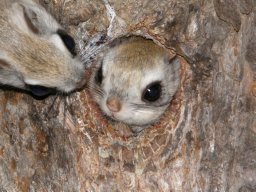 kei suzuki合作论文数Forestry & Forest Prod Res Inst, Kyushu Res Ctr3
 Roiz David合作论文数Edmund Mach Foundation, IASMA Research and Innovation Centre3Celine Bellard合作论文数Ecologie, Systématique &Univ. Paris Sud, Université Joseph Fourier;Univ. Paris Sud, Université Joseph Fourier3
 Chizu Sanjoba合作论文数3
 Chunlong Liu (刘春龙)合作论文数College of Fisheries, Ocean University of China3Thomas W. Bodey合作论文数Quercus, Queen’s University Belfast3Nariko Oka合作论文数3Tasnime Adamjy合作论文数2Yasuhiro Takashima合作论文数2
 Evgeniy Akulov合作论文数2Yuki Shoshi合作论文数2
 Anna Turbelin合作论文数AgroParisTech, Univ Paris Saclay2
 Tamao Maeda合作论文数Wildlife Res Ctr, Kyoto Univ2Jean Fantle-Lepczyk合作论文数School of Forestry & Wildlife Sciences, Auburn University2Romina Fernández合作论文数2
 Laura N H Verbrugge合作论文数Water and Development Research Group, Aalto University2Virginia G. Duboscq-Carra合作论文数2
 Marion Cordonnier合作论文数Lehrstuhl Zoologie Evolutionsbiol, Univ Regensburg2
 Paride Balzani合作论文数Dept Biol, Univ Florence2
 Ross N Cuthbert合作论文数Inst Global Food Secur, Queens Univ Belfast2
 Zarah Pattison合作论文数Modelling Evidence & Policy Grp, Newcastle Univ2
 Wen Xiong合作论文数Coll Fisheries, Guangdong Ocean Univ2
 Marina Golivets合作论文数Helmholtz Centre for Environmental Research, UFZ2
 César Capinha合作论文数CIBIO InBIO, Univ Porto2
 Ahmed Taheri合作论文数Laboratoire "Ecologie, Biodiversité &Environnement"Faculté des Sciences, Université Abdelmalek Essaâdi;Laboratoire "Ecologie, Biodiversité & Environnement", Université Abdelmalek Essaâdi2
 Shun'ichi Makino合作论文数2




