We introduce GaussianZoom, a generative zoom-in 3D reconstruction system with an iterative progressive framework that combines geometry-consistent scene modeling and multi-scale semantic reasoning to enable high-fidelity extreme zoom-in rendering from low-resolution inputs.To achieve this, we develop a novel multi-view consistent super-resolution module with depth-based feature warping and VLM-driven detail synthesis, ensuring accurate multi-view correspondence while enriching fine-scale appearance beyond the observed resolution.To support zooming across large magnification ranges, we further introduce a new expandable continuous Level-of-Detail hierarchy that dynamically modulates Gaussian visibility for smooth, alias-free cross-scale rendering. Experiments on Mip-NeRF360 and Tanks&Temples demonstrate that GaussianZoom achieves superior perceptual quality, multi-view consistency, and robustness under extreme magnification, establishing a strong baseline for generative zoom-in 3D scene reconstruction.
We introduce Archon, a unified multimodal framework that extends multimodal language models to address the fundamental challenge of holistic digital human generation. Archon unifies diverse human-centric modalities, including description, script, speech, animation, semantic segmentation, image and video, within a single controllable generative system, enabled by modality-specific tokenization and auto-regressive cross-modal reasoning. For high-quality video outputs, we incorporate a semantic-driven video diffusion decoder that reconstructs photorealistic video from compact representations. We further analyze cross-modality ambiguity and explore alternative modality generation chain that improves controllability and coherence. Experiments demonstrate strong performance across diverse multimodal generation tasks without task-specific fine-tuning.
Recent advances integrate physically grounded Newtonian dynamics with neural rendering frameworks, narrowing the gap between photorealistic scene reconstruction and physics-based animation. However, existing approaches focus on mechanically driven dynamics while neglecting temperature, a fundamental yet invisible physical factor underlying phenomena such as melting, solidification, and other thermomechanical processes. In this paper, we propose MeGAS, a novel framework that incorporates thermomechanical phase-change dynamics into 3D Gaussian Splatting (3DGS). Specifically, we propose a new thermomechanical dynamic Gaussian Splatting representation that augments 3DGS with temperature attributes and employs a heat advection-diffusion solver with MPM dynamics incorporating phase transitions, enabling physically plausible and visually realistic synthesis of thermophysical phenomena. Furthermore, a new topology-adaptive Gaussian rendering strategy is proposed to mitigate cracking and floaters under extreme deformation. Extensive experiments demonstrate that MeGAS produces physically consistent thermomechanical behavior while maintaining high-fidelity photorealistic rendering, advancing toward physics-integrated world models.
3D scene generation has long been dominated by 2D multi-view or video diffusion models. This is due not only to the lack of scene-level 3D latent representation, but also to the fact that most scene-level 3D visual data exists in the form of multi-view images or videos, which are naturally compatible with 2D diffusion architectures. Typically, these 2D-based approaches degrade 3D spatial extrapolation to 2D temporal extension, which introduces two fundamental issues: (i) representing 3D scenes via 2D views leads to significant representation redundancy, and (ii) latent space rooted in 2D inherently limits the spatial consistency of the generated 3D scenes. In this paper, we propose, for the first time, to perform 3D scene generation directly within an implicit 3D latent space to address these limitations. First, we repurpose frozen 2D representation encoders to construct our 3D Representation Autoencoder (3DRAE), which grounds view-coupled 2D semantic representations into a view-decoupled 3D latent representation. This enables representing 3D scenes observed from arbitrary numbers of views–at any resolution and aspect ratio–with fixed complexity and rich semantics. Then we introduce 3D Diffusion Transformer (3DDiT), which performs diffusion modeling in this 3D latent space, achieving remarkably efficient and spatially consistent 3D scene generation while supporting diverse conditioning configurations. Moreover, since our approach directly generates a 3D scene representation, it can be decoded to images and optional point maps along arbitrary camera trajectories without requiring per-trajectory diffusion sampling pass, which is common in 2D-based approaches.
The emerging 3D Gaussian Splatting has demonstrated high-quality scene modeling and novel view synthesis. However, the efficiency is constrained by per-scene optimization on densely captured images and feedforward generalizable reconstruction for large indoor scenes continues to pose a significant challenge. In this paper, we propose G ^2 S-Indoor, a novel framework that is capable of reconstructing large-scale indoor scenes through fast inference. We represent the scene as 3D Gaussians with generalizable structured feature volume trained across large-scale data, achieving photorealistic rendering and rapid reconstruction. Specifically, we first process the input frames to reconstruct the local feature volumes and decode the properties of 3D Gaussians from features via direct inference. To mitigate the loss of details due to the limited resolution of voxels, we develop an error-based voxel subdivision strategy, which effectively captures varying levels of detail with newly generated Gaussians. Finally, we fuse the local Gaussian feature volumes with a recurrent volume-based fusion scheme to incrementally reconstruct the global Gaussian-splatting scene representation. Our method demonstrates state-of-the-art rendering quality on the ScanNet dataset while supporting generalizable large-scale indoor scene reconstruction. The zero-shot inference on the Replica and ScanNet++ datasets further demonstrates our cross-dataset generalization ability.
In this paper, we introduce a self-supervised deep SLAM method that robustly operates in dynamic scenes while accurately identifying dynamic components. Our method leverages a dual-flow representation for static flow and dynamic flow, facilitating effective scene decomposition in dynamic environments. We propose a dynamic update module based on this representation and develop a dense SLAM system that excels in dynamic scenarios. In addition, we design a self-supervised training scheme using DINO as a prior, enabling label-free training. Our method achieves superior accuracy compared to other self-supervised methods. It also matches or even surpasses the performance of existing supervised methods in some cases. All code and data will be made publicly available upon acceptance.
Achieving real-time physics-based animation that generalizes across diverse 3D shapes and discretizations remains a fundamental challenge. We introduce PhysSkin, a physics-informed framework that addresses this challenge. In the spirit of Linear Blend Skinning, we learn continuous skinning fields as basis functions lifting motion subspace coordinates to full-space deformation, with subspace defined by handle transformations. To generate mesh-free, discretization-agnostic, and physically consistent skinning fields that generalize well across diverse 3D shapes, PhysSkin employs a new neural skinning fields autoencoder which consists of a transformer-based encoder and a cross-attention decoder. Furthermore, we also develop a novel physics-informed self-supervised learning strategy that incorporates on-the-fly skinning-field normalization and conflict-aware gradient correction, enabling effective balancing of energy minimization, spatial smoothness, and orthogonality constraints. PhysSkin shows outstanding performance on generalizable neural skinning and enables real-time physics-based animation.
Real-time navigation in cluttered and dynamic environments requires collision-free and dynamically feasible motion under limited perception. However, feasible navigation behaviors are inherently multimodal because multiple paths may exist around obstacles. In this paper, we formulate navigation as learning a transferable goal-conditioned stochastic path prior that models a reusable distribution over goal-aligned geometry consistent local paths conditioned on local observations. This formulation enables structured sampling of navigation candidates, allowing multiple feasible paths to be explored through sampling without relying on robot-specific motion constraints. To this end, we introduce a goal-aligned canonical state representation that removes in-plane rotational ambiguity and normalizes local geometry with respect to the goal, enabling rotation-invariant path distribution learning. We further develop a structured prior learning framework that parameterizes local paths using a geometry-aware polar action manifold and incorporates risk sensitive utility shaping with multi-goal distributional rollouts for stable and safety-aware planning. Extensive experiments in dense static environments and dynamic pedestrian scenarios demonstrate that the proposed method achieves consistently high success rates with competitive efficiency while enabling cross platform transfer of a single path prior learned on differential drive robots to quadruped platforms without retraining.
Sparse novel view synthesis suffers from unstable pose estimation and a range of visual defects, from unreconstructed occlusions to excessive hallucination. These shortcomings stem from the lack of a principled mechanism for identifying and handling truly under-constrained regions. We introduce MRNVS (Minimum Restoration for Faithful NVS), which enforces a minimal-restoration principle: only genuinely unobserved or under-constrained regions (occluded, out-of-frustum, and large-parallax areas) are detected and repaired with minimal changes, while well-supported areas remain rendered by the multi-view 3DGS representation and are left untouched. We implement this principle through three components. First, we propose a two-layer 3DGS with occlusion-aware initialization to fill missing geometry, ensure correct supervision, and suppress spatial ambiguity. Second, we introduce a density-map-based detector that localizes out-of-frustum and large-parallax regions more precisely than cumulative-opacity maps, enabling fidelity-oriented novelview restoration. Finally, we adopt a two-phase optimization scheme to stabilize pose estimation under extreme sparsity, ensuring the minimal-restoration principle operates effectively. MRNVS achieves leading PSNR among the evaluated baselines on LLFF, Mip-NeRF 360, Tanks and Temples, and MVImgNet, while maintaining competitive SSIM and LPIPS. Across the eight dataset/setting pairs with 2–3 input views, MRNVS raises the mean PSNR from 21.2 dB for the strongest evaluated baseline in each setting to 22.4 dB.
Automating immersive VR scene creation remains a primary research challenge. Existing methods typically rely on complex geometry with post-simplification, resulting in inefficient pipelines or limited realism. In this paper, we introduce ImmerseGen, a novel agent-guided framework for compact and photorealistic world generation that decouples realism from exhaustive geometric modeling. ImmerseGen represents scenes as hierarchical compositions of lightweight geometric proxies with synthesized RGBA textures, facilitating real-time rendering on mobile VR headsets. We propose terrain-conditioned texturing for base world generation, combined with context-aware texturing for scenery, to produce diverse and visually coherent worlds. VLM-based agents employ semantic grid-based analysis for precise asset placement and enrich scenes with multimodal enhancements such as visual dynamics and ambient sound. Experiments and real-time VR applications demonstrate that ImmerseGen achieves superior photorealism, spatial coherence, and rendering efficiency compared to existing methods.
Indoor visual relocalization plays a critical role in emerging spatial and embodied AI applications. However, prior research was predominantly devoted to low-level vision schemes, struggling to perceive scene semantics and compositions, which limits both interpretability and applicability. In this paper, we explore the issue of how to organize rich object information in a scene, including semantics, layout, and geometry, into a structured map representation, thereby utilizing object units exclusively to drive the camera relocalization task. To this end, we propose OpenReLoc, a camera relocalization system designed to provide scene understanding and accurate pose estimation capabilities. Leveraging recent foundation models, we first introduce a multi-modal mechanism to integrate open-vocabulary semantic knowledge for effective 2D-3D object matching. Additionally, we design object-oriented reference frames as position priors, paired with a reference frame selection strategy based on the Distance-IoU (DIOU), enabling extension to scalable scenes. Moreover, to ensure stable and accurate pose optimization, we also propose a dual-path 2D Iterative Closest Pixel loss guided by object shape. Experimental results demonstrate that OpenReLoc achieves superior relocalization recall and accuracy across various datasets. Our source code will be released upon acceptance.
Digital humans are fundamental to immersive interaction, yet creating a unified model for holistic modalities, including text, audio, motion, and visual content, remains an open challenge. In this paper, we present Archon, a fully pretrained, human-centric unified multimodal model for holistic avatar generation. Archon unifies seven modalities with modality-specific tokenizers, and a native autoregressive unified multimodal model pretrained on synchronized modalities and 72 diverse tasks to model holistic joint distributions. To address the token explosion challenge in high-fidelity talking videos, we introduce a memory-efficient semantic video reparameterization, achieving 4x token reduction while preserving fine-grained dynamics, coupled with a semantic-driven video diffusion decoder. We further propose a "Thinking in Modality" that decomposes ambiguous cross-modal tasks into stepwise thinking in an alternative chain of modality, progressively enhancing fidelity and controllability. Extensive experiments demonstrate that Archon achieves superior or comparable performance across diverse digital human generation tasks, validating the effectiveness of our unified framework. Project page: https://zju3dv.github.io/archon/.
Modeling wind-driven object dynamics from video observations is highly challenging due to the invisibility and spatio–temporal variability of wind, as well as the complex deformations of objects. We present DiffWind, a physics-informed differentiable framework that unifies wind–object interaction modeling, video-based reconstruction, and forward simulation. Specifically, we represent wind as a grid-based physical field and objects as particle systems derived from 3D Gaussian Splatting, with their interaction modeled by the Material Point Method (MPM). To recover wind-driven object dynamics, we introduce a reconstruction framework that jointly optimizes the spatio–temporal wind force field and object motion through differentiable rendering and simulation. To ensure physical validity, we incorporate the Lattice Boltzmann Method (LBM) as a physics-informed constraint, enforcing compliance with fluid dynamics laws. Beyond reconstruction, our method naturally supports forward simulation under novel wind conditions and enable new applications such as wind retargeting. We further introduce WD-Objects, a dataset of synthetic and real-world wind-driven scenes. Extensive experiments demonstrate that our method significantly outperforms prior dynamic scene modeling approaches in both reconstruction accuracy and simulation fidelity, opening a new avenue for video-based wind–object interaction modeling.
Open-vocabulary 3D scene understanding aims to segment 3D scenes beyond predefined categories by transferring semantic knowledge from vision-language models. Existing methods have advanced this task by lifting language-aligned 2D features into 3D, yet they often rely on context-independent semantic representations, leaving object relationships underexplored for contextual refinement. We propose RelGraphOV, a relationship-aware framework that uses 3D scene graphs to enhance open-vocabulary 3D understanding. Our method constructs relational scene graphs from multi-view observations by leveraging vision-language reasoning to infer object relationships and prune geometrically implausible connections, without manual relationship annotations. To aggregate relational context while avoiding feature interference, we introduce an Adaptive Gated Dual-Stream Contextual GAT that separates dense geometric features and semantic CLIP embeddings, performs edge-guided message passing, and adaptively fuses complementary semantics. A hierarchical contrastive objective further promotes instance-level consistency and category-level discrimination. Experiments on ScanNetV2, ScanNet200, ScanNet++, and Replica demonstrate strong performance and generalization ability. Project Page: https://cxavireh.github.io/relgraphov-projectpage
Ex-vivo MRI offers invaluable insights into the complexity of the human brain, enabling high-resolution anatomical delineation and integration with histopathology, and thus, contributes to both basic and clinical studies on normal and pathological brains. However, ex-vivo MRI is challenging in sample preparation, acquisition, and data analysis, and existing ex-vivo MRI datasets are often single image modality and lack of ethnic diversity. In our study, we aimed to address these limitations by constructing a comprehensive multimodal MRI database acquired from six ex-vivo Chinese human brains. This database included structural MRI, high-angular resolution diffusion MRI, quantitative susceptibility mapping, and quantitative T1 and T2 maps, which enabled multifaceted depiction of brain microstructure and connectivity. Furthermore, we generated population-averaged multimodal templates and the segmentation labels to facilitate analysis of ex-vivo brain MRI. This public database offers a collection of high-resolution and multi-parametric ex-vivo human brain MRI and filled the gap of lacking Asian brain samples in existing databases.
Visual localization plays an important role in the applications of Augmented Reality (AR), which enable AR devices to obtain their 6-DoF pose in the pre-build map in order to render virtual content in real scenes. However, most existing approaches can not perform novel view rendering and require large storage capacities for maps. To overcome these limitations, we propose an efficient visual localization method capable of high-quality rendering with fewer parameters. Specifically, our approach leverages 3D Gaussian primitives as the scene representation. To ensure precise 2D-3D correspondences for pose estimation, we develop an unbiased 3D scene-specific descriptor decoder for Gaussian primitives, distilled from a constructed feature volume. Additionally, we introduce a salient 3D landmark selection algorithm that selects a suitable primitive subset based on the saliency score for localization. We further regularize key Gaussian primitives to prevent anisotropic effects, which also improves localization performance. Extensive experiments on two widely used datasets demonstrate that our method achieves superior or comparable rendering and localization performance to state-of-the-art implicit-based visual localization approaches. Code and data are available at project page: https://zju3dv.github.io/splatloc.
Inverse rendering in urban scenes is pivotal for applications like autonomous driving and digital twins. Yet, it faces significant challenges due to complex illumination conditions, including multi-illumination and indirect light and shadow effects. However, the effects of these challenges on intrinsic decomposition and 3D reconstruction have not been explored due to the lack of appropriate datasets. In this paper, we present LightCity, a novel high-quality synthetic urban dataset featuring diverse illumination conditions with realistic indirect light and shadow effects. LightCity encompasses over 300 sky maps with highly controllable illumination, varying scales with street-level and aerial perspectives over 50K images, and rich properties such as depth, normal, material components, light and indirect light, etc. Besides, we leverage LightCity to benchmark three fundamental tasks in the urban environments and conduct a comprehensive analysis of these benchmarks, laying a robust foundation for advancing related research.
Novel view synthesis with neural models has advanced rapidly in recent years, yet adapting these models to scene changes remains an open problem. Existing methods are either labor-intensive, requiring extensive model retraining, or fail to capture detailed types of changes over time. In this paper, we present GaussianUpdate, a novel approach that combines 3D Gaussian representation with continual learning to address these challenges. Our method effectively updates the Gaussian radiance fields with current data while preserving information from past scenes. Unlike existing methods, GaussianUpdate explicitly models different types of changes through a novel multi-stage update strategy. Additionally, we introduce a visibility-aware continual learning approach with generative replay, enabling self-aware updating without the need to store images. The experiments on the benchmark dataset demonstrate our method achieves superior and real-time rendering with the capability of visualizing changes over different times
Diffusion MRI (dMRI) is a powerful technique for investigating tissue microstructure properties. However, advanced dMRI models are typically complex and nonlinear, requiring a large number of acquisitions in the q-space. Deep learning techniques, specifically optimization-based networks, have been proposed to improve the model fitting with limited q-space data. Previous optimization procedures relied on the empirical selection of iteration block numbers and the network structures were based on the iterative hard thresholding (IHT) algorithm, which may suffer from instability during sparse reconstruction. In this study, we introduced an extragradient and noise-tuning adaptive iterative network, a generic network for estimating dMRI model parameters. We proposed an adaptive mechanism that flexibly adjusts the sparse representation process, depending on specific dMRI models, datasets, and downsampling strategies, avoiding manual selection and accelerating inference. In addition, we proposed a noise-tuning module to assist the network in escaping from local minimum/saddle points. The network also included an additional projection of the extragradient to ensure its convergence. We evaluated the performance of the proposed network on the neurite orientation dispersion and density imaging (NODDI) model and diffusion basis spectrum imaging (DBSI) model on two 3T Human Connectome Project (HCP) datasets and a 7T HCP dataset with six different downsampling strategies. The proposed framework demonstrated superior accuracy and generalizability compared to other state-of-the-art microstructural estimation algorithms.
In this paper, we present TexPro, a novel method for high-fidelity material generation for input 3D meshes given text prompts. Unlike existing text-conditioned texture generation methods that typically generate RGB textures with baked lighting, TexPro is able to produce diverse texture maps via procedural material modeling, which enables physically-based rendering, relighting, and additional benefits inherent to procedural materials. Specifically, we first generate multi-view reference images given the input textual prompt by employing the latest text-to-image model. We then derive texture maps through rendering-based optimization with recent differentiable procedural materials. To this end, we design several techniques to handle the misalignment between the generated multi-view images and 3D meshes, and introduce a novel material agent that enhances material classification and matching by exploring both part-level understanding and object-aware material reasoning. Experiments demonstrate the superiority of the proposed method over existing SOTAs, and its capability of relighting.
 Hujun Bao (鲍虎军)合作论文数College of Computer Science and Technology, Zhejiang University;Faculty of Information Technology, Zhejiang University52
 Guofeng Zhang (章国锋)合作论文数State Key Lab of CAD & CG, College of Computer Science and Technology, Zhejiang University45
 Marc Pollefeys合作论文数Computer Vision and Geometry Lab, Institute of Visual Computing, Department of Computer Science, ETH Zurich;Mixed Reality and AI Lab, Microsoft25
 Yinda Zhang合作论文数23
 Bangbang Yang合作论文数17
 Ping Tan (譚平)合作论文数Department of Electronic and Computer Engineering, School of Engineering, Hong Kong University of Science and Technology;Alibaba17
 Chong Bao合作论文数Google AR13Yijin Li合作论文数11Zesong Yang合作论文数State Key Lab of CAD & CG, Zhejiang University10
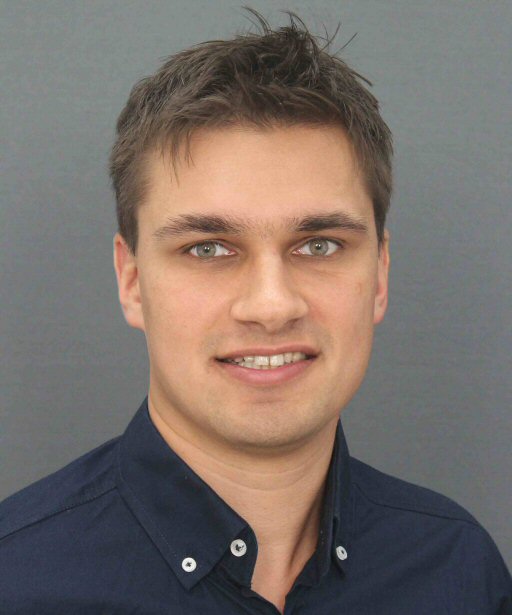 Martin R. Oswald合作论文数The University of Virginia7
 Yuewen Ma合作论文数Bytedance6Tianxing Fan合作论文数State Key Lab of CAD&CG, Zhejiang University6
 Yujun Shen合作论文数6
 Shuaicheng Liu (刘帅成)合作论文数School of Information and Communication Engineering, University of Electronic Science and Technology;Megvii Research6
 Yuan Li (李渊)合作论文数State Key Lab of CAD&CG, Zhejiang University5
 Weicai Ye (叶伟才)合作论文数ETH Zurich;State Key Lab of CAD & CG, Zhejiang University;ZJU-SenseTime Joint Lab of 3D Vision5
 Boxin Shi (施柏鑫)合作论文数Institute for Artificial Intelligence, Peking University5
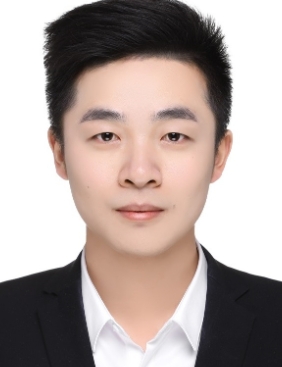 Shuo Chen (陈硕)合作论文数School of Intelligence Science and Technology, Nanjing University5
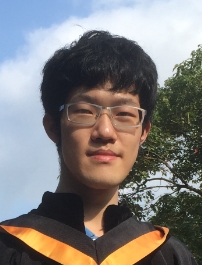 Ziqian Bai (白梓仟)合作论文数GrUVi Lab, Simon Fraser University5
 Feitong Tan合作论文数Google5
 Luwei Yang合作论文数Apple5
 Guang Jiang (姜光)合作论文数School of Telecommunication Engineering, Xidian University5
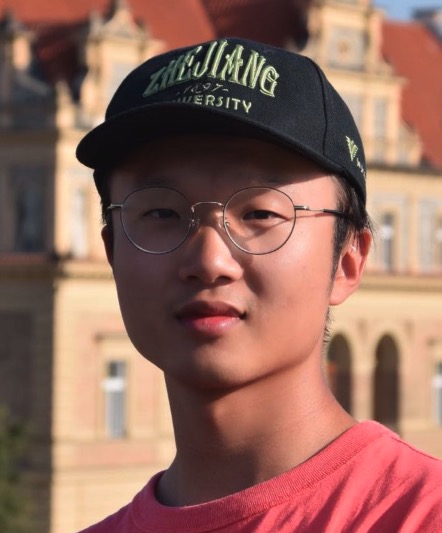 Zhaoyang Huang (黄昭阳)合作论文数Avolution AI5Han Zhou合作论文数4Wenqi Dong合作论文数4
 Viktor Larsson合作论文数Centre for Mathematical Sciences, Lund University4
 Peidong Liu (刘沛东)合作论文数Computer Vision and Geometric Learning Lab, School of Engineering, Westlake University4
 Ruizhen Hu (胡瑞珍)合作论文数College of Computer Science and Software Engineering, Shenzhen University4
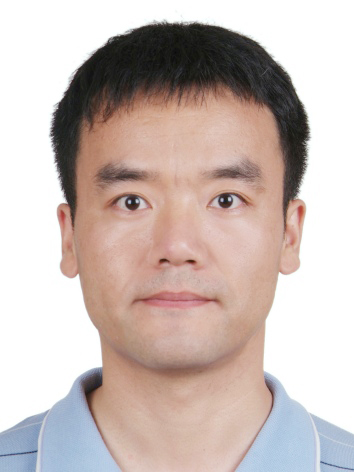 Xiaoming Deng (邓小明)合作论文数Beijing Key Laboratory of Human-Computer Interaction, Institute of Software, Chinese Academy of Sciences;University of Chinese Academy of Sciences4
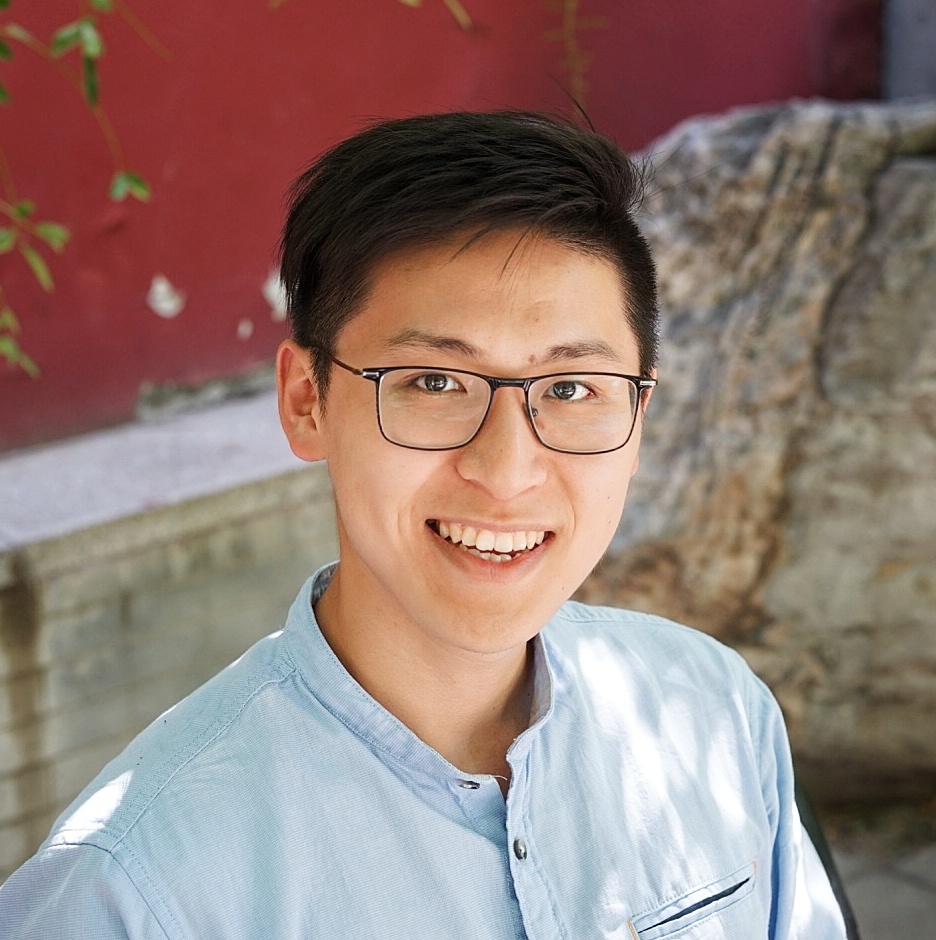 Songyou Peng (彭崧猷)合作论文数Google DeepMind4
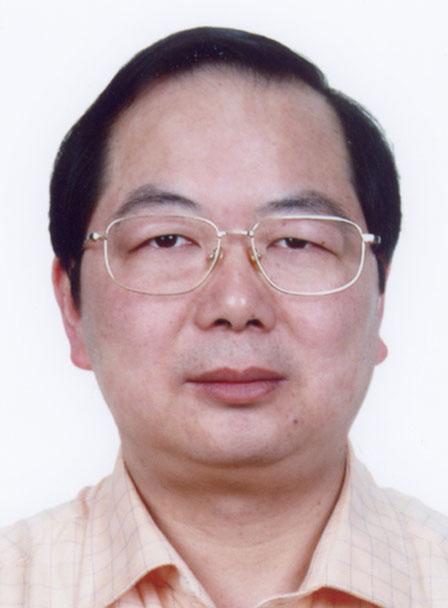 Hongan Wang (王宏安)合作论文数Institute of Software, Chinese Academy of Sciences;University of Chinese Academy of Sciences4
 Hongsheng Li (李鴻升)合作论文数Department of Electronic Engineering, The Chinese University of Hong Kong;Multimedia Laboratory, The Chinese University of Hong Kong4Boming Zhao合作论文数3ChengKe Wu合作论文数3Guanglin Li合作论文数3Xin-Yang Liu合作论文数3
 Yuhang Ming合作论文数Visual Information Laboratory, University of Bristol3
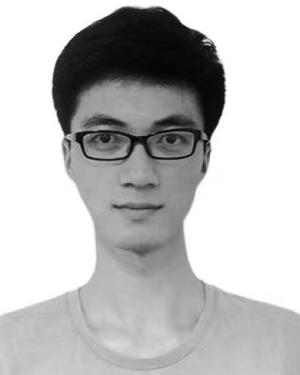 Zhichao Ye合作论文数State Key Lab. of CAD&CG, Zhejiang Univ.3XiYue Guo (郭喜跃)合作论文数3
 Zhenqiang Li合作论文数AlpsenTek GmbH3
 Zuoyue Li (李作越)合作论文数Google3
 Dan Wu (吴丹)合作论文数College of Biomedical Engineering and Instrument Science, Zhejiang University3
 Andreas Geiger合作论文数Department of Computer Science, University of Tübingen3
 Yawei Li (李亚伟)合作论文数Department of Information Technology and Electrical Engineering, ETH Zurich3
 Torsten Sattler合作论文数Czech Institute of Informatics, Robotics and Cybernetics, Czech Technical University3
 Hongjia Zhai (翟宏佳)合作论文数Mohamed bin Zayed University of Artificial Intelligence2Xiao Liu合作论文数2Yichen Shen合作论文数2




