Learning generative models directly from corrupted observations is a long-standing challenge across natural and scientific domains. We introduce *Distillation from Corrupted Data (DCD)*, a unified framework for learning high-fidelity, one-step generative models using **only** degraded data of the form $ y = \mathcal{A}(x) + \sigma \varepsilon, \ x\sim p_X,\ \varepsilon\sim \mathcal{N}(0,I_m), $ where the mapping $\mathcal{A}$ may be the identity or a non-invertible corruption operator (e.g., blur, masking, subsampling, Fourier acquisition). DCD first pretrains a *corruption-aware diffusion teacher* on the observed measurements, then *distills* it into an efficient one-step generator whose samples are statistically closer to the clean distribution $p_X$. The framework subsumes identity corruption (denoising task) as a special case of our general formulation. Empirically, DCD consistently reduces Fréchet Inception Distance (FID) relative to corruption-aware diffusion teachers across noisy generation (*CIFAR-10*, *FFHQ*, *CelebA-HQ*, *AFHQ-v2*), image restoration (Gaussian deblurring, random inpainting, super-resolution, and mixtures with additive noise), and multi-coil MRI—*without access to any clean images*. The distilled generator inherits one-step sampling efficiency, yielding up to $30\times$ speedups over multi-step diffusion while surpassing the teachers after substantially fewer training iterations. These results establish score distillation as a practical tool for generative modeling from corrupted data, *not merely for acceleration*. We also provide theoretical support for the use of distillation in enhancing generation quality in the Appendix.
Large language model (LLM) agents for long-horizon interactive tasks typically follow a ReAct-style protocol, issuing one primitive action per LLM round. While this enables frequent replanning, it is inefficient for long-horizon tasks where many rounds are spent on routine action sequences. A natural alternative is to let the agent emit variable-length action chunks. However, naively training such policies with standard reinforcement learning fails: the agent either collapses to single-action behavior or over-commits to excessively long sequences. Both failures share a common root cause: the inability to learn chunk boundaries. We propose SPACE, which addresses this challenge by distilling chunk-boundary supervision from trajectory-induced programmatic skills. We induce two-level programmatic skills from successful trajectories, where subskill boundaries serve as direct chunk-boundary supervision. This temporal structure is then distilled into a primitive-chunk policy via hybrid on-/off-policy optimization with chunk-aware credit assignment. Experiments on ALFWorld and ScienceWorld show that SPACE improves success rates by 7.0
Text-to-Image generation has evolved from basic image synthesis into a frequently used core capability in professional creative workflows, where simple text-image alignment can no longer satisfy users' pressing demands for faithful real-world reconstruction and genuine creative expression. Existing benchmarks, however, remain anchored in these foundational criteria and do not yet capture the nuanced capabilities that matter in authentic artistic practice, making it difficult to reliably distinguish state-of-the-art T2I models. To address the gap, we introduce Qwen-Image-Bench, a creator-centric benchmark co-designed with professional artists and grounded in real-world creation scenarios. Qwen-Image-Bench enriches conventional evaluation with two application-driven dimensions: Real-world Fidelity and Creative Generation. Drawing on the staged reasoning inherent in professional artistic workflows, we organize these five pillars into a top-down hierarchical taxonomy that further decomposes into 23 second-level sub-capabilities and 56 third-level verifiable rubrics. To ensure broad coverage, we curate 1000 stratified prompts with each prompt jointly exercising more than four fine-grained facets across multiple pillars. We train a unified judge model Q-Judger based on Qwen3.6-27B, supervised by 80 professional annotators from global art academies under blind labeling and triple-review protocols, that scores every image across all 56 verifiable facets, producing fine-grained, rubric-grounded, and fully attributable diagnostics rather than a single opaque score. Empirically, Qwen-Image-Bench reliably distinguishes leading T2I models, achieving the greatest separation on the two application-driven dimensions of Real-world Fidelity and Creative Generation where existing benchmarks provide little insight, while also providing a trustworthy optimization signal for production-level T2I development.
Instruction-based image editing has advanced rapidly, yet reliable and interpretable evaluation remains a bottleneck. Current protocols either (i) depend on paired reference images—resulting in limited coverage and inheriting biases from prior generative models—or (ii) rely *solely* on zero-shot vision–language models (VLMs), whose prompt-based assessments of instruction following, content consistency, and visual quality are often imprecise. To address this, we introduce **EdiVal-Agent**, an automated and fine-grained evaluation framework grounded in an object-centric perspective, designed to assess not only standard single-turn but also multi-turn instruction-based editing with precision. Given an input image, **EdiVal-Agent** first decomposes it into semantically meaningful objects, then synthesizes diverse, context-aware editing instructions while dynamically updating object pools across turns. These two stages enable two novel object-centric metrics tailored for multi-turn evaluation and one global metric of visual quality: 1) EdiVal-IF, which measures instruction following by combining open-vocabulary object detectors for symbolic checks with VLMs for semantic verification on detector-guided crops; 2) EdiVal-CC, which evaluates content consistency by calculating semantic similarity of unchanged objects and background using the evolving object pools; and 3) EdiVal-VQ, which quantifies changes in overall visual quality with human preference models. Instantiating this pipeline, we build **EdiVal-Bench**, a multi-turn editing benchmark covering 9 instruction types and 13 state-of-the-art editing models spanning In-Context, flow-matching, and diffusion paradigms. We further conduct experiments comparing multi-turn editing with single-shot complex editing, highlighting the distinctive characteristics of different model paradigms. We demonstrate that EdiVal can be used to identify existing failure modes, thereby informing the development of the next generation of editing models.
Diffusion models, praised for their success in generative tasks, are increasingly being applied to robotics, demonstrating exceptional performance in behavior cloning. However, their slow generation process stemming from iterative denoising steps poses a challenge for real-time applications in resource-constrained robotics setups and dynamically changing environments. In this paper, we introduce the One-Step Diffusion Policy (OneDP), a novel approach that distills knowledge from pre-trained diffusion policies into a single-step action generator, significantly accelerating response times for robotic control tasks. We ensure the distilled generator closely aligns with the original policy distribution by minimizing the Kullback-Leibler (KL) divergence along the diffusion chain, requiring only 2%-10% additional pre-training cost for convergence. We evaluated OneDP on 6 challenging simulation tasks as well as 4 self-designed real-world tasks using the Franka robot. The results demonstrate that OneDP not only achieves state-of-the-art success rates but also delivers an order-of-magnitude improvement in inference speed, boosting action prediction frequency from 1.5 Hz to 62 Hz, establishing its potential for dynamic and computationally constrained robotic applications. A video demo is provided here, and the code will be publicly available soon.
Diffusion models have achieved remarkable success in generating high-resolution, realistic images across diverse natural distributions. However, their performance heavily relies on high-quality training data, making it challenging to learn meaningful distributions from corrupted samples. This limitation restricts their applicability in scientific domains where clean data is scarce or costly to obtain. In this work, we introduce denoising score distillation (DSD), a surprisingly effective and novel approach for training high-quality generative models from low-quality data. DSD first pretrains a diffusion model exclusively on noisy, corrupted samples and then distills it into a one-step generator capable of producing refined, clean outputs. While score distillation is traditionally viewed as a method to accelerate diffusion models, we show that it can also significantly enhance sample quality, particularly when starting from a degraded teacher model. Across varying noise levels and datasets, DSD consistently improves generative performancewe summarize our empirical evidence in Fig. 1. Furthermore, we provide theoretical insights showing that, in a linear model setting, DSD identifies the eigenspace of the clean data distributions covariance matrix, implicitly regularizing the generator. This perspective reframes score distillation as not only a tool for efficiency but also a mechanism for improving generative models, particularly in low-quality data settings.
Diffusion- and flow-based generative models have recently demonstrated strong performance in protein backbone generation tasks, offering unprecedented capabilities for de novo protein design. However, while achieving notable performance in generation quality, these models are limited by their generating speed, often requiring hundreds of iterative steps in the reverse-diffusion process. This computational bottleneck limits their practical utility in large-scale protein discovery, where thousands to millions of candidate structures are needed. To address this challenge, we explore the techniques of score distillation, which has shown great success in reducing the number of sampling steps in the vision domain while maintaining high generation quality. However, a straightforward adaptation of these methods results in unacceptably low designability. Through extensive study, we have identified how to appropriately adapt Score identity Distillation (SiD), a state-of-the-art score distillation strategy, to train few-step protein backbone generators which significantly reduce sampling time, while maintaining comparable performance to their pretrained teacher model. In particular, multistep generation combined with inference time noise modulation is key to the success. We demonstrate that our distilled few-step generators achieve more than a 20-fold improvement in sampling speed, while achieving similar levels of designability, diversity, and novelty as the Proteina teacher model. This reduction in inference cost enables large-scale in silico protein design, thereby bringing diffusion-based models closer to real-world protein engineering applications.
Score identity Distillation (SiD) is a data-free method that has achieved state-of-the-art performance in image generation by leveraging only a pretrained diffusion model, without requiring any training data. However, the ultimate performance of SiD is constrained by the accuracy with which the pretrained model captures the true data scores at different stages of the diffusion process. In this paper, we introduce SiDA (SiD with Adversarial Loss), which not only enhances generation quality but also improves distillation efficiency by incorporating real images and adversarial loss. SiDA utilizes the encoder from the generator's score network as a discriminator, allowing it to distinguish between real images and those generated by SiD. The adversarial loss is batch-normalized within each GPU and then combined with the original SiD loss. This integration effectively incorporates the average "fakeness" per GPU batch into the pixel-based SiD loss, enabling SiDA to distill a single-step generator. SiDA converges significantly faster than its predecessor when distilled from scratch, and swiftly improves upon the original model's performance during fine-tuning from a pre-distilled SiD generator. This one-step adversarial distillation method establishes new benchmarks in generation performance when distilling EDM diffusion models, achieving FID scores of **1.499** on CIFAR-10 unconditional, **1.396** on CIFAR-10 conditional, and **1.110** on ImageNet 64x64. When distilling EDM2 models trained on ImageNet 512x512, our SiDA method surpasses even the largest teacher model, EDM2-XXL, which achieved an FID of 1.81 using classifier-free guidance (CFG) and 63 generation steps. Specifically, SiDA achieves FID scores of **2.156** for size XS, **1.669** for S, **1.488** for M, **1.413** for L, **1.379** for XL, and **1.366** for XXL, all without CFG and in a single generation step. These results highlight substantial improvements across all model sizes. Our code and checkpoints are available at https://github.com/mingyuanzhou/SiD/tree/sida.
Diffusion-based text-to-image generation models trained on extensive text-image pairs have demonstrated the ability to produce photorealistic images aligned with textual descriptions. However, a significant limitation of these models is their slow sample generation process, which requires iterative refinement through the same network. To overcome this, we introduce a data-free guided distillation method that enables the efficient distillation of pretrained Stable Diffusion models without access to the real training data, often restricted due to legal, privacy, or cost concerns. This method enhances Score identity Distillation (SiD) with Long and Short Classifier-Free Guidance (LSG), an innovative strategy that applies Classifier-Free Guidance (CFG) not only to the evaluation of the pretrained diffusion model but also to the training and evaluation of the fake score network. We optimize a model-based explicit score matching loss using a score-identity-based approximation alongside our proposed guidance strategies for practical computation. By exclusively training with synthetic images generated by its one-step generator, our data-free distillation method rapidly improves FID and CLIP scores, achieving state-of-the-art FID performance while maintaining a competitive CLIP score. Notably, the one-step distillation of Stable Diffusion 1.5 achieves an FID of **8.15** on the COCO-2014 validation set, a record low value under the data-free setting. Our code and checkpoints are available at https://github.com/mingyuanzhou/SiD-LSG.
Diffusion distillation has emerged as a promising strategy for accelerating text-to-image (T2I) diffusion models by distilling a pretrained score network into a one- or few-step generator. While existing methods have made notable progress, they often rely on real or teacher-synthesized images to perform well when distilling high-resolution T2I diffusion models such as Stable Diffusion XL (SDXL), and their use of classifier-free guidance (CFG) introduces a persistent trade-off between text-image alignment and generation diversity. We address these challenges by optimizing Score identity Distillation (SiD) -- a data-free, one-step distillation framework -- for few-step generation. Backed by theoretical analysis that justifies matching a uniform mixture of outputs from all generation steps to the data distribution, our few-step distillation algorithm avoids step-specific networks and integrates seamlessly into existing pipelines, achieving state-of-the-art performance on SDXL at 1024x1024 resolution. To mitigate the alignment-diversity trade-off when real text-image pairs are available, we introduce a Diffusion GAN-based adversarial loss applied to the uniform mixture and propose two new guidance strategies: Zero-CFG, which disables CFG in the teacher and removes text conditioning in the fake score network, and Anti-CFG, which applies negative CFG in the fake score network. This flexible setup improves diversity without sacrificing alignment. Comprehensive experiments on SD1.5 and SDXL demonstrate state-of-the-art performance in both one-step and few-step generation settings, along with robustness to the absence of real images. Our efficient PyTorch implementation, along with the resulting one- and few-step distilled generators, will be released publicly as a separate branch at https://github.com/mingyuanzhou/SiD-LSG.
Reinforcement learning (RL) has become an effective approach for fine-tuning large language models (LLMs), particularly to enhance their reasoning capabilities. However, RL fine-tuning remains highly resource-intensive, and existing work has largely overlooked the problem of data efficiency. In this paper, we propose two techniques to improve data efficiency in LLM RL fine-tuning: difficulty-targeted online data selection and rollout replay. We introduce the notion of adaptive difficulty to guide online data selection, prioritizing questions of moderate difficulty that are more likely to yield informative learning signals. To estimate adaptive difficulty efficiently, we develop an attention-based framework that requires rollouts for only a small reference set of questions. The adaptive difficulty of the remaining questions is then estimated based on their similarity to this set. To further reduce rollout cost, we introduce a rollout replay mechanism inspired by experience replay in traditional RL. This technique reuses recent rollouts, lowering per-step computation while maintaining stable updates. Experiments across 6 LLM-dataset combinations show that our method reduces RL fine-tuning time by 23% to 62% while reaching the same level of performance as the original GRPO algorithm. Our code repository is available at https://github.com/ASTRAL-Group/data-efficient-llm-rl/.
We introduce Score identity Distillation (SiD), an innovative data-free method that distills the generative capabilities of pretrained diffusion models into a single-step generator. SiD not only facilitates an exponentially fast reduction in Fréchet inception distance (FID) during distillation but also approaches or even exceeds the FID performance of the original teacher diffusion models. By reformulating forward diffusion processes as semi-implicit distributions, we leverage three score-related identities to create an innovative loss mechanism. This mechanism achieves rapid FID reduction by training the generator using its own synthesized images, eliminating the need for real data or reverse-diffusion-based generation, all accomplished within significantly shortened generation time. Upon evaluation across four benchmark datasets, the SiD algorithm demonstrates high iteration efficiency during distillation and surpasses competing distillation approaches, whether they are one-step or few-step, data-free, or dependent on training data, in terms of generation quality. This achievement not only redefines the benchmarks for efficiency and effectiveness in diffusion distillation but also in the broader field of diffusion-based generation. The PyTorch implementation is available at https://github.com/mingyuanzhou/SiD.
Traditional language model alignment methods, such as Direct Preference Optimization (DPO), are limited by their dependence on static, pre-collected paired preference data, which hampers their adaptability and practical applicability. To overcome this limitation, we introduce Self-Augmented Preference Optimization (SAPO), an effective and scalable training paradigm that does not require existing paired data. Building on the self-play concept, which autonomously generates negative responses, we further incorporate an off-policy learning pipeline to enhance data exploration and exploitation. Specifically, we employ an Exponential Moving Average (EMA) model in conjunction with a replay buffer to enable dynamic updates of response segments, effectively integrating real-time feedback with insights from historical data. Our comprehensive evaluations of the LLaMA3-8B and Mistral-7B models across benchmarks, including the Open LLM Leaderboard, IFEval, AlpacaEval 2.0, and MT-Bench, demonstrate that SAPO matches or surpasses established offline contrastive baselines, such as DPO and Odds Ratio Preference Optimization, and outperforms offline self-play methods like SPIN. Our code is available at https://github.com/yinyueqin/SAPO
In the rapidly advancing arena of large language models (LLMs), a key challenge is to enhance their capabilities amid a looming shortage of high-quality training data. Our study starts from an empirical strategy for the light continual training of LLMs using their original pre-training data sets, with a specific focus on selective retention of samples that incur moderately high losses. These samples are deemed informative and beneficial for model refinement, contrasting with the highest-loss samples, which would be discarded due to their correlation with data noise and complexity. We then formalize this strategy into a principled framework of Instance-Reweighted Distributionally Robust Optimization (IR-DRO). IR-DRO is designed to dynamically prioritize the training focus on informative samples through an instance reweighting mechanism, streamlined by a closed-form solution for straightforward integration into established training protocols. Through rigorous experimentation with various models and datasets, our findings indicate that our sample-targeted methods significantly improve LLM performance across multiple benchmarks, in both continual pre-training and instruction tuning scenarios. Our codes are available at https://github.com/VITA-Group/HardFocusTraining.
Diffusion models excel at generating photo-realistic images but come with significant computational costs in both training and sampling. While various techniques address these computational challenges, a less-explored issue is designing an efficient and adaptable network backbone for iterative refinement. Current options like U-Net and Vision Transformer often rely on resource-intensive deep networks and lack the flexibility needed for generating images at variable resolutions or with a smaller network than used in training. This study introduces LEGO bricks, which seamlessly integrate Local-feature Enrichment and Global-content Orchestration. These bricks can be stacked to create a test-time reconfigurable diffusion backbone, allowing selective skipping of bricks to reduce sampling costs and generate higher-resolution images than the training data. LEGO bricks enrich local regions with an MLP and transform them using a Transformer block while maintaining a consistent full-resolution image across all bricks. Experimental results demonstrate that LEGO bricks enhance training efficiency, expedite convergence, and facilitate variable-resolution image generation while maintaining strong generative performance. Moreover, LEGO significantly reduces sampling time compared to other methods, establishing it as a valuable enhancement for diffusion models. Our code and project page are available at https://jegzheng.github.io/LEGODiffusion.
Aligning large language models with human preferences has emerged as a critical focus in language modeling research. Yet, integrating preference learning into Text-to-Image (T2I) generative models is still relatively uncharted territory. The Diffusion-DPO technique made initial strides by employing pairwise preference learning in diffusion models tailored for specific text prompts. We introduce Diffusion-RPO, a new method designed to align diffusion-based T2I models with human preferences more effectively. This approach leverages both prompt-image pairs with identical prompts and those with semantically related content across various modalities. Furthermore, we have developed a new evaluation metric, style alignment, aimed at overcoming the challenges of high costs, low reproducibility, and limited interpretability prevalent in current evaluations of human preference alignment. Our findings demonstrate that Diffusion-RPO outperforms established methods such as Supervised Fine-Tuning and Diffusion-DPO in tuning Stable Diffusion versions 1.5 and XL-1.0, achieving superior results in both automated evaluations of human preferences and style alignment. Our code is available at https://github.com/yigu1008/Diffusion-RPO
Diffusion models have recently demonstrated notable success in solving inverse problems. However, current diffusion model-based solutions typically require a large number of function evaluations (NFEs) to generate high-quality images conditioned on measurements, as they incorporate only limited information at each step. To accelerate the diffusion-based inverse problem-solving process, we introduce Measurements Optimization (MO), a more efficient plug-and-play module for integrating measurement information at each step of the inverse problem-solving process. This method is comprehensively evaluated across eight diverse linear and nonlinear tasks on the FFHQ and ImageNet datasets. By using MO, we establish state-of-the-art (SOTA) performance across multiple tasks, with key advantages: (1) it operates with no more than 100 NFEs, with phase retrieval on ImageNet being the sole exception; (2) it achieves SOTA or near-SOTA results even at low NFE counts; and (3) it can be seamlessly integrated into existing diffusion model-based solutions for inverse problems, such as DPS and Red-diff . For example, DPS-MO attains a peak signal-to-noise ratio (PSNR) of 28.71 dB on the FFHQ 256 dataset for high dynamic range imaging, setting a new SOTA benchmark with only 100 NFEs, whereas current methods require between 1000 and 4000 NFEs for comparable performance.
In the field of large language models (LLMs), aligning models with the diverse preferences of users is a critical challenge. Direct Preference Optimization (DPO) has played a key role in this area. It works by using pairs of preferences derived from the same prompts, and it functions without needing an additional reward model. However, DPO does not fully reflect the complex nature of human learning, which often involves understanding contrasting responses to not only identical but also similar questions. To overcome this shortfall, we propose Relative Preference Optimization (RPO). RPO is designed to discern between more and less preferred responses derived from both identical and related prompts. It introduces a contrastive weighting mechanism, enabling the tuning of LLMs using a broader range of preference data, including both paired and unpaired sets. This approach expands the learning capabilities of the model, allowing it to leverage insights from a more varied set of prompts. Through empirical tests, including dialogue and summarization tasks, and evaluations using the AlpacaEval2.0 leaderboard, RPO has demonstrated a superior ability to align LLMs with user preferences and to improve their adaptability during the training process. The PyTorch code necessary to reproduce the results presented in the paper will be made available on GitHub for public access.
Offline reinforcement learning (RL) leverages pre-collected datasets to train optimal policies. Diffusion Q-Learning (DQL), introducing diffusion models as a powerful and expressive policy class, significantly boosts the performance of offline RL. However, its reliance on iterative denoising sampling to generate actions slows down both training and inference. While several recent attempts have tried to accelerate diffusion-QL, the improvement in training and/or inference speed often results in degraded performance. In this paper, we introduce a dual policy approach, Diffusion Trusted Q-Learning (DTQL), which comprises a diffusion policy for pure behavior cloning and a practical one-step policy. We bridge the two polices by a newly introduced diffusion trust region loss. The diffusion policy maintains expressiveness, while the trust region loss directs the one-step policy to explore freely and seek modes within the region defined by the diffusion policy. DTQL eliminates the need for iterative denoising sampling during both training and inference, making it remarkably computationally efficient. We evaluate its effectiveness and algorithmic characteristics against popular Kullback-Leibler (KL) based distillation methods in 2D bandit scenarios and gym tasks. We then show that DTQL could not only outperform other methods on the majority of the D4RL benchmark tasks but also demonstrate efficiency in training and inference speeds. The PyTorch implementation is available at https://github.com/TianyuCodings/Diffusion_Trusted_Q_Learning.
 Mingyuan Zhou合作论文数Department of Statistics and Data Sciences, College of Natural Sciences, The University of Texas at Austin;Department of Computer Science, College of Natural Sciences, The University of Texas at Austin;Microsoft AI28
 Yang Hu (胡杨)合作论文数Institute of Integrated Circuit Design and Electronic Design Automation, School of Integrated Circuits, Tsinghua University10
 Huangjie Zheng (郑煌杰)合作论文数Apple8
 Tianyu Chen合作论文数University of Texas at Austin;Microsoft Research6
 Xiaoming Zeng合作论文数5
 Cong Liu (刘聪)合作论文数Department of Electrical and Computer Engineering, Marlan and Rosemary Bourns College of Engineering, University of California, Riverside5
 Yasi Zhang合作论文数Department of Statistics and Data Science, University of California, Los Angeles;ByteDance Seed4
 Jianda Wang合作论文数4
 Ying Nian Wu合作论文数Department of Statistics, University of California, Los Angeles4Yueqin Yin合作论文数3
 Zhen Wang合作论文数3Hai Huang合作论文数3
 Yuchao Chang合作论文数Dept Elect Engn, Shanghai Jiao Tong Univ3
 Oscar Leong合作论文数Department of Statistics and Data Science, University of California, Los Angeles3
 Xulong Tang合作论文数Department of Computer Science, School of Computing and Information, University of Pittsburgh3
 Haoran Wei合作论文数Microsoft3
 Weizhu Chen合作论文数Microsoft GenAI3
 Shuaiwen Leon Song合作论文数Together AI3
 Shentao Yang合作论文数Google2
 Peiyu Yu (于沛钰)合作论文数Department of Statistics, University of California, Los Angeles2
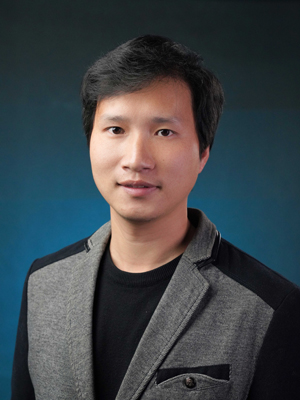 Jianbo Yuan (袁剑波)合作论文数University of Chinese Academy of Sciences;Institute of Oceanography, Chinese Academy of Sciences2
 Tianqi Chen (陈天麒)合作论文数Department of Information, Risk, and Operations Management, Red McCombs School of Business, University of Texas at Austin2
 Pengcheng He合作论文数Zoom2Bo Yu合作论文数2
 Jianwen Xie (谢建文)合作论文数Akool USA2
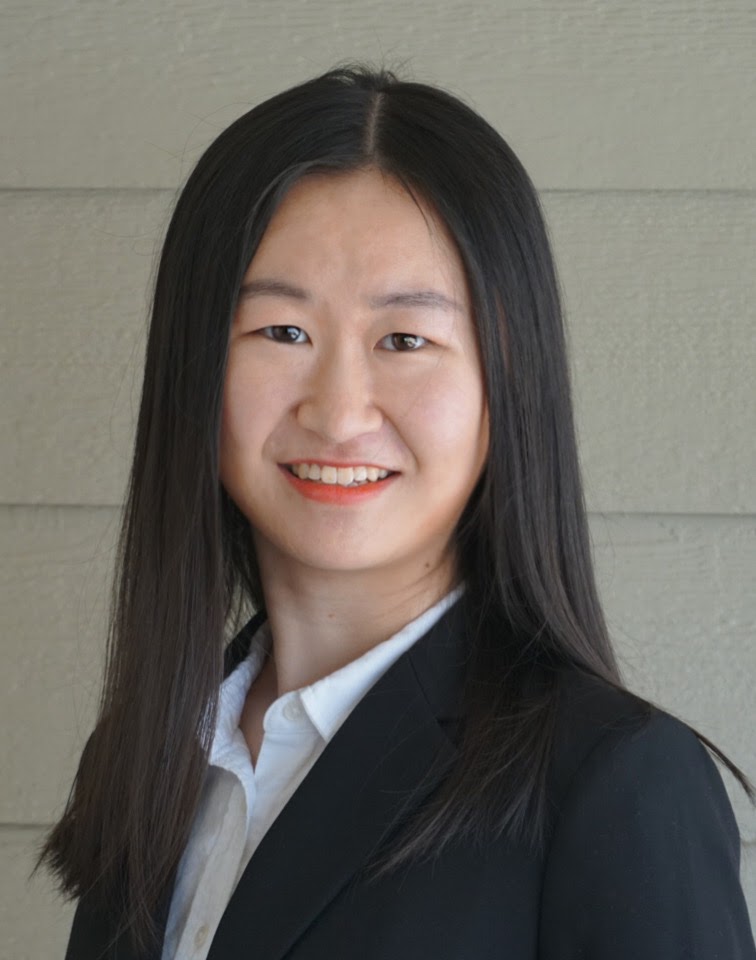 Yujia Xie (谢雨佳)合作论文数Georgia Institute of Technology2
 Zi-Hang Jiang合作论文数School of Biomedical Engineering, Suzhou Institute for Advanced Research, University of Science and Technology of China2
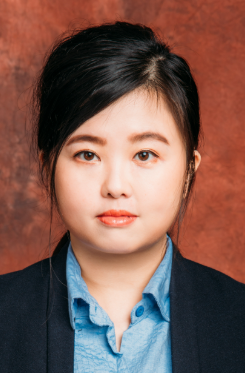 Jie Tang (唐洁)合作论文数School of Computer Science & Engineering, South China University of Technology2
 Hongxia Yang (杨红霞)合作论文数Department of Computing, Faculty of Computer and Mathematical Sciences, The Hong Kong Polytechnic University;InfiX.ai2
 Mingzhang Yin合作论文数Marketing Department, Warrington College of Business, University of Florida;Department of Statistics, Colege of Liberal Arts and Sciences, University of Florida2
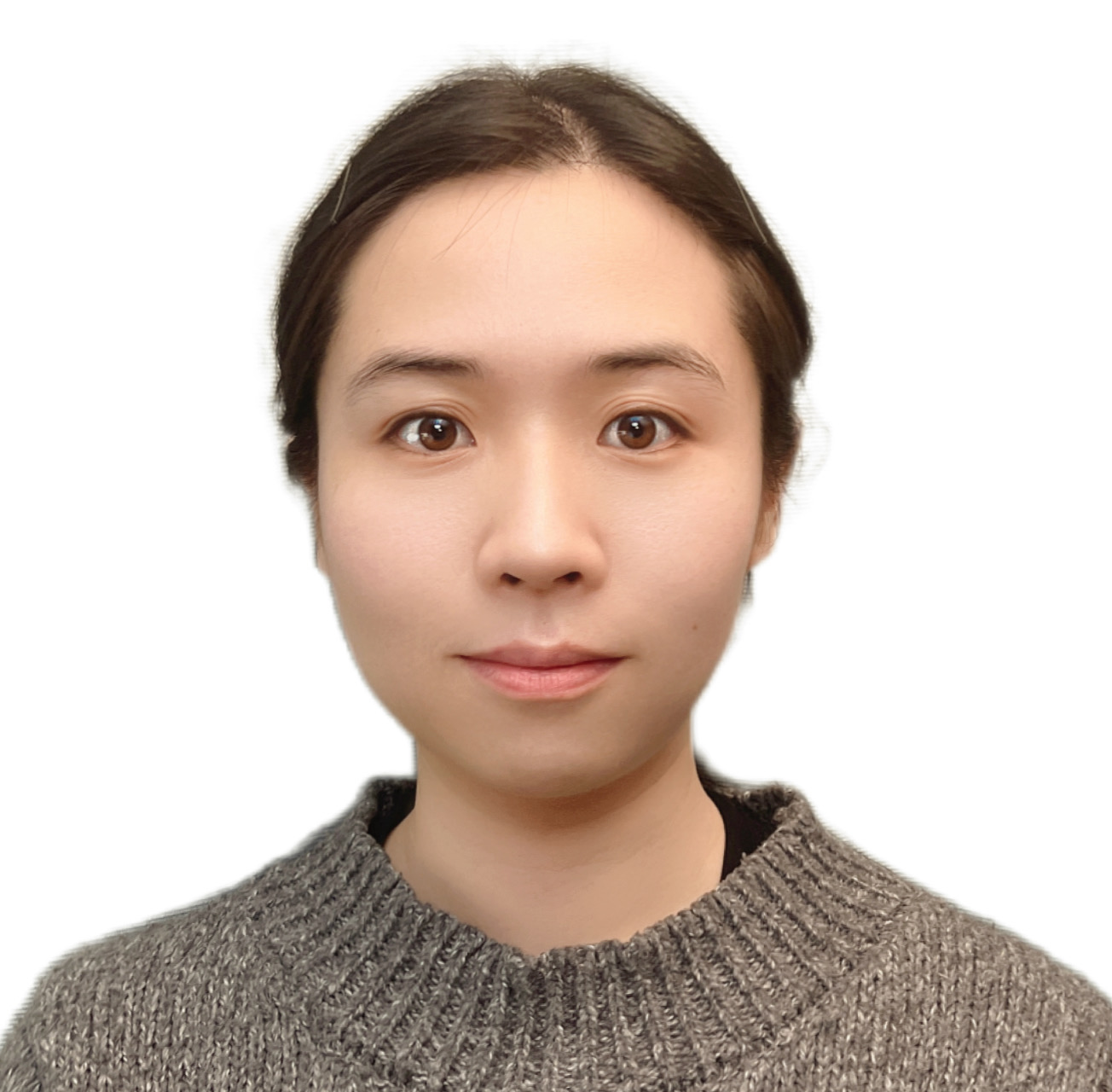 Linjie Li (李琳婕)合作论文数Microsoft Cloud & AI2
 Lijuan Wang合作论文数Microsoft2
 Kevin Lin (林可昀)合作论文数Microsoft Azure AI2
 Shouyi Yin (尹首一)合作论文数School of Integrated Circuits, Tsinghua University2
 Quanzeng You合作论文数ByteDance KeyBank Center2
 Zhengyuan Yang合作论文数Microsoft2Huan Zhang合作论文数1Yibin Wang合作论文数1Jingyan Shen合作论文数1Yi Gu合作论文数1
 Yifan Sun合作论文数University of Illinois at Urbana-Champaign1Zhenjia Xu合作论文数1
 Ruijiang Gao合作论文数Naveen Jindal School of Management, The University of Texas at Dallas1
 Can Jin合作论文数Department of Computer Science, School of Arts and Sciences, Rutgers, The State University of New Jersey;Adobe1
 Jinman Zhao合作论文数Department of Computer Science, University of Toronto1
 Yanting Yang合作论文数School of Software Technology, Zhejiang University1Zhenyu Shen合作论文数1Jim Fan合作论文数1




