While Large Language Models demonstrate immense potential as proactive Medical Agents, their real-world deployment is severely bottlenecked by data scarcity under privacy constraints. To overcome this, we propose State-Enhanced Logical-Skill Memory (SELSM), a training-free framework that distills simulated clinical trajectories into entity-agnostic operational rules within an abstract skill space. During inference, a Query-Anchored Two-Stage Retrieval mechanism dynamically fetches these entity-agnostic logical priors to guide the agent's step-by-step reasoning, effectively resolving the state polysemy problem. Evaluated on MedAgentBench – the only authoritative high-fidelity virtual EHR sandbox benchmarked with real clinical data – SELSM substantially elevates the zero-shot capabilities of locally deployable foundation models (30B–32B parameters). Notably, on the Qwen3-30B-A3B backbone, our framework completely eliminates task chain breakdowns to achieve a 100% completion rate, boosting the overall success rate by an absolute 22.67% and significantly outperforming existing memory-augmented baselines. This study demonstrates that equipping models with a dynamically updatable, state-enhanced cognitive scaffold is a privacy-preserving and computationally efficient pathway for local adaptation of AI agents to clinical information systems. While currently validated on FHIR-based EHR interactions as an initial step, the entity-agnostic design of SELSM provides a principled foundation toward broader clinical deployment.
Quantum Artificial Intelligence (QAI) has emerged at the nexus of quantum computing and AI, promising to redefine computational frontiers. This survey critically synthesizes the state-of-the-art through 2024, elucidating the profound bidirectional synergy between these fields. We analyze how classical machine learning is accelerating quantum hardware control, circuit optimization, and error correction. Conversely, we assess the potential quantum advantage of algorithms, including variational and kernel-based methods, across domains such as drug discovery, financial modeling, and cybersecurity. Our analysis reveals a critical trade-of between the utility of near-term Noisy Intermediate-Scale Quantum (NISQ) devices and the long-term promise of fault-tolerant architectures. We identify fundamental obstacles to QAI's advancement, including hardware decoherence, algorithmic barren plateaus, and data-encoding bottlenecks. While QAI's potential is transformative, achieving practical quantum advantage requires a concerted effort to overcome these core challenges at the hardware-software interface. This work provides a roadmap for navigating the current landscape and prioritizing future research in this rapidly evolving discipline.
In recent years, the advances of large language models and autonomous agents have revolutionized the healthcare field, facilitating diagnosis and improving treatment results. However, most existing AI systems rely on pre-trained knowledge and predefined pipelines, which struggle to learn dynamically from the interactive chat session history that contains patient outcomes and past failures. To address this limitation, we propose VIBEMed, a multi-agent framework with a built-in self-evolution mechanism and architecture-level safety sandbox for robust clinical decision support. The system integrates three specialized agents, including a Clinical Diagnostic Agent (CDA) for hypothesis generation, a Therapeutic Execution Agent (TEA) for treatment planning, and a Clinical Evolution Manager Agent (CEMA) that distills longitudinal clinical feedback into reusable knowledge, transforming multimodal patient information into personalized medical decisions. Through self-evolution mechanism, the framework enables iterative updates across memory, model behavior, and decision strategies, allowing the system to improve over time. Experimental results show that VIBEMed demonstrates superior performance through its evolving mechanism in complex clinical cases, particularly in tasks that require integrated decision-making and longitudinal planning. The framework also supports reliable end-to-end decisions in challenging scenarios such as oncology treatment planning, highlighting its feasibility in real-world clinical contexts. Overall, VIBEMed provides a practical path beyond static AI systems toward adaptive, experience-driven clinical decision support, demonstrating the value of combining multi-agent collaboration with continuous evolution for advancing precision medicine.
Distinguishing causal relationships from statistical correlations remains a fundamental challenge in clinical research, limiting the translation of observational findings into interventional treatment guidelines. Here we investigate whether causal machine learning can be used to explore estimated causal effects of radiation dose parameters on mandibular osteoradionecrosis (ORN), using a case study of 931 head and neck cancer patients treated with volumetric-modulated arc therapy. Using generalized random forests, all examined dosimetric factors showed positive estimated causal effects on ORN development (average treatment effects: 0.092–0.141). Integration with explainable machine learning suggested substantial treatment effect heterogeneity, with the largest estimated conditional average treatment effects observed in patients aged 50-60 years and smaller estimates in patients over 70 years. These results suggest that causal machine learning can help quantify dose-related effects and explore heterogeneity across patient characteristics. More broadly, this work provides a methodological framework for toxicity studies in oncology and other clinical settings where complex dose–response relationships warrant further prospective validation.
BACKGROUND AND AIMS:Osteoradionecrosis (ORN) of the mandible is one of the most severe adverse events (AEs) for head and neck (H&N) cancer radiotherapy. Previous retrospective investigations on real-world data relied heavily on conventional statistical models that primarily elucidate correlation rather than establishing causal relationships. Through the novel causal machine learning method, we aim to obtain empirical relative biological effectiveness (RBE) for mandible ORN in head and neck (H&N) cancer patients treated with pencil-beam-scanning proton therapy (PBSPT). METHODS:1,266 H&N cancer patients were included: 335 patients treated by PBSPT and 931 patients treated by volumetric-modulated arc therapy (VMAT). We used 1:1 propensity-score case matching to minimize imbalance in clinical factors between patients treated with PBSPT and VMAT. Standardized mean differences (SMDs) were used to assess residual clinical-factor imbalance within the case-matched cohorts. Causal forest (CF) was adopted to investigate the causal effects between dosimetric factors and the incidence of ORN. For each modality and each prespecified DVH index, candidate dose-volume thresholds were evaluated systematically, and the volume threshold yielding the largest CF-estimated average treatment effect (ATE) was selected as the DVC volume threshold. Empirical RBE values were derived from equal-volume intersections on modality-specific volume-tolerance curves after converting PBSPT Gy[RBE] values to physical dose. RESULTS:335 VMAT patients were case-matched to 335 PBSPT patients; however, standardized mean bias analysis revealed persistent covariate imbalances within each group, indicating residual confounding influence. Using CF modeling, we identified candidate DVC volume thresholds for mandibular ORN and found that PBSPT had lower selected DVC volume thresholds than VMAT. The threshold-stability analyses supported the robustness of the DVC thresholds emphasized in the empirical RBE analysis. The resulting empirical RBE exceeded 1.1 in the moderate dose range (1.61 at 40 Gy[RBE], 1.30 at 50 Gy[RBE], and 1.13 at 60 Gy[RBE]). CONCLUSION:This study presents a novel application of causal machine learning to evaluate mandibular ORN in radiotherapy, identifying candidate DVC volume thresholds linked to the strongest threshold-defined causal effects and deriving empirical RBEs from equal-volume equivalent constraint dose analysis based on volume-tolerance curves. The results indicate that proton RBE may exceed 1.1 in the moderate dose range (40-60 Gy[RBE]), underscoring the importance of considering endpoint-specific variable RBE in PBSPT treatment planning. These CF-identified DVC volume thresholds should be interpreted as hypothesis-generating risk regions rather than definitive clinical cutoffs, pending independent prospective validation.
Autonomous AI agent platforms differ substantially in architecture, security, tool integration, execution, autonomy, and deployment, yet the field lacks a common classification scheme for comparing these design choices. We propose ASTELD, an operational six-axis classification framework for autonomous AI agents: Architecture pattern, Security posture, Tool integration model, Execution paradigm, Level of autonomy and human control, and Deployment topology. ASTELD is constructed by synthesizing prior agent taxonomies with observable platform properties and explicit category-assignment rules. We evaluate its discriminative and explanatory utility by mapping eight representative frameworks and by using OpenClaw as an in-depth case study. The resulting profiles separate all eight platforms under their dominant configurations and reveal three cross-platform patterns: a security-accessibility diagonal, strong execution-architecture coupling, and capability convergence with persistent architectural differentiation. We further classify 50+ OpenClaw derivatives and find that innovation concentrates on the Security, Execution, and Deployment axes, indicating that ASTELD can explain where ecosystem fragmentation occurs. The OpenClaw case study also supplies a six-category vulnerability taxonomy, evidence from five institutional assessments, and adoption and governance analyses that connect platform coordinates to observed risks. These results position ASTELD as a reproducible method for comparing agent platforms, identifying unoccupied design regions, guiding framework selection, and organizing future empirical research. The analysis also exposes a consequential empty region: none of the evaluated systems combines local-first deployment with enterprise-grade security.
World models, internal simulators that learn the structure and dynamics of an environment, have emerged as a central paradigm in the pursuit of artificial general intelligence, enabling agents to predict, plan, and reason within learned representations. Despite rapid progress across reinforcement learning, robotics, autonomous driving, and video generation, the field lacks a unified framework integrating its diverse architectural choices, training methods, reasoning mechanisms, and application settings. This survey addresses that gap with a multi-axis taxonomy organized along four dimensions: (i) architecture, encompassing representation format, dynamics formulation, input modality, learning paradigm, and downstream application; (ii) methodological family, including state-space and recurrent approaches, transformer-based models, diffusion-based generators, physics-informed networks, and language-augmented multimodal systems; (iii) reasoning strategy, covering imagination-based planning, latent policy learning, counterfactual reasoning, and planning under uncertainty; and (iv) application domain, spanning robotics, autonomous driving, video prediction, multimodal agents, reinforcement learning, scientific modeling, medical imaging, educational measurement, and business and finance. Tracing the field from early cognitive-science foundations to milestone systems such as PlaNet, the Dreamer family, MuZero, Sora, Cosmos, and Genie, we examine how these dimensions interact and highlight the recent convergence of chain-of-thought reasoning with world-model imagination. We review evaluation protocols and benchmarks, identify persistent challenges such as compounding prediction errors, sim-to-real transfer, and fragmented evaluation, and outline future directions toward unified multimodal world models, foundation-scale interactive simulators, and safe deployment in safety-critical domains.
Predicting the risk of Alzheimer's disease (AD) is fundamental for early-stage intervention. Nevertheless, most methods struggle to extract multi-omics associative patterns due to the limited feature perception and inflexible disease modeling. This paper proposes a novel evolutionary pattern mining framework for precise disease risk prediction. Firstly, large foundational models are employed to automatically construct high-quality features. Second, a perceptual deformable attention mathematical model is proposed, which combines multi-scale sparse attention and deformable attention mechanisms to capture evolutionary patterns of fused multi-omics features. Finally, a Perceptual Deformable Attention Generative Adversarial Network (PDAT-GAN) is developed. PDAT-GAN can precisely simulate the evolutionary procedure of AD using multi-omics data, thereby achieving robust risk prediction and pathogeny extraction for AD. We validate the advanced performance and interpretability of PDAT-GAN on public datasets, underscoring significance of PDAT-GAN in supporting clinical intervention and pathogenetic research. The code of PDAT-GAN can be accessed at: .
The rapid advances in Large Language Models (LLMs) have the potential to transform the manufacturing industry by optimizing processes, enhancing efficiency, and enabling innovation at an unprecedented scale. This paper presents a comprehensive study of LLM integration into the manufacturing domain, highlighting their ability to automate and enhance key tasks across the product lifecycle—including product design, quality control, supply chain management, and talent development. We introduce a systematic taxonomy of LLM applications aligned with manufacturing stages, and evaluate the performance of state-of-the-art models (e.g., GPT-4V) in tasks such as document analysis, code generation, design automation, and multimodal reasoning. Our study further explores the use of LLMs in manufacturing education, robotics programming, and the industrial metaverse, supported by real-world case studies and visual frameworks. Key contributions of this work include: (1) a task-aligned framework that bridges LLM capabilities with domain-specific manufacturing challenges, (2) in-depth comparative evaluations with traditional approaches, and (3) a critical discussion of limitations, deployment challenges, and future research directions. By consolidating emerging use cases and practical insights, this paper serves as a foundational reference for researchers and practitioners aiming to harness LLMs for next-generation intelligent manufacturing.
BACKGROUND:Accurate and efficient dose calculation is essential for online adaptive planning in proton therapy. Deep learning (DL) has shown promising dose prediction results for pencil beam scanning proton therapy (PBSPT) in recent years, but existing DL-based dose prediction methods still suffer from limited generalizability and an inability to effectively handle outlier clinical cases. This may lead to inaccurate dose delivery to targets or excessive irradiation to organs at risk (OARs), thereby compromising the safety and efficacy of online adaptive proton therapy. PURPOSE:To design a physics-aware and generalizable AI-based PBSPT dose prediction method that incorporates underlying physics to enhance generalizability, particularly in handling outlier clinical cases. METHODS:This study analyzed PBSPT plans of 103 prostate (93 for training and 10 for testing) and 78 lung cancer patients (68 for training and 10 for testing) from our institution, with each case comprising CT images and structure sets. Using the doses generated by our Monte Carlo-based dose engine as the reference standard, we compared three methods: the region of interest (ROI)-based method, the beam mask and sliding window method, and the proposed noisy probing dose method, which rapidly generates a low-statistics dose via uniformly weighted spots on an expanded spot-placement target volume without optimization. To evaluate the generalizability of these methods to rare treatment planning scenarios, 12 cases with uncommon beam angles or prescription doses were used to assess their performance, which was evaluated using dose-volume histogram (DVH) indices, 3D Gamma passing rates (3%/2 mm/10%), and Dice coefficients for dose agreement, while prediction times were measured to gauge model efficiency. RESULTS:The proposed noisy probing dose method consistently outperformed the ROI-based and beam mask baselines across all evaluated metrics, with more accurate dose agreement and superior generalizability. For DVH indices, the noisy probing dose method achieved the smallest deviation in clinical target volume (CTV) dose coverage: in prostate cancer, CTV D98 deviation was reduced by 45% (from 0.53 ± 0.22 Gy [RBE] for ROI-based) and 29% (from 0.41 ± 0.28 Gy [RBE] for beam mask) to 0.29 ± 0.06 Gy [RBE]; in lung cancer, similar improvements were observed, with CTV D98 deviations reduced to 0.34 ± 0.12 Gy [RBE]. The 3D Gamma passing rates improved to 99.65% ± 1.15% for prostate targets and 97.04% ± 1.17% for lung targets. The dice coefficients of the 90% iso-dose lines were also the highest with the noisy probing dose method (prostate: 0.983 ± 0.005; lung: 0.967 ± 0.01). For the 12 outlier cases, the noisy probing dose method maintained superior generalizability, yielding higher 3D Gamma passing rates (prostate targets: 96.79% ± 0.83%, OARs: 94.29% ± 1.01%; lung targets: 93.38% ± 1.34%, OARs: 93.95% ± 1.32%), demonstrating robust generalizability to rare clinical scenarios. The dose predictions for all testing cases were completed within 0.3 seconds. CONCLUSIONS:A novel noisy probing dose method was proposed for PBSPT dose prediction in prostate and lung cancer patients. By embedding more proton-specific physics, this method demonstrated an improvement in the generalizability of dose prediction.
Achieving clinical level performance and widespread deployment for generating radiology impressions encounters a giant challenge for conventional artificial intelligence models tailored to specific diseases and organs. Concurrent with the increasing accessibility of radiology reports and advancements in modern general AI techniques, the emergence and potential of deployable radiology AI exploration have been bolstered. Here, we present ChatRadio-Valuer, the first general radiology diagnosis large language model for localized deployment within hospitals and being close to clinical use for multi-institution and multi-system diseases. ChatRadio-Valuer achieved 15 state-of-the-art results across five human systems and six institutions in clinical-level events (n=332,673) through rigorous and full-spectrum assessment, including engineering metrics, clinical validation, and efficiency evaluation. Notably, it exceeded OpenAI's GPT-3.5 and GPT-4 models, achieving superior performance in comprehensive disease diagnosis compared to the average level of radiology experts. Besides, ChatRadio-Valuer supports zero-shot transfer learning, greatly boosting its effectiveness as a radiology assistant, while ensuring adherence to privacy standards and being readily utilized for large-scale patient populations. Our expeditions suggest the development of localized LLMs would become an imperative avenue in hospital applications.
Large language models (LLMs) have emerged as transformative tools in medicine, with strong capabilities in language understanding, reasoning, and structured information extraction. Radiation oncology is particularly well suited for LLM integration due to its data-intensive workflows, reliance on structured guidelines, and documentation burden. This review summarizes recent applications, including domain-specific fine-tuning for decision support, automated nomenclature standardization, registry curation using autonomous LLM agents, and protocol-aware radiotherapy plan evaluation using modular retrieval-augmented generation (RAG). Additional applications include patient safety analysis through incident classification and root cause analysis, electronic health record (EHR)-integrated communication, CT simulation order summarization, daily readiness briefings, and patient education systems. Emerging multimodal approaches enable context-aware contouring, while early studies show LLMs can assist treatment planning by interpreting dosimetric feedback. Together, these advances highlight a shift toward clinically grounded, auditable, and workflow-integrated AI systems that enhance efficiency, safety, and patient engagement.
Due to its unique orbital angular momentum property, vortex light induces the angular Doppler effect when interacting with rotating objects-this provides a method for detecting the rotational speed of rotating objects. Beyond rotational speed, the rotation vector of an object also includes the direction of rotation. Simultaneously detecting these two rotational elements is conducive to describing the complete motion characteristics of rotating objects and holds significant research value in fields such as motion perception and path planning. At the current stage, most of the research on rotating target detection based on vortex beams focuses on the polarization demodulation of light under collimated illumination conditions. This paper proposes a method for the simultaneous detection of the rotational speed and direction of a target based on rotating vortex light. By using a rotating vortex beam as the light source, the method achieves the accurate extraction of the target's rotational speed and the identification of its rotational direction simultaneously through frequency shift analysis under various conditions, such as collimated incidence and offset incidence. The effectiveness of this scheme is verified in experiments. This study provides a new idea for rotating vortex light detection and offers a methodological reference for the multidimensional detection of moving objects.
Large language models (LLMs) have emerged as powerful tools for medical information retrieval, yet their accuracy and depth remain limited in specialized domains such as Alzheimer's disease (AD), a growing global health challenge. To address this gap, we introduce AD-GPT, a domain-specific generative pre-trained transformer designed to enhance the retrieval and analysis of AD-related genetic and neurobiological information. AD-GPT integrates diverse biomedical data sources, including potential AD-associated genes, molecular genetic information, and key gene variants linked to brain regions. We develop a stacked LLM architecture combining Llama3 and BERT, optimized for four critical tasks in AD research: (1) genetic information retrieval, (2) gene-brain region relationship assessment, (3) gene-AD relationship analysis, and (4) brain region-AD relationship mapping. Comparative evaluations against state-of-the-art LLMs demonstrate AD-GPT's superior precision and reliability across these tasks, underscoring its potential as a robust and specialized AI tool for advancing AD research and biomarker discovery.
Vision–language models (VLMs) process images as visual tokens, yet their intermediate reasoning is often carried out in text, which can be suboptimal for visually grounded radiology tasks. Radiologists instead diagnose via sequential visual search; eye-tracking captures this process as time-ordered gaze trajectories that reveal how evidence is acquired over time. We use eye-gaze as supervision to guide VLM reasoning by introducing a small set of dedicated gaze tokens. These tokens are trained to predict gaze-selected image patch indices in temporal order, encouraging the model to follow human-like evidence acquisition and integration. Experiments on MIMIC-EYE and multiple external zero-shot benchmarks show consistent gains over baselines, achieving state-of-the-art in-domain performance and improved out-of-domain robustness. These results highlight temporally ordered gaze as an effective supervision signal for learning visually grounded medical reasoning.
Vortex beams carrying orbital angular momentum (OAM) possess infinite-dimensional orthogonal eigenstates, rendering them exceptionally valuable for optical communication and information transmission applications. However, the sorting and recognition of OAM encounter formidable challenges in practical scenarios, especially when propagating through dynamic scattering media. Mode mixing and decoherence induced by time-varying perturbations severely restrict the effective exploitation of OAM. Traditional studies have predominantly focused on the interaction between vortex beams and static scattering media. Even for dynamic scattering media, existing investigations generally rely on synchronous speckle acquisition or deep learning for information retrieval, which inevitably results in complex system configurations or prohibitive computational overheads. To address these issues, this paper proposes an OAM sorting and recognition method for randomly rotating scattering media. By integrating the angularly averaged intensity cross-correlation function with a normalized cross-correlation screening (NCCS) algorithm, we establish a mapping relationship between the topological charge difference and the characteristic features of the cross-correlation ring (CCR). Furthermore, complete sorting and recognition of OAM modes are realized through the dual-reference perfect vortex beam (DRPVB) approach. Experimental results demonstrate that our method successfully overcomes the technical limitations of conventional synchronous speckle acquisition, enabling OAM sorting and recognition under randomly rotating media conditions and thus facilitating the practical application of vortex beams in optical communication and information processing applications.
American college applications require students to navigate fragmented admissions policies, repetitive and conditional forms, and ambiguous questions that often demand cross-referencing multiple sources. We present EZCollegeApp, a large language model (LLM)-powered system that assists high-school students by structuring application forms, grounding suggested answers in authoritative admissions documents, and maintaining full human control over final responses. The system introduces a mapping-first paradigm that separates form understanding from answer generation, enabling consistent reasoning across heterogeneous application portals. EZCollegeApp integrates document ingestion from official admissions websites, retrieval-augmented question answering, and a human-in-the-loop chatbot interface that presents suggestions alongside application fields without automated submission. We describe the system architecture, data pipeline, internal representations, security and privacy measures, and evaluation through automated testing and human quality assessment. Our source code is released on GitHub (https://github.com/ezcollegeapp-public/ezcollegeapp-public) to facilitate the broader impact of this work.
Vision-language models (VLMs) are promising for medical image classification but still face generalization limits from visual encoders and cross-site distribution shift. Fully quantum VLMs could offer richer representations, yet NISQ hardware makes end-to-end quantum training impractical. We introduce MEDQUA, a NISQ-aware quantum adapter that attaches to a pretrained VLM decoder. An entropydriven router sparsely selects tokens for a shallow variational quantum bottleneck, while a lightweight LoRA-based classical path processes all tokens to ensure stability and low cost. On MIMIC-CXR and ChestMNIST, MEDQUA consistently improves accuracy and AUROC over classical VLM baselines (including SFT) with modest overhead, showing that adaptively integrated quantum modules already yield practical gains. As coherence, error rates, and compilation advance, the same adapter can scale to deeper circuits and larger qubit counts without redesigning the classical backbone, providing a pragmatic route to quantum-enhanced medical VLMs.
 Tianming Liu合作论文数Department of Computer Science, School of Computing, University of Georgia126
 Zihao Wu (吴子豪)合作论文数School of Computing, University of Georgia77
 Xiang Li合作论文数Department of Radiology, Massachusetts General Hospital;Department of Radiology, Harvard Medical School63
 Dajiang Zhu合作论文数Department of Computer Science and Engineering, University of Texas at Arlington55
 Wei Liu合作论文数Department of Radiation Oncology, Mayo Clinic;Division of Medical Physics, Mayo Clinic49
 Yiwei Li合作论文数47
 Quanzheng Li合作论文数Harvard Medical School;Center for Advanced Medical Computing and Analysis;Massachusetts General Hospital38
 Yuan Ren合作论文数37
 Haixing Dai合作论文数Department of Computer Science, University of Georgia, Athens, GA 30602, USA.37
 Lin Zhao (赵林)合作论文数School of Computer Science and Engineering, Nanjing University of Science & Technology36
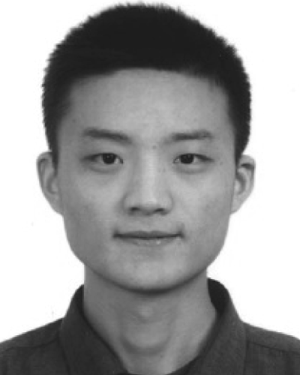 Tong Liu合作论文数35Peng Shu合作论文数29Yi Pan (潘毅)合作论文数29
 Dinggang Shen (沈定刚)合作论文数School of Biomedical Engineering, ShanghaiTech University;Image Display, Enhancement and Analysis Lab, ShanghaiTech University24
 Jason Holmes合作论文数23Hanqi Jiang合作论文数23Shaochen Xu合作论文数21
 Lu Zhang (张璐)合作论文数Department of Computer Science, Luddy School of Informatics, Computing, and Engineering, Indiana University Indianapolis20
 Xi Jiang (蒋希)合作论文数School of Life Science and Technology, University of Electronic Science and Technology of China19
 Tuo Zhang (张拓)合作论文数School of Automation, Northwestern Polytechnical University19
 Ninghao Liu (刘宁昊)合作论文数Department of Computing, Faculty of Computer and Mathematical Sciences, The Hong Kong Polytechnic University19Lian Zhang合作论文数18Chong Ma合作论文数18
 Bao Ge (葛宝)合作论文数School of Physics & Information Technology, Shaanxi Normal University18
 Song Qiu合作论文数17Huaqin Zhao合作论文数15Tianyang Zhong合作论文数15
 Shu Zhang (张枢)合作论文数School of Computer Science, Northwestern Polytechnical University14
 Lichao Sun合作论文数Lehigh University;Mayo Clinc14Xiaowei Yu合作论文数13
 Xintao Hu (胡新韬)合作论文数School of Automation, Northwestern Polytechnical University13
 Jun Liu (刘军)合作论文数中南大学湘雅第二医院13
 Sheng Li合作论文数School of Data Science, University of Virginia;Oracle13Junhao Chen合作论文数12
 Yiheng Liu合作论文数12
 Wei Zhang合作论文数Department of Radiology and Biomedical Imaging, University of California at San Francisco12You Ding合作论文数12Peilong Wang合作论文数11Hongying Feng (冯虹瑛)合作论文数Department of Radiation Oncology, Mayo Clinic11Yanjun Lyu合作论文数10Xiangyang Zhu合作论文数10
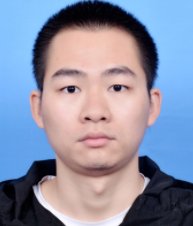 Wenxiong Liao合作论文数Guangdong Univ Technol, Sch Comp, Guangzhou 510006, Peoples R China10
 Shijie Zhao (赵世杰)合作论文数School of Automation, Northwestern Polytechnical University10Yutong Zhang合作论文数9
 Ning Qiang (强宁)合作论文数School of Physics & Information Technology, Shaanxi Normal University9
 Hongmin Cai (蔡宏民)合作论文数School of Computer Science and Engineering, South China University of Technology9
 Xiaoming Zhai合作论文数Univ Georgia, Dept Math & Sci Educ, Athens, GA 30602 USA8
 Huan Zhao (赵欢)合作论文数College of Computer Science and Electronic Engineering, Hunan University8
 Gengchen Mai (买庚辰)合作论文数Computational Urban Science;Department of Geography, University of Georgia8




