Protein–protein interactions (PPIs) play a crucial role in enabling proteins to carry out their functions within various biological processes (Hui et al., 2003). Since the introduction of the yeast two-hybrid (Y2H) method for PPI detection in 1989 (Fields and Song, 1989), the identification of PPIs has become a significant focus in modern biological research. PPI goes beyond examining individual proteins, allowing researchers to establish a comprehensive network that regulates biological processes. Rice, as a key model organism in plant biological studies, has been at the forefront of PPI research. In 2008, prominent rice scientists in China called for concerted efforts to define a comprehensive protein–protein interaction network experimentally, which aimed to facilitate the prediction of the functional mechanisms operating throughout a plant’s lifecycle (Zhang et al., 2008). With efforts for 2 decades, the experimentally identified rice PPIs have reached over ten thousand. Several public databases have been established to systematically collate and store PPIs, including STRING (Szklarczyk et al., 2019), BioGRID (Oughtred et al., 2020), IntAct (del Toro et al., 2022), PRIN (Gu et al., 2011), RicePPINet (Liu et al., 2017) and RiceNet v2 (Lee et al., 2015). However, most PPI datasets in rice stem from computational predictions, while experiment-based rice PPI datasets are fragmented due to the lack of systematic profiling at the rice PPIome level, which largely hinders information sharing in the rice research community. To bridge this gap, we constructed the Port of Protein-Protein Interactomes (POPPIN; https://riceome.hzau.edu.cn/poppin/ ), an integrated database dedicated to sharing experimentally verified PPIs and functional clues in rice. Empowered by high-throughput PPIome profiling technologies and text mining assisted by a large language model (Huang et al., 2025; Liu et al., 2025), POPPIN currently has deposited over 150,451 pieces of rice PPI-related information. Additionally, POPPIN provides detailed protein information, including GO annotations, subcellular localizations, domains, trait ontology (TO) information, and hyperlinks to external biological databases. Through offering a user-friendly web interface for search and dynamic network visualization, POPPIN serves as the first large-scale, experiment-based database for searchable PPIs in rice, and has the potential to be extended to other species under this structural framework.
Transcriptional regulation of cold-responsive genes plays crucial roles in plant cold tolerance, but the transcription factors (TFs)-centered regulatory networks remain largely unclear. In this study, we show that Monoculm1 (MOC1), a critical TF controlling tiller number and plant height in rice, positively regulates rice cold tolerance at the seedling stage. We found that OsMPK4, a mitogen-activated protein kinase, phosphorylates and stabilizes MOC1 under cold stress. Further investigations revealed that MOC1 recruits the TFs OsbZIP79 and OsNAC5 to form a triple complex and subsequently enhances their stability by inhibiting proteasome-mediated degradation under cold stress. Notably, we found that the OsbZIP79-MOC1-OsNAC5 complex activates several cold-responsive genes, including Dehydration-responsive element-binding factor 1G (OsDREB1G), to confer rice cold tolerance. Haplotype analysis of the OsDREB1G promoter in > 10,000 rice accessions identified the favorable haplotype and key variants that endow rice cold tolerance. Collectively, our work demonstrates a pivotal role of the OsMPK4-OsbZIP79-MOC1-OsNAC5-OsDREB1G module in regulating rice cold tolerance and provides genetic targets for improving cold tolerance through molecular breeding.
Rice seed germination marks the start of cultivation and influences subsequent seedling growth, and is affected by hormones and environmental factors. Ubiquitination plays a critical role in this process by regulating hormonal homeostasis. In the ubiquitination cascade, ubiquitin-conjugating enzymes (UBCs) function as ubiquitin carriers to determine linkage specificity of ubiquitin chains. In rice (Oryza sativa), 39 UBC genes are identified, but only one gene OsUBC12 has been functionally studied to promote seed germination under low-temperatures in japonica rice. To elucidate the role of UBCs in seed germination, we generated CRISPR-Cas9 mutants for 23 UBC genes and overexpressed 20 members in rice. Among them, seven UBC genes (OsUBC4/6/7/12/25/27/48) were found to regulate seed germination, with OsUBC27 and OsUBC48 acting through the ABA pathway. Exogenous ABA inhibitors restored the germination rate of osubc27CR. RT-qPCR analysis revealed that the ABA synthesis genes OsNCED1-5 were significantly upregulated in the mutants. Further differential ubiquitination proteomics in knockout mutants and wild-type plants showed that OsUBC27 regulates ABA homeostasis by modulating ubiquitination of the ABA-degrading protein OsABA8ox1, thereby balancing seed dormancy and germination. Sequence analysis identified distinct haplotypes of the seven OsUBCs that showed differential distribution between japonica and indica subspecies. Our study provides valuable molecular targets for developing rice varieties resistant to seed vivipary.
As a master regulator of seed development, Leafy Cotyledon 1 (LEC1) promotes chlorophyll (Chl) biosynthesis in Arabidopsis , but the mechanism underlying this remains poorly understood. Here, we found that loss of function of OsNF-YB7 , a LEC1 homolog of rice, leads to chlorophyllous embryo, indicating that OsNF-YB7 plays an opposite role in Chl biosynthesis in rice compared with that in Arabidopsis . OsNF-YB7 regulates the expression of a group of genes responsible for Chl biosynthesis and photosynthesis by directly binding to their promoters. In addition, OsNF-YB7 interacts with Golden 2-Like 1 (OsGLK1) to inhibit the transactivation activity of OsGLK1, a key regulator of Chl biosynthesis. Moreover, OsNF-YB7 can directly repress OsGLK1 expression by recognizing its promoter in vivo, indicating the involvement of OsNF-YB7 in multiple regulatory layers of Chl biosynthesis in rice embryo. We propose that OsNF-YB7 functions as a transcriptional repressor to regulate Chl biosynthesis in rice embryo.
Seed dormancy, an essential trait for plant adaptation, is determined by the embryo itself and the surrounding tissues. Here, we found that rice (Oryza sativa) FERTILIZATION-INDEPENDENT ENDOSPERM1 (OsFIE1) regulates endosperm-imposed dormancy and the dorsal aleurone thickness in a manner dependent on the parent of origin. Maternally expressed OsFIE1 suppresses gibberellin (GA) biosynthesis in the endosperm by depositing trimethylation of lysine 27 on histone H3 (H3K27me3) marks on GA biosynthesis-related genes, thus inhibiting germination and aleurone differentiation. Knockout of rice GA 20-oxidase1 (OsGA20ox1) alleviated the phenotypic defects in osfie1. The aleurone-positive determinant Crinkly 4 (OsCR4) is another target of the OsFIE1-containing Polycomb repressive complex 2 (PRC2). We found that OsFIE1 plays an important role in genomic imprinting in the endosperm of germinating seeds, particularly for paternally expressed genes associated with H3K27me3. The increased aleurone thickness of osfie1 substantially improved grain nutritional quality, indicating that the osfie1 gene may be utilized for breeding nutrient-enriched rice. The findings provide insights into the essential roles of PRC2-mediated H3K27me3 methylation in the acquisition of seed dormancy and endosperm cell differentiation in rice.
Occidiofungin is a highly effective antifungal glycopeptide produced by certain Burkholderia strains. The ocf gene cluster, responsible for occidiofungin biosynthesis, is regulated by the cluster-specific regulators encoded by an ambR homolog(s) within the same gene cluster, while the extent to which occidiofungin biosynthesis is connected with the core regulation network remains unknown. Here, we report that the LysR-type regulator BysR acts as a pleiotropic regulator and is essential for occidiofungin biosynthesis. Magnaporthe oryzae was used as an antifungal target in this study, and deletion of bysR and ocfE abolished the antagonistic activity against M. oryzae in Burkholderia sp. strain JP2-270. The ΔbysR defect can be recovered by constitutively expressing bysR or ambR1, but not ambR2. Electrophoretic mobility shift assays (EMSAs) collectively showed that BysR regulates ambR1 by directly binding to its promoter region. In addition, transcriptomic analysis revealed altered expression of 350 genes in response to bysR deletion, and the genes engaged in flagellar assembly and bacterial chemotaxis constitute the most enriched pathways. Also, 400 putative BysR-targeted loci were identified by DNA affinity purification sequencing (DAP-seq) in JP2-270. These loci include not only genes engaged in key metabolic pathways but also those involved in secondary metabolic pathways. To conclude, the occidiofungin produced by JP2-270 is the main substance inhibiting M. oryzae, and BysR controls occidiofungin production by directly targeting ambR1, an intracluster transcriptional regulatory gene that further activates the transcription of the ocf gene cluster. IMPORTANCE We report for the first time that occidiofungin production is regulated by the global transcriptional factor BysR, by directly targeting the specific regulator ambR1, which further promotes the transcription of ocf genes. BysR also acts as a pleiotropic regulator that controls various cellular processes in Burkholderia sp. strain JP2-270. This study provides insight into the regulatory mechanism of occidiofungin synthesis and enhances our understanding of the regulatory patterns of the LysR-type regulator.
Xanthomonas oryzae pv. oryzae (Xoo) is a causative agent of rice bacterial blight (BB). In 2020–2022, BB re-emerged, and there was a break out in the Yangtze River area, China. The pandemic Xoo strain, LA20, was isolated and identified from cultivar Quanyou1606 and demonstrated to be the Chinese R9 Xoo strain, which is able to override the widely adopted xa5-, Xa7- and xa13-mediated resistance in rice varieties in Yangtze River. Here, we report the complete genome of LA20 by PacBio and Illumina sequencing. The assembled genome consists of one circular chromosome of 4,960,087 bp, sharing 99.65% sequence identity with the traditional representative strain, YC11 (R5), in the Yangtze River. Comparative genome analysis of LA20 and YC11 revealed the obvious variability in Tal genes (the uppermost virulence determinants) in numbers and sequences. Particularly, six Tal genes were only found in LA20, but not in YC11, among which Tal1b (pthXo1)/Tal4 (pthXo6), along with the lost one, pthXo3 (avrXa7), might be the major factors for LA20 to overcome xa5-, Xa7- and xa13-mediated resistance, thus, leading to the resurgence of BB. This complete genome of the new pandemic Xoo strain will provide novel insights into pathogen evolution, the traits of pathogenicity on genomic level and the epidemic disease status in China.
The basic region/leucine zipper (bZIP) transcription factors play important roles in plant development and responses to abiotic and biotic stresses. OsbZIP53 regulates resistance to Magnaporthe oryzae in rice by analyzing APIP5-RNAi transgenic plants. To further investigate the biological functions of OsbZIP53, we generated osbzip53 mutants using CRISPR/Cas9 editing and also constructed OsbZIP53 over-expression transgenic plants. Comprehensive analysis of phenotypical, physiological, and transcriptional data showed that knocking-out OsbZIP53 not only improved disease resistance by inducing a hypersensitivity response in plants, but also regulated the immune response through the salicylic acid pathway. Specifically, disrupting OsbZIP53 increased H2O2 accumulation by promoting reactive oxygen species generation through up-regulation of several respiratory burst oxidase homologs (Osrboh genes) and weakened H2O2 degradation by directly targeting OsMYBS1. In addition, the growth of osbzip53 mutants was seriously impaired, while OsbZIP53 over-expression lines displayed a similar phenotype to the wild type, suggesting that OsbZIP53 has a balancing effect on rice immune response and growth.
Nuclear factor Y (NF-Y), a group of conserved transcription-factor complexes that consist of NF-YA, B, and C subunits, is essential for developmental regulation and for responses to environmental changes in eukaryotes. We previously found that some NF-Y genes, such as OsNF-YA8, were expressed specifically in the endosperm of rice. In the present study, overexpression of OsNF-YA8 in rice resulted in reduced plant height due to suppressed cell elongation in internodes. Gibberellin (GA) biosynthetic genes, including OsCPS1, OsGA20ox1, and OsGA20ox2, were down-regulated. OsNF-YA8 bound to the promoters of these genes to repress their expression. Endogenous GA content was decreased in OsNF-YA8 overexpressors, whose dwarf phenotype could be partially rescued by exogenous GA treatment. The findings suggested that ectopic expression of OsNF-YA8 causes defective GA biosynthesis in vegetative stage. Heading date in OsNF-YA8 overexpressors was delayed, especially under short-day conditions. OsNF-YA8 bound to the promoter of Heading Date 3a (Hd3a), the florigen gene in rice, to negatively regulate flowering. Either ectopic activation or knockout of OsNF-YA8 impaired seed development, as indicated by reduced seed size and increased grain chalkiness. These results suggest that ectopic expression of the endosperm-specific OsNF-YA8 in rice disrupts both vegetative and reproductive development.
碱性亮氨酸拉链(basic leucine zipper,bZIP)是一类重要的转录调控因子,广泛存在于真核生物中,因含有高度保守的 bZIP结构域而得名.bZIP结构域由紧密相邻的碱性区域和亮氨酸拉链区域两部分组成.粳稻基因组中注释有 89 个 bZIP基因,其中 45 个已得到功能验证,它们参与调节水稻生长发育、生物与非生物胁迫应答,包括种子休眠和萌发、成花转变、光形态建成,以及胁迫和激素信号通路等.
[目的]通过对水稻雄性不育突变体的研究,可以鉴定更多与育性或花粉发育相关的基因,有助于解析水稻雄性生殖发育的整个调控网络.[方法]常规种植条件下,突变体ms7(male sterile 7)与对照种植于浙江富阳和海南陵水,比较它们的育性及主要农艺性状差异,利用混池关联分析和图位克隆方法进行目标基因定位.[结果]整个生育期,突变体ms7生长速率与野生型一致,成熟期的株高、分蘖数、叶数、叶大小、穗长和每穗颖花数等性状与野生型相比也没有显著差异,但ms7结实率为0,表现为完全雄性不育,花药瘦小且颜色发白,半薄切片显示绒毡层降解推迟,花粉镜检呈染败.遗传分析表明花粉败育受单个隐性基因控制,定位于第7染色体上BSA11与YD7045之间1.17 Mb的范围内.[结论]本研究为水稻雄性不育基因ms7的克隆和功能研究打下了基础.
目前籼粳亚种间杂交稻绝大多数为粳不籼恢亚种间杂交稻.自第1个粳不籼恢亚种间杂交稻甬优6号在浙江省通过品种审定以来,利用粳型不育系与籼粳中间型广亲和恢复系配组,已选育出了一批有影响力的籼粳杂交稻,表现出超高产的产量潜力,在生产上广受欢迎.本文对我国籼粳亚种间杂交稻的发展历史、粳不籼恢亚种间杂种优势利用研究的现状进行回顾与展望,以期为我国今后籼粳亚种间杂种优势利用研究和籼粳亚种间杂交稻培育提供有益的借鉴与参考.
水稻纹枯病是由立枯丝核菌Rhizoctonia solani引起的,是水稻的三大病害之一.本研究采用基因敲除、荧光定量PCR和靶向代谢物差异分析等方法,初步探索了伯克霍尔德氏菌Burkholderia sp.JP2-270抑制水稻纹枯病菌的作用机制.首先,选取了水稻稻瘟病菌Magnaporthe oryza、香蕉枯萎病菌Fusarium oxysporum、番茄斑枯病菌Septoria lycopersici Speg.、小麦赤霉病菌Fusarium graminearum和烟草枯萎病菌Fusarium oxysporum等病原真菌进行抗真菌活性测定,结果表明,菌株JP2-270具有广谱抗真菌活性.其次,通过靶向基因敲除明确了菌株JP2-270所产生的硝吡咯菌素pyrrolnitrin是抑制立枯丝核菌GD118的主要次生代谢物.最后,qRT-PCR分析表明硝吡咯菌素的合成在转录水平上受到菌株JP2-270中LysR家族转录调控蛋白BysR的正向调控;并且,差异代谢物谱分析也证明BysR能够正调控硝吡咯菌素的合成.在伯克霍尔德氏菌中LysR类型的转录调控蛋白BysR作为硝吡咯菌素合成调控的研究属于首次报道,BysR蛋白可作为基因工程的靶点,通过遗传改良提高硝吡咯菌素的生物合成量.因此,菌株JP2-270具有开发成生物防治剂防治植物真菌病害的潜能.
R语言已是科学研究中最流行的计算语言,但在我国农业试验数据分析的应用还不多.我们介绍R语言以及在农业试验数据分析中的基本应用.作为其中的第一篇,本文重点介绍R软件的下载、安装以及起步使用的一些基本知识,期望我国农业科技工作者对R语言有初步了解并尝试利用R语言分析试验数据.
The scutellum, coleoptile, coleorhiza, and epiblast (if it exists) consist of a complex embryonic envelope to protect the plumule and radicle inside a grass embryo. Controversies have been provoked for centuries regarding homologies of the grass embryonic structures. Here we found that the rice LEAFY COTYLEDONE1 (LEC1) gene, OsNF-YB7, is vital for embryo development. A leaf-like structure (LL) was developed from the scutellum of osnf-yb7 to replace the embryonic envelope that formed in wild-type. Additionally, osnf-yb7 developed chloroembryos due to overactivated chlorophyll biosynthesis. Thus, OsNF-YB7 likely plays a dual role in chlorophyll biogenesis in rice embryos: (1) OsNF-YB7 directly represses genes, such as rice GOLDED-LIKE1 (OsGLK1), involving chlorophyll biosynthesis; (2) OsNF-YB7 binds to OsGLK1 to repress the downstream genes of OsGLK1. Parallel phenotypes shown in osnf-yb7 and lec1 suggest functional conservation of the LEC1-type genes in plants. Both lec1 cotyledons and osnf-yb7 LL displayed true leaf characteristics. Our morphological and transcriptional evidence implied that LL replaces the embryonic envelope in osnf-yb7, raising the hypothesis that the grass embryonic envelope is an analog of Arabidopsis cotyledon. This study demonstrates that OsNF-YB7 acts as a negative regulator in chlorophyll biogenesis and is important for embryonic envelope formation.
湖南是当前我国水稻播种面积最大的省份,野败型雄性不育系发现和利用为我国杂交稻三系配套作出了开创性贡献.及时总结湖南省育种成果,有助于育种家高效选择亲本,减少配组盲目性.基于VBA的编写程序算法,分析了"中国水稻品种及其系谱数据库"中收录的湖南审定品种.1985—2021年,湖南省级审定水稻品种共1085个.分析发现水稻品种的单产稳步提高,食味品质有改善,稻瘟病和白叶枯病抗性得到改良.
胚乳是被子植物双受精产物之一,为种子发育提供营养;同时,水稻胚乳也是人类口粮的重要来源.胚乳组织约占水稻种子干质量的70%以上,其发育直接影响稻米产量和品质.目前我们对水稻胚乳发育调控的分子机制有了较为深入的认识,克隆了一些重要基因,同时发现表观遗传调控在胚乳发育中也发挥重要作用.本文主要以水稻为例,同时穿插拟南芥和玉米等植物的相关研究进展,系统总结了胚乳细胞化、糊粉层细胞分化、储藏物质积累等胚乳发育重要生物学事件的遗传调控机制.最后我们也指出了关于胚乳发育过程中有待进一步深入研究的科学问题,以期能为今后相关研究提供一些思路.
Auxin is a phytohormone essential for plant development. However, our understanding of auxin-regulated endosperm development remains limited. Here, we described rice YUCCA (YUC) flavin-containing monooxygenase encoding gene OsYUC11 as a key contributor to auxin biosynthesis in rice (Oryza sativa) endosperm. Grain filling or storage product accumulation was halted by mutation of OsYUC11, but the deficiencies could be recovered by the exogenous application of auxin. A rice transcription factor (TF) yeast library was screened, and 41 TFs that potentially bind to the OsYUC11 promoter were identified, of which OsNF-YB1, a member of the nuclear factor Y family, is predominantly expressed in the endosperm. Both osyuc11 and osnf-yb1 mutants exhibited reduced seed size and increased chalkiness, accompanied by a reduction in indole-3-acetic acid biosynthesis. OsNF-YB1 can bind the OsYUC11 promoter to induce gene expression in vivo. We also found that OsYUC11 was a dynamically imprinted gene that predominantly expressed the paternal allele in the endosperm up to 10 d after fertilization (DAF) but then became a non-imprinted gene at 15 DAF. A functional maternal allele of OsYUC11 was able to recover the paternal defects of this gene. Overall, the findings indicate that OsYUC11-mediated auxin biosynthesis is essential for endosperm development in rice.
浙江是水稻种植小省,但培育出众多大品种和骨干亲本,及时总结浙江的水稻育种经验和成果,有助于了解育种历史,对育种家选择亲本具有参考价值.基于VBA,编写程序,分析“中国水稻品种及其系谱数据库”中收录的浙江育成和审定水稻品种.1980-2019年,浙江省育成品种655个、审定品种514个,生产上大面积应用品种291个.分析发现审定品种的平均单产逐步提高,蒸煮食味品质有改善,外观品质的垩白度和透明度也有改进,白叶枯病抗性没有明显变化,稻瘟病抗性有所下降,但优于同期同稻区全国平均水平.
通过全面总结湖北省水稻育种成果,为湖北省水稻育种提供参考,对1985-2019年共35 a湖北省审(认)定的水稻品种进行了统计,对2000-2019年共20 a湖北审(认)定的407个水稻品种的产量及其构成因子、品质和抗性进行了分析.结果 表明,1985-2019年湖北省审(认)定水稻品种514个,生产上大面积推广品种331个;2000-2019年湖北审(认)定水稻品种的单产稳步提高,稻瘟病和白叶枯病抗性得到改良,食味品质得到改善,但加工品质和外观品质没有明显改观,其中外观品质近5a甚至有所下降.
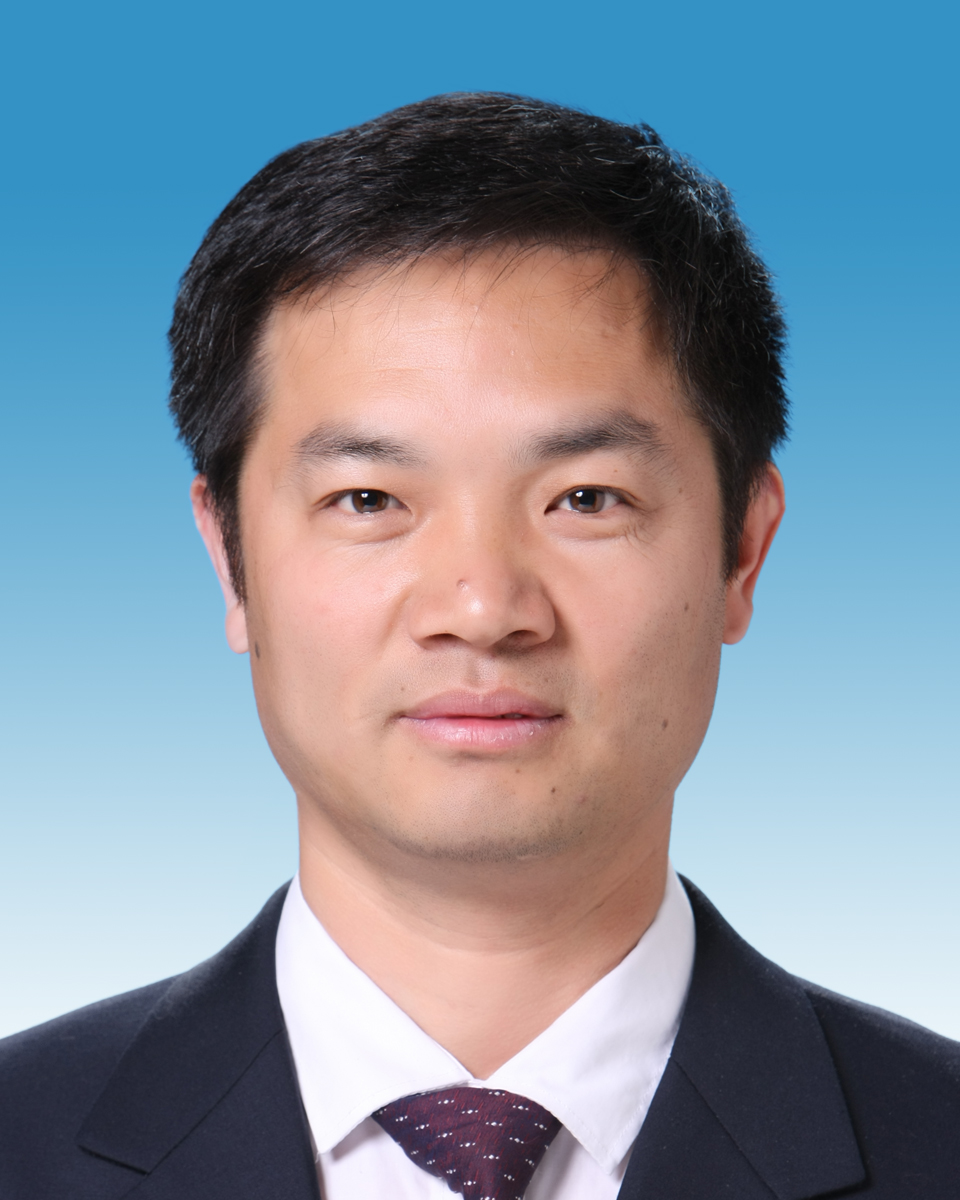 Lei Wang (王磊)合作论文数Institute of Agricultural Resources and Agricultural Regional Planning, CAAS26
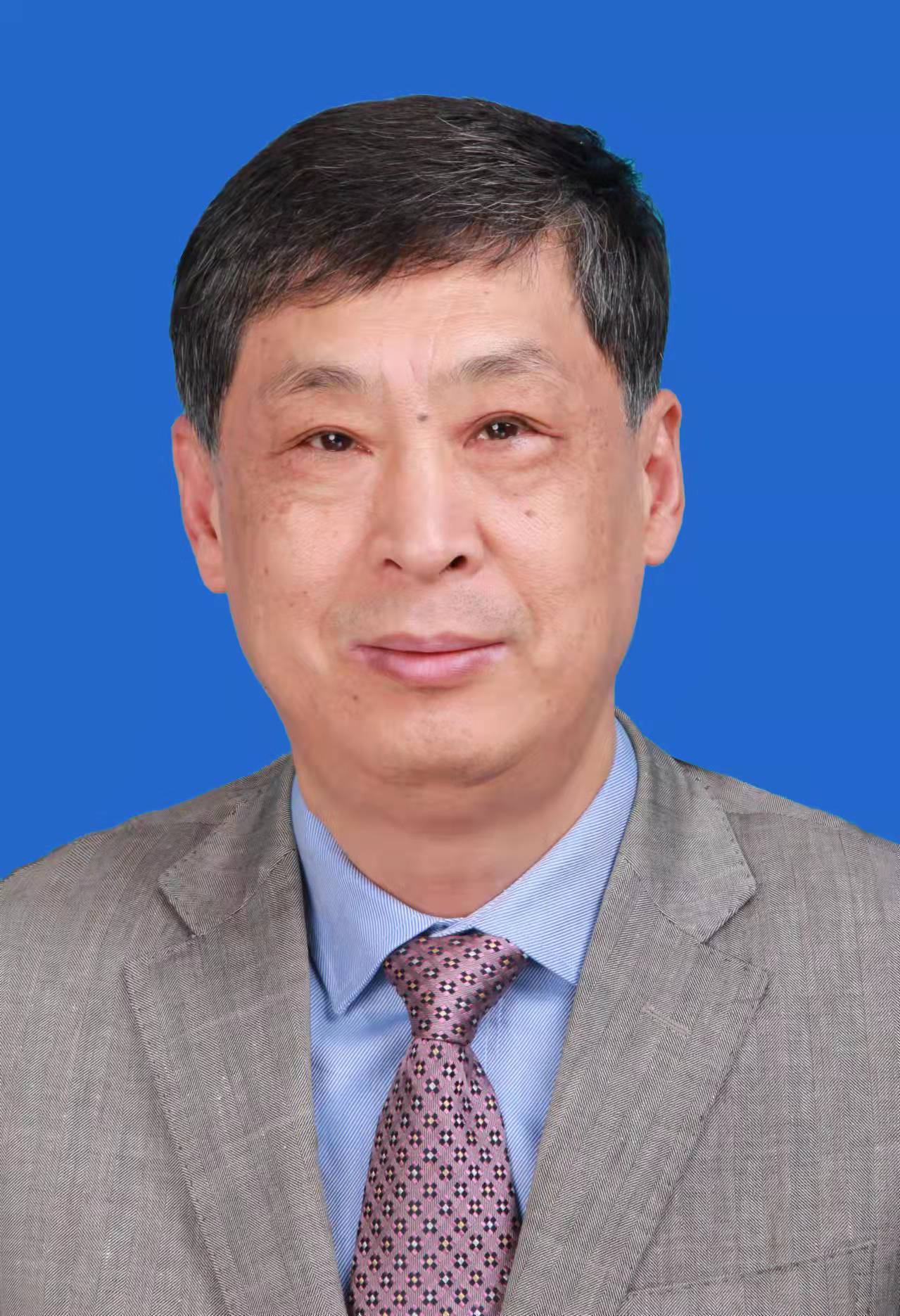 Hai Lin (林海)合作论文数College of Animal Science and Technology, Shandong Agricultural University16
 Qianlin Pang (庞乾林)合作论文数中国水稻研究所14
 Niu Baixiao合作论文数9ZhiGang Wang (王志刚)合作论文数8
 Jieyun Zhuang (庄杰云)合作论文数China National Rice Research Institute6Lijuan Wu合作论文数5BenYi Cheng (程本义)合作论文数5
 Shiwen Huang (黄世文)合作论文数China National Rice Research Institute5Cong Han合作论文数4Hongwei SUN (孙红伟)合作论文数4LiuQing Ruan (阮刘青)合作论文数4
 Lianfeng Zhu (朱练峰)合作论文数China National Rice Research Institute4
 Hanhua Tong (童汉华)合作论文数Chinese Academy of Agricultural Sciences4
 Defeng Zhu (朱德峰)合作论文数China National Rice Research Institute4Yong Zhou合作论文数Key Laboraty of Plant Functional Genomics of Ministry of Education, Yangzhou University4Yuchang He合作论文数3Zongju Yang合作论文数3Li Tingting合作论文数3
 Yuping Zhang (张玉屏)合作论文数China National Rice Research Institute, Chinese Academy of Agricultural Sciences3NuoXing Wang (王糯兴)合作论文数3QuanYong Wang (王全永)合作论文数3HongQi Chen (陈红旗)合作论文数3Ling Wang (王玲)合作论文数3
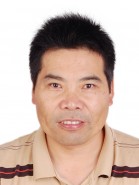 Qingyao Shu (舒庆尧)合作论文数College of Agriculture and Biotechnology, Zhejiang University3Meiyao Pan合作论文数2Qianbin Yun合作论文数2Xinyu Xu合作论文数2
 Xiaojun Cheng合作论文数2Jianhua Zhou合作论文数2qinggen chen (陈庆根)合作论文数2XinNing Hao (郝心宁)合作论文数2GuiYe Zhi (职桂叶)合作论文数2GuoPing Yu (虞国平)合作论文数2LiJing Zhang (张丽靖)合作论文数2YongFeng Shi (施勇烽)合作论文数2YongHui Liu (刘永惠)合作论文数2ZhiDe Chen (陈志德)合作论文数2XiaoLu Su (苏晓路)合作论文数2HuiMei Wang (王惠梅)合作论文数2Jian Li (李建)合作论文数2
 Qiaoquan Liu (刘巧泉)合作论文数Yangzhou University2
 Huizhe Chen (陈惠哲)合作论文数China National Rice Research Institute2
 Yunpeng Cui (崔运鹏)合作论文数Agricultural Information Institute of Chinese Academy of Agricultural Sciences2
 Xuefu Zhang (张学福)合作论文数Institute of Agricultural Information, Chinese Academy of Agricultural Sciences2
 Qian Qian (钱前)合作论文数Institute of Crop Sciences, Chinese Academy of Agricultural Sciences;Yazhouwan National Laboratory2




