This editorial first introduces the theme underpinning a large-scale conference and publishing project of which an IJCE Special Collection is part, ‘Improving Education for a More Equitable World’, introduces five papers in the Special Collection, and then locates this work in the growing contributions of the International Journal of Chinese Education (IJCE).
Class reticence is a stereotype about the characteristics of Chinese college students' classroom participation. This study explores the current situation of Chinese college students' active expression behavior in class and whether it could facilitate their learning under the background of social modernization and China's higher education reforming. This paper examines the problem with descriptive statistics and multiple regression analysis methods based on the China College Student Survey (CCSS) dataset 2016–2017. The results show that, first, most Chinese college students express their views in class to a certain extent, and such explicit expression is always based on implicit deep-thinking engagement. Second, students who are more active in in-class expression have better learning gains, particularly those with a relatively lower level of deep-thinking engagement. The findings suggest that both traditional and modern culture should be considered when exploring Chinese college student learning features. It is also worth changing teachers' and students' traditional ideas about active expression to encourage students to express more in class.
Academic disposition is a concept that integrates personal interest with social ideals. The academic disposition of doctoral students refers to their heartfelt love for academic research, their indomitable resilience, internalized identity, unswerving commitment, engagement regardless of utility, and unchanging aspiration. Academic disposition contains the formation of academic passion, the tempering of academic resilience, the construction of academic identity, the abiding of professional commitment and the pursuit of academic aspiration. On the basis of drawing lessons from the reasonable core of graduate student socialization theory, academic integration theory and threshold transition theory, we combined with the literature review on the connotation and influencing factors of doctoral students’ academic disposition, and preliminarily constructed a framework of doctoral students’ academic disposition formation.
County high schools represent the top and highland of county level basic education.According to China’s national conditions, to achieve a strong education and talent country, it is an inevitable requirement to cultivate innovative talents. To discuss the development issues in counties, on the one hand,it is necessary to understand the background and challenges of development in counties from a macro perspective, pay attention to educational policies, and focus on cultivating students’ innovative literacy.On the other hand, it is necessary to truly put people first, pay attention to the long-term development of students, and offer a stage and create opportunities for students to fully tap their personal potential.Therefore, teachers should have a sense of foresight, have the courage to change, and play reformative roles in promoting the development of county education.
我国高等教育进入高速增长向高质量发展转型的关键时期,亟需转换质量提升动力,转变质量提升方式,进一步推动高等教育质量工作从质量管理范式向质量治理范式转型,从而使高校质量提升变外部压力驱动为内在动力主导,变指标"应试"取向为重视服务贡献.既有研究和改革实践对于思维文化维度重视不足,导致质量治理制度体系的运转缺乏精神内核支撑,以及质量治理效能不足、院校内生动力欠缺和指标主义风行的倾向.在阐释质量治理思维的内涵与特征,剖析制度体系渐趋成熟而思维观念发展滞后现象的基础上,探讨了建设和完善中国特色质量治理思维需要秉持的三个主要原则.
The popularization of higher education in China has led to an increasing number of families with first-generation college students. Promoting the learning and development of first-generation college students requires a comprehensive understanding of this group's characteristics and the challenges they face. This study analyzes the pre-college experience of first-generation college students, their college experience, their evaluation of colleges, and their educational gains, using data from the 2015 Tsinghua University "Chinese College Students Survey on their Learning and Development" (CCSS). The results show that first-generation college students' families had lower economic status and cultural capital. They enjoyed fewer high-quality educational resources in high school, rarely got guaranteed admission or independent recruitment opportunities for college enrollment, and most of them went to local ordinary colleges and universities. During their college years, first-generation college students were less likely to be active learners and less likely to have active social interactions. They were less likely to participate in extracurricular activities, but spent more time on part-time jobs. In addition, they were less likely to participate in two types of high-impact educational activities: extension of existing work and research-related work. In terms of evaluating colleges and educational achievement, first-generation college students had low ratings of support for social interactions provided by colleges and low perceived gains in communication and leadership skills. First-generation college students had preexisting disadvantages that were difficult to change. They experienced a lack of support both academically and financially during their study in colleges. They require colleges and universities to promote their better development through improved resource allocation and support measures.
张华峰是我在清华大学教育研究院曾经指导过的博士生.他即将出版的《中国大学生主体性学习:本土特色与转型》一书是他撰写的博士论文《超越中国学习者悖论——中国大学生主体性学习研究》的修改版.细读这一书稿时,华峰准备和写作博士论文时的情境不时在我脑中闪现.这可能是曾经的学生写书请自己的导师作序时通常会遇到的情况:知根知底的导师会由此书联想到其前身,包括已经被枪毙或自杀过几回的题目;没准还会揭你的老底,让崇拜你的学生觉得原来你读博时的处境和他们差不多:在选题和研究过程中也曾倍受焦虑和困惑的摧残.另外,对学生期待甚高的导师还会由此书联想到其后世:不仅希望是学术新秀之作,还要求有学术大家的定位,所以总会鸡蛋里挑骨头地苛求.当然,这其中还有藏也藏不住、只有导师才能感受到的发自内心的惊喜和欣慰:从书中内容、方法,甚至文字上的变化看到曾经的学生放飞之后在学术研究上的进步,在职业及人生旅途中的成长.还有什么比这更能让一个老师感到自豪和骄傲的呢?
As global higher education lacks robust and reliable information on student learning, evidence from a large international collaboration on student engagement has an important role to play. This introductory chapter reveals the research agenda and rationales, states the topic, the research foundations and surveys’ surrounding assumptions, and introduces the global contributions which follow. We assert that globally aligned surveys of student engagement provide useful insights into what students are actually doing, an empirically grounded framework for meaningful conversations about excellence, and a stimulus for guiding new thinking about good practice.
Pandemic-related changes have revealed the transboundary nature of education. Education institutions have long sought to influence everything in the universe, from nanoparticles, to socioeconomic affairs, to far-away galaxies. In recent years it has become clear how much the rest of the world also shapes education. This carries huge consequences for how we understand, design and deliver education. Matters external to the ‘education sector’ become preconditions and determinants rather than mere recipients or derivatives. This means that social issues define education and research ventures, a much broader array of stakeholders participate in education and academic work, and the appraisal of education value draws from beyond an elite group of peers. Education is not valued all or only by money or credentialling, but by the value it generates for different people and communities. Such a shift to transboundary education (TBE) carries huge implications for the substance of education, and for how people move around the world to teach, learn and do research. Simply put, as Nicol and Bice convey in their recent IJCE article, TBE means moving beyond all different kinds of prevailing boundaries. It goes beyond existing academic partnerships. TBE invokes rosscrossing pathways, new accessibilities, industries, modalities, partnerships, communities and standards. It makes the task of education and other academic work much more complicated yet also inspiring, giving fresh impetus and placing new demands on research and analysis. Internationally, TBE bursts beyond all kinds of boundaries well worn by established forms of transnational education (TNE). TNE, in its broadest sense or instantiation, involves the provision of education to students in or from another country. While TNE has many and varied permutations, it typically involves one or more kinds of borderor passport-crossing/hopping. TBE can involve such venturing, but also engagements beyond the education sector, expanded topics, new sources of value and funding, and ramped-up demands for greater social returns from education.
大学评价体系是衡量大学发展的重要尺度,也是诊断大学发展问题的有效工具和撬动大学发展的有力杠杆.良好的评价体系既要反映大学发展的程度,又要引领大学未来的发展方向.以四大主流世界大学排名为代表的传统大学评价属于典型的鉴定性评价,而卡内基院校选择性社区参与分类评价、《泰晤士高等教育》世界大学影响力评价等评价体系的出现,则一定程度上表现出从鉴定性评价向发展性评价转型的新探索,为大学评价的视角转换及丰富提供了可借鉴的新思路:在评价标准上由"相对单一的学术维度"向"综合的促进社会发展维度"转换;在评价内容上由"给定性"向"给定性与可选择性相结合"转换;在评价方法上由"注重定量"向"定性与定量相结合"转换;在评价结果的呈现上由"求同"向"求同与求异相结合"的方向转换;在评价导向方面引导大学由"民族国家的大学"向"世界的大学"转换.总之,大学评价应引导和促进大学突破排名追求,做到正确的价值引领,体现大学的本质.
高校社区参与分类是美国卡内基高校基本分类在大学社会服务方面的重要补充和拓展.由于分类 目的和研究对象的特殊性,加之外部整体教育环境的变化和主管机构的更替,该分类自诞生以来就不断调整和更新.2020年的分类与前几轮相比出现了一些新动向:在分类过程方面,申请准入机制逐渐放开,分类框架进一步扩展,分类项目走向国际;在分类结果方面,高校申请分类的具体情况和通过率、社区参与型高校的基本分类特征都发生了变化.这些变化在推动美国大学参与社区发展、促进高等教育进步以及提高国际高等教育水平等方面具有重要作用.对中国的启示:要加强大学与社会的联系,推进大学发展社会服务职能,为此要尊重不同大学的办学特点和履行社会服务职能的客观规律,构建合理有效的分类评价系统,促进大学实现社会服务功能的多样性与丰富性.
In this editorial we take stock IJCE’s shift from a prestigious paperoriented small-scale journal into a journal focused on globally open publication. Taking stock of the first 11 months, we look at characteristics and implications of this shift, metrics of success, and review published article highlights.
课程教学是大学促进学生发展、回应国家人才培养需求最核心的教育活动.当前高等教育领域试图通过学生调查呈现学生视角下大学课程教学质量的全貌.本文梳理现有以学生调查为途径的大学课程教学质量评价模式发现,由于调查目的、内容、程序等方面存在差异,并非所有学生调查都符合教育的价值取向并充分反映大学课程教学质量的内涵.本文进一步借助"以学为本"大学课程教学质量评价框架,采用"中国大学生学习与发展追踪研究(CCSS)"多年数据,构建涵盖高阶认知能力、问题解决能力、读写能力、主动学习、生生互动、课堂讲授、师生互动和在线教学8个指标的本科课程教学质量评价指标体系,分析了2011至2018年我国本科院校课程教学质量的总体水平和变化趋势.
Imaginative and robust education research has an enormous role to play in helping promote inclusiveness, address grand challenges, break boundaries and spur innovation. The International Journal of Chinese Education (IJCE) has been renovated, rejuvenated and relaunched to set course for an era of global, open and online education. We review the pressing need for high-quality education research, IJCE's relaunch, characteristics and future directions, review recent papers, and explore options for engaging with IJCE.
随着高教普及化阶段更多学生进入高校,扎根中国社会文化情境分析现代大学生学习动机的特点,成为深入理解学生、改进教育教学和人才培养方式的重要基础.本研究借助对"自我"概念的分析,结合有关中国学习者的研究,建构了兼顾自我生发和社会规范的整合性学习动机分析框架.借助清华大学"中国大学生学习与发展追踪研究"调查数据,通过验证性因子分析、描述性统计和多元回归分析发现:(1)这一分析框架在中国情境中具有合理性,得到全国性定量调查数据的支撑和验证. (2)社会规范型动机略高于自我生发型动机水平,不同类型学生群体表现出差异性的学习动机特点. (3)两类动机均与学生学习收获显著正相关,自我生发型动机作用更大.两类动机相互作用对学生学习收获产生更大影响.本研究提出,要认识到社会规范型动机的高水平是中国文化情境、高等教育进入普及化发展阶段特点共同影响的结果,要采取举措提升学生的"学习志趣"水平,并扎根中国本土建构大学生学习与发展理论.
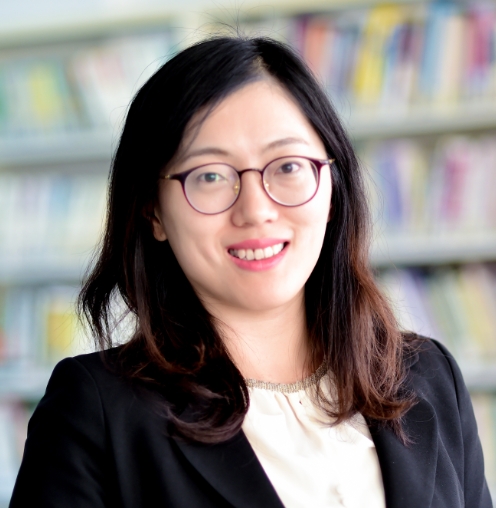 Fei Guo (郭菲)合作论文数Institute of Education, Tsinghua University16
 Hamish Coates合作论文数Schwarzman College, Tsinghua University;Holmes Institute12
 HuaFeng Zhang (张华峰)合作论文数5MaoBo Hu (胡茂波)合作论文数5Yifei Li (李一飞)合作论文数5Shangfeng Hu合作论文数4Ningning Yu合作论文数4Lin Gu合作论文数4YuHeng Huang (黄雨恒)合作论文数4
 Igor Chirikov合作论文数Richard and Rhoda Goldman School of Public Policy, University of California, Berkeley4Wen Wang (王文)合作论文数4
 Prashant Loyalka合作论文数Graduate School of Education, Stanford University4
 Guirong Li (李桂荣)合作论文数Faculty of Education, Henan University4
 Yan Luo (罗燕)合作论文数Institution of Education, Tsinghua University4
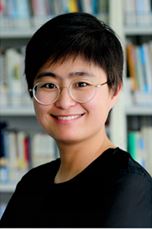 Lin Zhao (赵琳)合作论文数School of Education, Tsinghua University4
 Dongbo Tu (涂冬波)合作论文数4
 Liping Ma (马莉萍)合作论文数Graduate School of Education, Peking University;Institute of Economics, Peking University4
 Ou Lydia Liu合作论文数4Xi Gao合作论文数3Qi Su合作论文数3Fangfang Guo (郭芳芳)合作论文数3Yi Lu (陆一)合作论文数3
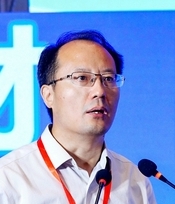 Jianlin Yan (延建林)合作论文数Yanshan University;Chinese Academy of Engineering3
 Wen Wen (文雯)合作论文数School of Education, Tsinghua University3Tian Xu (许甜)合作论文数3Elena Kardonova合作论文数2Lyeong Jo合作论文数2Zhou Xiting合作论文数2Henry Shi合作论文数2Amy Shaw合作论文数2Juan Yang合作论文数2Ke Zhao (赵可)合作论文数College of Public Administration, Huazhong Agricultural University2
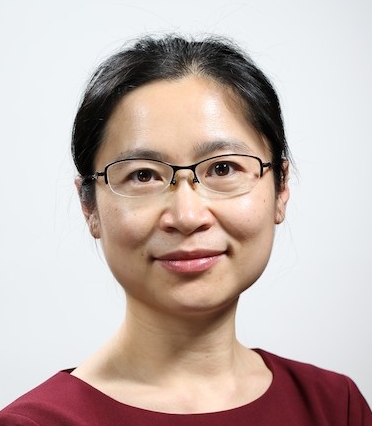 Zhou Zhong (钟周)合作论文数Institute of Education, Tsinghua University2Yue Li (李越)合作论文数1
 Ashutosh Bhuradia合作论文数1
 Heidi Ross合作论文数1Zhaolei Shi合作论文数1
 Saurabh Khanna合作论文数1
 Angela Johnson合作论文数1LIU Lulu (刘璐璐)合作论文数1xinrong zheng (郑新蓉)合作论文数1zhonghua yang (杨中华)合作论文数1qing li (李庆)合作论文数1Zhixin Lian (连志鑫)合作论文数1Yanqiu PU (普艳秋)合作论文数1yanqiu du (杜艳秋)合作论文数1xueyan he (何雪艳)合作论文数1




