Non-alcoholic fatty liver disease (NAFLD) is a complex disease characterized by a massive accumulation of lipids in the liver, with a continuous progression of simple steatosis, non-alcoholic steatohepatitis (NASH), cirrhosis, and hepatocellular carcinoma. Non-alcoholic fatty liver disease is associated with obesity, insulin resistance, and metabolic syndrome; it is a severe public health risk and is currently the most common liver disease of the world. In addition to the fatty infiltration of the liver in non-alcoholic fatty liver disease patients, the field of liver transplantation faces similar obstacles. NAFLD and NASH primarily involve lipotoxicity, inflammation, oxidative stress, and insulin resistance. However, the precise mechanisms and treatments remain unclear. Therapeutic approaches encompass exercise, weight control, as well as treatments targeting antioxidants and anti-inflammatory pathways. The role of animal models in research has become crucial as a key tool to explore the molecular mechanisms and potential treatments for non-alcoholic fatty liver disease and non-alcoholic steatohepatitis. Here, we summarized the current understanding of the pathogenesis of non-alcoholic fatty liver disease and non-alcoholic steatohepatitis and discussed animal models commonly used in recent years.
和平方舟“和谐使命”系列任务是中国“构建人类命运共同体”大国外交战略的重要组成部分,海上医院担负着“医疗外交”的特殊使命,面对到访地区复杂多变的医疗需求,高效有序的预检分诊是确保医疗服务质量和安全的重要关口.模式化预检分诊提供一种兼具灵活性和稳定性的实施方案,在海上医院海外医疗服务过程中显示出良好的效果,平稳快速分流病员的特点使其在驻地医疗巡诊、战时伤员分类救治以及灾难医学救援中具有一定的实用性和推广价值.
Objective To study liver transplantation in the treatment of alcoholic liver disease (ALD).Methods A retrospective study was conducted on 40 patients with ALD who underwent liver transplantation in the Changzheng Hospital of the Second Military Medical University from April 2005 to June 2017.The data were expressed as mean ± standard deviation ((-x) ±s) in populations with a normal distribution,and as median (min~max) in populations with an abnormal distribution.The survival rate was analyzed by life tables,and the Cox regression analysis was used for multivariate analysis.Results All patients were followed up until August 31,2017.The follow-up time was 2 ~ 4518 days,with a median of 997 days.Among the 40 patients,8 had already died (3 died of multiple organ failure,2 of biliary complications,1 of liver failure,1 of sepsis and 1 of recurrence of hepatocellular carcinoma (HCC).The 1-year survival rate was 81.0%,and the 5-year survival rate was 77.0%.Four of 40 patients developed tumor recurrence.The initial recurrence time was 189 ~ 337 days (median 236.5).The recurrence sites included the liver,colon combined with lungs,lungs,and lumbar vertebrae.Six of 40 (15.0%) patients had relapse in alcoholism.Multivariate analysis showed that age was a prognostic factor (RR =1.109,P <0.05).Years of drinking,daily amount of alcohol intake,abstinence,a previous history of upper gastrointestinal bleeding,a previous history of splenectomy,co-existing hepatocellular carcinoma,preoperative MELD score,preoperative Child-Pugh score,total operation time,anhepatic period,cold ischemia time,amount of intraoperative bleeding,postoperative alcoholism relapse,tumor recurrence or new onset of tumor were not significantly correlated with the postoperative survival rate (P>0.05).Conclusions ALD patients were mostly 40 ~ 60 years old.Age was an independent factor affecting survival.The younger the patient,the better the prognosis.Other factors were of no prognostic significance.
Objective To summarize our experience in the diagnosis and treatment of hepatic epithelioid angiomyolipoma (HEAML),with the aim to reduce the future misdiagnosis rate.Methods The PubMed,Medline,China Science Periodical Database (CSPD),and VIP Databases were searched from January 2000 to March 2018 on all reports on HEAML.Results There were 409 cases of HEAML in 97 reports.The ratio of men to women was 1∶4.84.The age ranged from 12 to 80 years and the median age was 44 years.61.9% of patients (205/331) were asymptomatic,while 34.7% (115/331) had upper or right upper quadrant abdominal discomfort.Some patients presented with abdominal mass,gastrointestinal reaction,low grade fever or weight loss.The clinical symptoms in 78 patients were not mentioned in the reports.The misdiagnostic rate of HEAML was as high as 40.3% (165/409).The imaging findings of HEAML were nonspecific.Ultrasound,CT and MRI scan usually showed contrast enhancement in the arterial phase.Most lesions were accompanied by central vessels with early drainage veins.The enhanced scans showed varied characteristics.The ratios of fast wash-in and fast wash-out,to fast wash-in and slow wash-out,and to delayed enhancement were roughly 4∶ 5∶ 1.A definitive diagnosis of HEAML is based on the pathological findings of epithelioid cells in the lesions and the expressions of HMB45,SMA,Melan-A and Actin on immunohistochemical staining.HEAML had a relatively low malignant rate of 3.9%.Surgical resection was the main treatment for HEAML.Conclusion HEAML was a rare and easily misdiagnosed disease.,which could be diagnosed by taking into account the clinical course,imaging,pathological and immunohistochemical findings.HEAML.
ObjectiveTo investigate the clinical effect of liver transplantation in the treatment of hepatolenticular degeneration (HLD) and the prognosis of HLD patients. MethodsA retrospective analysis was performed for the clinical data of 15 HLD patients who underwent liver transplantation in Changzheng Hospital of Second Military Medical University from June 2003 to January 2017. Friedman test of K related samples test was used for comparison of data between groups, and wilcoxon one-sample test of 2 related samples test was used for comparison of data between two groups. ResultsOf all patients, 13 underwent standard orthotopic liver transplantation, and 2 underwent modified piggyback liver transplantation. One patient died of multiple organ failure during the perioperative period and 2 were lost to follow-up at half a year after surgery. Of all patients, one lived for 14 months, one lived for 5 years and 8 months, and the other ten patients were still alive up to now. Six patients suffered from acute rejection reaction (AR), among whom four were improved after conventional hormone pulse therapy, one was improved and discharged after antiviral therapy with ganciclovir for cytomegalovirus infection, and the other one patient was improved and discharged after the second liver transplantation at 5 months after surgery due to poor response to hormone pulse therapy and chronic rejection reaction. Ten patients had varying degrees of improvement in positive Kayser-Fleischer ring, and three patients achieved varying degrees of improvement in severe neuropsychiatric symptoms and had a basically normal neuropsychiatric state at half a year to one year after surgery. One patient died in the perioperative period, and the other 14 patients had a significant improvement in liver function at 1 month after surgery, and the level of ceruloplasmin gradually increased to a normal level. ConclusionOrthotopic liver transplantation can effectively improve copper metabolism, liver function, and neuropsychiatric symptoms in HLD patients and increase their quality of life and long-term survival rates.
Objective To summarize the clinical experience of diagnosis and treatment of nontuberculosismycobacterium (NTM) infection after liver transplantation. Methods Clinical experience of effective treatment of 1 case with NTM at 7th month after liver transplantation at the Shanghai Changzheng Hospital affiliated to the Second Military Medical University was summarized and literature review was performed. Results Following liver transplantation, the NTMpatient was clinically manifested with fever in the afternoon. CT scan prompted the progression of the disease. The lesions were enlarged and fused with thin-walled cavity in the right upper lung. The diagnosis of NTM infection was validated by fiberoptic bronchoscopy (brush or lavage approach), spot test of T cells infected with mycobacterium tuberculosis (T-SPOT. TB), multiple phlegm culture and empirical anti-tuberculosis therapy. The patient was effectively treated and successfullydischarged after diagnostic quadruple anti-tuberculosis therapy. The patient was followed up until the day of manuscript submission. The patient was physically stable without the symptoms of fever and cough with asthma. The liver function was normal. Conclusions The incidence of NTM infection is rare and inneglectable after liver transplantation. Application of fibrobronchoscopy via brush or lavage approach can enhance the positive diagnostic rate. Diagnostic quadruple antituberculosis therapy is efficacious for NTM infection.
A central aim in cancer research is to identify genes with altered expression patterns in tumor specimens and their potential role in tumorigenesis. Most types of tumors, including hepatocellular carcinoma (HCC), are heterogeneous in terms of genotype and phenotype. Thus, traditional analytical methods like the t-test fail to identify all oncogenes from expression profiles. In this study, we performed a meta-Cancer Outlier Profile Analysis (meta-COPA) across six microarray datasets for HCC from the GEO database. We found that gene SLC12A1 was overexpressed in the Hep3B cell line, compared with five other HCC cell lines and L02 cells. We also found that the upregulation of SLC12A1 was mediated by histone methylation within its promoter region, and that SLC12A1 is a positive regulator of the WNK1/ERK5 pathway. Consistent with in vitro results, treatment with the SLC12A1 antagonist Bumetanide delayed tumor formation and reduced Hep3B cell tumor size in mouse xenografts. In summary, our research reveals a novel subset of HCCs that are sensitive to SLC12A1 antagonist treatment, thereby offering a new strategy for precision HCC treatment.
Objective To investigate the effect of miRNA-144 on cytokine secretion by dendritic cells(DCs)during their maturation and the related mechanism.Methods miRNA chip results showed markedly down-regulated miRNA-144 during DCs maturation.The miR-144 level was also observed in DCs before and after treatment with lipopolysaccharide(LPS).The changes of related cytokines(TNF-α,IL-1β,IL-6and IL-23)and the activation of signaling pathway(NF-κB and MAPK)were detected in DCs after the transfection of miR-144.TargetScan was used to predict the target spot of miR-144 and double fluorescence reporting system was used for verification.Furthermore,we established DC2.4cell line stably overexpressing the target gene,and detected the TNF-αsecretion after transfecting miR-144 mimics.Results The miR-144 expression was significantly down-related in DCs stimulated with LPS(P0.01).After the miR-144 mimics were transfected into DCs,expressions of TNF-α,IL-1β,IL-6and IL-23 mRNA were significantly reduced(P 0.05,P 0.01),and NF-κB phosphorylation level was reduced as well.Bioinformatics analysis hinted that receptor activator of NF-κB ligand gene(RNAKL)was the potential target of miR-144,which was also validated by double fluorescence reporting system.Moreover,transfecting miR-144 mimics into DC2.4cells stably overexpressing RANKL resulted in no change of TNF-α mRNA expression.Conclusion miR-144 can regulate DCs cytokine secretion by targeting RANKL.
Objective To investigate the prognosis of patients underwent liver transplantation (LT) for end-stage autoimmune liver disease (AILD). Methods Clinical data of 48 patients with end-stage AILD undergoing LT from May 1996 to April 2013 in Affiliated Changzheng Hospital of the Second Military Medical University were analyzed retrospectively. The postoperative cumulative survival rates of the recipients were calculated,and the cause of death was analyzed. The postoperative rejections,new-onset viral hepatitis and AILD recurrence were analyzed. Results In 48 AILD recipients,38 cases survived and the postoperative 5-year cumulative survival rate was 76%. Causes of death for the 10 dead cases were multiple organ failure, liver graft failure,sepsis,pulmonary infection,hemorrhage,hepatic artery embolization and renal failure. In 48 AILD recipients,9 cases (19%) suffered acute rejection after operation,3 cases suffered new-onset hepatitis B infection in 1-2 years after operation,2 recipients suffered primary disease (primary biliary cirrhosis)recurrence 2 years after operation and all survived for a long term after positive treatments.Conclusions Most liver transplant recipients with end-stage AILD can obtain a long-term survival. Attentions should be paid on the immunosuppressive regimens in early period after LT,prevention of infection,rejection and postoperative new-onset viral hepatitis,timely diagnosis of primary disease recurrence.
目的了解肝移植术后结直肠恶性肿瘤(新发结直肠癌及肝癌结直肠复发)的发病情况,探讨病因、诊疗及预后情况。方法收集1996年5月至2011年3月共982例肝移植患者的临床资料,并进行回顾性分析。结果 (1)非肿瘤肝移植患者483例,术后存活1年以上有391例,结直肠发生新发恶性肿瘤3例(发病率为0.76%),其中,2例结肠癌行姑息切除,分别于发病后6个月或3个月死亡,另1例为直肠癌,手术后存活已10个月。(2)肿瘤肝移植患者499例,出现肿瘤复发140例,复发率为28.06%,其中结肠复发3例,占复发的2.14%,均行再次切除术,分别于发病后14、4、7个月死亡;未见直肠复发病例。结论肝移植术后结直肠恶性肿瘤虽较为少见,但总体预后不佳,需在术前及术后详细排查及尽早处理以改善预后,定期结肠镜检查对于该病的诊断有重要的意义,应列为肝移植术后常规随访项目。
Objective To explore the effect of heme oxygenase-1 (HO-1) on differentiation of CD4+CD25+Treg derived from spleen T lymphocytes in mice in vitro and its underlying mechanism. Methods Lymphocytes were prepared from spleen of mice and pretreated with PBS, Copp (cobalt protoporphyrin, HO-1 inducer, 50μmol/L) and Znpp (zinc protoporphyrin, HO-1 inhibitor, 50μmol/L) respectively, for 12h. The expressions of HO-1 mRNA and protein in each group were determined by real-time qPCR and Western blotting. The ratio of CD4+CD25+Tregs was detected by flow cytometry. The level of Th1 and Th2 cytokines in the supernatant was determined by ELISA. Results Compared with PBS group, the expressions of HO-1 mRNA and protein, and the rates of CD4+CD25+Tregs increased in Copp group. At the same time, the cytokine of Th1, IL-2 and IFN-γ, significantly decreased, and the Th2 cytokines, TGF-β and IL-10, increased significantly (P<0.05). The results of Znpp group showed an opposite trend. Conclusion HO-1 could promote differentiation of T lymphocytes to CD4+CD25+Treg, and it may be related to an adjustment of the balance of Th1/Th2 cytokines.
Objective To explore the correlation between differential blood count and T-lymphocyte subset count so as to provide a method to quickly identify cellular immune function in the early period after liver transplantation.Methods Blood samples were taken from 84 recipients(without application of glucocorticoid) on day 7 after orthotopic liver transplantation(OLT).The correlation between T-lymphocyte subset count and differential blood count including leucocyte count,granulocyte count and monocyte count was analyzed.Results Pearson analysis showed that the counts of CD4+ and CD8+ T lymphocytes were not correlated with the count of leucocyte,granulocyte and monocyte(all P>0.05),but were positively related to lymphocyte count(R=0.778,0.651;both P<0.001).Spearman analysis also showed that the counts of CD4+ and CD8+ T lymphocytes were not correlated with the count of leucocyte,granulocyte or monocyte(all P>0.05),and were positively related to lymphocyte count(R=0.748,0.702;both P<0.001).The counts of lymphocyte,CD4+ T lymphocyte and CD8+ T lymphocyte in the patients without infection were significantly higher than those in infected patients(all P<0.05).Conclusion The count of lymphocyte is positively correlated with the count of CD4+ T lymphocyte in the early period after liver transplantion.(Shanghai Med J,2012,35:881-883)
In the present study the capacity of Radix Paeoniae Rubra aqueous extract (RPRAE) as an antioxidant to protect against carbon tetrachloride (CCl(4))-induced oxidative stress and hepatotoxicity in Wistar rats was investigated. Six groups of rats were used. Radix Paeoniae Rubra aqueous extract (100 or 200 or 300 mg/kg of bw) or bifendate (100 mg/kg of bw) were given daily by gavage to the animals on 28 consecutive days to elucidate the protective effects against CCl(4)-induced hepatotoxicity. The 20% CCl(4)/olive oil was gavage of gastric tube twice a week (on the third and seventh days of each week). The animals of normal control group were given only vehicle. The animals of CCl(4)-treated group were administered with CCl(4) twice a week (on the third and seventh days of each week) and with vehicle on rest of the days. The test materials were found effective as hepatoprotective agents, as evidenced by plasma and liver biochemical parameters. Therefore, the results of this study show that Radix Paeoniae Rubra aqueous extract can protect the liver against CCl(4)-induced oxidative damage in rats, and the hepatoprotective effects might be correlated with its antioxidant and free radical scavenger effects.
目的 探讨CD4+T细胞的ATP含量与肝移植术后早期(术后1个月内)感染的相关性.方法 采集85例肝移植患者、60名健康志愿者(对照组)的全血标本,术前、术后1、2、4周及感染当日和经治疗后体温正常3 d各1份;用ImmuKnowTM免疫细胞功能测定试剂盒检测CD4+T细胞的ATP值.结果 感染组ATP值在术前较低,术后第1周达到低谷,显著低于同期非感染组(P<0.01).经ROC曲线分析,术后第1周的低ATP值对诊断肝移植术后感染具有较好的敏感度和特异度;当截断值为161 μg/L时,其诊断感染的敏感度为85%,特异度为91%.感染当日的ATP含量降低与感染具有良好的相关性,经抗感染治疗体温正常3 d后,其ATP值较感染当日明显升高(P<0.01).结论 肝移植术后早期CD4+T细胞的ATP值动态变化与肝移植术后感染具有良好的相关性,监测肝移植术后患者该指标对评估其免疫状态、预防和诊治感染具有一定价值.
Objective To explore the relationship between ATP content in CD4+ T lymphocytes and acute rejection after liver transplantation(LT). Methods This study contained 77 patients who received LT from February to October 2009, They were divided into AR (acute rejection) and NAR (non-acute rejection) groups while 56 healthy people were enrolled to serve as the control group.Blood specimens were collected preoperatively and at 1, 2 and 4 weeks postoperatively. For the AR group, specimens were also collected on the day when AR occurred and 1 week after steroid bump together with that of the healthy people. ImmuKnowTM test kits for immune cell function were used to assay the ATP value. Results ATP values within CD4+T lymphocytes were elevated significantly in each group compared with those preoperatively. Peak level was reached in the AR group and was significantly higher than that of the contemporary NAR group (P<0.05). ROC curve analysis showed that the obvious elevation of the ATP value within CD4+ T lymphocytes 1 week postoperatively had better sensitivity and specificity in diagnosing AR. The ATP sensitivity rate for early AR was 84.6 %and specificity rate 81 %. The ATP value within CD4+ T lymphocytes on the day of AR occurrence had a positive relationship with the rejection acting index(RAI), while relative index (r) was 0. 876(P<0.05). After the steroid dump treatment, AR in all the patients was reversed and the ATP value declined significantly as compared with the control group and the day when AR occurred(P<0. 05).Conclusion During the postoperative period, the dynamic change of ATP value within CD4 + T lymphocyte had a close relationship with acute rejection after liver transplantation. Thus, it might be used as a feasible and noninvasive monitoring index for diagnosing AR and the effectiveness of the anti-rejection treatment.
 Wen-Yuan Guo合作论文数第二军医大学附属长征医院16
 Guoshan Ding (丁国善)合作论文数Department of Liver Surgery and Organ Transplantation, Changzheng Hospital, Navy Medical University11
 Zhiren Fu (傅志仁)合作论文数Shanghai Changzheng Hospital7Jiayong Dong合作论文数6
 Zhengxin Wang (王正昕)合作论文数复旦大学普外科6Jia-Xi Mao合作论文数5Fei Teng合作论文数5Shao-Hua Song合作论文数4Hong Fu (傅宏)合作论文数4Junfeng Dong合作论文数3Meng Guo合作论文数3RuiDong Li (李瑞东)合作论文数3ZhiJia Ni (倪之嘉)合作论文数3Yuting Zheng合作论文数2Keyan Sun合作论文数2Hang Yuan合作论文数2Lei ZHANG (张磊)合作论文数2Hao Yin合作论文数2Fang Liu合作论文数2Han-Xiang Zhong合作论文数1Liye Zhu合作论文数1Weihua Dong合作论文数1Yuanyu Zhao合作论文数1GAO Xiao-gang合作论文数1Lei Zhang合作论文数1lei zhang (张磊)合作论文数1Feng Lin合作论文数1LIU Fang (刘芳)合作论文数1WeiHua Dong (董伟华)合作论文数1RuiQi Zhang (张瑞祺)合作论文数1Jun Ma (马钧)合作论文数1XiaoJun Zhang (张晓军)合作论文数1
 Xiaomin Shi (施晓敏)合作论文数Shanghai Changzheng Hospital1Cong Liu (刘聪)合作论文数1
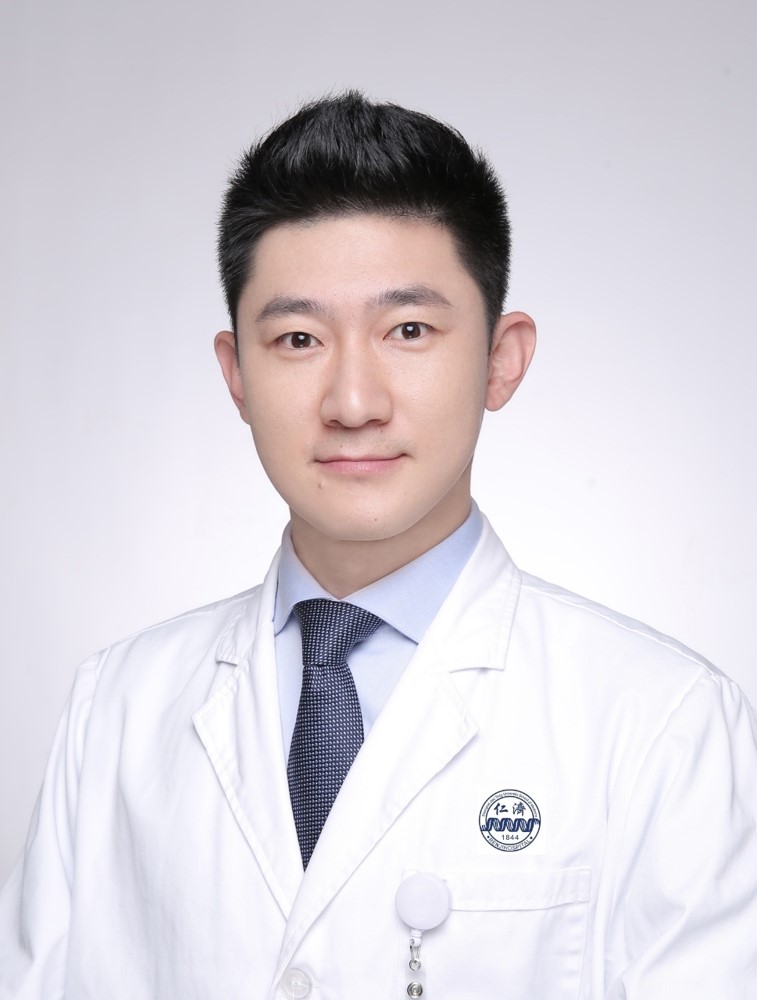 Rui Chen (陈锐)合作论文数Renji Hospital, Shanghai Jiao Tong University School of Medicine1
 Ce Wang (王策)合作论文数College of Electronics and Information Engineering, Sichuan University1Ruidong Li (李瑞冬)合作论文数1Youmin Wu (吴幼民)合作论文数University of Arkansas Medical Sciences1




