Constitutive expression of cucumber CsACS2 in Arabidopsis disrupts anther dehiscence and male fertility via ethylene signaling and DNA methylation, revealing new avenues for enhancing crop reproductive traits. The cucumber gene CsACS2, encoding ACC (1-aminocyclopropane-1-carboxylic acid) synthase, plays a pivotal role in ethylene biosynthesis and sex determination. This study investigates the effects of constitutive CsACS2 expression in Arabidopsis thaliana on anther development and male fertility. Transgenic Arabidopsis plants overexpressing CsACS2 exhibited male sterility due to inhibited anther dehiscence, which was linked to suppressed secondary cell wall thickening. RNA-Seq analysis revealed upregulation of ethylene signaling pathway genes and downregulation of secondary cell wall biosynthesis genes, with gene set enrichment analysis indicating the involvement of DNA methylation. Rescue experiments demonstrated that silver nitrate (AgNO₃) effectively restored fertility, while 5-azacytidine (5-az) partially restored it, highlighting the roles of ethylene signaling and DNA methylation in this process. Constitutive CsACS2 expression in Arabidopsis disrupts anther development through ethylene signaling and DNA methylation pathways, providing new insights into the role of ethylene in plant reproductive development and potential applications in crop improvement.
Cucumber (Cucumis sativus L.) is an important horticultural crop worldwide. Sodium (Na+) and chloride (Cl−) in the surface soil are the major limiting factors in coastal areas of Shandong Province in China. Therefore, to understand the mechanism used by cucumber to adapt to sodium chloride (NaCl), we analyzed the phenotypic and physiological indicators of eighteen cucumber germplasms after three days under 100 and 150 mM NaCl treatment. A cluster analysis revealed that eighteen germplasms could be divided into five groups based on their physiological indicators. The first three groups consisted of seven salt-tolerant and medium salt-tolerant germplasms, including HLT1128h, Zhenni, and MC2065. The two remaining groups consisted of five medium salt-sensitive germplasms, including DM26h and M1-2-h-10, and six salt-sensitive germplasms including M1XT and 228. A principal component analysis revealed that the trend of comprehensive scores was consistent with the segmental cluster analysis and survival rates of cucumber seedlings. Overall, the phenotype, comprehensive survival rate, cluster analysis, and principal component analysis revealed that the salt-tolerant and salt-sensitive germplasms were Zhenni, F11-15, MC2065, M1XT, M1-2-h-10, and DM26h. The results of this study will provide references to identify or screen salt-tolerant cucumber germplasms and lay a foundation for breeding salt-tolerant cucumber varieties.
为了明确黄瓜种质对氯化钠的不同耐性,解析黄瓜耐盐的分子机理,本研究以耐盐种质MC2065、盐敏感种质白黄瓜和21份其他黄瓜种质为材料,设置5个NaCl浓度,50、100、150、200、250 mmol·L-1分别开展适宜NaCl浓度筛选,以及适宜浓度处理后耐盐指数、叶绿素、保护酶等9个生理生化指标的测定与分析.结果表明,100和150 mmol·L-1可以作为耐盐鉴定的适宜浓度.NaCl浓度为100 mmol·L-1时,白黄瓜盐害指数为35.94%,出现明显盐害胁迫,而MC2065盐害指数为4.69%,未表现出明显盐害症状;NaCl浓度为150 mmol·L-1时,两个材料均表现明显盐害症状,白黄瓜出现半数以上叶片枯萎,而MC2065出现半数以下叶片枯萎.聚类分析发现,21份材料分为3个类群,第一类群包括ZQ3、N26-5-1、寿水1、DRTJY-2、莱西、翠玉、20S077-1,属于耐盐种质;第二类群包括DJ04、DY-1、XY1、YY9123、M2XT、D1503、X805,属于中耐盐种质;第三类群包括F6-3-1、SJ11-1、XB23、20S091-1、HLT-921h、AZ-1、DRT345,属于盐敏感种质.主成分分析发现,黄瓜种质综合得分趋势与聚类分析、黄瓜幼苗存活率高低趋势基本一致.本研究结果为黄瓜耐盐机理的研究提供了参考,也为黄瓜耐盐品种的育种工作奠定了基础.
Cucumber (Cucumis sativus L.) is a vital vegetable crop worldwide. Mg2+ and NO3− in the surface soil are the major limiting factors to continuous cropping in the main cucumber-producing areas of Shandong province in China. This study aimed to understand the magnesium nitrate- adaption in cucumber. Using a relatively salt tolerant cultivar ‘MC2065’ as experiment material, we analyzed the rate of water loss and changes in transcriptome profiles of cucumber leaves treated with 80 mM Mg(NO3)2 at different wilting stages for 0, 3, 12, and 24 h (T0-CK, T3, T12, T24 groups, respectively). The results showed that magnesium nitrate stress increased the rate of water loss in leaves. A total of 7465 differentially expressed genes (DEGs) were identified from a pool of 15923 genes. The maximum number of DEGs (4373) were observed at T12 vs. T0. For T3 vs. T0 and T24 vs. T0, there were 3763 and 3889 DEGs, respectively. Statistical analysis of gene expression showed 1075 DEGs significant expressed at T3, T12 and T24, compared to CK. Gene Ontology (GO) gene functional analysis of the DEGs identified 52 functionally enriched groups, within the categories of metabolic process, cell part and catalytic activity. Kyoto Encyclopedia of Genes and Genomes (KEGG) analysis found DEGs related to plant hormone signal transduction (ko04075) and DNA replication of secondary metabolites were significantly in 86 pathways. Notably, the SAUR family in auxin signal transduction pathway had the highest number of DEGs, followed by PYL and ARR family in abscisic acid and cytokinin pathway. The unique DEGs identified in this study provide crucial information for further study on salt response mechanisms and genetic enhancement of salt resistance in cucumber.
分子标记是继形态学、细胞学和生化标记后的新型技术,随着分子生物学的迅猛发展,该技术已在蔬菜育种上广泛应用.本文概述了分子标记的概念及分类,包括典型标记技术的原理及优缺点,详述其近年在黄瓜(Cucumis sativus)外观、品质、产量与性型、抗逆、种质资源鉴定以及品种纯度鉴定方面相关基因定位上的应用,最后对其在基因定位及辅助选择育种方面的应用前景进行了展望.
The WRKY proteins constitute a large family of transcription factors that have been known to play a wide range of regulatory roles in multiple biological processes. Over the past few years, many reports have focused on analysis of evolution and biological function of WRKY genes at the whole genome level in different plant species. However, little information is known about WRKY genes in melon (Cucumis melo L.). In the present study, a total of 56 putative WRKY genes were identified in melon, which were randomly distributed on their respective chromosomes. A multiple sequence alignment and phylogenetic analysis using melon, cucumber and watermelon predicted WRKY domains indicated that melon WRKY proteins could be classified into three main groups (I-III). Our analysis indicated that no recent duplication events of WRKY genes were detected in melon, and strong purifying selection was observed among the 85 orthologous pairs of Cucurbitaceae species. Expression profiles of CmWRKY derived from RNA-seq data and quantitative RT-PCR (qRT-PCR) analyses showed distinct expression patterns in various tissues, and the expression of 16 CmWRKY were altered following powdery mildew infection in melon. Besides, we also found that a total of 24 WRKY genes were co-expressed with 11 VQ family genes in melon. Our comparative genomic analysis provides a foundation for future functional dissection and understanding the evolution of WRKY genes in cucurbitaceae species, and will promote powdery mildew resistance study in melon.
To pinpoint genetic model of cucumber (Cucumis sativus) internode length and function mode of gene,and also to evaluate the genetic effect and heritability of major genes and minor genes,two culcmber parents with significantly different internode length,namely ‘SJ57-h’ (short internode,P1'hereinafter) and ‘SJ11-1’ (long internode,‘P2’ hereinafter),were used to generate F1、B1、B2 and F2 populations for joint analysis.Mixed major-gene plus polygenes inheritance model were used to genetic law of internode length in both spring and autumn seasons.The results showed that the best fitted genetic model for cucumber internode size in both autumn and spring was D-0 model which internode length was controlled by one pair of additive-dominant-major genes plus additive-dominant-epitasis polygenes.Moreover,progeny internode length was closer to long-internode parent P2,namely,the progenies has long-internode parent heterosis.In spring,the major gene heritability of B1,B2 and F2 populations were estimated to be 68.5%,36.2% and 56.3%,respectively,while the heritability of polygene was 0.6%,17.1% and 0.6%,respectively.The variance of environment accounted for an average of 40.2% of the phenotypic variation among three generations.In autumn,heritability of the major gene among B1,B2 and F2 generations was estimated as 68.5%,40.5%,65.1%,while the heritability of polygene was 1.2%,40.6% and 5.4%,respectively.Environment variance accounted for about 26.3% of the phenotypic variation.These results indicated that cucumber internode length was mainly controlled by a pair of major genes while the internode length was also obviously affected by environment factors in the B2 generation.Selection efficiency of major genes was relatively high in early generation of F2 and B1,whereas for selection efficiency of polygene was higher in B2 generation.Therefore,the trait of cucumber internode length was suitable for selection in early generation.The finding in the study will lay a theoretical foundation for breeding new cucumber vareties with improved plant architecture.
Using 5 cucumber varieties (North China Ⅰ,North China Ⅱ,Southern China,Europe and the United States in greenhouse,Europe and the United States processing) as materials,the effects of different concentrations of cadmium (0,5,10,50,100,300 μmol/L) stress on growth,antioxidant enzyme activity and cadmium enrichment of cucumber seedings were studied under hydroponic condition.The results showed that the cucumber plant height decreased with the increase of cadmium concentration,and the Southern China were all higher than the other four types in the same concentration of cadmium.The root volume showed a gradual increasing trend in the cadmium concentration range of 0 ~50 μmol/L,and the root growth was inhibited in the 100 μmol/L and 300 μmoL/L cadmium concentration.The SOD,POD,CAT activity of cucumber seedings increased at first and then decreased with the increase of Cd concentration.The whole Cd enrichment of aboveground plant was higher than the root when the cadmium concentration was below 50 μmol/L,while it showed a reverse trend in 100,300 μmol/L.The Cd enrichment of aboveground part of Europe and the United States processing and North China Ⅰ were significantly lower than other treatments under the high cadmium concentration (300 μmol/L) condition and showed better low-Cd accumulation ability.The study provided data supports for screening out cucumber varieties with low concentration of cadmium.
In order to elucidate the tolerance of cucumber to low light irradiance,two cultivars of cucumber Deltastar and Jinyan 2 were used to determine the effect of low light stress (75 to 100 μmol · m-2 · s-1) on plant physiological and biochemical indexes,photosynthesis,fluorescence Characteristics,Rubisco activity,Rubisco large and small subunit protein contents and their gene expression of cucumber plants,compared with the light intensity of the control treatment (600μmol · m-2 · s-1).Results showed that the stomata development of leaves had been restrained under low light,especially for Jinyan 2,the stomatal openness,stomatal density and stomatal index decreased by more than 20%.After treated with the low light,leaf chlorophyll content,the net photosynthetic rate (Pn),stomatal conductance (Gs),actual quantum yield of PSII,Rubisco activity,Rubisco large and small subunit protein contents and their transcript levels had obviously decreased,and Jinyan 2 decreased by more than 30%.Compared with Jinyan 2,Deltastar maintained a higher pigment content,and showed strong ability to capture and utilize the light energy.The distribution of photosynthesis was higher in quantum yield,and higher rubisco activity,Rubiseo size subunit protein content and size subunit gene expression.Thus Deltastar may possess low-light tolerance with a lower decrease of Pn by 30.9%,while for Jinyan 2,the Pn decreased by 54.5 %.Thus,Pn of Deltastar and Jinyan 2 was 30.9% and 54.5% lower than that of CK,respectively,and showed strong resistance to low light.The results of this study provided a reference for the further study of low light resistance mechanism of cucumber and the selection and cultivation of low light cucumber varieties.
植物CBL基因在逆境应答及发育过程中具有重要功能.为了挖掘黄瓜CBL基因并预测CBL的功能,利用生物信息学的方法,从黄瓜基因组中鉴定出6个CBL基因,并对其染色体定位、基因结构、系统进化和顺式调控元件进行了系统分析.结果表明,黄瓜的CBL基因有2个分布在2号染色体上,4个分布在3号染色体上,外显子多为8个,编码区序列为603 ~ 759 bp.黄瓜CBL编码的蛋白存在一些保守的位点和基序.在黄瓜CBL基因的上游序列中,存在一些应答多种激素和逆境的顺式元件,且不同成员各不相同.这说明黄瓜CBL家族成员可能具有不同的生物学功能.本试验结果为进一步研究黄瓜CBL基因在逆境应答中的功能提供了科学依据.
白籽插接商品种苗的推广应用改变了山东设施黄瓜的栽培模式,将传统的越冬长季节栽培变为秋冬茬和早春茬连茬栽培,大大降低了长季节栽培过程中促控结合的管理难度,生产的黄瓜具有果皮油亮、品质优良、丰产抗逆、畅销度好、增效显著的优势。
Haiyang white cucumber is a landrace of Haiyang and its special local product. Haiyang white cucumber has been one of significant vegetable industries in Haiyang. In this paper, we summarized the present situation of research and industalization about Haiyang white cucumber and gave some measures for its development.
Three genes in Chinese cabbage genome was comparatively analyzed with CBL4 orthologous gene of Arabidopsis.The results showed that 3 CBL4 genes of Chinese cabbage were very conserved in se-quence and structure,but different in cis -elements,which suggested they were different in functions.
In this study, the effects of iso-osmotic solution of Mg (NO3) 2 and NaCl on seedling growth, leaf lipid peroxidation, antioxidant enzyme activities, and osmotic adjustment substance accumulation were investigated using three cucumber cultivars with different ecotypes. Then salt tolerance was evaluated by membership function method. The results revealed that under the stress of 60 and 80 mmol x L(-1) Mg(NO3) 2 solution and its isotonic 90 and 120 mmol x L(-1) NaCl solution, the seedling traits such as height, stem diameter, leaf area, fresh and dry mass of aerial part and underground parts, and antioxidant enzymes activity were obviously decreased with the increasing concentration of Mg( NO3)2 and its isotonic NaCl in the three cucumber cultivars. Moreover, the inhibitory effects became more obvious with the increasing concentration of either Mg(NO3)2 or NaCl solution. MDA content and membrane lipid peroxidation were enhanced in cucumber seedlings. Among the three cultivars, SJ31-1 changed less than the other two cultivars regarding the reduced amplitudes of biomass, and activity of superoxide dismutase (SOD), peroxidase (POD) and catalase (CAT), and the increased amplitude of MDA. In addition, Mg (NO3)2 solution inhibited seedling growth more strongly than isotonic NaCl solution did, such difference was relatively significant with increasing the concentration of solution. The contents of proline, soluble amino acids, and soluble sugars varied depending on the cucumber genotype and salt type. The increased amplitude of proline content was the largest in SJ31-1, and that of soluble sugars was the largest in Lubai 19 when growing under salt treatment. The change of these parameters in Xintaimici was in between. Soluble sugars and soluble proteins were predominant osmolytes unde NaCl stress, whereas proline and soluble proteins were main osmolytes under Mg (NO3) 2 stress. Comprehensive evaluation showed that salt tolerance of the three cucumber cultivars was in order of SJ31-1 > Xintaimici > Lubai 19.
The plant SnRK2 genes play important roles in abiotic stress response,but the study on cu-cumber SnRK2 genes is lack of report.Two novel SnRK2 genes which were respectively homologous to Arabi-dopsis SnRK2.4 and SnRK2.10 were identified from cucumber through digging the genome data anew.Their structure,characteristics and cis -elements were systematically analyzed.This study layed a foundation for the further research of response to abiotic stress for cucumber.
济南、淄博、临沂、泰安、德州等地区是山东省中、南部地区主要蔬菜生产区,露地和保护地蔬菜播种面积分别为10.0万hm2(150.0万亩)和7.33万hm2(110.00万亩),占山东蔬菜总播种面积的13%左右。设施蔬菜年产量约800万t,占山东设施蔬菜总产量的20%。产品主要供应北京、天津、上海、江苏等地。因此,上述地区的蔬菜生产状况,对稳定山东蔬菜生产及市场供应至关重要。
CBL1 gene plays pivotal roles in abiotic stress response, growth and development of plant.In this study, systematic comparison was conducted based on the analysis of CBL1 genes from Chinse cabbage, cabbage and Brassica nigra.It would establish foundations for further research on molecular evolution and function of Brassica CBL1 genes.
Plant SnRK2 genes play important roles in environmental stress response,ABA signal transduction,plant growth and development. However,there is no investigation reported about cucumber( cucumis satovus L.) SnRK2s in whole genome level. In this text,9 SnRK2 genes in cucumber genome were identified through bioinformatic method. Their genome distribution,exon-intron structure,phylogeny,and cis-elements were systematically analyzed. The results showed that,cucumber SnRK2 genes are unevenly distributed in genome; their exon number mostly is nine,and their putative coding sequences range from 909bp to 1140bp; they are divided into 3 groups according to phylogeny analysis; and their putative encoding proteins all have typical kinase structure. What's more,there are multiple cis-elements responsive to different environmental stresses and hormones existed in upstream sequences of each of SnRK2 genes in cucumber,which suggests they may have some roles in stress response and hormone signaling. This study laid a foundation for further functional dissection of cucumber SnRK2 genes in stress and hormone response.
以山东济南不同种植年限黄瓜温室为研究对象,分析测定温室内黄瓜苗期表层土壤养分分布状况、分级状况及与年限之间的相互关系.结果表明,黄瓜温室苗期主壤养分高度富集,碱解氮、速效磷、速效钾平均含量分别为176.8、197.3、745.4mg·kg-1,三者比例为1∶1.12∶4.22,磷、钾比例失调,养分的均衡性差.土壤有机质含量为31.4 g·kg-1,电导率平均值为1.068ms·cm-1,处于土壤盐分的超高水平.pH的平均值为7.56,星弱碱性.从养分的分级结果来看,碱解氮、速效磷、速效钾、有机质的含量主要分布在≥150 mg·kg-1、≥150mg·kg-1、≥300 mg·kg-1、20~40 g·kg-1的级别中,电导率、pH的大小主要分布在≥1.0ms·cm-1、≥7.5的级别中.除有机质外,其他土壤养分都达到最高级.种植年限与苗期土壤养分间无显著的相关性,苗期土壤养分的增量与种植年限呈显著相关,均可以用2次方程表示.随着种植年年限的增加,苗期土壤养分增量水平呈下降状态.
对我国新育成的不同生态类型的138个设施黄瓜品种的19个果实外观性状进行了调查分析,研究其遗传多样性.结果表明,参试品种质量性状的遗传多样性指数都小于数量性状,不同生态类型黄瓜品种果实外观性状的遗传多样性指数为华北型(1.33)>华南型(1.25)>欧洲温室型(1.0).质量性状的遗传多样性指数为华南型(0.91)>华北型(0.65)>欧洲温室型(0.48);数量性状的遗传多样性指数为华北型(1.94)>华南型(1.56)>欧洲温室型(1.47).华南型品种果实数量性状的变异系数均高于华北型和欧洲温室型品种.主坐标轴分析(PCO)将所有种质划分为3个区组,即1区为华北型种质优势区、2区为华北型华南型和欧洲温室型种质混合分布区、3区为华南型种质区.PCO结果表明,1区和2区发生了基因渗透.对交流区域中华北型品种自交分离,后代中出现的稀刺瘤和光皮种质的情况进一步验证了基因渗透的结果.参照育成品种的果实性状信息对黄瓜以后的育种工作提出了建议.
 XiaoLei Sun (孙小镭)合作论文数54WeiHua Zhang (张卫华)合作论文数29ZhiFeng Wang (王志峰)合作论文数26Li Libin合作论文数21YongQiang Wang (王永强)合作论文数6Meng Zhaojuan合作论文数6Yang Zonghui合作论文数6SuPing Kong (孔素萍)合作论文数5JunFeng Gao (高俊凤)合作论文数5JianGui Zhou (周建贵)合作论文数4YunNan Zhang (张允楠)合作论文数4
 Xiufeng Wang (王秀峰)合作论文数College of Horticulture Science and Engineering, Shandong Agricultural University4An Qiu (邱岸)合作论文数4sanjun gu合作论文数3WANG Zhi-guo (王志国)合作论文数3Lian-Jie FENG (冯连杰)合作论文数3DU Yong-li (杜永丽)合作论文数3ChongQi Wang (王崇启)合作论文数3YuMei Dong (董玉梅)合作论文数3ChunXiang Liu (刘春香)合作论文数3GuiLan Yang (杨桂兰)合作论文数3Wenbao Liu (刘文宝)合作论文数山东省农业管理干部学院园林技术系3Wei Chen (陈伟)合作论文数3Yanyan Zhu (朱妍妍)合作论文数3Yumei Yu (于玉梅)合作论文数3Yuliang Sun (孙玉良)合作论文数3Lian-Da Du合作论文数2Xi Duan合作论文数2Chen Wei合作论文数2Xiaolei Sun合作论文数2huiling jiang (姜慧玲)合作论文数2JIN Hong (金洪)合作论文数2ChangSong Jiang (姜常松)合作论文数2ShiSong Qu (曲士松)合作论文数2HuaYin Li (李化银)合作论文数2ZiGao Jiao (焦自高)合作论文数2LiXia Hou (侯丽霞)合作论文数2ShuMei Liu (刘淑梅)合作论文数2Ning Yang (杨宁)合作论文数2
 Rifei Sun (孙日飞)合作论文数Institute of Vegetables and Flowers, Chinese Academy of Agricultural Sciences2Jingjuan Li合作论文数2
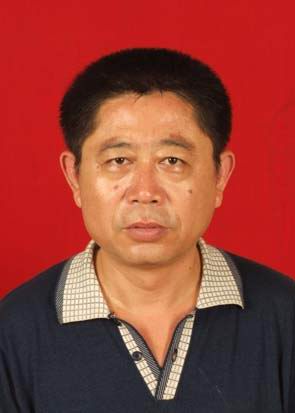 Shouhua Xiao (肖守华)合作论文数Vegetable and flower Research Institute of Shandong Academy of Agricultural Sciences2
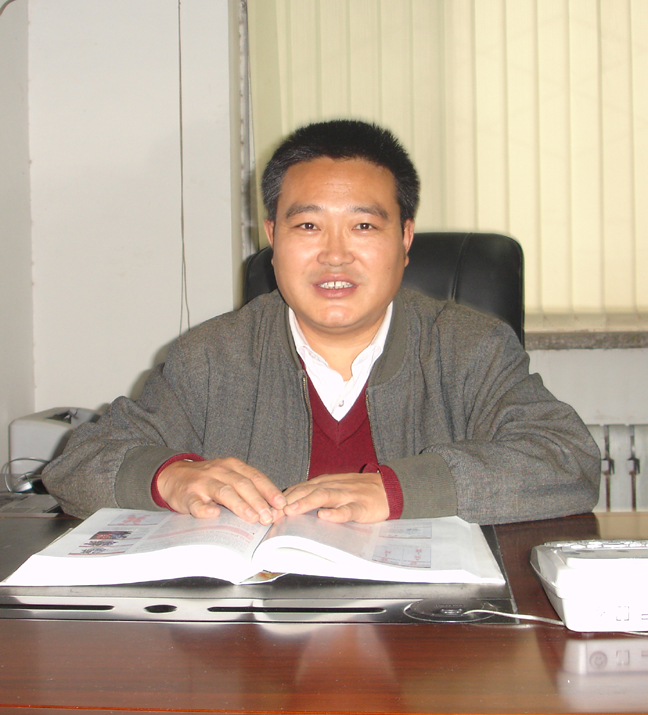 Jianwei Gao (高建伟)合作论文数Vegetable and Flower Research Institute of Shandong Academy of Agricultural Sciences2Xin Han (韩欣)合作论文数2
 Xingfang Gu (顾兴芳)合作论文数Institute of Vegetables and Flowers, Chinese Academy of Agricultural Sciences2Jianlei Sun合作论文数2
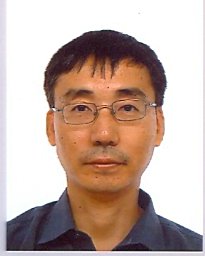 Kean Wang合作论文数School of Chemical and Biomedical Engineering, Nanyang Technological University2Yongqiang Wang合作论文数1Xinwei Liu合作论文数1




