Objective: The aim of this study was to evaluate the efficacy, safety, and surgical outcomes of 2-stage management, namely preoperative endoscopic retrograde cholangiopancreatography (ERCP) + laparoscopic cholecystectomy (ERCP+LC) or LC + postoperative ERCP (LC+ERCP), as well as 1-stage management, LC + laparoscopic common bile duct exploration (LCBDE) for treating patients with gallstones and common bile duct stones (CBDS). Methods: This retrospective study analyzed the data of 180 patients with common bile duct stones (CBDS) who were admitted to the Department of General Surgery at Tongji Hospital, Tongji University, between January 2019 and June 2021. The study included 3 groups: ERCP+LC (group 1), LC+ERCP (group 2), and LC+LCBDE (group 3), each consisting of 60 patients. Clinical metrics of the patients were collected and compared among the groups. Results: Group 3 had the shortest operation duration and hospital stay compared with group 1 and group 2. In addition, group 3 had the lowest long-term postoperative complications, particularly the recurrence rate of CBDS. The total cost was also the lowest in group 3. Furthermore, patients in group 3 had the lowest postoperative amylase levels. All patients in the study achieved successful stone clearance. There were no significant differences in the conversion to other procedures rate, postoperative alanine aminotransferase (ALT), aspartate aminotransferase (AST), total bilirubin, and mortality among the three groups (P > 0.05). Conclusions: Both 1-stage management and 2-stage management are effective treatments for CBDS. The LC+LCBDE management is a safe treatment option, offering shorter hospital stays and operation duration, lower costs, and fewer complications.
Background Traditional Roux-en-Y may cause Roux-en-Y stasis syndrome (RSS), and Uncut Roux-en-Y was proposed to solve this problem. However, because afferent loop recanalization may occur after surgery, its clinical application remains controversial. The purpose of this study was to compare the long-term outcomes of these two gastrointestinal reconstruction methods.Methods A total of 108 patients who received laparoscopic-assisted distal gastrectomy (LADG) were enrolled; 57 were randomly divided into the Uncut Roux-en-Y (URY) group, and 51 were divided into the Roux-en-Y (RY) group. Patients were followed up for 1 year to evaluate variables, including the following: (1) Assessments for RSS; (2) Preoperative and postoperative Gastrointestinal Symptom Rating Scale (GSRS) scores; (3) Postoperative gastroscopy to assess the occurrence of reflux esophagitis (Los Angeles classification), residual gastritis and bile reflux 1 year after surgery; and (4) Upper gastrointestinal radiography to evaluate whether recanalization occurred in patients in the URY group after surgery.Results At 1 year after surgery, a total of 42 patients (73.7%) developed afferent loop recanalization. The incidence of RSS was not different between the two groups (OR, 1.301 [95% CI, 0.482 to 3.509]; P = 0.603P = 0.603). The GSRS score was higher in the URY group (P < 0.001). Postoperative gastroscopy showed that the incidence of bile reflux (P < 0.001) and the grade of residual gastritis (P < 0.001) were significantly higher in the URY group, but the grade of reflux esophagitis was not significantly different (P = 0.447, [95% CI, 0.437 to 0.457]P = 0.397).Conclusions Compared with traditional Roux-en-Y anastomosis, due to the high recanalization rate, the URY group developed more severe gastrointestinal symptoms, the incidence of bile reflux and the grade of residual gastritis increased and the incidence of postoperative RSS was not reduced.
BACKGROUNDSeminal vesicle abscess (SVA) is the manifestation of a relatively rare urinary system infection. In response to urinary system inflammation, an abscess forms in special locations. However, acute diffuse peritonitis (ADP) induced by SVA is unusual.CASE SUMMARYWe report a case of a left SVA in a male patient complicated with pelvic abscess, ADP, multiple organ dysfunction syndrome, infectious shock, bacteremia, and acute appendiceal extraserous suppurative inflammation as a result of a long-term indwelling urinary catheter. The patient received a course of morinidazole + cefminol antibiotics but showed no obvious relief, so the perineal SVA underwent puncture drainage and abdominal abscess drainage + appendectomy was performed. The operations were successful. After the operation, anti-infection, anti-shock, and nutritional support treatments were continued and various laboratory indicators were regularly reviewed. The patient was discharged from the hospital after recovery. This disease is a challenge for the clinician because of the unusual spreading path of the abscess. Moreover, appropriate intervention and adequate drainage of abdominal and pelvic lesions are necessary, especially when the primary focus cannot be determined.CONCLUSIONThe etiology of ADP varies, but acute peritonitis secondary to SVA is very rare. In this patient, the left SVA not only affected the adjacent prostate and bladder but also spread retrogradely through the vas deferens, forming a pelvic abscess in the loose tissues of the extraperitoneal fascia layer. Inflammation involving the peritoneal layer led to ascites and pus accumulation in the abdominal cavity, and appendix involvement led to extraserous suppurative inflammation. In clinical practice, surgeons need to consider the results of various laboratory tests and imaging examinations to make comprehensive judgments involving the diagnosis and treatment plan.
目的 探讨一种新型负压吸引装置辅助胆道镜取石的初步临床应用效果.方法 前瞻性分析2018年1月至2019年12月上海同济大学附属同济医院普外科收治的53例胆囊结石合并胆总管结石患者,按照数字法随机分为2组:对照组(n=26),应用取石网篮辅助取石;试验组(n=27),采用新型负压吸引辅助装置取石,比较两组取石时间、手术时间等情况.结果 与对照组比较,试验组取石时间明显减少[(15.2±3.9)min vs(19.6±5.2)min,P<0.01)],差异有统计学意义;但两组结石数目、结石最大径、手术时间、术后住院时间等差异均无统计学意义(P>0.05).结论 新型负压吸引装置辅助取石时间短,操作过程简便、易于推广,有一定的临床应用前景.
The mechanism of pancreatic cancer (PA) is not fully understanded. In our last report, TRPM2 plays a promising role in pancreatic cancer. However, the mechanism of TRPM2 is still unknown in this dismal disease. This study was designed to investigate the role and mechanism of TRPM2 in pancreatic cancer. TRPM2 overexpressed and siRNA plasmid were created and transfected with pancreatic cancer cell line (BxPC-3) to construct the cell model. We employed CCK-8, Transwell, scratch wound, and nude mice tumor-bearing model to investigate the role of TRPM2 in pancreatic cancer. Besides, we collected the clinical data, tumor tissue sample (TT) and para-tumor sample (TP) from the pancreatic cancer patients treated in our hospital. We analyzed the mechanism of TRPM2 in pancreatic cancer by transcriptome analysis, western blot, and PCR. We blocked the downstream PKC/MEK pathway of TRPM2 to investigate the mechanism of TRPM2 in pancreatic cancer by CCK8, scratch wound healing, and transwell assays. Overexpressed TRPM2 could promote pancreatic cancer in proliferation, migration, and invasion ability in no matter the cell model or nude mice tumor-bearing model. TRPM2 level is highly negative correlated to the overall survival and progression-free survival time in PA patients, however, it is significantly increased in PA tissue as the tumor stage increases. The transcriptome analysis, GSEA analysis, western-blot, and PCR results indicate TRPM2 is highly correlated with PKC/MAPK pathways. The experiments of PKC/MEK inhibitors added to TRPM2 overexpressed BxPC-3 cell showed that significant inhibition of PA cells happened in CCK8, transwell, and wound-healing assay. TRPM2 may directly activate PKCα by calcium or indirectly activate PKCε and PKCδ by increased DAG in PA, which promote PA by downstream MAPK/MEK pathway activation.
目的 探讨急性进展迅速型坏疽性胆囊炎的危险因素.方法 回顾性分析同济大学附属同济医院肝胆外科2013年1 月至2019年12月收治的急性坏疽性胆囊炎病人临床资料,采用Logistic回归分析方法分析性别、年龄、高血压、糖尿病、最高体温、白细胞计数、C反应蛋白、墨菲征、胆囊周围积液、胆囊壁线性中断、胆囊结石颈部嵌顿与急性进展迅速型坏疽性胆囊炎的关系.结果 单因素回归分析发现,年龄≥60岁、糖尿病、最高体温≥38℃、胆囊壁增厚≥4 mm、胆囊壁线性中断、胆囊结石颈部嵌顿及白细胞计数≥15×109/L、C反应蛋白≥200 mg/L是坏疽性胆囊炎的危险因素.白细胞计数≥15×109/L、C反应蛋白≥200 mg/L、墨菲征阳性、胆囊壁线性中断、结石颈部嵌顿是急性进展迅速型坏疽性胆囊炎的危险因素.多因素回归分析发现,胆囊结石颈部嵌顿是急性进展迅速型坏疽性胆囊炎的独立危险因素.结论 急性进展迅速型坏疽性胆囊炎属于临床危急重症,常被误认为一般性胆囊炎,延误治疗.该病更需要加强认识,早期诊断和及时处理尤为重要.胆囊结石颈部嵌顿是其独立危险因素.
目的 探讨急性坏疽性胆囊炎的诊断方法及腹腔镜治疗的效果.方法 收集2017年1月—2019年12月收治的39例坏疽性胆囊炎患者的临床资料,对其诊断方法、手术方式及诊疗结果进行回顾分析.结果 共实施腹腔镜胆囊切除术4365例,其中确诊为坏疽性胆囊炎患者共39例(0.9%).39例坏疽性胆囊炎中31例顺利完成腹腔镜胆囊切除术,7例因胆囊三角区暴露不佳而中转行开腹手术,1例高龄患者合并心肺功能障碍直接行开腹胆囊切除术.结论 坏疽性胆囊炎术前诊断困难,B超、上腹部CT等检查均可作为提高术前诊断率的有效方法.腹腔镜可以安全处理大多数坏疽性胆囊炎,对于小部分粘连严重、不能耐受腹腔镜胆囊切除术的患者应及时行开腹手术处理.
胆囊结石是一种常见病和多发病,随着生活水平的提高和饮食习惯的改变,其发病率逐年增高,我国胆囊结石的发病率为7%,而且发病率随着年龄的增长逐渐增高,至80岁时可高达23%;同时,在年轻人甚至中小学生中胆囊结石也不算少见.
Background Double primary cancers have a low incidence rate, and synchronous hepatocellular carcinoma and gallbladder adenocarcinoma are rarely reported. Here, we report such a case— the 12th case of synchronous double primary cancers featuring HCC and GC, but the first case of neuroendocrine differentiation in the gallbladder. Case presentation A 77-year-old female was admitted to the hospital complaining of weakness and inappetence for six months. Contrast-enhanced computed tomography (CT) of the abdomen indicated an 11 cm space-occupying lesion in the right lobe of the liver. Later, magnetic resonance imaging showed a high possibility of a massive hepatoma, and multiple gallstones were also seen. After transhepatic arterial chemoembolization, a repeat abdominal CT showed obvious local nodular thickening in the gallbladder wall. Finally, resection of the right lobe of the liver and cholecystectomy were performed. During an approximately 2-year follow-up, the patient recovered uneventfully without recurrence or metastasis. Conclusion The disease in this case is rare and lacked typical radiological features. More precise and advanced diagnostic techniques are needed to obtain a clear diagnosis and refine treatment strategies. The management strategy should always be curative, even in the presence of multiple malignancies.
目的 探讨规则性肝脏切除联合胆道镜治疗肝内胆管结石的安全性和有效性.方法 回顾性分析我院2012年1月至2017年12月间采用肝脏切除联合胆道镜治疗的65例肝内胆管结石患者的临床资料,评价其疗效.结果 所有患者均顺利完成手术,手术时间170 ~330分钟,平均237.1±46.2分钟,术中常规切开胆总管行胆道镜探查取石,53例术中取净结石,术中结石清除率81.5%,术后12例结石残留,残留结石患者术后经1~4次胆道镜取石,11例成功取出,围手术期死亡术1例,术后随访6例结石复发.结论 规则性肝脏切除联合胆道镜取石治疗肝内胆管结石安全有效疗,联合胆道镜有助于选择正确的肝脏切除范围,减少术后结石的残留和复发.
目的 探讨胰腺肉瘤样癌(pancreatic sarcomatoid carcinoma,PSC)的临床特点、诊断、治疗手段.方法 检索查找中英文文献,共搜集文献报道PSC 28例,加上同济大学附属同济医院2年前确诊的1例PSC,共对29例PSC病人进行回顾性分析.结果 PSC多见于50岁以上病人,男性多发于女性(男女比例约2.6:1),86% 因左上腹持续性疼痛入院.C T检查96% 可见低密度肿块,轻度不均匀强化;半数以上CA19-9高于正常值;肉瘤样组织免疫组化可见上皮性和间叶性标志物.治疗以根治性手术为主,化疗多采用吉西他滨联合其他药物的方法.疾病进展快,预后差.结论 PSC诊断主要依靠CT筛查和病理检查确诊,手术仍为首选治疗方法.
目的 评估选择性贲门周围血管离断术治疗胃底食管下段静脉曲张伴出血的临床效果.方法 回顾性分析62例采用选择性贲门周围血管离断术治疗门静脉高压症胃食管静脉曲张伴出血的病例.分析指标包括:术后并发症发生、死亡、复发出血、肝性脑病和预后情况.结果 所有出血病例均得到彻底止血,围手术期死亡率为0.术后并发症主要有门静脉血栓(3.6%,2/62),胸腔积液(7.7%,5/62)以及切口皮下脂肪坏死、液化(1.6%,1/62);复发出血者有8.1% (5/62),均经过保守治疗而愈,围手术期无肝性脑病发生.结论 选择性贲门周围血管离断术既做到了彻底断流,同时又保留了自发性门腔分流,相较于传统的贲门周围血管离断术式,在治疗食管下段静脉曲张伴出血方面更加科学和合理.
目的 探讨非外科处理的梗阻性黄疸的诊断与治疗.方法 分析5例非外科处理或外科处理无效的梗阻性黄疸病例的临床资料.结果 5例梗阻性黄疸病人占我科同期收治梗阻性黄疸病例(532例)的0.9%,5例病人入院时碱性磷酸酶(ALP)平均值为(242.1±80.1) U/L,谷氨酰转肽酶(GGT)平均值为(520.5±259.4) U/L,总胆红素(TBIL)平均值为(216.1 ±97.9) μmol/L,结合胆红素平均值为(120.5±64.7) μmol/L,均符合胆汁淤积的诊断.其中,1例病人肝门部胆管癌合并肝内胆道淤积,左半肝切除胆肠吻合术后黄疸不退;1例胆总管结石合并肝内胆管梗阻做了胆道探查手术黄疸不退,其余3例病人经过药物治疗缓解.结论 肝外胆道梗阻合并肝内胆汁淤积的病人外科手术效果不佳;肝内胆汁淤积引起的梗阻性黄疸首选非手术药物治疗,多学科治疗可能是一种适宜的诊疗模式.
The aim of the present study was to investigate transient receptor potential cation channel subfamily M member 2 (TRPM2), a promising therapeutic target and biomarker for pancreatic ductal adenocarcinoma (PDAC) prognosis, in addition to determining its effects regarding tumor progression and invasion. PDAC is a fatal disease with a poor prognosis, and its associated pathogenic molecular mechanisms remain to be determined. In the present study, combined analysis using genomic and transcriptomic data from two PDAC studies was performed to discover a survival-associated biomarker of PDAC. Survival analysis for genes mutated in 10 patients was performed using a Kaplan-Meier curve and tested for significance using a log-rank test. Furthermore, gene-expression correlation analysis was performed to determine the genes with the strongest correlations to TRPM2. In addition, a Cell Counting Kit-8 assay, a scratch wound-healing assay and a Transwell assay were performed in the present study to investigate the proliferative, invasive and metastatic ability of PANC-1 cells in TRPM2-overexpressing and downregulated groups. The mutated TRPM2 gene had a strong negative correlation with patient survival probability compared with the normal control group (P=1.06x10⁻⁴). Expression of TRPM2 was strongly correlated with expression of probable phospholipid-transporting ATPase IM, -parvin, tudor domain containing 9, Toll-like receptor 7 and Scm-like with four MBT domains protein 2 according to the criterion of a correlation coefficient >0.5. Furthermore, the results of the present study demonstrated that the TRPM2 overexpression in a PDAC cell line (PANC-1) promoted cell proliferation, invasion and metastatic ability. TRPM2 represents a potential therapeutic target and prognostic marker for patients with PDAC. TRPM2 regulates cell proliferation, invasion and migration; however, the underlying mechanism requires further investigation in future studies.
Long non-coding RNAs (lncRNAs) function as tumor suppressors or oncogenes in tumor development and progression. The purpose of the present study was to investigate the clinical significance and functional role of lncRNA TP73-AS1 in gastric cancer (GC). Reverse transcription-quantitative polymerase chain reaction analysis demonstrated that TP73-AS1 was significantly upregulated in GC tissues compared with adjacent normal tissues. The higher expression of TP73-AS1 was closely associated with lymph node metastasis and tumor-node-metastasis stage in patients with GC. Those patients with GC showing a higher expression of TP73-AS1 were predicted to have shorter disease-free survival and overall survival rates. The knockdown of TP73-AS1 was shown to markedly inhibit cell proliferation, cell colony formation and cell invasion. In addition, the downregulation of TP73-AS1 suppressed the expression of transcription factor 4 and β-catenin, which suggested that a decrease in TP73-AS1 suppressed the WNT/β-catenin signaling pathway in GC. Therefore, these results indicated that TP73-AS1 may be a target for GC treatment.
Cancer stem cells promote tumorigenesis and progression of hepatocellular carcinoma (HCC). Recently, emerging evidence indicates tumor-associated macrophages (TAMs) play an important role in tumor progression. However, TAMs often occurs with unknown mechanisms. As an important mediator in intercellular communications, exosomes secreted by host cells mediate the exchange of genetic materials and proteins, which involves tumor aggressiveness. The aim of the study was to investigate whether exosomes derived from TAMs mediate stem cell properties in HCC. TAMs were isolated from the tissues of HCC. microRNA (miRNA) expression profiles of TAMs were analyzed using miRNA microarray. In vitro cell coculture was further conducted to investigate the crosstalk between TAMs and tumor cells mediated by TAMs exosomes. In this study, we showed that TAMs exosomes promote HCC cell proliferation and stem cell properties. Using miRNA profiles assay, we identified significantly lower levels of miR-125a and miR-125b in exosomes and cell lysate isolated from TAMs. Functional studies revealed that the HCC cells were treated with TAM exosomes or transfected with miR-125a/b suppressed cell proliferation and stem cell properties by targeting CD90, a stem cell marker of HCC stem cells. The study indicated that miR-125a/b targeting CD90 played important roles in cancer stem cells of HCC.
Due to the lack of potential organs, hepatocellular transplantation has been considered for treating end-stage liver disease. Induced pluripotent stem cells (iPSCs) are reverted from somatic cells and are able to differentiate into hepatocytes. The present study aimed to investigate the mechanisms underlying iPSC differentiation to hepatocytes. GSE66076 was downloaded from the Gene Expression Omnibus; this database includes data from 3 undifferentiated (T0), 3 definitive endoderm (T5), and 3 early hepatocyte (T24) samples across hepatic-directed differentiation of iPSCs. Differentially expressed genes (DEGs) between T0 and T5 or T24 samples were identified using the linear models for microarray data package in Bioconductor, and enrichment analyses were performed. Using the weighted correlation network analysis package in R, clusters were identified for the merged DEGs. Cytoscape was used to construct protein-protein interaction (PPI) networks for DEGs identified to belong to significant clusters. Using the ReactomeFI plugin in Cytoscape, functional interaction (FI) networks were constructed for the common genes. A total of 433 and 1,342 DEGs were identified in the T5 and T24 samples respectively, compared with the T0 samples. Blue and turquoise clusters were identified as significant gene clusters. In the PPI network for DEGs in the blue cluster, the key node fibroblast growth factor 2 (FGF2) could interact with bone morphogenetic protein 2 (BMP2). Cyclin-dependent kinase 1 (CDK1) was demonstrated to have the highest degree (degree=71) in the PPI network for DEGs in the turquoise cluster. Enrichment analysis for the common genes, including hepatocyte nuclear factor 4 (HNF4A) and epidermal growth factor (EGF), in the FI network indicated that EGF and FGF2 were enriched in the Ras and Rap1 signaling pathways. The present results suggest that FGF2, BMP2, CDK1, HNF4A and EGF may participate in the differentiation of iPSCs into hepatocytes.
Accumulating evidence suggested that long non-coding RNAs (lncRNAs) play essential roles in various biological processes, including tumorigenesis. Aberrant expression of LINC00161 has been reported in some cancer types, however, the association of LINC00161 and hepatocellular carcinoma (HCC) has not been evaluated. Here, we measured the expression of LINC00161 in HCC tissues and corresponding normal liver tissues using real-time PCR. The result showed that the expression level of LINC00161 was significantly higher in HCC tissues. Further analysis indicated that HCC patients with higher LINC00161 expression have shorter survival. Multivariate Cox regression analysis showed that LINC00161 expression was an independent prognostic factor for the overall survival. Furthermore, our result indicated that knock-down of LINC00161 can significantly inhibit liver cancer cell migration and invasion. The present work indicated that LINC00161 might serve as an oncogenic gene and play a pivotal role in promoting tumor migration and invasion in HCC. Our work implicates the promising effect of LINC00161 on the prognosis of HCC.
Background: In some studies, gum-chewing was demonstrated to have a beneficial effect on resumption of bowel function; however, other contradictory findings in other studies refute the effects of gum-chewing on peristaltic movements and digestive system stimulation. In addition, most previous studies were after colorectal or gynecology surgery, whereas few reports focused on the effect of gum-chewing after gastrectomy. The aim of this randomized controlled trial was to assess the effectiveness of gum-chewing on postoperative bowel function in patients who had undergone laparoscopic gastrectomy. Methods: From March 2014 to March 2016, 75 patients with gastric cancer received elective laparoscopic surgery in Shanghai Tongji hospital and were postoperatively randomly divided into 2 groups: 38 in a gum-chewing (Gum) group and 37 in a control (No gum) group. The patients in the Gum group chewed sugarless gum 3 times daily, each time for at least 15 minutes, until the day of postoperative exhaust defecation. Results: The mean time to first flatus (83.4 ± 35.6 vs. 79.2 ± 24.2 hours; P = 0.554) and the mean time to first defecation (125.7 ± 41.2 vs. 115.4 ± 34.2 hours; P = 0.192) were no different between the no gum and Gum groups. There was also no significant difference in the incidence of postoperative ileus (P = 0.896) and postoperative hospital stay (P = 0.109) between the 2 groups. The postoperative pain score at 48 hours (P = 0.032) in the Gum group was significantly higher than in the no gum group. There was no significant difference between the 2 groups in regards to patient demographics, comorbidities, duration of surgery, complications, and nausea/vomiting score. Conclusion: Gum-chewing after laparoscopic gastrectomy did not hasten the return of gastrointestinal function. In addition, gum-chewing may increase patient pain on the second postoperative day.
 Baomin Shi (施宝民)合作论文数Department of General Surgery, Xinhua Hospital, School of Medicine, Shanghai Jiao Tong University17
 Chenghong Peng (彭承宏)合作论文数Zhoushan Branch, Shanghai Ruijin Hospital14
 ZhongYan Liu (刘中砚)合作论文数12
 Rui Lin合作论文数12
 Bujun Ge (葛步军)合作论文数School of Medicine, Tongji University;Tongji Hospital Affiliated To Tongji University9Dongfeng Cheng合作论文数9
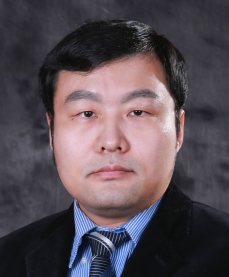 Qi Huang (黄琦)合作论文数Tongji Hospital of Tongji University8
 Baosan Han (韩宝三)合作论文数Shanghai Jiao Tong University School of Medicine6Liming Liu合作论文数6Nanbin Liu合作论文数5Bingyi Wang合作论文数5
 Shuai Xiao (肖帅)合作论文数5
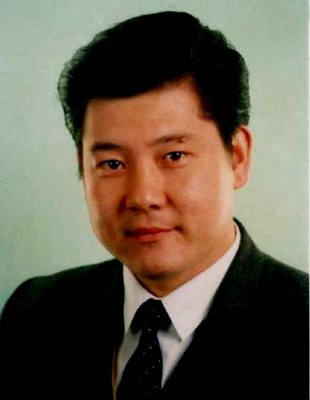 Yuezu Fan (范跃祖)合作论文数School of Medicine, Tongji University5ZongYuan Tao (陶宗元)合作论文数4Yan XU (许艳)合作论文数3XingSui Lu (鲁星燧)合作论文数3
 Guangwen Zhou (周光文)合作论文数Chinese Medical Association3JianCheng Wang (王建承)合作论文数3Ping Yuan (袁平)合作论文数3Hui Wang (王晖)合作论文数3
 Baiyong Shen (沈柏用)合作论文数Ruijin Hospital, Shanghai Jiao Tong University School of Medicine3Jingtao Zhang (张景涛)合作论文数3Deren Zhou (周德仁)合作论文数2Jialiang Wang合作论文数2D Zhou合作论文数2Yuhua WEI (魏玉华)合作论文数2Qimeng Chang合作论文数2YuFeng Wang (王毓锋)合作论文数2Fu Dai (戴夫)合作论文数2YiLin Wang (王益林)合作论文数2YaPing Gui (桂亚平)合作论文数2Wei Jing (经巍)合作论文数2XueZhi Wang (王学志)合作论文数2Zheng Lu (鲁正)合作论文数2XiaoYing Wang (王晓颖)合作论文数2XiaoMing Wang (王小明)合作论文数2
 Qiao Li合作论文数Translational Tumor Immunology Lab, Department of Surgery, Medical School, University of Michigan2HongWei Li (李宏为)合作论文数2Bao Yangyi合作论文数2Xia Yang合作论文数2Haibo Zhao合作论文数2
 Yufeng Wang合作论文数The University of Texas at San Antonio2
 Leiming Xia (夏磊铭)合作论文数Union Hospital, Tongji Medical College, Huazhong University of Science and Technology2
 Alfred E Chang合作论文数School of Medical, University of Michigan2Shaoze Ma合作论文数1Jinzhe Zhou合作论文数1




