of the graft will reinstate the deficit. The data presented represents the current status of the study.
神经移位术通过将原功能次要或能被代偿的自体周围神经移位,并与损伤的关键部位神经缝合,重建损伤部位神经功能,以恢复脊髓损伤性瘫痪患者部分感觉和运动功能.全面了解神经移位术治疗脊髓损伤性瘫痪的机制、发展、术式及适应症对临床治疗很有必要.本研究对国内外文献中有关脊髓损伤性瘫痪功能重建主要的神经移位术进行综述,为脊髓损伤性瘫痪的治疗提供参考.
Objective:To summarize the research progress on the surgical treatment of cerebral palsy with spasmolysis, orthopedic surgery, and functional reconstruction.Methods:Relevant literatures on the diagnosis and treatment of cerebral palsy that were published from January 2000 to June 2021 in CNKI, Wanfang Data, PubMed, and other Chinese and English databases were searched. Forty-seven literatures were finally included to summarize and analyze the data from three aspects, namely, the spasmolysis, orthopedic surgery, and functional reconstruction of cerebral palsy, literatures with inaccessible full text, inconsistent content, redundant topics, and low quality were excluded.Results:Current surgical methods for the treatment of cerebral palsy include spasmolytic surgery and orthopedic surgery. (1) Spasmolytic surgery includes selective posterior rhizotomy (SPR) and selective peripheral neurotomy (SPN). SPR could widely reduce limb muscle tension and is more suitable for tetanic limb spasm than SPN. In comparison, SPN is suitable for focal spasm because of its precision and small trauma effect in reducing single muscle tension in a muscle group. (2) Orthopaedic surgery can adjust muscle tension; release spasm; and relieve or correct deformities by tendon transfer, lengthening, or shortening (including Achilles tendon lengthening, hamstring release, posterior tibial muscle lengthening, anterior tibial muscle transposition, and adductor amputation). Orthopedic surgery is used as an important supplement to spasmolysis, and patients with cerebral palsy often need to receive SPR/SPN to relieve spasm before orthopedic surgery. (3) Limb function reconstruction surgery, which involves modified peripheral nerve transposition, includes nerve transfer graft surgery, vascularized intercostal nerve transfer, and side-to-side suture interfascicular of peripheral nerves.Conclusion:The surgical treatment of cerebral palsy is very important. Individualized and staged surgical plan, combined with the application of limb spasmolysis, orthosis, and modified nerve transposition, plays a positive role in alleviating limb spasm, correcting malformation, and rebuilding limb function after central nervous system injury.
Brain-derived paralysis is a disease dominated by limb paralysis caused by various brain diseases. The damage of upper motor neurons can lead to spastic paralysis of the limbs in different parts. If it cannot be treated in time and effectively, it will severely affect the motor function and ability of daily living. Treating limb spastic dysfunction in patients with brain-derived paralysis is a global problem. Presently, there are many alternative surgical methods. This article mainly reviews the treatment of limb spastic dysfunction with brain-derived paralysis, focusing on three aspects: limb spasmolysis, orthopedics, and functional reconstruction. Among them, the transposition of the peripheral nerve helps limb function with spastic paralysis and can effectively alleviate limb spasticity.
钙和维生素D是维持骨骼健康的基本营养素,但补过了也会损害健康.研究发现,钙补得太多可能得肾结石,维生素D过量会损害肾脏和心脏. 一般而言,成年人体内含钙量为1000~1300克,其中99%存在于骨和牙齿,仅1%在软组织里,全身血液所含的钙不足1克.只要饮食均衡就可以摄入充足的钙,而每天晒太阳半小时并适当运动,就能获得人体所需的90%以上的维生素D,有助于钙的吸收.
Objective:The objective of this study was to show that hand functions could be recovered using nerve segment insert grafting in quadriplegic patients with chronic incomplete lower cervical spinal cord injury (CSCI) (C5/6/7/8).Methods:A retrospective analysis was performed in 18 quadriplegic patients (12 male and 6 female patients; mean age, 27 years; age range, 17–55 years) with chronic incomplete lower CSCI who had undergone nerve segment insert grafting from January 2001 to June 2015. Among the 18 patients, the right upper limb was involved in 7, left upper limb in 4, and bilateral upper limbs in 7 patients.Results:The mean follow-up period was 16 months (range, 3 months–3 years), and all patients exhibited obvious relief of limb spasm. Among all patients, 15 patients experienced no obvious spasm attacks and exhibited recovery of living abilities, i.e., recovery of the hand functions of grasping, holding, and pinching, and recovery of pain and temperature sensation in the fingers and palms; furthermore, they were able to steer an ordinary wheelchair independently postoperatively. The remaining three patients exhibited a significant and continuous improvement in hand functions over time, without any significant donor nerve dysfunction.Conclusions:Nerve segment insert grafting is an effective method that helps recover hand functions in quadriplegic patients with chronic incomplete lower CSCI. Moreover, spasticity can be relieved and partial normal innervation can be obtained in the spastic muscles postoperatively.
Osteoporosis is a disease that significantly influences life expectancy and quality in humans. Oxidative stress may stimulate bone marrow osteoclast differentiation and inhibit osteoblast (OB) differentiation. OB proliferation and differentiation are affected by the forkhead box O (FoxO)1/β‑catenin signaling pathway. The osteogenic differentiation of mesenchymal stem cells (MSCs) may be promoted by silent information regulator type‑1 [sirtuin (SIRT)1]. However, the molecular mechanism of SIRT1 regulation of osteogenic differentiation of MSCs remains unclear, and further elucidation is needed. The present study investigated the role of SIRT1 in the FoxO1/β‑catenin signaling pathway in oxidative stress and its mechanism in the osteoblastic progenitor cell line (MC3T3‑E1). The results demonstrated that OB apoptosis and elevated oxidative stress in cells were simulated by H2O2, which was inhibited by moderate SIRT1 overexpression through reducing the oxidative stress. Further studies revealed that FOXO1 and β‑catenin pathway activity was downregulated by SIRT1 and eventually resulted in inhibition of target genes, including the proapoptotic gene B cell lymphoma‑2 interacting mediator of cell death, DNA repair gene growth arrest and DNA damage inducible protein 45 and the OB differentiation suppressor gene peroxisome proliferator activated receptor (PPAR)‑γ. Furthermore, β‑catenin and PPAR‑γ were inhibited by SIRT1. Overall, the results of the present study suggest that moderate overexpression of SIRT1 (~3‑fold of normal level) may directly or indirectly inhibit apoptosis of OBs via the FOXO1 and β‑catenin signaling pathway.
Cell therapy has been shown to be a key clinical therapeutic option for central nervous system diseases or damage. Standardization of clinical cell therapy procedures is an important task for professional associations devoted to cell therapy. The Chinese Branch of the International Association of Neurorestoratology (IANR) completed the first set of guidelines governing the clinical application of neurorestoration in 2011. The IANR and the Chinese Association of Neurorestoratology (CANR) collaborated to propose the current version “Clinical Cell Therapy Guidelines for Neurorestoration (IANR/CANR 2017)”. The IANR council board members and CANR committee members approved this proposal on September 1, 2016, and recommend it to clinical practitioners of cellular therapy. These guidelines include items of cell type nomenclature, cell quality control, minimal suggested cell doses, patient-informed consent, indications for undergoing cell therapy, contraindications for undergoing cell therapy, documentation of procedure and therapy, safety evaluation, efficacy evaluation, policy of repeated treatments, do not charge patients for unproven therapies, basic principles of cell therapy, and publishing responsibility.
Objective By analyzing the clinical and radiologic results after operation ,the clinical differences between locking plate fixation and minimally invasive poking reduction and hollow nail fixation in the treatment of Sanders Ⅱ and Ⅲ type calcaneal fractures were compared.Methods A total of 48 patients with unilateral calcaneal fracture admitted from Apr.2011 to May 2015 in Shanghai Changhai Hospital were selected.The ratio of male and fe-male was 40∶8.At the same time, the age range was 20 to 46 years,with an average age of 37.5 years, and the time from injury to surgery ranged from 3 to 7 days,with an average of 5.0 days.According to random number table meth-od,24 cases were treated with locking plate internal fixation (locking group,17 cases of typeⅡ,7 cases of typeⅢ) and 24 were treated with minimally invasive poking reduction and internal fixation with hollow nail (minimally invasive group, n=24,typeⅡn=18,typeⅢn=6).They were followed up for 9-12 months to observe the treatment effect. Results The operation time of the patients in the minimally invasive group was longer than that in the locking group , the amount of bleeding during the operation ,the time of hospitalization was less/shorter than the locking group ,and the difference was statistically significant (P<0.05).The recovery of calcaneal width ,length of B?lher angle were Gissane angle were significantly better in the minimally invasive group than in the locking group ,and the difference was statisti-cally significant(P<0.05), but did not have statistical difference in the B?lher angle(P>0.05).There was no com-plication in the minimally invasive group ,the incidence of complications in the locking group was 12.5%,and the difference was significant (P<0.05).The pain score in minimally invasive group was (4.30 ±0.98)points on the first day,(2.84 ±0.73)points on the seventh day,and (1.03 ±0.11)points before discharge,which were all better than those in the locking group (((5.72 ±1.42)points,(4.05 ±0.82)points,(2.76 ±0.73)points),respectively),and the difference was statistically significant(P<0.05).Conclusion In the treatment of Sanders Ⅱ and Ⅲ calcaneal fractures,minimally invasive poking reduction with hollow nail fixation and locking plate fixation can obviously improve the Bolher angle of the patients,but the minimally invasive operation is safe with rapid recovery,and is worth popularizing.
[目的]探讨显微镜下带蒂脂肪瓣转位治疗骶管囊肿的临床疗效.[方法]对2010年1月~2016年09月收治的29例成人症状性骶管囊肿患者资料进行回顾性分析,均行显微镜下带蒂脂肪瓣转位治疗.采用JOA评分、ODI和VAS评分评估患者术后1年神经功能改善情况.[结果]所有患者均顺利完成手术并获随访,随访时间12~14个月,平均12.7个月.患者术后JOA评分均较术前明显改善,差异具有统计学意义(P<0.05).患者术后ODI和VAS评分均较术前明显降低,差异具有统计学意义(P<0.05).术后1年随访复查MRI,患者囊腔消失22例(76%),囊腔缩小7例(24%).[结论]显微镜下带蒂脂肪瓣转位是治疗骶管囊肿安全有效的手术方式.
Objective To explore pathological changes in peripheral nerve damage area after firearm injury coupled with sea -water immersion, so as to provide experimental evidence for clinical treatment of peripheral nerve firearm injuries .Methods One hun-dred and eighty SPF SD rats were randomly divided into 5 groups, i.e.the firearm sciatic nerve injury ( incomplete breaking injury ) coupled with seawater immersion rat model group ( or group A1 ) , the firearm sciatic nerve injury ( complete breaking injury ) coupled with seawater immersion rat model group (or group A2), the firearm sciatic nerve injury (incomplete breaking injury) rat model group (or group B1), the firearm sciatic nerve injury (complete breaking injury) rat model group (or group B2), and the sharply-severed sciatic nerve group (or group C).Observations were made on gross morphology and pathology following sciatic nerve injury .Results In group A1, nerve fibers were totally broken , capillaries beneath epineurium and perineurium were ruptured with multifocal hemor -rhage.In group A2, many nerve fibers were broken , with extensive hemorrhage beneath epineurium and perineurium and myelin was al -so ruptured.Microscopy showed that damages similar to those of group A1 and group A2 could be observed in group B1 and group B2. No significant nerve fiber rupture was observed in Group C , and epineurium and perineurium remained intact .With the extension of time, severe nerve tract edema was observed in group A1, group A2, group B1 and group B2, with the infiltration of large quantities of leukocytes.At all the time points,the degree of edema for group A1 and group A2 were obviously less severe than that of group B1 and group B2.Conclusion Nerve fiber damage was identical in group A1 and group A2, with severe inflammatory cell infiltration and less severe in the edema of epineurium and perineurium , as compared with those of group B1 and group B2.
Lumbar interbody fusion is recognized as an effective treatment for degenerative lumbar diseases,such as lumbar spinal canal stenosis,spondylolisthesis,and segmental spinal instability.With the quick development of spinal surgery techniques and the deepening understanding about degenerative lumbar diseases,different approaches have been investigated and described literally.After application of these new approaches,satisfactory surgical outcomes have been achieved.However,the complications associated with each approach were reported as well.Generally,each approach is associated with unique benefits and limitations.This article reviews the different surgical approaches reported in recent years and their related complications.
Since 1992, task groups have used free nerve auto grafts to bridge partially transected nerves from the dominant area of the normal cerebral cortex to nerves that innervate spastic muscles from a diseased cerebral cortex, using transplanting sutures to alleviate the muscle spasm of cerebral palsy caused by different diseases. This has facilitated rebuilding of some of its neurological function. In this study, 80 such patients were followed up, including 20 patients with traumatic brain injury, 32 patients with stroke, and 28 pediatric patients with cerebral palsy. After postoperative follow-up of 3 to 21 years, the efficacy rate of this operation was 100% and the excellent and good spasm relief rate was 82.5%.
Recently, New England Journal of Medicine published an article by the famous hand surgery specialists, Yudong Gu. The important medical achievements of Gu's team include transposition of C7 nerve root of the unaffected side on the upper limbs in stroke hemiplegia, changing the brain central dominance region, and rebuilding the function of hands with spastic paralysis. These achievements are admirable because worldwide medical problems, such as stroke sequela hemiplegia, require long-term arduous efforts for any progress to be made. Any result that improves the survival quality of patients has significant social value. Their success has enabled me to feel that I am no longer alone in my years of exploration, and I am grateful to them from the bottom of my heart. At this time, I am reminded of the 40 years of my experience in this field. It has taken the efforts of many people to make this happen: Limb sequelae of stroke, especially spasmodic paralysis of upper limbs, often result in patients losing their ability to self-care, which can cause a great burden to their family and society. The need to rebuild and improve functions in such patients is urgent.
Obj ective :The characteristics within main nerve roots and nerve tracks used for nerve transfer graft surgery were microanatomically analyzed to localize the nerve tracts and nerve tracts groups and then identify their course patterns,in order to provide morphological basis for identifying the position,depth and extension of incisions in nerve transfer graft surgery and to explore the feasibility of localizing incisions based on the above-mentioned anatomical characteristics.Methods :Main nerves from 8 cadavers were dissected and their anatomical parameters were measured and verified during operations.The locations of nerve fibers or nerve bundles at different planes were recorded according to the scales of watch hands of wrist-watches. Results :The anatomical locations of nerve bundles within main nerve roots and nerve tracks showed definite regularity.Thus, unless obvious variations occurred,the incision position of the host nerve could be selected according to the locations of nerve bundles at different planes.The intraoperative electric stimulation and postoperative judgment of therapeutic effects showed that the accuracy rate was up to 70%-80% based on the above-mentioned method.Conclusion:It is feasible to identify the incision of host nerves during nerve transfer graft surgery according to microanatomical characteristics of main nerve tracks.
Currently, there is a lack of effective therapeutic methods to restore neurological function for chronic complete spinal cord injury (SCI) by conventional treatment. Neurorestorative strategies with positive preclinical results have been translated to the clinic, and some patients have gotten benefits and their quality of life has improved. These strategies include cell therapy, neurostimulation or neuromodulation, neuroprosthesis, neurotization or nerve bridging, and neurorehabilitation. The aim of this consensus by 31 experts from 20 countries is to show the objective evidence of clinical neurorestoration for chronic complete SCI by the mentioned neurorestorative strategies. Complete chronic SCI patients are no longer told, “nothing can be done.” The clinical translation of more effective preclinical neurorestorative strategies should be encouraged as fast as possible in order to benefit patients with incurable CNS diseases. This manuscript is published as part of the International Association of Neurorestoratology (IANR) special issue of Cell Transplantation.
目的 比较大鼠周围神经侧侧缝合与端端缝合后神经纤维生长速度.方法 SD大鼠24只,左下肢为实验组,右下肢为对照组.实验组先切开腓神经与胫神经相邻面的长0.5 cm的神经外膜和神经束膜,使部分神经纤维外露,再将两神经侧方紧密对合,用无创尼龙线缝合束外膜.对照组用缝线将腓总神经两断端行神经端端缝合.术后4周处死SD大鼠,分别距神经缝合口远端1.5、2.0及2.5 cm做神经纤维组织学切片及HE染色,计算两种缝合方法的通过率.结果 术后4周实验组和对照组距神经缝合口远端1.5、2.0及2.5 cm新生神经纤维通过缝合口的有效率差异均无统计学意义(均P>0.05).结论 神经侧侧缝合和端端缝合神经纤维生长速度上在SD大鼠实验模型上差异无统计学意义.
This experiment was conducted to evaluate the effects of yeast culture on growth performance,intestinal mucosal structure and intestinal microflora of broilers.Two hundred and forty one-day-old Arbor Acre broilers were randomly divided into 6 groups with 4 replicates per group and 10 chicks per replicate.The chicks in control group(group Ⅰ) were fed with a basal diet,and those in experimental groups(groups Ⅱ,Ⅲ,Ⅳ,Ⅴ and Ⅵ) were fed the basal diet supplemented with 0.05%,0.10%,0.15%,0.20% and 0.25% yeast culture,respectively.The experiment lasted for 21 days.The results showed as follows: 1) the average daily gain and average feed intake in groups Ⅴ and Ⅵ were significantly higher than those in control group(P0.05),and there was no significant difference in feed/gain among all groups(P0.05).2) Compared with the control group,the villus height and villus height to crypt depth ratio(V/C) in duodenum,jejunum and ileum in group Ⅴ were significantly increased(P0.05),while the crypt depth was significantly decreased(P0.05).3) The number of Escherichia coli in jejunum,ileum and cecum in group Ⅴ was significantly lower than that in control group(P0.05),while the number of Lactobacillus was significantly higher than that in control group(P0.05),and there was no significant difference in the number of Bifidobacterium among all groups(P0.05).The results indicate that yeast culture has the functions of regulating intestinal microflora and intestinal mucosal structure,and improving the growth performance.The appropriate supplemental level of yeast culture of broilers aged 1 to 21 days is 0.20% under the condition of this experiment.
 YuHai Ma (马玉海)合作论文数36WenQian Ma (麻文谦)合作论文数19YongTai Pan (潘永太)合作论文数14
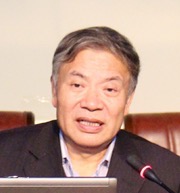 Chuansen Zhang (张传森)合作论文数The Second Military Medical University13RuiShan Dang (党瑞山)合作论文数12
 Baoqing Yu (禹宝庆)合作论文数Department of Orthopaedics,Changhai Hospital,Second Military Medical University,Shanghai ,China12XianLun Xiu (修先伦)合作论文数11
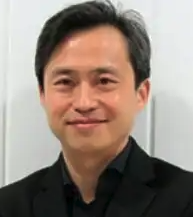 Xuesong Zhang (张雪松)合作论文数Chinese PLA General Hospital9
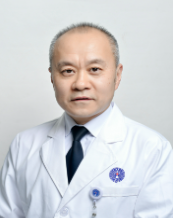 Shuogui Xu (许硕贵)合作论文数Changhai Hospital of Shanghai;School of Health Science and Engineering, University of Shanghai for Science and Technology;Naval Medical University;University of Shanghai for Science and Technology9XiaoWen Lu (陆晓文)合作论文数8QiuLin Zhang (张秋林)合作论文数8Hong-wei Zhu (朱红伟)合作论文数6ZhangYong Tan (谭章勇)合作论文数6JingGui Sang (桑井贵)合作论文数6HuiLong Huang (黄会龙)合作论文数6LaiQing Sun (孙来卿)合作论文数6GuoMin Yang (羊国民)合作论文数6Li Cao (曹莉)合作论文数第二军医大学基础部5
 Hongyun Huang (黄红云)合作论文数4Haitao Xi合作论文数4WANG Ji-bo (王吉波)合作论文数4XuRi Tang (汤旭日)合作论文数4RongMing Ji (纪荣明)合作论文数4Man Xiao (肖曼)合作论文数4XiaoHui Zhang (张晓慧)合作论文数4ZhenHua Gao (高振华)合作论文数4Shunfa Liu (柳顺发)合作论文数4Lin Chen (陈琳)合作论文数4
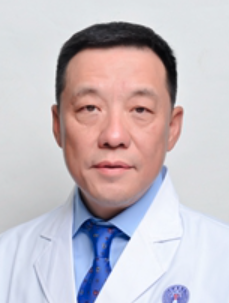 Ming Li (李明)合作论文数Department of Orthopaedics Surgery, Changhai Hospital Affiliated to the Second Military Medical University4Cheng He (何成)合作论文数Naval Medical University4huiren liu (刘会仁)合作论文数3Elena R. Chernykh合作论文数3ZHANG Hailong (张海龙)合作论文数3Wen-Bin Ding合作论文数3ZHI Jianwen (植剑文)合作论文数3Bo Ning合作论文数3yuxi zhu (祝玉玺)合作论文数3shuping wang (王书平)合作论文数3GuangXin Chen (陈广信)合作论文数3ErYu Chen (陈尔瑜)合作论文数3Zan Cao (曹赞)合作论文数3AiHua Dong (董爱华)合作论文数3YuQuan Li (李玉泉)合作论文数3XunYin Chen (陈训银)合作论文数3Hao Tang (唐昊)合作论文数3Ji Wang (王季)合作论文数3Fang Liu (刘芳)合作论文数3
 Qiugen Wang (王秋根)合作论文数Shanghai General Hospital3
 Zhiwei Wang (王志伟)合作论文数中国人民解放军第二军医大学3




