Targeting Chang'E-8 mission' in-situ resource utilization (ISRU) for sustainable lunar habitats, laser powder bed fusion (LPBF) provides a viable pathway for in-situ additive manufacturing of lunar regolith. To elucidate mission relevant mechanical behavior and failure mechanisms of LPBF fabricated lunar regolith simulants, mare type and highland type simulant specimens were produced. Microstructural characterization, mechanical test coupled with three-dimensional digital image correlation (3D-DIC), and an energy-dissipation framework were employed for comprehensive analysis. The pristine highland specimens achieved 5.79 MPa and a peak strain of 0.13 (50 mm x 50 mm x 30 mm), significantly outperforming their mare counterparts. Wire-cutting to 20 mm x 20 mm x 20 mm lowered strength by similar to 20% and peak strain to 0.04, indicating cutting-induced defects reduce ductility. All specimens displayed multipeaked stress-strain curves. 3D-DIC revealed band-type strain localization in pristine highland samples, diffuse strain patterns in cut highland samples, and highly tortuous, network-type bands in mare samples; the anisotropy index was also quantified. Fragmented particles exhibited fractal dimensions ranging from 1.6 to 2.0 (size 1.25-9 mm). Energy evolution progressed through three distinct stages: elastic energy storage, progressive energy dissipation delaying crack propagation, and final unstable collapse. An energy-based damage model was established and validated. The data and methods developed support Chang'E-8 missions' ISRU demonstrations and establish a transferable framework toward sustainable lunar habitats. (c) 2025 China University of Mining & Technology. Publishing services by Elsevier B.V. This is an open access article under the CC BY-NC-ND license (http://creativecommons.org/licenses/by-nc-nd/4.0/).
The long-term service of sintered lunar regolith ceramics on the lunar surface is governed by their response to a coupled thermal-radiation environment that is fundamentally different from terrestrial weathering. Here, the structural and performance evolution of HUST-2 highland regolith simulant bricks prepared by conventional sintering (CS, 1050 °C) and microwave sintering (MWS, 1010 °C) is systematically compared under sequential exposure to thermal cycling between high and low temperatures (±120 °C, 24 cycles), vacuum ultraviolet irradiation, and synchronous 180 keV proton (1 × 10¹¹ p·cm−2·s−1) and 180 keV electron (5 × 10¹³ e−·cm−2·s−1) irradiation. After exposure, the uniaxial compressive strength decreased by 17.0% for CS but by 40.2% for MWS, despite their near-identical as-sintered strengths (∼178 MPa). A Gibson-Ashby analysis shows that elastic modulus continues to follow the predicted n = 2 scaling with relative density, while strength deviates downward from the n = 3/2 prediction, indicating that exposure introduces failure-controlling micro-cracks and interconnected pores rather than a uniform porosity increase. Cross-sectional TEM on CS bricks reveals a continuous ∼400 nm amorphous rim decorated with 2-3 nm α-Fe nanoparticles (np-Fe0) in the outermost surface, while the matrix beneath remains crystalline. Coupled SRIM displacement-damage modeling and ionization-dose accounting unambiguously attribute the rim to electron-driven Knotek-Feibelman radiolysis (∼1.3 GGy in the surface 400 nm) rather than to proton displacement, whose Bragg-peak DPA (∼0.024) remains an order of magnitude below the amorphization threshold of framework silicates. XPS, Raman, nanoindentation, optical reflectance and mercury intrusion porosimetry collectively confirm bond-energy increase, surface amorphization, pronounced near-surface hardening, reflectance reduction, and pore-network coarsening (porosity rising from 8.76% to 11.61% and fractal dimension from 2.59 to 2.74). The results establish a baseline durability dataset for sintered regolith ceramics and identify a bulk-surface-decoupled degradation pathway of direct relevance to the design of potential compression-dominated lunar infrastructure components.
With the continued expansion of global resource development and scientific exploration, engineering construction in extreme environments requires material systems with environmental resilience and multifunctional protective capacity. Mycelium-based composites (MBCs) show strong potential for engineering in extreme settings due to their low energy demand, environmental responsiveness, and multifunctional integration. This paper reviews the application of mycelium-based composites for construction in four extreme environments: deserts, polar regions, marine, and extraterrestrial settings. Evidence shows that mycelium-based systems exhibit strong environmental adaptability. In desert environments, they support thermal regulation and passive heat storage; in polar environments, they provide thermal insulation, foundation stabilization, and humidity buffering; and in marine environments, they contribute to in-situ use of solid waste, resistance to water erosion, and extension of impact-resistant structures. For extraterrestrial engineering, the growth-based fabrication of MBCs aligns with in-situ resource utilization and offers sustainable solutions for structural construction, radiation protection, and closed-loop life support. Owing to their bioactivity and self-growth characteristics, living or reactivatable MBC systems may further support localized regrowth, self-repair, or environmental response under controlled hydration and nutrient conditions, enabling dynamic responses to external environmental fluctuations during long-term service. Future efforts should emphasize coordinated multifunctional design, long-term control and protection of mycelial activity, and the establishment of extraterrestrial multi-factor simulation and on-orbit verification systems.
Sliding sports of bobsleigh, skeleton and luge involve high-speed and high-overload competition, where the geometric profile of the track surface strongly influences performance. Existing design approaches are largely dependent on experience and lack systematic, data-driven methodologies. This study proposes a performance-based parametric design framework for three-dimensional track surfaces. The framework includes three components: generator, simulator and optimizer. The generator encodes the track geometry with a limited set of parameters to generate design candidates. The simulator then evaluates the sliding performance on the candidate design using a sliding motion simulation model. The optimizer is a multi-objective optimization model, which refines key geometric parameters to obtain a balance between different goals including safety, competitiveness, and cost considerations. The generator, simulator, and optimizer are integrated within the Grasshopper platform, forming a unified design tool. Validation is performed using the Yanqing National Sliding Centre track in Beijing, confirming the accuracy of both track generation and motion simulation. The optimization process is demonstrated through a virtual track design for recreational purposes. Results confirm that the proposed method can effectively produce track designs that meet specified performance criteria, offering a robust tool for engineering applications.
Sustainable, high-power energy infrastructure is essential for lunar bases yet must withstand the Moon’s extreme environment. This review compares power-generation, storage, and grid technologies across performance, environmental adaptation, in-situ resource utilization (ISRU) compatibility, and technology readiness; adds a first-order economic cost–benefit analysis of integrated architectures; and proposes a staged, milestone-driven development roadmap. Together, these provide a framework for resilient, ISRU-enabled lunar energy systems supporting habitation and deep-space exploration.
Laser powder bed fusion (LPBF) has emerged as a pivotal methodology for in situ lunar construction. However, the laser scanning strategy selected in these techniques critically governs the quality of components made of lunar regolith. In this study, we systematically investigated the effects of four laser scanning strategies (parallel, vertical, remelting, and partition) combined with variations in energy density on the morphological evolution, defect distribution, and mechanical properties of HUST-2 lunar regolith simulants. Through multiscale characterization techniques, we revealed that higher energy densities are positively correlated with enhanced compressive strength and reduced porosity. Notably, interlayer rotation mitigated crack propagation along the build direction by redistributing residual stress, while the partition strategy achieved homogeneous thermal stress dispersion to balance mechanical performance with fabrication efficiency. Crucially, melt pool dynamics dominated by Marangoni convection and high melt viscosity were identified as the key drivers of defect formation, with remelting effectively suppressing bubble entrapment and surface warping. These findings provide a mechanistic framework for optimizing lunar regolith LPBF processes to overcome the challenges of in situ resource utilization for sustainable extraterrestrial infrastructure.
Toward the need of evaluating in-situ resource utilization (ISRU) materials in lunar base construction, this study develops a multiscale framework that integrates computed tomography (CT), nanoindentation, grain-based modeling (GBM), and theoretical homogenization to quantify microscale properties and predict macroscopic mechanical behavior. Discrete element methods (DEM), have been widely used to simulate the mechanical behavior of lunar regolith; however, the micro-macro mechanical linkage remains largely unexplored. To address this gap, random GBM models based on the DEM were constructed using CT-derived mineral volume fractions and nanoindentation-informed elastic moduli, enabling simulation of force chain transmission and fracture evolution under uniaxial compression. To account for imperfect interfaces, defect-based corrections incorporating mineral surface area and volume fraction of isolated porosity were introduced into homogenization models. The results show that harder mineral phases, such as pyroxene and olivine, constitute the primary load-bearing network, while feldspar functions as a compliant matrix that accommodates deformation. The macroscopic mechanical response is primarily governed by intrinsic phase-level stiffness, with microstructural features acting as modulators. Reciprocally, variations in sintering conditions influence the spatial distribution of porosity and phase composition, reflecting top-down effects on microstructural development. Through a synergistic combination of modeling and theoretical analysis, this work for the first time establishes a physically grounded and systematic bidirectional linkage between microstructure and macroscopic mechanics, offering a robust framework for nondestructive performance evaluation and the rational design of sintered lunar regolith simulants (LRS) materials with target-specific properties.
Crack detection inside lava tubes is critical for structural integrity assessment, yet conventional tunnel-inspection methods are ineffective here: lava tubes have irregular, continuously varying cross-sections and host primary volcanic textures at scales comparable to the cracks themselves. We introduce LavaCrack_PT, a Transformer-based model for 3D crack detection in unstructured point clouds, featuring a five-level multi-scale backbone and an enhanced Dice loss designed for severe class imbalance. Tested on LiDAR data from Xianren Cave (Hainan, China), it achieves a mean IoU of 0.69 and class accuracy of 0.80, surpassing CNN-, graph-, and Transformer-based baselines while maintaining robustness across terrains, crack scales, and point-cloud densities. Used as a measurement tool, the detector yields a field inventory of 893 cracks with position-dependent orientations, axis-parallel on the roof, transverse on the walls, consistent with thermoelastic stress-field predictions. This validated workflow offers a transferable basis for future Moon subsurface exploration.
The aerial building machine (ABM) provides an integrated solution for high-rise construction through its ability to hoist construction platforms, materials, and equipment to elevations of several hundred meters while maintaining high operational adaptability. The jacking process of the ABM depends on coordinated extension and retraction of multiple cylinders. However, high-altitude wind loads and non-uniform stacking loads on the construction platform introduce significant uncertainties that may compromise structural safety. This paper presents the development of an intelligent synchronous control system based on a scaled experimental platform, employing a deep neural network for dynamic error compensation, together with a digital twin framework to improve operational efficiency and human-machine collaboration. Reinforcement learning tuned control parameters, and transfer learning migrated DNN-PID controller to the scale model. Jacking tests showed 0.407 mm synchronization error, a maximum error below 0.46 mm across ten conditions, and a 29% maximum synchronization error reduction with fewer iterations.
This study presents a parametric design and optimization approach for bucket drum lunar regolith collector. Using discrete element method(DEM) simulations, the operational performance of the collector was analyzed, focusing on filling efficiency, collection rate, and evacuation rate. Three surrogate models—radial basis function(RBF), Gaussian process regression(GPR), and support vector regression(SVR)—were constructed to form a composite surrogate model. The performance of four multi-objective optimization algorithms(MOPSO, NSGA-II, SPEA-II, PESA-II) was compared, with MOPSO demonstrating the best results. An adaptive surrogate model invocation mechanism based on absolute error of leave-one-out cross-validation(AELOOCV) further enhanced optimization accuracy. The entropy weight method and TOPSIS were employed to select the optimal solution from the Pareto set, leading to improvements of 10.353% in filling efficiency, 13.275% in collection rate, and 12.070% in evacuation rate. The study highlights the effectiveness of combining surrogate models with advanced optimization algorithms in lunar soil collection design.
Establishing a lunar base is crucial for ensuring long-term human presence on the Moon. In situ construction using local materials has become an international consensus. Sintering is a promising method for consolidating lunar regolith with an in-situ utilization rate of up to 100 %. In this study, the HUST-1 lunar regolith simulant (HLRS) with two different particle size distributions was used as the raw material. First, the melting droplet shape of pressed lunar regolith samples of different particle size distributions under vacuum conditions were studied by vacuum sintering furnace with HD camera function. Besides, vacuum sintering experiments were conducted at 1030, 1040, 1050, 1060, 1070, and 1080 degrees C. The performance of the sintered samples, including their microstructure, mineral composition, chemical composition, and mechanical properties, was studied. The results indicated that the mechanical performance of sintered HLRS decreases with increasing particle size. Subsequently, the effect of applied pressure on the sintering of lunar regolith particles with different particle size distributions was investigated. The findings showed that applying pressure can reduce the differences in mechanical performance caused by particle size. Moreover, applying pressure not only improves the mechanical performance of the sintered sample but also increases the optimal sintering temperature of HLRS. All the experimental results can be explained by the sintering driving force. This study elucidates the effect of particle size, sintering temperature, and applied pressure on the sintering performance of HLRS, providing valuable insights for the sintering of lunar regolith on the lunar surface.
Amid evolving public health challenges and increasing demands for carbon reduction, the optimization of hospital building performance has become a critical concern. This study focuses on nursing units in general hospital wards, with the aim of balancing natural ventilation, daylighting, and energy efficiency. A parametric generation and multi-objective optimization framework was developed on the Grasshopper platform, integrating spatial parameter modeling with performance simulations of natural ventilation (Butterfly), daylighting (Honeybee-Radiance), and energy consumption (Honeybee-Energy). Coupled with the Wallacei evolutionary algorithm, the framework enabled an automated workflow that facilitated coordinated optimization of multiple objectives. The results revealed pronounced trade-offs among the three indicators. Relative to the original scheme, the Average Optimal Solution improved ventilation from 0.37 to 0.51 m/s and daylighting from 58.72 % to 63.04 %, with only a slight increase in energy use intensity (about 0.7 %). The AWS-Optimal Solution achieved the highest ventilation (0.52 m/s), the AUDI-Optimal Solution delivered the best daylighting (64.29 %), and the EUIOptimal Solution minimized energy consumption (211.62 kWh/(m2 & sdot;a)) at the expense of other indicators. These findings confirm that single-objective optimization undermines overall performance, whereas multi-objective optimization ensures more balanced outcomes. The proposed approach contributes methodological and theoretical foundations for performance-driven, lowcarbon hospital design, thereby supporting the development of sustainable healthcare environments.
Deep learning (DL) models are increasingly used to identify unsafe activities for the construction safety service (CSS). However, two typical issues threaten DL training process performance: poor security and privacy in data sharing. To address these problems, a blockchain-based federated learning (BCFL) framework is proposed from a collaborative governance perspective to obtain optimistic DL models for CSS. Two special works of this BCFL framework are that 1) it develops the federated learning empowered privacy-preserving data sharing with the principle of sharing data model weights instead of raw data (especially for one DL application for CSS, the Fed-YOLOv4 model for workers' unsafe behavior identification task is developed) and 2) it explores two blockchain-based secure model sharing strategies that involve blockchain-interplanetary file system combination and model training contribution computing. Then, the smart contracts are further developed with the strategies above to streamline the workflow of federated DL model training. Finally, we apply the proposed framework to the practical subway project. The results demonstrate that the proposed framework can improve the DL model training and acquire global DL models for CSS with good accuracy. Our findings indicate that great data security and privacy ensured by introducing blockchain and federated learning can optimize data sharing and then DL models can be improved. Moreover, this study provides managers with a collaborative governance perspective on how DL models can be improved and further applied to CSS. This enables managers to quickly understand project safety performance and make timely managerial decisions for construction management. Managerial Relevance Statement-Ensuring security and privacy in data sharing presents a significant challenge in deep learning (DL)-driven decision-making for construction safety management (CSM). This study serves to develop a decision-making support system that integrates blockchain and federated learning to enable secure and privacy-preserving data sharing. The proposed system will support collaborative governance among multiple organizations, facilitating to obtain optimal DL models for CSM. By using this system, managers can significantly reduce the transaction costs associated with data sharing while maintaining security and privacy. Additionally, the system allows for faster decision-making and minimizes the need for tedious, error-prone data processing by leveraging optimal DL models. The DL-driven automatic identification of unsafe activities enables managers to understand their patterns of manifestation and therefore put in place strategies to prevent them from reoccurring.
With extensive application of building information modeling (BIM), vast BIM model resources have accumulated from both new and existing projects. Digital twins, a key application of these models, face two main challenges: exponential growth in geometric and attribute data, risking data explosion, and low data utilization due to insufficient semantic association among multi-source data across projects and domains. This paper addresses the challenge of reducing system complexity via scenario-driven methods while achieving deep semantic integration of cross-domain BIM data. It proposes an ontology-based “Digital Theater” framework that defines data boundaries based on scenario requirements and employs dynamic trimming strategies to reduce complexity. By combining a simplified data standard with a multi-domain fusion ontology model, the framework constructs scenario-based data integration rules for semantic alignment. An adaptive relational database with object storage design further supports efficient engineering data storage and utilization. The proposed method significantly reduces the complexity of data processing, enabling the integrated application of multi-domain data at a lower cost while enhancing the decision-support capabilities of BIM data. This framework demonstrates potential for application in diverse scenarios, supporting engineering digitalization and smart city development.
Lunar South Pole is an important target for lunar base construction in the future, and the lunar regolith in this area is mainly highland anorthosite. In this study, the lunar highland regolith simulants (LHRSs) with variable anorthosite content were developed, and the forming method was microwave sintering. The phase composition, microstructure, mechanical and thermal properties of sintered samples were studied. The results showed that the porosity of the samples decreased with the increase of sintering temperature, and the internal porosity of the microwave sintered samples (10.53 %, at 1010 degrees C) was lower than that on the surface. Meanwhile, the density of the microwave sintered samples reduced by the increase of anorthosite content, due to the permittivity of olivine and ilmenite was higher than that of feldspar minerals, so the samples with low content of anorthosite and high content of basalt have better sintering properties. The compressive strength and conductivity of the sintered samples with 20 wt% anorthosite at 995 degrees C reached the highest 142.12 MPa and 1.23 W/(m.K), respectively. This research provides theoretical and technical basis for the future construction of Lunar South Pole bases.
It has become an international trend for lunar exploration objectives to shift toward "emphasizing both understanding and utilization." Lunar infrastructure construction (LIC) will become a critical element in humanity's development and utilization of the Moon. China is also conducting the planning and deployment of lunar base construction, necessitating a systematic review and scientific evaluation of the major task requirements and technological development directions for LIC. Relying on an interdisciplinary team of experts, this study reviews the deep space exploration plans and research literature of major spacefaring nations. Based on relevant bibliometric data, it formulates a LIC task requirement list covering core objectives and supporting capabilities, as well as a LIC key technology list. Based on the above lists, a questionnaire was designed, and domain experts were organized to complete the survey. The questionnaire data then underwent in-depth mining and comprehensive evaluation. The research proposes the LIC core task and key technology system, identifying priority construction tasks such as power generation and oxygen production infrastructure, and key technological aspects such as lunar regolith printing and in-situ drilling on the lunar surface. Additionally, it assesses the technology maturity levels, implementation pathways, and development bottlenecks. The LIC task and technology system constructed in this study not only provides data support and directional guidance for China's LIC capability layout but also offers a reference framework for the phased deployment and resource allocation of major deep space exploration missions.
With the leapfrog development of space technologies, extraterrestrial in-situ resource utilization (ISRU) is transitioning from a frontier concept to engineering practices. As a crucial pillar for building deep space exploration capabilities, the ISRU technology will reshape the future paradigm of deep space exploration and give rise to an emerging space economy centered on extraterrestrial in-situ resources. This study aims to investigate the mission requirements and key technologies for extraterrestrial ISRU. Based on literature review, expert assessment, and other methods, it constructs for the first time a resource-product mission requirement list and a key technology list for extraterrestrial ISRU, systematically evaluating the implementation pathways and technological development directions for ISRU missions. Based on the analysis results of the maturity, application timeline, development level, and constraints of key extraterrestrial ISRU technologies, the study indicates that the peak time for the realization of China's extraterrestrial ISRU technologies will be concentrated between 2031 and 2036. Technological application constraints and a lack of infrastructure are identified as major factors hindering extraterrestrial ISRU, highlighting issues such as inadequate matching of technologies with application scenarios and lagging construction of technology verification facilities during practical implementation. Looking ahead, the major tasks for extraterrestrial ISRU will focus on the development and utilization of water ice, lunar and Martian regolith, gaseous, waste, and mineral resources. Key extraterrestrial ISRU technologies encompass five areas: resource prospecting, in-situ manufacturing and construction, resource exploitation, product and consumable storage, and resource processing technologies.
Extreme environments are unstructured and change rapidly, making human exploration in unfamiliar areas difficult. Construction robotics can help reduce risks to human safety and property in these environments by integrating digital technology and artificial intelligence. This technology has the potential to significantly improve the quality and efficiency of construction, making it a key area for future research. Extreme environments include hazardous work sites, polluted areas, and harsh natural conditions. Our review of construction robotics in these settings highlights several knowledge gaps. We focused on four main areas: mechanism design, perception, planning, and control. Our analysis reveals challenges in practical applications, such as creating adaptable mechanisms, accurately perceiving changing environments, planning for unstructured sites, and optimizing control models. Future research should explore: biomimetic designs inspired by nature, multimodal data fusion for perception, adaptive planning strategies, and hybrid control models that combine data-driven and mechanism-based approaches.
This study investigates the deformation and failure mechanisms of vacuum-sintered lunar regolith simulants (VLRS) under uniaxial compression. A combined approach of three-dimensional digital image correlation (3D-DIC) and high-speed photography was used to analyze the effects of sintering temperature (1018 degrees C-1058 degrees C) and composition-specifically plagioclase and TiO2 concentration-on the material's mechanical properties, crack propagation, and damage evolution. The results showed that the mechanical response of VLRS exhibits progressive hardening and bimodal strengthening behavior. At lower sintering temperatures (1018 degrees C-1028 degrees C), significant strain gradients were observed, leading to reduced crack resistance. In contrast, sintering at 1048 degrees C improved crack resistance and ductility, but this high-temperature treatment also increased the material's sensitivity to strain localization. Additionally, plagioclase inclusion delayed crack initiation but reduced the ultimate strength, while TiO2 enhanced crack resistance. A three-stage damage model (initial, stable, accelerated) was developed to describe the nonlinear damage evolution, which was found to correlate well with experimental results. These findings can guide the optimization of sintering parameters and VLRS material design for improved performance in lunar construction.
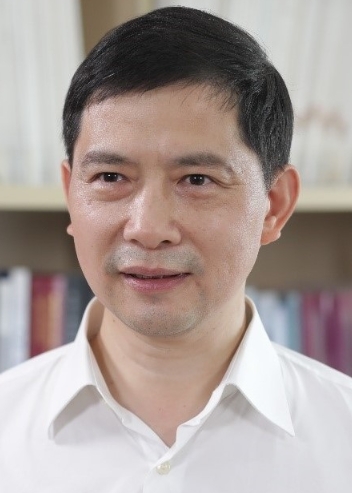 Hanbin Luo (骆汉宾)合作论文数School of Civil and Hydraulic Engineering, Huazhong University of Science and Technology;National Center of Technology Innovation for Digital Construction, Huazhong University of Science and Technology92
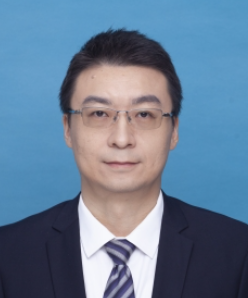 Cheng Zhou (周诚)合作论文数School of Civil and Hydraulic Engineering, Huazhong University of Science and Technology64
 Ying Zhou (周迎)合作论文数School of Civil and Hydraulic Engineering, Huazhong University of Science and Technology53
 Botao Zhong (钟波涛)合作论文数School of Civil and Hydraulic Engineering, Huazhong University of Science and Technology33
 Peter Love合作论文数School of Civil and Mechanical Engineering, Faculty of Science and Engineering, Curtin University28
 Xianguo Wu (吴贤国)合作论文数School of Civil and Hydraulic Engineering, Huazhong University of Science and Technology27
 Yan Zhou (周燕)合作论文数Faculty of Engineering, China University of Geosciences21
 Weili Fang合作论文数Dept. of Construction Management, School of Civil Engineering and Mechanics, Huazhong University of Science and Technology, Wuhan, Hubei, China18
 ShenJun Qi (祁神军)合作论文数14
 Miroslaw J. Skibniewski合作论文数Department of Civil and Environmental Engineering, A. James Clark School of Engineering, University of Maryland, College Park;Project Management Center for Excellence, University of Maryland, College Park14Chenshuang Li合作论文数12Wenbin Han合作论文数10
 Heng Li (李恆)合作论文数Department of Building and Real Estate, Faculty of Construction and Environment, The Hong Kong Polytechnic University;Research Institute for Artificial Intelligence of Things, The Hong Kong Polytechnic University10Chongming Li (李崇明)合作论文数School of Public Administration, Central China Normal University9
 Chengqian Li (李成谦)合作论文数College of Civil Engineering, Hunan University8
 Lixiong Cai (蔡礼雄)合作论文数School of Civil Engineering and Architecture, Wuhan University of Technology8Fan Wang合作论文数8
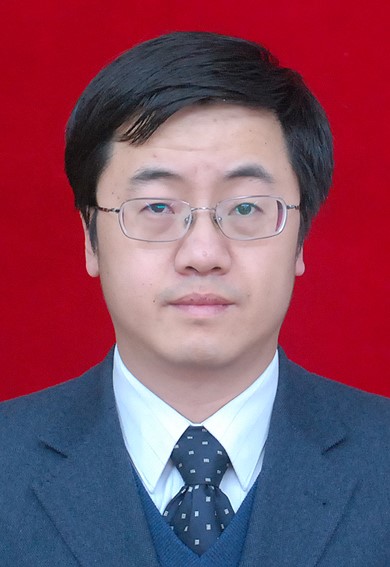 Jun Sun (孙峻)合作论文数School of Civil and Hydraulic Engineering, Huazhong University of Science and Technology8Ke You合作论文数7
 Jie Xu合作论文数7YanBing Ye (叶艳兵)合作论文数7
 Ling Ma (马灵)合作论文数School of Civil and Hydraulic Engineering, Huazhong University of Science and Technology7Weiguang Jiang合作论文数Xian Univ Sci & Technol, Sch Mech Engn, Xian 710054, Shaanxi, Peoples R China6
 Limao Zhang合作论文数School of Civil and Hydraulic Engineering, Huazhong University of Science and Technology;School of Civil and Environmental Engineering, Nanyang Technological University6
 Fang Qi (齐芳)合作论文数School of Computer Science and Engineering, Central South University6
 Weiming Li (黎纬明)合作论文数6Yuyue Gao合作论文数5
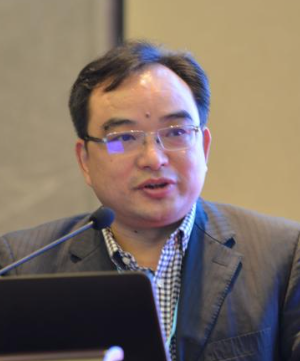 Hongping Zhu (朱宏平)合作论文数School of Civil and Hydraulic Engineering, Huazhong University of Science and Technology5
 Long Xiao (肖龙)合作论文数School of Earth Sciences, China University of Geosciences (Wuhan)5
 Xiaochun Luo (罗小春)合作论文数School of Civil Engineering and Transportation, South China University of Technology5
 Yu-Sheng Shi (史玉升)合作论文数School of Materials Science and Engineering, Huazhong University of Science and Technology5
 Junjie Zheng (郑俊杰)合作论文数School of Civil and Hydraulic Engineering, Huazhong University of Science and Technology5Zhangang Wu合作论文数4Xing PAN (潘杏)合作论文数4
 Limao Zhang (张立茂)合作论文数School of Civil and Hydraulic Engineering, Huazhong University of Science and Technology4
 Shengyu Guo (郭聖煜)合作论文数School of Economics and Management, China University of Geosciences4
 Keshuan Ma (马可栓)合作论文数南阳师范学院4
 Shifeng Wen (文世峰)合作论文数School of Materials Science and Engineering, Huazhong University of Science and Technology4
 Ke Chen (陈珂)合作论文数School of Civil Engineering and Mechanics, Huazhong University of Science and Technology4
 Jian Chen (陈健)合作论文数School of Civil and Hydraulic Engineering, Huazhong University of Science and Technology4
 Guocheng Li (李国成)合作论文数Tongji Hospital, Tongji Medical College, Huazhong University of Science and Technology4
 Rongjun Zhang (章荣军)合作论文数School of Civil Engineering, Wuhan University4
 Minghui Yu (余明晖)合作论文数School of Artificial Intelligence and Automation, Huazhong University of Science and Technology4
 Yongcheng Zhang合作论文数4Stuart Porter合作论文数3
 Hongliang Yu (余宏亮)合作论文数School of Management, Wuhan University of Science and Technology3Dou Quanli (窦全礼)合作论文数3




