Selective synthesis of higher oxygenates from syngas is an important but challenging research target, and the present methods for converting syngas into oxygenates suffer from low selectivity and high energy consumption in multiple processes. Herein, we report a tandem catalyst composed of carbon-supported CoMn and Rh-metalated 3v-PPh3-based porous organic polymers (POPs), which can convert syngas to oxygenates with a selectivity of up to 62.7% and where the percentages of C2+ and C6+ oxygenates exceed 96.6 and 70.7%, respectively. The CoMn/modified activated carbon (MAC) works as a Fischer-Tropsch synthesis (FTS) catalyst to produce paraffins, olefins, and alcohols, and the Rh-P active site embedded on Rh/(3)v-PPh3@POPs serves as a heterogeneous hydroformylation catalyst to convert the obtained olefins into aldehydes. The present work puts forward an alternative strategy for the design of relay catalysts for the direct synthesis of higher oxygenates.
Surface oxygen groups of carbon materials has been validated to be necessary for the synthesis of supported catalysts. Herein we report that the activity and selectivity of activated carbon-based material supported Co catalysts can be tuned by modifying the surface oxygen group concentration. As the groups were cleansed by H-2 at 1173 K, the FTS activity dropped from 8.4 to 4.0 mmol CO/(gcat.h). Whereas a following oxidation procedure could restore the FTS activity by regenerating the groups. Among which the HNO3 treatment exhibited the best effect with a remarkable elevation of activity (from 4.0 to 13.6 mmol CO/(gcat.h)) and C5+/ROH combined selectivity (64.9 C%). Characterization methods proved that the rationale behind which should be attributed to the increased Co dispersion/reduction degrees and CO/H-2 uptakes facilitated by the surface oxygen groups, and it exhibited that the activity of FTS increased as the surface oxygen group concentration and acidity were elevated.
Linear alpha-olefins (C-8-C-12 alpha-olefin, LAOS) are acknowledged as high-value-added chemicals in both lubricant production and the polyolefin industry. An alternative route to the synthesis of high-purity LAOs is the dehydration of linear long-chain n-alcohols, whereas elevating the activity and selectivity of catalysts remains a challenge. Herein, we presented that on using sodium-modified gamma-Al2O3 as the catalyst, a high selectivity (up to 96.87%) to 1-decene was achieved, and an optimized experimental condition (329 degrees C and 0.25 h(-1)) was found using the response surface method. Characterization results including X-ray diffraction (XRD), Brunauer-Emmett-Teller (BET), pyrolysis (Py)-IR, NH3-temperature-programmed desorption (TPD), and CO2-TPD showed that a suitable ratio (similar to 0.4 wt %) of sodium impregnation could inhibit the strong acid sites of the catalyst, and sodium impregnation led to the formation of additional base sites, which accounted for the synergistic effect with other acid sites to promote further conversion of ethers to olefins. This work is of significance for the synthesis of LAOs from long-chain n-alcohols.
A series of iridium-rhenium catalysts with different impregnation sequences were prepared and the catalytic properties of these catalysts for glycerol hydrogenolysis were evaluated. The catalyst prepared by the impregnation of Ir prior to Re afforded the best selectivity to 1,3-propanediol of 49.2 % with 43.7 % glycerol conversion. These catalysts were also characterized by temperature programmed reduction (TPR), X-ray diffraction (XRD), transmission electron microscopy (TEM), X-ray photoelectron spectroscopy (XPS), NH3-temperature programmed desorption (NH3-TPD), Fourier transform infrared spectroscopy (FT-IR) and H-2-chemisorption. It was found that Ir-0 species played a key role on the activities of glycerol conversion, and Re species might act as an efficient promoter to improve the dispersive state of Ir species as well as the reducibility. Kinetic studies have also been conducted and it was observed that the number of Ir-0 may affect the extent of consecutive hydrogenolysis of 1,3-propanediol over catalysts, and an appropriate number of Ir-0 was of importance to 1,3-propanediol selectivity.
The egg-shell catalysts could promote the conversion of glycerol while maintaining an acceptable pressure gradient.
The surface of SiO2 support was pretreated by C1–C4 normal alcohols before the impregnation of iridium and rhenium precursors. These catalysts were applied in high concentration glycerol aqueous solution hydrogenolysis. The catalysts prepared from the pretreated supports exhibited high catalytic activity because of the formation of more active sites from a high dispersion of iridium oxide and rhenium oxide. The catalysts with the support pretreated by 1-propanol showed the highest glycerol conversion of 59.5%. The supports and catalysts were characterized by FT-IR, nitrogen adsorption, TPR, XRD, TEM, H2-chemisorption and NH3-TPD.
以活性炭(AC)为载体,采用浸渍法制备了Ru/AC催化剂,并应用于邻苯二胺(o-PDA)催化加氢制1,2-环己二胺的反应。考察了Ru负载量、溶剂种类、反应温度、添加剂Na NO2用量、水用量等反应条件对加氢性能的影响。实验结果表明,适宜的反应条件为:温度170℃,压力8.0 MPa,o-PDA 16.0 g,异丙醇75 m L,Na NO2 0.50 g,水4.0 m L,5%(w)Ru/AC催化剂3.0 g;在此条件下,o-PDA的转化率为99.5%,1,2-环己二胺的收率为86.3%。5%(w)Ru/AC催化剂循环使用5次后,o-PDA的转化率由99.5%降至85.7%,1,2-环己二胺的选择性维持在85%以上。循环使用5次后的催化剂经洗涤、干燥和还原活化后,活性恢复,可重复使用。
A series of Cu-MCM-41 with different Cu contents were successfully synthesized by the direct hydrothermal (DHT) method and evaluated in the Baeyer–Villiger oxidation of cyclohexanone, using only 2 molar equiv of benzaldehyde as sacrificial agents. High conversion (99.0%) of cyclohexanone and ε-caprolactone selectivity (100%) were detected over Cu-MCM-41 (23) within 3h. Various physical–chemical characterizations, including BET, XRD, UV–vis and H2-TPR, revealed that isolated Cu2+ species in the MCM-41 framework were responsible for the catalytic activities. This catalyst could be reused for three times without discernible loss in its activity and selectivity.
The influence of Li loading on the catalytic activity of Li-promoted Rh-Mn/SiO2 catalyst for the synthesis of C-2-oxygenates through CO hydrogenation was investigated. The catalyst samples were characterized by volumetric chemisorption, temperature-programmed reduction, temperature-programmed desorption of CO, and temperature-programmed surface reaction. The addition of Li significantly suppressed the formation of CH4 on the Rh-based catalyst, while the selectivity for higher hydrocarbons was little affected. The Li promoter largely enhanced the selectivity for C-2-oxygenates, especially that of acetic acid. However, the activity of the Rh-based catalyst for CO hydrogenation gradually decreased with the increase in Li loading. It was suggested that the role of Li was to decrease the CO dissociation ability and to reduce the number of active sites for CO dissociation. The uptakes of H-2 and CO on the Li-promoted Rh-based catalyst were almost the same as those on the Rh-Mn/SiO2 catalyst, which implied that most of Li was positioned on the support, and only a small part of the added Li was positioned on the top of Rh particles.
FePO4/SiO2 was employed for the oxidative bromination of methane (OMB) for the first time. A methane conversion of 50% and total selectivity of 96% for CH3Br plus CO (CH3Br:CO approximate to 1) were obtained at 570 degrees C. Comparison experiments were designed to investigate the roles of O-2, HBr and the catalysts. Powder Xray diffraction (XRD), X-ray photoelectron spectroscopy (XPS). Fourier-transform infrared spectroscopy (FTIR) and Fe-57 Mossbauer spectroscopic studies were conducted on the catalysts. It was confirmed that the FePO4 components of the fresh catalyst transformed quickly to stable active species during the induction period, and the active components of the stable catalyst have been found to consist of near-equimolar alpha-Fe-3(P2O7)(2) and Fe2P2O7. The reaction over the FePO4/SiO2 catalyst was proposed to follow a redox route based on the results of comparison experiments and associated characterization. (C) 2010 Elsevier Inc. All rights reserved.
FePO4/SiO2,as an inexpensive and widely used material, was firstly employed for the oxidative bromination of methane, which showed effective and stable performance at 570℃, namely, 49% methane conversion and 95% total selectivity for CH3Br/CO(CH3Br:CO ≈1)were obtained on a single pass. The products could be directly used as a feedstock for the manufacture of acetic acid. 57Fe Mossbauer spectroscopic studies revealed that the FePO4 components of the fresh catalyst transformed quickly into stable active species during the induction period, and the active components of the stable catalyst have been found to consist of near-equimolar α-Fe3(P2O7)2 and Fe2P2O7.
Different FePO4/SiO2 catalysts have been synthesized and employed for the oxy-bromination of methane reaction. The long-term stability experiments and the influences of FePO4 loading and reaction temperature have been investigated. It was demonstrated that the FePO4/SiO2 catalysts were very stable during 200h time-on-stream. High total selectivity for CH3Br plus CO with equimolar ratio could be achieved by manipulating the reaction variables. However, coke deposition was found on the used catalysts after a long running period. Characterization techniques such as N2-adsorption, Fourier-transform infrared spectroscopy and temperature-programmed oxidation were employed to investigate the fresh and used samples. The characterization results implied that the accumulation of CH2Br2 during the reaction could be the direct cause of coke deposition.
采用CO加氢反应、静态化学吸附、程序升温还原、CO程序升温脱附和程序升温表面反应等技术研究了助剂Li对Rh-Mn/SiO_2催化剂上CO加氢合成碳二含氧化合物性能的影响.结果表明,Li的加入及其负载量的增加抑制了烃类,特别是CH_4的生成,而对碳二及碳二以上烃类的选择性影响较小.Li的加入还提高了碳二含氧化合物的选择性,主要是乙酸的选择性,但同时降低了Rh基催化剂的CO加氢活性.表征结果表明,Li的加入既降低了催化剂解离CO的能力,又减少了催化剂上CO解离活性位的数量,从而降低了Rh基催化剂上CO加氢的速控步骤--CO解离反应的速率.Li负载量对Rh-Mn/SiO_2催化剂上H_2和CO的化学吸附量影响较小,这表明并非所有的Li都和Rh发生了相互作用,而是有相当一部分Li只是分散在载体SiO_2上,并没有与Rh发生接触.
Glycerol was effectively converted to 1,3-propanediol in water medium by hydrogenolysis over the Pt/WO3/TiO2/SiO2 Catalyst. WO3 and TiO2 loadings in Pt/WO3/Ti02/SiO2 catalyst influenced catalytic performance remarkably. 1,3-PD selectivity was sensitive to WO3 loading and TiO2 loadings influenced the reaction rate greatly The best results of glycerol conversion and 1,3-PD selectivity occurred when WO3 and TiO2 loadings were 5% and 10%, respectively. XRD characterization indicated a good dispersion of WO3 and TiO2 on SiO2. NH3-TPD and Py-IR suggested a proper number of weak acid sites and the presence of BrOnsted acid sites were required for selective hydrogenolysis of glycerol to 1,3-PD.
SiO2-supported Pt/WO3/TiO2 catalysts were prepared; they were found to be more active and selective than the Pt/WO3/TiO2 catalyst for glycerol hydrogenolysis to 1,3-propanediol in a slurry batch reactor. The influences of catalyst component, reaction medium, reaction temperature, H2 pressure and reaction time on glycerol hydrogenolysis over the Pt/WO3/TiO2/SiO2 catalyst were investigated. XRD, TEM, NH3-TPD and Py-IR characterization were employed to reveal the roles of WO3 and TiO2 in the performance of the Pt based-catalysts. XRD patterns and TEM images showed that the presence of TiO2 species in the catalyst favored the dispersion of platinum. The weak Brønsted acid sites formed by addition of WO3 to the catalyst were concluded to play a key role in selective formation of 1,3-propanediol, based on the results of NH3-TPD and Py-IR characterization.
Different solvents were studied for dehydroxylation of glycerol to1,3-propanediol over a Pt/WO3/ZrO2 catalyst. Protic solvents such as ethanol and water favored the formation of 1,3-propanediol from glycerol. Binary solvents containing a protic component showed a synergetic solvent effect on the selective dehydroxylation of glycerol to 1,3-propanediol. The protic component in the binary solvent influenced the performance of the Pt/WO3/ZrO2 catalyst.
Oxidative bromination of methane, mediated by HBr/H2O (solution), provides an original route for the production of oxygenates and gasoline directly from natural gas. However, the reported catalysts for this reaction all involved noble metals. From the consideration of replacing noble metal catalysts with cheaper oxides, various silica-supported oxide catalysts were surveyed. It was found that the redox ability of different metals had a strong impact on the product distribution. On the catalysts with metals that lack facile redox ability, such as BaO/SiO2, both CH3Br and CO were main products. Otherwise, deep oxidation proceeded. Moreover, methanol was firstly reported in this system. In order to obtain a molar ratio of (CH3OH + CH3Br): CO = 1, which can provide a perfect feedstock for the synthesis of acetic acid, the process variables were optimized on BaO/SiO2. It was demonstrated that 44.0% methane conversion and 95% total selectivity of CH3Br, CH3OH and CO could be achieved at 620 degrees C. and the molar ratio of (CH3Br + CH3OH): CO was close to 1. Time-on-stream tests showed declined catalytic performance after 30 h. The results from N-2-adsorption, XRF and XRD implied that aggregation of barium particles occurred, making the metathesis between BaO and BaBr2 difficult. The functions of BaO were also proposed. Additionally, the activity data were compared with those of noble metal catalysts. (C) 2008 Elsevier B.V. All rights reserved.
 Yunjie Ding (丁云杰)合作论文数Dalian Institute of Chemical Physics, Chinese Academy of Sciences26
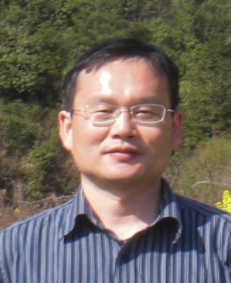 Weimiao Chen (陈维苗)合作论文数Dalian Institute of Chemical Physics, Chinese Academy of Sciences;University of Chinese Academy of Sciences14
 Ronglin He (赫荣琳)合作论文数Tianjin Institute of Industrial Biotechnology, Chinese Academy of Sciences;University of Chinese Academy of Sciences11
 Yuan Lv (吕元)合作论文数Dalian Institute of Chemical Physics, Chinese Academy of Sciences;University of Chinese Academy of Sciences9
 Jingwei Li合作论文数Chinese Academy of Sciences8Wenda Dong合作论文数7
 Yuan Lu (卢渊)合作论文数Faculty of Information Science and Engineering, Ocean University of China6
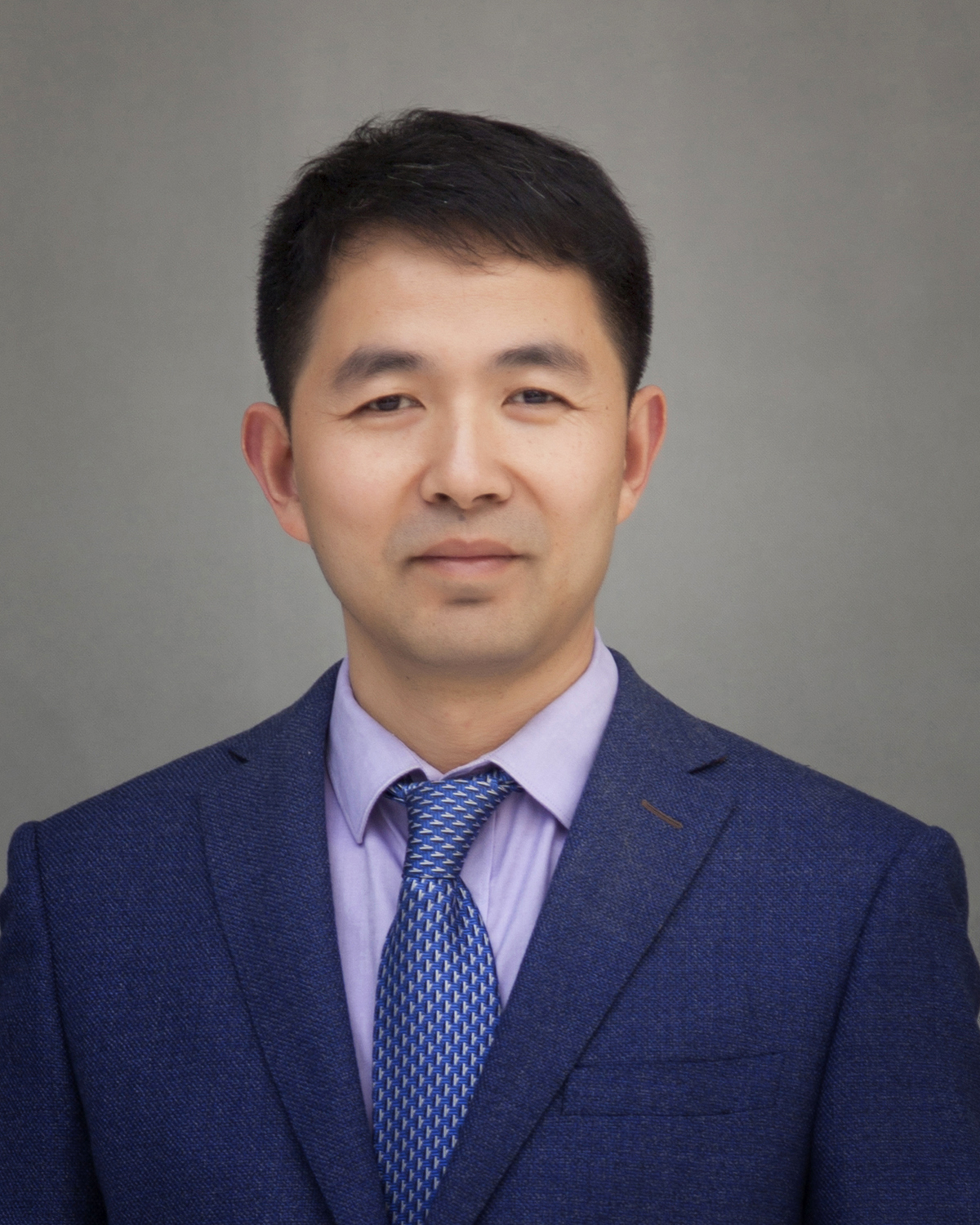 Hejun Zhu (朱何俊)合作论文数Dalian Institute of Chemical Physics, Chinese Academy of Sciences;University of Chinese Academy of Sciences5
 Tao Wang (王涛)合作论文数Center of Artificial Photosynthesis for Solar Fuels, School of Science, Westlake University;Laboratory of Computational Catalysis and Material Design, School of Science, Westlake University4Wenting Luo合作论文数4
 Li Yan (严丽)合作论文数Dalian Institute of Chemical Physics, Chinese Academy of Sciences4Luo Hongyuan合作论文数3Ziang Zhao合作论文数3Hong Du (杜虹)合作论文数3Xiangen Song (宋宪根)合作论文数3
 Wei Lu (卢巍)合作论文数Dalian Institute of Chemical Physics, Chinese Academy of Sciences;University of Chinese Academy of Sciences3Lili Ning合作论文数2Yihui Li合作论文数2Tao WANG (王涛)合作论文数2Min Zhao合作论文数2
 Miao Jiang (姜淼)合作论文数Institute of Basic Research in Clinical Medicine, China Academy of Chinese Medical Sciences2
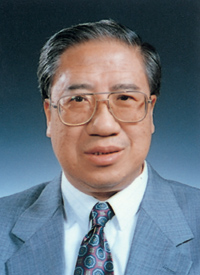 Liwu Lin (林励吾)合作论文数Dalian Institute of Chemical Physics, Chinese Academy of Sciences2Xianming Li合作论文数2Guiping Jiao (焦桂萍)合作论文数2Luyao Guo合作论文数1
 Cunyao Li (李存耀)合作论文数University of Chinese Academy of Sciences;Research Center for Syngas Conversion, Dalian Institute of Chemical Physics, Chinese Academy of Sciences1
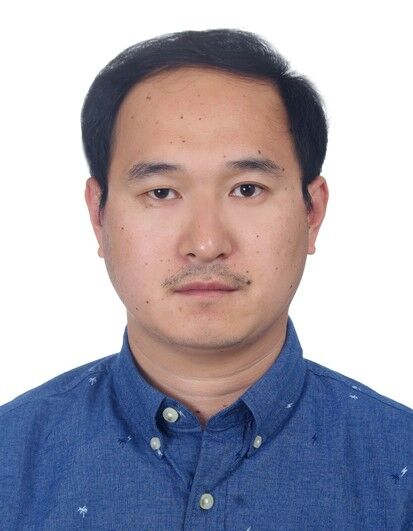 Meng Chen (陈猛)合作论文数University of Chinese Academy of Sciences;Institute of Mechanics, Chinese Academy of Sciences1Shiyi Wang合作论文数1
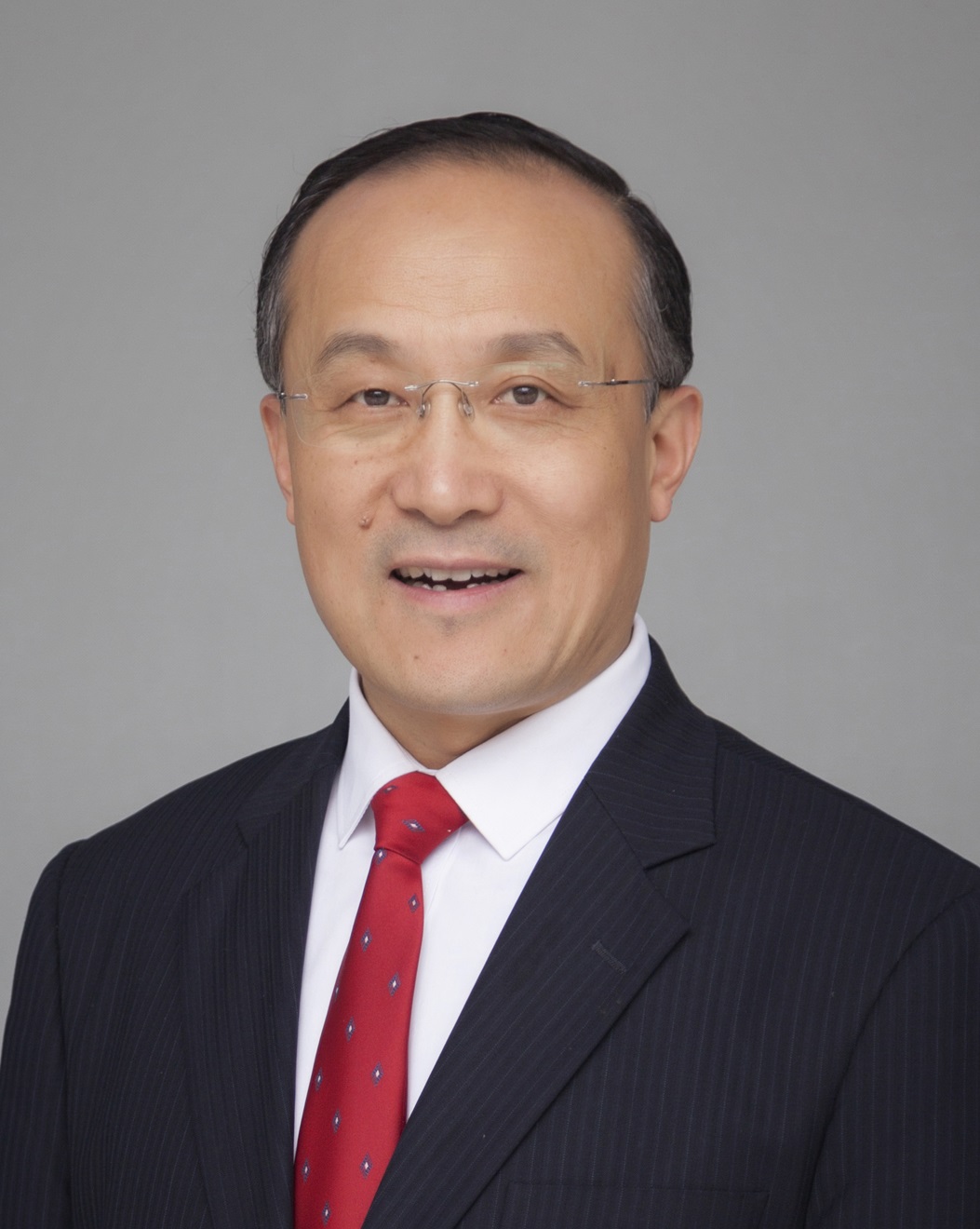 Tao Zhang (张涛)合作论文数Dalian Institute of Chemical Physics, Chinese Academy of Sciences;University of Chinese Academy of Sciences1Juan Zang (臧娟)合作论文数1
 Qin Xin (辛勤)合作论文数Molecular Catalysis & in Situ Characterization Group, Dalian Institute of Chemical Physics, Chinese Academy of Sciences1Yanpeng Pei合作论文数1
 Junhu Wang (王军虎)合作论文数Dalian Institute of Chemical Physics, Chinese Academy of Sciences1




