PURPOSE:Robot-assisted nephrectomy and inferior vena cava (IVC) thrombectomy are technically demanding and high-risk procedures. The role of multidisciplinary team (MDT) management in robotic surgeries has not been reported previously. This study aimed to evaluate the safety and feasibility of MDT management in robot-assisted nephrectomy and IVC thrombectomy. PATIENTS AND METHODS:We retrospectively analyzed 209 patients who underwent robot-assisted nephrectomy and IVC thrombectomy for renal tumor with venous tumor thrombus (Mayo levels I-IV) in our center between June 2013 and December 2023. Since July 2018, a proactive, comprehensive, and full-process MDT management framework has been implemented perioperatively. Patients were divided into MDT management (n = 142) and non-MDT management (n = 67) groups, with propensity score matching (1:1) resulting in 67 patients in each group. Multivariable regression, survival analyses, and interrupted time series analysis were conducted to assess perioperative outcomes and survival. RESULTS:All procedures were completed without conversion. MDT management significantly improved perioperative outcomes compared with the non-MDT group. Specifically, MDT reduced estimated blood loss (p = 0.045), intraoperative blood transfusion (p = 0.009), blood transfusion volume (p = 0.005), postoperative intensive care unit stay (p = 0.002), and postoperative hospital stay (p < 0.001). Multivariable regression confirmed that these improvements were independent of other factors. MDT management was associated with a significant improvement in overall survival (hazard ratio [HR] = 0.27, p = 0.023) and a potential benefit in progression-free survival (HR = 0.40, p = 0.065), as indicated by survival analysis. CONCLUSIONS:MDT management in robot-assisted nephrectomy and IVC thrombectomy improves perioperative safety and enhances survival outcomes. This study highlights the critical role of the standardized MDT framework we proposed in optimizing high-risk robotic procedures.
This study aimed to compare the outcomes of laparoscopic partial nephrectomy (LPN) and robot-assisted partial nephrectomy (RAPN) for the treatment of multiple ipsilateral renal tumours (MIRT). The primary outcomes were perioperative results, including the rate of postoperative complications and ‘Trifecta’ achievement. The secondary outcomes included renal functional preservation and oncological survival. We retrospectively analysed the data of patients with MIRT who underwent LPN or RAPN between 2010 and 2024. Propensity score matching (1:1) was performed to adjust for potential baseline confounders, resulting in a final matched cohort of 19 patients per group. Perioperative data and functional, oncological, and survival outcomes were reviewed. In the matched cohort, the RAPN group was associated with significantly fewer postoperative complications (10.5
The clinical significance and molecular mechanisms of KLHDC4 in malignancies, particularly in clear cell renal cell carcinoma (ccRCC), remain poorly understood. In this study, we integrated multi-omics data—including transcriptomic, proteomic, and single-cell RNA sequencing—to systematically evaluate the clinical relevance and functional role of KLHDC4, followed by experimental validation. Our results demonstrated that KLHDC4 is significantly upregulated in multiple cancer types and serves as an independent prognostic biomarker for poor survival in ccRCC. KLHDC4 expression was correlated with immune cell infiltration, tumor mutational profiles, and immune checkpoint expression. Furthermore, KLHDC4 levels predicted response to drug therapies, including immunotherapy and tyrosine kinase inhibitors. Functional experiments showed that KLHDC4 knockdown suppressed proliferation, migration, and invasion in vitro, as well as tumor growth in vivo, whereas its overexpression promoted malignant phenotypes. Mechanistic investigations through RNA sequencing and Western blot analysis indicated that KLHDC4 activates the PI3K/AKT signaling pathway. Rescue assays confirmed that KLHDC4-driven oncogenic effects are partially mediated through this axis. Additionally, molecular docking identified ledipasvir as a potential KLHDC4 inhibitor. Collectively, our findings establish KLHDC4 as a novel prognostic biomarker and therapeutic predictor, highlighting the KLHDC4/PI3K/AKT axis as a potential target for ccRCC treatment.
Fine-grained action segmentation during renorrhaphy in robot-assisted partial nephrectomy requires frame-level recognition of visually similar suturing gestures with variable duration and substantial class imbalance. The SIA-RAPN benchmark defines this problem on 50 clinical videos acquired with the da Vinci Xi system and annotated with 12 frame-level labels. The benchmark compares four temporal models built on I3D features: MS-TCN++, AsFormer, TUT, and DiffAct. Evaluation uses balanced accuracy, edit score, segmental F1 at overlap thresholds of 10, 25, and 50, frame-wise accuracy, and frame-wise mean average precision. In addition to the primary evaluation across five released split configurations on SIA-RAPN, the benchmark reports cross-domain results on a separate single-port RAPN dataset. Across the strongest reported values over those five runs on the primary dataset, DiffAct achieves the highest F1, frame-wise accuracy, edit score, and frame mAP, while MS-TCN++ attains the highest balanced accuracy.
BACKGROUND:Lymph node metastasis is a well-established prognostic factor in renal cell carcinoma (RCC); however, the prognosis varies among patients with nodal metastases. Subclassification by T category may improve the prognostic stratification. METHODS:This study aimed to refine the prognostic stratification of advanced RCC by analyzing the overall survival and cancer-specific survival of patients classified as pT1-3N1M0. We retrospectively analyzed data from 364 patients with American Joint Committee on Cancer (AJCC) stage III and IV RCC who underwent nephrectomy with lymphadenectomy at multiple centers between 2010 and 2023. Five-year survival rates were estimated using Kaplan-Meier analysis, and the concordance index (C-index) was used to assess the stratification ability of the different staging systems. Multivariable analyses were conducted to adjust for potential confounders. Additionally, 194 and 1513 patients from The Cancer Genome Atlas and Surveillance, Epidemiology, and End Results databases were used to validate the prognostic values. RESULTS:Patients with pT1-2N1M0 had significantly better 5-year survival rates than those with pT3N1M0 (overall survival: 62.4% vs. 31.5%, P = 0.003; cancer-specific survival: 62.4% vs. 38.5%, P = 0.008). Reclassifying pT3N1M0 from AJCC stage III to IV improved prognostic discrimination, as reflected by higher C-index values compared to the AJCC staging (8th edition) (ΔC-index: 0.03-0.10, all P values <0.05). The modified staging system demonstrated comparable performance to the previous system while avoiding the over-staging of patients with pT1-2N1M0 (ΔC-index: 0-0.04, most P values >0.05), as confirmed across local and external cohorts. These findings were supported by the Multivariable analyses. CONCLUSION:Reclassifying pT3N1M0 as stage IV improves prognostic stratification in RCC.
Although the use of tyrosine kinase inhibitors (TKIs), such as sunitinib, has led to impressive advancements in the treatment of clear cell renal cell carcinoma (ccRCC), primary or acquired resistance to sunitinib remains elusive. Here, we report that death receptor 5 (DR5) is upregulated in ccRCC tissues and sunitinib-resistant cells, and is associated with poor outcomes and sunitinib resistance. Gain- and loss-of-function experiments revealed that DR5 promotes sunitinib resistance both in vitro and in vivo. Mechanistically, DR5 enhances the activation of NF-κB signalling by reducing the ubiquitin-mediated proteasomal degradation of p65 via competitive binding to the CUL4B-DDB1 E3 ligase complex linker protein WDR12, leading to the transcriptional upregulation of DR5 and BCL2. The positive feedback loop between DR5 and p65 contributes to the upregulation of BCL2 expression, which in turn modulates sunitinib resistance in ccRCC. Notably, targeting the DR5/NF-κB/BCL2 axis sensitizes ccRCC cells to sunitinib both in vitro and in vivo. Clinically, ccRCC patients with high DR5 expression show decreased responsiveness to TKI-based therapy. Collectively, these results highlight the importance of the positive feedback loop involving the DR5/NF-κB axis in sunitinib resistance and provide an effective therapeutic strategy for overcoming resistance.
BACKGROUND:Patients on maintenance hemodialysis (MHD) face a dramatically elevated risk of cardiovascular death, which is 10 - 20 times higher than in the general population. To address this high risk, we developed and validated a prediction model to accurately estimate cardiovascular disease (CVD) mortality and guide preemptive clinical management. MATERIALS AND METHODS:This study retrospectively collected data from MHD patients at the First Affiliated Hospital of Chengdu Medical College from 2016 to 2021 (Approval No. CYFYEC-C-005), including demographic characteristics, medical history, biochemical indicators, and echocardiogram indices. Variables were screened using univariate logistic regression and stepwise regression to construct a nomogram model. The dataset was randomly divided (6 : 4) into training and validation sets, and a classification and regression tree (CART) decision tree model was also constructed. Both models' discrimination, calibration, and clinical utility were evaluated. RESULTS:The nomogram identified systolic blood pressure, uric acid, total cholesterol, diabetes, myoglobin, serum albumin, and procalcitonin as predictors, with an AUC of 0.947 (95% CI: 0.903 - 0.991) and good clinical applicability. The CART model identified serum albumin, procalcitonin, and myoglobin as predictors, categorizing the population into four groups. AUC values were 0.933 (95% CI: 0.851 - 1.000) in the training set and 0.774 (95% CI: 0.612 - 0.936) in the validation set. CONCLUSION:In conclusion, this study consistently identified serum albumin, procalcitonin, and myoglobin as key factors associated with CVD mortality risk in MHD patients. Both models demonstrated promising predictive performance in our cohort. These findings suggest the potential of such models to inform clinical risk assessment. However, external validation in larger, multi-center studies is necessary before these tools can be considered for direct clinical decision-making.
Upper tract urothelial carcinoma (UTUC) with venous tumor thrombus is exceedingly rare and highly aggressive, and its anatomical complexity poses major surgical challenges in the absence of standardized operative strategies. We retrospectively reviewed UTUC patients who underwent radical nephroureterectomy with thrombectomy at the First and Third Medical Centers of the Chinese PLA General Hospital. Baseline, perioperative, and pathological data were collected. Overall survival (OS), disease-free survival (DFS), perioperative renal function, and the applicability of the Mayo and “301” classifications were evaluated. By August 2024, 11 patients (7 men; 60.45 ± 8.68 years) were included. Flank pain and gross hematuria were the most common symptoms. On preoperative MRI-based assessment, Mayo thrombus levels 0, I, II, III, and IV were observed in 2, 2, 5, 1, and 1 patient(s), respectively. Using the 301 classification, levels 0, 0a, I, II, III, and IV were observed in 1, 1, 4, 3, 1, and 1 patient(s), respectively. Ten patients underwent robot-assisted radical nephroureterectomy with thrombectomy and IVC reconstruction or patch angioplasty when needed; one patient required conversion to open surgery. Median operative time was 222 min (IQR 170–255), and median blood loss was 300 mL. One perioperative death occurred after massive postoperative hemorrhage, corresponding to a perioperative mortality rate of 9.1
The combination of tyrosine kinase inhibitors (TKIs) and immune checkpoint inhibitors (ICIs) has improved clinical outcomes in advanced renal cell carcinoma (aRCC), though therapeutic resistance remains a major challenge. We conducted single-cell transcriptomic analysis on 61 tumor samples from 34 aRCC patients treated with TKIs alone or in combination with ICIs. Non-responders exhibited increased neutrophil infiltration and enrichment of SAA+ tumor cells following treatment. We identified a VEGFA+CEACAM1+ neutrophil subset exhibiting immunosuppressive properties that is associated with poor clinical response. In vivo, pharmacologic inhibition of SAA enhanced sensitivity to ICI plus TKI combination therapy, while blockade of the CEACAM1-TIM-3 axis in humanized PD-1 mouse models significantly potentiated anti-PD-1 efficacy. Our study establishes a single-cell atlas of the aRCC tumor microenvironment under treatment pressure and identifies a previously unrecognized SAA-CEACAM1-TIM-3 axis driving drug resistance, highlighting potential targets to improve therapy efficacy.
Neoadjuvant immunotherapy-based combination holds promises in reducing surgical risk and improving survival for renal cell carcinoma (RCC) with venous tumor thrombus (VTT). However, its role in RCC-VTT has been less explored. To evaluate the efficacy and safety of neoadjuvant toripalimab plus axitinib in nonmetastatic RCC-VTT, we conducted a combined analysis of two Phase II trials with similar design. Thirty-four patients with nonmetastatic clear cell RCC (ccRCC) and Mayo Level 0-IV VTT were enrolled. Toripalimab plus axitinib was administered for up to 12 weeks before surgery. The primary endpoint was objective response rate (ORR). In this study, the ORR and disease control rates were 41% (14 out of 34) and 97% (33 out of 34), respectively. 47% (16 out of 34) patients experienced a reduction in VTT levels. Grade 3 treatment-related adverse events (TRAEs) occurred in 24% (eight out of 34) patients, and no Grade 4 or 5 TRAEs were observed. Thirty patients were eligible for surgery, and the surgical strategy was simplified in 53% (16 out of 30) patients. One-year disease-free survival and overall survival were 76.7% (95% CI, 59.1-88.2%) and 91.2% (95% CI, 77.0-97.0%), respectively. Multiomics analysis revealed the nonresponder group exhibited significant tumor heterogeneity and a stroma-characterized tumor microenvironment. In conclusion, neoadjuvant toripalimab plus axitinib was clinically active and safe in patients with nonmetastatic ccRCC-VTT.
Introduction:Renorrhaphy is one of the most technically demanding steps in robot-assisted partial nephrectomy, requiring expert-level suturing to ensure adequate hemostasis and long-term renal function preservation, yet acquiring such proficiency requires extensive practice under expert supervision. Although artificial intelligence has been increasingly applied to perioperative surgical care, its potential to learn expert operative patterns from standard surgical video and translate them into real-time visual guidance for surgical training remains largely unexplored. Here we developed and evaluated an artificial intelligence framework that learns expert suturing trajectories from standard endoscopic video and provides intraoperative visual guidance for renal wound suturing training. Methods:A multicenter expert trajectory dataset was constructed from robot-assisted partial nephrectomy procedures performed at two medical centers, supported by a standardized data pipeline comprising 28-class scene annotation, temporal phase labeling of complete suturing actions, and sliding-window trajectory sampling. Building on these data, we developed a Scene-Aware Transformer that integrates instrument motion with surgical scene context to predict future trajectories, and prospectively evaluated the resulting guidance system in a pilot ex vivo porcine kidney feasibility training study involving 24 novice trainees. Results:The dataset comprised 18,515 annotated frames, 806 complete suturing actions, and 24,897 valid trajectory samples. On the independent held-out institutional test set, the model achieved an average displacement error of 34.25 pixels and a final displacement error of 52.54 pixels, with an end-to-end inference latency of 32.7 ms under laboratory computational conditions. In the prospective training study, novice trainees who received expert trajectory guidance significantly outperformed the unguided control group across six of eight performance measures by the final assessment, and maintained their advantage during unguided evaluation sessions. Discussion:These preliminary findings suggest that artificial intelligence-derived expert trajectory guidance may support short-term skill acquisition for renal wound suturing. As the prospective training component was a single-institution feasibility study without long-term retention or clinical transfer assessment, larger multicenter randomized trials are warranted before broader integration into surgical training curricula.
PURPOSE:Patients with very-high risk clear cell renal cell carcinoma (ccRCC) remain at substantial risk of recurrence after nephrectomy. However, heterogeneity in benefit from adjuvant immunotherapy observed in the KEYNOTE-564 trial, together with limited prospective data in this population, warrants further investigation. METHODS:This multicenter, prospective, non-randomized, controlled phase II trial enrolled patients with very-high risk ccRCC following nephrectomy. Patients received either adjuvant penpulimab or routine surveillance, with 1:1 propensity score matching (PSM) applied to balance baseline characteristics. The primary endpoint was disease-free survival (DFS), with secondary endpoints including overall survival (OS) and safety. Plasma proteomic and metabolomic profiling was conducted for exploratory analyses. RESULTS:Given the non-randomized design, baseline imbalances were addressed by PSM, yielding well-balanced cohorts of 87 patients per group. Adjuvant penpulimab was associated with improved DFS compared with surveillance (HR, 0.37; 95% CI 0.16 to 0.89; p=0.026), whereas OS data remained immature. Consistent with Kaplan-Meier estimates, 1-year (94.25% vs 80.46%) and 2-year (88.68% vs 75.38%) DFS rates favored the penpulimab group (log-rank p=0.026). Penpulimab was generally well tolerated, with most treatment-related adverse events being grade 1-2. Plasma proteomic and metabolomic analyses revealed enrichment of immune response-related pathways in patients without disease progression, with circulating biomarkers associated with DFS. CONCLUSIONS:Adjuvant penpulimab was associated with improved DFS and a manageable safety profile in patients with very-high risk ccRCC. Plasma-based biomarkers associated with disease progression may inform postoperative risk stratification and warrant further validation. TRIAL REGISTRATION NUMBER:ChiCTR2200062189.
Background:Robot-assisted retrohepatic inferior vena cava (IVC) thrombectomy (RA-IVCT) is a high-risk procedure. We previously proposed caudate lobectomy for complex retrohepatic tumor thrombus, demonstrating safety and feasibility. Nonetheless, RA-IVCT for patients with tumor thrombus around the hepatic vein and involving the IVC wall (T3c disease) represents the most challenging scenario with a high complication rate. Objective:To develop the stepwise and reproducible 3C technique, and to evaluate its feasibility and safety. Design setting and participants:We conducted a comparative study of 12 patients who underwent RA-IVCT using the 3C technique, with 12 patients as controls who underwent the previously reported RA-IVCT technique. Surgical procedure:The 3C technique is indicated for thrombus around the hepatic vein, suspected IVC wall invasion, and well-developed collateral circulation. First, suprahepatic IVC control was established. Second, a caudate lobectomy was performed via parenchymal transection between the paracaval portion and the Spiegel's lobe. Third, tumor-bearing IVC cavectomy was performed through caudal-to-cephalic stapling. Measurements:Baseline data, perioperative outcomes, and short-term survival rates were analyzed. Results and limitations:All 3C procedures were completed robotically, whereas four controls required open conversion. The 3C group had a shorter liver mobilization time (126 min vs 182 min, p = 0.015), less blood loss (850 ml vs 2450 ml, p = 0.002), lower transfusion volume (p = 0.005), and fewer complications (p = 0.031). Organ function and survival rates were comparable. Limitations included small sample size, single-center experience, and nonrandomized design. Conclusions:The 3C technique is a safe, stepwise, and reproducible robotic approach for retrohepatic tumor thrombus with IVC wall invasion.
Partial nephrectomy (PN) is the standard treatment for renal tumors but is frequently complicated by acute kidney injury arising from two distinct pathological insults: the ischemia-reperfusion injury induced by vascular clamping and the mechanical trauma caused by parenchymal suturing. Conventional hemostatic suturing often exacerbates tissue necrosis via high tension, while IRI triggers oxidative bursts and ferroptosis. To overcome these synergistic challenges, a blood-triggered, dual-cross-linked adhesive hydrogel loaded with reactive oxygen species-responsive (ROS-responsive) GW7647 liposomes was engineered. Upon contact with the bleeding surface, the hydrogel rapidly solidified to achieve effective hemostasis, acting as a tension-free sealant to replace or reduce suturing. Concurrently, the elevated reactive oxygen species (ROS) levels in the ischemic microenvironment triggered the phase transition of the embedded liposomes, enabling the on-demand release of GW7647. Mechanistically, GW7647 activated the PPARα/Nrf2/GPX4-SLC7A11 signaling axis, effectively suppressing lipid peroxidation and blocking ferroptosis. By integrating rapid, noncompressive hemostasis with stress-adaptive metabolic regulation, this multifunctional platform promoted tissue regeneration and functional recovery, offering a promising therapeutic strategy for post-PN management.
Sunitinib resistance poses a significant challenge in the management of advanced and metastatic clear cell renal cell carcinoma (ccRCC). Although RNA-binding proteins (RBPs) have recently emerged as important regulators of tumorigenesis, their roles in ccRCC progression and sunitinib resistance remain poorly understood. Through comprehensive bioinformatics analysis of clinical datasets, we identified PABPC1 as an RBP significantly upregulated in ccRCC. Functionally, PABPC1 promoted the proliferation, migration, invasion, and sunitinib resistance of ccRCC cells. Mechanistically, PABPC1 bound to and stabilized PGK1 mRNA, thereby upregulating PGK1 expression. This upregulation reduced endoplasmic reticulum (ER) stress, inhibited apoptosis, and consequently conferred sunitinib resistance in ccRCC cells. Importantly, treatment with Eeyarestatin I, a small-molecule ER stress agonist, restored sunitinib sensitivity in tumor cells. These findings reveal a novel PABPC1-PGK1 regulatory axis underlying sunitinib resistance and suggest a promising therapeutic strategy for overcoming drug resistance in ccRCC.
Renal cell carcinoma (RCC), particularly the clear cell subtype (ccRCC), is a prevalent malignancy characterized by aggressive progression and heterogeneous therapeutic responses. Although mitochondrial dynamics are increasingly recognized as critical regulators of cancer metabolism and survival, the role of nucleoside diphosphate kinase 3 (NME3) in this process remains poorly understood. In this study, we integrated bioinformatic analyses of public datasets with validation in patient-derived tissues, in vitro functional assays, and in vivo xenograft models to elucidate the role of NME3 in ccRCC. We found that NME3 is significantly upregulated in ccRCC and correlates with poor survival, serving as an independent prognostic factor. Functionally, NME3 knockdown suppresses proliferation, migration, invasion, and xenograft tumor growth, while its overexpression promotes malignant phenotypes. Mechanistic investigations revealed that NME3 knockdown induces mitochondrial fragmentation, reduces ATP production, increases reactive oxygen species (ROS) levels, and activates PINK1/Parkin-mediated mitophagy; whereas NME3 overexpression enhances mitochondrial fusion and oxidative phosphorylation. Further analyses revealed that NME3 forms homomeric or heteromeric hexamers with NME2 and interacts with the mitochondrial fusion regulators MFN1 and MFN2 to facilitate mitochondrial fusion. Importantly, NME3 expression modulated the cellular response to tyrosine kinase inhibitors (TKIs), including sorafenib and sunitinib, with NME3 depletion enhancing drug sensitivity in vitro and in xenograft models. Collectively, these findings identify NME3 as a regulator of mitochondrial dynamics in ccRCC and highlight a potential link between mitochondrial remodeling and therapeutic response.
 Hongzhao Li (李宏召)合作论文数Chinese PLA General Hospital293
 Baojun Wang (王保军)合作论文数中国人民解放军总医院泌尿外科230
 Qingbo Huang合作论文数161Yu Gao (高宇)合作论文数128
 Liangyou Gu (顾良友)合作论文数Chinese PLA General Hospital113
 Xu Zhang (张旭)合作论文数Chinese PLA General Hospital98Yang Fan (范阳)合作论文数84Xintao Li (李新涛)合作论文数83Cheng Peng合作论文数75
 Taoping Shi (史涛坪)合作论文数Chinese People's Liberation Army General Hospital75Qing Ai合作论文数60
 Yu Zhang合作论文数55Kan Liu合作论文数51
 Luyao Chen (陈路遥)合作论文数The First Affiliated Hospital of Nanchang University46
 Bin Fu (傅斌)合作论文数Department of Urology, The First Affiliated Hospital of Nanchang University41Dong Ni合作论文数38
 Haiyi Wang (王海屹)合作论文数Chinese PLA General Hospital35Yongpeng Xie (谢永鹏)合作论文数35Jun Dong (董隽)合作论文数People's Liberation Army General Hospital and Medical School34Songliang Du合作论文数33Hanfeng Wang合作论文数33Tao Zheng (郑涛)合作论文数32Bin Lang合作论文数31
 Zhangqun Ye (叶章群)合作论文数Tongji Hospital, Tongji Medical College of Huazhong University of Science and Technology;The First Affiliated Hospital of Xiamen University31
 Xing Ai (艾星)合作论文数Chinese PLA General Hospital31
 Guangfu Chen (陈光富)合作论文数Chinese PLA General Hospital31
 Guoxi Zhang (张国玺)合作论文数First Affiliated Hospital of Gannan Medical University31Donglai Shen (沈东来)合作论文数29Yuanxin Yao合作论文数28ShengPan Wu (吴圣潘)合作论文数27
 Gang Guo (郭刚)合作论文数Chinese PLA General Hospital27Shaoxi Niu (牛少曦)合作论文数26
 Zhun Wu (吴准)合作论文数The First Affiliated Hospital of Xiamen University26Erlin Song (宋尔霖)合作论文数26Yundong Xuan合作论文数25Xiubin Li合作论文数24
 Chao Wang (王超)合作论文数Tongji Hospital, Tongji Medical College of Huazhong University of Science & Technology24Zheng-Hua Ju合作论文数23
 Huijie Gong (巩会杰)合作论文数Dongzhimen Hospital, Beijing University of Chinese Medicine23
 Weijun Fu (符伟军)合作论文数中国人民解放军总医院(301医院) 泌尿外科22
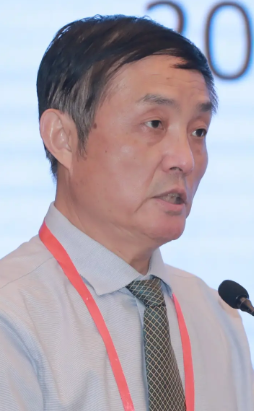 Jiangping Gao (高江平)合作论文数Chinese PLA General Hospital22Qingshan DU (杜青山)合作论文数21XiangJun Lv (吕香君)合作论文数21
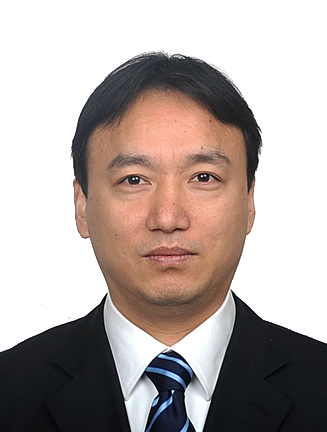 Hua Xu (徐华)合作论文数Department of Urology, Tongji Hospital, Tongji Medical College, Huazhong University of Science and Technology21Jie Zhu (朱捷)合作论文数20
 Yongji Yan (闫永吉)合作论文数Dongzhimen Hospital, Beijing University of Chinese Medicine19




