Capturing gaseous benzene (C6H6) in moist environment (i.e. under effect of water (H2O)) is key to efficient allscenario air purification. In order to make this goal come true, it is inescapable to investigate how C6H6 gets adsorbed in the presence of H2O with no impact exerted. In this study, microscopic mechanisms and processes of C6H6 getting adsorbed on alpha-ferric oxide (alpha-Fe2O3) are systematically explored via density functional theory (DFT) calculations, which includes effects of dopant ruthenium (Ru) on adsorption of C6H6 with H2O involved, interaction modes between C6H6 & H2O over different adsorbents and adsorption attenuation of adsorbents during cyclic processes. The results reveal that with Ru atom doped in pure Fe2O3, C6H6 is turned into polar states through induced dipole moments and this causes stronger adsorption via C-O link. In the meantime, owing to enhanced adsorption of C6H6 over Ru-modified Fe2O3, adsorption of H2O is correspondingly weakened or even repulsively pushed away from the adsorbent, which stems from different modes of surficial electron migration & aggregation brought about by different doping positions of Ru atoms. What is more, after cyclic processes, all adsorptive parts of C6H6, H2O and C6H6-H2O cross interaction decrease with different magnitude, reflecting intrinsic attenuation features of Fe2O3. This study is bound to supply meaningful information for utilization of Fe2O3 as a high-performance C6H6 adsorbent in moist places.
Acidic CO2 electroreduction (CO2R) in membrane electrode assemblies (MEAs) offers a promising route for high-performance electrolysis but remains limited by poor stability. Here, we integrate operando electrochemical impedance spectroscopy (EIS) with distribution of relaxation times (DRT) analysis to diagnose the key processes governing acidic CO2R in MEAs. Comparative evaluation of Nafion and phosphoric-acid-doped polybenzimidazole (PA-PBI) membranes shows that PA-PBI effectively suppresses salt precipitation, providing a reliable basis for interpreting DRT spectra. By systematically adjusting electrolysis parameters, distinct features associated with interfacial contact resistance, anodic/cathodic ionic conduction, charge transfer, and CO2 transport are resolved in DRT spectra. Furthermore, stability tests with DRT analysis reveal rapid failure of Nafion-based MEA (∼0.5 h) due to salt accumulation, whereas the PA-PBI-based MEA operates for 103 h before CO2 mass-transport limitations arise. These findings demonstrate operando EIS-DRT as a powerful diagnostic tool and provide mechanistic guidance for designing long-lasting acidic CO2R MEAs.
In order to stably capture and easily release carbon dioxide (CO2) for cyclic adsorption, it is necessary to limit adsorption strength of CO2 to a suitable range. In this study, relevant mechanisms based on common magnesium oxide (MgO) are systematically investigated through density functional theory (DFT) to reveal control strategies of CO2 adsorption strength, including effects of doping modes on adsorption-strength change of CO2, synergistic methods of dual dopant atoms for controlling CO2 adsorption strength, transition-state (TS) processes for weakly-adsorbed CO2 at other sites being transferred to the fine-regulated site. The results indicate that when more Cu atoms are embedded in pure MgO, adsorption strength of CO2 declines at first and then increases, whose minimal appears with three Cu atoms embedded in the shape of "V" (i.e. 3Cu-MgO) owing to the stretched Mg-O bond and leakage of active surficial electrons. Based on the minimal configuration, other dopant atoms (i.e. Ca, Sr and Ba) are additionally embedded in 3Cu-MgO (of all co-dopant adsorbents, 3Cu-Ba-MgO is the most promising one for cyclic adsorption of CO2), which makes CO2 adsorption strength decrease further on account of averagely-stretched metal-oxygen bond lengths. In the meantime, it is found that existence of dual dopant atoms could make transfer energy barriers increase for CO2 from weakly-adsorbed sites to fine-regulated ones because of irregular surficial electron distribution while the energy barriers would decrease to a lower level once temperature becomes higher. This study supplies adequate information for utilizing MgO as CO2 adsorbent for cyclic capture.
Mercury (Hg) is largely emitted from coal-fired power plants. For Hg purification, the oxidation of elemental Hg (Hg-0) to Hg2+ in the flue gas over selective catalytic reduction (SCR) catalysts with halogen involvement is the most important step. Based on laboratory tests of Hg-0 oxidation over cerium (Ce)-modified regenerated V2O5-MoO3/TiO2 (V-Mo/Ti) SCR catalysts in the presence of HBr, it is necessary to investigate how the Ce-modified catalysts perform in real power plants for further industrial application. Therefore, a 1-year field verification was conducted in a 600 MW power plant unit. The results showed that with increased CaBr2 addition to coal, the rate-determining factor for Hg-0 oxidation shifted from the intrinsic catalytic properties of SCR catalysts to bromide concentrations. Meanwhile, owing to the decomposition of CaBr2, bromide could participate in Hg-0 oxidation via adsorptive, homogeneous, and heterogeneous chemical processes. For NOx, its removal efficiency decreased from 96.22% to 61.10% over the Ce-modified catalyst after 1 year of operation, with little effect exerted by CaBr2, compared with a decrease from 95.79% to 43.92% over the unmodified catalysts. For SO3, only 41.78 mg/m(3) of SO3 was generated from 6174.27 mg/m(3) of SO2 over the Ce-modified catalysts after 1 year of operation compared with 97.29 mg/m(3) of SO3 over the unmodified catalysts. This study verifies the long-term commercial applicability of Ce-modified regenerated V-Mo/Ti SCR catalysts in power plants.
Simultaneous removal of two main indoor gaseous pollutants−benzene (C6H6) and formaldehyde (HCHO), is key to guarding indoor clean environment. However, owing to difference of physicochemical properties, there are few researches that could get both C6H6 and HCHO adsorbed at once. In order to supply a solution to the problem, in this study, microscopic mechanisms regarding C6H6&HCHO co-adsorption over tin dioxide (SnO2) monotube are investigated via density functional theory (DFT) calculations, including effects of dopant germanium (Ge), adsorbate-adsorbent interaction modes and cyclic adsorption properties. The results present that when C6H6&HCHO are adsorbed over pure and Ge-modified SnO2, the intermolecular interaction mode is attractive and neutral, respectively, which means that doping of Ge makes competitive adsorption converted into stronger co-adsorption structures where Sn-O links and adsorbate-adsorbent electron transfer are formed via new molecular orbitals. During cyclic co-adsorption processes, Ge-modified SnO2-2 presents the best performances in average adsorption capacities (4/8 for C6H6 and 5/12 for HCHO), average adsorption energies (-37.61/-122.83 kJ·mol-1 for C6H6 and -194.25/-397.24 kJ·mol-1 for HCHO), average surface areas (151.71/167.87 Å2) and average adsorption energy decomposition (-34.01/-122.54 kJ·mol-1 for C6H6, -227.02/-367.50 kJ·mol-1 for HCHO and 11.01/69.95 kJ·mol-1 for cross interaction). With above results, this study is bound to supply valuable information of exploiting SnO2 monotubes as a efficient adsorbent for purification of indoor C6H6 and HCHO.
Simultaneous removal of formaldehyde (HCHO) and carbon dioxide (CO2) is crucial to improving indoor environment, which is nevertheless difficult to achieve due to their different molecular polarity and chemical features. To provide a solution to this problem, adsorption mechanisms of HCHO and CO2 over cuprous oxide (Cu2O) are investigated in this study through density functional theory (DFT) calculations and experimental evaluation, including effects of dopant cerium (Ce), intrinsic adsorption features based on physicochemical characterization and cyclic adsorption performances. The DFT results reveal that doping of Ce supplies additional valence electrons to HCHO and CO2, which weakens competitive adsorption and makes them attractive to each other for stronger co-adsorption. What is more, physicochemical characterization demonstrates that co-existence of doped Ce(IV) & Ce(III) via embedding or loading has little effect on the original lattice structure of Cu2O and largely reduces competitive adsorption with higher (cyclic) co-adsorption efficiencies and faster co-adsorption saturation. Especially, Cu2O-0.6 wt% Ce presents the highest co-adsorption efficiencies of 86.85% for 10 ppm HCHO & 72.48% for 400 ppm CO2 in the first cycle (62.08% & 58.96% in the fifth cycle) and the fastest co-adsorption saturation of 66.9 min for HCHO & 72.3 min for CO2. The study would provide meaningful information for utilizing Ce-modified Cu2O as the efficient indoor adsorbents.
In this work, four kinds of 1,5-diazabicyclo[4.3.0]non-5-ene-based protic ionic liquids (ILs), that is, [HDBN][2-PyO], [HDBN][2-Pd], [HDBN][3-PyO], and [HDBN][4-PyO], were experimentally synthesized and characterized. Their essential physical properties, including density and viscosity, were measured within the temperature range of 293.15-343.15 K. Based on the experimental results, some significant properties, relating to the ILs themselves, such as thermal expansion coefficient, molecular volume, standard molar entropy, lattice energy, and ionicity, were further calculated and discussed. Following that, the absorption experiments were carried out to investigate the CO2 capture performances of the ILs. [HDBN][2-PyO] exhibited a better CO2 loading capacity than any of the other ILs. The parameter effects involving temperature, CO2 pressure, and moisture were also explored on the gas absorption processes. Additionally, the reusability experiments were performed, and it is found that [HDBN][2-PyO] has satisfactory recyclability and can maintain decent CO2 absorption performance after five repeated cycles. At last, the absorption mechanism was explored by virtue of the spectroscopic tests in combination with the theoretical calculations. The results uncover that CO2 absorption by [HDBN][2-PyO] is a joint process in which the anion plays the dominant role while the cation also takes a synergistic effect.
The increasing CO2 leads to significant ecological changes, the control of CO2 emissions has been a major concern worldwide. Amine-functionalized adsorbents have high CO2 adsorption capacity under coal-fired power plants flue gas conditions. In this paper, a cycle process capable of rapid adsorption and desorption was found to be suitable for amine-functionalized adsorbents. The cycle process was conducted at constant 105 degrees C and a CO2 adsorption capacity of 1.93 mmol/g was achieved only by changing the gas components (adsorption: 12.8 % CO2, desorption: pure steam). The cycle process was validated to be more advantageous than the conventional TSA process in terms of energy cost and productivity. In the comparison with nitrogen as purge gas, it was observed that pure steam performed better with respect to CO2 adsorption capacity, adsorption and desorption rates. Also, steam regeneration showed a different behavior: the temperature of the adsorbent rose when CO2 was desorbed while reduced when CO2 was adsorbed as the adsorption of water vapor released more heat. Considering the extremely high CO2 emissions from coal-fired power plants, the rapid thermostatic concentration swing adsorption (TC-CSA), which eliminates the heating and cooling process, can greatly reduce the scale of carbon capture system and will be an attractive alternative cycle technology.
Electrochemical CO2 reduction reaction is a promising approach to converting CO2 to high-value multi-carbon chemicals. Bimetallic yolk-shell nanoreactors for CO2RR serve as an optimal platform for multi-component sequential reactions. However, the synergistic influence of tailoring shell thickness and hollow size on the diffusion, CO coverage, and dimerization of reaction intermediates remains inadequately elucidated. Herein, employing the Ostwald ripening method, a series of Au@Cu2O nanoreactors with a 15 nm Au nanoparticle and a tunable shell-hollow are designed to facilitate tandem catalysis for CO2RR. The Au@Cu2O-1 with optimized shell-hollow ratio exhibits the highest selectivity of C2+ up to 76.08% at a total current density of 500 mA cm-2 in 1 M KOH electrolyte. Finite element simulations reveal that an optimized shell-hollow size ratio effectively balances CO2 and CO mass transport within the shell and simultaneously maximizes *CO coverage on Cu2O to promote efficient C-C coupling. In attenuated total reflection surface-enhanced infrared absorption spectroscopy analysis and density functional theory calculations demonstrate that the formation of bridged CO species and targeted CO coverage on the Cu surface significantly lower the energy barrier of the formation of *CHOCO. This study reveals an efficient Cu-based catalyst for CO2RR, highlighting the importance of the synergistic effects of shell-hollow confinement catalysis.
In order to capture carbon dioxide (CO2) and make it strongly adsorbed for a long time, it is necessary to understand how to quickly transfer CO2 from weakly adsorbed sites to strongly adsorbed ones. In this study, systematic mechanisms regarding how CO2 is adsorbed over pure and transition-metal-modified g-C3N4 and transferred to chemisorption states are investigated through density functional theory calculations, including structure characteristics of a series of transition-metal-modified g-C3N4, CO2 adsorption features over these modified g-C3N4, and transition state (TS) traits of CO2 over modified g-C3N4, all of which are therefore combined to accelerate CO2 transfer processes and accumulate them within a specific area. The research results show that when a series of transition metals are separately inserted in pure g-C3N4, two bonds of "transition metal-carbon (C)" are stretched and dopant transition-metal atoms stay away from their original positions, which enhances the CO2 adsorption strength at all sites except for the high-nitrogen (N) site. In the meantime, it is found that the adsorption strength of CO2 at selected sites is ranked from strong to weak as the low-N site, low-C site, high-C site, dopant-atom site, and high-N site for all pure and modified g-C3N4, which is correlated with surficial electron distribution and transfer. For TS processes, it is demonstrated that TS energy barriers of weakly adsorbed sites (i.e., a high-N site or a dopant-atom site) to strongly adsorbed sites (a low-N site, a low-C site, and a high-C site) present the same tendency as above, which could be accounted for by breakage of van der Waals forces and formation of complete and quasi bonding. This study would display plentiful information about the organization of surficial electron transfer and consequent TS processes over g-C3N4 for enhanced capture of CO2 in indoor air.
With the intention of capturing carbon dioxide (CO2) on a large scale from indoor air, it is necessary to acquire how different CO2 molecules interact with each other after individual strong adsorption. In this study, CO2 molecules are adsorbed over pure & tungsten (W)-/titanium (Ti)-modified molybdenum disulfide (MoS2) are systematically investigated via density functional theory (DFT) calculations. In calculations, adsorption & transition-state (TS) features of single & double CO2 molecules over MoS2, lowering positions of top-layer sulfur (S) atoms for enhancement of CO2 adsorption strength and thermal performances of adsorption strength & TS energy barriers at high temperature are explored. The results exhibit that most of CO2 adsorption structures over both pure & W-/Ti-modified MoS2 belong to chemisorption except those at top-layer S atoms owing to existence of single lone electron. As to weak physisorption, it is found that lowering z-axis positions of top-layer S atoms could effectively enhance adsorption strength of CO2 because of formation quasi-carbonate structures. For high TS energy barriers, it is proved that doping of W or Ti atoms in MoS2 could largely cut down required TS energy barriers due to catalytic effects of W or Ti atoms. What is more, all chemisorption structures still keep adsorptive at high temperature because of strong bonding and complexity of surficial electron structures. This study can provide sufficient information for utilizing MoS2 as indoor CO2 adsorbents.
The electroreduction of carbon dioxide (CO2R) presents a promising avenue for mitigating CO2 emissions while producing valuable chemicals. In this work, we report a novel pressure equilibrium strategy tailored for pressurized CO2R in a zero-gap electrolyzer, aiming at accommodating the high-pressure CO2 sources from its capture, utilization, and storage scheme. We investigated the impact of pressure on the CO2R performance under both gaseous and supercritical conditions, while also examining the synergistic interplay of temperature with high pressure. Significant enhancement of energy efficiency (46.5%) with high CO Faradaic efficiency (94.4%) and low cell voltage (-2.72 V) was achieved at 200 mA/cm(2) under 75 bar and 80 degrees C. In addition, we noticed that the agglomeration and migration of salt precipitation within the gas diffusion electrode were effectively suppressed under pressurized conditions, which indicated the potential benefit for prolonged cell stability.
A molecular-level understanding of the catalyst-electrolyte interface under realistic operating conditions remains a central challenge in electrocatalysis. In particular, the role of the electrochemical potential in modulating interfacial solvation, and its consequences for CO2 electroreduction, has yet to be fully elucidated. Here, using machine learning-accelerated molecular dynamics simulations, an explicit solvent model within the grand canonical DFT framework, and enhanced sampling techniques, we systematically investigate the impact of the working potentials on CO2 reduction process at the Ag(111)/H2O interface. Our results reveal that the applied potential significantly reshapes the orientation of interfacial water and modulate the strength of hydrogen-bond network. This collective solvent response to the electric potential plays an important role in stabilizing reactive intermediates, regulating reaction kinetics, and facilitating key steps such as proton transfer and hydroxide diffusion. These findings underscore the critical role of solvent dynamics in CO2 reduction, highlighting the importance of simulating electrochemical reactions under realistic operating conditions. Rather than acting as a passive background medium, the solvent emerges as a dynamic, potential-sensitive participant that plays an active role in the catalytic process.
The increasing CO 2 emission leads to significant ecological changes, and the control of CO 2 emissions has been a major concern worldwide. Solid adsorbents are a highly promising carbon capture technology; the regeneration energy, visually representing the operating cost, is a key parameter to judge the merit of different solid adsorbents. In this paper, a uniform energy consumption calculation method was proposed to compare the characteristics of CO 2 adsorbents in temperature swing adsorption process. The results showed that, for chemisorbents with strong interactions with CO 2 (e.g. alkali and alkaline earth metal-based adsorbents), due to the high adsorption heat and the high regeneration temperature required, their energy consumption in CO 2 capturing was quite high. It could be even higher than that of 30% monoethanolamine solution. Adsorption heat plays an important role in the cyclic regeneration of adsorbents; a very low adsorption heat (<25 kJ/mol) will make it difficult to form the difference in adsorption capacities between low and high temperatures. Among all the adsorbents, metal–organic frameworks, zeolites, and amine-functionalized adsorbents perform best, all of which possess moderate adsorption heats and large adsorption capacities at relatively low regeneration temperature.
The increasing CO2 concentration in atmosphere leads to significant ecological changes, and the control of CO2 emissions has been a major concern worldwide. Amine-functionalized adsorbents are promising because they have high CO2 adsorption capacity, moderate adsorption heat and strong water resistance. Adsorption kinetics is a key performance parameter and facilitates the cognizance of microscopic CO2 adsorption process. A novel kinetic model was proposed, which categorized the amines of solid amine adsorbents into two regions: the open amine region and the closed amine region. Different from the open amine region, CO2 adsorption by amines in the closed amine region was significantly influenced by diffusion. The model could elucidate the effect of amine loading and temperature on CO2 adsorption. When amine loading was below the theoretical maximum loading, the CO2 adsorption capacity and the N efficiency gradually increased with the rise of amine loading. Nevertheless, as the amine loading further increased, the adsorption capacity decreased instead. CO2 adsorption by solid amines was not affected by external diffusion, but was significantly affected by internal diffusion. The percentage of closed amine region of adsorbents with high amine loading was large, CO2 needed to diffuse slowly into this region, leading to a small CO2 adsorption capacity at low temperature. When the amine loading was less than 0.5, the CO2 adsorption rate stayed almost the same. The model is instructive for the targeted preparation of solid amine adsorbents with fast adsorption rates.
The toxic trace element of selenium, emitted from coal combustion in power plants and enriched in flue gas desulfurization (FGD) slurry, is easily purified in the liquid phase. In order to make as much selenium gathered in the liquid phase of FGD slurry as possible, it is necessary to investigate how peroxydisulfate, the key oxidant in FGD slurry, affects conversion and distribution of selenium with active cations involved. Experiments on the simulated FGD slurry find that Cu2+ & Fe2+ have positive effects on oxidation of selenite to selenate by peroxydisulfate via different routes, Co2+ presents nearly neutral effects and Mn2+ shows negative effects. Density functional theory (DFT) calculations verify the experimental results by comparing dissociation energy change of peroxydisulfate with different cations added. With the laboratory experiments and DFT calculations combined, selenium distribution in the real FGD slurry sample with peroxydisulfate and copper ion added shows that selenite adsorbed in the gypsum can be quickly oxidized to selenate by the additives and then sent back to the liquid phase without causing damage to the gypsum. This study supplies adequate mechanism explanation and direct technical guidance for selenium purification in FGD slurry.
Simultaneous capture of formaldehyde (HCHO) and carbon dioxide (CO2) in indoor air is promising of achieving indoor-air purification. Of all potential adsorbents, hexagonal boron nitride (h-BN) is one of the most suitable species owing to facile formation of attraction points. Therefore, in this study, performances of HCHO and CO2 being adsorbed over pure/modified h-BN are systematically investigated via density functional theory (DFT) calculations. Minutely speaking, direct interaction between HCHO and CO2, single-point adsorption enhancement of HCHO over modified h-BN, co-adsorption reinforcement of HCHO/CO2 as well as relevant thermodynamic characteristics are major research contents. According to calculation results, there is relatively strong attraction between HCHO and CO2 owing to hydrogen bonds, which is in favor of co-adsorption of HCHO/CO2. As to single-adsorption of HCHO, C-doped h-BN shows better adsorption features than P-doped h-BN and C/P-doped h-BN is slightly weakened in adsorption ability due to surficial deformation caused by P atoms. For co-adsorption of HCHO/CO2, CO2 is the protagonist via formation of quasi-carbonate with the help of delocalized π-orbital electrons. Regarding effects of temperatures on adsorption strengths, they depend on interelectronic interactions among dopant atoms and finally derives from dispersion of π bonds across adsorbents. Overall, this study provides detailed mechanisms for co-capture of HCHO/CO2 to accomplish indoor-air purification.
With the intention of thoroughly eliminating carbon monoxide (CO) from indoor environment, it is one of the most promising methods of converting it into carbon dioxide (CO2) via catalytic oxidation processes. Therefore, in this study, catalytic oxidation mechanisms of CO over copper oxide (CuO) with interfering gases involved are investigated via theoretical calculations and experimental verification, which mainly include basic catalytic oxidation processes over CuO, effects of different interfering gases and analyses of thermodynamic features. According to results, catalytic oxidation of CO over CuO can be performed in three different routes and rate -determining transition-state (TS) energy barriers vary a lot from route to route at high temperature owing to different thermal stability. In the meantime, SO2, H2O and NO are theoretically proved to affect catalytic oxidation of CO via competitive adsorption, high oxidizability and hydrogen bonds, which are accompanied with different sensitivities to changes of temperature or temperature power exponents. In experiments, it is found that impurity of lattice planes and small specific surface areas in CuO are key to restricting catalytic oxidation performances. What is more, some extra chemical reactions in experiments (e.g. SO2 + O2 + CuO -> CuSO4, NO + O2 + CO -> CO2 + NO) caused by interfering gases colossally affect catalytic oxidation performances of CuO. The whole study provides crucial information for indoor air purification in industrial buildings by using cheap ad-sorbents/catalysts.
Nitrogen oxides (NOxs) are some of the most important hazardous air pollutants from industry. In China, the annual NOx emission in the waste gas of industrial sources is about 8.957 million tons, while power plants remain the largest anthropogenic source of NOx emissions, and the precise control of NOx in power plants is crucial. However, due to inherent issues with measurement and pipelines in coal-fired power plants, there is typically a delay of about three minutes in NOx measurements, bringing mismatch between its control and measurement. Measuring delays in NOx from power plants can lead to excessive ammonia injection or failure to meet environmental standards for NOx emissions. To address the issue of NOx measurement delays, this study introduced a hybrid boosting model suitable for on-site implementation. The model could serve as a feedforward signal in SCR control, compensating for NOx measurement delays and enabling precise ammonia injection for accurate denitrification in power plants. The model combines generation mechanism and data-driven approaches, enhancing its prediction accuracy through the categorization of time-series data into linear, nonlinear, and exogenous regression components. In this study, a time-based method was proposed for analyzing the correlations between variables in denitration systems and NOx concentrations. This study also introduced a new evaluation indicator, part of R2 (PR2), which focused on the prediction effect at turning points. Finally, the proposed model was applied to actual data from a 330 MW power plant, showing excellent predictive accuracy, particularly for one-minute forecasts. For 3 min prediction, compared to predictions made by ARIMA, the R-squared (R2) and PR2 were increased by 3.6% and 30.6%, respectively, and the mean absolute error (MAE) and mean absolute percentage error (MAPE) were decreased by 9.4% and 9.1%, respectively. These results confirmed the accuracy and applicability of the integrated model for on-site implementation as a 3 min advanced prediction soft sensor in power plants.
 Changhe Chen (陈昌和)合作论文数Tsinghua University83
 Shujuan Wang (王淑娟)合作论文数Department of Energy and Power Engineering, Tsinghua University;Beijing Engineering Research Center for Ecological Restoration and Carbon Fixation of Saline-Alkali and Desert Land57
 Xuchang Xu (徐旭常)合作论文数Department of Energy and Power Engineering, Tsinghua University51
 Bo Zhao (赵博)合作论文数Department of Energy and Power Engineering, Tsinghua University37
 Yan Li (李彦)合作论文数32
 Pengbo Hu (胡鹏博)合作论文数School of Architecture and Urban Planning, Chongqing University26Qiyu Weng合作论文数18Huiling Tong (佟会玲)合作论文数18Wen Du (杜雯)合作论文数16Yaming Fan合作论文数13Zhenwu Zhu合作论文数12
 Yonggan Zhao (赵永敢)合作论文数Department Of Energy And Power Engineeri, Tsinghua University12Jia Liu合作论文数10
 Sida Tian (田思达)合作论文数School of Energy Power and Mechanical Engineering, North China Electric Power University10
 Chi Feng (冯驰)合作论文数School of Architecture and Urban Planning, Chongqing University10
 Lei Chen (陈雷)合作论文数Saudi Arabia Basic Industries8Xinfang Yang合作论文数8Ruiming Yang (杨锐明)合作论文数Department Of Energy And Power Engineeri, Tsinghua University8Chengkai Pang合作论文数7Ye Tao合作论文数7Wen REN (任雯)合作论文数7ZhongYi An (安忠义)合作论文数7
 Yufeng Duan (段钰锋)合作论文数School of Energy and Environment, Southeast University7Tianjin Li (李天津)合作论文数7jiazong jiang合作论文数6XU Li-zhen (徐立珍)合作论文数6
 Wenchao Zhang合作论文数6DuanLe Li (李端乐)合作论文数6Libao Yin合作论文数6
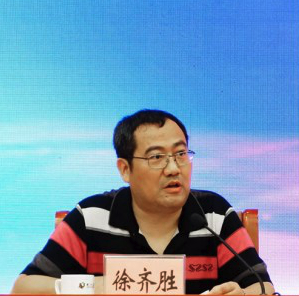 Qisheng Xu (徐齐胜)合作论文数广东电网广东电科院能源技术有限责任公司6
 Yukun Liu (刘玉坤)合作论文数School of Intelligent Engineering and Automation, Beijing University of Posts and Telecommunications6Xianghua Yang合作论文数6Li-Guo Yang (杨利国)合作论文数6JunYong Lei (雷俊勇)合作论文数5Yingli Gong (龚迎莉)合作论文数Department Of Energy And Power Engineeri, Tsinghua University5Meng Cao合作论文数5
 Yuzhong Li (李玉忠)合作论文数School of Nuclear Science, Energy and Power Engineering, Shandong University;School of Energy and Power Engineering, Shandong University5
 Liang Zhang (张亮)合作论文数School of Vehicle and Mobility, Tsinghua University5
 Liangliang Li (李亮亮)合作论文数Wu Jieh Yee School of Interdisciplinary Studies, Lingnan University5Xiongwei Tian合作论文数4Yongxu Fang合作论文数4Yadi Qin合作论文数4Yu Lou合作论文数4
 Rafael Kandiyoti合作论文数Department of Chemical Engineering, Faculty of Engineering, Imperial College London4
 Zhizhong Kang (康志忠)合作论文数School of Energy Power and Mechanical Engineering, North China Electric Power University4
 Xiangming Kong (孔祥明)合作论文数Institute of Building Materials, Department of Civil Engineering, School of Civil Engineering, Tsinghua University4Yiman Jiang合作论文数4
 Zhipeng Wang (王志鹏)合作论文数Institute of Nuclear and New Energy Technology, Tsinghua University3




