OBJECTIVE:To investigate the pathogenic spectrum of oral and maxillofacial space infection and evaluate the clinical efficacy of vacuum sealing drainage (VSD) in its treatment. METHODS:A retrospective analysis was performed on 118 patients with oral and maxillofacial space infection admitted to the Department of Stomatology, the Second Affiliated Hospital of Zhejiang University School of Medicine, from January 2021 to December 2023. All patients underwent pathogenic bacteria detection, and were divided into a conventional incision drainage group (n=72) and a VSD group (n=46) by treatment method. The clinical efficacy, recovery-related indicators, pain scores and serum inflammatory factor levels were compared between the two groups. RESULTS:The most frequent infection sites were the masseteric, buccal and infraorbital spaces in turn. Staphylococcus aureus, Staphylococcus epidermidis and Klebsiella pneumoniae were the dominant pathogens. Compared with the conventional group, the VSD group showed a higher clinical effective rate, significantly shorter wound healing time, antibiotic course and hospital stay (all P < 0.05). Meanwhile, the VSD group had lower pain rating index (PRI), visual analogue scale (VAS), present pain intensity (PPI) scores, and lower serum levels of tumor necrosis factor-α (TNF-α), high-sensitivity C-reactive protein (hs-CRP) and interleukin-6 (IL-6) (all P < 0.05). CONCLUSION:Oral and maxillofacial space infection is mainly caused by Gram-positive cocci. VSD can enhance clinical efficacy, alleviate pain, reduce inflammatory response, and shorten the duration of antibiotic use and hospitalization, which is worthy of clinical promotion.
Eikenella corrodens is a commensal organism of the oral and upper respiratory tract and is only rarely implicated in osteomyelitis. Maxillary involvement is considered uncommon, likely reflecting the rich vascularity of the maxilla. To our knowledge, maxillary osteomyelitis complicated by sequestrum and an oronasal fistula caused by multidrug-resistant (MDR) E. corrodens has not been previously reported. A 73-year-old man underwent extraction of a mobile maxillary tooth. One month later, he developed recurrent swelling at the extraction site, followed by purulent drainage from a gingival sinus tract and purulent discharge from the right nasal cavity. He received multiple empirical antibiotic courses without sustained improvement. Cone-beam CT revealed destructive changes of the anterior maxilla with sequestrum formation and communication with the nasal cavity. Biopsy excluded malignancy. Culture of purulent material yielded MDR E. corrodens (non-susceptible to at least one agent in ≥ 3 antimicrobial classes), susceptible to carbapenems, with intermediate activity of third-generation cephalosporins. Limited sequestrectomy combined with targeted antibiotic therapy resulted in complete recovery. This case highlights an unusual presentation of MDR E. corrodens–associated maxillary osteomyelitis with sequestrum and an oronasal fistula. It emphasizes the value of timely imaging and biopsy in persistent post-extraction infections and underscores the potential consequences of repeated empirical antibiotic use in dental practice.
Objective To characterize inpatient consultation practices in the Department of Oral and Maxillofacial Surgery of a tertiary comprehensive hospital and to evaluate consultation efficiency in the context of multidisciplinary perioperative care. Methods A retrospective review was conducted of inpatient consultations requested between April and December 2024. Data were extracted from the electronic medical record system, including consultation indications, involved specialties, response times, and completion status. Continuous variables were summarized using means, medians, and interquartile ranges (IQRs), while categorical variables were presented as frequencies and percentages. Results Among 3,661 hospitalized patients, 51.7% had one or more systemic diseases. During the study period, 1,873 class III–IV procedures, 103 free flap reconstructions, 336 oncologic cases, and 675 trauma cases with comorbidities were managed, reflecting a substantial burden of complex perioperative care. A total of 822 consultations were requested, corresponding to a consultation rate of 22.5%, and involved more than 20 clinical specialties. Cardiology, otolaryngology, endocrinology, respiratory medicine, and neurology were the most frequently consulted departments. Approximately 60% of consultations were completed within 8 hours. Delayed consultations (> 24 h) accounted for 8.3% (68/822), while 9.1% (75/822) remained incomplete at discharge. Among consultations completed within 24 hours (n = 679), the mean response time was 7.36 hours (median, 5.42 hours; IQR, 1.82–10.15 hours). Potentially avoidable or inappropriate consultations accounted for 2.6% (21/822). Conclusions The consultation burden in oral and maxillofacial surgery largely reflects the need for multidisciplinary perioperative management of patients with complex systemic conditions and high-risk surgical procedures. Although most consultations were completed in a timely manner, delayed and incomplete consultations remained common. Improving pre-consultation assessment, promoting early multidisciplinary involvement in high-risk patients, and enhancing communication between specialties may further improve consultation efficiency and perioperative care quality.
Bone regeneration in large bone defects is often impeded by an unfavorable microenvironment characterized by excessive reactive oxygen species (ROS), dysregulated macrophage polarization, and poor osteogenic capacity. Therefore, it was hypothesized that a bioactive material targeting these disadvantages is promising in bone defect repair. In the study, we synthesized a hydrogel microsphere system (Cur@Sr-MOF@GelMA), in which the polyphenolic compound curcumin (Cur) was adsorbed onto a strontium-based metal-organic framework (Sr-MOF) and subsequently encapsulated within gelatin methacryloyl (GelMA) microspheres. The Cur@Sr-MOF@GelMA microspheres enabled the sustained release of Cur and Sr2+. Cur effectively scavenged ROS and induced M2 polarization of macrophages (RAW264.7 cells), establishing a favorable microenvironment for bone regeneration. Furthermore, Cur@Sr-MOF@GelMA microspheres demonstrated a dual osteogenic effect on MC3T3-E1 cells, directly via Sr2+ and indirectly through Cur-mediated immunomodulation of RAW264.7 cells. Transcriptomic sequencing analysis indicated that Cur@Sr-MOF@GelMA microspheres might enhance M2 polarization of RAW264.7 cells through suppression of pro-inflammatory pathways (NLR, TLR and TNF signaling), and promote osteogenic differentiation of MC3T3-E1 cells via upregulation of the Wnt signaling pathway. In vivo experiments in rats demonstrated that Cur@Sr-MOF@GelMA microspheres established an M2 macrophage-dominant microenvironment at early stages, accelerated bone formation and eventually resulted in the highest bone volume fraction (BV/TV) in critical-sized calvarial defects at 12 weeks. In conclusion, the Cur@Sr-MOF@GelMA microsphere system possesses antioxidant, immunomodulatory, and osteoinductive properties, and represents a promising material for bone defect repair.
The curing temperature is an important reason for the cracking of rock-fill dam face slab concrete (FSC) at early age. This paper established a Krstulovic-Dabic hydration kinetics model through XRD experiments and isothermal calorimetry (IC) experiments, and investigated the effects of curing temperature and carbon nanotubes (CNTs) on the hydration process of FSC at ultra-early age within 24 h. The results indicated that the K-D model was helpful in analyzing the hydration mechanism of FSC. The increase of curing temperature significantly accelerated the hydration reaction rate of FSC during the ultra-early age period. The addition of CNTs was beneficial for changing the crystal phase of calcium hydroxide (CH), increasing the crystallinity of CH, promoting the nucleation and growth of hydration products, and thereby improving the microstructure of FSC to enhance its cracking resistance.
The development of biomimetic cartilage constructs (BCCs) with natural extracellular matrix (ECM) microenvironments and topological cues to accelerate the reconstruction of natural articular cartilage (NAC) after injury is challenging due to its complex structure, low cellular content, and less vascularity. Inspired by concrete rebar structure, a biomimetic cartilage named "biological reinforced concrete" is fabricated, with collagen fiber orientation transitioning from parallel to perpendicular, replicating the ECM microenvironments and complex construct of NAC. 3D-printed ultrafine fiber networks (UFNs) served as a degradable "biorebars", while a hybrid biohydrogel acted as "biocement". The stem cells are utilized as "bioactive aggregates". The biocement is developed by combining and screening various biohydrogels to mimic an ECM microenvironment conducive to the formation of NAC. By adjusting the fiber scale and spacing of the UFNs, the mechanical properties of the biomimetic cartilages are controlled to resemble those of NAC. Additionally, the UFNs guided the directed growth of cells and the orderly secretion of ECM. Subsequently, the developed BCCs are implanted into an osteochondral defect, and after 4 months, they successfully reconstructed the complex structure of cartilage with mechanical properties closely resembling those of NAC. The biological reinforced concrete offers a customizable and universal strategy for tissue regeneration.
Additive manufacturing (AM) has emerged as a key technique for the fabrication of high–performance polymer–metal composites (PMCs) in tribological field, which combines the exceptional properties of multiple polymers and achieves the precise structural control. In this study, a new type polymer–nickel composites (PNCs) with superior mechanical properties and wear resistance was developed through the casting method, which overcomes the limitations of PMCs for the high–performance structural applications. The interpenetrating networks composed of thermoplastic elastomers (TPE) and nickel powder are distributed throughout the cast PNCs, ensuring the high strength, ductility and interlayer bonding force. The results demonstrate that the PNCs have high mechanical properties and wear resistance under the heavy–load conditions, showing wide potential in tribological application. Furthermore, the PNCs present the comprehensive performance close to or even exceeding that by the injection molding process, which provides the new insights and technical pathways for the cast PNCs.
OBJECTIVE:To explore the feasibility and potential benefits of combining digital technology with case-based learning (CBL) in teaching clinical knowledge and skills in implantology for oral and maxillofacial surgery specialists. METHODS:Six attending doctors without previous implant training were enrolled as the experimental group and received a training program that combined digital navigation technology with CBL. Post-course theoretical and procedural scores were assessed, and trainees' satisfaction was recorded. Outcomes were descriptively compared with scores of doctors who had previously completed traditional specialist training, and the preliminary nature of this comparison was acknowledged. RESULTS:The experimental group demonstrated significant improvement in both theoretical and procedural skills from pre- to post-course assessments, accompanied by high satisfaction with the training. Although they started from a lower baseline, their post-course performance was similar to that of the clinicians who had completed traditional specialist training. CONCLUSION:The integration of digital navigation into a CBL framework was acceptable to trainees and showed potential educational value in early implant training. It helped strengthen procedural understanding and case analysis. As this was a pilot study with limited numbers, further research is planned to confirm its effectiveness and scope of application.
SAPHO (Synovitis, Acne, Pustulosis, Hyperostosis and Osteitis) syndrome is a rare inflammatory bone disorder with a remarkably low incidence. The condition's impact on the mandible is exceptionally uncommon, often resulting in a high rate of misdiagnosis and an extended duration of illness. The objective of this study was to assess patients with SAPHO syndrome in the mandible in across various stages and to dissect their distinctive features, aiming to provide future clinical experience for the disease.Methods: A retrospective analysis was performed on a cohort of 17 patients diagnosed with SAPHO syndrome affecting the mandible at the Second Affiliated Hospital of Zhejiang University from January 2020 to March 2023. Data including clinical presentations, imaging characteristics, and laboratory results were collected.Results: The median age at disease onset was 25, with a diagnostic interval of 26 months. Notably, seven individuals were prepubescent (under the age of 14). Seven patients (41.18%) exhibited polyostotic involvement, while eight patients (47.06%) presented with dermatological manifestations either concurrently with or subsequent to the osseous lesions. Condyle involvement was identified in six patients (35.29%), and bilateral mandibular affection was noted in an equivalent number. The majority of patients (sixteen patients, 94.12%) reported symptomatic relief following treatment with nonsteroidal anti-inflammatory drugs (NSAIDs). Glucocorticoids were instrumental in managing severe pain and extreme limitations in mouth opening. For patients with refractory disease, tumor necrosis factor-alpha (TNF-α) inhibitors, Janus kinase (JAK) inhibitors and bisphosphonates were employed. Ultimately, effective pain management was achieved in the entire cohort.Conclusion: The diagnosis of SAPHO syndrome involving the mandible is exclusionary. It is important to improve diagnostic accuracy among oral and maxillofacial surgeons (OMFS), dentists, and rheumatologists to avoid unnecessary surgery and tooth extraction. TNF-α inhibitors, JAK inhibitors and bisphosphonates are recommended as third-line drugs.
As a green, highly efficient, and sustainable technology, photocatalytic peroxymonosulfate (PMS) activation is a promising strategy for wastewater treatment. Moreover, the development of photocatalysts with excellent PMS activation performance is highly desirable for removing refractory organic contaminants from wastewater. Herein, perylenetetracarboxylic acid (PTA) nanosheets obtained using a facile method were explored as a highly efficient photocatalyst with a high PMS activation ability for bisphenol A (BPA) removal. Experimental results indicated that BPA can be removed within 16 min using PTA under optimal conditions. As confirmed through radical quenching, electron paramagnetic resonance spectroscopy, galvanic-oxidation-process experiments, and density functional theory calculations, photoinduced electrons and holes from PTA trigger PMS activation and thereby convert the reaction routes of BPA degradation from radical- to nonradical-dominated. The BPA degradation pathway was also studied using intermediate analysis and Fukui functions. Overall, the findings of this study shed light on organic semiconductor photocatalysts for nonradical-dominated PMS activation with regard to recalcitrant-organic-pollutant removal.
BACKGROUND:Effective management of oral cancer necessitates a multidisciplinary approach, with surgery playing a pivotal role in treatment. However, there are many risk factors during the perioperative period that affect postoperative recovery. PURPOSE:This study aims to identify the risk factors influencing postoperative recovery in patients undergoing oral cancer surgery, thereby optimizing perioperative management. STUDY DESIGN, SETTING, SAMPLE:A retrospective cohort study was carried out in patients who underwent surgery for oral cancer at The Second Affiliated Hospital Of Zhejiang University School Of Medicine from Jan. to Dec. in 2023. Based on the median length of stay (LOS) of 20.42 days, we divided the study population into DL3W and DM3W groups (DL3W/DM3W: Discharged less/>3 weeks). PREDICTOR VARIABLE:The Predictor variables included sex, age, BMI, smoke, drink, education, settlement, surgery history, tumor history, intra-operative situation, flap details, pathologic stage, treatment and laboratory examination. MAIN OUTCOME VARIABLE:The primary outcome was length of stay (LOS) defined as the days from the start of preoperative preparation to discharge from the hospital. ANALYSES:Descriptive and inferential analyses were performed using the χ2 test, Fisher's exact test and t-test. A P value of 0.05 was deemed as an acceptable statistical significance level. RESULTS:The sample was composed of 103 subjects with a mean age of 59.45 (14.20) and 71 (68.9 %) were male. The median LOS was 20.42 ((range, 10-69) days. The baseline characteristics between the DL3W and DM3W groups were generally balanced. Factors associated with LOS were BMI (95 %CI 1.01-1.15, P = 0.046), intraoperative blood loss (95 %CI 0.;99-1.00, P = 0.002), flap source (P < 0.001), and postoperative fasting time (95 %CI 0.88-0.95, P < 0.001). In the regression model, more intraoperative blood loss and longer postoperative fasting time were associated with increased. LOS and factors BMI and the use of forearm flap were associated with decreased LOS after adjusting the confounding factors. CONCLUSIONS AND RELEVANCE:In the perioperative period for oral cancer patients, optimizing postoperative recovery may be achieved by carefully managing BMI, intraoperative blood loss, flap source, and postoperative fasting time.
PURPOSE To identify subgroups of patients with early-stage (pT1-2N0M0) oral tongue squamous cell carcinoma (OTSCC) who may benefit from postoperative radiotherapy (PORT). PATIENTS AND METHODS This retrospective cohort study included 528 patients diagnosed between October 2009 and December 2021. Clinicopathological characteristics and treatments with or without PORT were analyzed for their impact on outcomes. RESULTS Among 528 patients who underwent radical surgery (median age, 62 years [IQR, 52-69]), 145 (27.5%) also underwent PORT. Multivariate analyses revealed that PORT was associated with improved survival outcomes, whereas moderate-to-poor differentiation, perineural infiltration (PNI), lymphovascular invasion (LVI), and increasing depth of invasion (DOI) were associated with poorer survival outcomes. For patients with moderate-to-poor differentiation, the surgery + PORT group showed improved outcomes compared with the surgery-alone group. After propensity score matching, the results were as follows: overall survival (OS), 97% versus 69%, P = .003; disease-free survival (DFS), 88% versus 50%, P = .001. After excluding cases with PNI/LVI, the differences persisted: OS, 97% versus 82%, P = .040; DFS, 87% versus 64%, P = .012. Similar survival benefits were observed in 104 patients with PNI and/or LVI (OS, 81% v 58%; P = .022; DFS, 76% v 47%; P = .002). In subgroups with DOI >5 mm or close margins, PORT contributed to improved DFS (80% v 64%; P = .006; 92% v 66%; P = .049) but did not significantly affect OS. CONCLUSION Patients with moderately-to-poorly differentiated pT1-2N0M0 OTSCC benefited from PORT. Our study provided evidence that patients with PNI and/or LVI who underwent PORT had improved survival. PORT also offered DFS benefit among patients with DOI >5 mm.
The radial forearm free flap (RFFF) is commonly used in the reconstruction of oral cancer patients. Traditional RFFF (TRFFF) techniques, which often require a secondary donor site to repair the forearm defect, may result in a scar extending to the dorsal hand. This can lead to significant functional and aesthetic concerns in the forearm. We designed a modified RFFF (MRFFF) that incorporates a glasses -shaped flap and features deep venous drainage. To evaluate its effectiveness we conducted a retrospective chart review of 105 patients with oral squamous cell carcinoma who underwent reconstructive surgery between 2018 and 2022. These patients were treated either with a TRFFF (n = 60) or the newly developed MRFFF (n = 45). Our inclusion criteria, guided by preliminary surgical experience prior to initiating the study, stipulated that single oral defects should be no larger than 6 x 6 cm( 2) , and adjacent double defects no larger than 3 x 6 cm( 2) . Flap size, pedicle length, harvesting duration, and anastomosis during the surgical procedure were compared between the two techniques. Preoperative and postoperative oral function, recurrence, mortality, and dorsal scarring were recorded. One -week, onemonth, and six-month postoperative subjective aesthetics assessments, and self -reported postoperative donor hand function, were measured using the Michigan hand questionnaire (MHQ). There were no significant differences between the groups in terms of flap size, pedicle length, harvesting time, anastomosis time, postoperative oral function, recurrence, and mortality. However, patients with a MRFFF did not require a second donor graft site and did not have scars extending to the dorsal forearm. They also had significantly improved postoperative aesthetic outcomes (1 week: 70.6%, 1 month: 62.2%) and donor hand function (1 week: 54.6%, 1 month: 40.4%) compared with the TRFFF group (p < 0.001). The MRFFF eliminates the need for secondary donor sites and improves primary donor site outcomes. It is versatile and can be employed for either single or composite oral defects. Through extensive case studies, we have defined its specific scope: it is suitable for single defects measuring no more than 6 x 6 cm (2) , or for composite defects no larger than 3 x 6 cm (2) . Furthermore, it does not compromise the functional recovery of the recipient site, and should be widely adopted for all qualifying patients. (c) 2023 The Author(s). Published by Elsevier Ltd on behalf of The British Association of Oral and Maxillofacial Surgeons. This is an open access article under the CC BY -NC -ND license (http://creativecommons.org/licenses/by-nc-nd/4.0/).
The present paper studied the effects of calcination temperatures (200–800 °C) on the appearance, mineral composition, and active SiO2 content in attapulgite and investigated the effects of attapulgite before and after calcination on the chemically bonded water content, the degree of reaction of cement paste, and the mechanical properties such as the flexural strength, compressive strength, and splitting-tensile strength of cement mortar. The results indicate that the calcination temperature changes the mineral composition of attapulgite, thereby affecting the hydration activity of cement-based materials. The attapulgite calcined at 500 °C (AT500) has the best enhancement on the hydration activity of cement-based materials. The calcination at 500 °C is most beneficial to the dissolution of SiO2, and the content of SiO2 reaches 20.96%. The contents of chemically bonded water in the samples incorporated with calcined attapulgite reduced and that of the samples incorporated with AT500 at 28 d is the same as that of the control group. The reaction degree of AT500 is 78.61% at 28 days. Calcined attapulgite clay can reduce the energy consumption of the cement industry and promote the sustainable development of attapulgite clay.
Incorporating carbon nanotubes (CNTs) into concrete can improve its fracture toughness. The crack resistance properties of reinforced concrete with CNTs were tested by ring test and three-point bending beam fracture test. The fracture parameters of reinforced concrete with CNTs were analysed by using double-K fracture parameters and the results showed that CNTs can improve the crack resistance properties. When the CNT content was 0.10 wt%, the compressive strength at 28 days and the splitting tensile strength of concrete were increased by 1.7 and 11.7%, respectively. When the CNT content was 0.15 wt%, the cracking time of concrete under semi-closed and closed conditions was extended by 42.1 and 41.2%, respectively. The initiation fracture toughness, the unstable fracture toughness and the fracture energy of concrete were increased by 31.0, 32.4 and 24.6%, respectively. It was found that CNTs delay the propagation of micro-cracks by bridging across the micro-cracks in concrete and strengthening the interfacial transition zone.
Background We aimed to compare multifunctional irrigation-assisted vacuum drainage (MIVD), vacuum sealing drainage (VSD) and the Penrose drain in treating severe multi-space deep fascial infection (DFI) in head and neck. Methods A retrospective study was conducted on 113 patients who had suffered from severe multi-space DFI in head and neck and underwent surgical treatment. Patients were divided into the MIVD group, the VSD group, and the Penrose group according to their treatment. Baseline characteristics and clinical outcome data regarding infection control, clinicians' workload, surgical procedure required, and cost were analyzed. Results Duration of antibiotic administration was significantly shorter using MIVD and VSD than Penrose drains (p = 0.002 with MIVD, p = 0.008 with VSD). Hospital stay in the MIVD group was shorter than the Penrose group (p = 0.034). Compared to the other two groups, more times of manual irrigation were needed in higher frequency in the Penrose group (p < 0.001). Longer Incision and more surgical operation were required in the VSD group than the other two groups (p < 0.001). The treatment cost in the VSD group was higher than the MIVD group (p = 0.045) and the Penrose group (p < 0.001). Conclusions In the treatment of severe multi-space DFI in head and neck, MIVD and VSD are superior to the Penrose drain in infection control and reduction in clinicians' workload. Meanwhile, MIVD, with fewer surgical procedures required and less cost, seems to be a more promising method than VSD.
In this study, the PeakForce quantitative Nanoscale Mechanical Characterization (PF-QNM) mode was used to explore the micro-zone mechanical properties of the interfacial transition zone (ITZ) in carbon nanofiber (CNF)-reinforced cement mortar. It was found that adding CNFs increased the Young’s modulus of neat cement paste and cement mortar specimens by 15.5% and 36.7%, respectively. The morphology of the interface in a mortar specimen under the PF-QNM mode showed the close embedding of fine aggregates in set cement, which may facilitate force transmission and energy dissipation. The filling and bridging effects of CNFs may increase the Young’s modulus of set cement. The flexural strengths and Young’s modulus of specimens were measured by macro-mechanical tests; the results of which were found to be consistent with the results of micro-zone mechanical property tests. The convenience and accuracy of the test results of the PF-QNM mode were found to be promising.
目的:探讨基于胜任力为导向的案例式教学在口腔科学教学中的应用效果.方法:选取本校临床医学本科生按照班级随机分组,对照组采用传统教学法,实验组采用以胜任力为导向的案例式教学方式,比较两组的授课效果并进行评价.结果:实验组的测试成绩显著高于对照组,授课方式也更受学生青睐,差异具有统计学意义(P<0.05).结论:以胜任力为导向的案例式教学应用于临床医学本科生的口腔科学课程有助于提升授课效果和教学质量.
Parotid gland tumor is the most common salivary gland tumor and surgery is the main treatment method. The conventional surgery for the treatment of parotid tumor is mostly performed by using large incision which often causes complications and aesthetic problems to patients. With the advancement of medical technology, deeper understanding of histopathology and anatomy by the surgeons, as well as patients' higher demands on aesthetics and functions, the surgical methods and incisions have been constantly improved. This review focuses on the evolution of surgical approaches and incisions for the treatment of parotid tumors and provides an outlook based on the preliminary application of endoscopically assisted parotid tumor resection.
下颌下腺切除术是治疗下颌下腺良性肿瘤最常用的治疗方法,但术后皮肤瘢痕、潜在的面神经下颌缘支损伤和舌神经损伤,以及腺体摘除可能导致的口干等并发症将会不同程度地影响患者的生活质量.为此,下颌下腺功能性手术日益被采用和改进,以期提高术后生活质量.本文围绕下颌下腺手术的美观切口设计,内镜和机器人辅助手术技术的应用,以及下颌下腺区重要组织的功能保护等3个方面对下颌下腺良性肿瘤的功能性手术的进展进行综述,以期为临床治疗方案选择提供参考.
 Zhuoying Cai (蔡卓莺)合作论文数9
 An Liu (刘安)合作论文数8
 Miao Sun合作论文数School of Medicine, Zhejiang University8
 Zhongru Gou (苟中入)合作论文数Zhejiang-California International NanoSystems Institute (ZCNI)8
 Huifeng Shao合作论文数Department of Chemistry, Zhejiang University7Menghua Yu合作论文数6Tao Fu合作论文数6
 Chiyuan Ma合作论文数6
 Yong He (贺永)合作论文数State Key Laboratory of Fluid Power and Mechatronic Systems, School of Mechanical Engineering, Zhejiang University6
 Shigui Yan (严世贵)合作论文数The Second Affiliated Hospital, School of Medicine, Zhejiang University6
 Shifang Zhao (赵士芳)合作论文数The Stomatology Hospital, Zhejiang University School of Medicine5Xianyan Yang合作论文数5
 Zhimou Guo (郭志谋)合作论文数Dalian Institute of Chemical Physics, Chinese Academy of Sciences;University of Chinese Academy of Sciences3Qin Yan合作论文数3WeiRong Sang (桑炜荣)合作论文数3FengGuo Yan (严奉国)合作论文数3
 Sanzhong Xu (徐三中)合作论文数The First Affiliated Hospital, School of Medicine, Zhejiang University3
 Zhifang Zhao (赵志方)合作论文数浙江工业大学建筑工程学院3
 Guanfu Chen (陈关福)合作论文数The Second Affiliated Hospital, Zhejiang University School of Medicine3
 Xinmiao Liang (梁鑫淼)合作论文数School of Pharmacy, East China University of Science and Technology;Dalian Institute of Chemical Physics, Chinese Academy of Sciences3
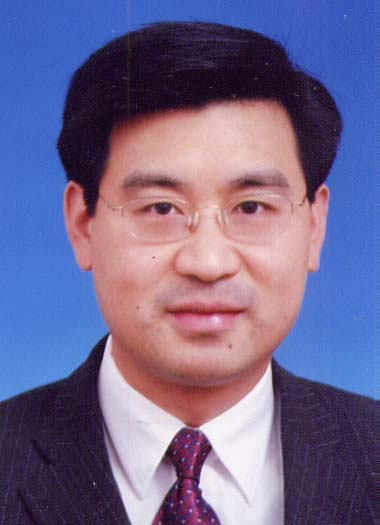 Jianzhong Fu (傅建中)合作论文数Institute of Manufacturing Technology and Equipment Automation, School of Mechanical Engineering, Zhejiang University3
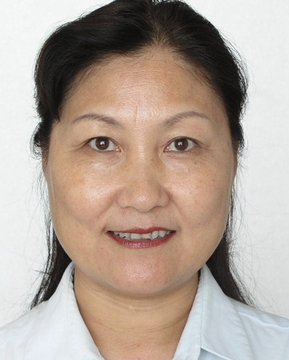 Fei-yun Ping (平飞云)合作论文数The Second Affiliated Hospital, Zhejiang University School of Medicine3Guojing Yang (杨国敬)合作论文数2
 Lei Zhang (张雷)合作论文数2
 Xiurong Ke合作论文数2Yingjia Lan合作论文数2Xu Qing合作论文数2Yuanyi Qian合作论文数2
 Qing Gao合作论文数2PiXue Gong (公丕学)合作论文数2Xia Xue (薛霞)合作论文数2
 Xingya Xue (薛兴亚)合作论文数中国科学院大连化学物理研究所2
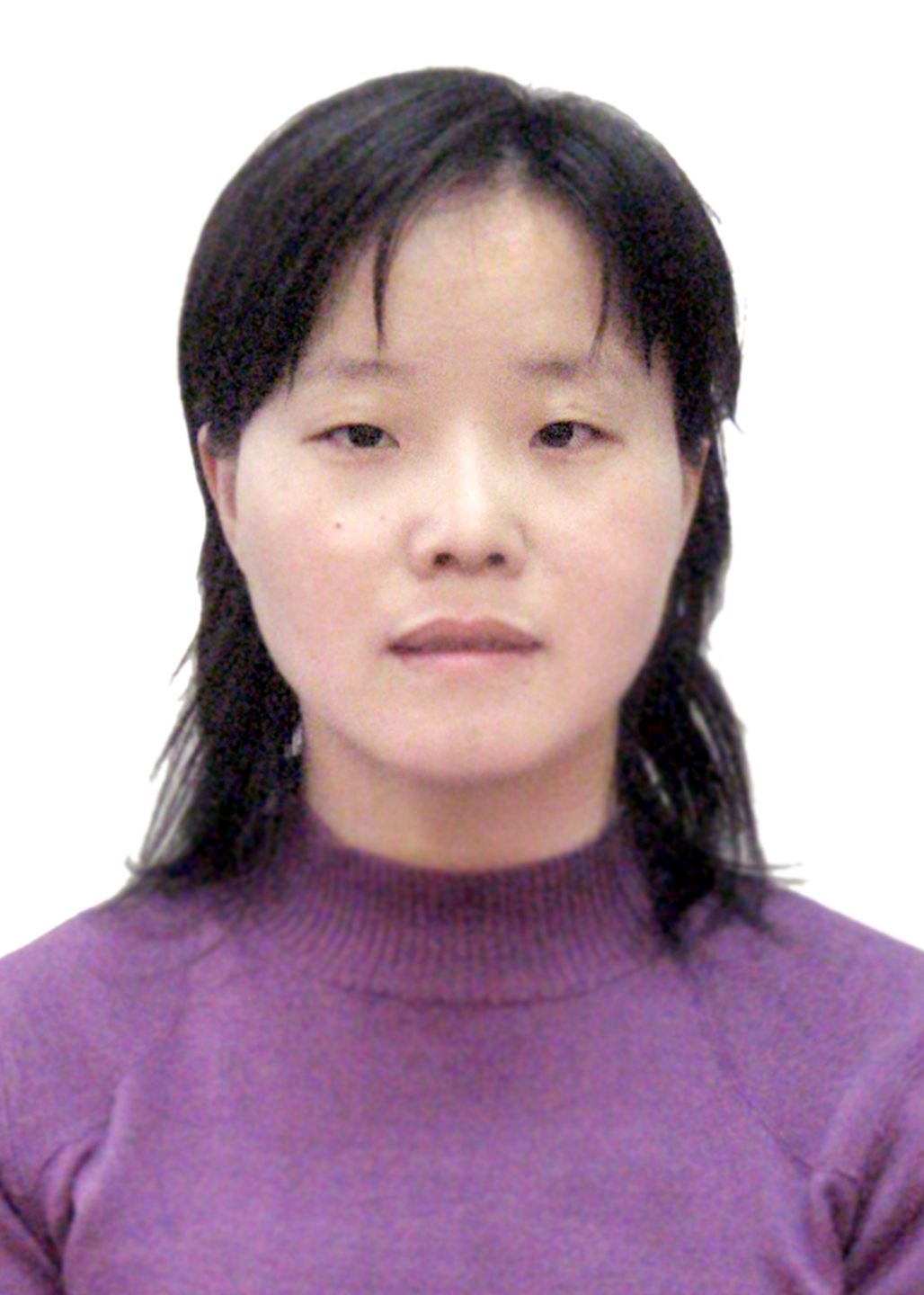 Feifang Zhang (章飞芳)合作论文数School of Pharmacy, East China University of Science and Technology2
 Tao Shi (施韬)合作论文数College of Civil Engineering, Zhejiang University of Technolog2
 Feng Zhang (张峰)合作论文数State Administration for Market Regulation2
 Hendrik Terheyden合作论文数2Bjoern Moeller合作论文数1Zhou L合作论文数1Wei-Ming Zhang合作论文数1Lihong Liu合作论文数1S.-f. Zhao合作论文数1Guang-huai Xue (薛光怀)合作论文数1Ting Peng合作论文数1
 Hanwen Chu合作论文数1HaoZhao Qi合作论文数1Yun Xi合作论文数1Shubin Lu合作论文数1Bingmiao Zheng合作论文数1Xingyu Zhao合作论文数1




