Liver invasion is one of the most frequent events in the progression of gallbladder cancer (GBC). However, the cellular and pathological role of the tumor-liver-interface microenvironment in liver invasion is still enigmatic. Here, we applied single-cell and spatial transcriptomics to systematically investigate the cellular component and gene expression regulation of the microenvironment from the tumor to the liver, specifically the invasive boundary. Our analyses revealed that CXCL9+ macrophage-rich immune cell niches were accumulated in the tumor-liver invasive margin, where 2 subclasses of the CXCL9+ immune cell niches, CXCL9+TRAC+ (CT) and CXCL9+C1QB+ (CC) niches, were identified. CD8+ T cells were recruited by CXCL9+ macrophages through CXCL9-CXCR3 interaction in the CT niche, which was located adjacent to the liver. Moreover, the CC niche was proximal to the tumor core, where tumor cells induced CD8+ T cell exhaustion via LGALS4 expression. In addition, our cohort study showed that high CXCL9 and low LGALS4 in the liver invasion margin demonstrated a favorable prognosis and better responses to anti-PD-1 immunotherapy for patients with gallbladder cancer. Altogether, these findings demonstrate novel cellular and molecular mechanisms underlying liver invasion and offer clinical value for immunotherapies.
540 Background: START-FIT (sequential transarterial chemoembolization, stereotactic body radiotherapy, plus anti-PD-L1 and anti-CTLA-4 immunotherapy) shows promise in locally advanced HCC. We evaluated its activity using anti-PD-L1 and anti-CTLA-4. Methods: Patients aged ≥18 with unresectable HCC (≥5cm, ≤3 nodules, Child-Pugh A-B7) were enrolled. Exclusions included extrahepatic metastasis and main portal vein (VP4) or IVC (VV3) invasion. Patients underwent TACE, 5-fraction SBRT (27.5-40 Gy), then Tremelimumab (300 mg) and Durvalumab (1500 mg) starting 7 days post-SBRT, every 4 weeks. Primary endpoint: ORR by mRECIST 1.1; secondary endpoints: PFS, OS, LC, TRAEs. Results: From 2020 to 2024, 33 patients (44 tumors) were enrolled; median age 67 (50–82), 91% male. Median tumor size was 11.1 cm (5.6–24.7), with 73% (24/33) showing macrovascular invasion (hepatic vein n=14, portal vein n=5, both n=5). Median follow-up was 21 months (5.6–53). The ORR was 72.7% (24/33; 95% CI 57.5–87.9%), with 42.4% (14/33) achieving CR and 30.3% (10/33) PR. Stable disease was seen in 9.1% (3/33), PD in 12.1% (4/33). Two patients were not evaluable. Among CR patients, 42.4% (14/33) were under surveillance; 21.2% (7/33) converted to curative treatments (resection n=3, ablation n=4). The 18-month LC was 96.6% (95% CI 90.1–100%), PFS 61.8% (44.1–79.4%), OS 90% (79.4–100%). Grade ≥3 TRAEs occurred in 36.3% (12/33), mainly transient AST/ALT elevations (n=5). Four patients (12.1%) had grade ≥3 immune-related adverse events. Conclusions: START-FIT using STRIDE is safe and effective in locally advanced unresectable HCC resulted in 42% CR rate with an additional of 21% patients converted to curative surgery. Clinical trial information: NCT 04988945 . Patient and tumor characteristics. N=33 Age, median (range), years 67 (50-82) SexMaleFemale 30 (90.9%)3 (9.1%) ECOG performance status01 29 (87.9%)4 (12.1%) Aetiology of liver cirrhosisHepatitis BMultiple etiologiesCryptogenic 26 (78.8%)3 (9.1%)4 (12.1%) Child-Pugh scoreA5A6 28 (84.8%)5 (15.2%) Albumin Bilirubin Score (ALBI)Grade 1Grade 2 19 (57.6%)14 (42.4%) BCLC stageA-BC without extra-hepatic spread 9 (27.3%)24 (72.7%) Reasons of Unresectable Inadequate liver remnant volume, poor ICG, or unable to achieve R0 resection, or bothBCLC stage B beyond up-to-sevenBCLC stage C without extra-hepatic spread 8 (24.2%)1 (3.1%)24 (72.7%) Tumor vascular invasionNoYesBranched portal vein invasionHepatic vein invasionBoth portal vein and hepatic vein invasion 9 (27.3%)24 (72.7%)5 (15.2%)14 (42.3%)5 (15.2%) Number of lesion(s)12-3 22 (66.7%)11 (33.3%) Size of largest lesion, median (range), cm 5.6 (11.1-21.8) Sum of largest diameters of lesions, median (range), cm 11.1 (5.6-24.7) Baseline AFP, nmol/L≤ 400 ng/ml> 400 ng/ml 23 (69.7%)10 (30.3%)
Ischemia-free liver transplant (IFLT) has been developed to reduce ischemia-reperfusion injury (IRI). This study aims to investigate how this procedure impacts local and systemic immunity compared to conventional liver transplantation (CLT). Immunohistochemistry, immunofluorescence staining, single-cell RNA sequencing (scRNA-seq), and multiplex cytokine are used to illustrate distinct local and systemic immunity. In contrast to CLT, IFLT reduces neutrophil infiltration and neutrophil extracellular trap formation in grafts. By constructing an immune cell chimerism atlas, we reveal that IFLT reduces recipient-derived monocyte infiltration by suppressing ANXA1-FPR1 signaling through the STAT3-HIF-1α pathway, thereby attenuating inflammatory responses in graft monocytes. Additionally, IFLT confers graft protection by upregulating HMOX1 expression in monocytes and macrophages. Peripherally, IFLT significantly reduces the expression of MHC II molecules in circulating monocytes. Accordingly, CD8+ effector T cell composition, T helper 1 (Th1) and Th17 cytokine levels are reduced, while regulatory T cell (Treg) composition and Th2 cytokine levels are increased in IFLT versus CLT recipients. These results show that IFLT profoundly affects local and systemic immunity in liver transplantation. Recipient-circulating monocytes might play a key role in the interaction between graft IRI and allograft rejection.
BACKGROUND:Hepatocellular carcinoma (HCC) remains a leading cause of cancer mortality worldwide. While immune checkpoint blockade has revolutionized the treatment of many cancers, responses in HCC remain limited. Robust functional platforms capable of predicting individual responses to immunotherapy are urgently needed. In this study, we developed a patient-derived organotypic tumor spheroid (PDOTS) model that preserves the heterogeneity and immune microenvironment of HCC, enabling rapid and reliable assessment of targeted and immunotherapeutic responses. METHODS:Tumor tissues from 30 HCC patients were processed using a "Five-Point Clock" sampling method and cultured within a three-dimensional microfluidic chip supplemented with IL-2 and CD3/28 activator to maintain tumor-infiltrating lymphocyte activity. The genomic, immune, and histopathological fidelity of PDOTS relative to parental tumors was evaluated. Drug responses were assessed ex vivo and validated in matched patient-derived xenograft (PDX) models. Transcriptomic profiling was subsequently performed to identify gene signatures associated with treatment sensitivity and to construct a transcriptomic predictive model. RESULTS:The PDOTS retained ≥60% viability over 7 days and faithfully maintained the genomic, immune, and histopathological profiles of parental tumors. Functionally, PDOTS exhibited immune-dependent responses to PD-1 blockade and predicted treatment responses with 80% concordance in matched PDX models. Transcriptomic profiling revealed distinct metabolic and immune signatures in sensitive and resistant tumors, which were used to derive the "Organoid Killing Index (OKI)". The OKI gene-derived index, a composite index integrating the enrichment scores of gene signatures associated with the OKI, strongly correlated (R=0.829, p<0.001) and predicted clinical outcomes in an external patient cohort treated with atezolizumab plus bevacizumab. CONCLUSIONS:These findings establish PDOTS as an immune-competent ex vivo platform for functional precision oncology and support the integration of functional testing with transcriptomic prediction to guide individualized immunotherapy in HCC.
Lipid metabolic reprogramming in the hepatocellular carcinoma (HCC) tumor microenvironment (TME) drives immunosuppression, yet the critical mediators orchestrating tumor-immune crosstalk remain elusive. Here, we identify arachidonic acid (ARA), synthesized via the rate-limiting enzyme FADS1, as a novel oncometabolite that accumulates in TME and fuels hepatocarcinogenesis. Genetic or pharmacological inhibition of FADS1 attenuates ARA level, thereby enhancing CD8+ T cell infiltration and cytotoxicity. Using CRISPR-Cas9 screening of metabolic genes in T cell differentiation, we uncover the ARA pathway as a negative regulator of liver-resident memory CD8+ T cells (TRM). These CXCR6+ TRM exhibit antigen specificity but are impaired by FADS1 overexpression or ARA exposure, compromising anti-tumor immunity during tumor rechallenge. Mechanistically, ARA specifically disrupts IL-15-dependent metabolic fitness in CXCR6+ TRM. Therapeutically, targeting the FADS1-ARA axis synergizes with anti-PD-1 and GPC3-CAR-T therapies. Thus, our study identifies a promising target for ARA-enriched immunosuppressive TME, aiming to improve the effectiveness of immunotherapies in HCC.
TP53 mutations are highly associated with hepatocellular carcinoma (HCC), a common and deadly cancer. However, few primary drivers in the progression of HCC with mutant TP53 have been identified. To uncover tumor suppressors in human HCC, a genome-wide CRISPR/Cas9-based screening of primary human hepatocytes with MYC and TP53R249S overexpression (MT-PHHs) is performed in xenografts. The screen identified RELA as one of the most significant genes, besides NF2 and CSK, two known tumor suppressor genes (TSG) in HCC. Ablation of RELA increased the expression of genes related to cell cycling and stemness in MT-PHHs, and induced PHHs to transform into HCC in situ in Fah-deficient immunodeficient mice. Additionally, loss of RELA facilitated HCC metastasis via Epithelial-Mesenchymal Transition (EMT). Clinically, low RELA expression is positively associated with poor prognosis and large tumor size in HCC patients. In terms of its underlying mechanism, reduced RELA expression promoted DVL1 expression, thereby enhancing β-catenin nuclear translocation, and thus strengthening Wnt/β-catenin signaling. Excitingly, betulinic acid (BetA), a RELA agonist, increased RELA activation and suppressed both growth and metastasis of hepatoma cells with TP53R249S overexpression in xenografts. This study reveals RELA as a tumor suppressor in HCC with TP53R249S overexpression, offering a potential therapeutic target.
Living liver donation is a critical component for addressing organ shortage and improving outcomes for patients with end-stage liver disease. As the prevalence of living donor liver transplantation (LDLT) increases worldwide, understanding and optimizing long-term donor health is paramount. The 2025 International Liver Transplantation Society and International Living Donor Liver Transplantation Society (ILTS-iLDLT) Consensus Conference convened experts in the field of liver transplantation to establish evidence-based guidelines focused on the long-term medical, psychological, and social considerations following living liver donation. The aim of this working group was to integrate current evidence and expert consensus on donor follow-up protocols, risk assessment, and management strategies to promote long-term donor health, quality of life, and living liver donor programs globally to safeguard the welfare of this unique population.
Nanocatalytic platforms are promising in cancer therapeutics via combining multiple treatments, which can be leveraged through the metabolic dysfunction in cancer progression. However, the lack of effective tumor delivery platforms hampers this approach. Here, a gelatin-based platform is designed that is preloaded with gold nanoparticles and photothermal polypyrrole (GNPs@AuNPs-PPy) with an acid-induced doping enhancement. Benefiting from the tumor associated overexpression of H2O2, peroxidase-like Au nanoparticles induce a burst of oxidative reactive oxygen species in the local tumor microenvironment (TME). Subsequent orchestration of redox surroundings recruits immune cells, showcasing an effective antineoplastic pathway. Under near infrared light (NIR) irradiation, nanohybrids exhibit dual pH/NIR enhanced drug release within the TME, while allowing for multimodal imaging-guided theranostics. Leveraging this modality, GNPs@AuNPs-PPy delivers quercetin (a natural antitumor mediator) in TME, boosting anti-tumor therapy. The gelatin-mediated nanomedicine provides an alternative platform for combinatorial dynamic antitumor treatment.
 Chung-Mau Lo (盧寵茂)合作论文数Department of Surgery, School of Clinical Medicine, LKS Faculty of Medicine, University of Hong Kong163
 Kevin Tak Pan Ng (吳德斌)合作论文数Department of Surgery, School of Clinical Medicine, The University of Hong Kong123
 Sheung-Tat Fan合作论文数Department of Surgery, The University of Hong Kong, Queen Mary Hospital, Hong Kong55
 Jiang Liu合作论文数54
 Liu Xiao Bing合作论文数45Lixian Chang (常丽贤)合作论文数44ST Fan合作论文数42
 Poon Tung Ping Ronnie (潘冬平)合作论文数Gleneagles Hospital Hong Kong;Department of Surgery, The University of Hong Kong40
 Li Pang合作论文数35Yeung Wai Ho合作论文数34Geng Wei合作论文数32
 Xinyuan Guan (關新元)合作论文数Laboratory of Cancer Genetics, Department of Clinical Oncology, School of Clinical Medicine, Li Ka Shing Faculty of Medicine, The University of Hong Kong32
 Xinxiang Yang合作论文数31Qi Xiang合作论文数29Liu Hui合作论文数29
 Irene Ng (吳呂愛蓮)合作论文数Department of Pathology, Li Ka Shing Faculty of Medicine, The University of Hong Kong;State Key Laboratory of Liver Research, Li Ka Shing Faculty of Medicine, The University of Hong Kong;Queen Mary Hospital;Peking Union Medical College Hospital29
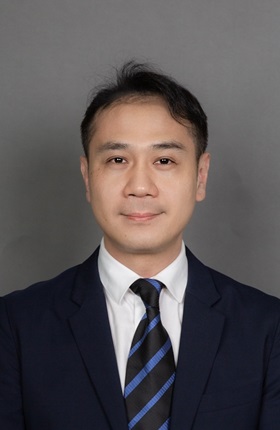 Lee Kin-Wah, Terence合作论文数Department of Applied Biology and Chemical Technology, Faculty of Science, The Hong Kong Polytechnic University28
 Chang Chun Ling合作论文数26
 Wai Ho Oscar Yeung合作论文数Department of Surgery, School of Clinical Medicine, The University of Hong Kong26ktp ng合作论文数25
 Sheung Tat Fan (范上達)合作论文数Department of Surgery, School of Clinical Medicine, Li Ka Shing Faculty of Medicine, The University of Hong Kong;Liver Surgery Centre, Hong Kong Sanatorium & Hospital25Qiao Cheng合作论文数22
 Stephanie Kwai Yee Ma (馬桂宜)合作论文数School of Biomedical Sciences, Li Ka Shing Faculty of Medicine, The University of Hong Kong21
 Zhiwei Chen (陳志偉)合作论文数Department of Microbiology, School of Clinical Medicine, The University of Hong Kong;AIDS Institute, Li Ka Shing Faculty of Medicine, The University of Hong Kong21tkw lee合作论文数20
 Tao Ding合作论文数School of Clinical Medicine, The University of Hong Kong20
 Terence K. Lee合作论文数Faculty of Medicine Building, The University of Hong Kong19
 Jun Yu (于君)合作论文数Department of Medicine & Therapeutics, Faculty of Medicine, The Chinese University of Hong Kong17
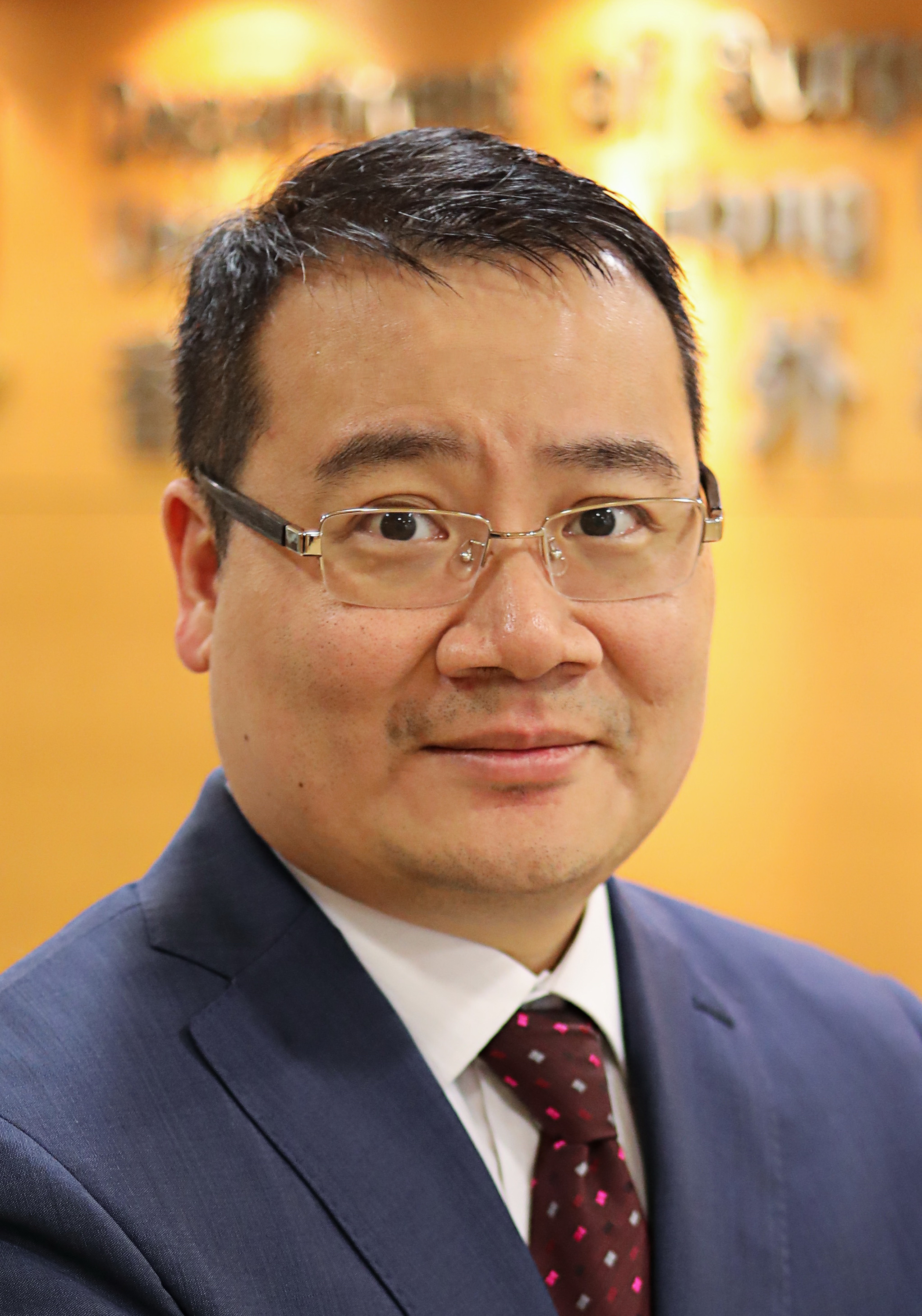 Tan-To Cheung (張丹圖)合作论文数Department of Surgery, School of Clinical Medicine, Li Ka Shing Faculty of Medicine, The University of Hong Kong;College of Surgeons of Hong Kong14
 Yan Shao合作论文数14CK Sun合作论文数13XL Li合作论文数13Y Zhao合作论文数13X. B. Liu合作论文数12
 Man Carol Tong (唐旻)合作论文数School of Biomedical Sciences, Faculty of Medicine, The Chinese University of Hong Kong12
 Aimin Xu (徐愛民)合作论文数Department of Medicine, School of Clinical Medicine, The University of Hong Kong;Department of Pharmacology and Pharmacy, Li Ka Shing Faculty of Medicine, The University of Hong Kong12Joanna W. Ho合作论文数12
 Albert Chi-Yan CHAN (陳智仁)合作论文数Division of Liver Transplantation, Department of Surgery, School of Clinical Medicine, Li Ka Shing Faculty of Medicine, The University of Hong Kong12
 Lei Zhou合作论文数The First Affiliated Hospital, Sun Yat-sen University11Chris K. Sun合作论文数11Zhiwu Tan合作论文数11Jwy Ho合作论文数10Nathalie Wong合作论文数10
 Jennifer X Zhang (張翔)合作论文数Department of Medicine & Therapeutics, Faculty of Medicine, The Chinese University of Hong Kong10
 Jiye Zhu (朱继业)合作论文数Peking University People's Hospital10
 Tingbo Liang (梁廷波)合作论文数The First Affiliated Hospital, School of Medicine, Zhejiang University10R.T.P. Poon合作论文数10Wenqi Qiu合作论文数9
 Tin Wong合作论文数School of Biomedical Sciences, The University of Hong Kong9




