医学生担负着国家医疗卫生事业的未来,是健康中国战略成功施行的中流砥柱.临床实习期是医学生向临床医生角色转变的重要阶段,加强临床实习期课程思政教育,是培养医学生救死扶伤、敬业奉献、勇于担当等职业素养的根本保障.提高临床教师对课程思政探索和实践的能力、将课程思政贯穿于临床教学中的言传身教、灵活运用多种教学方法、培养学生积极实践和自我反思的能力等措施是提升医学生临床实习期课程思政教育成效的有效路径.
以临床见习期肝肿瘤的诊断和鉴别诊断教学为例,探讨基于问题的学习(problem-based learning, PBL)教学课程设计的基本要素.PBL教学课程的核心设计要点是:教学目标包括知识、能力和专业3方面;课程内容要包括临床诊断与鉴别诊断的组织能力和临床思维能力的培养;课程实施可以典型的PBL教学步骤为基础.所提出的PBL教学课程的设计要素具有通用性,有助于教师设计并实施有关临床思维能力培养的PBL教学课程.
目的:总结近10年来首都医科大学宣武医院针对老年坏疽性阑尾炎患者腹腔镜手术的经验.方法:对2010年1月-2020年6月期间于首都医科大学宣武医院因坏疽穿孔性阑尾炎行腹腔镜手术治疗的65岁以上老年患者的临床资料进行回顾性分析,所有患者均经手术确诊为坏疽性阑尾炎.手术方式主要采用以右上腹切口为主操作孔的三孔法腹腔镜阑尾切除术,少数行开腹手术治疗及单孔腹腔镜手术治疗.结果:本研究共纳入277例次患者,平均年龄为(71.35±8.35)岁,所有手术均顺利完成;三孔法手术时间平均56 min,平均出血量25.3 mL,术后腹腔脓肿发生率3.12%;单孔法手术时间平均75 min,平均出血量28.3 mL,术后腹腔脓肿发生率13.04%.三孔法与单孔法比较,手术时间缩短,术后腹腔脓肿发生率降低.结论:针对老年急性坏疽性阑尾炎患者以采用右上腹为主操作孔的三孔法腹腔镜阑尾切除方式可取得较好疗效及较低的围术期并发症.
目的:探讨日间腹腔镜胆囊切除术(DCLC)的可行性.方法:回顾分析2018年1月1日至2019年12月31日施行腹腔镜胆囊切除术患者的临床资料,分为DCLC组与常规腹腔镜胆囊切除术(RLC)组.对比两组患者一般情况、手术安全性、卫生经济学指标.结果:共纳入1870例患者,其中DCLC组246例,RLC组1624例.计划DCLC患者中13例24 h后延迟出院,原因包括放置腹腔引流管(7.7%)、切口疼痛(15.4%)、进食后恶心呕吐(23.1%)及术后焦虑(53.8%);两组患者性别、病因、伴发疾病、腹部手术病史、手术时间、术中出血、术后并发症差异均无统计学意义(P>0.05).DCLC组年龄、住院时间、住院费用低于RLC组(P<0.05),满意度评分高于RLC组(P<0.05).行DCLC的两个手术组患者年龄、性别、病因、伴发疾病史、腹部手术史、手术时间、术中出血、住院时间、住院费用、满意度评分差异均无统计学意义(P>0.05).结论:熟练掌握LC的术者均可安全施行DCLC,不会增加术后并发症的发生风险,并能显著缩短住院时间、降低住院费用、提升患者满意度.
目的:探讨内镜逆行胰胆管造影(ERCP)相关围十二指肠穿孔的临床特点及诊治方法.方法:回顾收治的5例ERCP相关围十二指肠穿孔病例,并分析近十年此类病例的中英文文献.结果:5例患者中StapferⅡ病3例,StapferⅠ、Ⅲ各1例.1例StapferⅡ型患者保守治疗,4例行2次手术.3例良性疾病患者经再次手术治疗痊愈出院,2例恶性疾病患者均死亡.结论:及时果断的外科手术可能是ERCP相关围十二指肠穿孔的合理选择.
随着社会老龄化,65岁以上老年肝脏肿瘤患者亦逐渐增多,此类疾病的治疗很大程度上取决于患者的总体状况。在某些有合并症的老年患者中,行肝癌根治性切除手术及肝移植并不适合[1],射频治疗为这些不适合立即行肝脏根治性肿瘤切除术的患者提供了一种替代治疗方法,并于2009年被美国国立综合癌症网络肝癌治疗指南列为肿瘤根治性治疗方法之一,具有疗效确切、局部创伤小等优点。然而,目前关于射频治疗作为开腹手术的有效替代方法的经验仍然不十分充分,仍有严重并发症报道。本研究总结了近13年来本院老年肝脏肿瘤患者进行射频治疗的经验。
[目的]总结近5年来首都医科大学宣武医院对肝门部胆管癌患者进行经皮经肝穿刺胆道引流术(PTCD)治疗的技术经验.[方法]回顾性分析2015年1月至2019年10月期间首都医科大学宣武医院因肝门部胆管癌行超声引导下PTCD治疗的86例患者的临床资料.记录患者手术相关情况及术后并发症发生情况,比较患者术前及术后2周肝功能相关指标,包括谷丙转氨酶(ALT)、谷草转氨酶(AST)、碱性磷酸酶(ALP)、谷氨酰转移酶(GGT)、总胆红素(TBIL)、直接胆红素(DBIL).[结果]本研究86例患者经历108例次穿刺,穿刺肝左叶胆管76例,右叶胆管32例,其中左右双侧胆管同时穿刺22例.首次穿刺成功率为77.78%(84/108),总技术成功率为90.74%(98/108),临床成功率为86.05%(74/86).术后发生胆管出血12例(13.95%),胆道感染及腹膜炎32例(37.21%),引流管脱落6例(6.98%).术后22例患者黄疸减退后行肿瘤根治性切除或姑息性切除术,64例不能手术切除的患者带管出院.术后患者血清ALT、GGT、ALP、TBIL、DBIL水平均低于术前,差异均有统计学意义(P<0.05).[结论]超声引导下PTCD是肝门部胆管癌患者重要治疗方法,通过单纯胆道外引流可改善其肝功能,并可达到减黄的目的,提高患者生存质量,在基层医院有推广意义.
目的:总结腹腔镜胆囊切除、胆总管探查术后多模式镇痛的优化策略.方法:采用前瞻性随机对照研究,研究对象为2017年1月1日至2019年12月31日收治的胆囊结石合并胆总管结石接受腹腔镜胆囊切除、胆总管探查术的168例患者.信封法随机分为两组,研究组(n=85)采用手术切口局部浸润镇痛联合选择性COX-2抑制剂全身镇痛,对照组(n=83)采用手术切口局部浸润镇痛联合阿片类药物止痛泵全身镇痛.对比两组镇痛效果、安全性及卫生经济学指标.结果:两组患者性别、年龄、体重指数、胆总管结石数量与大小、胆总管直径、伴发急性胆管炎、既往腹部手术史、手术时间、术中出血量差异无统计学意义(P>0.05).术后24 h、术后48 h静息痛与运动痛及术后拔除胃管时间、拔除尿管时间、影响睡眠质量、术后消化道出血、住院时间、住院费用差异亦无统计学意义(P>0.05).研究组术后首次下床活动时间、术后肠蠕动恢复时间早于对照组,术后恶心、呕吐、头晕比例低,镇痛治疗费用低,差异有统计学意义(P<0.05).结论:腹腔镜胆囊切除、胆总管探查术后,联合局部切口浸润镇痛与非甾体类抗炎药可获得满意的疼痛控制效果.与阿片类药物止痛泵相比,头晕、恶心、呕吐等不良反应发生率更低,止痛花费更少.
目的 探讨情景模拟教学法在外科实习医生医患沟通能力培训中的应用效果.方法 选取2018年1~12月在首都医科大学宣武医院普通外科轮转的实习医生67名作为研究对象.将2018年1~6月参加培训的32名实习医生作为对照组,采用传统的课堂授课教学;将2018年7~12月参加培训的35名实习医生作为实验组,采用情景模拟教学法.应用利物浦医师沟通能力评价量表(LCSAS)比较培训前后考核得分差异,并调查实习医生对情景模拟教学法和传统授课法的认可程度.结果 两组培训后LCSAS评分均明显高于培训前(P<0.05),且实验组培训后明显高于对照组,差异有统计学意义(P<0.05).调查问卷显示,两组案例典型实用比例比较,差异无统计学意义(P>0.05).实验组认为情景模拟教学法在新颖生动、调动学习兴趣、增强职业自信、促进临床思维能力、提高应变能力、提高沟通能力者占比均明显高于对照组,差异有统计学意义(P<0.05).结论 与传统授课法比较,情景模拟教学法能够有效提高实习医生医患沟通能力,为成长为合格的临床医生打下坚实的基础.
肝门部胆管癌是胆道系统常见的恶性肿瘤,其手术难度较高,对于其规范化诊疗体系仍存有分歧.系统综述了肝门部胆管癌围手术期处理的研究要点进展,包括术前诊断及评估、临床分期、术前准备、手术方式及术后处理等方面.
目的:探讨腹腔镜胆总管探查术治疗急性结石性胆管炎的安全性与可行性.方法:回顾分析2014年1月至2016年12月为50例轻、中度急性结石性胆管炎患者行腹腔镜胆总管探查T管引流术的临床资料.结果:50例均顺利完成手术,无一例中转开腹;手术时间62~185 min,平均(119.1±31.6)min;术中出血量10~90 ml,平均(31.5±14.9)ml;术后胃肠功能恢复时间1~6 d,平均(2.7±1.0)d;术后腹腔引流时间2~12 d,平均(4.1±2.0)d;术后住院5~16 d,平均(10.1±3.1)d;术后发生胆漏4例,均保守治疗痊愈;T管脱落二次手术1例;残余胆总管结石6例,术后7~10周经T管窦道行胆道镜取石成功.术后随访12~48个月,无胆总管结石复发及胆总管狭窄.结论:在熟练掌握腹腔镜与胆道镜操作技术的前提下,腹腔镜胆总管探查T管引流术治疗轻、中度急性结石性胆管炎是安全、可行的.
Objective:To compare the clinical efficacy between primary closure and T-tube drainage following laparoscopic common bile duct exploration ( LCBDE) ,and summarize the clinical experience of these two procedures in treatment of choledocholithi -asis in elderly patients .Methods:The clinical data of 115 elderly patients (≥65 years) with choledocholithiasis and cholecystolithiasis who underwent LCBDE from Aug .2012 to Aug.2016 were retrospectively analyzed ,63 patients received primary closure ( primary clo-sure group) and 52 patients received T-tube drainage of the common bile duct following LCBDE (T-tube group).Results:LCBDE was successfully performed in all the 115 patients without conversion to open surgery .There were no significant differences between two groups in blood loss,abdominal drainage time and incidence of residual calculi (P>0.05).Compared with the T-tube group,the opera-tive time,analgesic drug usage and postoperative hospital stay were significantly less but the incidence of bile leakage was significantly higher in the primary closure group (P<0.05).Conclusions:Primary closure following LCBDE for management of choledocholithiasis in elderly patients has better clinical efficacy than T-tube drainage .Under the premise of strict surgical indications ,ensuring no residual calculi and accurate endoscopic suture techniques ,primary closure following LCBDE can be a preferable surgical procedure in treatment of choledocholithiasis in elderly patients .
To design teaching course of problem-based learning (PBL) combined with case-based learning (CBL) for standardized training of clinicians based on clinical decision thinking mode (CDTM) of diagnosis and treatment process for primary liver cancer. The CDTM of treatment choice for primary liver cancer is multi-scheme selection model. The general decision rule includes decision condition, action plan and decision tree. For the theoretical study of clinical decision rules, it is suitable to design PBL teaching, but it is suitable to design CBL teaching course for clinical decision-making practice. The teaching course of PBL combined with CBL is conducive to improving the ability of clinicians' clinical decision thinking step by step.
Objective To compare the clinical efficacy of primary closure versus T-tube drainage after laparoscopic common bile duct exploration in acute cholangitis cases.Methods The clinical data of 100 patients with acute cholangitis undergoing laparoscopic common bile duct exploration from January 2012 to December 2014 were reviewed.54patients received primary closure of the common bile duct and 46 patients were subjected to T-tube drainage after choledochotomy.Results One hundred patients underwent the surgery successfully.Compared with the T-tube group,the operation time(96.72 min vs 123.00 min,P =0.001),intraoperative blood loss(27.13 ml vs 38.48 ml,P =0.009),postoperative gastrointestinal function recovery time(1.57 d vs 2.33 d,P=0.003) and postoperative hospital stay(6.19 d vs 9.20 d,P=0.000) were significantly less in the primary closure group.There were no statistical differences in the incidence of postoperative drainage (309.22 ml vs 212.46 ml,P =0.070),drainage time (3.96 d vs 4.02 d,P =0.875),incidence of bile leakage(9.3% vs 0,P =0.060) and postoperative bleeding rate(5.1% vs 2.2%,P =0.622) between these two groups.Conclusion Laparoscopic common bile duct exploration with primary closure of the common bile duct is an effective and safe procedure in acute cholangitis cases compared with T-tube drainage.
Objective The purpose of this study was to investigate the risk factors of bile leakage after primary closure of common bile duct (CBD) in LCBDE.Methods A retrospective cohort study of 154 patients who underwent LCBDE with primary closure.The risk factors for bile leakage were analyzed by Logistic regression analysis,including demographic factors.preoperative condition and operation.Results 308 LCBDE procedures were applied in our hospital and 154 patients with primary closure were included in this study.Among the 154 patients,the incidence of bile leakage was 11.7% (18/154).Bile leakage occurred more frequently in patients with slender CBD(< 1 vs ≥ 1 cm,33.3% vs 8.0%,P < 0.05) and those managed by inexperienced surgeons (initial 70 cases vs later cases,17.1% vs 7.1%,P < 0.05).After multivariable regression,slender CBD [OR 95% CI,4.216 (1.042 ~ 14.528),P < 0.05] and inexperienced surgeons [OR 95% CI,4.136 (1.286 ~ 13.251),P < 0.05] were found to affect bile leakage(most significantly).Conclusion Slender CBD and inexperienced surgeons were associated with high risk of bile leakage independently after primary closure following LCBDE.
目的:分析腹腔镜胆总管切开取石一期缝合术后常见并发症的原因,探讨预防与治疗并发症的策略.方法:回顾分析2009年12月至2014年10月为132例胆囊结石合并胆总管结石患者行腹腔镜胆总管切开取石一期缝合术的临床资料.结果:132例患者中,胆漏13例,占9.85%,其中12例经保守治疗治愈,再次腹腔镜手术1例.残余胆总管结石2例,发病率1.52%.胆总管结石再发1例,占0.76%.术后腹腔出血1例,占0.76%,保守治疗痊愈.随访4~58个月无术后胆道狭窄.结论:胆漏是腹腔镜胆总管切开取石一期缝合术最常见的并发症,严格把握手术指征,认真评价术前影像学,术中熟练的胆道镜操作,精准胆道缝合可减少并发症的发生.
Objective To analysis effect of compound amino acid 15 peptide 2 on levels of tumor markers in serum of postoperative patients with liver cancer.Methods 42 postoperative patients who were diagnosed with liver cancer were collected.All patients were randomly divided into experimental group and control group, 21 cases in each group.The two groups of patients were given the corresponding parenteral nutrition therapy, after treatment, the serum tumor markers, T lymphocytes, liver function and nitrogen balance related indicators in all patients were detected.Results After treatment, compared with control group, the serum alpha fetal protein(AFP),carbohydrate antigen 19-9(CA19-9) and carcino embryonie antigen(CEA) levels were lower in the experimental group (P<0.05); the serum CD3 +T cells, CD4 +T cells and CD4 +/CD8 + ratio levels were lower in the experimental group (P<0.05); the serum alanine amino transferase (ALT), aspartate aminotransferase (AST) and total bilirubin(TBIL) levels were lower in the experimental group (P<0.05); the patients in the experimental group changed to positive nitrogen balance(P<0.05).Conclusion The diluted compound amino acid 15-2 injection for intravenous injection,can significantly reduce the level of serum tumor markers in patients with liver cancer, improve the immune function of patients, correct negative nitrogen balance, protect liver function.
OBJECTIVE:To study the survival and prognostic implication in surgically resected satellite-nodule T4 (T4 satellite) non-small cell lung cancer (NSCLC).METHODS:From January 1995 to March 2005, the complete resection was performed to 42 patients with NSCLC who were postoperatively identified as pathologic-stage T4 satellite. Survival and associations between clinicopathological parameters and prognosis were analyzed. Thirty-two patients with pathologic stage local-invasion T4 (T4 invasion) NSCLC who underwent resection at the same time were also analyzed.RESULTS:The 1-, 3- and 5-year survival was 76.2%, 57.1% and 46.0% for patients with T4 satellite, while 62.3%, 31.5% and 20.0% for patients with T4 invasion. There was a significant higher survival in T4 satellite group when compared to that in T4 invasion group (P < 0.05). Furthermore, patients with T4 satellite N0M0 got a better survival than those with T4 satellite N1-2M0, T4 invasion N0M0 and T4 invasion N1 -2M0 (P < 0.05). For patients with T4 satellite, univariate analysis showed that histology, main tumor size, lymph node status and adjuvant chemotherapy were linked with survival, while main tumor size, lymph node status and adjuvant chemotherapy served as the independent prognostic factors with multivariate analysis.CONCLUSIONS:Patients with completely resected T4 satellite NSCLC have a better prognosis than those with T4 invasion. Main tumor size over 3 cm, lymph node metastasis or no adjuvant chemotherapy means an unfavorable prognosis.
 Yuehua Wang (王悦华)合作论文数Xuanwu Hospital Capital Medical University16
 DongBin Liu (刘东斌)合作论文数14
 Yamin Zheng (郑亚民)合作论文数Xuanwu Hospital Capital Medical University11JiaFeng Liu (刘家峰)合作论文数10XiaoGang Tong (仝小刚)合作论文数9
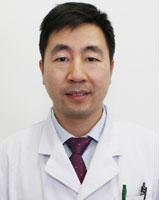 Kuo Liang (梁阔)合作论文数Xuanwu Hospital Capital Medical University9
 Dahua Xu (徐大华)合作论文数Department of General Surgery, Xuanwu Hospital, Capital Medical University8
 Fei Li (李非)合作论文数Department of General Surgery,Xuanwu Hospital,Capital Medical University5WenQing Liu (刘文清)合作论文数3Liwei Liu (刘力玮)合作论文数2Ning Duan合作论文数1Saixin Li合作论文数1guibin yao (姚贵宾)合作论文数1Jiannan Yao (姚建南)合作论文数1Shenghai MA (马胜海)合作论文数甘肃省人民医院肿瘤外科1zhihao yu (于志浩)合作论文数1
 Kaifu Li合作论文数1Hongyu ZHAO (赵鸿宇)合作论文数1Zhe WANG (王喆)合作论文数1BaoLiang He (何宝亮)合作论文数1Yu Fang (方育)合作论文数1XiaoLi Zhang (张小丽)合作论文数1Jing Zhao (赵菁)合作论文数1
 Chongchong Gao (高崇崇)合作论文数Xuanwu Hospital, Capital Medical University1
 Yajun Wang (王亚军)合作论文数The Second Norman Bethune Hospital of Jilin University1Zhiyi Yin (尹志伊)合作论文数1
 Min Gong (龚民)合作论文数Beijing Friendship Hospital, Capital Medical University1
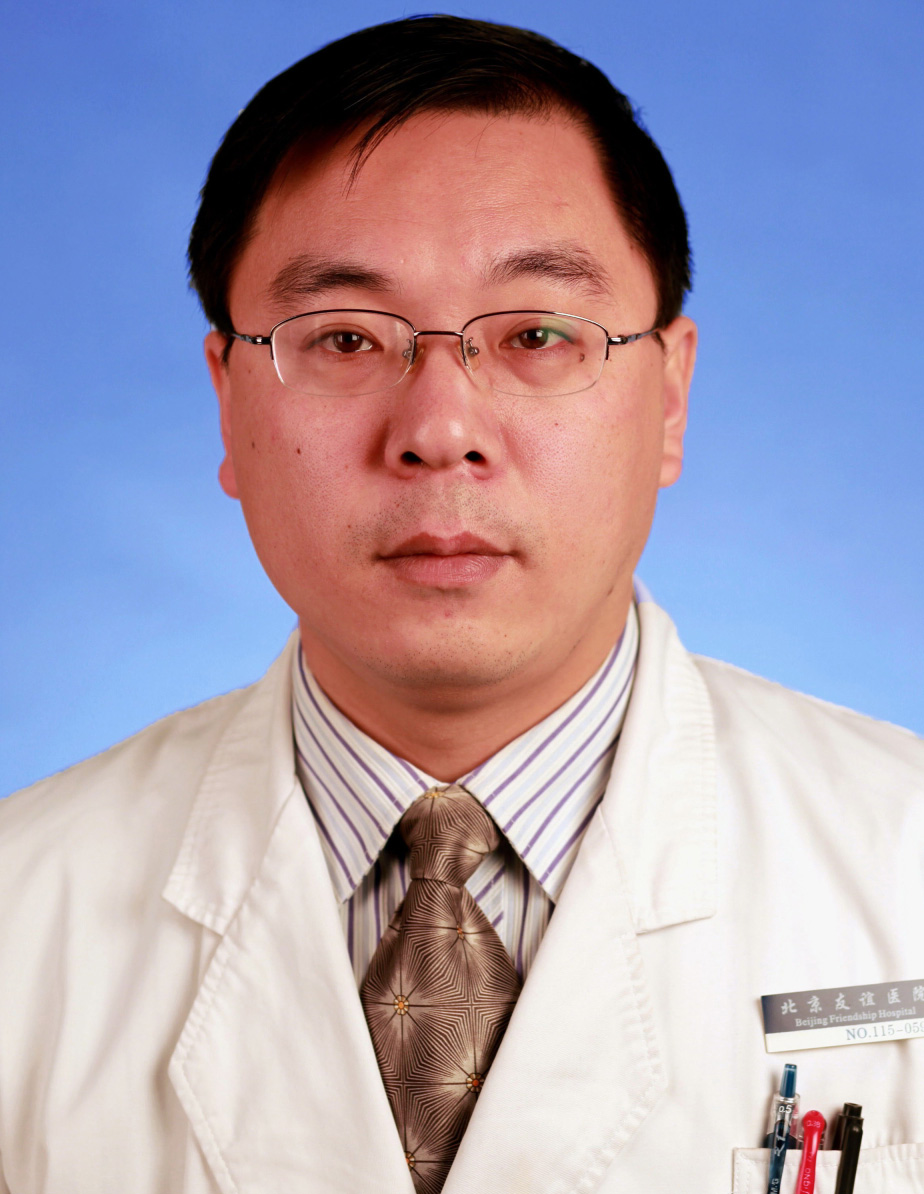 Dong Chang (常栋)合作论文数Beijing Friendship Hospital, Capital Medical University1Kai Ma (马凯)合作论文数Beijing Tongren Hospital, Capital Medical University1
 Zhi Gao (高志)合作论文数Beijing Friendship Hospital, Capital Medical University1
 Tianyou Wang (王天佑)合作论文数Department of Vascular Surgery,Beijing Friendship Hospital,Capital Medical University,Beijing ,China1Yong Cui合作论文数1Xiaodan Hu合作论文数1




