Knee osteoarthritis (KOA) is characterized by progressive joint degeneration and biomechanical imbalance of periarticular soft tissues, leading to pain and functional limitation. However, effective biomechanically targeted manual therapy protocols for regulating soft tissue tension remain insufficiently standardized. In this study, a randomized controlled design was used to investigate the effects of tissue-bone homeostasis manipulation (TBHM) on peri-knee soft tissue tension and functional outcomes in patients with KOA. Sixty patients were enrolled and randomly assigned to the TBHM group or the control group. Primary outcomes included rectus femoris, vastus medialis, vastus lateralis muscle tension, patellar ligament tension, and knee flexion range of motion (ROM). Secondary outcomes included the Knee Injury and Osteoarthritis Outcome Score (KOOS) and the Timed Up and Go Test (TUGT). The results showed that baseline characteristics were comparable between groups (all P > 0.05), and no adverse events were observed during the intervention. Repeated measures analysis revealed significant time effects for all primary and secondary outcomes (P < 0.001). Significant group × time interaction effects were observed for rectus femoris, vastus lateralis muscle tension, patellar ligament tension, knee flexion ROM, KOOS subscales (symptoms, activities of daily living, sport/recreation, and quality of life), and TUGT (P < 0.05), indicating greater improvement in the TBHM group compared with the control group. However, no significant interaction effect was found for vastus medialis muscle tension or KOOS-pain (P > 0.05), suggesting similar trends between groups in these measures. In conclusion, TBHM demonstrates both safety and efficacy in reducing periarticular soft tissue tension and improving functional outcomes in KOA. This protocol provides a standardized and biomechanically oriented approach for manual therapy intervention and may offer a novel strategy for optimizing conservative treatment of KOA.
RATIONALE AND OBJECTIVES:Chronic neck pain (CNP) is characterized by persistent pain and disability, often accompanied by alterations in brain structure and function. Although Chinese manual therapy has demonstrated clinical efficacy in relieving CNP, its central neural mechanisms remain poorly understood. MATERIALS AND METHODS:Thirty patients with CNP and 32 age- and sex-matched healthy controls (HCs) underwent 5.0-T magnetic resonance imaging (MRI) including neurite orientation dispersion and density imaging (NODDI) and resting-state functional MRI(rs-fMRI). Patients received 12 sessions of Chinese manual therapy administered three times per week over a 4-week period. Clinical outcomes were evaluated with the Visual Analog Scale (VAS), Neck Disability Index (NDI_score), and Pain Catastrophizing Scale (PCS). Between-group and within-group differences were analyzed using appropriate parametric or nonparametric tests with false discovery rate correction. RESULTS:Chinese manual therapy significantly reduced VAS (mean ± SD, -3.18 ± 1.35; p < 0.001), NDI (-7.97 ± 6.20; p < 0.001), and PCS (-4.17 ± 7.80; p =.006) scores, indicating substantial pain relief and functional recovery. At baseline, patients exhibited decreased neurite density index (NDI) and increased orientation dispersion index (ODI) in the right thalamus, left posterior cingulate cortex, and left precuneus (all p < 0.01), along with altered functional connectivity (FC) within thalamocortical and default-mode networks. After treatment, NDI increased and ODI decreased toward HC levels, while thalamus-anterior cingulate hyperconnectivity decreased (ΔFC = -0.10 ± 0.05; p < 0.01) and thalamus-medial superior frontal connectivity increased (ΔFC = 0.09 ± 0.04; p <0.05). Reductions in thalamocortical FC were significantly associated with pain improvement (ΔVAS vs ΔFC, r = 0.73; p <0.05). No adverse events occurred. CONCLUSION:Chinese manual therapy was associated with significant pain and disability reduction in CNP, accompanied by concurrent microstructural and functional reorganization within thalamic and default-mode network regions. These findings provide neuroimaging evidence supporting a central neural correlate of Chinese manual therapy that extends beyond purely peripheral biomechanical explanations.
OBJECTIVE:To investigate the effects of tendon-regulating and bone-setting manipulation on clinical outcomes and lumbopelvic sagittal alignment in patients with lumbar disc herniation (LDH) after undergoing transforaminal lumbar interbody fusion (TLIF). METHODS:From May 2024 to May 2025, 60 patients with lumbar disc herniation (LDH) who underwent transforaminal lumbar interbody fusion (TLIF) were randomly assigned to either the treatment group or the control group, with 30 cases in each group. One patient was lost to follow-up in the treatment group and one patient was lost to follow-up and one patients was excluded from the control group. The treatment group comprised 29 cases, including 12 males and 17 females, with an age of (61.1±7.2) years, and received conventional rehabilitation therapy;the control group consisted of 28 cases, including 10 males and 18 females, with an age of (57.8±10.1) years, and received conventional rehabilitation therapy supplemented with tendon-releasing and bone-setting manual techniques. Before surgery and at 1, 3, and 6 months postoperatively, pain was assessed using the visual analogue scale(VAS), while function was evaluated with the Oswestry disability index(ODI) and the Japanese Orthopaedic Association (JOA) scoring system. Sagittal plane parameters such as pelvic incidence (PI), pelvic tilt (PT), sacral slope (SS), and lumbar lordosis (LL) were measured preoperatively and at 6 months postoperatively. RESULTS:All patients were followed up, and the duration ranged from 6.0 to 7.0 months, with a mean of (6.2±0.3) months. In both groups, the VAS at 1, 3, and 6 months postoperatively were significantly lower than those before surgery, with statistically significant differences (P<0.05). No significant intergroup difference in VAS was found preoperatively or at 1 month postoperatively (P>0.05). However, the treatment group showed significantly lower VAS than the control group at 3 and 6 months postoperatively (P<0.05). ODI scores significantly improved at all postoperative time points in both groups (P<0.05). While no significant intergroup difference in ODI was observed preoperatively or at 1 month, the treatment group had significantly lower ODI scores at 3 and 6 months (P<0.05). JOA scores increased significantly at all postoperative time points in both groups (P<0.05). The treatment group demonstrated significantly higher JOA scores than the control group at 3 and 6 months postoperatively (P<0.05). At 6 months, the JOA improvement rate was significantly higher in the treatment group (83.95±10.62)% compared to the control group (64.55±14.31)%(t=5.795, P<0.001). Regarding sagittal alignment at 6 months, the treatment group showed significantly greater improvement in PT, SS, LL, and PI-LL match compared to the control group (all P<0.05). CONCLUSION:The adjunctive use of tendon-regulating and bone-setting manipulation on top of conventional rehabilitation is more effective than conventional rehabilitation alone in alleviating pain, improving functional status, and correcting lumbopelvic sagittal imbalance in LDH patients after TLIF surgery.
BACKGROUND:Chronic non-specific neck pain (CNP) involves central sensitization and maladaptive cortical reorganization. The central neurophysiological mechanisms underlying combined manual therapy (MT) and exercise remain poorly understood. OBJECTIVE:To investigate the neurobiological synergy of MT and exercise on large-scale brain network restructuring and cortical adaptation in patients with CNP. METHODS:Thirty patients with CNP were randomized to 6 weeks of MT plus exercise (combined group, n = 15) or exercise alone (n = 15), alongside 15 healthy controls. Clinical outcomes included the Visual Analogue Scale (VAS) and Neck Disability Index. Functional near-infrared spectroscopy (fNIRS) evaluated resting-state functional connectivity and task-state cortical hemodynamics. RESULTS:Both groups demonstrated significant longitudinal improvements in pain and disability (e.g., VAS main time effect: F = 279.51, P < .001, ηp2 = 0.909, 95% confidence interval [2.50, 3.19]), with no significant group-by-time clinical interaction. However, neurobiological trajectories dissociated markedly. Only the combined intervention uniquely restored frontoparietal functional connectivity and induced a stimulation-preferential reduction in prefrontal activation (interaction: F = 27.19, P < .001, ηp2 = 0.493). CONCLUSIONS:While MT combined with exercise yields similar short-term clinical benefits as exercise alone, the combined therapy uniquely promotes prefrontal neural efficiency and restores frontoparietal network connectivity. This highlights MT's distinct central modulatory value in optimizing top-down cognitive resource allocation for CNP management.
Background:Disulfidptosis is a novel type of cell death that cannot be explained by the previous cell death approaches. Research on disulfidptosis may open the door to new therapeutic strategies for cancer. Long non-coding RNA (lncRNA) exerts a regulatory role in the cell death process. However, the potential value of disulfidptosis-associated lncRNAs in pancreatic adenocarcinoma (PAAD) has not yet been explored. Therefore, the aim of this study is to identify DRLncI related lncRNAs as a basis for establishing new predictive biomarkers in PAAD. Methods:The RNA-sequencing matrices of PAAD were extracted from The Cancer Genome Atlas (TCGA) cohort. Co-expression algorithm, Cox and the least absolute shrinkage and selection operator (LASSO) regression were conducted to determine a disulfidptosis-related lncRNA index (DRLncI). Kaplan-Meier method, Cox regression, and receiver operating characteristic algorithms were applied to assess the predictive stability and effectiveness of the DRLncI. Gene ontology, Gene Set Variation Analysis (GSVA) and tumour mutation burden analysis were employed for index-based mechanistic exploration. Additionally, the Estimation of STromal and Immune cells in MAlignant Tumor tissues using Expression data (ESTIMATE), single-sample Gene Set Enrichment Analysis (ssGSEA), Tumor Immune Estimation Resource (TIMER) platform and drug sensitivity were utilised to assess the predictive value of DRLncI for tumour immune microenvironment (TIME) and drug efficacy. In addition, consensus clustering algorithm was applied to distinguish PAAD subgroups with different molecular characteristics. Results:Based on disulfidptosis-related lncRNAs, we established a DRLncI consisting of seven lncRNAs. Multi-validation showed that DRLncI had better predictive stability and sensitivity than age and other clinical features. Additionally, DRLncI can well differentiate individuals with different TIME. Furthermore, DRLncI-based consensus clustering algorithm divided all individuals into two clusters. Systematic evaluation showed that the cluster 1 population not only had better prognosis, but also showed higher immune cell levels and immune checkpoints expression. Finally, DRLncI and consensus clustering analysis based on DRLncI can help determine the sensitivity of patients to different chemotherapeutic agents and targeted drugs, providing a reference for personalized treatment. Conclusions:The DRLncI and the DRLncI-based consensus clusters developed in the present research help to stratify the prognosis of individuals with PAAD, determine clinical outcomes and differentiate between patients with different TIME, providing a basis for personalized and precise oncology treatment.
This study aimed to investigate the alterations in resting-state functional connectivity (rsFC) in patients with cervical spondylotic myelopathy (CSM) using functional near-infrared spectroscopy (fNIRS), and to explore the neuropathological mechanisms underlying these changes. Fifteen CSM patients (JOA score: 12.3 ± 2.1) and 15 age-matched healthy controls (HCs) underwent fNIRS recording during an eyes-open resting state. Hemodynamic signals were acquired from 63 channels covering the prefrontal, parietal, and occipital cortices. Pearson correlation coefficients were calculated for channel-wise time series, and group differences in FC matrices were compared using two-sample t-tests (p < 0.05) with false discovery rate (FDR) correction. CSM patients exhibited significantly enhanced connectivity between the secondary somatosensory cortex and premotor/somatosensory association cortices at the total hemoglobin (HbT) level compared to HCs (frontal eye field-supramarginal gyrus: 0.77220 ± 0.09584 vs. 0.600266 ± 0.141879, FDR p < 0.05). Hyperconnectivity was observed between the right occipital lobe and bilateral prefrontal cortices in CSM patients (left prefrontal-right occipital: 0.18390 ± 0.117860 vs. 0.049514 ± 0.11688, FDR p < 0.05; right prefrontal-right occipital: 0.190342 ± 0.144897 vs. 0.0544925 ± 0.0856284, FDR p < 0.05). Notably, the right occipital lobe showed more pronounced hyperconnectivity with the right dorsolateral prefrontal cortex ( 0.26741 ± 0.11123 vs. 0.02533 ± 0.13632, FDR p < 0.01). This study provides the first fNIRS-based evidence of characteristic functional network changes and compensatory reorganization in CSM patients. The observed hyperconnectivity between the occipital and prefrontal cortices may reflect neuroplastic responses to visual and chronic sensorimotor deficits, while global integration impairments could underlie clinical disabilities. These quantifiable connectivity signatures offer novel targets for monitoring disease progression and evaluating therapeutic interventions.
Background: Chronic non-specific neck pain (CNNP) poses a global socioeconomic burden. Although exercise therapy is a cornerstone intervention, its neurophysiological mechanisms remain elusive. This pioneering study applied functional near-infrared spectroscopy (fNIRS) to decode exercise-induced cortical reorganization in CNNP. Methods: Twenty right-handed CNNP patients (54.6±11.5 years; 65% female) completed a 6-week therapeutic exercise program (3 sessions/week). Clinical outcomes (pain [VAS], disability [NDI], kinesiophobia [TSK]) and fNIRS-based cortical hemodynamics were assessed pre/post-intervention. Resting-state functional connectivity (RSFC) and task-evoked activation (during cervical extension) were analyzed in prefrontal regions. Results: Exercise significantly reduced VAS (6.16±1.53 to 1.35±1.23, p<0.001), NDI (32.2±8.55 to 7.15±5.90, p<0.001), and TSK (31.8±4.66 to 22.95±3.10, p<0.001). fNIRS revealed: (1) Enhanced RSFC in the right prefrontal cortex (RPFC; t=2.93, p<0.05); (2) Reduced occipital-DLPFC connectivity (t=–3.44, p<0.05); (3) Increased DLPFC activation (t=2.28, p<0.05) and decreased visual cortex activation (t=–2.19, p<0.05) during task. Clinical improvements correlated with neurophysiological changes: ΔVAS with RPFC activation (r=–0.71), ΔTSK with occipital-DLPFC decoupling (r=0.77) (both p<0.01). Conclusion: Exercise alleviates CNNP symptoms via dual neuroplastic mechanisms: DLPFC hyperactivation (enhancing top-down inhibition) and visual cortex deactivation (reducing sensory hypervigilance). As the first fNIRS study in CNNP, we identify DLPFC HbO↑ and visual cortex HbO↓ as biomarkers for personalized rehabilitation.
Fascia, the initial response site for mechanical stimulation in manipulations, is also the target of the effect of manipulations. As the essence of manipulation is “force”, how mechanical stimuli are transduced into neuroelectric and biochemical signals in the fascia and how physical and chemical signals of the fascia initiate the mechanical stimulation effect are the common key questions in the study of the principle of manipulation. The physical changes in the fascial connective tissue caused by the manipulation, such as the deformation and displacement of the fascial tissue, can act on the nerve end receptors in the fascial layer and generate neural electrical signals; they can also activate the mechanoreceptors on the fascial cell membrane and convert mechanical signals into chemical signals via mechanosensitive ion channel transduction, triggering a physicochemical coupling response in the fascial microenvironment and producing mechanical stimulation through neuro-endocrine-immune system pathways. The “mechanical force of manipulation” in the fascia is transmitted through the meridian to facilitate the body’s perception and transmission of mechanical stimulation signals, indicating that the fascia is the “sensor” of coupled response to the physicochemical information of mechanical stimulation of manipulation.
Purpose: The aim of the research was to observe the variations in brain activity between young cervical spondylosis patients with chronic neck pain (CNP) and healthy volunteers in the resting state and to investigate the central remodeling mechanisms in the patients. Patients and methods: Our study recruited 31 patients with chronic neck pain from cervical spondylosis and 30 healthy volunteers. Eventually, 29 patients (CNP group) and 29 healthy volunteers (HC group) completed the acquisition of clinical data and resting-state functional magnetic resonance (rs BOLD-fMRI) amplitude of low-frequency fluctuations (ALFF) data; in addition, we assessed the relationship between differentially active brain regions and clinical indicators. Results: The CNP group found greater ALFF values in the insula, cingulate gyrus, prefrontal lobe, and other brain regions. The occipital, parietal, and other brain regions had lower ALFF values. In addition, there was a negative connection between the duration of the sickness in the CNP group and the ALFF value of the right superior parietal gyrus (SPG.R). The level of tenderness threshold exhibited a negative correlation with the ALFF value of the left insula (INS.L). In addition, the NPQ score showed a negative association with the ALFF value of the ORBinf.R and a positive correlation with the ALFF value of the CC1.L. Finally, the HADS-A score exhibited a positive correlation with the ALFF value of the right anterior cingulate and paracingulate gyrus (ACG.R). Conclusion: Young patients with chronic neck pain show extensive central remodeling, with altered functional activity in pain- emotion brain areas (such as the cingulate gyrus and insula), pain-cognition brain areas (such as the prefrontal lobe), and other special sensory brain areas (such as the parietal and occipital lobes). These changes are linked to clinical tenderness, functional disability, and negative emotion indicators.
Traditional Chinese medicine external prescriptions have displayed excellent clinical effects for treating deep soft tissue injuries. However, the effects cannot be fully utilized due to the limitations of their dosage forms and usage methods. It is still a challenge to develop a satisfactory adjuvant of traditional Chinese medicine external prescriptions. Herein, a hydrogel adjuvant was prepared based on gallic acid coupled ε-poly-l-lysine and partially oxidized hyaluronic acid. The resulting adjuvant shows great physicochemical properties, low hemolysis rate (still much less than 5% at 5 mg/mL), excellent antibacterial ability (about 95% at 2 mg/mL), strong antioxidant ability (1.687 ± 0.085 mmol FeSO4/(g hydrogel) at 1 mg/mL), as well as outstanding biocompatibility. A clinically used Chinese medicine external preparation was selected as an example to investigate the effectiveness of the adjuvant in treating deep soft tissue injuries. The results show that the prescription can be evenly dispersed in the adjuvant. Moreover, the introduction of the prescription has not significantly changed these advanced properties of the adjuvant. Importantly, the hydrogel adjuvant significantly improves the effectiveness of the prescription in treating deep soft tissue injuries. This work offers an alternative approach to the development of a new-type adjuvant of Chinese medicine external preparations and also provides a new strategy for the combination of traditional Chinese medicine and hydrogel to treat clinical diseases.
当前,推进党建思政工作与事业发展深度融合发展成为高校教育的中心工作.作者所在团队聚焦高校党建与事业发展深度融合的模式,以师生联合党支部为依托,通过"一二三课堂"联动模式落实三全育人理念,积极开展了党支部建设与课程思政建设相互促进的有益探索.在全面推进党建+课程思政的教育体系建设中,形成了基于"一二三课堂"联动模式的师生联合党支部建设推进"课程思政"建设的常态化工作机制,突出了党建引领事业发展、业务发展促进党建工作的核心思想.
Background:The aim of this study was to clarify the mechanism of tendon-regulating and bone-setting manipulation in the treatment of knee osteoarthritis (KOA).Methods:A total of 30 adult healthy specific pathogen-free (SPF) New Zealand white rabbits (male; weight 2.0-2.5 kg) were selected and divided into a normal control (NC) group, KOA group, and KOA + manual treatment (MT) group. Each group comprised 10 rabbits. A KOA model was established using the modified Hulth method in the KOA and KOA + MT groups. The 3 groups were fed under the same conditions for 8 weeks. The Lequesne index for KOA was used to evaluate the behavioral status of the model rabbits; hematoxylin and eosin (HE) staining was employed to observe the pathological morphology of the tibial plateau and medial femoral condyle cartilage; the Mankin scoring scale was used to evaluate the cartilage morphology of the model rabbits; Western blot was used to detect the expression levels of toll-like receptor 4 (TLR4), myeloid differentiation factor 88 (MyD88), and nuclear factor κB (NF-κB) proteins in the synovial tissue of the model rabbits; the contents of interleukin (IL)-1β, IL-6, and, tumor necrosis alpha (TNF-α) in the synovial fluid of the model rabbits were determined using the enzyme-linked immunosorbent assay (ELISA) method.Results:Compared with those in the NC group, Lequesne index score, Mankin score of cartilage tissue, protein expression, and content of inflammatory factors were significantly increased in the KOA and KOA + MT groups (P<0.05), and these values were significantly higher in the KOA group. Microscopy showed that the cartilage tissue of the experimental rabbits in the KOA and KOA + MT groups was significantly degenerated. Compared with those in the KOA group, the Lequesne index score, Mankin score, protein expression, and inflammatory factor content of the model rabbits in the KOA + MT group were significantly reduced (P<0.05), and microscopy showed that cartilage tissue degeneration of the experimental rabbits in the KOA + MT group was significantly improved.Conclusions:Tendon-regulating and bone-setting manipulation can significantly improve the activity state and motor function of KOA model rabbits and significantly inhibit the expression of the TLR4-MyD88-NF-κB signaling pathway in synovial tissue, thereby reducing knee joint synovial inflammation and delaying the occurrence and development of KOA.
Although acupuncture can slow down the inflammatory process and postpone articular cartilage degradation in the treatment of knee osteoarthritis, the exact mechanism of action is still being investigated. Acupuncture can help treat osteoarthritis of the knee by regulating the elevation of qi, controlling the dynamics of the gastrointestinal tract and promoting body regulation, regulating the balance of intestinal flora and restoring it to homeostasis, stabilizing the mechanical biceps, and targeting the intestinal microbial-mediated intestine-joint axis. With the aim of providing a theoretical foundation for the treatment of osteoarthritis of the knee with acupuncture, which is deserving of clinical promotion and application, it is argued that acupuncture can treat osteoarthritis of the knee through multiple pathways, multiple targets, and bi-directionality. This relationship between acupuncture, gut flora, and inflammatory response is then clarified.
目的 观察中药膏摩治疗气滞血瘀型慢性非细菌性前列腺炎的临床疗效.方法 选取2020 年1 月—2022 年10 月北京中医药大学房山医院男科治疗的气滞血瘀型慢性非细菌性前列腺炎患者120 例,采用随机对照方法将患者分为治疗组、对照组1、对照组2,每组40 例.治疗组采用前列腺膏膏摩治疗,对照组1 采用凡士林膏膏摩治疗,对照组2 采用前列安通片口服,3 组均治疗4周.观察3 组患者治疗前后慢性前列腺炎症状指数(NIH-CPSI)评分、中医证候积分、前列腺液中白细胞数量的变化,评估3 组临床疗效.结果 治疗后,3 组患者NIH-CPSI评分、中医证候积分、前列腺液中白细胞数量均较治疗前明显降低(P均<0.05),且治疗组NIH-CPSI评分、中医证候积分、前列腺液中白细胞数量均明显低于对照组 1 与对照组 2(P均<0.05).治疗组总有效率为94.7%(36/38),明显高于对照组1 的56.8%(21/37)和对照组2 的71.8%(28/39),差异均有统计学意义(P均<0.05).结论 采用前列腺膏膏摩治疗气滞血瘀型慢性非细菌性前列腺炎,可明显缓解患者疼痛症状,改善排尿异常,提高生活质量.
目的 观察理筋正骨手法结合肌内效贴治疗急性期肩关节周围炎的临床疗效.方法 选择60例急性期肩关节周围炎患者,随机分为手法组和对照组,每组30例.手法组给予理筋正骨手法结合肌内效贴治疗,对照组给予超短波疗法结合肌内效贴治疗.比较两组患者临床疗效及治疗前后视觉模拟量表(visual analog scale,VAS)评分、压痛阈值、肩关节活动度(range of motion,ROM)、肩关节功能 Constant-Murley 评分(Constant-Murley score,CMS)、表面肌电积分肌电图(integral electromyogram,iEMG)值.结果 手法组疗效优于对照组(P<0.05);两组治疗后VAS评分均显著降低,且手法组降低程度大于对照组(P<0.05);两组治疗后压痛阈值、CMS、肩关节ROM、iEMG值均显著升高(P<0.05),且手法组升高程度大于对照组(P<0.05).结论 理筋正骨手法结合肌内效贴治疗可缓解急性期肩关节周围炎患者的疼痛,改善肩关节功能.
人们总说“男人四十一枝花”,但实际上 40 岁以上 的男性通常会面临各类问题,包括体力下降、情绪低 落、睡眠障碍等。面对这类问题,许多女性会怀疑自己 是否到了更年期,但男性并不知道自己也有更年期,实 际上,体力下降、情绪低落等是男性更年期的主要表 现。而在面对更年期时许多男性不知道如何应对,男性 更年期的问题可以通过中医的方法进行调理。接下来 笔者谈一下如何应用中医调理男性更年期。
Cervical spondylosis(CS)is a series of clinical syndromes caused by changes in the structure and function of the tissues around the cervical spine on the basis of neck degeneration,and the physical and mental health and quality of life of patients are often seriously affected.The popularization of functional magnetic resonance imaging(fMRI)provides visual evidence for CS central lesions and clinical efficacy.By reviewing the literature on CS central function changes at home and abroad in recent years,and reviewing them,we finds that the research mainly focuses on chronic spinal cord compression in cervical spondylosis,chronic neck pain and cervical vertigo,and patients mostly show abnormal neuronal activity,functional connection changes and brain network changes in brain regions,and put forward the current research shortcomings and development directions,in order to provide more neuroimaging references for the diagnosis,treatment and prognosis of CS in the future.
针对按摩推拿学课程思政+专业思政教学模式改革开展理论探讨,分析了专业课在课程思政建设方面的主要问题与对策思考,提出以"大思政"创建专业思政的建设格局,以"小思政"落实课程思政建设目标的思路,并开展了创建红色基因元素融入课程教学、课外活动、学生社团、虚拟仿真项目、创新创业项目等多维度课程思政+专业思政体系教学改革的实践与探索.
《人体运动与控制学》的内容、特点及教学要求:《人体运动与控制学》是康复治疗学一门重要的基础专业课,包含人体的功能解剖学、生物力学、运动与心肺功能、运动控制与步态等内容,主要研究人体活动的运动规律,重点要求学生掌握人体的生物学特征、生理功能、形态特点和组织性状,增强对力与人体结构和系统的力学特点及其与人体功能关系的理解,提高学生康复治疗的实践操作能力[1].随着近年来康复治疗学或者康复治疗技术专业教育在国内的迅速开设,《人体运动与控制学》越来越得到重视,但是如何将该课程形象生动地展现给学生,仍然是亟待解决的问题.
 Lu-lu Cheng (程露露)合作论文数12MengLi Yao (姚梦莉)合作论文数9YingShu Wu (吴映书)合作论文数9LiHeng Wang (王立恒)合作论文数9Wendi ZHANG (张文娣)合作论文数8Rong-ting HU (胡荣庭)合作论文数7QingYao Liu (刘清尧)合作论文数7FaJuan Zheng (郑发鹃)合作论文数7Peng Rao (饶鹏)合作论文数7
 Liang Han (韩亮)合作论文数Beijing University of Chinese Medicine6Guofeng Yan (严国峰)合作论文数6
 Xinrong Zhang (张新荣)合作论文数北京中医药大学房山医院6YU Yangyang (余洋洋)合作论文数5Zhen Wu (武震)合作论文数5WenLiang Zhou (周文亮)合作论文数5HongSheng Zhang (张宏生)合作论文数5Lan He (何岚)合作论文数5Shun Wang (王舜)合作论文数5Mei Zhang (张梅)合作论文数5
 Shuchun Sun (孙树椿)合作论文数Wangjing Hospital of China Academy of Chinese Medical Sciences5
 Jun Zhang (张军)合作论文数中国中医科学院望京医院5Yongyan Lin合作论文数4Wen-di Zhang合作论文数4Wang Ting-ting合作论文数4Ying-hui CHEN (陈映辉)合作论文数4Tingting WANG (王婷婷)合作论文数4Qinggang WU (吴庆港)合作论文数4Han Xu合作论文数4Han XU (徐寒)合作论文数4YunHuan He (何云欢)合作论文数4Chun Zhang (张淳)合作论文数4
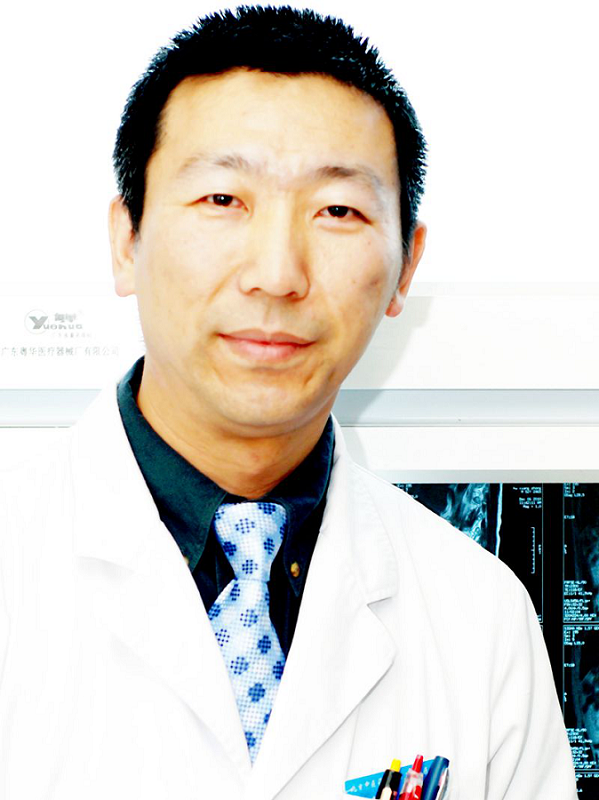 Guangyu Zhu (朱光宇)合作论文数Third Affiliated Hospital, Beijing University of Chinese Medicine4
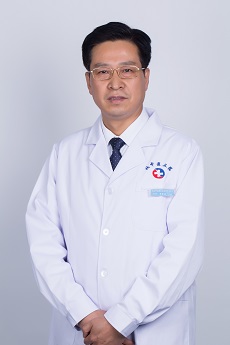 Junhai Li (李俊海)合作论文数Third Affiliated Hospital, Beijing University of Chinese Medicine4
 Dong Yu (于栋)合作论文数Third Affiliated Hospital, Beijing University of Chinese Medicine4Ya-lin Xu (徐亚林)合作论文数3Yonglei LU (陆永雷)合作论文数3Baole MA (马宝乐)合作论文数3ShuDong Dai (代述东)合作论文数3YiRan Huang (黄怡然)合作论文数3ZhiJiu Wu (吴至久)合作论文数3ZhongMin Zhao (赵忠民)合作论文数3ZhiMin Di (翟志敏)合作论文数3MengXing Li (李梦醒)合作论文数3XiuQin Liu (刘秀芹)合作论文数3DeLong Wang (王德龙)合作论文数3Lei Han (韩磊)合作论文数3
 Yijun Zhao (赵宜军)合作论文数Dongzhimen Hospital, Beijing University of Chinese Medicine3
 Ping Li (李平)合作论文数Anhui Provincial Hospital3
 Dongxin Tang (唐东昕)合作论文数贵阳中医学院3




