Background and Objective The incidence of incision infection after lung transplantation is prominently high which affect the prognosis. Summarizing the risk factors related to incision infection after lung transplantation contribute to the control of incision infection by pre-controlling the risk factors. The objective is to summarize risk factors related to wound infection after lung transplantation. Methods PubMed was used to research the literature relating to the risk factors to incision infection after lung transplantation through 1990 to 2022. The retrieval strategy were Medical Subject Heading (MeSH) terms combined entry terms. Two researchers conducted the literature retrieval independently. Two researchers independently evaluate the quality of the literature and summarize the indicators. Key Content and Findings A total of 98 researches were collected from PubMed and 8 articles described the related risk factors of incision infection after lung transplantation. All of the 8 articles were retrospective studies, of which 4 articles were grouped by the delayed chest closure (DCC) execution and the other 4 articles were grouped by the surgical site infection (SSI) occurred. Two articles performed multivariate regression analysis to determine the independent risk factors of SSI after lung transplantation and the other 6 articles compared the SSI rate in different patients population. The integrated results showed that bronchoalveolar lavages (BALs), smoking status, body mass index (BMI), diabetes, operation duration, thoracic drainage tube placement time and DCC were related to the SSI after lung transplantation. Conclusions BALs, smoking status, BMI, diabetes, operation duration, thoracic drainage tube placement time and DCC were related to the SSI after lung transplantation.
Background The repetitive antigen stimulation during chronic infection often leads to the accumulation of CD8+CD57+ T cells. These cells express high levels of interferon-γ, granzyme B and perforin with elevated cytolytic effect, and are considered as the most potent cells for combating chronical viral infection. The status of CD8+CD57+ T cells in non-small cell lung cancer (NSCLC) has not been well defined. Methods We used flow cytometry and undertook a systemic approach to examine the frequency, immunophenotyping and functional properties of CD8+CD57+ T cells in the peripheral blood, tumor tissue and the corresponding normal tissue, as well as lung draining lymph nodes, of patients with NSCLC. Results CD57+ T cells expressed high levels of programmed cell death-1 (PD-1) in all tested compartments and were predominantly CD8+ T cells. These cells in the peripheral blood displayed a terminally differentiated phenotype as defined by loss of CD27 and CD28 while expressing KLRG1. CD8+CD57+ T cells exhibited enhanced cytotoxic potencies and impaired proliferative capability. Unlike CD57+ T cells in the peripheral blood, a significant proportion of CD57+ T cells in the primary tumors expressed CD27 and CD28. CD8+CD57+ T cells in tumors lacked cytotoxic activity. The proliferative activity of these cells was also impaired. CD8+CD57+ T cells in the corresponding normal lung tissues shared similarities with their counterparts in peripheral blood rather than their counterparts in tumors. The vast majority of CD8+CD57+ T cells in lung draining lymph nodes were positive for CD27 and CD28. These cells were unable to produce perforin and granzyme B, but their proliferative activity was preserved. CD8+CD57+ T cells in tumors displayed an inferior response to PD-1 blockade compared with their CD8+CD57- counterparts. Interleukin (IL)-15 preferentially restored the effector function of these cells. Additionally, IL-15 was able to restore the impaired proliferative activity of CD8+CD57+ T cells in tumors and peripheral blood. Conclusions Our data indicate that the failure of the immune system to fight cancer progression could be a result of impaired CD8+ T-cell functional maturation into fully differentiated effector T cells within the tumor microenvironment. Boosting IL-15 activity might promote tumor-reactive CD8+ T-cell functional maturation while preserving their proliferative activity.
新型冠状病毒肺炎(covid-19)的暴发和流行,对疫区人民的生命健康构成威胁.在疫情严重地区、公共卫生一级响应的形势下,如何在科学防护的基础上对自发性气胸病人进行及时诊疗:如何快速诊断病人是否合并新型冠状病毒肺炎、合理实施临床操作、针对具有手术指征的病人的进行急诊手术、术后科学管理等,都是需要面临的问题.我们总结本院胸外科治疗气胸病人的经验,并结合指南、文献报道,针对上述问题进行总结.
目的 探讨电视辅助胸腔镜手术(VATS)应用于解剖性肺段切除术同期双侧手术治疗双侧局限型支气管扩张症的安全性和可行性.方法 纳入2014年6月至2018年6月我科应用VATS解剖性肺段切除术同期双侧手术治疗双侧局限型支气管扩张症的19例患者,其中男1 1例、女8例,平均年龄(38.0±12.5)岁,对患者的手术疗效进行评价.结果 本组19例患者均顺利同期完成双侧胸腔手术,17例双侧胸腔VATS手术,2例一侧VATS手术,另一侧中转开胸.平均双侧胸腔切除肺段数4~8(5.9±1.2)个,平均手术时间(330.0±40.0)min,平均失血量(150.0±60.0)mL,术后呼吸机平均使用时间(6.0±1.8)h,平均胸腔引流管置管时间(4.0土1.0)d,平均住院时间(14.0±1.5)d.3例患者术后肺部感染,1例气管切开,无围手术期死亡.动脉血氧分压术后第1 d(F=340.18,P<0.05)和第3 d(F=131.26,P<0.05)较术前均有显著降低,动脉血二氧化碳分压术后第1 d(F=46.62,P<0.05)和第3 d (F=48.21,P<0.05)较术前均有显著升高,动脉血氧饱和度术后第1d较术前显著降低(F=210.82,P<0.05).术后随访1~5年,无复发.结论 VATS解剖性肺段切除术应用于双侧局限型支气管扩张症的同期手术治疗安全、可行,需严格把握手术适应证,术后加强呼吸道管理.该术式值得临床推广.
BACKGROUND:The optimal methods for patients with difficult biliary stones remain under debate. The aim of this study was to evaluate the role of frequency-doubled double-pulse neodymium YAG (FREDDY) laser lithotripsy for removing difficult biliary stones during laparoscopic common bile duct exploration (LCBDE).METHODS:Between March 2013 and January 2015, 42 consecutive patients with difficult biliary stones who underwent LCBDE with FREDDY laser lithotripsy were included in this study. The clinical data of all patients were retrospectively collected and analysed.RESULTS:Bile ducts were completely cleared in all patients. The complications related to laser lithotripsy were not noted. A total of 38 patients (90.5%) underwent primary closure of common bile duct, and T-tube drainage was applied to four patients (9.5%). No bile duct injury, bleeding and perforation were observed. There were no post-operative surgery-related deaths. Bile leakage occurred in four patients (9.5%) with primary closure procedure, and all of them were managed successfully with conservative therapy. The median follow-up period was 42.8 months, with no evidence of bile duct stricture and stone recurrence in all patients.CONCLUSIONS:The LCBDE combined with FREDDY laser lithotripsy appear to be effective and safe for the treatment of difficult biliary stones.
目的 拟观察人Kruppel样因子3(Krüppel-like factor 3,KLF3)对非小细胞肺癌(non-small cell lung cancer,NSCLC)侵袭及迁移能力的影响,并探索其中潜在的分子机制.方法 首先在临床NSCLC标本中,分别通过蛋白质印迹、实时荧光定量PCR及免疫组化等实验方法检测肿瘤组织及癌旁正常组织的KLF3蛋白表达及mRNA水平差异;其次利用敲减KLF3的慢病毒系统感染NSCLC细胞A549及H1299,检测细胞中KLF3蛋白表达及mRNA水平,验证低表达系统的有效性,进而利用细胞划痕实验及Transwell法检测细胞运动、迁移、侵袭的能力;最后通过蛋白质印迹、实时荧光定量PCR、细胞形态学及免疫荧光探索其中潜在的机制.结果 NSCLC临床标本中,肿瘤组织中KLF3的蛋白表达及mRNA水平显著低于癌旁正常组织;在NSCLC细胞中敲减KLF3后,促进肿瘤细胞的运动、迁移及侵袭;敲减KLF3能够促进A549及H1299发生上皮细胞间质转化(epithelial-mesenchymal transition,EMT).结论 敲减KLF3能够促进NSCLC发生EMT,从而促进肿瘤细胞的运动、迁移及侵袭.
e15519 Background: The Lymph node metastasis (LNM) trends toward inferior outcomes for the esophageal cancer (EC) patients after radical operation. However, it is not well known for status to metastasis of regional lymph node (RLN) and impacts of RLN metastasis on long-term survival following esophagectomy, especially in squamous cell carcinoma. Methods: Data was extracted from the Collaborative Prospective Esophageal Cancer Database (designed by LinkDoc Technology Co, Ltd.) for patients with stage T1-3 thoracic tumors who underwent radical esophagectomy between 1 January 2010 and 30 June 2017 across ten hospitals with high volume of surgeries in China. The rate of LNM in every lymph node station was defined as the number of patients with LNM in the station divided by the number of patients with examination of lymph node (ELN) in the station. The hazard ratios (RLN metastasis versus no RLN metastasis) for postoperative survival were analyzed by method of multivariate cox’s proportional hazard models, and confounders such as age, sex, histological grade, stage T, tumor size and neoadjuvant therapy were adjusted. Results: Total 6485 patients (mean age: 61.80±8.13) were included, composing of 75.2% male and 24.8% female. For tumor types, there were 95.5% squamous cell carcinoma, 2% adenocarcinoma and 2.5% others. The rates of RLN metastasis and hazard ratios are in the table. Conclusions: Besides lymph node station 8, LNM was commonly found at station 1,2,4,16,17 and 20 in thoracic stage T1-3 EC. The RLN metastasis predicted inferior postoperative long-term survival. [Table: see text]
The morbidity rate after pancreaticoduodenectomy (PD) remains high and a modified digestive reconstruction may affect the postoperative complications. We investigated a new modification of PD by adding mesh reinforcement for the pancreatic stump and Braun enteroenterostomy with the aim of reducing postoperative pancreatic fistula (POPF) and delayed gastric emptying (DGE), respectively. From November 2010 to April 2015, 81 consecutive patients who underwent modified PD were retrospectively reviewed. The clinically relevant POPF and DGE rates were 4.9 and 6.1 per cent, respectively. The overall mortality rate was 2.4 per cent. The incidence of overall postoperative complications was 46.9 per cent, with 17.2 per cent considered as major complications (Clavien grades 3–5). The median postoperative length of hospital stay was 17 days (range 10–119 days). For patients who had major complications, median postoperative length of hospital stay increased significantly (22 vs 13 days, P = 0.001), as compared with those patients with no complications. The new modified digestive reconstruction after PD seems safe and reliable with low clinically relevant POPF and DGE rates. Further prospective controlled trials are essential to support these results.
Pituitary adenomas are the second most common primary brain tumor with invasive properties. We have previously identified that ADAM12 (a disintegrin and metalloprotease 12) overexpression is associated with the tumor invasion of pituitary adenomas, however, the underlying mechanism remains unknown. This study aims to elucidate the mechanistic role of ADAM12 in regulating the tumor invasion of pituitary adenomas. In this study, we first showed that ADAM12 expression was concomitant with epithelial to mesenchymal transition (EMT) process in clinical specimens of human pituitary adenomas. Further functional studies showed that ADAM12 silencing in pituitary adenoma cells significantly inhibited the EMT process and suppressed cell migration, invasion and proliferation without influencing cell apoptosis. Mechanistically, ADAM12 silencing significantly reduced ectodomain shedding of epidermal growth factor receptor (EGFR) ligands and attenuated the EGFR/ERK signaling pathway. Blocking of EGFR signaling resulted in EMT suppression similar to silencing of ADAM12 and reduced cell migration, invasion and proliferation, while EGFR activation abolished the suppression on EMT, proliferation, migration and invasion induced by ADAM12 silencing. Moreover, ADAM12 silencing significantly impaired tumorigenesis and EMT of pituitary adenoma cells in vivo. Taken together, our study provide crucial evidence that ADAM12 induces EMT and promotes cell migration, invasion and proliferation in pituitary adenomas via EGFR/ERK signaling pathway. These finds strongly suggest that ADAM12 might serve as a novel valuable therapeutic target for pituitary adenomas.
Although laparoscopic common bile duct exploration (LCBDE) has shown many obvious advantages compared with open surgery in the treatment of common bile duct (CBD) stones, it remains unclear regarding risk factors of conversion from LCBDE to open surgery and whether conversion will counteract the advantages of LCBDE. The purpose of this study was to explore risk factors and consequences of conversion from LCBDE to open surgery.
目的:食管癌术前评估对淋巴结的影像学检查是很有临床意义的,特别是颈部淋巴结的检查.传统检查方式为颈部淋巴结超声(EU)和对应部位的CT,为了提高颈部淋巴结的检查效率,往往会同时进行上述两种检查.而PET/CT在评估术前分期上优于CT或PET,那么PET/CT的价值有多大?另外,已经行过PET/CT的病患是否还有需要行颈部超声的必要?颈部超声对于PET/CT在术前评估上是否存在附加价值,这将是我们研究的目的.方法:收集2012年—2014年54例食管癌病患资料,均行PET/CT及颈部超声检查评估颈部淋巴结情况.其中52例均行手术治疗.颈部淋巴结穿刺活检(FNA)或行颈部淋巴结活检术,通过细胞学及病理学验证.结果:54例病患中20例病患术前颈部超声及PET/CT均提示无明显异常,8例颈部超声及PET/CT均提示淋巴结转移可能(术后病检提示6例为恶性,2例为良性),23例颈部超声提示淋巴结转移可能但PET/CT未提示异常(其中术后病检提示4例为恶性,19例为良性),3例PET/CT提示淋巴结转移可能但颈部超声未提示异常.结论:本研究中PET/CT对食管癌淋巴结转移的特异性较高,但在敏感性及准确性上较低,而对于术前已经行PET/CT并提示颈部淋巴结无明显转移的情况下,再行颈部淋巴结超声是没有必要的,然而在PET/CT提示颈部淋巴结转移时,即使颈部超声未提示转移可能的情况下,仍然建议行颈部淋巴结切除术以排除假阳性.
Objective To investigate the expressions of Toll like receptor 4 (TLR4) in esophageal squamous cell carcinoma (ESCC) and para-carcinoma tissues,and to elucidate the regulation of lipopolysaccharides (LPS) to TLR4 expression in ESCC cell lines,and the influence to autophagy,proliferation and cell cycling.Methods The expression characters and proportions of TLR4 were detected by immunohistochemical analysis in 50 ESCC and 50 para-carcinoma samples.Test group was treated with 1 μg · mL-1 LPS and control group was treated with cell culture medium only.Si-NC group was treated with siRNA-negative control and si-TLR4 group was treated with siRNA-TLR4.The regulation of LPS to TLR4 and autophagy related molecules like LC-3,ATG5 and ATG7 were detected in Eca-109 and TE-1 cell lines.Furthermore,the effects on proliferation and cell cycling after TLR4-knockdown were analyzed by CCK8 and flow cytometry.Results Overexpression of TLR4 was detected by immunohistochemical analysis in 68,00% of the ESCC samples,compared to 36.00% in para-carcinoma tissues (P <0.01).Relative protein expression of TLR4 in control group and test group in Eca-109 cells and TE-1 cells were (0.11 ±0.05),(0.35 ±0.12) and (0.07 ±0.02),(0.41 ±0.10),the differences were statistically significant (all P < 0.0.5) Activation of TLR4 by LPS up-regulated autophagy related molecules LC-3,ATG5 and ATG7.TLR4-knockdown inhibited proliferation and blocked the cell cycle during S phase in ESCC cell lines.Survival rates of in day 5 of Eca-109 and TE-1 cell lines in siRNA-negative control and si-TLR4 groups were (1.35 ± 0.02),(0.92 ± 0.04) and (1.35 ± 0.02),(0.87 ± 0.04) with significant difference (all P < 0.0.5).Conclusion Higher expression of TLR4 in carcinoma tissues reveals important functions of TLR4 signaling in ESCC development.TLR4 signaling activated by LPS induced autophagy in ESCC cell lines promotes tumor proliferation and S phase arrested.In autophagy prospective,TLR4 targeting may be a new therapy strategy in ESCC.
Microscopic transnasal transsphenoidal surgery (MTTS) has been a time-confirmed effective treatment for pituitary adenomas; however, the data supporting its use in pediatric patients is limited. In this study, the authors summarize the authors' 5-year experience of pituitary adenomectomy via MTTS in a pediatric population. The authors retrospectively reviewed the medical records of 35 patients aged ≤18 years who underwent microscopic transnasal transsphenoidal approach for pituitary adenomas between January 2011 and December 2015. Age, sex, symptoms, tumor size, extent of tumor resection, surgical outcomes, and complications were reviewed. All patients underwent MTTS 39 times. Total resection was obtained in 31 (88.6%) patients, while subtotal resection was achieved in 4 (11.4%) and no patient had partial resection. For the 21 patients with preoperative visual impairment, 18 (85.7%) resolved and 3 (14.3%) obtained subjective improvement. Of the 33 patients with preoperative hyperhormonal levels, endocrine function reduced to normal reference range in 28 (84.8%), decreased in 3 (9.1%) and 2 (6.1%) patients had no change. Diabetes insipidus occurred in 4 (11.4%) patients, of whom 1 patient (2.9%) developed persistent diabetes insipidus that was treated with Minirin. One patient incurred postoperative cerebrospinal fluid leakage that was resolved by lumbar drainage. Hypopituitarism occurred in 3 patients, of whom 1 patient developed permanent hypopituitarism that required hormone replacement therapy. There were no patients of death, intracranial hematoma, or meningitis. In conclusion, MTTS is a safe and effective surgical option for pediatric pituitary adenomas with minimal morbidity and excellent outcomes.
Objective Typically, the transcranial approach has been used for the treatment of craniopharyngiomas with suprasellar extension, whereas the transsphenoidal approach has been used mostly for infradiaphragmatic craniopharyngioma. Total resection of craniopharyngioma can reduce the recurrence rate, especially in young children, but it may lead to severe complications. Therefore, any benefit of the degree of resection must be weighed against the risk of complications by the surgeons. The purpose of this study was to explore the therapeutic outcome after transsphenoidal microsurgical treatment of infradiaphragmatic craniopharyngioma and share our experiences. Methods Between January 2003 and June 2013, 30 patients with infradiaphragmatic craniopharyngioma underwent transsphenoidal microsurgical resection in our hospital. The neurological, visual, and endocrine functions, and extent of resection were analyzed retrospectively. Recurrence or growth of residual tumor tissue during follow-up was assessed using magnetic resonance imaging (MRI). Results Total resection was achieved in 25 patients (83.3%), subtotal resection was achieved in 4 patients (13.3%), and partial resection was achieved in 1 patient (3.4%). There were no perioperative deaths. Cerebrospinal fluid (CSF) leakage occurred in 6 patients, and among them, 2 required surgical repair of the sella. New-onset postoperative diabetes insipidus (DI) developed in 8 patients. Vision and visual fields were improved at different levels in 13 out of 16 patients who had sight impediments before treatment. Tumor recurrence and regrowth was observed in 2 patients; 1 patient underwent transsphenoidal reoperation, the condition of the other patient who had undergone several craniotomies grew worse over the 6-month follow-up period. Conclusion Transsphenoidal surgery is an ideal choice in treating infradiaphragmatic craniopharyngioma. The transsphenoidal approach, which preserves pituitary function and avoids damage to the hypothalamic structures and optic nerve, is associated with fewer complications than the transcranial approach and a low mortality rate.
Shunt infection is a morbid complication of cerebrospinal fluid (CSF) shunting. The catheters with a hydrophilic surface may impede bacterial adherence and thereby reduce catheter-related CSF infection.A retrospective study compared the occurrence of CSF infection related to use of either standard silastic catheters or hydrogel-coated ventricular catheters (Bioglide, Medtronic). The enrolment was available to neurosurgery patients undergoing shunt surgery from October 2012 to 2015 in two centers. The follow-up period was more than months.A total of 78 patients were included in the study. In 33 patients 35-cm hydrogel-coated ventricular peritoneum shunts (VPS) were used, and in remaining 45 patients 35-cm standard silastic VPS catheters were used. Infection occurred in 14 (17.9%) patients, including definite VPS-related CSF infection in 6 patients (7.7%) and probable infection in remaining 8 patients (10.3%). There was a significant difference found in patients with total infection between the two groups [RR (95% CI); 0.200 (0.050-0.803), P=0.014]. Analysis of Kaplan-Meier curve estimates indicated significant statistical difference between the two catheter types in duration (log rank=4.204, P<0.05). Significant statistical differences were also found in the subgroups including previous CSF infection within 1 month (log rank=4.391, P=0.04), conversion of external ventricular drains to shunt (Log Rank=4.520, P=0.03), and hospital stay >1 month (log rank=5.252, P=0.02). There was no difference found between the two groups of the patients with other infections within 1 month. The follow-up period was of 36 months.The hydrogel-coated catheter is a safe and related to lower infection rates for high-risk patients who underwent shunt surgery.
目的 探讨胸外术后毛细血管渗漏综合征(CLS)补液治疗策略.方法 29例胸外术后CLS患者按预后分为痊愈组和死亡组,按CLS病程分别统计术后早期(1~4天)和术后晚期(5~7天)患者日均平均动脉压(MAP)、中心静脉压(CVP)、血浆白蛋白(ALB)含量、尿量和胸液引流量作为疗效判断指标,统计日均晶体液、白蛋白、人工胶体和新鲜冰冻血浆使用,并分析两组补液策略差异.结果 两组患者术后早期均存在低血容量和低白蛋白血症;治疗后痊愈组在术后晚期症状改善而死亡组继续恶化,其日均MAP、CVP、ALB、尿量均低于痊愈组,日均胸液引流量较高.痊愈组术后早期白蛋白和人工胶体使用量高于死亡组(P<0.05),而晶体液和血浆使用量比较,差异无统计学意义(P>0.05);术后晚期痊愈组白蛋白、人工胶体、血浆和晶体液使用量均低于死亡组(P<0.05).结论 胸外术后CLS补液治疗策略需根据病程分期进行,在术后早期充分补充白蛋白和人工胶体能够有效避免CLS持续进展.
目的 探讨MET抑制剂PHA665752对非小细胞肺癌(NSCLC)细胞株对吉非替尼敏感和耐药的影响.方法 根据实验需要将细胞分为对照组、吉非替尼组(Gef组)、PHA665752组(PHA组)、Gef+PHA组,采用对吉非替尼敏感的NSCLC细胞系Hcc827和PC9分别诱导建立吉非替尼继发耐药细胞系Hcc827-GR、PC9-GR.比较耐药株与敏感株MET表达水平变化,自噬相关蛋白LC-3、ATG5、ATG7表达的变化.比较MET抑制剂PHA665752对Hcc827-GR、PC9-GR细胞自噬相关蛋白表达的影响,并测定PHA665752联合吉非替尼对耐药逆转的效果.结果 Hcc827-GR、PC9-GR两株耐药细胞对吉非替尼的药物敏感性明显降低,MET蛋白在Hcc827和PC9耐药株较敏感株表达上调(P<0.05);自噬信号蛋白LC-3、ATG5、ATG7在Hcc827和PC9耐药株较敏感株表达上调(P<0.05);Gef组、PHA组较对照组细胞数量下降约20%,Gef+ PHA组较对照组细胞数量下降约60%;联合应用MET抑制剂PHA665752,耐药细胞株对吉非替尼重新敏感,MET抑制剂PHA 665752下调自噬信号蛋白LC-3、ATG5、ATG7在Hcc827和PC9耐药株表达(P<0.05).结论 MET在NSCLC细胞继发耐药的过程中表达上调,同时伴随着自噬通路的激活;MET能够通过抑制自噬通路逆转NSCLC细胞对吉非替尼的耐药,联合MET抑制剂可能是基于EGFR-TKI治疗NSCLC的新策略.
目的 构建p55PIK高表达的质粒,筛选稳定高表达p55PIK的LoVo细胞系,检测其对LoVo细胞周期的影响.方法 以基因组cDNA为模板,聚合酶链反应(PCR)扩增目的片段,通过限制性核酸内切酶进行酶切,T4 DNA连接酶将目的片段插入pcDNA3.1质粒中;将携带p55PIK基因的pcDNA3.1质粒转染LoVo细胞,加入适量的G418筛选(500μg/mL),并通过实时定量PCR(qPCR)和Western blot方法检测p55PIK mRNA水平和蛋白水平,进一步通过BrdU/PI掺入法检测p55PIK对LoVo细胞周期和DNA合成的影响.结果 成功构建了p55PIK高表达的质粒,并筛选出稳定高表达p55PIK的LoVo细胞系;在LoVo细胞中高表达p55PIK能够促进细胞S期的进程和DNA的合成.结论 成功构建了pcDNA3.1-p55PIK质粒,并筛选出p55PIK稳定高表达的LoVo细胞系,高表达p55PIK能够促进LoVo细胞S期的进程和DNA的合成.
OBJECTIVE:A possible relationship between fibrosis along the route of cerebrospinal fluid (CSF) flow and the subsequent development of hydrocephalus has been indicated in previous studies. These changes in the fibrosis index may reflect the severity of hydrocephalus and could potentially become a diagnostic tool. The object of this study was to analyze the levels of procollagen type I C-terminal propeptide (PICP), procollagen type III N-terminal propeptide (PIIINP), hyaluronic acid (HA), and laminin (LN) in the CSF of patients with post-traumatic hydrocephalus and determine the significance of their presence.SUBJECTS AND METHODS:Forty-four patients were included in the study: 24 patients with shunt-dependent post-traumatic hydrocephalus (group A - hydrocephalus group); ten brain trauma patients without any sign of hydrocephalus (group B - trauma group); ten patients without brain trauma and hydrocephalus (group C - normal control group). CSF levels of PICP, PIIINP, HA, LN and transforming growth factor-β1(TGF-β1) were detected using enzyme-linked immunosorbent assay (ELISA).RESULTS:Levels of PICP, PIIINP, HA, and LN in the group of hydrocephalus patients were significantly higher than those in the post-trauma patients without hydrocephalus (p < 0.05) and normal control patients (p < 0.05). Moreover, the increased levels of PICP, PIIINP, HA, and LN were positively correlated with the level of TGF-β1 (p < 0.05).CONCLUSION:We demonstrated an increase of fibrosis factors including PICP, PIIINP, HA, and LN, that was positively correlated with TGF-β1 levels. This indicates an important role for the process of fibrosis in the development of post-traumatic chronic hydrocephalus and shows the potential utility of PICP, PIIINP, HA, and LN as a diagnostic index in shunt-dependent post-traumatic chronic hydrocephalus.
目的 检测白介素与(interleukin-6,IL-6)、胰岛素样生长因子1(insulin-like growth factor-1,IGF-1)在非小细胞肺癌组织和癌旁组织的表达,分析IL-6与IGF-1表达的相关性及其与临床病理特征的关系.方法 随机选取150例非小细胞肺癌和100例癌旁良性组织标本,采用免疫组织化学检测组织中IL-6、IGF-1的表达及两者表达的相关性,并分析其表达与临床病理的关系.结果 肺癌组IL-6、IGF-1阳性表达率84.00%、80.00%分别显著高于癌旁正常组织阳性表达率23.00%和28.00%.IL-6肿瘤组织阳性表达率在吸烟指数≥400的患者为90.91%,显著高于吸烟指数<400者,IL-6在腺癌阳性表达率93.24%高于鳞癌77.63%.IGF-1肿瘤组织阳性表达率在低分化患者中显著高于中、高分化患者,Ⅲ、Ⅳ期患者肿瘤组织IGF-1表达率显著高于Ⅰ、Ⅱ期患者.非小细胞肺癌组织中,IL-6阳性表达与IGF-1阳性表达之间呈正相关.结论 IL-6、IGF-1蛋白在非小细胞肺癌组织中明显高表达,IL-6高表达与更高的吸烟水平和腺癌组织类型相关,IGF-1高表达与更低的肿瘤分化程度和更晚的TNM分期有关,更重要的是,IL-6阳性表达与IGF-1阳性表达正相关,IL-6和IGF-1通路可能存在交叉作用,两者联合检测或抑制是潜在的诊断和治疗方向.
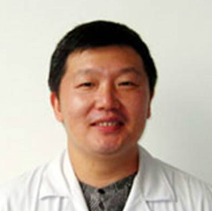 Xiangning Fu (付向宁)合作论文数Tongji Hospital, Tongji Medical College, Huazhong University of Science and Technology60
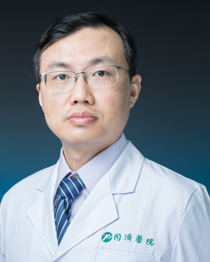 Ni Zhang (张霓)合作论文数Tongji Hospital, Tongji Medical College, Huazhong University of Science and Technology33
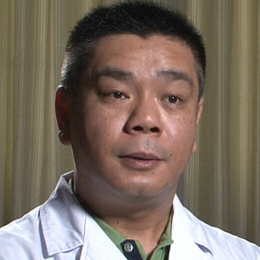 Bo Zhao (赵波)合作论文数Tongji Hospital, Tongji Medical College, Huazhong University of Science and Technology18
 Qinzi Xu合作论文数18
 Qi Huang (黄畦)合作论文数Tongji Hospital, Tongji Medical College, Huazhong University of Science and Technology10ChengCheng Xu (徐澄澄)合作论文数9
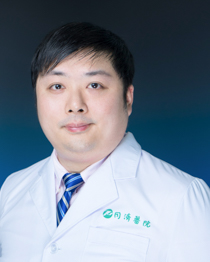 Yukun Zu (祖育昆)合作论文数Tongji Hospital, Tongji Medical College, Huazhong University of Science and Technology9
 Tiecheng Pan (潘铁成)合作论文数Tongji Hospital, Tongji Medical College, Huazhong University of Science and Technology9Jun Li (李军)合作论文数华中科技大学同济医学院附属同济医院8
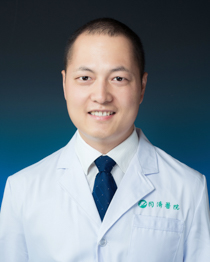 Bo Ai (艾波)合作论文数Tongji Hospital, Tongji Medical College, Huazhong University of Science and Technology8Shengling Fu合作论文数6Hua Yan (严华)合作论文数5Cai Yixin合作论文数5
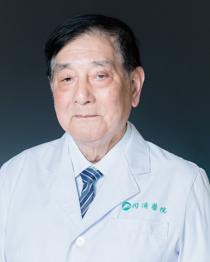 Qifu Chen (陈启福)合作论文数Tongji Hospital, Tongji Medical College, Huazhong University of Science and Technology5
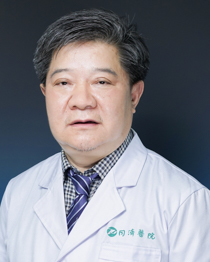 Yingxiong Tang (汤应雄)合作论文数Tongji Hospital, Tongji Medical College of Huazhong University of Science and Technology5
 Yongde Liao (廖永德)合作论文数Union Hospital, Tongji Medical College, Huazhong University of Science and Technology4Xiaowu Fan合作论文数3Wei Jiao合作论文数3LunChao Ma (马伦超)合作论文数3
 Kai Shu (舒凯)合作论文数Tongji Hospital, Tongji Medical College, Huazhong University of Science and Technology3
 Hongbo Meng (孟红波)合作论文数3
 Zhengdong Cai (蔡郑东)合作论文数Shanghai General Hospital3
 Juan Chen (陈娟)合作论文数Tongji Hospital, Tongji Medical College, Huazhong University of Science and Technology3
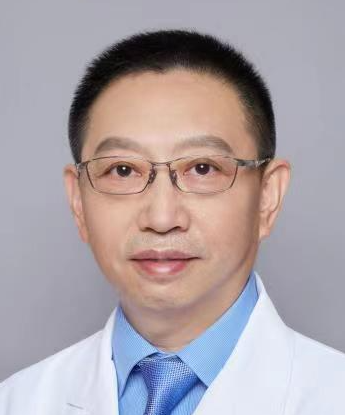 Zhenshun Song (宋振顺)合作论文数Shanghai Fourth People's Hospital3
 Ting Lei (雷霆)合作论文数Tongji Hospital, Tongji Medical College, Huazhong University of Science & Technology3Li Jiaqing合作论文数2Xiaonian Cao合作论文数2Kaili YANG (杨凯丽)合作论文数2Tao HU (胡涛)合作论文数2Yu Deng (邓豫)合作论文数2Juan Liu (刘涓)合作论文数2JiaNing Wang (王家宁)合作论文数2Lin Zhang (张琳)合作论文数2Ran Li合作论文数2Chen Wenshu合作论文数2
 Bin Xu (徐彬)合作论文数School of Medicine, Tongji University2Bo Zhou合作论文数2
 Guodong Li (李国东)合作论文数Department of Orthopaedics, Shanghai Tenth People's Hospital;School of Medicine, Tongji University2Wei Ping (平伟)合作论文数2
 Min Zhu (朱珉)合作论文数Tongji Hospital, Tongji Medical College, Huazhong University of Science and Technology2Hao Xu (徐昊)合作论文数2
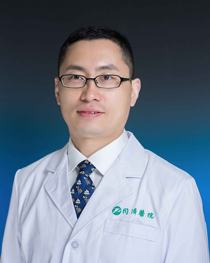 Xiaowei Wu (吴骁伟)合作论文数Tongji Hospital, Tongji Medical College, Huazhong University of Science and Technology2
 Liang Wu (吴亮)合作论文数Tongji Hospital, Tongji Medical College, Huazhong University of Science and Technology2
 Xiaojun Ma (马小军)合作论文数The Institute of Medicinal Plant Development2Bin Liu (刘斌)合作论文数2
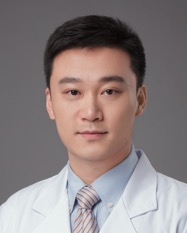 Yingqi Hua (华莹奇)合作论文数School of Health Science and Engineering, University of Shanghai for Science and Technology;Shanghai General Hospital;Shanghai Jiao Tong University School of Medicine2
 Joerg Bartsch合作论文数1Yong-Ming Zhou合作论文数1
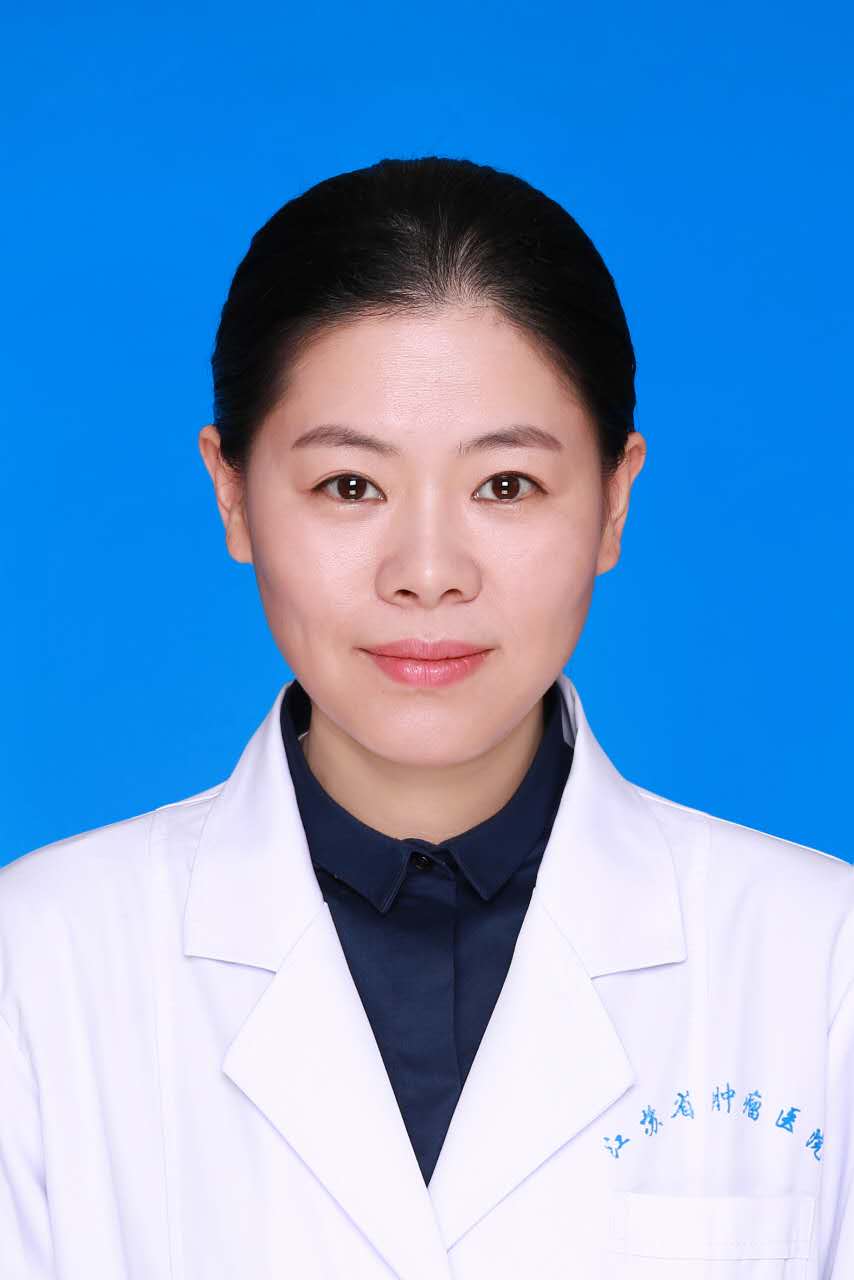 Li Yin (尹丽)合作论文数The Fourth School of Clinical Medicine1




