Objective: To investigate the rate of periprosthetic joint infection (PJI) revision surgeries and clinical information of hip-/knee- PJI cases nationwide from 2015 to 2017 in China. Methods: An epidemiological investigation. A self-designed questionnaire and convenience sampling were used to survey 41 regional joint replacement centers nationwide from November 2018 to December 2019 in China. The PJI was diagnosed according to the Musculoskeletal Infection Association criteria. Data of PJI patients were obtained by searching the inpatient database of each hospital. Questionnaire entries were extracted from the clinical records by specialist. Then the differences in rate of PJI revision surgery between hip- and knee- PJI revision cases were calculated and compared. Results: Total of 36 hospitals (87.8%) nationwide reported data on 99 791 hip and knee arthroplasties performed from 2015 to 2017, with 946 revisions due to PJI (0.96%). The overall hip-PJI revision rate was 0.99% (481/48 574), and it was 0.97% (135/13 963), 0.97% (153/15 730) and 1.07% (193/17 881) in of 2015, 2016, 2017, respectively. The overall knee-PJI revision rate was 0.91% (465/51 271), and it was 0.90% (131/14 650), 0.88% (155/17 693) and 0.94% (179/18 982) in 2015, 2016, 2017, respectively. Heilongjiang (2.2%, 40/1 805), Fujian (2.2%, 45/2 017), Jiangsu (2.1%, 85/3 899), Gansu (2.1%, 29/1 377), Chongqing (1.8%, 64/3 523) reported relatively high revision rates. Conclusions: The overall PJI revision rate in 34 hospitals nationwide from 2015 to 2017 is 0.96%. The hip-PJI revision rate is slightly higher than that in the knee-PJI. There are differences in revision rates among hospitals in different regions.
目的 通过随机对照临床试验,验证新型国产膝关节假体临床应用的安全性和有效性.方法 本研究采用多中心、随机、单盲、阳性平行对照设计,自2017年3月至2019年3月在全国6家医院共招募72例受试者,试验组和对照组各36例.试验组使用新型国产膝关节假体,对照组使用成熟的膝关节假体.所有受试者在术前和术后3个月、6个月、1年、2年进行随访评估,评价记录术后主要疗效指标HSS评分和不良事件发生率,确认试验产品的临床应用价值.结果 本研究72例受试者均完成了2年的随访.试验组术前和术后3个月、6个月、1年、2年的HSS评分分别为:(56.95±13.07)分、(76.85±9.88)分、(82.80±7.15)分、(88.22±5.95)分、(88.94±4.38)分,对照组HSS评分分别为:(55.25±9.47)分、(77.09±6.41)分、(83.77±6.04)分、(88.96±5.37)分、(89.23±5.06)分.试验组和对照组的HSS评分术后均较术前明显提高,但术后各随访时间点两组HSS评分比较,差异无统计学意义(P>0.05).试验组和对照组术后不良事件发生率比较,差异无统计学意义(P>0.05).结论 与对照组相比,试验组新型国产膝关节假体在主要疗效指标HSS评分、安全性评价指标方面均无明显差异.因此,试验组新型国产膝关节假体在术后早期可获得满意效果,远期疗效待进一步观察随访.
Objective To investigate the application value of ultrasound-guided brachial plexus block in upper limb surgery. Methods From January 2019 to December 2021, a total of 126 patients who underwent upper limb surgery in our hospital and received traditional anatomical positioning for brachial plexus block were selected as the traditional group, and 174 patients who underwent upper limb surgery in our hospital and received ultrasoundguided positioning for brachial plexus block were selected as the ultrasound group. The clinical data of the two groups were analyzed. Results The onset time of anesthesia in the ultrasound group was significantly shorter than that in the traditional group, and the duration of nerve block anesthesia was significantly longer than that in the traditional group(P<0.05). The blood flow, resistance index, pulsation index and end diastolic velocity in the ultrasound group were significantly better than those in the traditional group(P<0.05). There was no significant difference in systolic peak velocity between the two groups(P>0.05). There was no significant difference in arterial pressure and heart rate before nerve block, 30 min after nerve block and at the end of operation in the ultrasound group(P>0.05). The arterial pressure and heart rate in the traditional group were significantly different before nerve block, 30 min after nerve block and the end of operation(P<0.05). There was no significant difference in arterial pressure and heart rate between the two groups before nerve block(P>0.05). There were significant differences in arterial pressure and heart rate between the two groups at 30 min after nerve block and at the end of operation(P<0.05). The postoperative pain score and complication rate in the ultrasound group were significantly lower than those in the traditional group(P<0.05). Conclusion Ultrasoundguided brachial plexus block can provide better nerve block effect, reduce the pain of patients, reduce the incidence of postoperative pain and complications, which is safe and effective, and worthy of clinical reference and promotion.
目前,骨科仅有的可降解植入物不具备复杂精细的仿生结构与个性化,且生物降解与组织再生速率不匹配,难以满足快速增长的临床需求,而增材制造为克服以上难题提供了可行方法.2018年5月至2021年4月,华中科技大学同济医学院附属同济医院承担完成国家重点研发计划"可降解个性化骨科植入物增材制造关键技术与装备的研究"项目(项目编号:2018YFB1105500),为解决可降解个性化骨科植入物增材制造面临的瓶颈问题进行系列研究,取得多项成果,推动可降解个性化骨科植入物在临床中的应用.
脊柱椎间融合术是脊柱外科的常规手术.植骨作为该手术的关键步骤之一,目的是达到重建椎体间稳定性.现阶段临床上使用的植骨材料均存在较为明显的缺点,而通过增材制造技术制备的可降解植骨材料有望解决现有问题.但由于其大部分尚处于临床前试验阶段,研究者对于其制备和临床试验流程在国内外均缺乏统一认识和标准.因此,本共识专家组经过多轮讨论,从脊柱椎间融合可降解植骨材料的"增材制造流程"和"临床试验流程"两方面出发形成本共识,为其在脊柱外科的临床试验阶段提供建议和指导.
骨折复位内固定术是骨科的常规手术,内固定作为该手术的关键步骤之一,目的是维持骨折断端的复位.现阶段临床上使用的接骨板和螺钉系统大多数采用金属材料通过传统工艺制备而成,因其缺乏个性化外形且不具备降解性能,常常难以匹配特殊形态的骨折部位且需要二次手术取出.可降解材料结合增材制造技术有望解决以上问题,其可赋予接骨板个性化外形和降解性能,达到更好的治疗效果.但目前可降解个性化接骨板的制备和临床试验流程在国内外均缺乏统一认识和标准.因此,本共识专家组经过多轮讨论,以有机/无机复合材料接骨板为例,从可降解个性化接骨板的"增材制造流程"和"临床试验流程"两方面出发形成本共识,为国内外各中心可降解个性化接骨板的制备和临床试验提供参考.
周围神经损伤是一种常见临床疾病,损伤后的有效修复是减少损伤并发症、改善预后的重要措施.临床上治疗单纯横断伤或微小缺损的神经损伤多采用显微外科对位缝合方式吻合神经断端,但临床修复效果难达到预期.基于周围神经选择性再生学说,研究者发现小间隙套接缝合的修复效果明显好于传统的神经外膜缝合方法.因此,研发一种用来桥接周围神经断端的周围神经套接管具有重要的科学和临床意义.为达到更好的周围神经损伤临床修复效果,专家组研发并制作了具有良好的可降解性、生物相容性、无免疫毒性的周围神经套接管.该套接管的应用可以减少操作难度及手术时间,有效促进周围神经的选择性再生.然而关于可降解神经套接管治疗周围神经损伤的临床科研应用流程还缺乏统一的定论和共识,为了规范周围神经套接管的制备和临床试验流程,本共识专家组结合周围神经损伤特点并经过反复讨论,达成了此共识.本共识为临床医师研发和使用周围神经套接管提供建议和指导.
在骨组织工程中,具有与天然骨结构类似的仿生结构和具有生物功能的骨修复材料应运而生,其中生物活性骨修复材料具有来源广泛、可个性化定制、骨传导性和骨诱导性等优点,可替代目前广泛使用的自体骨和异体骨移植的治疗方法.生物材料支架可用于诱导骨缺损部位周围的骨组织形成,其中可降解生物材料由于其降解特性和优异的生物学特性,尤其具有吸引力.利用增材制造技术能实现复杂高精度骨组织工程支架的结构的设计与制造.增材制造按技术类型可分为:熔融沉积成形(FDM)、墨水直写(DIW)、激光选区熔化(SLM)、激光选区烧结(SLS)、光固化(SLA)、数字光处理(DLP)等.本文对上述常用的增材制造技术在可降解骨植物方面的研究进行综述和展望.
2020年初,新型冠状病毒感染的肺炎(简称新冠肺炎)在湖北省武汉市集中爆发,严重危害人民群众健康.截至2020年2月21日零时,全国共计确诊新冠肺炎病例75 000余例,死亡2 100人.国家已将该呼吸道疾病列为《中华人民共和国传染病防治法》规定的乙类传染病,并按甲类传染病管理.由于人群对该疾病普遍易感,且感染后存在长短不一的潜伏期,这些给骨科的诊疗带来了很大的挑战.不规范的诊疗流程对医务人员的健康构成了较大威胁,且增加了病人间的交叉感染.在此疫情之下,一线骨科医师应当充分掌握新冠肺炎的流行病学特点、临床表现、骨科接诊疾病的特征,对于就诊人员应当在积极排查的基础上科学有序地开展诊疗.
In this work, octadecylphosphonic acid (ODP)-co-titanium dioxide (TiO2) melamine sponge (OT-MS) with superhydrophobicity/superoleophilicity was fabricated by TiO2 particles deposition and followed by ODP solution decoration on the melamine sponge (MS). Under UV light, the wettability of OT-MS converted from superhydrophobicity to superhydrophilicity due to the photocatalytic performance of TiO2. After re-dipping the superhydrophilic OT-MS into ODP solution, the wettability recovered to superhydrophobicity. In addition, OT-MS has excellent absorption capacities, selectivity, and recyclability to different oils and organic solvents, which endowed considerable adaptability and practicability to a wide application in the oil/water emulsion separation.
目的 观察并分析肱骨近端恶性肿瘤切除后使用特制的克氏针骨水泥假体进行肩关节重建的临床效果.方法 回顾性分析本院2007年3月至2017年12月间使用特制的克氏针骨水泥假体进行肩关节重建的病例,共筛选出45例患者,肱骨病变均局限于近端(Malawar Ⅰ型),重建术前所有患者通过活检来确定病理组织学诊断,其中18例骨肉瘤,18例软骨肉瘤,6例肺癌骨转移,3例前列腺癌骨转移.术后1年内于术后1、3、6、12个月进行随访,术后1年以后每年随访至少1次,并于每次随访时记录术后肩关节功能、综合治疗情况、术后并发症、肿瘤复发情况等.术后功能依据肌肉骨骼肿瘤学会(MSTS1993)评分进行评估.结果 45例患者中男27例,女18例,均得到了完整随访,手术时患者平均年龄为(40.07±19.88)岁(18~76岁),瘤段切除均长(11.37±1.45) cm (9~12.5 cm),术后平均随访时间(39.21±18.73)个月(14~83个月).截至末次随访,2例患者术后早期出现了桡神经的支配区域的皮肤麻木情况,经对症治疗都在4个月后麻木情况消失;3例患者因肿瘤复发行肩关节离断术,3例患者出现克氏针断裂行翻修术,其余患者未出现骨水泥松动及骨折,其余患者的肘、腕、掌关节功能得到了完全保留.除去3例因局部复发行肩关节离断的病例,共随访得到了42例患者的肩关节MSTS评分,截止末次随访时平均MSTS评分为(76.5±7.99)%(66%~90%).结论 特制的骨水泥肱骨头假体用于肱骨近端骨恶性肿瘤切除术后重建肩关节,在达到保肢目的的同时可以有效地保留肘、腕、掌关节的功能,能够维持肩关节的稳定性,术后早期临床效果良好.
2020年初,新型冠状病毒肺炎(以下简称新冠肺炎)在湖北省武汉市暴发,截至2020年3月4日24时,全国累计报告确诊病例80409例,累计死亡病例3 012例.该疾病已被列为《中华人民共和国传染病防治法》规定的乙类传染病,并按甲类传染病管理.随着国家“科学防治、精准施策”政策的落实,疫情势头得到明显遏制,包括疫区在内的各地医疗单位逐步开放门诊和住院部.但由于人群对该疾病普遍易感,且感染后存在长短不一的潜伏期,这些都给骨科的诊疗带来了很大的挑战,不规范的诊疗流程对医务人员和患者的健康构成了较大威胁.
人工髋关节置换术(total hip arthroplasty,THA)和人工膝关节置换术(total knee arthroplasty,TKA)是关节外科领域具有里程碑意义的术式,为治疗髋膝关节终末期疾病提供了高效的重建方法,可以缓解关节疾病的疼痛和改善关节活动功能,关节外科也因此步入飞速发展的快车道.
Objective To compare the effects of different anesthesia techniques on early prognosis in patients undergoing hip joint replacement. Methods The demographic, preoperative and postoperative data of 478 patients, aged 18-95 yr, of American Society of Anesthesiologists physical statusⅠ-Ⅳ, who underwent elective unilateral hip joint replacement in Tongji Hospital from May 2014 to December 2016, were retrospectively analyzed. Patients were divided into general anesthesia group (group GA, n=197), peripheral nerve block group ( group PNB, n=147) and peripheral nerve block combined with general an-esthesia group ( group PNB+GA, n=134) . The amount of crystalloid solution and colloid solution infused, consumption of sufentanil and requirement for vasoactive agents were recorded during operation. The dura-tion of anesthetic recovery room stay, length of hospital stay before and after operation and total length of hospital stay were recorded. The development of complications within 48 h after operation, therapy after ad-mission to intensive care unit and in-hospital fatality were also recorded. Results Compared with group GA, the intraoperative consumption of sufentanil was significantly decreased in group PNB+GA, and the a-mount of crystalloid solution infused, urine output, consumption of sufentanil, requirement for vasoactive agents and incidence of postoperative hypoxemia, pulmonary infection and acute cerebral infarction were significantly decreased in group PNB+GA ( P<0. 05) . Compared with group PNB+GA, the consumption of sufentanil, requirement for vasoactive agents and incidence of postoperative hypoxemia, pulmonary infec-tion and acute cerebral infarction were significantly decreased in group PNB (P<0. 05). Conclusion Compared with general anesthesia or with peripheral nerve block-general anesthesia, peripheral nerve block is more helpful in improving early prognosis in patients undergoing hip joint replacement.
目的 探讨和分析全膝关节置换术后假体周围感染患者的社会心理因素的变化情况,以期为此类患者提供更好的社会心理康复治疗.方法 采用调查问卷方法,运用心理状况自评量表(SCL-90)、艾森克个性问卷(EPQ)、社会支持评定量表(SSRS)及生活事件量表(LES)分别对21例全膝关节置换术后假体周围感染患者(研究组)和30例初次全膝关节置换患者(对照组)进行问卷调查,资料统计结果采用t检验及方差分析对各项指标均数进行检测分析.结果 全膝关节置换术后假体周围感染组的患者表现出较多的社会心理因素障碍,其中心理状况自评表中的躯体化、抑郁、焦虑、精神性、阳性项数及总分6个因子评定均显著高于对照组(P<0.05);艾森克个性问卷中的精神质与神经质显著低于对照组(P<0.01);社会支持评定表中的客观支持、支持利用度及总社会支持评分均显著低于对照组(P<0.01);生活事件量表中的紧张总值、负性事件紧张总值、生活事件数均显著高于对照组(P<0.01).结论 全膝关节置换术后假体周围感染患者普通存在较明显的社会心理障碍,即心理健康和社会支持力均低下,对此类患者除在给予药物、手术治疗的同时,应给予适当的心理治疗与社会支持干预.
Objective To investigate the clinical value of arthroscopic debridement combined with synovectomy and continuous lavage in the treatment of arthritis of knee joint. Methods Twenty-four cases of unilateral gouty arthritis of knee joint from June 2011 to September 2013 were retrospectively analyzed, including 14 cases of left side and 10 cases of right side. There were 22 men and 2 women. All patients were processed with arthroscopy cleaning and synovial joints resection followed by postoperative catheter continuous infusion therapy, routine anti-inflammatory analgesic and blood uric acid-reducing drugs. Early functional exercise was performed after extubating. Data before and after operation including visual analogue scale (VAS) pain scores and Lysholm knee scores were compared. Results All cases were followed up for 3 to 18 months. Postoperative VAS score was significantly reduced as compared with preoperation (6.8 ± 3.1) (P<0.05). Significant difference was also demonstrated in Lysholm knee score before operation (42.7±26.3) and at 3rd month after operation (83.9 ± 11.2) (P<0.05). By the final follow-up, recurrence was detected in 3 cases, which were associated with a poor control of diet and fully controlled with oral medication and alimentary control. There was no serious complication. Conclusion Arthroscopy shows high diagnostic accuracy in knee gouty arthritis. Arthroscopic debridement combined with synovectomy has a significant effect, while cooperation with postoperative catheter continuous lavage treatment is helpful to strengthen the treatment effect and reduce the probability of recurrence.
Objective To explore the possible problems and evaluate the short-term outcome post-operation of total knee replacement in obese patients.Methods We researched 23 cases (28 knees)of the total knee replacement in trea-ting end-stage gonarthrosis combined with obesity,and compared with the randomly selected23 cases (24 knees)of the total knee replacement in the nonobese patients.All were treated by the same surgeons from november 2011 to septem-ber 2014.Pre-and post-operative evaluations were performed with Knee Society Scoring System in the both experimental and control group.All the patients were averagely followed up for averaged 15.2 months,ranged from 2 to 18 months. Results There were significant difference of KSS clinical score (P <0.05)and no significant difference of kss function score(P >0.05)between the two groups at preoperative time.At the last follow-up,there was no significant difference of KSS score(P >0.05),but the score was improved obviously compared with the preoperative conditions (P <0.05).Af-ter surgery,one case had incision fat liquefaction resulting to delayed healing,and one had lower limbs deep venous thrombosis because of not using anticoagulant drugs according to requirements.All the patients with complications re-covered after the treatment.Conclusion End-stage gonarthrosis patients combined with obesity,they can have achieve satisfactory short-term clinical curative effect through reasonable treatment of preoperative complications.Skilled oper-ating technology and systematic Postoperative management are key to get good clinical results.
Objective To explore the postoperative analgesic effect and complications of transdermal buprenorphine dosed at different time points in patients undergoing total hip arthroplasty (THA). Methods Ninety patients receiving THA in our hospital were randomly divided into three groups: preoperative 48 h treatment group, preoperative 48 h treatment group and immediate treatment group, 30 patients in each group, which were treated with transdermal buprenorphine respectively 48 h preoperatively, 24 h preoperatively and immediately after operation. Routine therapy and patient controlled intravenous analgesia (PCIA) were used in three groups after operation. Visual analogue score (VAS), dosage and pressing times of PCIA at different time points (4 h, 12 h, 24 h, 48 h, 3 days and 5 days after operation) were recorded, while the adverse reactions were reported on a standard SAE form during the whole study. Results There were 2 cases backed out of this project in the preoperative 48 h treatment group, finally, 88 patients completed the study. The results of the mixed effects model test showed significant differences in VAS score, dosage of PCIA and pressing times of PCIA among the three groups and the different time points. VAS score, dosage of PCIA and pressing times of PCIA varied with time. VAS score, dosage of PCIA and pressing times of PCIA in preoperative 48 h treatment group were the lowest in three groups at 4, 12, 24 h postoperatively, and which were the highest in the immediate treatment group. The differences were statistically significant (P<0.05 for all). But there was no significant difference between two groups separately at 3rd and 5th day postoperatively. There was no significant difference in the occurrence of complications (χ2=1.666, P=0.435). Conclusion Preferable analgesic effect could be provided by dosing transdermal buprenorphine at 48 h preoperation, without increasing the incidence of adverse reactions.
Knee arthroplasty is praised as one of the 20th century’s most successful surgery, known as“Century Surgery”. In recent years, with the development of the concept of rapid recovery, perioperative management of knee arthroplasty is considered as the focus once again. While the drainage is one of the focus with the possibility of excessive bleeding and drainage, which could result in complications such as wound infec?tion, periprosthetic infection, and rehabilitation problems. So how to reduce bleeding and the amout of drainage, and facilitate rapid recovery is the key in the management of drainage during knee arthroplasty. Currently there are no clear clinical guidelines of drainage problems during knee arthroplasty, while we aim to review the literature, and provide drainage management experience including hemostasis, the use of tourniquet and tranexamic acid, the time point of occlusion and removement of the drainage tube, and the use of anticoagulant drugs.
Objective To investigate the method and the clinical outcomes of arthroscopic fixation of intercondylar eminence avulsion fractures in adolescent using Orthocord suture. Methods From Jan. 2013 to Jan. 2014, 25 patients who suffered intercondylar eminence avulsion fractures underwent arthroscopic reduction and fixation by using Orthocord suture. The anterior drawer test, Lachman test and the Lysholm scores were a-dopted to evaluate the clinical outcome. Results Twenty-four patients were followed-up for 12 months. The anterior drawer test and Lachman test were all negative in 3, 6 and 12 months after surgery. The Lysholm scores were (85. 00±2. 20) points in 3 months, (89. 25 ±4. 11) points in 6 months, and (97. 25 ±2. 83) points in 12 months, respectively. The function of knee joints of all patients recovered well. Conclusion It is a firm and effective method to use Orthocord suture to fix intercondylar eminence avulsion fractures in adoles-cent under arthroscopy assisted.
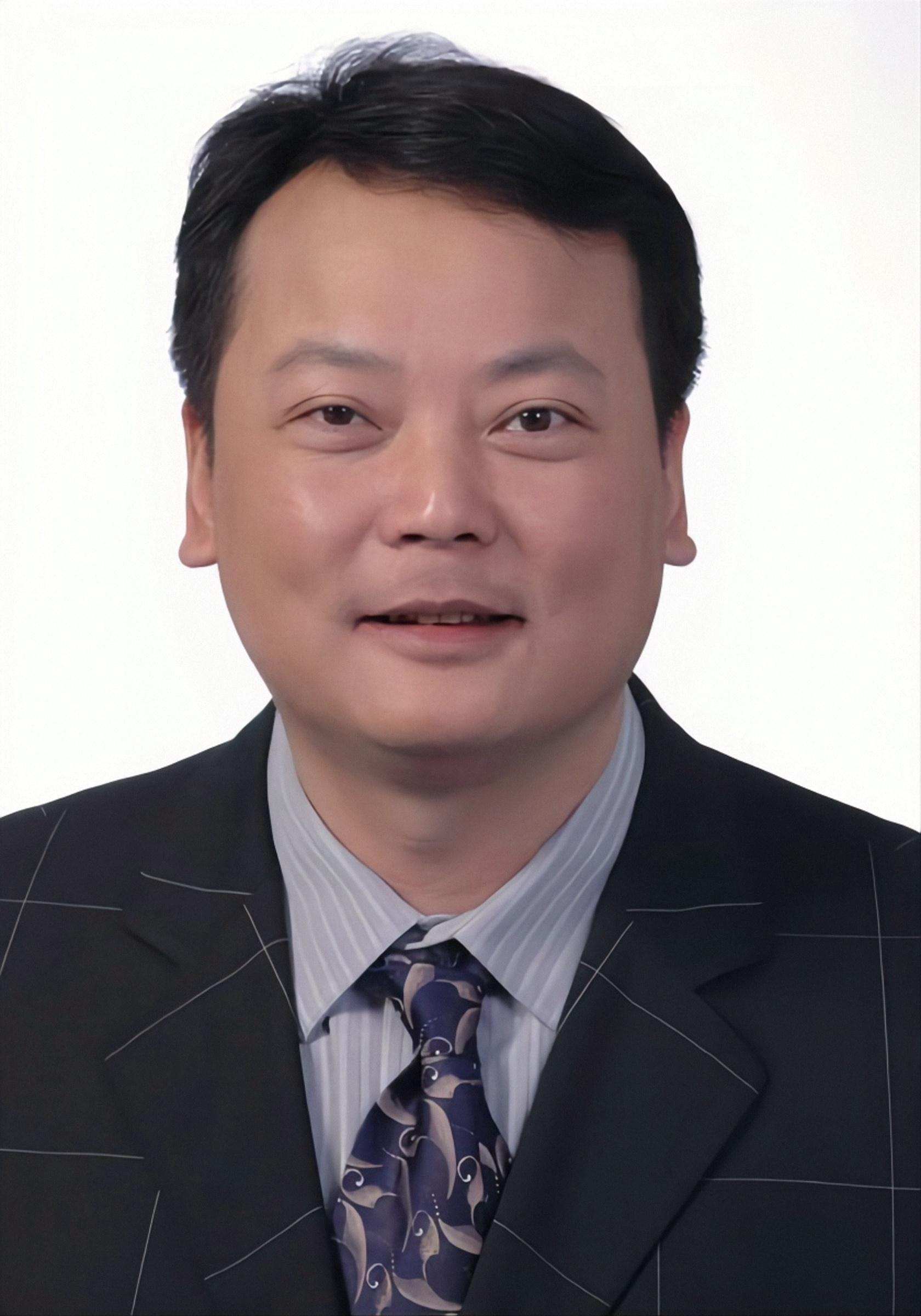 Feng Li (李锋)合作论文数Tongji Hospital, Tongji Medical College of Huazhong University of Science and Technology12
 Wei Xiong (熊伟)合作论文数Tongji Hospital, Tongji Medical College, Huazhong University of Science and Technology11
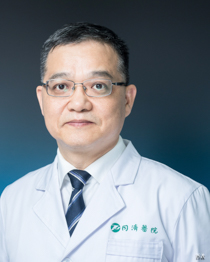 Fengjin Guo (郭风劲)合作论文数Tongji Hospital, Tongji Medical College, Huazhong University of Science and Technology9
 Guanghui Li (李光辉)合作论文数Tongji Hospital, Tongji Medical College, Huazhong University of Science and Technology9
 Hao Zhu合作论文数Peking University(Peking University),Beijing,China6
 Hui Liao (廖晖)合作论文数Tongji Hospital, Tongji Medical College, Huazhong University of Science and Technology6
 Anmin Chen (陈安民)合作论文数Tongji Hospital, Tongji Medical College, Huazhong University of Science and Technology6
 Hongbo You (游洪波)合作论文数Tongji Hospital, Tongji Medical College, Huazhong University of Science & Technology5
 Wei Wu (吴巍)合作论文数4
 Gang Zhou (周钢)合作论文数State Key Laboratory of Materials Processing and Die & Mould Technology, Huazhong University of Science and Technology4Dahu Qi合作论文数3
 Honglian Dai (戴红莲)合作论文数State Key Laboratory of Advanced Technology for Materials Synthesis and Processing, Wuhan University of Technology;School of Materials Science and Engineering, Wuhan University of Technology3Zhiliang Shi (石志良)合作论文数School of Mechanical and Electronic Engineering, Wuhan University of Technology3
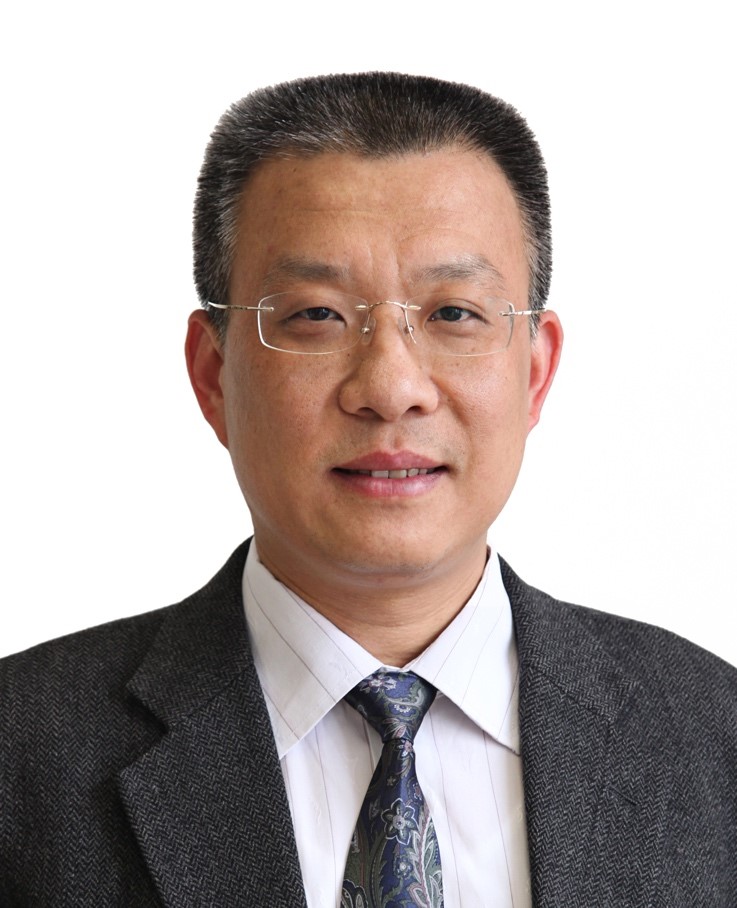 Zhong Fang (方忠)合作论文数Institute of Physics, Chinese Academy of Sciences;University of Chinese Academy of Sciences3Yihe Hu合作论文数3
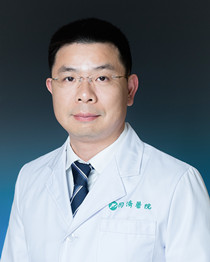 Yong Yang (杨勇)合作论文数Tongji Hospital, Tongji Medical College, Huazhong University of Science and Technology3
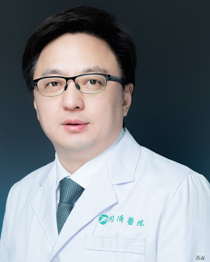 Hao Kang (康皓)合作论文数Tongji Hospital, Tongji Medical College of Huazhong University of Science and Technology3
 Zhengqiang Luo (罗政强)合作论文数Tongji Hospital, Tongji Medical College, Huazhong University of Science & Technology3
 Yu Zhao (赵宇)合作论文数Peking Union Medical College Hospital;Peking Union Medical College, Chinese Academy of Medical Sciences3Yuanli Zhu合作论文数3
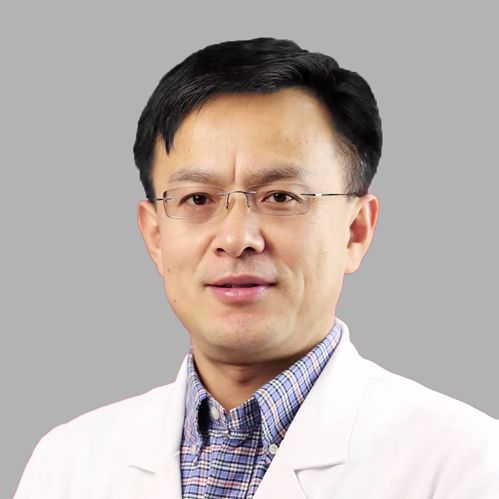 Peixun Zhang (张培训)合作论文数Peking University People's Hospital3
 Renyun Xia (夏仁云)合作论文数Tongji Hospital, Tongji Medical College, Huazhong University of Science & Technology3
 Jingjing Tian (田静静)合作论文数2Changyu Liu合作论文数2Xiansong YAO (姚贤松)合作论文数2Ci Li合作论文数2Liang-yu LI (李亮宇)合作论文数2Ming Jing (景明)合作论文数2LiBo Zhao (赵利波)合作论文数2
 Minglong Wu (吴明珑)合作论文数School of Nursing, Tongji Medical College, Huazhong University of Science and Technology;Tongji Hospital, Tongji Medical College, Huazhong University of Science and Technology2Cong Cai合作论文数2Jin Su合作论文数2
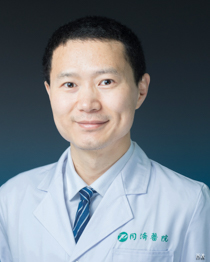 Hanfeng Guan (关邯峰)合作论文数Tongji Hospital, Tongji Medical College of Huazhong University of Science & Technology2
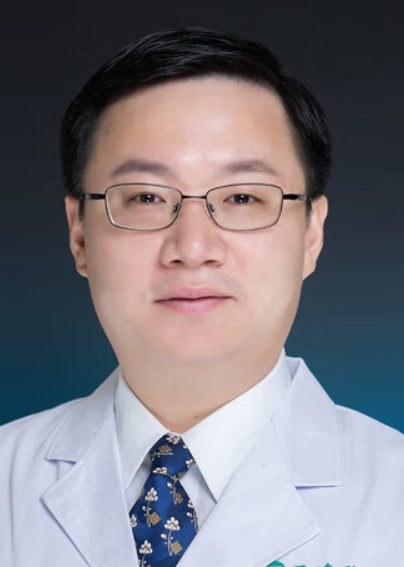 Qing Yang (杨卿)合作论文数Tongji Medical College, Huazhong University of Science & Technology2Qin Yang (杨琴)合作论文数2
 Wentao Zhu (祝文涛)合作论文数Tongji Hospital, Tongji Medical College, Huazhong University of Science and Technology2
 Yan Wang (王岩)合作论文数Nankai University;Chinese People's Liberation Army General Hospital2Jiaqi Liu合作论文数College of Computer Science and Technology, Jilin University;Key Laboratory of Symbolic Computation and Knowledge Engineering of Ministry of Education, Jilin University1G. X. Qiu合作论文数1S Q Tao合作论文数1L. J. Zuo合作论文数1W Huang合作论文数1Xuehai Dong合作论文数1
 Haoze Wang合作论文数1Q Jiang (蒋青)合作论文数1
 Xianzhen Dong合作论文数1Hui Yan合作论文数1
 Danlei Zhao (赵丹雷)合作论文数School of Mechanical Engineering, Dalian University of Technology1




