RATIONALE:This is the fourth update of a Cochrane review first published in 2015 and last updated in 2021. The use of surgical drains is a very common practice after pancreatic surgery. The role of prophylactic abdominal drainage to reduce postoperative complications after pancreatic surgery is controversial. OBJECTIVES:To assess the benefits and harms of routine abdominal drainage after pancreatic surgery; to compare the effects of different types of surgical drains; and to evaluate the optimal time for drain removal. SEARCH METHODS:We searched CENTRAL, MEDLINE, three other databases, and five trials registers, together with reference checking and contact with study authors, to identify studies for inclusion in the review. The search dates were 20 April 2024 and 20 July 2024. ELIGIBILITY CRITERIA:We included randomised controlled trials (RCTs) in participants undergoing pancreatic surgery comparing (1) drain use versus no drain use, (2) different types of drains, or (3) different schedules for drain removal. We excluded quasi-randomised and non-randomised studies. OUTCOMES:Our critical outcomes were 30-day mortality, 90-day mortality, intra-abdominal infection, wound infection, and drain-related complications. RISK OF BIAS:We used the Cochrane RoB 1 tool to assess the risk of bias in RCTs. SYNTHESIS METHODS:We synthesised the results for each outcome using meta-analysis with the random-effects model where possible. We used GRADE to assess the certainty of evidence for each outcome. INCLUDED STUDIES:We included 12 RCTs with a total of 2550 participants. The studies were conducted in North America, Europe, and Asia and were published between 2001 and 2024. All studies were at overall high risk of bias. SYNTHESIS OF RESULTS:We considered the certainty of the evidence for intra-abdominal infection for the comparison of early versus late drain removal following pancreaticoduodenectomy to be moderate, downgraded due to indirectness. We considered the certainty of the evidence for the other outcomes to be low or very low, mainly downgraded due to high risk of bias, inconsistency, indirectness, and imprecision. Drain use versus no drain use following pancreaticoduodenectomy We included two RCTs with 532 participants randomised to the drainage group (N = 270) and the no drainage group (N = 262) after pancreaticoduodenectomy. The evidence is very uncertain about the effect of drain use on 30-day mortality (risk ratio (RR) 0.49, 95% confidence interval (CI) 0.07 to 3.66; 2 studies, 532 participants), 90-day mortality (RR 0.25, 95% CI 0.06 to 1.15; 1 study, 137 participants), intra-abdominal infection rate (RR 0.85, 95% CI 0.21 to 3.51; 2 studies, 532 participants), and wound infection rate (RR 0.85, 95% CI 0.55 to 1.31; 2 studies, 532 participants) compared with no drain use. Neither study reported on drain-related complications. Drain use versus no drain use following distal pancreatectomy We included two RCTs with 626 participants randomised to the drainage group (N = 318) and the no drainage group (N = 308) after distal pancreatectomy. There were no deaths at 30 days in either group. The evidence is very uncertain about the effect of drain use on 90-day mortality (RR 0.16, 95% CI 0.02 to 1.35; 2 studies, 626 participants), intra-abdominal infection rate (RR 1.20, 95% CI 0.60 to 2.42; 1 study, 344 participants), and wound infection rate (RR 2.12, 95% CI 0.93 to 4.87; 2 studies, 626 participants) compared with no drain use. Neither study reported on drain-related complications. Active versus passive drain following pancreaticoduodenectomy We included three RCTs with 441 participants randomised to the active drain group (N = 222) and the passive drain group (N = 219) after pancreaticoduodenectomy. The evidence is very uncertain about the effect of an active drain on 30-day mortality (RR 1.24, 95% CI 0.30 to 5.07; 2 studies, 321 participants), intra-abdominal infection rate (RR 0.58, 95% CI 0.06 to 5.43; 3 studies, 441 participants), and wound infection rate (RR 0.92, 95% CI 0.44 to 1.90; 2 studies, 321 participants) compared with a passive drain. None of the studies reported on 90-day mortality. There were no drain-related complications in either group (1 study, 161 participants; very low-certainty evidence). Early versus late drain removal following pancreaticoduodenectomy We included three RCTs with 557 participants with a low risk of postoperative pancreatic fistula, randomised to the early drain removal group (N = 279) and the late drain removal group (N = 278) after pancreaticoduodenectomy. Low-certainty evidence suggests that early drain removal may result in little to no difference in 30-day mortality (RR 0.99, 95% CI 0.06 to 15.45; 3 studies, 557 participants) and wound infection rate (RR 1.07, 95% CI 0.47 to 2.46; 3 studies, 557 participants) compared with late drain removal. Moderate-certainty evidence shows that early drain removal probably results in a slight reduction in intra-abdominal infection rate compared with late drain removal (RR 0.45, 95% CI 0.26 to 0.79; 3 studies, 557 participants). Approximately 58 (34 to 102 participants) out of 1000 participants in the early removal group developed intra-abdominal infections compared with 129 out of 1000 participants in the late removal group. There were no deaths at 90 days in either study group (2 studies, 416 participants). None of the studies reported on drain-related complications. AUTHORS' CONCLUSIONS:The evidence is very uncertain about the effect of drain use compared with no drain use on 90-day mortality, intra-abdominal infection rate, and wound infection rate in people undergoing either pancreaticoduodenectomy or distal pancreatectomy. The evidence is also very uncertain whether an active drain is superior, equivalent, or inferior to a passive drain following pancreaticoduodenectomy. Moderate-certainty evidence suggests that early drain removal is probably superior to late drain removal in terms of intra-abdominal infection rate following pancreaticoduodenectomy for people with low risk of postoperative pancreatic fistula. FUNDING:None. REGISTRATION:Registration: not available. Protocol and previous versions available via doi.org/10.1002/14651858.CD010583, doi.org/10.1002/14651858.CD010583.pub2, doi.org/10.1002/14651858.CD010583.pub3, doi.org/10.1002/14651858.CD010583.pub4, and doi.org/10.1002/14651858.CD010583.pub5.
Since the early 20th century, clinical medical education in the United States has undergone three major reforms, each of which has profoundly influenced the global landscape and development trajectory of medical education. Viewed through the lens of medical-education collaboration, these reforms exhibit a clear evolutionary logic in terms of reform goals, institutional cooperation, and curriculum design. The reform goals have shifted from cultivating doctors' scientific thinking to competency orientation, institutional cooperation has evolved from institutionalized foundation to ecological collaboration, and curriculum design has progressed from segmented practice to deep integration. These developments have gradually established a medical education collaboration system with "dynamic goal-setting, ecosystem-based cooperation, and clinically-oriented curricula", promoting a deep coupling of the medical education system and the healthcare system. China can learn from its reform experience, establish a dynamic response mechanism for educational goals, build a cross-sectoral collaborative governance structure, and strengthen the clinical orientation and integration of medical curricula.
Abstract With the development of technologies such as artificial intelligence (AI), big data, and virtual reality, medical education is facing significant reform opportunities. The fourth-generation medical education reform emphasizes interdisciplinary cooperation, focuses on health rather than just disease treatment, and uses AI technology to enhance the quality of education. The reform requires cooperation from multiple parties, including government top-level design, optimization of medical school organizational structures, and the cultivation of medical students’ sense of responsibility and mission. The goal is to build a fair and efficient health service system.
Purpose: The 8-year medical education program (EYMEP) is China’s path to training high-level medical talents. In retrospect, this study systematically reviewed the developmental process of China’s EYMEP. The status quo and characteristics, and threats and challenges, were analyzed, along with the program’s prospects. Design/Approach/Methods: This study analyzed relevant textual materials and policy documents dating back to the time of hosting of China’s EYMEP, as well as conducted various specific interviews and field trips. Findings: The exploration of China’s high-level medical talent training has been conducted over a century. EYMEP can be divided into five periods: the Only Host Period, the Duplication Pilot Host Period, the Expansion Period, the Joint Exploration Period, and the In-Depth Promotion Period. Currently, there are 14 universities and institutes hosting the EYMEP approved by the Ministry of Education of the People’s Republic of China. However, they differ greatly in training ideas and goals, enrollment processes, and training phases. China’s EYMEP is faced with some external threats and internal challenges. In the future, China’s EYMEP should consider five aspects. Originality/Value: In the new era of the reform and development of China’s medical education, a systematic review of the development of EYMEP in China is of great significance to the promotion of high-level medical talent training in China. Meanwhile, the exploration course of China’s high-level medical talent training represented by the EYMEP may be an enlightenment for other countries, especially developing countries like China, in their training of high-level medical talents.
Objective To examine the status quo of and group disparity in professional identity among Chinese medical graduates for providing evidence to develop relevant intervention programs. Methods Using stratified cluster sampling and China Medical Students Survey(CMSS) designed by National Center for Health Professionals Education Development, an onsite self-administered questionnaire survey was conducted among 11 596 medical graduates in 33 universities in 19provincial-level administrative divisions across China during July 2019. Results For the 10 062(86.77% of all graduates)valid respondents, the overall average score for professional identity was 3.61 ± 0.63 and the average scores of dimensional professional identity were 3.17 ± 0.60 for cognition, 3.60 ± 0.71 for emotion, 3.68 ± 1.01 for commitment,4.08 ± 0.75 for behavior,3.70 ± 0.9 for expectation, and 3.45 ± 0.74 for values, respectively. The results of multivariate regression analysis showed that the respondents with following characteristics were more likely to have a higher professional identity: studying at universities in eastern China(β = 0.034,P = 0.013) and in central China(β = 0.092,P < 0.001), being male(β = 0.025,P =0.019), from rural regions before entering university(β = 0.023,P = 0.045), with medium family income(β = 0.025,P =0.028), studying at a university being first choice for admission(β = 0.031,P = 0.002), studying at universities not belonging to double first-class university(β = 0.085,P < 0.001), with the career ideal of to be a doctor while being a senior high school student(β = 0.249,P < 0.001), being a five-year-system medical student(β = – 0.065,P < 0.001), being an integrated long school system(5 + 3 years) student(β = – 0.098, P < 0.001), and with a higher academic performance shortly by the graduation(β = 0.136, P < 0.001 and β = 0.082, P < 0.001 for those with the academic score of highest quartile and second/third quartile in ranking). Conclusion The professional identity is at a medium level and affected by multiple individual and academic environment factors among Chinese medical graduates.
The number of dental schools increased from 55 in 2000 to 66 in 2019 in the United States. The number of public, private, and private-state-related dental schools were 40, 22 and 4, respectively. A majority of them were located in most developed areas, such as western, eastern, and southern regions of the country. In the same period, the number of freshman enrollees rose from 4 234 to 6 231 while the average of enrollees kept under 100. On the basis of learning relevant experiences of the United States, it might be necessary for China to expand the overall scale of stomatology education in order to address the shortage of dentists, take measures to increase the number of stomatology schools and improve their distribution, and control the number of enrollees per school to enhance the quality of education.
Purpose China recently proposed a series of important policies intended to reform and improve the quality of medical education on the national level. This paper presents the findings of a national survey of China's medical schools conducted to review the development of undergraduate medical education over a five-year period (2013–2018). Design/Approach/Methods The National Center for Health Professions Education Development implemented the China Medical Education College Survey. Approximately 64% of the targeted medical schools participated in the survey, constituting a representative sample of higher education institutions offering educational programs in clinical medicine in China. Findings Following new policy orientations, medical schools showed positive developments in terms of the types of medical education programs offered, teaching and assessment methods, medical education resources, participation in accreditation, and quality of incoming students. However, the survey also revealed several worrying trends, including the coexistence of various types of education programs, significant regional differences in educational resources, dominance of traditional teaching and assessment methods, inconsistencies in quality, and an increase in graduates seeking employment in professions outside healthcare. Originality/Value Findings of the first national survey of China's medical schools show that there is still a long way to go to ensure high quality and efficient medical education on a national level.
Objective:To assess the reliability of the clinical fundamental skills test for standardized competence test for clinical medicine undergraduates and provide an empirical basis for improving the quality of the test.Methods:A generalizability theory was employed to examine the scores of 7 322 examinees who completed the clinical fundamental skills test for BSc in 2020. According to the test design, examinees, stations and items were included in the analysis. The percentage of variance for each facet was calculated to identify the main sources affecting test reliability. Generalizability (G) coefficient and phi index were calculated to analyze the reliability of the test. Based on the scores of examinees who completed the same items in the test, different G coefficients and phi indices were obtained to explore the optimization of the test reliability by adjusting the number of items and stations.Results:The results from the generalizability theory showed that the percentage of variance for items was 70.0%~76.0%, the percentage of variance for stations was 17.6%~24.4%, and the percentage of variance for examinees was 0.3%~0.8%. G coefficients for the test ranged from 0.502 to 0.717, and phi indices ranged from 0.052 to 0.223. When one item was added, G coefficient increased by 0.002 and phi index increased by 0.002. When five items were added, G coefficient increased by 0.007 and phi index increased by 0.004. When one station was added, G coefficient increased by 0.025, and phi index increased by 0.010. When two stations were added, G coefficient increased by 0.045 and phi index increased by 0.017.Conclusions:There is still room for improving the quality of clinical fundamental skills test. The stations and items are the main sources affecting the test reliability. The test reliability can be improved by increasing the number of stations and items, but the time and the cost of stations and items need to be considered in a comprehensive manner.
Objective: From the macro perspective of pursuing fairness and accessibility, improving service efficiency and paying attention to service quality, this paper made an objective diagnosis and evaluation of community health care and medical service in Shanxi province, so as to provide references for the scientific and reasonable formulation of grassroots public health policies. Methods: Using the three-dimensional comprehensive model and the WHO module framework, the comprehensive analysis of multiple indicators of community health care and medical service was carried out by using the agglomeration of health resources, rank and ratio ranking, and the construction of evaluation combinations. Results: From 2015 to 2020, the number of community health care and medical resource institutions was more than 0, and the allocation was sufficient. The number of nurses was at the boundary of relative shortage. The number of doctors, the number of beds and the agglomeration degree of total health costs were all less than 0, showing a continuous shortage. According to the grading results of the three-dimensional comprehensive model, the health input, service efficiency and health needs were at the deviation level from 2010 to 2015, and at the medium preference level from 2016 to 2020. According to the results of WHO module framework, from 2010 to 2016, the service efficiency was low and the resource investment was insufficient. The distribution from 2017 to 2020 was appropriate and relatively balanced. Conclusion: Community health care and medical service in Shanxi province need to be optimized and improved, the government should optimize and improve the level of community health care and medical service, improve the efficiency of medical services, and enhance residents’ utilization and satisfaction with community health care and medical service.
目的:了解高等教育普及化阶段影响优质医学教育机会获得的家庭背景因素及其交互作用,探明医学人才培养的现状,同时为高等教育质量均衡化发展相关政策的制定提供依据.方法:采用"2020 年中国医学生培养与发展调查报告"获取的126265 名临床医学专业本科生的相关数据,建立逻辑回归模型,分析父辈教育背景、家庭收入、家庭所在地、是否独生子女等家庭背景因素对子女优质医学教育机会获得的影响情况.结果:父辈教育背景、家庭收入、家庭所在地、是否独生子女等因素均会影响子女获得优质医学教育机会的可能性(P<0.001).父辈教育背景的影响最为显著,其每提升一个等级,子女获得优质医学教育的概率提升1.472 倍;家庭收入对子女优质医学教育机会获得非常关键,其每提升一个等级,子女获得优质医学教育的概率提升1.295倍;城乡、独生与非独生的子女之间也存在一定的优质医学教育机会获得差异,分别相差 1.204倍和1.076倍.结论:来自医学学科的证据显示,促进我国高等教育质量的均衡化发展,重点在于家庭教育水平的整体提升和优质基础教育资源的普惠化供给.
Objectives Approximately 10 years ago, China introduced an education plan to improve the overall quality of medical education and to better serve the population’s health needs. Many medical schools were then recognised and financed by China’s Ministry of Education to develop and operationalise new pilot programmes (PPs) aligned with this plan. These ran in parallel with the traditional programmes (TPs). One way to achieve the plan’s first aim, improving the quality of medical education, is to select academically stronger candidates. We, thus, examined and compared who were selected into PPs and TPs. Design Cross-sectional study. Setting Data were collected from 123 medical schools across China via the 2021 China Medical Student Survey. Participants Participants were undergraduate clinical medicine students across all year groups. Primary and secondary outcome measures Medical school selection was via the National College Entrance Examination (NCEE). Medical students’ NCEE performance and their sociodemographics were used as the primary and secondary outcome measures. Mann-Whitney or χ 2 tests were used to compare the means between educational programmes (PPs vs TPs) and various selection outcomes. Multilevel mixed-effects regressions were employed to account for school idiosyncratic selection results. Results Of the 204 817 respondents, 194 163 (94.8%) were in a TP and 10 654 (5.2%) a PP. PP respondents (median=75.2, IQR=69.5–78.8) had significantly higher NCEE scores than their TP counterparts (median=73.9, IQR=68.5–78.7). Holding constant their NCEE score, PP respondents were significantly more likely to come from urban areas, not be first-generation college students, and have parents with higher occupational status and income. Conclusions Assuming quality can be indicated by prior academic achievement at the point of selection, PPs achieved this mission. However, doing so limited medical students’ diversity. This may be unhelpful in achieving the Education Plan’s goal to better serve China’s health needs.
以世界医学教育联合会最新版《全球院校医学教育质量改进标准》为依据,调查我国已完成临床医学专业认证的132所院校的信息公开情况,为我国医学教育标准的修订和新一轮临床医学专业认证的开展提供信息参照.结果显示院校总体信息公开程度有待提高,不同类型院校信息公开程度具有一定差异,信息公开与认证结论和经费预算呈正相关.建议从顶层设计、思想意识、实践层面和保障措施等方面提高医学院校信息公开程度和质量,实现公众问责、隐私保护和大学自治的生态平衡.
Medical education accreditation in China has been conducted by the Working Committee for the Accreditation of Medical Education (WCAME) and 129 medical schools have completed accreditation by December 2021. Despite studies on the standards, process and effectiveness of accreditation, the actual information transparency of accredited medical schools in China has not been examined. The study investigated the status of publicly available information from WCAME-accredited medical schools in China, and whether public availability of information had significant differences among different types of universities. The 129 medical schools’ official websites were reviewed for the 21 criteria of the WFME Global Standards for Quality Improvement: Basic Medical Education. Dichotomous method was used to record information as presence or absence. SPSS was utilized for descriptive and ANOVA analyses. The mean of the publicly available information on the 21 criteria was 13.77 ± 3.57, and only 5 (3.9%) accredited medical schools had all relevant information available. Publicly available information on Governance (100%) and Administration (100%) was the most, whereas information on Assessment in support of learning (16.3%) was the least. Public availability of information differed significantly among schools accredited with higher (18.15 ± 2.16), medium (13.69 ± 3.41) and lower results (12.79 ± 3.19) (F = 14.71, p < 0.05). Medical universities and comprehensive universities did not show significant differences in their overall information availability (F = 0.25, p > 0.05). Central government funded universities had a remarkably larger amount of publicly available information than local government funded universities (17.86 ± 1.98 vs. 12.75 ± 2.93, p < 0.05). Public availability of information from the accredited medical schools in China needs to be improved to promote transparency and continuous quality improvement, especially with regard to information on curriculum, assessment and quality assurance. Explicit information availability requirements need to be considered to include in medical education standards, and further studies are warranted to explore which information elements should be made publicly available.
BackgroundProfessional identity (PI) influences the doctor's thoughts and behaviors. Thus, PI formation (PIF) plays an important role in medical students' education. Major changes to the learning environment could impact PIF, but the influence of the novel coronavirus disease 2019 (COVID-19) pandemic on medical students' PI had confusing conclusions in previous studies. We aimed to compare PI of medical students by using the data from three waves of national cross-sectional surveys conducted in China in 2019, 2020, and 2021, and to examine factors that influence PIF.MethodWe used data from the China Medical Student Survey (CMSS) which has conducted three national cross-sectional surveys. From 2019 to 2021, CMCC retrieved data on PI from a nationally representative sample of medical students from 33, 121, and 123 colleges, respectively. We analyzed the data using Chi-square test, analysis of variance, and multivariable logistic regression according to sociodemographic characteristics, pre-university experience, college characteristics, and college experience.ResultsA total of 244,040 medical students in China participated in the surveys. The overall score of PI increased from 3.80 in 2019 to 3.85 in 2021. Medical students with family medical background, high intrinsic and extrinsic motivation of major selection, teachers' positive role model, and high personal comprehensive quality ranking were more likely to have higher PI (all p < 0.05). The more attention students paid to the COVID-19 pandemic, the higher PI they would have (aOR 1.93, 95% CI 1.67–2.24 for more attention; aOR 2.31, 95% CI 2.00–2.68 for the most attention). However, parents' participation on the front lines of COVID-19 pandemic negatively influenced the PI of medical students (aOR 0.72, 95% CI 0.57–0.93).ConclusionsPI of medical students increased during the COVID-19 pandemic. The impact of the pandemic on PI was complex. To improve the PI of medical students, the education sector, health sector and the society need to make concerted efforts.
自20世纪以来,全球医学教育进行了重要改革,但我国医教改革关注点有所不同.本研究重点分析了新发展阶段我国医学教育改革的方向,并从系统论视角出发,探讨我国医学教育发展的四个主要方面,即医教协同、供需平衡、培养创新、质量保障及其相互关系,指出我国新发展阶段医学教育改革中,医教协同是前提和载体,供需平衡是基础,人才培养模式创新是核心,质量保障则是关键,为新阶段医学教育改革和医学教育研究提供基本的参照.
经过百余年的发展历程,我国医学教育取得了显著成绩.基于临床医学专业认证实践,结合已有相关研究,聚焦于医学教育管理体制、办学规模、专业设置、学制学位、课程整合、师资队伍、人才培养等方面,分析我国本科临床医学教育存在的若干问题,研究认为医学教育应进一步理顺管理体制机制;加强医学教育投入,建立以资源定规模的管理机制;优化本科专业设置;加强学制学位体系研究;客观理解医学教育改革,做好课程模式改革;逐步建立基础师资和临床师资相互融合的机制;守正创新,推动医学教育发展.
英国医学院校嵌入式学位项目是医学生攻读第二个学位课程的制度安排,医学生在院校医学教育的第三学年或第四学年等某个时间点中断医学学位课程的学习,额外花费一年或更长时间攻读另外一个学士或研究生学位.分析英国多所医学院校嵌入式学位项目的制度安排与详细课程,发现嵌入式学位制度延长了学习年限,但有利于保证学习效果,拥有较为广泛的专业方向且比较强调科研,在学位授予方面更加灵活,医学生参与程度也较高.嵌入式学位制度是我国建设新医科的一个参考方向.我国高校应引入嵌入式学位制度,以促进"医学+X"新医科拔尖创新人才的培养.
20世纪末开始的高校合并是我国高等教育体制改革的一项重要举措,医学院校合并入综合性大学对我国医学教育具有重大影响.基于1996-2010年《普通高校在T省招生录取统计资料》,以高考录取分数作为生源质量的测量变量,采用双向固定效应模型评估医学院校的合并对其本科生源质量的影响.结果 显示:合并在整体上对医学生源的录取分数有显著提高作用,但对临床医学专业和非临床医学专业的影响程度有所不同;高校合并对后者的影响更为明显且在统计上显著;这些结果在一系列稳健性检验中仍然成立.
Objective:To analyze the influence of college resources on the academic achievement of medical students.Methods:Based on the college resources data provided by the Ministry of Education, and the academic achievement data collected from China Medical Students Survey (CMSS), Hierarchical Linear Model (HLM) and Multiple Linear Regression Model were used to analyze the effect of colleges resource indicators on the academic achievement of medical students in various fields.Results:The scores of science and academia, clinical ability, health and social and professionalization were (2.84±1.84), (6.03±1.99), (4.33±2.05), (2.92±1.84), respectively. The zero model of HLM showed that hierarchical analysis was necessary only in the clinical ability domain; two-level model showed that the number of books per student could significantly enhance the effect of intrinsic motivation on clinical ability domain ( P=0.025). Multiple Linear Regression Model showed that student-teacher ratio had significant negative effect on academic achievement in health and social domain ( P=0.046); the proportion of teachers with senior professional titles had a significant positive effect on health and social ( P<0.01) and professionalization ( P<0.01) domains; The number of books per student had a significant positive effect on science and academia ( P<0.01), health and society ( P<0.01), and professionalization ( P=0.037) domains; the teaching expenditure per student have no significant effect on academic achievement in each domains (all P>0.05). Conclusions:Different resource indicators had different influences on the academic achievement of medical students, and the influences were different in various domains of academic achievement.
Context Funding is an essential requirement for ensuring the quality of health professional education worldwide. Adequate funding is of immense significance in training health professionals. Due to the difficulty of accessing relevant data, quantitative research of the kind is scarce. Objectives This study aims at analysing the trends of funding levels and funding sources for health professional institutions in China spanning the past 20 years and making a global comparison. Methods We used data from Ministry of Education (MOE) of the People's Republic of China to analyse its funding level and structure of funding sources of health professional education in China during 1998-2017. When analysing funding level, we used two indicators: total funding and funding per student. We chose the United States, and analysed its funding level and structure to allow easy comparison to the situation in China. The data from a Lancet report (Lancet, 376, 2010, 1923) were also used to analyse global funding status to make an international comparison. Results Funding levels of health professional institutions in China has increased significantly in the past 20 years, while the average annual growth rate of funding per student (4.5%) is lower than that of total funding (19.9%). In terms of the structure of funding sources, fiscal appropriation accounts for 51.1% on average, and tuition, fees and scientific research income explains 37.0%. Conclusion From 1998 to 2017, the total funding and funding per student of HPE in China increased continuously, and the total funding increased at a faster rate. The increase in funding of HPE in China is closely related to the efforts of the Chinese government and the implementation of relevant policies. Even so, funding of HPE in China is likely to remain relatively low compared to other countries.
 Hou Jianlin合作论文数34
 Yinmo Yang (杨尹默)合作论文数Peking University First Hospital21Ana Xie合作论文数20
 Hongbin Wu合作论文数Peking Univ, Natl Ctr Hlth Profess Educ Dev, Beijing, Peoples R China19
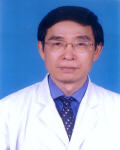 Yuanlian Wan (万远廉)合作论文数Department of General Surgery,Peking University First Hospital,Beijing ,China17
 Yan Zhuang (庄岩)合作论文数 Department of General Surgery,Peking University First Hospital,Beifing ,China16Yan Xu (续岩)合作论文数14YouHui Luo (罗友晖)合作论文数12
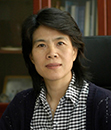 Yang Ke (柯杨)合作论文数Peking University12YanTing Huang (黄莚庭)合作论文数10Hong Li (李红)合作论文数10
 Qiang Zeng (曾强)合作论文数School of Medicine, Nankai University;Chinese Pla General Hospital10A'na Xie合作论文数9LingBing Zheng (郑凌冰)合作论文数9HuaQin Cheng (程化琴)合作论文数8Zhen Tian (田振)合作论文数8HongQiao Gao (高红桥)合作论文数7FengYun Zhang (张凤云)合作论文数7
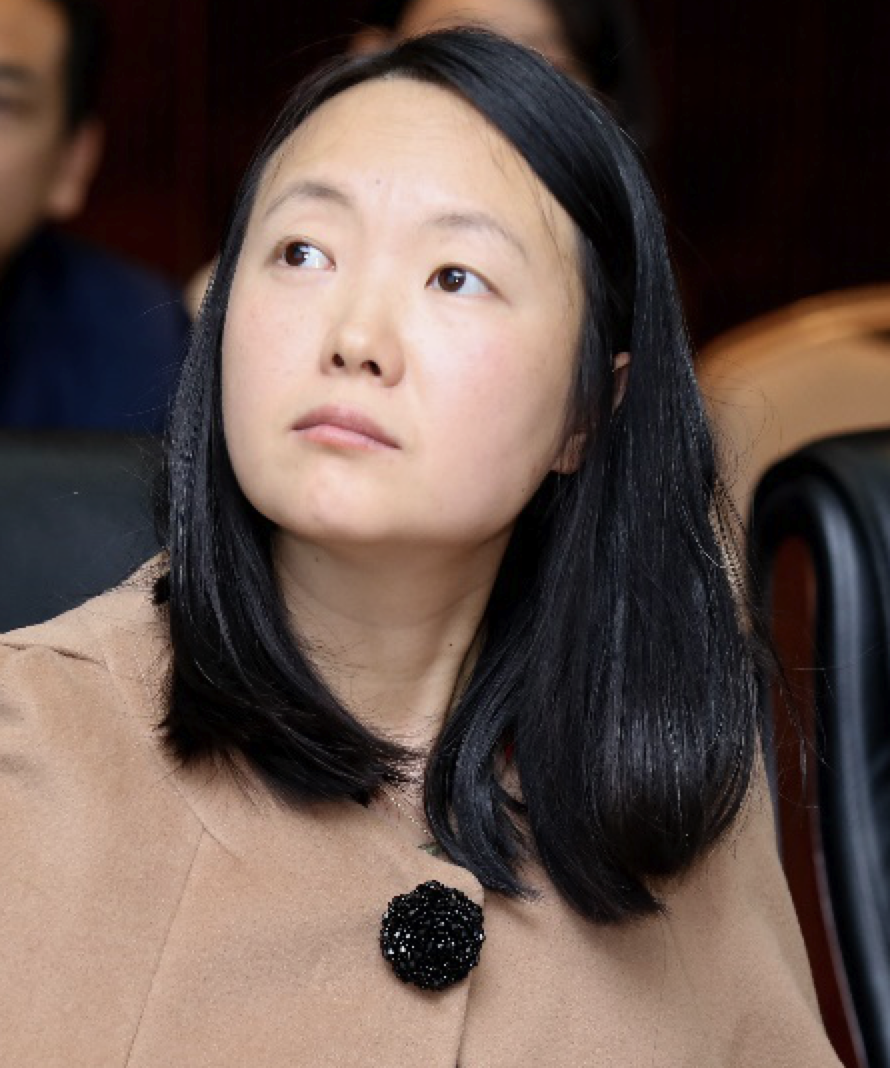 You You (由由)合作论文数Institute of Medical Education, Peking University;Health Science Center, Peking University7
 Xiaodong Tian合作论文数6
 Kaiju Liao (廖凯举)合作论文数6Junhong Ma合作论文数6Minghui Yan合作论文数6MinYu Lu (卢旻昱)合作论文数6Chen Yu (于晨)合作论文数6DongMing Liu (刘东明)合作论文数6
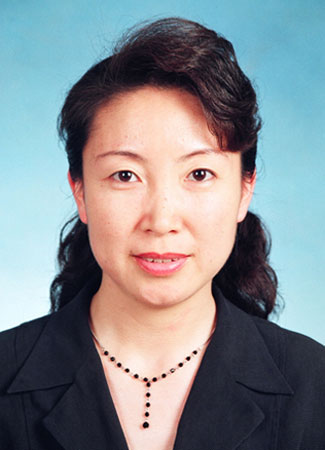 Bing Xin (辛兵)合作论文数Peking University Health Science Center6Cui-xian Wang合作论文数5Xian-cheng GU (顾贤成)合作论文数5WenHan Wu (吴问汉)合作论文数5ChiHui Yu (俞赤卉)合作论文数5
 Lei Zhang (张蕾)合作论文数Institute of Population Research, Peking University5Wenzhuo Li合作论文数4Dandan Zhou (周丹丹)合作论文数4Jianliang Deng合作论文数4YinKui Wang (王胤奎)合作论文数4JingYi Cai (蔡景一)合作论文数4JingChao Wang (王景超)合作论文数4
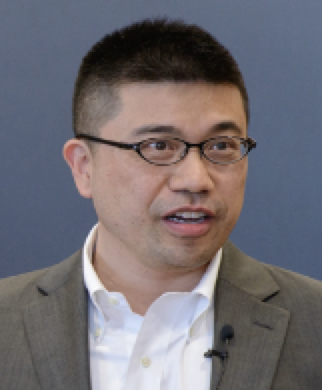 Lei Chen (陈磊)合作论文数Guanghua School of Management, Peking University4Zhe DONG (董哲)合作论文数3Ruiyang Duan (段瑞阳)合作论文数3Zhehan Jiang合作论文数Natl Ctr Hlth Profess Educ Dev, Peking Univ3YANG Xiao-zheng (杨晓征)合作论文数3Peng Yu (于鹏)合作论文数3QiuDan Sun (孙秋丹)合作论文数3HanJuan Men (门寒隽)合作论文数3YueHua Tang (汤月华)合作论文数3XiaoLong Zhang (张小龙)合作论文数3Yuan He (贺媛)合作论文数3




