Objective To explore the effect of Xingbi gel nasal drops on rats with allergic rhinitis(AR)based on the nasal mucosa-hippocampus neuroimmune mechanism.Methods A total of 40 SPF SD rats at postnatal day 21(PND21)were randomly divided into normal group,model group,traditional Chinese medicine group and western medicine group,with 10 cases in each group.Except for the normal group,the other three groups were sensitized by ovalbumin(OVA)to establish AR animal models.Af-ter the model was successfully established,the normal group and model group were both given normal saline nasal drops(50 μL once),the traditional Chinese medicine group was given Xingbi gel nasal drops(50 μL once),and the western medicine group was given budesonide nasal spray(20 μL once),twice a day,and the interventions were continued for 12 days.The AR rat behavioral scoring criteria was used to evaluate rhinitis behavior of rats;Morris water maze test was used to evaluate learning and memory function of rats;enzyme-linked immunosorbent assay(ELISA)was used to detect serum levels of immunoglobulin E(IgE)and transforming growth factor-β1(TGF-β1);hematoxylin-eosin(HE)staining was used to observe pathological changes of nasal mucosa and eosinophil(EOS)count;immunohistochemistry method was used to detect expression levels of non-receptor tyrosine kinases Fyn,substance P(SP),vasoactive intestinal peptide(VIP)and neuropeptide Y(NPY)in the hippocampus;and real-time polymerase chain reaction(RT-PCR)was used to detect mRNA transcription levels of Fyn,SP,VIP and NPY in the hippocampus.Results(1)Behavioral scores of rhinitis:compared with the normal group,behavioral scores of rhinitis were significantly higher in the model group,the traditional Chinese medicine group and the western medicine group before treatment(P<0.05).Compared with the model group,behavioral scores of rhinitis were significantly lower in the traditional Chinese medicine group and the western medicine group after treatment(P<0.05).Compared with that before treatment,behavioral scores of rhinitis were significantly lower in the traditional Chinese medicine group and the model group after treatment(P<0.05).(2)Learning and memory function:compared with the normal group,the model group showed significantly longer platform latency and the total distance of swimming,as well as lower platform crossing frequency and shorter stay time in the target quadrant(P<0.05);compared with the model group,both the traditional Chinese medicine group and the western medicine group showed significantly shorter platform latency and total distance of swimming,and more times of platform crossing and longer stay in the target quadrant(P<0.05).(3)IgE and TGF-β1 contents in serum:compared with the normal group,IgE and TGF-β1 contents in serum were significantly higher in the model group(P<0.05).Compared with the model group,IgE and TGF-β1 contents in serum in both the traditional Chinese medicine group and the western medicine group were significantly lower(P<0.05).(4)Pathological changes of nasal mucosa and EOS counts:the nasal mucosa in the model group was edematous and the epithelial cells were arranged in disorder;the nasal mucosa edema were alleviated signifi-cantly in the traditional Chinese medicine group and the western medicine group after treatment,and the epithelial cell structure was more intact.Compared with the normal group,the nasal mucosal EOS counts all significantly increased in the model group,the traditional Chinese medicine group and the western medicine group after treatment(P<0.05);compared with the model group,the nasal mucosa EOS counts decreased significantly in the traditional Chinese medicine group and the western medicine group after treatment(P<0.05).(5)mRNA transcription levels and protein expression levels of Fyn,SP,VIP and NPY in hippocampus:com-pared with the normal group,mRNA transcription levels of Fyn,SP and VIP and average OD values of Fyn,SP and VIP increased significantly in the hippocampus in the model group(P<0.05),while mRNA transcription levels of NPY and average OD values of NPY decreased significantly(P<0.05).Compared with the model group,mRNA transcription levels of Fyn,SP and VIP and aver-age OD values of Fyn,SP and VIP in the hippocampus decreased significantly in the traditional Chinese medicine group and the western medicine group after treatment(P<0.05),while mRNA transcription levels of NPY and average OD values of NPY in-creased significantly(P<0.05).Conclusion Xingbi gel nasal drops can improve the behavioral scores of rhinitis and learning and memory functions of rats with AR,which may be related to the regulation of nasal mucosa-hippocampus neuroimmune mechanism through the Fyn signaling pathway.
郑健教授认为,风饮伏肺是儿童变应性鼻炎的关键病机,疏风化饮法是重要的治疗方法.治疗上采取分期论治的方法,发作期以疏风醒鼻为主,辅以醒脾化饮,临证选用疏风醒鼻方加减治疗;缓解期以益气固表为主,辅以疏风化饮,常选用玉屏风散或黄芪桂枝五物汤为基础方加减治疗.并附验案1则加以佐证.
目的 研究疏风醒鼻法对风邪犯肺型变应性鼻炎(AR)儿童Th1/Th2免疫平衡的影响.方法 采用随机数字表法将54例AR患儿分为中药组和西药组各27例,同时招募30例健康体检儿童为健康组.健康组不做任何干预,西药组予内服盐酸西替利嗪片联合外用糠酸莫米松鼻喷雾剂治疗,中药组予内服疏风醒鼻方联合外用醒鼻凝胶滴鼻剂治疗,疗程均为4周.检测3组治疗前后血清白细胞介素-33(IL-33)、白细胞介素-25(IL-25)、卵清蛋白特异性IgE(OVA IgE)含量;观察中药组和西药组治疗前后症状体征评分,并比较其疗效.结果 与健康组比较,西药组和中药组治疗前血清IL-33、IL-25、OVA IgE含量均明显提高(P<0.05);与治疗前比较,西药组和中药组治疗后血清IL-33、IL-25、OVA IgE含量和症状体征评分均明显降低(P<0.05).中药组和西药组疗效比较,差异无统计学意义(P>0.05).结论 疏风醒鼻法可明显改善风邪犯肺型AR儿童临床症状,其机制可能与调节Th1/Th2免疫平衡有关.
艾斯老师根据小儿生理、病理学特征,在中药治疗儿童单纯性乳房早发育积累了丰富经验,老师发现男童以阴虚火旺兼痰湿内蕴证常见,认为肾虚肝郁、相火妄动为乳房发育的核心病机,气郁痰凝为乳房发育的病理关键,指出治疗注重分期论治、疏通气机、调护指导。近年来男童单纯性乳房早发育屡见不鲜,中医药干预治疗效果颇显。
目的 探讨清宣醒鼻法对儿童变应性鼻炎(AR)转录组学的影响.方法 纳入福建中医药大学附属人民医院儿科AR患儿20例,采用醒鼻宣窍汤内服配合醒鼻凝胶滴鼻剂滴鼻治疗4周,每隔1周进行AR症状评分以评估疗效,治疗前后收集血液标本进行转录组测序(RNA-seq),筛选有差异的mRNA、lncRNA、cirRNA,再进一步扩大样本进行qPCR定量验证.结果 筛选出3 776个差异mRNA,上调基因1 918个,下调基因1 858个;筛选出541个差异lncRNA,上调基因244个,下调基因297个;筛选出683个差异cirRNA,上调基因337个,下调基因346个.qPCR验证结果显示,治疗后Akt1、BCL2L1、CD36、EP300、PSMA3、PSMD6、SNW1及TLE4等基因表达水平较治疗前明显下降(P<0.05),HDAC11、MAPK1、MYC及TLR1等基因表达水平较治疗前明显升高(P<0.05).结论 Akt1、BCL2L1、CD36、EP300、HDAC11、MAPK1、MYC、PSMA3、PSMD6、SNW1、TLE4及TLR1等基因可能参与AR的慢性炎症反应,并且可能成为清宣醒鼻法治疗AR患儿的药物作用关键靶点.
目的 探讨滋阴降火化痰法治疗女童单纯性乳房早发育(PT)的疗效.方法 收集2020年6月—2022年1月就诊于福建中医药大学附属人民医院儿科门诊女童PT 126例,证属阴虚火旺兼痰湿壅滞证,采用随机数字表法分为对照组和治疗组各63例.对照组仅予以饮食、运动、睡眠等方面的健康教育,治疗组在健康教育的基础上口服自拟方化坚消核散,2组疗程均为3个月.比较2组疗效及治疗前后鸢尾素、促黄体生成素(LH)、促卵泡激素(FSH)、雌二醇(E2)、体质量指数(BMI)和中医证候总积分的变化情况.结果 治疗组有效率为90.48%,显著高于对照组的65.08%(P<0.01);与治疗前比较,治疗后治疗组鸢尾素、LH、FSH、BMI和中医证候总积分均显著下降(P均<0.05),治疗后对照组鸢尾素、LH、FSH均显著下降(P均<0.05),但2组E2水平治疗前后无显著变化(P>0.05);治疗后2组比较,治疗组鸢尾素、LH、BMI和中医证候总积分下降均更显著(P均<0.05).结论 自拟方化坚消核散可能通过降低鸢尾素水平,减少LH和FSH的分泌,从而抑制女童的乳房早发育,疗效显著.
目的:研究新冠肺炎(COVID-19)儿童入院时中医证候与理化指标、胸部影像及住院时间的相关性.方法:回顾分析莆田学院附属医院已痊愈出院的COVID-19患儿共87例,入院时查WBC、LY、IL-6、T淋巴细胞分类、病毒载量、胸部影像学及患儿住院时间与中医证候的相关性.结果:普通型COVID-19患儿住院天数及病毒总量均高于轻型COVID-19患儿,两者比较有显著差异(P<0.05);普通型疫毒袭表证和湿毒郁肺证影像学病变程度比较有显著差异(P<0.05);轻型和普通型COVID-19 患儿,入院时WBC、LY、IL-6、T细胞亚群均在正常范围,且两组对比无显著差异(P>0.05).结论:莆田COVID-19患儿多见湿热蕴肺证、湿毒郁肺证,符合"湿热毒疫"特点.普通型COVID-19患儿以住院时间长、病毒总量高、影像学变化部位散在为特点.
目的 观察佑儿清合剂治疗小儿风热型感冒的疗效.方法 选取2019年8月—2020年8月在福建中医药大学附属人民医院儿科门诊的风热型感冒患儿240例,按随机数字表法分为治疗组和对照组各120例,治疗组予佑儿清合剂治疗,对照组予双黄连颗粒治疗,2组疗程均为5 d,比较2组疗效和中医证候积分.结果 治疗组总有效率为91.67%,高于对照组的81.67%(P<0.05);与治疗前比较,对照组发热、咽红肿痛、咳嗽和总积分下降(P<0.05),治疗组发热、鼻塞、流浊涕、咽红肿痛、咳嗽和总积分下降(P<0.05),治疗后2组比较,治疗组各指标下降更显著(P<0.05).结论 佑儿清合剂治疗小儿感冒可提高疗效,改善发热、鼻塞、流浊涕、咳嗽症状,疗效较好.
目的 观察肾康灵对慢性肾脏病(CKD)小鼠肾功能和肾脏自噬水平的影响,探讨其对CKD肾损伤的保护机制.方法 24只C56BL/6小鼠随机分为正常组、模型组和肾康灵组,每组8只.腺嘌呤诱导法复制CKD小鼠模型,肾康灵组予肾康灵药液(1.5 g/kg)灌胃,连续28d.生化分析仪检测小鼠血尿素氮和血肌酐含量,HE染色、Masson染色和糖原PAS染色观察小鼠肾组织病理形态,透射电镜观察小鼠肾组织超微结构和自噬体变化,Western blot检测小鼠肾组织自噬相关蛋白p62、Beclin1、Atg5和LC3B表达.结果 与正常组比较,模型组小鼠肾脏萎缩,肾质量明显降低(P<0.01),血尿素氮和血肌酐含量显著增加(P<0.01),肾组织纤维化病变明显,Beclin1、Atg5蛋白表达和LC3BⅡ/LC3B Ⅰ比值显著升高,p62蛋白表达显著下降(P<0.01);与模型组比较,肾康灵组小鼠肾质量增加(P<0.05),血尿素氮和血肌酐含量明显减少(P<0.05,P<0.01),肾组织病理变化减轻,Beclin1、Atg5蛋白表达和LC3BⅡ/LC3B Ⅰ明显降低,p62蛋白表达显著升高(P<0.05,P<0.01).结论 肾康灵可能通过调控自噬改善CKD肾损伤,从而延缓CKD进展.
"三有余、四不足"是明代医家万密斋提出的关于小儿体质特点的理论,该理论高度总结了儿童时期五脏有余、不足的体质特点.小儿鼻鼽可因五脏失和累及肺脏发病,病因病机与小儿"三有余,四不足"密切相关,亦不离津、气、血三者.在临床诊治中结合小儿"三有余、四不足"的体质特点进行辨证论治,明确鼻鼽的病因、病机,发作期与缓解期不同阶段的临床特点,泻其有余,补其不足,诸法合用,做到有的放矢,可收到显著疗效.附案例1则,以资验证.
目的 探讨中药醒鼻凝胶滴鼻剂对变应性鼻炎(AR)的影响及可能机制.方法 52只大鼠随机分为正常组、模型组、醒鼻凝胶滴鼻剂组和布地奈德组各13只.除正常组外其余各组大鼠以腹腔注射卵清白蛋白(OVA)致敏和鼻腔滴OVA溶液激发,建立AR模型.于第7次致敏后第2天开始,醒鼻凝胶滴鼻剂组大鼠双侧鼻孔滴醒鼻凝胶滴鼻剂50μl,布地奈德组滴布地奈德鼻喷雾剂50μl,正常组和模型组滴等量生理盐水,每日2次,连续12天.实验结束后对各组大鼠进行行为学评分(喷嚏、鼻痒和流涕),HE染色观察鼻黏膜病理并进行嗜酸性粒细胞计数,检测大鼠鼻黏膜Fyn、信号转导和转录激活因子5(STATS)蛋白含量和CD19、CD23水平,以及血清转化生长因子[β1 (TGF-β1)、白细胞介素10(IL-10)含量. 结果 与正常组比较,模型组大鼠行为学评分,嗜酸性粒细胞计数,血清TGF-[β1、IL-10含量,鼻黏膜Fyn蛋白表达、CD19、CD23水平均升高,STATS蛋白表达降低(P<0.05或P<0.01).与模型组比较,醒鼻凝胶滴鼻剂组和布地奈德组上述各指标均改善(P <0.05或P<0.01),且醒鼻凝胶滴鼻剂组和布地奈德组各指标差异无统计学意义(P>0.05).结论 醒鼻凝胶滴鼻剂可能通过防止IgE与靶细胞结合,减少Fyn被磷酸化,减少炎症介质的释放,从而改善AR的喷嚏、鼻痒和流涕症状.
医教研一体化教育模式是中医学教育发展至今的必经之路,福建中医药大学附属人民医院儿科是全国中医院校中首批授予硕士点单位之一,历经40余年的耕耘发展,逐步形成了学术领先的中医临床、科研、教学发展的龙头单位.笔者现从创新理念、课程设置特点、教学模式、科研能力、临床实践能力以及人文素质教育等方面对中医儿科研究生的培养策略进行探讨,以达到全方位提高中医儿科研究生综合素质的目的.
目的 观察醒鼻凝胶滴鼻剂治疗儿童变应性鼻炎及其对CD4+CD25+Foxp3+Treg的影响.方法 采用随机数字表法将67例变应性鼻炎患儿分为对照组35例和观察组32例,另选取体检中心健康儿童10例为健康组.对照组应用布地奈德喷雾剂治疗,观察组应用醒鼻凝胶滴鼻剂治疗,2周为1个疗程,连续治疗2个疗程.观察治疗前后症状总分、视觉模拟量表评分以及血清IgE、CD4+CD25+Foxp3+Treg水平变化.结果 观察组疗效与对照组比较差异无统计学意义(P>0.05).与治疗前比较,对照组和观察组治疗后症状总分、视觉模拟量表评分和总IgE水平均明显降低(P<0.05),Foxp3+CD4+CD25+Treg百分率明显提高(P<0.05).结论 醒鼻凝胶滴鼻剂可能通过提升CD4+CD25+Foxp3+Treg水平来调节Th1/Th2免疫平衡,从而治疗儿童变应性鼻炎.
现代医学对于小儿原发性肾病综合征的病因及发病机制目前尚不明确,而祖国医学认为该病的病因病机根据发病表现可以分为内因和外因两个方面,内因主要为肺、脾、肾三脏亏虚,外因则是感受风邪、水湿、湿热、瘀血,内、外因之间互为因果、相互影响从而导致了该病发病,在该病病程中肾虚血瘀贯穿始终,受《黄帝内经》启发,文章将从治疗水肿的三大治法"开鬼门,洁净府,去菀陈莝"论治小儿原发性肾病综合征,以期为临床工作者提供思路.
Allergic rhinitis (AR) is a common, non-infectious, chronic nasal mucosal disease primarily mediated by immunoglobulin E (IgE) following allergen exposure. Currently, studies on AR mainly focus on cytokines, IgE and its receptors, basophils, eosinophils, mast cells, and related genes. Among these, an imbalance between T helper (Th) 1 and Th2 cells is considered an important mechanism underlying AR pathogenesis. The most important cytokines in AR are interleukin (Il)-4 and interferon gamma (IFN-γ) which are secreted by Th2 and Th1 cells, respectively. Il-4 and IFN-γ are antagonistic to each other in regulating IgE synthesis. In this study, the expression of extracellular signal-regulated protein kinase (ERK) 1/2 and its phosphorylation from p-ERK1/2, were significantly increased in a cluster of differentiation of 4+ T cells of AR mice, suggesting that the ERK signaling pathway in these cells is involved in the occurrence and development of AR. This result also implies an enhanced expression of deoxyribonucleic acid methyltransferases (DNMTs). To verify the relationship between ERK signaling and DNMT expression, AR mice were treated with PD98059, a specific inhibitor of the ERK1/2 signaling pathway. The results revealed that perturbations in ERK signaling were significantly positively correlated with the downregulation of DNMT1 expression. Pharmacological intervention is key to treating AR. This study demonstrated that Xingbi gel intervention affected both serum IgE levels and AR behavior scores in mice. Based on its effects on IFN-γ gene expression, the regulation of Th1/Th2 balance, and the ERK signaling pathway, research on the effects of Xingbi gel on AR may provide new avenues in its prevention and treatment.
目的 观察醒鼻凝胶滴鼻剂治疗儿童变应性鼻炎(AR)对IL-19的影响及AR患儿过敏原阳性情况.方法 采用电脑随机法将72例AR患儿分为中药组34例和西药组38例,同时招募体检健康的儿童作为健康组.健康组不予任何干预,西药组以布地奈德喷雾剂外用干预,中药组以醒鼻凝胶滴鼻剂干预,2周为1个疗程,连续治疗2个疗程.观察3组治疗前后IL-19基因和蛋白的变化,比较AR组与健康组过敏原阳性情况.结果 与治疗前比较,西药组和中药组治疗后IL-19 mRNA表达差异无统计学意义,IL-19蛋白表达明显降低(P<0.05).AR患儿过敏原分布情况由高到低排序前5位分别是:尘螨组合、牛奶、霉菌组合、屋尘、鸡蛋.与健康组相较,AR患儿过敏原阳性率显著升高(P<0.05),与IL-19表达成正相关.结论 IL-19参与了变应性鼻炎的发病,醒鼻凝胶滴鼻剂可能通过下调IL-19而抑制STAT信号通路,进而抑制AR免疫炎症反应,从而发挥临床疗效.
郑健教授结合儿童的生理病理特点,积累了中医在小儿水肿治疗方面的丰富经验,并确立了中医临床辨证思维.他提出了治疗水肿十法,遵从病证结合以及分期论治的原则,以辨证为依据,结合患儿的水肿程度、尿蛋白以及激素用量等指标做出评估,实施分期论治,得到较为满意的临床疗效.
小儿惊风是儿科临床中的危重急症,清代儿科医家陈复正著《幼幼集成》一书,以大量篇幅论述了小儿惊风病名、分类、辨证及诊疗的关键,对小儿惊风进行系统总结,对于后世辨治该病具有重要的临床意义.笔者研究陈氏的小儿惊风理论,从“辟惊风之论,以开昏聩”“创立三搐,贴合临床”“治疗特色探析”3个方面进行阐述,望能求古鉴今指导临床,提高疗效.
小儿痘证是以出痘为特征的一类儿科疾病,易相互传染,造成流行,是儿科常见传染性疾病.清代温病医家吴鞠通著《温病条辨·解儿难篇》详述了小儿痘证,即现代“天花”的辨治.随着现代医疗水平的提高,天花早已被人类征服,但是水痘、手足口病这类以出痘为特征的儿科疾病,极易造成流行,甚至有些病情凶险者会危及生命,其危害不容忽视.吴鞠通对于小儿痘证发病、辨证及诊疗要点的论述,一定程度上为该类疾病的临床治疗提供了参考,值得我们深入探讨和学习.
总结郑健教授治疗儿童变应性鼻炎的临证经验.结合儿童的生理、病理特点,将变应性鼻炎分为发作期和缓解期,发作期以肺经伏邪为病机关键,治以疏风宣肺、通窍化瘀,临证选用醒鼻宣窍汤作为基本方化裁治疗;缓解期考虑存在气虚夹风痰,治以补肺益气、健脾温肾、祛风化痰,常选用玉屏风散或黄芪桂枝五物汤为基础方加减治疗.
 CaiXia Qiu (邱彩霞)合作论文数19Xiang-li ZHUANG (庄翔莉)合作论文数13
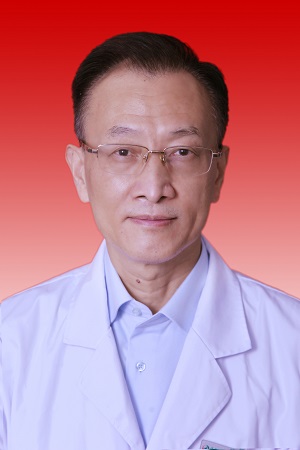 Jian Zheng (郑健)合作论文数Fujian University of Traditional Chinese Medicine11
 Qing Lin (林青)合作论文数The First Affiliated Hospital of Xiamen University9
 Kedan Chu (褚克丹)合作论文数福建中医药大学药学院9Shuiping YAN (颜水平)合作论文数8Yanyan Yu (余岩雁)合作论文数6NaiQing Chen (陈乃清)合作论文数5
 Donghong Lin (林东红)合作论文数福建中医药大学第一临床医学院5LI Xuwei (李旭微)合作论文数4Xiaolu LU (卢小露)合作论文数4RongYan Chen (陈蓉艳)合作论文数4HaiYan Luo (罗海燕)合作论文数4jian zheng (郑健)合作论文数3Lihua GUO (郭丽华)合作论文数3HuaSong Wu (吴华嵩)合作论文数3Xiong Lin (林雄)合作论文数3HongSheng Zhang (张洪生)合作论文数3Bo Wu (吴博)合作论文数3
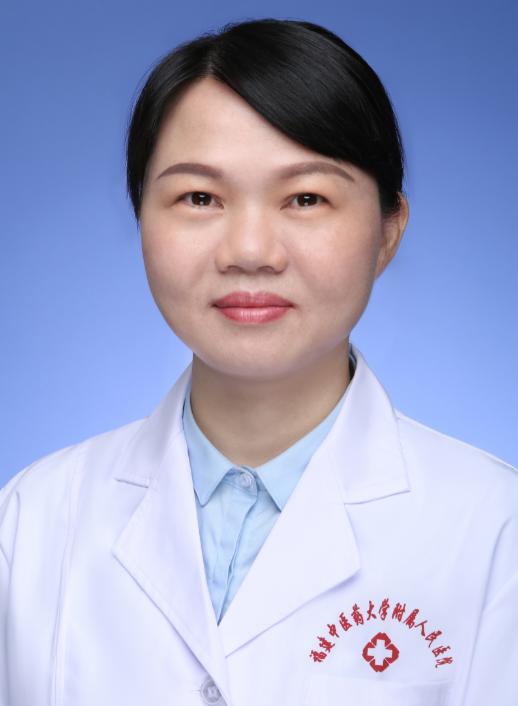 Juxia Wang (王菊霞)合作论文数福建中医药大学第一临床医学院3Q Lin合作论文数3Kehan WENG (翁珂涵)合作论文数2Yanfang Song (宋艳芳)合作论文数People's Hospital, Fujian University of Traditional Chinese Medicine2li fang (方立)合作论文数2XiaoBin Huang (黄小宾)合作论文数2ZhengJuan Huang (黄郑隽)合作论文数2ZhenJia Xie (谢振家)合作论文数2Li Bian (边莉)合作论文数2XiaoHui Xin (辛晓卉)合作论文数2
 Qunli Wu (吴群励)合作论文数Peking Union Medical College Hospital2Lijia Gong (龚丽佳)合作论文数2Wenlie Chen (陈文列)合作论文数2Lixing Lin (林礼兴)合作论文数2Lizhen Huang合作论文数1shuxian ji (季淑娴)合作论文数1YanZhang Jiang合作论文数1Yueyong Lin合作论文数1ZHUANG Sen (庄森)合作论文数1Fang Wang (王芳)合作论文数1tao lin (林涛)合作论文数1Congmin CAI (蔡聪敏)合作论文数1Jing-Hui Yang合作论文数1Zeyu ZHENG (郑泽宇)合作论文数1Xuan Wang合作论文数1




