International research on planetary boundaries and social-ecological systems, which focuses on revealing the mechanisms of interaction among system elements, together with China's decision-oriented research on natural carrying capacity (NCC), jointly constitute two important paradigms of sustainability research. This paper provides a systematic review of the progress of decision-oriented NCC research in China. The research began with single-factor carrying capacity assessments of land and water resources, focusing on how many people these resources could support and informing early population and resource management policies. Later, in response to the complex spatial planning demands posed by post-Wenchuan earthquake reconstruction, NCC research evolved into a comprehensive assessment system integrating resources, environmental conditions, ecological factors, and disaster risks, addressing challenges such as functional zoning, cross-scale application, and dynamic assessment, and ultimately becoming a foundational task of territorial spatial planning. On this basis, methods for territorial function suitability assessment and regional sustainability early warning were further developed, substantially strengthening NCC's role in evidence-based decision-making. Although the interactions among elements within the Earth's surface system remain incompletely understood, China's NCC research has established a distinctive and viable pathway for decision-oriented NCC assessment. It also outlines future directions for deepening understanding of the system's dynamic mechanisms and bridging regional and global sustainability boundaries.
Finite-amplitude meander growth is accompanied by higher-order planform distortion, including fore-aft asymmetry (skewing) and internal curvature redistribution (fattening and sharpening). Although these traits are widely observed in natural rivers, their systematic scaling and environmental modulation remain poorly constrained. Here, we analyze 1,697 individual bends from 12 freely meandering rivers spanning arid, highland, arctic, and tropical environments. Meander centerlines are fitted with a modified Kinoshita-type function to extract non-dimensional skewing and fattening coefficients, enabling consistent comparison across river sizes and environmental settings. Results reveal robust scaling relationships linking higher-order distortions to fundamental, first-order meander morphometrics, including inflection angle, sinuosity, and wavelength. Upstream skewing strengthens progressively with increasing bend amplitude and sinuosity, reflecting an autogenic outcome of nonlinear, curvature-driven meander growth. In contrast, fattening and sharpening are strongly controlled by normalized wavelength, indicating partially independent evolution of bend amplitude and wavelength. Allogenic forcings, including hydrological variability and riparian vegetation density, primarily modulate first-order morphometrics and the variability of skewing and fattening around scaling trends, producing systematic differences in meander geometry across river types. Together, our results define a continuous spectrum of natural meander planforms and provide a quantitative framework for synthesizing representative meander geometries and interpreting river evolution under contrasting environmental conditions.
Non-uniform suspended load sediment-carrying capacity is the key issue in current research of suspended sediment transport and channel evolution. Experimental study on non-uniform suspended sediment-carrying capacity under low sediment concentration conditions is carried out in a sloping flume equipped with precise instruments and non-uniform suspended total sediment-carrying capacity and its grouped sediment-carrying capacity are calculated. The distribution law of grouped sediment-carrying capacity on sandy riverbed under different hydrodynamic conditions is analyzed according to the test data.The results show that there is a good positive correlation between the change of longitudinal gradient and bed material coarsening. The correlation coefficient of sediment-carrying capacity formula obtained by using the median particle size of bed material to determine characteristic settling velocity is relatively high. The reason for the inconsistency between upstream sediment grading and sediment-carrying capacity grading is due to the short recovery distance of the coarse particles in the suspended load,leading to deposition and a certain extent recovery of fine particles along the channel. Under the same hydrodynamic conditions, the coarse-grained sediment-carrying capacity gradation is mainly affected by changes in bed material composition, while the correlation between the fine-grained sediment-carrying capacity gradation and changes in bed material composition is poor.
Understanding the spatial variation of streambed sediment median grain size (d 50) is essential for understanding hydrological, geomorphological, and ecological processes, yet network-scale patterns remain poorly characterized. Here we combined extensive field sampling (249 locations) with Digital Grain Size analysis and laboratory sieving to build a high-precision d 50 database across the 3056 km Xin'anjiang (XAJ) stream network in southeastern China. Using a Spatial Stream Network (SSN) geostatistical model, we produced 1 km resolution predictions of d 50 (R 2 = 0.92) that explicitly incorporate hydrologic connectivity and spatial autocorrelation. Results reveal high spatial heterogeneity (0.22-100.28 mm), with systematic downstream fining punctuated by stepwise anomalies at tributary confluences. d 50 decreases with stream order but increases with flow distance to the outlet, indicating the combined roles of geomorphic scaling and sediment supply contrasts. Sensitivity analysis shows that prediction uncertainty grows as sampling density decreases; a similar to 15 km interval provides reliable estimates, while denser sampling is needed near confluences and morphologically complex reaches. This study establishes a transferable framework for network-scale sediment analysis, advancing understanding of spatial grain-size dynamics and guiding efficient sampling strategies in diverse stream networks.
Benthic turbulent bursts play a crucial role in sediment resuspension and endogenous pollution in large, shallow lakes. This study aims to compare the dynamics of bursting events under various wind- and ship-induced waves in the near-bed regions of Lake Taihu, China. Utilizing in-situ observations with high-frequency Acoustic Doppler Velocimetry, we revealed several distinct turbulence patterns associated with these two types of disturbances. Under wind effects, the time fractions of bursting events during the survey were relatively low, remaining below 20 %. Quadrant analysis showed that when wind speeds exceeded the threshold for sediment resuspension, i.e., 4 m/s, ejection and sweep events dominated the bursting processes, contributing more to benthic shear stress than inward and outward interactions. In contrast, under shipping conditions, the time fractions of bursting events increased to 21-34 %, with the benthic shear stress predominantly influenced by single-quadrant events, either inward or outward interaction. Moreover, bursting events under shipping exhibited longer residence times and infrequent quadrant transitions in near-bottom regions, suggesting more stable states compared to windinduced bursts. Spectral analysis revealed - 5/3 energy decay in both wind- and ship-induced spectra, while the spectral densities of u ' are higher than those of w ' under shipping. This study focused on the contrasting dynamics of turbulent bursts driven by wind- and ship-induced waves, providing insights into the remediation of other polluted shallow lakes with heavy navigation traffic.
Extensive dam development and climate change have altered seasonal stage variation patterns, which are critical to residents in the riparian zone along the Lancang–Mekong River. However, the effects of morphological changes and reservoirs on stage variability are not clear due to data-scarce fluvial systems. In this work, discharge and water level data from five hydrological stations (1960–2020) were acquired to assess temporal shifts in rating curves during different disturbance periods. The contribution of channel geometry adjustment to the stage variance of the extreme flow regime under high- and low-flow conditions were empirical analysed by rating-curve method. Analysis revealed that the stage variance along the main channel was modulated by channel geometry adjustment under both high- and low-flow conditions, even though discharge was the dominant factor. Moreover, the degree of modulation resulting from geometric adjustment varied under different flow and reach conditions, which varied in the ranges of -0.57 ~ 0.27 m and − 0.41 ~ 0.39 m under low- and high-flow conditions, respectively. Furthermore, an inverse channel geometry adjustment response was observed for 60% of the high-flow conditions versus 40% of the low-flow conditions. The Luang Prabang–Vientiane reach was transitional in terms of the effects of channel geometry adjustment on stage variation. Our findings quantified how channel geometry adjustment modulated water levels across various extreme regimes, offering insights into the morphological processes of data-scarce river reaches.
Pt-based materials are widely recognized as the most effective and commonly used catalysts for the oxygen reduction reaction (ORR). However, their high cost and limited availability have spurred a significant search for alternative non-precious metal catalysts that offer both affordability and high performance. Carbon black is a particularly appealing precursor for producing cost-effective, high-performance catalysts due to its rich micropore structure and excellent conductivity, which facilitate electron transfer when used as an ORR catalyst support. In this work, introduce a highly active ORR catalyst (C/D-Co) that integrates Co-N, pyridinic-N, graphitic-N, and Co4S3/Co nanoparticles. The C/D-Co catalyst exhibits impressive ORR electrocatalytic performance, with an onset potential of 0.79 V, a half-wave potential of 0.67 V, and a limiting current density of 6.76 mA cm-2 Additionally, studies conducted using rotating disk electrode experiments have revealed that the hydrogen peroxide yield and the number of electron transfers of the C/D-Co catalyst are comparable to those of a 20 wt% Pt catalyst, exhibiting excellent catalytic activity while significantly reducing costs. Density functional theory (DFT) calculations further demonstrate that the synergistic effect of nitrogen and sulfur dopants on the graphitized carbon surface enhances the modulation of electron density at the Co active center, thereby achieving superior oxygen reduction reaction (ORR) activity.
Background Integrating natural enzymes and nanomaterials exhibiting tailored enzyme-like activities is an effective strategy for the application of cascade reactions. It is essential to develop a highly efficient and robust glucose oxidase-catalase (GOx-CAT) cascade system featuring controllable enzyme activity, a reliable supply of oxygen, and improved stability for glucose depletion in cancer starvation therapy. However, the ambiguous relationship between structure and performance, and the difficulty in controlling enzyme-mimic activity, significantly hinder their broader application. Herein, the CAT-like activity of atomically precise Au25(MPA)18 (MPA = 3-mercaptopropionic acid) nanoclusters (AuNCs) was modulated by incorporating N-acetyl-L-cysteine (NAC) in a series of ratio. Results It is found that Au25(NAC)14-17(MPA)4-1 exhibited superior CAT-like activity and structural stability than Au25(MPA)18 owing to the intramolecular hydrogen bond in NAC. Moreover, the synergetic effects of glucose-depletion catalyzed by GOx, oxygen generation from the intermediate hydrogen peroxide (H2O2) facilitated by Au25(NAC)14-17(MPA)4-1, and protective function and nanoconfinement effect of zeolitic imidazolate framework-8 (ZIF-8) enabled the GOx-Au25(NAC)14-17(MPA)4-1@ZIF-8 composite to degrade more glucose. Compared to that treated with a single enzyme or free enzymes, the residual intermediate H2O2 level after treatment with GOx-Au25(NAC)14-17(MPA)4-1@ZIF-8 was about 93% lower than that after treatment with GOx alone. This composite showed higher catalytic activity, stability, and tolerance when applied to GOx-mediated glucose depletion. Significance In brief, the study provides a feasible strategy for realizing robust and efficient cascade reaction by integrating the merits of natural enzymes and atomically precise metal NCs with adjustable enzyme-like activity. This research offers essential guidance for developing a biocompatible and tailored cascade system.
Herein, the investigations into the phosphidation of platinum (Pt) nanoparticles are reported using tri-n-octylphosphine (TOP) at elevated temperature in an organic solvent, and identify a unique phenomenon not addressed before: The phosphorus (P) atoms can replace partial Pt atoms from their lattice points to form a substitutional Pt-P solid solution. The rationality is authenticated for forming substitutional Pt-P solid solution via P doping by various characterizations and density functional theory (DFT) calculations, both of which suggests that the maximum P content in the Pt-P solid solution is approximately approximate to 10% for maintaining the stability of the face-centered cubic crystal structure.
This study presents a rapid consolidation device for clay, coupled with a systematic investigation of submerged jet scouring behavior in consolidated clay under varying parametric conditions (soil strength: 25–40 kPa; jet velocity: 7.5–12.5 m/s; nozzle diameter: 5–7 mm; target distance: 0–3 cm). The developed graded vacuum preloading method demonstrates remarkable efficiency in producing hardened sediment specimens (compaction time <192 hr) that exhibit comparable physical properties to naturally consolidated reservoir deposits that have formed over many years. Experimental findings reveal a linear proportionality between shear strength and dry density. Notably, the cohesive nature of consolidated clay fundamentally alters scouring mechanisms through interparticle cementation effects, distinguishing it from non-cohesive soil behavior. Temporal evolution analysis shows the scouring depth follows a second-order exponential growth pattern, progressing through four characteristic phases: (Ⅰ) short start stage (0–3 s), (Ⅱ) rapid development stage (3–35 s), (Ⅲ) slow expansion stage (35–60 s), and (Ⅳ) stable stage (>60 s). Parametric sensitivity studies establish positive correlations between scouring efficiency and jet velocity as well as nozzle diameter, while demonstrating inverse relationships with both target distance and soil strength.
Sm3+ is a potential activator for red-emitting phosphors, but its low luminescence intensity and poor thermal stability prevent it from being widely used in white LEDs. This article presents the synthesis of a series of Sm3+ doped SrWO4 phosphors via a simple high-temperature solid-phase technique. Co-doping of Li+ and Bi3+ has a synergistic effect that greatly increases the luminescence intensity of Sm3+ and lowers the thermal quenching phenomenon. The cell volume of the luminous powder is extremely similar to that of SrWO4, according to the analysis of XRD refinement data. Bi3+ doping enhances the f-f transition of Sm3+ in the excitation spectrum, but greatly reduces the energy transfer ability from the matrix to Sm3+. The simultaneous introduction of Bi3+ and Li+ improves the Sm3+ luminescence intensity by 3.33 times, but the introduction of Bi3+ alone cannot boost the luminescence of Sm3+ in the emission spectrum. The decaytimes and CIE chromaticity coordinates have also been investigated. Temperature-dependent emission spectra studies have shown that SrWO4: 0.02Sm3+, 0.04Li+, 0.02Bi3+ has better performance in optical temperature measurement compared to SrWO4: 0.02Sm3+ and SrWO4: 0.02Sm3+, 0.02Li+. The relationship between electronic structure and material luminescence performance is studied through theoretical calculations.
This study constructs a dual-model framework integrating Ordinary Differential Equations (ODE) and Petri Nets (PN) to analyze the 2025 Chikungunya outbreak in Foshan City, China. We employ SEICR compartmental modeling to compare two distinct approaches under identical epidemiological scenarios and evaluate intervention effectiveness through three-phase fitting protocols. Both models demonstrate excellent accuracy with MAE of 18.77-18.91 cases and RMSE of 36.52-36.54 cases. Models predicted epidemic peaks at day 32 (406 cases), 3 days earlier than observed (day 35, 432 cases), with 6.0
Coreius guichenoti, once widely distributed in the upper reaches of the Jinsha River, has become a nationally protected species in China due to the profound impacts of cascade reservoirs. To assess the influence of substrate on the suitability of spawning habitat for C. guichenoti, this study develops a substrate-inclusive habitat model using fuzzy logic based on expert knowledge. Taking the Pingdi Town section of the lower Jinsha River—a historical spawning site for C. guichenoti—as a case study from March to July 2020, we simulated changes in the spawning habitat suitability index (HSI) and compared the results with those from traditional models that exclude substrate factors. The results showed that in the first and second halves of May, Weighted Usable Area (WUA) and Overall Suitability Index (OSI) increased by 42.31% and 38.73%, respectively, while MSP exhibited dramatic increases of 236.04% and 614.56%. These improvements were primarily observed along the riverbanks, where HSI increased by approximately 0.25. From a management perspective, the HSI results provide a scientific basis for optimizing ecological flow regulation. Incorporating substrate factors into spawning habitat models offers a more objective and comprehensive assessment of habitat quality. Habitat restoration measures, such as targeted substrate improvement in key riverbank areas, may further increase habitat suitability, providing additional opportunities for conservation planning in regulated rivers.
Few reports on paramagnetic metal nanoparticles with atomic precision and their difficult tailoring retard the insightful investigation of metal nanoparticle paramagnetism. Herein, we introduced a thiol-iodine mixture ligand–protecting strategy to successfully synthesize multi-shell paramagnetic [Au 127 I 4 (TBBT) 48 (I: iodine, TBBT: 4-tert-butylphenylthiolate)]. The innermost Au atom was successfully removed via thiol induction without altering the structure framework to produce diamagnetic Au 126 I 4 (TBBT) 48 with local ligand arrangement changed (butterfly effect), which could be further transformed into paramagnetic [Au 126 I 4 (TBBT) 48 ] + via hydrogen peroxide oxidation. The spin populations of both paramagnetic nanoparticles are more densely distributed on surface iodine than sulfur. Diamagnetic Au 126 I 4 (TBBT) 48 exhibited a Faradaic efficiency of ~100% at −0.57 volt during the electrocatalytic reduction of carbon dioxide to carbon monoxide, while paramagnetic Au 127 I 4 (TBBT) 48 and [Au 126 I 4 (TBBT) 48 ] + exhibited the maximum Faradaic efficiency of 87% at −0.67 volt and 90% at −0.57 volt, respectively, indicating the spin-catalytic activity correlation.
It has been reported that fluvial sediment load from High Mountain Asia may increase with increasing temperature and precipitation. However, responses between suspended sediment load on the Northern Slope of the Tianshan Mountains (NSTM) and climate variation and its future projections remain uncertain. In this study, measured water and suspended sediment load at eight hydrology stations during 1961-2011 were collected. The relation between suspended sediment load and climate variation at each river basin was investigated. A climate elasticity model was then applied to assess variation of suspended sediment load from these eight headwater basins in the coming decades (by 2050) under three climate scenarios. The analysis shows that water and suspended sediment load of all these eight headwater basins increased with the increase in precipitation and temperature during 1961-2011, and the mean increase rate in suspended sediment load during 1990-2011 is seven times that of runoff. The area-weighted mean value of sensitive coefficient between suspended sediment load to temperature change is 0.89 f 1.26 %/degrees C (mean f SE, SE is Standard Error) and that to precipitation change is 4.27 f 2.88 (mean f SE), suggesting an increase in the runoff and suspended sediment load with warmer and wetter climate. The sensitive parameter between suspended sediment load varies considerably among rivers, with greater sensitivity to temperature variation but less to precipitation variation in glacier-rich basins compared to glacier-poor basins. The estimation shows that annual suspended sediment load of these eight river basins could increase by one to two times the 1990-2011 average under future climate change, threatening reservoir and channel functions and jeopardizing the sustainability of water supplies in the NSTM.
The aging of poly(vinyl chloride) (PVC) films, driven predominantly by ultraviolet (UV) radiation and environmental factors, restricts their long-term utility. This study explores the incorporation of wide-spectrum-absorbing carbon dots (CDs) as an innovative additive to enhance the anti-aging properties of PVC films. The CDs were synthesized from Garcinia mangostana rind through an environmentally friendly solvothermal method. The resulting CDs exhibit robust light absorption across a broad spectral range, efficiently mitigating harmful UV effects. Innovatively, PVC films embedded with CDs demonstrated notable improvements in photostability under prolonged light exposure. Furthermore, beyond leveraging the specific optical properties of CDs, the construction of an interfacial cross-linking structure is crucial for achieving high mechanical strength in the films. The resulting CDs-embedded PVC composite film demonstrates good mechanical properties, with tensile strength increasing from 47.2 MPa to 101.1 MPa and elongation at break increasing from 39.9% to 237.8%. These findings suggest that wide-spectrum-absorbing CDs hold significant promise for extending the durability of PVC films, particularly in applications exposed to prolonged sunlight, such as food packaging.
Dual-atom catalysts (DACs) are emerging as highly efficient electrocatalysts, offering synergistic effects and high atomic utilization. Here, we introduce a scalable and facile electrochemical approach for the top-down synthesis of DACs supported on carbon materials via a two-time “plasma treatment + cathodic corrosion” procedure. Concretely, metal atoms in nanoparticles on cathode are etched under high negative potential, diffused over the electrode, captured by N doped carbon carriers in electrolyte and forming single-atom sites. After introducing additional N coordination sites adjacent to the primary metal single-atom sites via a secondary plasma processing and anchoring a second metal atom via a subsequent cathodic corrosion process, DACs are achieved. The as-prepared Pt DACs exhibit enhanced catalytic activity toward hydrogen evolution reaction (HER) with a low overpotential of 0.027 V at 10 mA·cm−2 and a Tafel slope of 29.9 mV·dec−1 as well as high stability. Importantly, the proposed electrochemical top-down synthetic route affords promising potential for scalable production of other homonuclear or heteronuclear DACs on multiple carbon substrates, advancing the practical application of DACs in electrocatalysis.
Traditional metal-based magnetic resonance imaging contrast agents (MRI CAs), such as gadolinium, iron, and manganese, have made significant advancements in diagnosing major diseases. However, their potential toxicity due to long-term accumulation in the brain and bones raises safety concerns. In contrast, non-metallic MRI CAs, which can produce a nuclear magnetic resonance effect, show great promise in MRI applications due to their adaptable structure and function, good biocompatibility, and excellent biodegradability. Nevertheless, the development of non-metallic MRI CAs is slow due to the inherent low magnetic sensitivity of organic compounds, their rapid metabolism, and susceptibility to reduction. Designing effective multifunctional organic compounds for high-sensitivity MRI remains a challenge. In this discussion, the mechanisms of various non-metallic MRI CAs are explored and an overview of their current status, highlighting both their advantages and potential drawbacks, is provided. The key strategies for creating high-performance MRI CAs are summarized and how different synthetic approaches affect the performance of non-metallic MRI Cas is evaluated. Last, the challenges and future prospects for these promising non-metallic MRI CAs are addressed.
Understanding the impoundment effects of cascade reservoirs on fish reproduction is essential for the conservation and management of river ecosystems. Using the lower Jinsha River as an eco-hydraulic reference, this study conducted laboratory experiments to investigate how hydrodynamic-microtopography interactions influence the near-bed transport of drifting fish eggs and how sediment deposition affects the hatching success of adhesive demersal eggs. A predictive formula for near-bed egg drift was established, and a novel threshold for near-bed drift was proposed. In a separate set of experiments, sediment deposition was found to significantly reduce the hatching success of adhesive demersal eggs-specifically Schizothorax prenanti and Procypris rabaudi-primarily by decreasing dissolved oxygen levels (p < 0.05). These findings provide a scientific basis for improving reservoir operation strategies and mitigating the ecological impacts of sedimentation on fish reproduction in impounded rivers.
 Fangqiong Tang (唐芳琼)合作论文数Technical Institute of Physics and Chemistry, Chinese Academy of Sciences73
 Jun Yang (杨军)合作论文数Institute of Process Engineering, Chinese Academy of Sciences;College of Materials Science and Opto-Electronic Technology, University of Chinese Academy of Sciences60
 Yujun Zhang (张玉钧)合作论文数Anhui Institute of Optics and Fine Mechanics, Hefei Institutes of Physical Science, Chinese Academy of Sciences;University of Chinese Academy of Sciences31
 Linlin Li (李琳琳)合作论文数Beijing Institute of Nanoenergy and Nanosystems, Chinese Academy of Sciences31
 Xianwei Meng (孟宪伟)合作论文数Technical Institute of Physics and Chemistry, Chinese Academy of Sciences;University of Chinese Academy of Sciences30
 Huiyu Liu (刘惠玉)合作论文数Bionanomaterials & Translational Engineering Laboratory, College of Life Science and Technology, Beijing University of Chemical Technology30
 Cui Penglei合作论文数23
 Jie Fan (樊杰)合作论文数Institute of Geographic Sciences and Natural Resources Research, Chinese Academy of Sciences23
 Wenqing Liu (刘文清)合作论文数School of Environment, University of Science and Technology of China;Anhui Institute of Optics and Fine Mechanics, Chinese Academy of Sciences22
 Jun Ren (任俊)合作论文数Technical Institute of Physics and Chemistry, Chinese Academy of Sciences19
 Mianqi Xue (薛面起)合作论文数Technical Institute of Physics and Chemistry, Chinese Academy of Sciences16
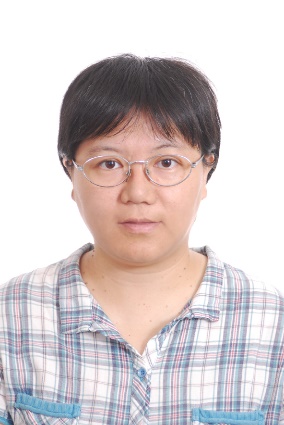 Xiangling Ren (任湘菱)合作论文数Technical Institute of Physics and Chemistry, Chinese Academy of Sciences;University of Chinese Academy of Sciences16
 Lin Xu (徐林)合作论文数School of Chemistry and Materials Science, Nanjing Normal University16Jianguo Liu合作论文数Hefei Institutes of Physical Science, Chinese Academy of Sciences;Anhui Institute of Optics and Fine Mechanics, Chinese Academy of Sciences16
 Tianlong Liu (刘天龙)合作论文数College of Veterinary Medicine, China Agricultural University16
 Hui Liu (刘慧)合作论文数South China Botanical Garden, Chinese Academic of Sciences;University of Chinese Academy of Sciences14Danye Liu合作论文数14
 Ruifeng Kan (阚瑞峰)合作论文数中国科学院合肥物质科学研究院14
 Longfei Tan (谭龙飞)合作论文数Technical Institute of Physics and Chemistry, Chinese Academy of Sciences13Qing Zeng合作论文数12
 Aiguo Wu (吴爱国)合作论文数Division of Functional Materials and Nanodevices, Ningbo Institute of Materials Technology and Eingeering, Chinese Academy of Sciences;University of Chinese Academy of Sciences;School of Medicine, Northwestern University12Shiyan Zhang合作论文数12Min Wang (王敏)合作论文数Chinese Academy of Sciences Qinghai Institute of Salt Lakes11YanQi Zhang合作论文数11Xiaoli Wu合作论文数10
 Zhian Ren (任治安)合作论文数University of Chinese Academy of Sciences;Institute of Physics, Chinese Academy of Sciences10
 Nanjing Hao (郝南京)合作论文数School of Chemical Engineering and Technology, Xi'an Jiaotong University10
 Hongguang Sun (孙洪广)合作论文数College of Mechanics and Engineering Science, Hohai University;School of Mathematics, Hohai University10
 Nanjing Zhao (赵南京)合作论文数University of Science and Technology of China;Anhui Institute Of Optics and Fine Mechanics, Chinese Academy Of Sciences10
 Zhengtao Deng (邓正涛)合作论文数College of Engineering and Applied Sciences, Nanjing University10
 Shengli Zhuang合作论文数Key Laboratory of Materials Physics; Anhui Key Laboratory of Nanomaterials and Nanotechnology; CAS Center for Excellence in Nanoscience; Institute of Solid State Physics; Chinese Academy of Sciences; Hefei 230031 P. R. China9
 Zhikun Wu (伍志鲲)合作论文数Institute of Solid-State Physics, Hefei Institutes of Physical Science, Chinese Academy of Sciences;University of Chinese Academy of Sciences9
 Chaoquan Hu (胡超权)合作论文数Institute of process engineering, Chinese Academy of Sciences;University of Chinese Academy of Sciences9Changhui Fu合作论文数9
 Yong Zhang (张勇)合作论文数Department of Geological Sciences,University of Alabama9
 Xinglu Huang (黄兴禄)合作论文数College of Life Sciences, Nankai University9
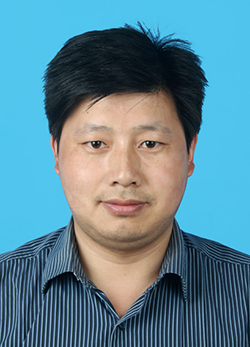 Genfu Chen (陈根富)合作论文数State Key Lab for Superconductivity, Institute of Physics, Chinese Academy of Sciences;University of Chinese Academy of Sciences9Li He (李贺)合作论文数8Yiben Cui合作论文数8Zhanhai Yang合作论文数8
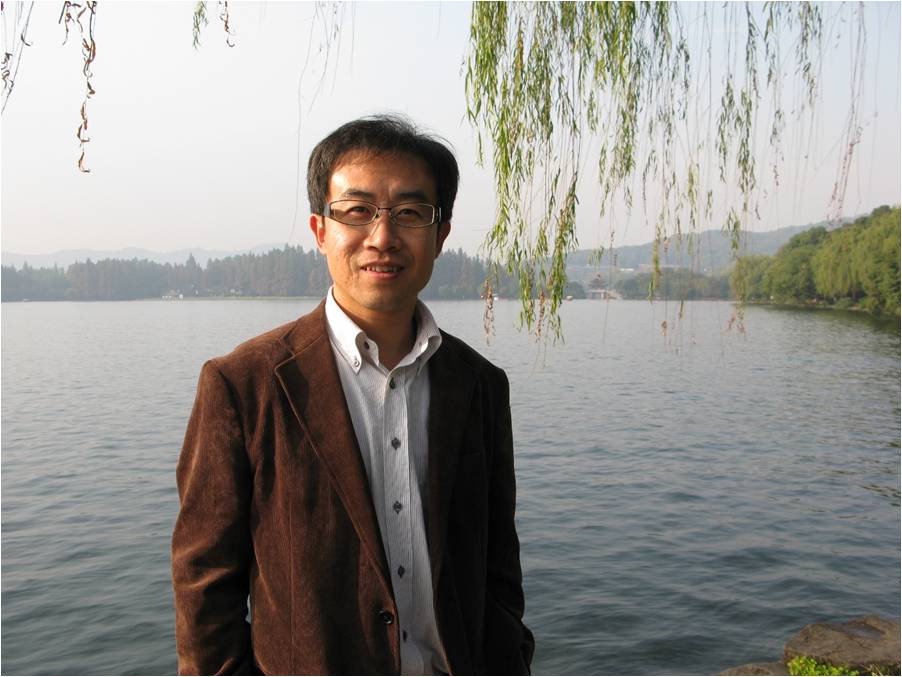 Xiuxun Han (韩修训)合作论文数中国科学院兰州化学物理研究所8Liao Lingwen合作论文数中国科学院合肥物质科学研究院8
 Kan Zhou (周侃)合作论文数Institute of Geographic Sciences and Natural Resources Research, Chinese Academy of Sciences;University of Chinese Academy of Sciences8Yujie Zhang (张玉杰)合作论文数8
 Jitao Chen (陈继涛)合作论文数College of Chemistry and Molecular Engineering, Peking University8Jiuying Chen (陈玖英)合作论文数8Shaonan Tian合作论文数7
 Peng Bo (彭波)合作论文数National Engineering Research Center of Electromagnetic Radiation Control Materials, University of Electronic Science and Technology of China;High Magneto-Electro-Optical Lab, University of Electronic Science and Technology of China;School of Electronic Science and Engineering, University of Electronic Science and Technology of China7




