Head and neck squamous cell carcinoma (HNSCC) is the sixth most common cancer globally, with a 5-year survival rate of approximately 46 %. Although surgery, radiotherapy, and chemotherapy effectively treat HNSCC, they often cause severe side effects, including mucositis, salivary gland damage, osteonecrosis of the jaw, and other persistent adverse events. In contrast, heat stress-based therapies provide a precise, minimally invasive, and effective alternative. This study aimed to perform an in-depth bibliometric analysis of heat stress-based therapies for HNSCC over the past three decades, with a focus on identifying key trends, innovations, and future challenges, particularly in integrating nanotechnology with molecular therapies. Major research areas include heat shock protein (HSP) metastatic phenotypes, functions, and mechanisms; innovative detection methods and research tools; emerging therapies and pharmaceutical developments; and nanomaterials combined with photothermal therapy for HNSCC treatment. The findings of this study highlight HSPs and nanomaterials as hotspot areas of recent investigation. Additional exploration was done regarding novel detection methods and treatment strategies, especially in the context of precision medicine and minimally invasive approaches. This study offers valuable insights into future HNSCC treatment directions and essential guidance for researchers and clinicians in the field.
Artificial intelligence (AI) chatbots powered by large language models (LLMs) show promise in human-like responses, yet their utility for complex biomedical issues remains uncertain. We evaluated four leading LLMs, including ChatGPT-5.2, Claude 4.5 Sonnet, Gemini 3.0 Pro, and DeepSeek-R1, on their performance in addressing queries related to bone metastasis (BM) and cancer-induced bone pain (CIBP). Using 18 structured questions derived from bibliometric analysis, we assessed responses across research, clinical, and patient perspectives. Qualitatively rating based on accuracy, readability, completeness, conciseness, and empathy demonstrated that LLMs efficiently provide intuitive information regarding BM and CIBP. However, due to limitations such as data bias, weak interpretability, and ambiguous accountability, these tools should be regarded as supportive assistants under human experts’ supervision. Although LLMs hold substantial promise for the medical field, it is essential to optimize model architecture and develop comprehensive evaluation standards for specialized domains.
The development of in situ tumor vaccines has been limited by the lack of delivery systems with precise tumor selectivity. Here, we show that mitochondria from cancer-associated fibroblasts (CAFs) exhibit an efficient tumor-homing property. We find that enrichment of the RHOT1/2 complex on the mitochondria mediates selective uptake by cancer cells through ITSN1-dependent clathrin endocytosis. Using this insight, we engineer RHOT1/2-enriched mitochondrial outer membranes into nanoscale vesicles (RMNPs) that preserve this intrinsic targeting capacity. In multiple mouse cancer models, RMNPs loaded with an immune-stimulating agent (TLR7/8 agonist) and gold nanoparticles enable photothermal therapy, which releases tumor antigens and activates antigen-presenting cells. This generates strong CD8⁺ T cell responses and long-lasting protection against tumor rechallenge. These findings reveal a fundamental organelle-based mechanism of selective intercellular targeting and establish a mechanism-driven platform with translational potential for cancer immunotherapy, highlighting how natural cellular and molecular biology can be harnessed for precision medicine.
Lactate has evolved from being regarded as a byproduct of glycolysis to a pivotal regulator of cancer metabolism and signaling. The Warburg effect underscores how elevated lactate production meets the biosynthetic demands of highly proliferative cancer cells, while shaping an immunosuppressive tumor microenvironment (TME) that supports cancer growth and metastasis. The discovery of lactylation, a novel post-translational modification, has further expanded the conceptual landscape, revealing how lactate serves as both a metabolite and a signaling molecule that couples metabolic reprogramming with gene regulation. This review delineates how lactate dynamically shuttles through the TME and boosts cancer malignancy, including proliferation, metastasis, drug resistance, and immune evasion. Also, this review integrates and discusses how lactate-driven lactylation bridges metabolic and epigenetic control. Furthermore, emerging therapeutic strategies targeting lactate metabolism and lactylation are summarized, revealing their promise in cancer immunotherapy. Collectively, a comprehensive perspective is provided on the multifaceted roles of lactate and lactylation in cancer biology and, more importantly, highlights potential translational avenues for clinical applications.
Chemodynamic therapy (CDT) represents a novel strategy for the safe treatment of malignant melanoma. It capitalizes on transition metal-catalyzed Fenton-like reactions to generate hydroxyl radicals (center dot OH) that directly eradicate tumor cells. However, its efficacy is hindered in the tumor microenvironment (TME) by low endogenous hydrogen peroxide (H2 O2 ) levels and high glutathione (GSH) content. To overcome these limitations, an injectable self-healing adipic dihydrazide (ADH)-modified hyaluronic acid (HA) (HA-ADH)/aldehyde terminated polyethylene glycol (PEG-CHO)/PVP-cupric peroxide (CuO2 ) nanoparticles (HPC) hydrogel was developed. This hydrogel system is injectable, pH-responsive, self-healing, and enables sustained GSH depletion through dual Cu2 + /center dot OH-mediated mechanisms. The HPC hydrogel system not only compensates for the TME's endogenous H2 O2 deficiency through self-generated H2 O2 but also disrupts redox homeostasis via GSH oxidation, thereby inactivating glutathione peroxidase 4 (GPX4) and promoting lipid peroxide accumulation to trigger ferroptosis in melanoma cells. Such a strategy represents a promising approach to achieve enhanced CDT and potent ferroptosis induction by synergizing dual GSH-depleting cycling and self-sufficient H2 O2 generation. (c) 2025 Published by Elsevier B.V. on behalf of Chinese Chemical Society and Institute of Materia Medica, Chinese Academy of Medical Sciences.
Head and neck squamous cell carcinoma (HNSCC) involves aggressive invasion at the tumor-host interface, particularly at the leading edge. However, the mechanisms sustaining this invasive front remain unclear. Here, we performed spatially resolved multiomics profiling to characterize the leading-edge multicellular ecosystem (LEMCE) of HNSCC. We identified a set of twelve autocrine ligands, including TGFB1, ICAM1, and TNC, that support a stable invasive transcriptional state. Impaired fatty acid (FA) degradation in this region enhances autocrine ligands and amplifies proinvasive gene expression. Spatial single-cell analysis revealed that the specific resident cells in the LEMCE, which exhibited increased expression of autocrine ligands and impaired FA degradation, participated in a fibroblast-macrophage-T cell interaction circuit involving MMP1+ fibroblasts and C1QC+/SPP1+ macrophages, followed by interactions between C1QC+ macrophages and cytotoxic T cells. These interactions may contribute to the structural organization and immunosuppressive features of the LEMCE. Therapeutically, targeting this niche via a combination of autocrine cytokine blockade, FA metabolic restoration, and PD-1 immune checkpoint inhibition suppressed invasion, reduced metastasis, and prolonged survival in mouse models. Our findings define the LEMCE as a self-reinforcing invasive and immunosuppressive niche and highlight its potential as a targetable vulnerability in HNSCC.
Chronic liver disease (CLD) poses a significant global health challenge, and liver fibrosis is a crucial process in the pathogenesis of CLD. However, effective interventions to halt and reverse the progression of liver fibrosis remain elusive. This study investigated the potential of the nicotinamide phosphoribosyltransferase (NAMPT) inhibitor FK866 in treating diethylnitrosamine (DEN)-induced liver fibrosis in mice. We first demonstrated that DEN-induced hepatic fibrosis in mice was accompanied by upregulation of hepatic NAMPT and poly (ADP-ribose) polymerase 1 (PARP1) expression. Administration of FK866 inhibited the increase in alanine aminotransferase and aspartate aminotransferase levels and reversed the histopathological changes associated with DEN-induced liver fibrosis. It also suppressed the elevated expression of fibrotic markers, such as fibronectin, collagen IV, laminin, and α-smooth muscle actin. Further studies revealed that this therapeutic effect was achieved by inhibiting the NAD+ level, as well as the protein expression of NAMPT, PARP1, and inflammatory factors, including interleukin-1β (IL-1β), IL-6, tumor necrosis factor-α, and P65. In conclusion, FK866 exhibits therapeutic potential for the treatment of liver fibrosis.
Background: Head and neck squamous cell carcinoma (HNSCC) is associated with considerable morbidity and mortality, necessitating the development of novel therapeutic strategies. Adoptive cell therapy (ACT) and gene therapy are validated strategies for HNSCC treatment; however, both strategies have limitations when used alone in HNSCC and their synergistic integration requires further exploration to establish effective delivery platforms. In this study, we designed a double-layered scaffold based on photocurable hydrogel to combine mRNA gene therapy and ACT. And we aimed to validate the potential of this co-delivery scaffold in HNSCC treatment. Methods: An implantable, double-layered, spherical scaffold was designed using a photocurable hydrogel gelatin methacryloyl (GelMA) with suitable mechanical strength and compressive properties. This scaffold incorporated primary T cells derived from mouse lymph nodes within the inner layer and a DOTAP-mPEG-PCL (DMP)/mBim mRNA-based gene therapy complex within the outer layer. Characteristics of the scaffold and delivery capacity of DMP nanoparticles were first measured. Then the active functions of both therapeutic components were tested separately. The synergistic therapeutic efficacy of the scaffold was further validated using mouse subcutaneous and mandibular invasion models. The immune activation and killing processes associated with sequential release were measured in this process. Results: A double-layered spherical scaffold was produced and the DMP-mBim complex was characterized. The proliferation-inhibiting effect of the gene therapy complex on HNSCC cells was first demonstrated in vitro upon release, and the maintenance of T-cell bioactivity was confirmed. Results revealed the release process of two components during degradation of scaffold. The initially released DMP-mBim complex could induce immunogenic tumor cell death. Subsequently, tumor antigens generated during this process migrated into the scaffold along with the recruited dendritic cells (DCs). Activated T cells within the inner layer subsequently exerted tumor-killing effects after release. In HNSCC subcutaneous tumor and mandibular invasion models, local implantation of the double-layered scaffold effectively harnessed the synergistic effects of gene and cell therapies, inhibiting tumor growth and progression. Conclusion: The combination of DMP-mBim gene complex and T-cell therapies represents an effective immunotherapeutic strategy, and the sequential release of mRNA gene therapy and T cells within a double-layered hydrogel prolongs antitumor efficacy. This strategy presents a potential immunotherapeutic approach for HNSCC that warrants further validation to support its future clinical translation.
Background The vessel-depleted neck represents a distinct clinical entity in free flap reconstruction, yet its impact on flap outcomes remains controversial. This study aimed to compare the rate of free flap failure between vessel-depleted neck cases and ordinary cases in head and neck reconstruction, and to identify risk factors for flap failure while developing a perioperative predictive model. Methods We analyzed all vascularized free flap cases performed at our institution between July 2021 and June 2024. Cases were divided into training and testing sets based on surgery time. The association between vessel-depleted neck and flap failure was assessed. Multivariate logistic regression analysis was performed to identify independent risk factors for flap failure in the training set. A predictive model was subsequently constructed and validated using the testing set. Results Among 1,965 free flap cases in analysis, 61 cases in the training set ( n = 1, 506) were vessel-depleted neck cases. The incidence of flap failure in this subgroup was 4.9% (3/61), which was not significantly different from that in ordinary cases ( P = 0.552). Multivariate logistic regression analysis revealed that liver disease ( P = 0.001), maxillary disease location ( P = 0.001), titanium plate use ( P = 0.033), and surgical site infection ( P < 0.001) were significant independent risk factors for flap failure. Details regarding recipient vessels were also recorded. A perioperative predictive model incorporating these four factors was developed and demonstrated an area under the curve (AUC) of 0.782 in the testing set. Conclusion There was no significant difference in flap failure rates between vessel-depleted neck cases and ordinary cases. Liver disease, titanium plate use, maxillary disease location, and surgical site infection were identified as significant risk factors for flap failure. The developed predictive model demonstrated clinically useful discriminatory ability.
Transmembrane protein 92 (TMEM92) has been implicated in tumor progression in several malignancies, yet its role in head and neck squamous cell carcinoma (HNSCC) remains unclear. Here, we systematically investigated the expression pattern, clinical relevance, and biological functions of TMEM92 in HNSCC. Transcriptomic and clinical data from TCGA and GEO were analysed, including bulk, single-cell, and spatial transcriptomic data from GEO. TMEM92 was significantly upregulated in HNSCC, particularly in HPV-negative tumors, and high TMEM92 expression was independently associated with poor overall survival. Single-cell analysis revealed that TMEM92 expression was predominantly enriched in malignant cells. Functional analyses and in vitro experiments demonstrated that TMEM92 promoted cell proliferation, migration, invasion, epithelial–mesenchymal transition (EMT), and cisplatin resistance. Moreover, elevated TMEM92 expression was associated with lymph node metastasis, an immunosuppressive tumor microenvironment, and a poor predicted response to immunotherapy. These findings suggest that TMEM92 plays a critical role in HNSCC progression and may serve as a potential prognostic biomarker and therapeutic target.
Bisphosphonate-related osteonecrosis of the jaw (BRONJ) remains a challenging complication of bisphosphonate therapy because jaw extraction sockets exposed to bisphosphonates represent impaired wound environments rather than ordinary bone defects. This narrative review summarizes clinical, cellular, animal, and biomaterial evidence on the mechanisms that limit BRONJ repair and discusses how these pathological barriers can inform local material design. Current evidence suggests that BRONJ repair is constrained by impaired osteoclast-mediated remodeling, osteocyte and osteoblast dysfunction, oxidative stress, unresolved inflammation, angiogenic insufficiency, microbial challenge, mucosal instability, and changes in bone material properties. Biomaterial strategies investigated to date include local delivery of regenerative factors, restoration of remodeling activity, extracellular vesicles, nucleic acid nanostructures, platelet-derived matrices, antibacterial and ion-releasing hydrogels, angiogenic or lymphangiogenic systems, and mechanically adaptive scaffolds. Most studies remain preclinical and are based on rodent extraction or mandibular defect models, and few establish a direct causal link between a specific material property and durable BRONJ resolution. Future materials should be judged not only by their ability to enhance bone formation, but also by whether they can re-establish a sealed, vascularized, immune-balanced, and remodeling-competent socket capable of sustained jawbone repair.
This study investigated the role of ubiquitin specific peptidase 42 (USP42) in breast cancer proliferation, focusing on its modulation of apoptosis via the JNK/p38 signaling pathway. USP42 expression levels in breast cancer cell lines were assessed using western blotting and RT-qPCR. In vitro, cell proliferation was evaluated using CCK-8 assay and clonogenic assay assessed, while apoptosis was measured by flow cytometry evaluated. Western blotting was used to analyze the expression of apoptosis-related proteins and those associated with the JNK/p38 pathway. The effect of USP42 knockdown on breast cancer cell proliferation was examined in vivo using a xenograft nude mice model. USP42 protein levels were significantly higher in breast cancer tissues than in normal breast tissues. Moreover, USP42 expression was positively correlated with the advanced T stage, N stage, and pathological stage. USP42 knockdown in MCF7 and MDA-MB-231 cells resulted in decreased proliferation and increased apoptosis rates. USP42 silencing upregulated caspase-3 and Bax expression, while downregulating Bcl-2. Phosphorylation of JNK and p38 increased significantly following USP42 silencing. Treatment with SP600125 (JNK inhibitor) or SB203580 (p38 MAPK inhibitor) effectively recused JNK and p38 activation. Both inhibitors also reduced the apoptotic cell population, which was upregulated by USP42 silencing. These findings highlight USP42 promotes breast cancer progression by reducing JNK and p38 activation and inhibiting apoptosis, suggesting its potential as a therapeutic target in breast cancer treatment.
OBJECTIVES:Hereditary gingival fibromatosis (HGF) is a rare gingival disorder characterized by the slowly progressive, painless enlargement of the gums. This study aims to investigate a novel SOS1 mutation identified in a Chinese girl diagnosed with HGF. A comprehensive systematic review of the existing literature was conducted to enhance understanding of the clinical features and pathogenesis of HGF. STUDY DESIGN:The proband was a 9-year-old girl from the Yi ethnic group who presented with gum overgrowth. Whole-exome sequencing (WES) and Sanger sequencing were used for mutation analysis. Histological features were analyzed using staining techniques. The pathogenicity of the identified variants was evaluated using SIFT2, PROVEAN, Polyphen-2_HDIV and MutationTaster. Alterations in protein structure were analyzed using AlphaFold3. A systematic literature review was conducted following PRISMA guidelines. RESULTS:The patient presented with significant gingival overgrowth and hirsutism. Microscopic examination of the gingival specimens revealed elongated rete pegs penetrating into the fibrous connective tissue. Immunofluorescence staining indicated increased expression levels of MMP1, MMP3, and MMP13. WES identified 8 heterozygous variants, including a novel SOS1 mutation classified as potentially damaging. The systematic review included 52 articles, describing mutations in 23 genes and 12 chromosomal regions associated with HGF. CONCLUSIONS:This study identifies a novel mutation in the known HGF-related gene SOS1, which may potentially contribute to gingival overgrowth by disrupting the interaction between SOS1 and Grb2.
Cryoablation therapy for tumors has a long history of clinical application. Its anti-tumor mechanisms and histopathological changes have been well established, with extensive clinical practice demonstrating its safety and efficacy, theoretically making it an ideal modality for tumor treatment. Historically constrained by limitations in cryogenic media and freezing equipment, its therapeutic effectiveness and clinical adoption were significantly restricted. The emergence of new-generation cryoablation systems represented by Argon-Helium cryosurgical systems has achieved substantial advancements in refrigeration efficiency, ablation range precision, and temperature monitoring accuracy, thereby greatly promoting the widespread adoption of tumor cryoablation technology. This consensus systematically summarizes the mechanisms of cryoablation technology, indications for cryotherapy in head and neck mucosal melanoma, standardized clinical treatment protocols, management of adverse reactions, and related principles. It aims to provide authoritative references for standardizing cryoablation therapy in the treatment of head and neck mucosal melanoma.
OBJECTIVE:Betel-chewing-related oral squamous cell carcinoma (BCR-OSCC) has become a global health issue with increasing incidence year by year around the world. Active prevention of the occurrence of BCR-OSCC, monitoring the population exposed to Betel Nuts, and early diagnosis and treatment are very important to maintain and improve the quality of life of patients. However, there is currently no consensus or guideline that provides targeted guidance on the management of BCR-OSCC. SUBJECTS AND METHODS:A consensus panel consisting of 15 leading Chinese experts from multidisciplinary fields was convened, and a roundtable meeting was held to discuss the topics of BCR-OSCC. RESULTS:Based on existing research reports and the experts' clinical experiences, a consensus on staging, diagnosis, and treatment for BCR-OSCC was formed through extensive discussion. CONCLUSION:This manuscript presents consensus recommendations and a summary of evidence supporting each recommendation. This consensus may improve clinical practices about BCR-OSCC in China and propel more clinical trials to provide high-level evidence for BCR-OSCC management.
OBJECTIVE:Age-related alveolar bone resorption poses a major dental health challenge, yet its mechanisms and treatments are poorly understood. This study investigates the impact of dasatinib and quercetin (D + Q) treatment on senescent cells (SnCs), senescence-associated secretory phenotype (SASP), and neutrophil infiltration in aged alveolar bone, aiming to develop new strategies for combating age-related bone resorption. METHODS:C57BL/6 mice (2 and 18 months) were used to examine alveolar bone resorption, inflammaging, and neutrophil infiltration. Aged mice received D + Q treatment to assess therapeutic effects. Key measurements included cementoenamel junction to the alveolar bone crest (CEJ-ABC) distance, periodontal ligament (PDL) thickness, osteometabolism markers, SnCs accumulation, SASP expression, and neutrophil infiltration. RESULTS:Aged alveolar bone showed increased CEJ-ABC distance, atrophied periodontal ligament, and unbalanced osteometabolism, along with elevated SnCs, SASP, and neutrophils compared to young controls. D + Q treatment improved these conditions by reducing CEJ-ABC distance, enhancing periodontal ligament health, and boosting bone metabolism. It also lowered the expression of SnCs, SASP, and neutrophil markers. CONCLUSION:D + Q treatment effectively mitigates alveolar bone aging by clearing SnCs, lowering SASP levels, and reducing neutrophil aggregation, presenting a novel approach for age-related bone resorption.
Pancreatic ductal adenocarcinoma (PDAC) remains a highly fatal malignancy, with inadequate therapeutic strategies and an adverse prognosis. Gene therapy raises a prospective option to overcome the challenges posed by conventional therapeutic strategies. The CX3CL1-CX3CR1 axis plays a critical role in promoting tumor cell proliferation, migration, and metastasis in PDAC. Targeted delivery of small interfering RNA (siRNA) against CX3CR1 through M1 phenotype macrophage extracellular vesicles is a potential strategy to achieve accurate PDAC treatment. This study sought to investigate the therapeutic potential of siRNA specifically targeting CX3CR1 in PDAC via loading into extracellular vesicles (EVs) derived from M1 macrophages, evaluating its therapeutic efficacy through in vitro and in vivo experiments. The results demonstrated that siCX3CR1 was successfully incorporated into extracellular vesicles originating from M1 macrophages. M1 EV/siCX3CR1 significantly inhibited the proliferation and migration of AsPC-1 cells in vitro. In the AsPC-1 subcutaneously transplanted tumor model, M1 EV/siCX3CR1 also exhibited a significant tumor-suppressive effect. Overall, the loading of siCX3CR1 into M1 EVs holds promise as a potential therapeutic approach for pancreatic cancer treatment in the future.
This study aims to unravel the mechanisms underlying M2 macrophage polarization in head and neck squamous cell carcinoma (HNSCC), and identify potential therapeutic targets. We conducted an integrated bioinformatic analysis using HNSCC bulk transcriptomes from TCGA and GEO databases to pinpoint critical factors influencing M2 macrophage polarization and tumor prognosis. The significance of these genes was validated in function analysis, single-cell transcriptome datasets, and in vitro experiments. Their mechanisms in modulating M2 macrophage polarization were further explored by gene knockdown, cell coculture, and other assays for quantification. We identified a novel prognostic signature of five genes associated with M2 macrophage infiltration, in which SCG2 emerged as a pivotal factor in M2 macrophage polarization in HNSCC. High expression of SCG2 in tumor patients correlated with poorer prognoses, and knocking down SCG2 reduced the proliferation and migration of HNSCC cells, disrupting M2 macrophage polarization. Furthermore, interference of SCG2 resulted in a significant decrease in the secretion of pro-tumor cytokines such as CCL2 and TGFβ1. Our findings provide deeper insights into the pathogenesis of HNSCC and offer promising therapeutic targets for HNSCC, especially SCG2, to inhibit M2 macrophage polarization and modulate cytokine secretion.
 Chunjie Li合作论文数73YuMing Wen (温玉明)合作论文数70Chang-mei WANG (王昌美)合作论文数47Yi Li合作论文数37
 Jian Pan (潘剑)合作论文数四川大学华西口腔医学院35Bo Li (李博)合作论文数31Chenzhou Wu合作论文数26Ning Gao (高宁)合作论文数21Hui Xia (夏辉)合作论文数18
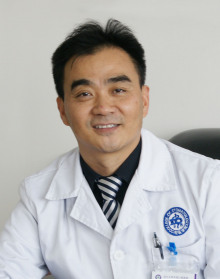 Qianming Chen (陈谦明)合作论文数West China School Hospital of Stomatology, Sichuan University;School of Medicine, Zhejiang University18Li Zhang (张力)合作论文数17
 Zhuang Zhang (张壮)合作论文数17LunChang Wang (王伦昌)合作论文数17HongWei Zhao (赵洪伟)合作论文数17Bo Han (韩波)合作论文数Hospital of Stomatology, Sichuan University17
 Xiaoyi Wang (王晓毅)合作论文数华西医科大学口腔医学院17
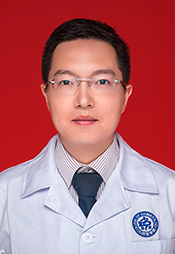 Huixu Xie (谢蟪旭)合作论文数West China School of Stomatology, Sichuan University17
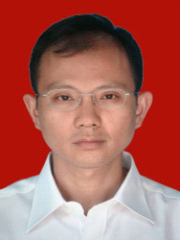 Guilin Huang (黄桂林)合作论文数Oral and Maxillofacial Surgery, School of Stomatology, Zunyi Medical University17Yongqiang Yang合作论文数16Zhuoyuan Zhang合作论文数16Li Tang (唐俐)合作论文数16Xianghe Qiao合作论文数14Ke Lei (雷科)合作论文数14Yi Shen (沈宜)合作论文数14
 Yi Men (门艺)合作论文数13Tao Yu合作论文数13
 Jing Li (李敬)合作论文数West China School of Stomatology, Sichuan University13
 Wenbin Yang合作论文数12Jiayi Huang合作论文数12
 Yuming Wen合作论文数12
 Yubin Cao合作论文数11
 Moyi Sun (孙沫逸)合作论文数中国人民解放军第四军医大学11Zhe Liu (刘哲)合作论文数West China Hospital of Stomatology, Sichuan University11
 Xin Zeng (曾昕)合作论文数11
 Guiquan Zhu (朱桂全)合作论文数Department of Stomatology, Sichuan Cancer Hospital;Sichuan Key Laboratory of Radiation Oncology, School of Medicine, University of Electronic Science and Technology of China11Cheng Miao合作论文数10
 Zhangui Tang (唐瞻贵)合作论文数Hunan Xiangya Stomatological Hospital, Central South University10
 Takehito Ouchi合作论文数School of Medicine, Keio University10
 Kai Yang (杨凯)合作论文数重庆医科大学附属第一医院口腔颌面外科10
 Wei Guo (郭伟)合作论文数Shanghai Ninth People’s Hospital, Shanghai Jiao Tong University School of Medicine10
 Lu Jiang (江潞)合作论文数四川大学华西口腔医学院10
 Zongdao Shi (史宗道)合作论文数10shensui li (李审绥)合作论文数9Ning Ji合作论文数9Kai Hu合作论文数9Bowen Zhang合作论文数9Lin Ling合作论文数9
 Jian Meng (孟箭)合作论文数Department of Stomatology, Xuzhou Central Hospital9




