Ethnopharmacological relevance: Lonicerae japonicae flos (LJF) is a traditional Chinese medicine with the function of heat-clearing and detoxifying. And it is the sovereign drug in Si-Miao-Yong-An decoctions to treat heart failure in clinics. Though the pharmacological effects of LJF are reported widely, the protective effects of LJF on heart failure remain elusive. Emerging evidence exhibits that Myocardial fibrosis (MF) is a common pathological process in several cardiovascular diseases and is closely related to a prognosis of heart failure.Aim of the study: To explore the pharmacological effects of LJF and its main active ingredients Chlorogenic acid (CGA) on heart failure and the concrete mechanisms.Materials and methods: Isoproterenol hydrochloride (ISO) was used to induce MF in C57BL/6 mice. Transforming growth factor beta (TGFβ) induced neonatal rat-derived cardiac fibroblasts (CFs) were treated with different concentrations of CGA. The cardiac function was evaluated by echocardiography. Cardiac and CFs morphology were examined by pathological staining. RT-PCR and Western blot were used to detect the key regulators of the fibrosis regulatory pathway. Cell cycle distribution and cell apoptosis were analyzed by flow cytometry.Results: (1) LJF significantly improved cardiac function in ISO-induced heart failure and cardiac fibrosis. The ejection fraction (EF) and fractional shortening (FS) in LJF (M) and the LJF (H) groups were increased compared with Model group. (2) CGA restrained CF migration and promoted apoptosis. (3) Both LJF and CGA significantly diminished the expression of Col 1, Col 3, α-SMA and inhibited the levels of p38 and TAK1.Conclusion: LJF and CGA could improve MF by inhibiting the TGFβ1-TAK1-p38 signaling pathway. These findings provided a mechanistic underpinning for the cardio protective association of LJF and CGA. More broadly, LJF and CGA may warrant further investigation as novel therapeutic targets in MF.
中医基础课程包括《中医基础理论》《中医诊断学》《中药学》与《方剂学》,是中医学专业学生的必修课程.目前,中医药院校的培养是多元化的,既要保证高精尖的中医医院专业人才的培养,又要保证围绕中医治病救人的各个环节专业人才培养,其中包括中药相关的药学研究及销售人员、与医院相关的管理人员、与医患相关的法律人员等的培养.这些人才的培养,是围绕中医医疗的各个环节所设,但又有别于直接参与中医医疗的中医专业人才.这些专业学时有限,且有大量时间用于学习非医学类课程,故而在有限的课程教学时数前提下,合理而科学地设置这类课程,对提高学生学习效率、调动学生学习热情显得十分必要.
目的 探讨中药防治化疗药物心脏毒性的一般规律.方法 检索1988年1月-2017年10月收录于中国期刊全文数据库(CNKI)的中药干预化疗药引起心脏毒性的相关文献,按照制定的纳入和排除标准筛选文献,采用频数统计的方法,归纳中药干预化疗药物心脏毒性的一般规律.结果 纳入文献279篇,包括中药126味,使用频次前10位为人参、黄芪、麦冬、丹参、甘草、五味子、附子、党参、三七、川芎;中药制剂剂型中注射剂和汤剂居多;常用中药组合为人参-麦冬、人参-麦冬-五味子、人参-黄芪、人参-附子、桂枝-甘草;根据中药的功效进行分类,功效频次前3位为补虚药(462次)、活血化瘀药(97次)、清热药(53次).结论 中药干预化疗药所致心脏毒性的治则以补虚为主,常用补虚、活血、清热、温里等药物.
刘春莹主任医师是陕西省名中医,陕西中医药大学十大名医,治疗儿童难治性肾病综合征(RNS)具有丰富经验,刘老师认为RNS是种本虚标实之证,即肺脾肾亏虚为基本病机,痰浊瘀血为病理基础,临床强调肺脾肾三脏同治,尤其注重补益肺气,防止外感,常用玉屏风散加减方,同时全程兼顾活血化瘀,通过辩证施治,从而减少NS复发率;同时注重个体差异性,通过调整激素以及免疫抑制剂运用时间以及剂量个体化从而达到减少RNS复发次数的目的,通过中西医结合治疗难治性肾病综合征(RNS)一方面减少RNS复发次数,另一方面降低激素及免疫抑制剂的副作用,从而为临床治疗难治性肾病综合征(RNS)提供了一定的思路.
The traditional Chinese herb Lonicerae Japonicae Flos has shown significant clinical benefits in the treatment of heart failure, but the mechanism remains unclear. As the main active ingredient found in the plasma after oral administration of Lonicerae Japonicae Flos, chlorogenic acid (CGA) has been reported to possess anti-inflammatory, anti-oxidant and anti-apoptosis function. We firstly confirmed the cardioprotective effects of CGA in transverse aortic constriction (TAC)-induced heart failure mouse model, through mitigating the TNF-alpha-induced toxicity. We further used TNF-alpha-induced cardiac injury in human induced pluripotent stem cell-derived cardiomyocytes (hiPSC-CMs) to elucidate the underlying mechanisms. CGA pre-treatment could reverse TNF-alpha-induced cellular injuries, including improved cell viability, increased mitochondrial membrane potential and inhibited cardiomyocytes apoptosis. We then examined the NF-kappa B/p65 and major mitogen-activated protein kinases (MAPKs) signalling pathways involved in TNF-alpha-induced apoptosis of hiPSC-CMs. Importantly, CGA can directly inhibit NI-kappa B signal by suppressing the phosphorylation of NF-kappa B/p65. As for the MAPKs, CGA suppressed the activity of only c-Jun N-terminal kinase (JNK), but enhanced extracellular signal-regulated kinasel/2 (ERK1/2) and had no effect on p38. In summary, our study revealed that CGA has profound cardioprotective effects through inhibiting the activation of NF-kappa B and JNK pathway, providing a novel therapeutic alternative for prevention and treatment of heart failure.
The traditional Chinese herb Lonicerae Japonicae Flos has been used to treat various diseases including heart failure, showing significant benefits in the clinical practice. However, the mechanism of its cardioprotective effects remains unclear. As the main active ingredient found in the plasma after oral administration of Lonicerae Japonicae Flos , chlorogenic acid (CGA) has been reported to possess anti-inflammatory, anti-oxidant, anti-apoptosis and analgesic function. To investigate whether the cardioprotective effects of Lonicerae Japonicae Flos is through CGA, we applied Transverse Aortic Constriction (TAC)-induced heart failure mouse model, to access the effects of CGA. The results of in vivo experiments show that CGA has cardioprotective effects and could mitigate the TNF-α(Tumor necrosis factor-alpha) induced toxicity in TAC heart failure mouse model. Therefore, we further used TNF-α-induced cardiac injury in human induced pluripotent stem cell-derived cardiomyocytes (hiPSC-CMs) to explore whether CGA have cardioprotective effects and elucidate the underlying mechanism(s). CGA pretreatment could reverse TNF-α induced cellular injuries, including improved cell viability, increased mitochondrial membrane potential and inhibited cardiomyocytes apoptosis. We then examined the NF-κB/p65 and major MAPKs signaling pathways involved in TNF-α induced apoptosis of hiPSC-CMs. Importantly, both CGA and NF-κB inhibitor (QNZ) can reverse the cell viability impairment and apoptosis phenotypes. Moreover CGA can directly inhibit NF-κB signal by suppressing the phosphorylation of NF-κB/p65. As for the MAPKs, CGA suppressed the activity of JNK only, but enhanced ERK1/2 and had no effect on p38. In summary, our study revealed that CGA has profound cardioprotective effects through inhibiting the activation of NF-κB and JNK pathway, providing a novel therapeutic alternative for prevention and treatment of heart failure.
胸痹作为中老年人的常见病、多发病,日益威胁着广大中老年人群的身心健康.根据胸痹常见体质类型分布的流行病学调查得知:气虚质、血瘀质、痰湿质、阳虚质为胸痹的易患体质,文章论述了这4种体质人群的体质特征、易发胸痹的病机、临床表现,并总结了这4种体质类型胸痹的辨体-辨病-辨证三辨诊疗模式的方药临证要点.
目的:围绕“中医体质”开展系统的文献计量和可视化分析,探索中医体质领域40余年的发展状况、研究热点和前沿动态.方法:以中国知网数据库(CNKI) 1975年至2017年收录的所有相关文献为对象,开展计量学分析.同时,运用CiteSpace 5.1对文献进行机构、关键词的共现分析、绘制相关可视化图谱.结果:共获得5 882篇相关文献.通过计量分析找到了文献高产机构和代表性研究者及其团队.可视化分析结果表明,“中医体质辨识”“糖尿病”和“危险因素”是突显强度最高的3个关键词.结论:图谱初步直观地展示了该领域发展趋势,揭示了研究热点,治未病和疾病的危险因素将是未来体质研究的重点方向.
Objective: The aim of this study was to determine whether Si-Miao-Yong-An decoction (SMYAD) could ameliorate pressure overload-induced heart hypertrophy and its mechanisms. Methods: C57BL/6 mice were subjected to either sham or transverse aortic constriction (TAC) surgery to induce heart hypertrophy. SMYAD (14.85 g/kg/day, ig) or captopril (16.5 mg/kg/day, ig) was administered to the mice for 4 weeks. Cardiac function was evaluated based on echocardiography. Heart hypertrophy was detected using hematoxylin and eosin or wheat germ agglutinin staining. Protein expression of CD41, CD61, and P-selectin were measured with Western blot and immunohistochemistry. The expression levels of atrial natriuretic peptide, brain natriuretic peptide, β-myosin heavy chain, β-thromboglobulin, and von Willebrand factor were evaluated by quantitative polymerase chain reaction. Results: Four weeks after TAC, mice developed exaggerated cardiac hypertrophy and demonstrated a strong decrease in left ventricular ejection fraction compared with sham (29.9 ± 9.3% versus 66.0 ± 9.9%; P < 0.001). Conversely, SMYAD improved cardiac dysfunction with preserved left ventricular ejection fraction (66.5 ± 17.2%; P < 0.001). Shortening fraction was increased by SMYAD, while the left ventricular internal diameter and left ventricular volume were decreased in SMYAD group. SMYAD treatment significantly attenuated cardiac hypertrophy as reflected by the inhibition of atrial natriuretic peptide, brain natriuretic peptide, β-myosin heavy chain mRNA expression, and by the decreasing of cardiac myocyte cross-sectional area. Furthermore, Western blot and immunohistochemistry indicated that the protein expression of platelet aggregation markers (CD41 and CD61) and platelet activation marker (P-selectin) were significantly higher in model mice compared with control. These pathological alterations in TAC-induced mice were significantly ameliorated or blocked by SMYAD administration. Conclusions: Our results suggested that SMYAD exerted its effect by inhibiting platelet aggregation and activation as revealed by CD41/CD61/P-selectin downregulation. Inhibition the activation of the platelets might contribute to the therapeutic effect of SMYAD in failing heart.
Objective: To assess the effects and associated risks of Chinese herbal medicine (CHM) for diabetic foot ulcer (DFU). Methods: We systematically searched seven electronic databases for randomized controlled trials (RCTs) about Chinese herbal medicines for treating diabetic foot ulcers. The methodological quality of RCTs was assessed by the Cochrane risk of bias tool. Data was synthesized using review manager (RevMan) 5.3. Meta-analysis was conducted if the data were available. A summary of finding table was generated by The GRADEpro Guideline Development Tool (GDT) online. Results: Forty-nine RCTs, all conducted in China, involving 3646 participants were included. Most of the included trials had unclear or high risk of bias. Twenty-six trials could be pooled in five Meta-analyses, the remaining trials could not be pooled due to the obvious clinical heterogeneity. Only low evidence showed CHM therapy may have 42%-60.4% participants healed completely after treatment, approximately twice (RR 1.42-1.76) as much as the healed rates in conventional therapy (or plus hot water foot bath) group. Majority of the included trials reported benefit of CHM group on shortening healing time (4-23 days) and reducing ulcer wound size (at least 2 cm(2)). No serious adverse events were reported related to the medication in all trials. Conclusion: Weak evidence showed benefit of CHM as add-on treatment of conventional therapy on increasing number of ulcer heals in patients with DFU. That's about twice the healing rate of the conventional treatment (or plus hot water foot bath) group. With insufficient information, we could not draw confirmative conclusion on safety of CHM administration. These findings need to be tested in further large, rigorous trials.
2017年的《中国心血管病报告》显示,中国心血管疾病(cardiovascular disease,CVD)的患病率和病死率仍处在上升阶段,CVD死亡占居民死亡构成的40%以上,现患人数约2.9亿,心血管疾病的治疗仍面临严峻挑战,成为当今社会的重大公共卫生问题.心血管疾病所造成的心肌损伤表现出具有正常收缩功能的心肌细胞数量的相对或绝对减少,受损的心肌细胞通过纤维组织瘢痕修复,未受损的心肌细胞出现代偿性肥大,造成心肌收缩功能下降,最终导致心力衰竭.在这过程中心肌细胞的再生能力受限成为制约心血管疾病治疗的瓶颈,利用干细胞修复衰竭的心肌细胞为突破这一瓶颈带来希望.
心力衰竭(Heart Failure,HF)是各类心血管疾病的终末阶段,近年来随着高血压、冠心病等心血管疾病发病率的增加,最终发展为心力衰竭的人群也逐渐庞大.氧化应激(Oxidative Stress,OS)是指体内氧化与抗氧化作用失衡,导致中性粒细胞炎性浸润,蛋白酶分泌增加,产生大量氧化中间产物,对机体产生一种负面作用.大量研究证明,氧化应激在心力衰竭的发生发展过程中发挥了重要作用.通过探讨氧化应激反应在心力衰竭中的作用机制,为预防及治疗心力衰竭提供新的思路及研究方向.
Si-Miao-Yong-An decoction (SMYAD), a Chinese herbal formula, has been used in treating ischemic cardiovascular diseases. However, the cardioprotective mechanism of SMYAD treating heart failure (HF) remains unclear. Herein we investigated the effect of SMYAD on isoprenaline (ISO)-induced HF in C57BL/6 mice. Cardiac function and pathological changes in myocardial tissue were evaluated as well as A-type natriuretic peptide (ANP) and brain natriuretic peptide (BNP) expression. The underlying mechanism of SMYAD was deciphered using UHPLC MS/MS coupled with bioinformatics and was verified. SMYAD treatment significantly ameliorated cardiac function, reduced collagen deposition and cardiomyocyte apoptosis, reversed cardiac hypertrophy and down-regulated the expression levels of ANP and BNP mRNA compared with those in HF mice. Decipherment analyses based on 138 ingredients prompted that anti-oxidation was the key mechanism of SMYAD treating HF. In vitro and in vivo, SMYAD showed antioxidant activity, significantly up-regulated superoxide dismutase (SOD)-1 and SOD-2 mRNA expression levels and reduced NADP/NADPH ratio. Moreover, the increased expression levels of NADPH oxidase 2 (NOX2), p47phox and Rac family small GTPase 1 (Rac1) were obviously ameliorated after SMYAD treatment. Together, this study reveals that SMYAD can apparently improve heart function of ISO-induced HF mice by inhibiting the myocardial oxidative stress through restoring the equilibrium of SOD and NOX2.
[目的]心力衰竭(简称心衰)是许多心血管疾病的终末阶段.芪参颗粒治疗心衰疗效确切,獐牙菜苷可能是其主要活性成分之一.本研究旨在评价獐牙菜苷对异丙肾上腺素(ISO)诱导的小鼠心衰的保护作用,并初步探讨其作用靶点与机制.[方法]通过皮下注射过量ISO构建心衰小鼠模型,随机分为空白组 、模型组 、卡托普利组 、獐牙菜苷组.超声心动评价心功能、苏木精-伊红(HE)染色法检测心肌病理变化、BATMAN-TCM数据库预测作用靶点,蛋白免疫印迹(Western blot)法检测靶点蛋白表达水平.[结果]与空白组相比,模型组小鼠射血分数(EF)、短轴缩短率(FS)显著降低(P<0.01),左室收缩末内径(LVIDs)显著增大(P<0.01).同模型组比,獐牙菜苷组小鼠EF值、FS值增加,LVIDs值降低(P<0.01).组织病理学检查可见模型组小鼠心脏左心室壁变薄、心肌纤维变细,局部心肌纤维坏死,或伴炎细胞浸润等,獐牙菜苷组心肌细胞形态较为正常.BATMAN-TCM数据库提示,钠钾ATP酶α1亚基(ATP1A1)是獐牙菜苷治疗心衰的靶标.Western blot结果显示,模型组ATP1A1蛋白表达下调,獐牙菜苷可增加ATP1A1蛋白含量.[结论]本研究通过基础药理学与网络药理学相结合的研究方法,证明了獐牙菜苷能显著改善ISO诱导的小鼠心衰,初步证明其机制可能与增加ATP1A1蛋白表达,改善心肌能量代谢有关.
目的:研制适合中医延缓衰老研究领域使用的《中医衰老自评量表》,对其进行条目分析并初步评价其信度及效度.方法:采用条目区分度分析、条目鉴别力分析及同质性分析进行量表条目分析;采用内部一致性信度分析来检测量表的信度;采用因子分析的方法评价量表的结构效度.结果:《中医衰老自评量表》分为生理衰老和心理衰老两个维度,包含40个条目.①条目分析结果:条目区分度分析结果显示,高、低分组的被测者在每个条目平均值都具有显著性差异(P<0.05);条目鉴别力分析结果显示,年龄越大的被测者在各个题目上选项的平均分越高;量表条目的同质性检验结果显示,全部条目与总分的相关系数均>0.4.②信度分析结果:量表的Cronbach's α系数为0.963,高于系数值0.8.③结构效度分析结果:采用主轴因子法进行因子提取,共可提取6个公因子,因子累积贡献率为58.197%,大于40%的贡献率.结论:量表的条目具有良好的区分度和鉴别力,也具有良好的信度和效度,说明该量表能够较全面地测量和评估人体的衰老程度.
目的 探讨芪参颗粒干预过量异丙肾上腺素致小鼠心力衰竭的效果,并基于网络药理学的方法预测其作用机制.方法 制备过量盐酸异丙肾上腺素诱导的心力衰竭小鼠模型,随机分为模型组、空白组、芪参颗粒组、福辛普利组.通过超声、病理和心脏指数分析各组小鼠心功能,并采用生物信息学分析工具(BATMAN-TCM)预测靶点.结果 超声方面,芪参颗粒可显著降低心力衰竭小鼠左室收缩末内径(P<0.05),显著提高射血分数(P<0.05)与短轴缩短率(P<0.05).形态学中,芪参颗粒可有效降低心力衰竭小鼠心脏指数.病理显示芪参颗粒组心肌组织的病变程度显著减轻.网络药理学显示芪参颗粒治疗过量异丙肾上腺素诱导的心力衰竭作用靶点可能与血管紧张素转化酶(ACE)、α2A型肾上腺素受体(ADRA2A)、α-2型肾上腺素受体B亚型(ADRA2.B)等有关.结论 芪参颗粒能显著改善过量异丙肾上腺素诱导的小鼠心力衰竭,其机制可能与血管紧张素Ⅱ(AngⅡ)降低,抑制肾素血管紧张素系统(RAS)活性、调节交感神经系统、抑制肿瘤坏死因子(TNF)等炎症介质合成等有关.
中医药治疗心力衰竭中医辨证分型存在多样化、个体化特点,但缺乏规范的诊疗标准.介绍中医药精准医疗治疗心力衰竭的优势,即充分考量病人基因、环境及生活方式存在的个体差异,应用精准医学技术和方法,建立心力衰竭多层次、多系统的“病证-临床表征/方药结合的分子生物学网络”,实现对心力衰竭个性化、精准化的诊治.现介绍中医精准医学在治疗心力衰竭中的方法和思路.
 Ji Wang (王济)合作论文数School of Traditional Chinese Medicine, Beijing University of Chinese Medicine40
 Qi Wang (王琦)合作论文数School of Traditional Chinese Medicine, Beijing University of Chinese Medicine39
 Lingru Li (李玲孺)合作论文数School of Traditional Chinese Medicine, Beijing University of Chinese Medicine37
 Yingshuai Li (李英帅)合作论文数School of Traditional Chinese Medicine, Beijing University of Chinese Medicine36
 Yanfei Zheng (郑燕飞)合作论文数School of Traditional Chinese Medicine, Beijing University of Chinese Medicine25
 Cheng Ni (倪诚)合作论文数School of Traditional Chinese Medicine, Beijing University of Chinese Medicine24
 Shuzhen Guo (郭淑贞)合作论文数School of Traditional Chinese Medicine, Beijing University of Chinese Medicine23
 Yan Zhang (张妍)合作论文数北京中医药大学国医堂中医门诊部19
 Wei Wang (王伟)合作论文数School of Traditional Chinese Medicine, Beijing University of Chinese Medicine19
 Congping Su合作论文数17Yinglu Ren合作论文数17
 Ruoxi Yu (俞若熙)合作论文数School of Traditional Chinese Medicine, Beijing University of Chinese Medicine16Jinying Liu (柳金英)合作论文数14
 Minghua Bai (白明华)合作论文数National Institute of TCM Constitution and Preventive Medicine, Beijing University of Chinese Medicine12
 Xuemei Chen (陈雪梅)合作论文数Beijing University of Chinese Medicine12Xuan Xie (谢璇)合作论文数11Luyu Zheng (郑璐玉)合作论文数10
 Huiru Jing (井慧如)合作论文数Beding University of Chinese Medicine10HaoChong Song (宋昊翀)合作论文数9RanRan Sun (孙冉冉)合作论文数9Zhou Zhike合作论文数8
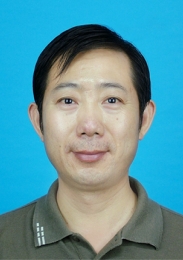 Dongpo Wang (王东坡)合作论文数School of Traditional Chinese Medicine, Beijing University of Chinese Medicine8
 Haiqiang Yao (姚海强)合作论文数北京中医药大学国医堂中医门诊部8Rongwei Zhang合作论文数7
 Jianping Liu (刘建平)合作论文数Centre for Evidence-Based Chinese Medicine, Beijing University of Chinese Medicine7ZhaoZhu Jiao (焦招柱)合作论文数6CengLiang Zhang (张曾亮)合作论文数6Ying Li (李颖)合作论文数6
 Qing Wang (王晴)合作论文数School of Life Sciences, Beijing University of Chinese Medicine6Enhui TIAN (田恩惠)合作论文数5
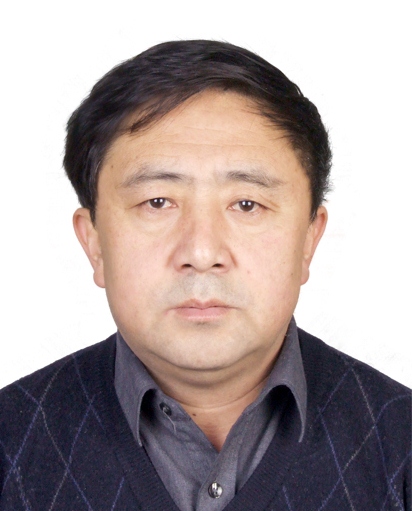 Xingguang Li (李兴广)合作论文数School of Traditional Chinese Medicine, Beijing University of Chinese Medicine5Xing Liao (廖星)合作论文数5Teng-yu WANG (王腾宇)合作论文数4HaiYang Gong (龚海洋)合作论文数4Xue Liang (梁雪)合作论文数4
 XinLou Chai (柴欣楼)合作论文数School of Traditional Chinese Medicine, Beijing University of Chinese Medicine4
 Yan Lin (林燕)合作论文数北京中医药大学国医堂中医门诊部4
 Weihong Li (李卫红)合作论文数School of Traditional Chinese Medicine, Beijing University of Chinese Medicine4
 Hui Luo (罗慧)合作论文数Dongzhimen Hospital, Beijing University of Chinese Medicine4Wang Qing合作论文数3Yang TIAN (田杨)合作论文数3JIAO Wen-chao (焦文超)合作论文数3Rong HUANG (黄蓉)合作论文数3Lei Tian合作论文数3Rui Bai合作论文数3
 Fujian Wu合作论文数3WeiQuan Ren (任卫全)合作论文数3




