The host microbiota and hepatic drug-metabolizing enzymes are important mediators of the metabolism and biological effects of herbal components. Through bidirectional interactions, herbal medicines can also reshape the host microbial community. The clinical efficacy of Wendan Decoction (WDD) in treating metabolic dysfunction-associated fatty liver disease (MAFLD) has been well established. However, its interactions with the host microbiota through the gut-liver axis remain unclear. This study aimed to investigate the mechanism by which WDD modulates host microbial activity through the gut-liver axis to ameliorate MAFLD. MAFLD models were established by high-fat diet (HFD) feeding and subsequently treated with WDD, Parasutterella excrementihominis (P. excrementihominis), or 7α-OH-T. The ABX group underwent antibiotic-mediated microbiota depletion before treatment. Multi-omics analyses were used to characterize the dynamic trajectories of microbiota-derived metabolites. These analyses included targeted bile acid (BA) profiling of serum, 16S rRNA gene sequencing and untargeted metabolomics of cecal contents, and proteomics and untargeted metabolomics of liver tissue. Hematoxylin and eosin, Oil Red O, and Alcian blue-periodic acid-Schiff staining were used to assess pathological changes in the liver and intestinal tissues during MAFLD. ELISA, Western blotting, and other assays were performed to quantify markers of inflammation and lipid metabolism. Following UPLC/UV detection of 7α-OH-T in portal vein serum, molecular docking and molecular dynamics simulations, together with cellular thermal shift assays (CETSA) and microscale thermophoresis (MST), were used to validate FXR as a target of 7α-OH-T. WDD alleviated hepatic steatosis, intestinal inflammation, and barrier dysfunction in MAFLD, but these effects depended on the integrity of the host microbiota. 16S rRNA gene sequencing showed that WDD promoted the growth of beneficial bacteria, including Bacteroides and Parasutterella. Combined analysis of targeted serum BA metabolomics and untargeted metabolomics of cecal contents indicated that WDD-mediated modulation of the host microbiota reduced the total serum BA load, increased alternative-pathway metabolites, including CDCA and TCDCA, in the liver and intestine, and decreased toxic secondary BAs, including DCA and LCA. Steroid and fatty acid metabolites, such as 7α-OH-T, were also increased. Pearson correlation analysis and P. excrementihominis transplantation experiments suggested that the increase in 7α-OH-T was closely associated with P. excrementihominis. Untargeted liver metabolomics and serological analyses confirmed that gut-derived 7α-OH-T entered the liver through the portal vein and acted on hepatic targets via the gut-liver axis. In animal experiments involving exogenous 7α-OH-T supplementation and in MAFLD THLE-2 cell models treated with 7α-OH-T, 7α-OH-T ameliorated hepatic lipid accumulation and promoted lipid utilization in THLE-2 cells. A series of interaction assays, including CETSA and MST, identified FXR as a target of 7α-OH-T. Furthermore, 7α-OH-T markedly activated the FXR/PPARα/CYP4A12A axis and served as a key messenger through which WDD-mediated regulation of Parasutterella alleviated MAFLD via the gut-liver axis. WDD increased the abundance of P. excrementihominis and the level of the potentially associated metabolite 7α-OH-T. Through the portal circulation, 7α-OH-T promoted gut-liver crosstalk and targeted the FXR/PPARα/CYP4A12A axis, thereby ameliorating MAFLD.
ETHNOPHARMACOLOGICAL RELEVANCE:Fructus Psoraleae (FP) is an herbal medicine widely used in East Asia. Nevertheless, numerous reports have documented its toxicity, including adverse reactions involving the liver, kidney, and skin. The underlying toxic components and mechanisms remain unclear, which severely limits its clinical application. AIM OF THE STUDY:This study aimed to identify potentially toxic components in FP and to further elucidate their mechanism of toxicity. MATERIALS AND METHODS:Potentially toxic components in FP were rapidly screened using a zebrafish model. Potential hepatotoxicity-related targets and pathways were identified by integrating network toxicology with molecular docking, and the candidate targets were subsequently validated. RESULTS:Fifteen components of FP were evaluated for acute toxicity in zebrafish. Bakuchiol, bavachinin and corylifolinin - the three compounds exhibiting the highest c/LC50 values - adversely affected normal hepatic function in zebrafish and induced oxidative stress responses. Bakuchiol was further identified as the component with the greatest hepatotoxic potential and was demonstrated to disrupt the homeostasis of the γ-aminobutyric acid (GABA) signalling system in the liver at 1, 5 and 10 μM by altering Cl- levels and upregulating GABAA receptor expression. Moreover, the GABAA receptor antagonist flumazenil was able to counteract bakuchiol-induced hepatotoxicity. CONCLUSION:Bakuchiol, by virtue of its high content and potent toxicity, is a potential hepatotoxic component of FP. It disrupts hepatic GABA system homeostasis by affecting Cl- channel and GABAA receptor expression.
Myocardial infarction (MI) results in the formation of non-conductive fibrotic scars, which disrupt cardiac electrical continuity and precipitate irreversible functional decline. To overcome this electrical conduction block, we engineered a novel pathology-responsive conductive hydrogel (RHPP system) designed to exploit the pathological upregulation of transglutaminase (TGase) within the infarcted myocardium. Upon injection, the RHPP system leverages the endogenous upregulation of TGase to trigger in situ crosslinking, forming a stable, mechanically robust scaffold for the sustained, site-specific delivery of ginsenoside Rg5. This hydrogel functions as a seamless electroconductive bridge, with conductivity that precisely mimics native myocardial tissue to restore electrical propagation across the scarred region. In vitro, the system effectively reestablished synchronous contraction in cardiomyocytes. In a rat MI model, the RHPP hydrogel significantly attenuated fibrosis and restored left ventricular electrical homogeneity. Mechanistically, the system actively reprogrammed the injured microenvironment via the cGMP-PKG pathway; specifically, activation of this cascade (elevated PKG-1α / p-VASP) blunted pathological hypertrophy and optimized the expression of myofilament proteins. In conclusion, this study presents a bio-intelligent, enzyme-triggered conductive platform that synergistically repairs the infarcted heart by re-synchronizing electrical activity and stimulating intrinsic survival signaling, offering a robust strategy for cardiac repair.
Honey-processing significantly influences the chemical composition and antiarrhythmic efficacy of liquorice. This study optimised processing parameters and investigated dynamic chemical transformations and pharmacological mechanisms. Stir-frying under controlled intensity and duration (700 W, 13.5 min; drug temperature 120 °C) was identified as optimal. During early heating, glycosides were hydrolysed into aglycones; intermediate stages involved dehydration-limited hydrolysis and partial dihydroflavonoid-chalcone conversion; prolonged heating induced glycoside degradation and Maillard reactions. The optimised honey-processed liquorice exhibited elevated liquiritin and glycyrrhizic acid levels and demonstrated superior cardioprotective effects compared with raw liquorice and other processed samples in a zebrafish arrhythmia model. High-dose honey-processed liquorice and medium-dose isoliquiritin significantly improved cardiac morphology and function, with isoliquiritin showing the strongest antiarrhythmic activity. Metabolomic analysis revealed that regulation of unsaturated fatty acid metabolism was a key pathway underlying therapeutic effects. These findings clarify processing-constituent-efficacy relationships and highlight isoliquiritin as a principal bioactive component.
Abstract Fritillaria taipaiensis P. Y. Li (F. taipaiensis) is widely utilized for its efficacy in alleviating cough symptoms and reducing mucus production. Its popularity stems from its recognized therapeutic properties and associated health benefits. However, due to the scarcity of its resources and the high market valuation, the traditional application of Fritillaria taipaiensis faces the disadvantage of underutilization. To better utilize the resources of Fritillariae cirrhosae (F. cirrhosae), we prepared an ultrafine powder of F. taipaiensis (UPF) and explored the differences in physicochemical properties and pharmacodynamics between it and the traditional powder of F. taipaiensis (TPF). Physicochemical properties were characterized by particle size, scanning electron microscopy (SEM) and Fourier transform infrared spectroscopy (FT-IR). Pharmacodynamic effects were evaluated by cough and phenol red excretion modeling. Relative to TPF, UPF demonstrated superior physicochemical properties, and there was an increase in the dissolution of total alkaloid. Additionally, the effective dose of UPF required to achieve equivalent effects on cough latency prolongation, cough reduction, phenol red excretion enhancement, and the decrease of interleukin-6 (IL-6) and tumor necrosis factor-alpha (TNF-α) levels was half that of TPF. The UPF reduced the expression of the neurokinin-1 receptor (NK-1R), transient receptor potential ankyrin1 (TRPA1), surfactant protein A (SP-A) and mucin 5AC (MUC5AC) in the lung tissues. The UPF is superior to TPF in physicochemical properties and cough-relieving and phlegm-reducing effects.The research contributes to the optimization of the daily health consumption of F. taipaiensis and the promotion of the adequate utilization of its resources.
Plantaginis semen (PS), a traditional herbal medicine extensively utilized in China, contains bioactive compounds that exhibit notable therapeutic effects in promoting diuresis, regulating blood pressure, modulating lipid metabolism, and controlling blood glucose levels. Crude PS (CPS) and salt-processed CPS (SPS) are the two most commonly used decoction pieces of PS. The therapeutic efficacy of PS is further enhanced after salt processing, resulting in the SPS exhibiting superior pharmacological effects compared to the CPS. This study aims to explore the differences in chemical constituents between CPS and SPS in vitro. Additionally, the study seeks to compare the pharmacokinetics (PKs) of bioactive compounds after oral administration of extracts from both crude and salt-processed PS in rats. The identification results showed that there were 45 common components and six unique components between CPS extract and SPS extract. The results of multivariate statistical analysis have identified six differential components. The PK study results demonstrated that the mean plasma concentration-time profile and PK parameters of six representative components were significantly different between CPS extract and SPS extract. This study proved that salt-processed method increased the dissolution of most components and absorption of active components in PS, and revealed the material basis underlying the superior efficacy of SPS compared to CPS to some extent. This study provides a scientific foundation for the enhanced therapeutic efficacy of traditional Chinese medicine (TCM) following salt processing, elucidating how this ancient preparation method amplifies pharmacological activity through modern mechanistic insights.
Purpose:Bone metabolism disorders are strongly associated with T helper type 17/regulatory T (Th17/Treg) cell imbalance and inflammatory dysregulation. Qing'e pills (QEP) is a classical prescription for treating osteoporosis with both safety and clinical effectiveness. However, the mechanism of its immune action remains unclear. Methods:QEP components were identified via HPLC. Anti-osteoporotic effects of QEP were assessed through biochemical, micro computed tomography, bone biomechanical and histopathological analyses. Th17/Treg balance and related inflammatory factors were analyzed using flow cytometric, biochemical, immunohistochemical, and quantitative real-time PCR assays. The effects of QEP on gut microbiota and endogenous metabolites were analyzed via 16S rRNA analysis, co-incubation experiments and untargeted metabolomics. Integrative correlations analysis was used to explore the relationships among gut-bone-Th17/Treg balance interactions. Results:QEP improved bone mineral density and bone biomechanical properties and reduced bone conversion in ovariectomized rats. After treatment, QEP restored intestinal barrier integrity, and reduced serum LPS levels. QEP significantly decreased Th17-related inflammatory cytokines TNF-α, IL-17 levels, reduced the transcription of Th17-related genes RORγt and IL-17A and the percentage of CD4+IL-17A+ Th17 cells in the gut-bone axis, and concurrently restored the anti-inflammatory cytokines levels of TGF-β and IL-10, the expression of Foxp3 and the percentage of CD4+ CD25+ Foxp3+ Treg cells in the gut-bone axis. Notably, QEP improved the disorganization of gut microbiota composition and structure in ovariectomized rats. On genus level, QEP can significantly increase the relative abundance of Lactobacillus in vitro and in vivo. Furthermore, gut microbe-derived endogenous metabolites potentially mediating QEP's regulation of Th17/Treg balance in gut-bone axis and anti-osteoporotic effects. Conclusion:QEP ameliorates osteoporosis by improving the intestinal flora disorders and immune status, and restoring the balance of Th17/Treg in the gut-bone axis, highlighting its clinical potential in the treatment of postmenopausal osteoporosis.
Ethnopharmacological relevance Gekko swinhonis Guenther, commonly referred to as Gecko in the following text, belongs to the genus Gekko within the family Gekko. Its dried whole body is a widely utilized traditional Chinese medicine, demonstrating significant efficacy in the treatment of gastrointestinal malignancies, particularly gastric cancer (GC). Nevertheless, the composition of the gecko is complex, necessitating further research into its active ingredients for the treatment of GC. Aim of the study Isolation and characterization of the most active components in Gecko based on their anti-GC mechanisms of vascular endothelial cell inhibition and anti-neovascularization. Materials and Methods We utilized the enzymatic hydrolysate of Geckos to investigate its effectiveness and underlying mechanisms. Initially, we assessed its efficacy in ectopic and in-situ GC tumor-bearing mouse models. Subsequently, we evaluated the effectiveness of peptides, aliphatics, and small molecules derived from Gecko using CCK-8 and 3D tumor spheroid assays. The activities of peptides S1-S4 were further examined through these experiments. Finally, we screened, synthesized, and investigated five potential peptides for their pharmacodynamics in the CCK-8 assay and in the in-situ GC model mice. Results The Gecko can inhibit the formation of blood vessels in the tumor microenvironment, providing a localized treatment for GC. The peptide components significantly inhibit vascular endothelial cells and impede the formation of new blood vessels, with the S2 peptide sections (0.3 KD - 3 KD) demonstrating the most potent inhibitory activity against angiogenesis. One of the active peptides effectively suppresses the growth of in-situ GC in nude mice through angiogenesis inhibition and also modulates immunity, all while exhibiting excellent biosafety. Conclusions We have achieved a significant breakthrough in the local treatment of GC using Gecko. Through pharmacodynamic experiments and a systematic process of isolation and identification, we identified the most effective anti-GC ingredients of Gecko, based on their mechanisms of inhibiting vascular endothelial cells and promoting anti-angiogenesis. Furthermore, we synthesized a lead peptide that demonstrates promising therapeutic efficacy and safety.
BACKGROUND:Postmenopausal osteoporosis (PMOP) is a bone metabolic disorder caused by estrogen (E2) deficiency. The traditional Chinese medicine Psoraleae Fructus (P) is often used in combination with walnut kernels (J, Juglans regia L.) to treat osteoporosis. However, whether the combination of walnut kernels and Psoraleae Fructus (PJ) is more effective than Psoraleae Fructus alone remains unclear, and the material basis and mechanism of the synergistic effects of this combination are not fully understood. PURPOSE:This study aimed to elucidate the synergistic mechanisms of PJ in the treatment of PMOP and to identify the active components and their targets. METHODS:The compounds in PJ were analyzed using UPLC-MS/MS. Bilateral ovariectomy (OVX) was performed to establish a rat model of PMOP. Femoral pathological changes were evaluated by serum ELISA, micro-CT, H&E and TRAP staining. UPLC-MS/MS analysis was also performed to screen for active components in the serum, focusing on key monomers. Transcriptome sequencing was conducted to identify core pathways. An MC3T3-E1 ferroptosis model was established by erastin treatment. A combination index was used to evaluate the synergistic effects of the monomers. In addition to measuring cell viability, the effects of the key monomers on ferroptosis and osteoblastic differentiation were verified using cryogenic transmission electron microscopy, confocal laser scanning microscopy, and flow cytometry. Molecular docking, molecular dynamics (MD) simulations, microscale thermophoresis (MST), immunofluorescence, and western blotting were performed to validate the targets of this activity. RESULTS:In vivo experimental results indicated that PJ significantly improved OVX-induced osteoporosis more prominently than P alone. The UPLC-MS/MS results showed that the serum concentrations of eight potentially active components increased significantly after compatibility with J. Transcriptome analysis revealed significant enrichment of ferroptosis in the OVX group, whereas in vivo experiments demonstrated that PJ inhibited ferroptosis by regulating the Nrf2/GPX4/SLC7A11 pathway. In vitro experiments identified norbakuchinic acid (NA) and α-linolenic acid (ALA) as the main pharmacodynamic components of PJ and confirmed that both components synergistically inhibited ferroptosis while promoting osteogenic mineralization. This effect was dependent on Nrf2/GPX4/SLC7A11 pathway activation. MST and MD simulations revealed that both NA and ALA were directly bind to Keap1, thereby promoting Nrf2 nuclear translocation and triggering downstream biological responses. Furthermore, when Nrf2 expression was inhibited in vitro by ML385, the inhibitory effects of NA and ALA on ferroptosis were suppressed. CONCLUSION:This study provided the first systematic evidence that walnut kernels can enhance the therapeutic efficacy of Psoraleae Fructus against PMOP by improving the bioavailability of active constituents and forming a synergistic network of NA and ALA. Furthermore, it has been determined that the Nrf2/GPX4/SLC7A11 pathway serves as the principal mechanism through which NA and ALA synergistically inhibit osteoblast ferroptosis.
Traditional Chinese medicine (TCM) processing is a unique pharmaceutical technique in China. It is characterized by methodological complexity, procedural diversity, and important scientific implications. TCM processing plays a critical role in the TCM system. Understanding the chemical composition changes before and after the processing of TCM has remained a critical research focus. These compositional shifts are pivotal to elucidating the mechanistic basis of TCM processing and enhancing its clinical efficacy. The application of advanced analytical techniques, such as spectrometry and chromatography, has significantly contributed to these efforts. These methodologies have provided a robust foundation for characterizing chemical transformations of TCM preparation. This review summarizes current research progress on the changes in material basis associated with TCM processing. Particular emphasis is placed on in vitro and in vivo analytical methods. The review aims to offer new insights and useful references to support the chemical studies of TCM processing.
Psoralea corylifolia fructus (PF), a traditional drug widespread use in China, is available in two forms: raw Psoralea corylifolia fructus (RPF) and salt-processed Psoralea corylifolia fructus. (SPF). Despite the distinct therapeutic efficacies of RPF and SPF, their morphological similarities pose a challenge for their rapid and accurate differentiation. To investigate the differences in color, volatile, and non-volatile compounds between RPF and SPF, and to develop a novel, rapid method for their differentiation. An integrated strategy combined electronic eye (E-eye), electronic nose (E-nose), and high-performance liquid chromatography (HPLC) was employed. E-eye was employed to quantify the visual color attributes. Concurrently, E-nose was used to analyze the odor profiles. The non-volatile compounds were identified using HPLC. Additionally, the practicality of these methods was evaluated using the Blue Applicability Grade Index (BAGI). Chemometric analysis was conducted to identify markers capable of distinguishing between RPF and SPF. The parameters L* and b* were selected as chromaticity markers. Additionally, 14 compounds, including 1-butanol, 1,2-dimethylbenzene, and β-pinene etc., were identified as volatile markers. The compounds bakuchiol and bavachin were identified as potential non-volatile markers. The performance scores for the E-eye, E-nose, and HPLC methods were 77.5, 80.0, and 72.5, respectively, suggesting their applicability. This study elucidated differences in color, volatile, and non-volatile compounds between RPF and SPF. It not only improves the quality control of PF but also introduces an innovative approach for the rapid differentiation of RPF and SPF.
Acute lung injury (ALI) is a life-threatening pulmonary inflammatory disorder with high morbidity and mortality rates. Effective targeting of damaged lung tissues and regulation of inflammatory dysregulation are major challenges in clinical treatment. This study aimed to develop a multifunctional drug delivery system by coating mesoporous polydopamine nanoparticles (mPDA NPs) loaded with Peimine (PM) using macrophage membranes (MMs) to leverage their inflammatory targeting properties. Both in vitro and in vivo experiments demonstrated the excellent targeting capability, strong antioxidant activity, and significant anti-inflammatory effects of the developed MM@mPDA-PM NPs. Furthermore, transcriptomics analysis revealed that MM@mPDA-PM NPs significantly reduced myeloperoxidase (MPO), neutrophil elastase (NE), and peptidylarginine deiminase 4 (PAD4), as well as inhibited the formation of neutrophil extracellular traps (NETs), and promoted M2 macrophage polarization by downregulating the NF-κB and JAK/STAT pathways. Our developed system effectively reduced neutrophil infiltration, suppressed cytokine storms, and regulated the pulmonary immune microenvironment, demonstrating great potential for treating ALI and other inflammatory diseases.
ETHNOPHARMACOLOGICAL RELEVANCE:The hepatotoxicity associated with the traditional herbal tonic Psoralea corylifolia L., also known as Psoraleae fructus (PF) in the Chinese Pharmacopoeia, is attenuated by compatibility with Juglans regia L., also known as Walnut kernels (WKs) in the Chinese Pharmacopoeia; however, the molecular mechanisms involved are unknown. AIM OF THE STUDY:To elucidate the molecular mechanisms through which WKs attenuate PF-induced liver injury. METHODS:Sprague-Dawley rats were randomly allocated to the control, low-dose PF (PL), high-dose PF (PH), low-dose PF + WKs (PJL), high-dose PF + WKs (PJH), and PJH + Nrf2 inhibitor (PJHM) groups. After 4 weeks of daily therapeutic intervention, serum and hepatic tissues were collected for hepatic biochemical profiling, inflammatory cytokine quantification, oxidative stress parameter evaluation, and histopathological and ultrastructural examinations. RESULTS:WKs administration considerably attenuated hepatotoxicity biomarkers and proinflammatory mediators while enhancing the antioxidant capacity of hepatocytes compared to the effects observed in the PL and PH groups. Histopathological analysis revealed marked amelioration of hepatocellular swelling and reduced inflammatory infiltration. Ultrastructural examination confirmed the preservation of the mitochondrial cristae structure and suppression of apoptosis. Pharmacological inhibition of Nrf2 exacerbated hepatic damage, and effectively reversed the protective effects of WKs. Western blot analysis revealed that the Nrf2/HO-1 axis was activated in the PJH group and upregulated the expression of the downstream effectors HO-1 and NQO1, whereas a significant suppression of this pathway was observed in the PJHM group. HPLC-MS/MS profiling revealed enhanced norbakuchinic acid levels, coupled with substantial decreases in hepatotoxic psoralen derivatives (psoralen, isopsoralen, bavachinin, bavachalcone, and neobavaisoflavone) in the PJH group. Untargeted metabolomics revealed 33 dysregulated metabolites in the PH group, 23 of which were regulated back to a more normal expression in the PJH group. These metabolites are involved in pathways of arginine biosynthesis, glycine-serine-threonine metabolism, and pyruvate metabolism. Targeted metabolomics validated the metabolic reprogramming of the following amino acids: sarcosine, pyruvate, urea, lactate, and malate decreased, threonine, aspartate, fumarate, and glutamine were increased; and citrulline and glutamate showed an upward trend. Spearman's correlation network analysis revealed strong positive associations between hepatotoxic components (psoralidin, neobavaisoflavone, and bavachin) and liver injury indicators. Aspartate, citrulline, and pyruvate levels correlated most prominently with the components of liver injury. CONCLUSIONS:WKs mitigated PF-induced liver injury through multiple pathways, particularly by reducing the levels of injury-causing components. Additionally, WKs activate the Nrf2/HO-1 signaling pathway and modulate amino acid metabolism.
ETHNOPHARMACOLOGICAL RELEVANCE:Ulcerative colitis (UC) is a modern medical concept associated with diarrhea and dysentery following its clinical manifestations. Garlic (Allium sativum L., Amaryllidaceae), a spice and condiment used globally, is a food and a traditional medicine. Ancient records highlight the use of garlic in treating diarrhea and dysentery, identifying its potential therapeutic role in UC. However, raw garlic may cause gastrointestinal discomfort. Nevertheless, the differences between raw and steamed garlic in alleviating UC remain unclear. AIM OF THE STUDY:To elucidate the differences between raw and steamed garlic and investigate the potential mechanisms underlying UC alleviation using steamed garlic. MATERIAL AND METHODS:Garlic's composition was investigated qualitatively and quantitatively. A UC mouse model was established to evaluate the effects of raw and steamed garlic on UC mice. The evaluation included two aspects: pharmacodynamics and intestinal barrier protection. Additionally, the mechanisms by which steamed garlic alleviates UC were explored using network pharmacology and bacterial community sequencing. RESULTS:The results showed that steamed garlic reduced inflammatory cytokines, protected the intestinal barrier, regulated the mitogen-activated protein kinase signaling pathway, and modulated the intestinal microbiota more effectively. Steaming changed the chemical composition, increasing alliin and decreasing allicin. Beneficial bacteria were positively associated with therapeutic effects, and harmful bacteria were negatively related. CONCLUSION:The research shows that steamed garlic can be used to prevent and treat UC, offering a natural, cost-effective, and safe alternative, while guiding future research on its optimal intake and metabolism in the body for better use in daily diets against UC.
Bone repair remains an important target in tissue engineering, making the development of bioactive scaffolds for effective bone defect repair a critical objective. In this study, β-tricalcium phosphate (β-TCP) scaffolds incorporated with processed pyritum decoction (PPD) were fabricated using three-dimensional (3D) printing-assisted freeze-casting. The produced composite scaffolds were evaluated for their mechanical strength, physicochemical properties, biocompatibility, in vitro pro-angiogenic activity, and in vivo efficacy in repairing rabbit femoral defects. They not only demonstrated excellent physicochemical properties, enhanced mechanical strength, and good biosafety but also significantly promoted the proliferation, migration, and aggregation of pro-angiogenic human umbilical vein endothelial cells (HUVECs). In vivo studies revealed that all scaffold groups facilitated osteogenesis at the bone defect site, with the β-TCP scaffolds loaded with PPD markedly enhancing the expression of neurogenic locus Notch homolog protein 1 (Notch1), vascular endothelial growth factor (VEGF), bone morphogenetic protein-2 (BMP-2), and osteopontin (OPN). Overall, the scaffolds developed in this study exhibited strong angiogenic and osteogenic capabilities both in vitro and in vivo. The incorporation of PPD notably promoted the angiogenic-osteogenic coupling, thereby accelerating bone repair, which suggests that PPD is a promising material for bone repair and that the PPD/β-TCP scaffolds hold great potential as a bone graft alternative.
ChuanWu (CW), the dried mother root of Aconitum carmichaelii Debx., is a well-known traditional Chinese medicine (TCM) recognized for its potent efficacy but inherent toxicity, primarily due to its alkaloid content. Traditional and modern detoxification methods for CW include proper processing, rational compatibility, and specialized decoction techniques, among which honey-boiled CW is particularly distinctive. However, research on the detoxification mechanism of honey-boiled CW remains limited. This study investigated this mechanism by analyzing alkaloid transformation and supramolecular aggregation. Honey-boiled and water-boiled CW preparations were compared. Ultra-high-performance liquid chromatography-tandem mass spectrometry was used to analyze CW alkaloids, specifically diester alkaloids (DDAs), monoester alkaloids (MDAs), and non-esterified diterpenoid alkaloids (NDAs). Transmission electron microscopy was employed to observe and identify supramolecular aggregates in the honey-boiled CW decoction. In vivo absorption of water-boiled, honey-boiled, and NADES-boiled CW was compared. Median lethal dose (LD50) tests assessed toxicity, including hepatotoxicity and nephrotoxicity. In vitro experiments evaluated the safety, anti-inflammatory, and analgesic effects of CW-medicated serum on RAW264.7 cells, with in vivo validation in mice. Results showed that honey promoted the conversion of highly toxic DDAs to less toxic MDAs and prevented MDAs from hydrolyzing into NDAs. Honey-boiled CW formed approximately 250 nm supramolecular aggregates that encapsulated MDAs, inhibiting their conversion to NDAs. These encapsulated MDAs acted as a stable delivery system with higher bioavailability than free benzoylmesaconine. Subsequent mouse experiments confirmed that honey-boiled CW significantly increased the LD50 of CW while reducing hepatotoxicity and nephrotoxicity. Additionally, honey-boiled CW significantly improved cell safety and enhanced anti-inflammatory and analgesic effects. Our findings reveal that honey-boiled CW exhibits a potent detoxification mechanism by influencing alkaloid transformation and facilitating the formation of supramolecular aggregates. This study lays the groundwork for developing detoxification or synergistic strategies within honey-boiled TCM.
Cisplatin is a broad-spectrum antitumour agent, but its toxic side effects are severe. In clinical practice, cisplatin is typically administered intravenously, leading to unavoidable systemic toxicity, whereas oral administration of cisplatin is ineffective. In order to enhance the oral effectiveness of cisplatin and decrease its toxicity, a novel peptide was developed to act as an orally delivering carrier for platinum-based nanomedicine. This peptide naturally exhibited inhibitory effects on endothelial cells and angiogenesis. After being modified into a circular structure, its stability and tissue penetration ability were enhanced. Interestingly, it also demonstrated the ability to undergo self-assembly in aqueous environments and form tube-like nanomedicine when cisplatin was added. Oral administration of these nanotubes has shown remarkable structural stability, permeability across mucosal membranes, and a high selective uptake of cancer cells, resulting in a synergistic antitumour effect through the combined action of inhibiting blood vessel formation and suppressing cell proliferation in gastric cancer (GC). Our research has successfully demonstrated that Pt-chelated peptides possess the self-assembling potential to construct platinum-based nanomedicine for the oral treatment of GC.
Porous ceramics hold the great potential in the field such as bone tissue engineering, superinsulation material, and energy storage. However, it is quite challenging to fabricate them with arbitrary shape using conventional processes. Herein, a method to fabricate arbitrary‐shaped porous ceramic structure is presented by combining traditional freeze‐casting process and indirect three‐dimensional printing technology. Various polydimethylsiloxane (PDMS) soft molds are prepared for freeze‐casting, and diverse‐shaped porous ceramics are fabricated. It proves that PDMS molds are ideal choices for freeze‐casting of porous ceramics with complex geometries. The freeze‐casting process of a complex‐shaped model with PDMS is simulated by finite element analysis. The effect of the solid loading of the alumina suspension on the microstructure and compressive strength of the as‐fabricated porous ceramics are investigated. The present study provides a strategy to fabricate complex‐shaped porous ceramic structure that can be used in a wide variety of applications.
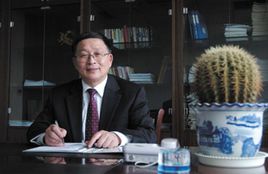 BaoChang Cai (蔡宝昌)合作论文数Department of Pharmacy,NanJing University of Chinese Medicine145
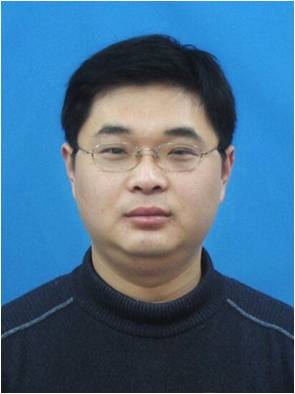 Zhipeng Chen (陈志鹏)合作论文数Nanjing University of Chinese Medicine87
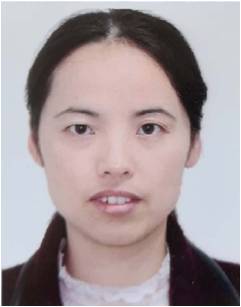 Li Wu (吴丽)合作论文数Nanjing University of Chinese Medicine51
 Kunming Qin (秦昆明)合作论文数School of Pharmacy, Jiangsu Ocean University48
 Fangzhou Yin (殷放宙)合作论文数Nanjing University of Chinese Medicine30
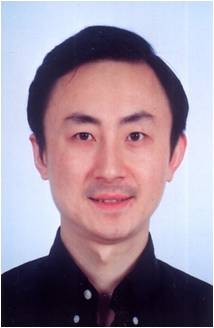 Hao Cai (蔡皓)合作论文数Nanjing University of Chinese Medicine24
 Xingyu Zhu合作论文数22
 Zebin Weng (翁泽斌)合作论文数南京中医药大学22
 Xiao Liu (刘晓)合作论文数Nanjing University of Chinese Medicine22
 Tulin Lu (陆兔林)合作论文数Nanjing University of Chinese Medicine20Yu Wu (吴育)合作论文数19JunJie Jin (金俊杰)合作论文数18Shi Yun合作论文数17Qianqian Gao合作论文数17
 Liuqing Di (狄留庆)合作论文数Nanjing University of Chinese Medicine17CuiPing Yan (颜翠萍)合作论文数16GenHua Zhao (赵根华)合作论文数15
 Tao Yi (易涛)合作论文数College of Chemistry and Chemical Engineering, Donghua University15
 Xun Gao (高珣)合作论文数School of Medicine, Southeast University;Zhongda Hospital Southeast University14
 Guangming Yang (杨光明)合作论文数Nanjing University of Chinese Medicine13Nong Zhou合作论文数11Rui Chen合作论文数11Weichen Xu合作论文数10HUA Zhengying (华政颖)合作论文数10
 Chenghao Fei合作论文数9Guo Mengyu合作论文数9
 Hui Xie (谢辉)合作论文数Nanjing University of Chinese Medicine9
 Yanyu Xiao (肖衍宇)合作论文数Department of Pharmaceutics,China Pharmaceutical University9
 Wu Yin (殷武)合作论文数School of Life Sciences, Nanjing University9Yan Xu合作论文数8Liu Xu合作论文数8Shangyang Lin (林上阳)合作论文数8
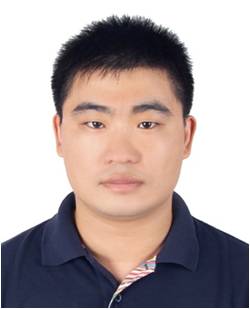 Lin Li (李林)合作论文数Nanjing University of Chinese Medicine8
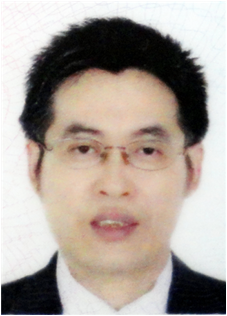 Junsong Li (李俊松)合作论文数Nanjing University of Chinese Medicine8Jinlan Lu合作论文数7Zihui Ni合作论文数7Qianqian Xue合作论文数7Jingxia Hou (侯婧霞)合作论文数7XIA Chenjie (夏晨洁)合作论文数7Yanhui Jiang合作论文数7Sheng-qiu XU (徐圣秋)合作论文数7
 Zisheng xu合作论文数7
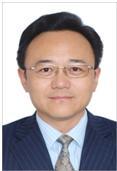 Xiaobin Jia (贾晓斌)合作论文数School of Traditional Chinese Materia Medica, China Pharmaceutical University7Tuling Lu合作论文数6Chun-Mei Mei合作论文数6Yingshan Du合作论文数6Surun Huang合作论文数6Ke-Xin Cao合作论文数6




