As a key component for stretchable electronics, polymer semiconductors become increasingly important due to the large-area printing, high-density device manufacturing as well as versatile chemical functionalization. However, stretchable n-type polymers lag far behind p-type counterparts, suffering poor stability, low performance and limited candidates. Herein, we demonstrate for the first time a graft copolymer blending strategy to achieve a highly stretchable n-type semiconducting film with a crack-onset strain exceeding 300
Anthracenes have become some of the most important organic semiconducting materials owing to their high stability and superior mobility. Although methylthio-functionalization is a powerful strategy to tailor packing arrangement, substitution-position-dependent optoelectronic properties have not been investigated in anthracenes. Herein, we synthesized three anthracene derivatives by introducing methylthio groups at different positions. Compared with 9,10- and 2,6,9,10-substitution, 2,6-substitution gives rise to a close packing arrangement with favourable charge transport. In addition, 1D mixed-stack donor-acceptor cocrystals based on methylthioanthracenes and tetracyanoquinodimethane were prepared, exhibiting good n-type charge transport behaviour.
Polymer semiconductors enable the development of stretchable devices in skin-like wearable electronics. However, a formidable challenge stem from breaking the trade-off between stretchability and charge carrier mobility for these semiconductor devices. Instead of introducing conjugation breakers or flexible blocks, we strategically incorporated nonplanar and rigid 5,11-bis(2-octyldodecyl)-2,8-di(thiophen-2-yl)-5,11-dihydroindolo[3,2-b]carbazole (TICZ) units into conjugated polymer backbones at varying modification ratios to deliberately induce backbone twisting. This structural distortion effectively suppresses polymer chain aggregation, reduces crystallite size and overall film crystallinity, and ultimately enhances mechanical stretchability. Meanwhile, the excellent charge transport properties were achieved because of the maintenance of conjugated polymer backbone. The designed polymer demonstrates exceptional balance of electrical and mechanical properties, maintaining charge carrier mobility (0.7 cm2 V-1 s-1) comparable to the reference material while exhibiting significantly larger crack onset strains (120%) and a reduced tensile modulus. Therefore, fully stretchable transistors remain stable charge carrier mobility even under extreme tensile strain of 100% applied parallel to the charge transport direction, while also demonstrating exceptional cyclic mechanical stability. Therefore, backbone torsion engineering represents a pivotal design paradigm for high-performance stretchable semiconducting polymers.
Stretchable polymer semiconductors are now recognized as an essential constituent for the development of forthcoming wearable technologies. Although molecular design represents a promising strategy without relying on elastomers or additives, it suffers from poor mechanical robustness with low strain tolerance, limiting the practical applications in environments subject to extreme deformation. Here, we propose a synergistic approach combining random terpolymerization with in situ hydrogen-bonded engineering to significantly improve stretchability while maintaining efficient charge transport in polymer semiconductors. The film crystallinity decreases distinctly by random terpolymerization and strain energy dissipation proceeds by hydrogen bonds, while the continual conjugation of the polymer backbone enables efficient charge transport. Our designed terpolymer semiconductor exhibits a carrier mobility exceeding 0.16 cm2 V-1 s-1 with notable retention rates even under 200% strain in both directions, parallel or perpendicular to charge transport. Thus, this synergistic strategy provides a design paradigm to simultaneously enable excellent mechanical robustness with high charge mobility retention for polymer semiconductors.
Stretchable polymer semiconductors are vital for intelligent technologies such as health monitoring and human-machine interactions, but suffer from a fundamental trade-off between charge transport and stretchability/self-healability. Herein, we introduce the concept of hierarchical hydrogen bonds to provide a multilevel dynamic interconnected polymer network that simultaneously delivers outstanding stretchability, notable self-healing ability and high charge carrier mobility. The conjugation breaker N,N-dicarbamoylpyridine-2,6-dicarboxamide is incorporated into the polymer backbone with different strengths of hydrogen bonds, affording a crack-onset strain up to 150% and 90% mobility recovery upon healing treatment. Crucially, the hierarchical hydrogen bonds enable close interchain stacking for efficient interchain charge transport while enhancing chain dynamics and mechanical compliance. Fully stretchable transistors based on our designed polymer show stable and high mobility up to 1.01 cm2 V-1 s-1 even under 150% strain, marking unprecedented performance for healable semiconductors. Hierarchical hydrogen-bonded engineering thus establishes a design paradigm for high-performance stretchable and healable polymer semiconductors.
The physical blending of insulating polymers into conjugated polymer matrices has emerged as an effective strategy to improve mechanical properties in flexible electronics through enhanced tie-chain density and noncovalent cross-linking network formation. In this study, we demonstrate polyvinyl chloride (PVC) as an effective tie-chain promoter for diketopyrrolopyrrole (DPP)-thiophene copolymers (DPP-T) through C-H center dot center dot center dot S hydrogen bonding and C-Cl center dot center dot center dot C=O dipole-dipole force. The PVC/DPP-T blend simultaneously enhances mechanical properties (crack-onset strain: 40.3% to 80.2%; elastic modulus: 120 to 80 MPa) while maintaining charge transport performance (hole mobility: 0.03-0.06 cm(2) V-1 s(-1)) in stretchable organic field-effect transistors under 100% strain. This physical blending approach creates a noncovalent cross-linking network that improves electromechanical stability without complex synthetic modification, offering a practical solution to the intrinsic mobility-stretchability trade-off in conjugated polymers.
Anthracenes have become one of most important organic semiconducting materials owing to the high stability and superior mobility. However, anthracene-based polymers lag far behind small-molecule counterparts in the light of material quantity and carrier mobility. Generally, solubilizing groups such as alkyl chains need to be introduced to conjugated polymer backbone for solution processability, which reduce the density of it electrons and sterically disturb the it stacking, hence degrading charge transport performance. Herein, we synthesize a series of anthracene-based fully conjugated polymers by thermal conversion via retro-Diels-Alder reaction, which were confirmed by thermogravimetric analysis, FT-IR, and UV-vis absorption spectroscopy. The anthracenebased polymers can resist effectively organic common solvents without affecting electrical properties. Furthermore, oriented fibrous thin film can be achieved by doping of electron acceptors such as 1,2,4,5-tetracyanobenzene (TCNB) and 7,7,8,8-tetracyanoquinodimethane (TCNQ), showing 4-5 times increased carrier mobilities relative to pristine films.
Intrinsically stretchable semiconducting polymers play a vital role in the development of wearable electronics, featuring low-cost, large-area and high-density fabrication. Only single-stage dynamic chemical bond has been widely incorporated into polymer backbones to afford stretchability while multiple dynamic bonds have not been investigated, making a formidable challenge to achieve high stretchability without compromising charge transport properties. Herein, we synthesize a series of stretchable polymer semiconductors incorporating urethane and bipyridine units, which can provide dynamic interconnected polymer network by combination of hydrogen bonds with metal coordination, simultaneously obtaining excellent stretchability and carrier mobilities. Compared with single-stage hydrogen bonds, multiple dynamic chemical bonds constructed by 10% hydrogen bonds and 0.25 equiv. metal coordination endowed the polymer semiconductors with an 58% enhancement in carrier mobility and a two-fold increase in crack-onset strain. Notably, the polymer exhibited stable carrier mobilities parallel to the stretching direction, with 91% of initial values even under 150% strain, which is the unprecedented value for intrinsically stretchable semiconducting polymers without blending of elastomers. Therefore, the introduction of multiple dynamic bonds provides an effective and promising approach for intrinsically stretchable and high-performance polymer semiconductor. (c) 2025 Published by Elsevier B.V. on behalf of Chinese Chemical Society and Institute of Materia Medica, Chinese Academy of Medical Sciences.
Stimuli-responsive organic cocrystals are typically governed by single-crystal to single-crystal (SCSC) transformation, remaining a long-standing challenge due to disruption of long-range order structure throughout the whole solid-state process. Herein, we demonstrate for the first time an acid-responsive two-photon absorption (TPA) switch based on reversible cocrystal-to-salt-to-cocrystal SCSC transformation. While both para-N-dipyridylanthracene and meta-N-dipyridylanthracene coassemble with 1,2,4,5-tetracyanobenzene (TCNB) into cocrystals via donor-acceptor interactions and hydrogen bonds, only the former cocrystal exhibits broad-window TPA activity alongside enhanced solid-state photoluminescence quantum yield (PLQY). Theoretical calculations confirm that positional isomerism of electron donors modulates molecular coplanarity and donor-acceptor interactions in cocrystals, directly controlling TPA cross-sections. Remarkably, para-N-dipyridylanthracene undergoes diprotonation by exposure to trifluoroacetic acid, enabling the conversion of the cocrystal to a salt form, which can be reverted upon triethylamine treatment. This cocrystal-to-salt-to-cocrystal transformation switches the TPA characteristics with reversible color changes between upconversion orange emission and Stokes yellow luminescence for 20 cycles, to the best of our knowledge, which is an unprecedented performance for stimuli-responsive organic materials. Based on the unique acid-responsive emission, we also apply the SCSC transformation in display devices and information storage. This study elucidates structure-property relationships governing TPA in cocrystals and establishes a new paradigm for stimuli-responsive optical switches.
Anthracenes have become a rising star in organic semiconducting materials owing to the high stability and superior mobility. In spite of solution processability for large area fabrication, anthracene-based polymers lag far behind small-molecule counterparts in terms of molecular diversity and carrier mobility. Herein, we synthesized two anthracene-based polymers via Stille reaction by incorporation of two structurally similar units bithophene and cyclopentadithiophene. Anthracene-bithophene alternating polymer (PAnBT) polymer was calculated to take a twisted backbone conformation, showing very poor mobility of 3.6×10⁻⁴ cm2 V-1 s-1 with relatively low crystallinity and coarse film morphology. In contrast, anthracene-cyclopentadithiophene alternating polymer (AnCPDT) polymer was calculated to adopt a planar backbone conformation and displayed significantly improved mobility up to 2.2×10⁻² cm2 V-1 s-1 with relatively high crystallinity and smooth film morphology, which is one of the highest mobilities for anthracene-based polymers. The different substitution positions of alkyl chains account for the varied polymer backbone conformations, resulting into a big discrepancy in film microstructures and charge carrier mobilities. This work demonstrates that design of planar backbone conformation is beneficial to improve charge transport characteristics for anthracene-based polymers.
Anthracenes have become a rising star in organic semiconducting materials owing to the high stability and superior mobility. In spite of solution processability for large area fabrication, anthracene-based polymers lag far behind small-molecule counterparts in terms of molecular diversity and carrier mobility. Herein, we synthesized two anthracene-based polymers via Stille reaction by incorporation of two structurally similar units bithophene and cyclopentadithiophene. Anthracene-bithophene alternating polymer (PAnBT) polymer was calculated to take a twisted backbone conformation, showing very poor mobility of 3.6×10⁻⁴ cm2 V-1 s-1 with relatively low crystallinity and coarse film morphology. In contrast, anthracene-cyclopentadithiophene alternating polymer (AnCPDT) polymer was calculated to adopt a planar backbone conformation and displayed significantly improved mobility up to 2.2×10⁻² cm2 V-1 s-1 with relatively high crystallinity and smooth film morphology, which is one of the highest mobilities for anthracene-based polymers. The different substitution positions of alkyl chains account for the varied polymer backbone conformations, resulting into a big discrepancy in film microstructures and charge carrier mobilities. This work demonstrates that design of planar backbone conformation is beneficial to improve charge transport characteristics for anthracene-based polymers.
As a key component for wearable electronics, intrinsically stretchable and healable semiconducting polymers are scarce because carrier mobility is often reduced with increasing stretchability and self-healability. Here, we combine stepwise polymerization and thermal conversion to introduce in situ continuous hydrogen bonding sites in a polymer backbone without breaking the conjugation or introducing bulky softer side chains, benefiting the intrachain and interchain charge transport. We demonstrate that a regular sequence structure facilitated the formation of big nanofibers with a high degree of aggregation, providing the loose and porous thin film with simultaneously improved charge transport, stretchability, and self-healability. The mobility of damaged devices can be recovered to 81% after a healing treatment. Fully stretchable transistor based on the designed polymer exhibited a greatly enhanced mobility up to 1.08 square centimeters per volt per second under 100% strain, which is an unprecedented value and constitutes a major step for the development of intrinsically stretchable and healable semiconducting polymers.
When the substituents of cyclopenta[hi]aceanthrylene change from trimethylsilyl to a cyano group, we observed reduced anti-aromaticity, decreased LUMO level from -2.49 to -3.59 eV, and inverted charge transport polarity from p type to n type, shedding light on the development of organic semiconductors based on cyclopenta-fused polycyclic aromatic hydrocarbons.
CONSPECTUS: Organic semiconducting materials have sparked a great deal of interest because of their structural versatility, lightweight, mechanical flexibility, as well as low temperature and large area fabrication, opening up possibilities for the development of next-generation electronic devices. Packing arrangements of organic semiconducting materials influence significantly the optoelectronic performance by alteration of electronic couplings, band structures, and exciton behaviors. The packing structures of small-molecule organic semiconductors can be typically classified into herringbone, slipped, and brickwork motifs. The preferred packing arrangement depends on the steric hindrance driven by the molecular structure and the weight of contribution of each interaction term, which are closely associated with the unpredictable and uncontrollable process of crystal nucleation and growth, involving lots of multiple variables such as the weak and subtle intramolecular or intermolecular interactions in organic materials. Therefore, it remains a long-standing challenge to tailor precisely the packing arrangements for high-performance or multifunctional organic semiconducting materials. In addition, the in-depth relationship between packing arrangements and optoelectronic properties is far from clear, preventing the development of high-performance organic optoelectronic materials. Herein, we summarize our recent progress on the control of packing arrangements of organic semiconducting materials toward high-performance optoelectronics, shedding light on the structure-property relationship. First, we discuss the functionalization at the conjugated backbone of molecular materials to enhance carbon/hydrogen (C/H) ratios, constructing more dense herringbone or slipped packing structures with superior carrier mobilities. Next, we present the regulation of packing arrangements of organic semiconductors based on the same molecular structures, namely, control of the crystal polymorph. There is a very small energy gap between the highest occupied molecular orbital (HOMO) and HOMO-1 for C6-DBTDT; thus, the electronic couplings between (HOMO-1)s or along different directions have significant impacts on the charge transport behaviors. Finally, we demonstrate the role of the second component in the packing arrangements of organic optoelectronic materials. By nonstoichiometric ratio molecular doping, we have tailored the packing modes from traditional herringbone packing to face-to-face columnar stack with sufficient delocalization of radicals, showing acid-responsive high conductivity for one-dimensional (1D) organic nanomaterials. By stoichiometric ratio cocrystal engineering, we have achieved halogen-bonded or hydrogen-bonded cocrystal materials with different packing motifs or modification proportions. Short intermolecular contacts in a segregated-stack material give rise to larger radiative decay selectivity, accounting for an enhanced amplified spontaneous emission property. A cocrystal material with 2:1 modification not only exhibits stronger electronic couplings but also shows an extended distance between molecules, possessing an improved carrier mobility by 4 orders of magnitude relative to the single-component material. We believe that the rational control of packing arrangements of organic materials will open up possibilities for the development of high-performance optoelectronics.
Organic nonvolatile memory has been considered a low-cost memory technology for flexible electronics and Internet-of-things (IoT). However, a major concern is the nonuniformity of memory units, which is primarily caused by random grain boundaries, interface defects, and charge traps, making it difficult to develop high-density reliable memory arrays. This nonuniformity problem would induce read error, which is directly caused by the narrow distribution margin of memory states and low noise tolerance in conventional organic memory cells. To break this limitation, a novel 2T memory cell employing a NOT-gate-like architecture achieving self-enhancing noise tolerance is presented. This unique cell consists of a pair of commonly-gated memory transistors with contradictory "write-and-erase" features. It functions as a voltage divider, producing a well-distinguished binary voltage output capability. The concept and design model of this brand-new 2T memory cell is thoroughly discussed. It is originally characterized by noise-tolerant memory cells irrespective of device nonuniformity. The noise tolerance range of this 2T memory cell is also investigated. The binary voltage-readable memory state with a large noise tolerance range is obtained. Moreover, the conceptual design of the 1T2T FeRAM cell is further developed for low-cost voltage-readable memory technology in wearable electronic applications.
Thienoacenes is one of most important groups of semiconducting materials due to the high stability and superior mobility. However, there are scarce studies on the emission properties of thienoacenes to date. Herein, we synthesized fluorinated and chlorinated dibenzo[d,d’]thieno[3,2-b;4,5-b’]dithiophenes (DBTDTs) derivatives F6-DBTDT and Cl6-DBTDT by sulfoxide cyclization, significantly lowering the energy levels relative to the parent compound DBTDT. According to single crystal structure analysis, F6-DBTDT molecules adopt one-dimensional slipped stacking with close π-π interactions of 3.43 Å (1 Å=0.1 nm), which is different from the parent compound DBTDT with herringbone stacking motif. Interestingly, the halogenated DBTDT derivatives exhibit enhanced emission properties both in solution and in the solid state, opening up possiblities to improve photoluminescence of thienoacences by halogenation.
A romatic six-membered imides suffer the introduction of bulky substituents at the imide positions due to the formation of isoimides and low reactivity, preventing from the investigation of the intrinsic molecular properties. Here, we found a highly efficient alcohol-promoted rearrangement from isonaphthalimide to naphthalimide under acid or basic nonaqueous conditions, which can be regarded as model compounds for aromatic six-membered imides. We proposed two-step nucleophilic substitutions in the isomerization mechanistic pathways that were verified by the separation of a key intermediate. Furthermore, in-situ 1 H NMR exhibited the first-order kinetics for the isoimide loss process. Finally, the alcohol-promoted isoimide-imide rearrangement was extended to a palladium-catalyzed one-pot domino carbonylation reaction toward sterically crowded aromatic six-membered imides.
Featuring small charge transport scattering, mesoscale size, and easy fabrication, one-dimensional self-assembled micro/nanomaterials (1D-MNMs) based on organic π-conjugated systems can be facilely incorporated into integrated microcircuits. Although tremendous progress has been made in 1D-MNMs based on p- or n-channel organic semiconductors, examples of lD-MNMs based on ambipolar organic semiconductors are scarce. Herein, we achieved a novel 1D-MNM based on 6,13-dicyanopentacene (DCP) with a 1D slipped stacking motif using the physical vapor transport method. The DCP-based 1D-MNM showed outstanding, well-balanced ambipolar charge transport with electron and hole mobilities of up to 0.34 and 0.38 cm 2 V −1 s −1 , respectively, which are among the best ambipolar transport characteristics of 1D-MNMs. Furthermore, a complementary inverter based on the ambipolar 1D-MNM of DCP was also constructed with a gain of up to 7, indicating potential application in organic logic circuits.
Tremendous progress has been made on aromatic fusion of acenaphthylene towards organic semiconductors. However, scarce studies focus on the functionalization of acenaphthylene without resort to aromatic extension, although vinylene double bond is highly reactive ascribed to the ring strain of the fused cyclopentene. Herein, for the first time we employ copper-promoted domino cyanation/Ullmann coupling to achieve a series of difunctionalized acenaphthylene imides (ANIs) with varied optoelectronic properties. Both Ullmann homocoupling and crosscoupling can be combined with cyanation for difunctionalization of ANIs. The introduction of cyano groups influences oppositely not only the energy levels but also the antiaromaticity of the five-membered rings in ANIs relative to the dimethylamino substituent due to the electron donating or withdrawing effects. By altering the functional units, the optical and electrical characteristics have been tailored rationally; thus p, n or ambipolar semiconducting properties can be achieved for the ANI derivatives. This article opens up possibilities to the development of organic semiconducting materials based on ANIs without aromatic extension, which is promising for applications in organic electronics.
 Wenping Hu (胡文平)合作论文数Department of Chemistry, School of Science, Tianjin University;Xiamen University100
 Huanli Dong (董焕丽)合作论文数Institute of Chemistry, Chinese Academy of Sciences;University of Chinese Academy of Sciences88
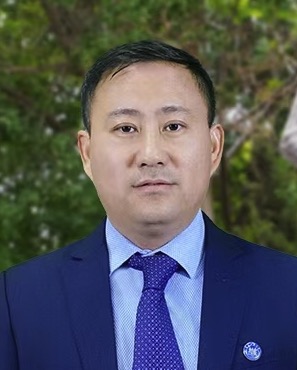 Lang Jiang (江浪)合作论文数School of Chemical Engineering and Technology, Hebei University of Technology29
 Xiaotao Zhang (张小涛)合作论文数Institute of Molecular Aggregation Science, Tianjin University24
 Zhenjie Ni合作论文数16Zongrui Wang合作论文数15
 Zhaohui Wang (王朝晖)合作论文数Department of Chemistry, Tsinghua University15
 Weigang Zhu (朱伟钢)合作论文数School of Science, Tianjin University12Yang Li合作论文数11
 Yuanping Yi (易院平)合作论文数University of Chinese Academy of Sciences;Institute of Chemistry, Chinese Academy of Sciences11Fu Xiaolong合作论文数11Chunfeng Shi合作论文数11Ping He合作论文数10XiaoHui Jia (贾晓会)合作论文数10
 Hongbing Fu (付红兵)合作论文数Institute of Molecular Plus, Tianjin University;Department of Chemistry, Capital Normal University10
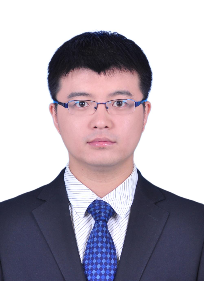 Deyang Ji (纪德洋)合作论文数Institute of Molecular Aggregation Science, Tianjin University9Junfeng Guo合作论文数8Zou Ye合作论文数8
 Zhang Hantang合作论文数8Xiuqiang Lu合作论文数8
 Ying Wang (王鹰)合作论文数Technical Institute of Physics and Chemistry, Chinese Academy of Sciences7Xu Chunhui合作论文数7
 Hanlin Wang (王翰林)合作论文数Institute of Chemistry, Chinese Academy of Sciences;University of Chinese Academy of Sciences7
 Liqiang Li (李立强)合作论文数Institute of Molecular Aggregation Science, Tianjin University7
 Qiang Zhao (赵强)合作论文数Changchun Institute of Applied Chemistry, Chinese Academy of Sciences7
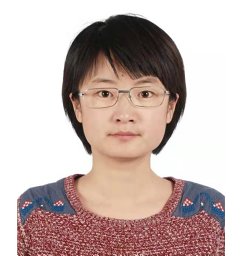 Ajuan Cui合作论文数Institute of Physics, Chinese Academy of Sciences7Zhibin Shu合作论文数6Shang Ding合作论文数6
 Rongjin Li (李荣金)合作论文数Department of Chemistry, School of Science, Tianjin University;Tianjin Key Laboratory of Molecular Optoelectronic Science6
 Hua Geng (耿华)合作论文数Department of Chemistry, Capital Normal University6
 Zhixiang Wei (魏志祥)合作论文数National Center for Nanoscience and Technology, Chinese Academy of Sciences;Bureau of Frontier Sciences and Basic Research, Chinese Academy of Sciences6
 Jie Li (李杰)合作论文数School of Mathematics and Physics, University of Science and Technology Beijing6
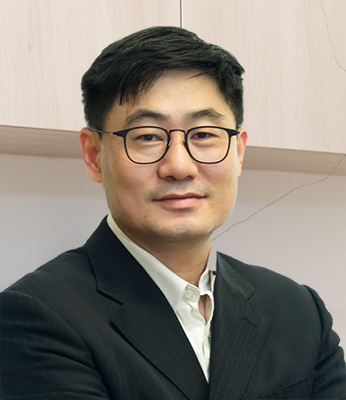 Wei Chen合作论文数Department of Chemistry, Faculty of Science, National University of Singapore;Department of Physics, Faculty of Science, National University of Singapore6Panpan Yu合作论文数5
 Zhengsheng Qin合作论文数5
 Yifan Yao (姚奕帆)合作论文数College of Chemistry and Chemical Engineering, Hunan University5Guangyao Zhao合作论文数5
 Wan Yue (岳晚)合作论文数School of Materials Science and Engineering, Sun Yat-sen University5
 Jie Liu (刘洁)合作论文数Department of Environmental Science and Engineering, North China Electric Power University (Baoding)5
 Wei Jiang (姜伟)合作论文数State Key Laboratory of Polymer Physics and Chemistry, Changchun Institute of Applied Chemistry, Chinese Academy of Sciences5
 Zhigang Shuai (帅志刚)合作论文数School of Science and Engineering, The Chinese University of Hong Kong, Shenzhen;Department of Chemistry, Tsinghua University5
 Ke Zhou (周科)合作论文数School of Materials Science and Engineering, Xi'an Jiaotong University5Qing Meng合作论文数5
 Lingyun Zhu (朱凌云)合作论文数National Center for Nanoscience and Technology, Chinese Academy of Sciences;University of Chinese Academy of Sciences5Fengxiang Qie合作论文数4
 Zhe Liu合作论文数Niels Bohr Institute, Exercise and Sports, Faculty of Science, University of Copenhagen4Jinyu Liu合作论文数Chinese Acad Sci, Inst Chem, Key Lab Organ Solids, Beijing Natl Lab Mol Sci, Beijing 100190, Peoples R China4




