En-bloc kidney transplantation from low-weight pediatric donors (≤5 kg) is a challenging procedure performed only in limited transplant centers. We retrospectively analyzed the data from 42 en-bloc kidney transplants from donors weighing less than 5 kg between September 2014 and September 2023. The mean donor body weight was found to be 3.1 ± 1.0 kg, and the minimum weight was 0.9 kg. At a mean follow-up period of 1,481 days, the graft survival rate was 76.2% and the recipient survival rate was 100.0%. Thrombosis and acute rejection were the major complications responsible for the short-term graft loss. Male recipients were more likely to experience graft loss than female ones (P < 0.05). Recipients with long-term (>1 year) graft survival were observed to have a high prevalence (31.3%) of delayed graft function. However, they still had satisfactory long-term graft function and limited proteinuria. Continuous graft volume growth took more than 1 year to reach a stable level. Lower donor/recipient body surface area may lead to higher delayed graft function and slower estimated glomerular filtration rate recovery (P < 0.05). Kidney transplant from low-weight pediatric donors is associated with a high incidence of short-term graft loss, while long-term outcomes are generally acceptable.
Objective: A mycophenolate sodium enteric-coated tablet has shown a satisfying anti-rejection effect in patients receiving solid organ transplantation. The current study evaluated the bioequivalence between the test (Ruiyirong (R)) vs. reference (Myfortic (R)) formulations by exploring equations for predicting their area under the concentration-time curve (AUC) using a limited sampling strategy in healthy subjects.Methods: Forty-eight healthy Chinese subjects were randomized into three administration sequences (test-reference-reference, reference-reference-test, and reference-test-reference) to receive the Ruiyirong or Myfortic treatment on days 1, 8, and 15.Results: The 90% confidential interval (CI) of the geometric mean ratios (test/reference) of maximum plasma concentration (C-max), the AUC from time 0 to the last timepoint (AUC(0-t)), and the AUC from 0 to infinity (AUC(0-infinity)) was 92.90%-110.57%, 96.91%- 101.80%, and 96.71%-101.84%, respectively. All these values fell into the bioequivalence criteria of 80.00%-125.00% (based on the criteria of the Food and Drug Administration). The adverse events were 10.4% in Ruiyirong test group and 14.6% in Myfortic reference group. Eight equations for estimating the AUC of the Ruiyirong test and Myfortic reference formulations were evaluated; most of them worked well with the R-value >0.8. Among the four chosen equations, the intragroup verification exhibited a high agreement with the R-value ranging from 0.857 to 0.971 and with the low predictive error (PE > 5% with absolute PE > 15%). Meanwhile, the intergroup verification indicated a high inter-agreement with the R-value ranging from 0.896 to 0.974 (all P < 0.001).Conclusion: The Ruiyirong test vs. Myfortic reference formulations meet the bioequivalent criteria and are well tolerated. The further linear regression analysis explores eight equations predicting the AUC value and the chosen four equations for the Ruiyirong test and Mayfortic reference formulations are interchangeable.
Purpose: En-bloc kidney transplantation (EBKT) from pediatric donors involves transplantation of two kidneys from a deceased pediatric donor, en-bloc, into a recipient. Little is known about accurately reflecting measured renal function in EBKT patients. Long-term allograft outcomes are linked to renal function after transplantation. The primary purpose of this article is to assess the association between 99mTc-DTPA-based renal dynamic imaging and post-transplantation renal allograft function. Methods: This was a retrospective study, analyzed imaging data of EBKT patients who underwent 99mTc-DTPA-based renal dynamic imaging at our institute from April 2017 to November 2019. All subjects were patients after their first kidney transplant. Electronic patient records were examined for follow-up data. The data were analyzed using χ2 test, t-test, and Mann-Whitney U test. The Pearson correlation test was used to investigate the correlation between two variables. Results: Sixteen patients received en-bloc pediatric kidney transplants of which ten females. The mean age was 30.3 ± 10.4 years and the mean recipient weight was 50.6 ± 10.2. Glomerular filtration rate measured by renal dynamic imaging Gate’s method (gGFR) showed a correlation with the time intervals post transplantation, serum creatinine, blood urea nitrogen, cystatin-C. The gGFR was much higher in the later-period group than in the early-period group (107.64 ± 27.54 ml/min vs 52.88 ± 17.86 ml/min, P < 0.001). Some difference was obtained for estimated glomerular filtration rate (eGFR) over gGFR in the early-period group with statistical significance (67.50 ± 32.23 ml/min vs 52.88 ± 17.86 ml/min, P = 0.044). Furthermore, gGFR increased significantly in patients with normal serum creatinine levels (P = 0.008). However, there was no significant difference in serum creatinine between the time-interval groups. No significant intergroup based on gGFR value (60 ml/min or 90 ml/min) differences in serum creatinine values were observed. Conclusion: Renal dynamic imaging could sensitively reflect renal function changes rather than serum creatinine and estimated glomerular filtration rate (eGFR) in EBKT patients, especially in the 12 months after transplantation.
Objective:To explore the clinical characteristics, causes, diagnosis and treatment of transplant renal artery stenosis after pediatric-to-adult kidney transplantation.Methods:Between July 2014 and March 2019, clinical data were retrospectively reviewed for 25 en-bloc and 27 single kidney transplant cases.Results:One en-bloc(4.0%)and two single kidney recipients(7.4%)were diagnosed as renal artery stenosis at Month 13-23 months post-transplantation.It was higher than the rate of stenosis in adult-to-adult transplant cases(1.1%)during the same period.As compared with recipients without stenosis, stenotic ones had younger pediatric donors( P<0.05)and yet similar body weight of donors as well as recipients( P>0.05). The inner diameters of stenonotic sites were(1.40-1.63)mm and predominant stenotic site was proximal renal artery rather than anastomotic site.The remaining parts of major renal arteries varied from 2.31 to 4.93 mm in diameter.It was normal in children with a corresponding age.All three cases responded well to percutaneous transluminal angioplasty and stenting. Conclusions:The cause of stenosis may be an undeveloped local artery diameter due to extensive tissue dissection around artery.Therefore cautious selections of infantile single renal graft for adult recipients and preserving surrounding tissue of renal artery assist in the prevention of graft arterial stenosis.
Post-transplant diabetes mellitus (PTDM) is a known side effect in transplant recipients administered immunosuppressant drugs, such as tacrolimus. This study aimed to investigate the risk factors related to PTDM, and establish a risk prediction model for PTDM. In addition, we explored the effect of PTDM on the graft survival rate of kidney transplantation recipients. Patients with pre-diabetes mellitus before kidney transplant were excluded, and 495 kidney transplant recipients were included in our study, who were assigned to the non-PTDM and PTDM groups. The cumulative incidence was calculated at 3 months, 6 months, 1 year, 2 years, and 3 years post-transplantation. Laboratory tests were performed and the tacrolimus concentration, clinical prognosis, and adverse reactions were analyzed. Furthermore, binary logistic regression analysis was used to identify the independent risk factors of PTDM. Age ≥ 45 years (adjusted odds ratio [aOR] 2.25, 95
Background. Tacrolimus has unpredictable pharmacokinetic (PK) characteristics, which are partially attributed to CYP3A5 polymorphism. The potential effects of clinical factors in the postoperative period of transplantation on tacrolimus PK and those of early tacrolimus PK variability on clinical outcomes are yet to be clarified. Methods. We examined the genetic and clinical factors affecting early tacrolimus PK variability in 256 kidney transplant recipients. The relationships among tacrolimus exposure, graft function delay (DGF), and acute rejection (AR) were further explored. Findings. The CYP3A5 genotype were strongly associated with tacrolimus concentration/dose ratio (C-0/D). Additionally, ABCB1 (rs1045642 and rs2032582) and ABCC2 (rs3740066) were found to have potential independent effects on early tacrolimus C-0/D in multivariate analysis. Red blood counts and albumin level were the most significant clinical factors associated with tacrolimus C-0/D. Wuzhi capsule also exerted an effect on tacrolimus PK. A model combined with pharmacogenetic and clinical factors explained 43.4% tacrolimus PK variability compared with 16.3% on the basis of CYP3A5 genotype only. Notably, increasing tacrolimus concentrations in the early postoperative stage were associated with AR, but not DGF. Conclusions. Combined analysis of genotype and specific clinical factors is important for the formulation of precise tacrolimus dose regimens in the early stage after kidney transplantation.
Background: Infection remains a leading cause of morbidity and mortality in kidney transplant patients. This study aimed to investigate the risk factors of bacterial infection during the perioperative period of transplantation and the effects of infection on longterm clinical outcomes. Methods: In total, 295 kidney transplantation recipients were included in this retrospective study and assigned to two groups: non infected and infected. The tacrolimus concentration, pharmacogenomics, laboratory parameters, and clinical outcomes of both groups were evaluated. Results: A relatively low incidence of urinary tract infection was observed in our cohort, and lung was identified as the most frequent site of infection. Gram-negative bacteria, such as Escherichia coli, Pseudomonas aeruginosa, and Klebsiella pneumoniae, were the most common infecting strains in kidney transplant recipients. Patients with diabetes showed greater susceptibility to infection. Compared with the non-infected group, tacrolimus concentration was significantly lower on day 7 and 14 in the infected group. White blood cell count, neutrophil count, and C-reactive protein (CRP) in the infected group were markedly higher post-transplantation, while albumin levels were lower relative to the non-infected group. ABCB1 (rs2032582) genotype showed clear associations with infection. Furthermore, the incidence of delayed graft function (DGF) and early acute rejection (AR) before infection was significantly greater in the infected group. Finally, early post-transplant infection was associated with a marked increase in the incidence of AR, post-transplant diabetes mellitus (PTDM), and secondary infection. Conclusion: Pre-diabetes, longer duration of catheterization, lower albumin, higher CRP, tacrolimus concentration on the day 7 and 14, early AR before infection, and DGF were closely related to postoperative infection in kidney transplantation recipients. Moreover, bacterial infection during the perioperative period was closely associated with AR, PTDM and secondary infection.
Objective:To survey the public attitude towards xenotransplantation and examine its influencing factors.Methods:A survey form with 46 multiple-choice questions is offered. It is composed of general profiles of respondent and scale. The questionnaire is distributed online through the platform of Wenjuanxing(https: //). All adult respondents filled in anonymously online. Statistical processing included descriptive analysis, reliability and validity testing and variance and correlation analysis.Results:A total of 4 414 valid questionnaires are obtained between December 1, 2021 and January 31, 2022. Cronbach's alpha coefficient is 0.912 and the scale has decent reliability. Based upon the results of exploratory factor analysis, the items are grouped into five main factors, namely organ source, decision, psychosocial change, infection risk and other risks. If pig organs are proven feasible, the risks and prognosis are basically the same as human organs, 65.4% of the respondents definitely supported xenotransplantation. Among the respondents, individuals aged 31~50 years, male, born or resident in Chinese western region, higher education, non-medical institution practitioners, self/family members/friends have done or awaiting organ transplantation, self/partners supporting organ donation, future needs for organ transplantation, previous discussion of organ donation or organ transplantation with family/friends, blood donation, volunteer social worker, atheist or Buddhist/Christianc and hearing about xenotransplantation are more inclined to support xenotransplantation.Correlation analysis showed significant correlations among five main factors.Conclusions:Despite differences in attitudes towards xenotransplantation among different populations, overall attitude is favorable. Respondents are more concerned about their associated risks, especially psychosocial changes. The related researches should be stressed. And for different groups of people, corresponding stratified tutoring should be carried out. Strengthening clinical trials, heightening public attention and training medical staff are expected to further popularize this new technology.
Background: Tacrolimus is a key drug in kidney transplantation with a narrow therapeutic index. However, whether tacrolimus exposure variability affects clinical outcomes and adverse reactions remains unknown. Objective: Our study investigated the factors that influence tacrolimus exposure in kidney transplantation recipients and the relationship between tacrolimus concentration and clinical outcomes and adverse reactions. Settings and Methods: We examined the effect of tacrolimus concentration on clinical outcomes and adverse reactions in 201 kidney transplantation recipients, and identified clinical and pharmacogenetic factors that explain tacrolimus exposure. Results: The CYP3A5 genotype was clearly associated with dose-adjusted trough blood tacrolimus concentrations (C0/D), whereas no significant difference was observed in patients with the CYP3A4*1B, CYP3A4*22, ABCB1, ABCC2, POR*28 or PXR alleles. Clinical factors such as red blood cell count, hemoglobin, and albumin were the most useful influence factors affecting tacrolimus C0/D. Besides, Wuzhi capsule increased tacrolimus C0/D in kidney transplantation recipients. Furthermore, higher tacrolimus concentrations were associated with higher diarrhea and post-transplant diabetes mellitus (PTDM) risk but not with acute rejection and chronic allograft kidney dysfunction. Conclusion: Clinical factors, medication, and CYP-enzyme polymorphisms accounted for tacrolimus concentration variability in kidney transplantation recipients. Furthermore, higher tacrolimus concentrations were associated with higher diarrhea and PTDM risk.
Objective:To summarize the clinical experiences of pediatric en-bloc kidney transplantation (EBKT) at a single center and explore the measures of improving its efficacy.Methods:Clinical data and outcomes retrospectively analyzed for 38 EBKT children between September 2014 and November 2019 from Department of Urology Affiliated Union Hospital Tongji Medical College Huazhong University of Science & Technology. The pediatric donors were aged (63.6±5.7) days with a weight of (4.1±0.2) kg. And the transplant recipients were aged (28.1±1.4) years with a weight of (48.7±4.9) kg. Serum levels of creatinine and basic profiles of both donors and recipients were recorded at Day 0/7/30/90/80/360 post-EBKT. The postoperative occurrences of such complications such as thrombosis, urine leakage, delayed graft function (DGF), proteinuria and hematoma were measured.Results:The one-year graft survival rate was 76.3%(29/38) and the recipient survival rate 100.0%(38/38). Among 29 recipients with long-term graft survival, no dialysis was required at Week 2 post-EBKT and the serum level of creatinine dropped to normal at Year 1. Thrombosis was a major post-EBKT complication with an incidence of 18.4%(7/38). The other complications included urine leakage (20.7%, 6/29), hematoma (6.9%, 2/29) and primary non-functioning kidney (2.6%, 1/38).Conclusions:As an effective way of expanding the pool of donors, pediatric EBKT is clinically feasible.
Objective:To explore the short-term outcomes of dual kidney transplantation and summarize its safety and feasibility.Methods:From September 2018 to September 2019, a total of 7 dual kidney transplantations were performed. And retrospective analysis was performed for baseline profiles, clinical data and postoperative complications.Results:The mean age was (62.7±8.5) years for donors and (43.9±9.3) years for recipients. The Remuzzi score of 6 paired kidneys ranged from 4 to 6 points. During follow-ups, the survival rate of 7 dual kidney transplantation grafts and recipients was 100%. The median follow-up period was 16 months. Renal function of 6 recipients normalized within 1 week and delayed graft function (DGF) occurred in one case. All of them underwent unilateral kidney transplantation with an average operative duration of (5.6±1.4) hours. There was no onset of operative complications. One case of rejection was not confirmed by biopsy. Among three patients of lung infections, there was one case of severe pneumonia. In 3 cases, lateral plasma flow of transplanted kidney exceeded that of medial plasma flow.Conclusions:Dual kidney transplantation in adults is both safe and feasible so as to expand the availability of donated kidney.
随着器官移植和显微外科技术的不断发展,亲属肾移植表现出优于尸体供肾移植的术后疗效,其有效扩大了供肾数量,为更多尿毒症患者提供了救治机会.有研究表明,亲属肾移植供肾1年生存率可达99%以上,3年生存率也在95%以上[1-2].相较公民逝世后供肾移植,亲属肾移植手术时间可控,供者均为健康个体,术后感染、排斥反应、移植肾功能不全等并发症发生率低,治疗费用和住院时间均明显减少.尽管亲属肾移植具有上述优点,然而在供者安全性原则和严格伦理要求的背景下,仍应谨慎开展.
Background. Donor-derived cell-free DNA (dd-cfDNA) is a potential noninvasive molecular marker of graft rejection after kidney transplant, whose diagnostic accuracy remains controversial. Methods. We performed a systematic review and metaanalysis to evaluate the diagnostic accuracy of dd-cfDNA. Relevant literature was searched from online databases, and the data on the diagnostic accuracy of discriminating main rejection episodes (MRE) and antibody-mediated rejection (AMR) were merged, respectively. Results. Nine studies were included in the metaanalysis, of which 6 were focused on the diagnostic accuracy of dd-cfDNA for MRE, whose pooled sensitivity, specificity, area under the receiver operating characteristics curve, diagnostic odds ratio, overall positive likelihood ratio, and negative likelihood ratio with 95% confidence intervals were 0.70 (0.57-0.81), 0.78 (0.70-0.84), 0.81 (0.77-0.84), 8.18 (5.11-13.09), 3.15 (2.47-4.02), and 0.39 (0.27-0.55), respectively. Five tests were focused on discriminating AMR, whose pooled indicators were 0.84 (0.75-0.90), 0.80 (0.74-0.84), 0.89 (0.86-0.91), 20.48 (10.76-38.99), 4.13(3.21-5.33), and 0.20(0.12-0.33), respectively. Conclusions. Donor-derived cell-free DNA can be a helpful marker for the diagnosis of AMR among those recipients suspected of renal dysfunction. Its diagnostic accuracy on the MRE remains uncertain, which requires further prospective, large-scale, multicenter, and common population research.
Background: Kidney renal clear cell carcinoma (KIRC) is the most common renal cell carcinoma types. This work aims to find potential diagnostic biomarkers and explore the biological functions related to the prognosis of KIRC. Method: First, Gene expression profiles of GSE15641, GSE72304, GSE71963, GSE53757, and GSE36895 from GEO database. Differentially expressed genes (DEGs) were identified by the limma package in R software. Next, gene ontology (GO) and Kyoto Encyclopedia of Gene and Genome (KEGG) pathway analysis were performed. Then protein-protein interaction (PPI) and hub genes were visualized by Cytoscape with STRING database. Then, we evaluate the predictive potential of hub genes expressions in KIRC with TCGA data. In addition, the relevant biological functions were identified using GSEA. Finally, we examined the differences of hub genes expression between multiple tumor tissues and normal tissues. Results: A total of 141 DEGs (including 99 upregulated and 42 downregulated genes) were identified. GO analysis indicated that DEGs were mainly involved in oxidation-reduction process and response to hypoxia. The KEGG analysis primarily related to PPAR signaling pathway, and HIF-1 signaling pathway. Moreover, the PPI analysis revealed 5 hub genes (AOX1, ALDH6A1, ABAT, HADH, and PCCA). The 5 hub genes were significantly correlated with KIRC progression and might have prognostic significance for KIPC patients. And low expression of the hub genes associated biological pathways were enriched in the NF-KB activation, focal adhesion, and JAK-STAT signaling pathway, respectively. Conclusion: Our study demonstrated that AOX1, ALDH6A1, ABAT, HADH, and PCCA can be used as prognostic biomarkers for KIRC.
Iliac atherosclerosis is common in renal transplant recipients. In severe cases, it affects intraoperative renal arterial anastomosis and increases the risk of postanastomosis complications. At present, safe and efficient vascular replacement methods are relatively limited. In the 2 renal transplant cases at our center, described here, the donors’ iliac arteries were unavailable. We therefore attempted to replace the recipients’ diseased external iliac artery with the donors’ inferior vena cava and then performed an end-to-side grafting with the attachment in arterial reconstruction. One patient received a single kidney transplantation, while the other received a dual kidney transplantation. Antiplatelet/anticoagulation drug application was avoided, and both patients were observed for more than 6 months. Stable renal graft function was achieved without any vascular complications. During this study, all procedures were in compliance with the Helsinki Congress and the Declaration of Istanbul. For end-stage renal disease patients with severe iliac atherosclerosis who are waiting for kidney transplantation, a donor’s vena cava graft could potentially be a promising replacement option to restore external iliac artery patency and reconstruct renal blood flow, without the necessity of harvesting a recipient’s autologous vessels or looking for costly artificial ones.
肾移植受者需要长期接受免疫抑制剂抗排斥,导致该类患者发生感染的几率较大. 肺孢子菌肺炎(Pneumocystis pneumonia, PCP)是由肺孢子菌引起的一种非典型肺炎, 是实体器官移植术后较为常见的机会性感染之一[1,2],在肾移植患者中的发病率为2%-11%[3]. 一旦发生肺孢子虫肺炎, 病情进展迅速, 病死率极高, 若不经治疗,3 至4周内死亡率几乎100%[4]. 因此,早期诊断、预防和治疗非常重要. 本文主要报道1例有磺胺过敏史的老年患者肾移植术后肺孢子菌感染病例及治疗策略,为临床治疗提供参考.
器官移植是治疗终末期器官衰竭最有效的手段.随着供者来源性疾病传播风险的增加,移植器官的质量、安全和选择标准越来越重要.欧盟的《移植器官质量与安全指南(第6版)》第7章,在供者和器官质量评估、选择标准和流程方面,提出了基本要求,值得临床学习和实践.
Coronavirus disease 2019 (COVID-19) is a novel and lethal infectious disease, posing a threat to global health security. The number of cases has increased rapidly, but no data concerning kidney transplant (KTx) recipients infected with COVID-19 are available. To present the epidemiological, clinical, and therapeutic characteristics of KTx recipients infected with COVID-19, we report on a case series of five patients who were confirmed as having COVID-19 through nucleic acid testing (NAT) from January 1, 2020 to February 28, 2020. The most common symptoms on admission to hospital were fever (five patients, 100%), cough (five patients, 100%), myalgia or fatigue (three patients, 60%), and sputum production (three patients, 60%); serum creatinine or urea nitrogen levels were slightly higher than those before symptom onset. Four patients received a reduced dose of maintenance immunosuppressive therapy during hospitalization. As of March 4, 2020 NAT was negative for COVID-19 in three patients twice in succession, and their computed tomography scans showed improved images. Although greater patient numbers and long-term follow-up data are needed, our series demonstrates that mild COVID-19 infection in KTx recipients can be managed using symptomatic support therapy combined with adjusted maintenance immunosuppressive therapy.
 Heng Li (李恒)合作论文数Union Hospital, Tongji Medical College, Huazhong University of Science and Technology26
 FuQing Ceng (曾甫清)合作论文数17QiuXiang Xia (夏秋翔)合作论文数16XianPeng Ceng (曾宪鹏)合作论文数7Peng Jingtao合作论文数7Xiaoyu Han合作论文数6
 Guosong Jiang (蒋国松)合作论文数Union Hospital, Tongji Medical College, Huazhong University of Science and Technology6Jiali Liu合作论文数5Fang Zeng合作论文数5Fang Cheng合作论文数4Jinglin Wang合作论文数4Chen Guo (郭琛)合作论文数4Xianpeng Zeng合作论文数4
 Yu Zhang (张玉)合作论文数Union Hospital, Tongji Medical College, Huazhong University of Science and Technology4Qidan Pang合作论文数3Qiang Li合作论文数3Hua Yang合作论文数3
 Wen Ju (鞠文)合作论文数Union Hospital, Tongji Medical College, Huazhong University of Science and Technology3
 Wencheng Li (李文成)合作论文数Union Hospital, Tongji Medical College, Huazhong University of Science and Technology3
 Hua Su (苏华)合作论文数Union Hospital, Tongji Medical College, Huazhong University of Science and Technology3Hanying Li (李汉英)合作论文数3Xiong Xiao合作论文数2Chunyun Zhang合作论文数2Jing Chen合作论文数2Jing Liu合作论文数2Wei Xia合作论文数2Jun-ping LI (李俊平)合作论文数2Zhitao Cai合作论文数2
 Cheng Wan合作论文数Union Hosp, Huazhong Univ Sci & Technol2Xiong Yang (杨雄)合作论文数2Miao Wang (王淼)合作论文数2
 Chaohui Gu (顾朝辉)合作论文数The First Affiliated Hospital of Zhengzhou University |2
 Xiaoping Zhang (章小平)合作论文数Union Hospital, Tongji Medical College, Huazhong University of Science and Technology2
 Jun Yang (杨军)合作论文数Union Hospital, Tongji Medical College, Huazhong University of Science and Technology2Kerstin Amann合作论文数2
 Xingyuan Xiao (肖行远)合作论文数Zhongnan Hospital of Wuhan University2
 Bing Li (李兵)合作论文数Union Hospital, Tongji Medical College, Huazhong University of Science and Technology2
 Liang Wang (汪良)合作论文数Union Hospital, Tongji Medical College, Huazhong University of Science and Technology2
 Jun Zhao (赵军)合作论文数Union Hospital, Tongji Medical College, Huazhong University of Science and Technology2
 Feng Pan (潘峰)合作论文数Union Hospital, Tongji Medical College, Huazhong University of Science and Technology2
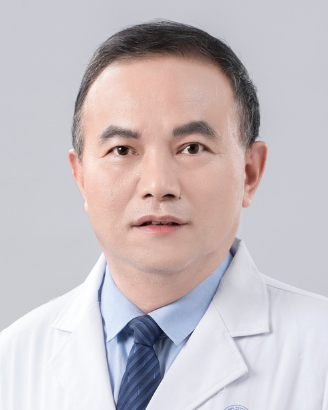 Zhaohui Zhu (朱朝辉)合作论文数Union Hospital, Tongji Medical College, Huazhong University of Science and Technology2
 Nicolai Burzlaff合作论文数2
 Fuqing Zeng (曾甫清)合作论文数Union Hospital, Tongji Medical College, Huazhong University of Science and Technology2Changshuai Shao (邵长帅)合作论文数2
 Yifei Xing (邢毅飞)合作论文数Union Hospital, Tongji Medical College, Huazhong University of Science and Technology2




