This study presents a data-driven machine learning framework to predict the hardness of WC-Co cemented carbides and guide the design of high-hardness cermets. Key influencing features, encompassing raw material characteristics, compositional variables, and processing conditions, were systematically integrated to construct a comprehensive hardness dataset. A gradient boosting regression machine learning model was developed, exhibiting excellent predictive accuracy and generalization ability. A feature importance analysis method was employed to quantitatively interpret the trained model, revealing the significant effects of Co content, ball milling parameters, grain growth inhibitor type and content, and initial WC particle size on the hardness of cemented carbides. Guided by the model predictions, integrated optimization of composition and processing was achieved for typical cemented carbide systems, and four representative high-hardness cemented carbide materials with varying Co contents were experimentally fabricated. The obtained hardness values, which exhibited relative errors below 5% when compared to model predictions, surpassed the literature-reported values for cemented carbides with equivalent Co content, confirming the predictive accuracy and practical utility of the developed framework. This work establishes a quantitative and interpretable data-driven strategy for developing high-hardness cemented carbides, advancing intelligent performance-targeted material development.
High-entropy carbides (HECs) are promising candidates for extreme environment applications owing to their high hardness, excellent thermal stability, and good oxidation resistance. However, their inherent brittleness severely limits structural utilization. To explore the composition dependent toughening potential of HECs, the (ZrVNbTa)C was selected as the matrix, and the (ZrVNbTaMe)C (Me = Ti, Hf, Mo, W) compositions were designed to elucidate the effect of solid-solution chemistry on intrinsic toughness of the material. The generalized stacking fault energy (GSFE) calculations revealed that, compared to TiC-, HfC-, and Mo2C-containing compositions, the addition of WC reduces more effectively the unstable stacking fault energy (γusf) of (ZrVNbTa)C, indicating an important toughening potential. The shear simulations showed that (ZrVNbTaW)C is more susceptible to partial dislocation slip, which relaxes local stress concentration and delays fracture. It was discovered by the electronic structure analysis that there exists a pronounced inverse correlation between the net charge on HECs and the intrinsic toughness. Specially, the toughness enhancement of (ZrVNbTaW)C originates from the weakened covalent character of metal–carbon (Me–C) bonds and enhanced charge transfer induced by WC incorporation. The calculation results have been validated by experiments, in which enhanced fracture toughness and plasticity index were achieved in (ZrVNbTaW)C compared to those of (ZrVNbTa)C, confirming the toughening effect of WC solid solution. This work indicates that reducing net charge via rational elemental substitution provides a promising pathway for reducing intrinsic brittleness of HECs.
High mechanical properties and oxidation resistance are simultaneously demanded in high-temperature applications of W-Cu composites. In this study, both tensile strength and oxidation resistance were remarkably enhanced for the W-Cu composite by introducing the versatile Cr element. It was found that after liquid-state sintering, Cr had a multiscale distribution ranging from atomic to submicron scales. A high tensile strength of the Cr-containing W-Cu composite was attributed to multiple reinforcement, including submicron-scale dispersive Cr oxide particles, ultrafine-grained structure of W, coherent interfaces between Cr-rich nanoparticles and matrix, and enhanced bonding at W grain boundaries. The segregation of Cr atoms facilitates electronic coupling with the W atoms, thereby strengthening the W grain boundaries and reducing intergranular fracture in the W phase. Furthermore, the Cr-containing W-Cu composite exhibited much stronger oxidation resistance in a high temperature range of 70 0-10 0 0 degrees C than the W-Cu counterpart. In the W-Cu-Cr composite, self-passivation occurs at high temperatures, where a continuous and compact Cr2 WO6 layer effectively inhibits oxygen diffusion into the interior region, while simultaneously hindering Cu diffusion into the oxide layer, thus preventing the formation of pores at Cu/oxide layer interfaces. This study provides insight for further development of W-Cu based composites with superior integrated performance. (c) 2025 Published by Elsevier Ltd on behalf of The editorial office of Journal of Materials Science & Technology.
This work employs data-driven predictive analysis to optimize the service life of cemented carbide micro-drills. A multi-parameter predictive framework was developed using random forest models to assess the relative contributions of key mechanical properties, including hardness, toughness, and strength, to the service life of microdrills with different diameters. It was found that transverse rupture strength of the cemented carbide governs the service life of micro-drills, and its impact gradually weakens with increase of the micro-drill diameter. Meanwhile, hardness becomes increasingly critical, doubling in impact as diameter increases from 0.15 mm to 1.0 mm, which indicated a shift from fracture- to wear-dominated failure mode. Furthermore, this study proposed a diameter-specific optimization strategy: small drills (diameter <= 0.3 mm) require Co content optimization for enhancing strength; medium drills (e.g., diameter of 0.5 mm) need balanced Cr3C2 toughening and Co-generated stress coordination; large drills (e.g., diameter of 1.0 mm) demand synergistic WC grain size and Co content regulation for hardness-strength balance. Based on computations and predictions, optimization criteria and design strategy for composition and microstructure were obtained for long-service-life cemented carbide microdrills.
This study addressed the persistent trade-offs among hardness, strength and fracture toughness in cemented carbides with low metal binder contents. A novel strategy was proposed to synergistically enhance the comprehensive mechanical properties by introducing the nitrogen-containing grain growth inhibitor to regulate phase structures and interface characteristics. Integrated computational analysis and microstructural characterization elucidated the multifunctional roles of nitrogen dissolution in cemented carbides, including tailoring electronic configurations, inducing lattice distortion, and impeding dislocation motion. Nitrogen incorporation via Cr2(C,N) decomposition strengthened the WC phase through interstitial solid solution. Concurrently, the release of nitrogen from Cr2(C,N) promoted dissolution of Cr and W in cobalt phase, which stabilized the facecentered cubic structure and increased the proportion of coherent WC/Co interfaces. This improved the deformation accommodation capacity of the binder phase and enhanced the resistance against intergranular fracture along phase boundaries. The developed low-binder-content WC-CoCr2(C,N) cemented carbide achieved recordhigh mechanical properties of 2143 kgf/mm2 Vickers hardness, 9.7 MPa center dot m1/2 fracture toughness, and 3031 MPa transverse rupture strength. This breakthrough overcame the long-standing property trade-offs in cemented carbides particularly those with low contents of metallic binders.
In this work, ultrafine-grained WC-Co cemented carbide rods with high comprehensive mechanical properties were fabricated for potential use in printed circuit board (PCB) micro-drills. Nanoscale WC-12wt.%Co composite powder was produced, carbon corrected and extruded into rods, which were then debound and sintered. The resulting cemented carbide exhibited a dense microstructure with a mean WC grain size of 0.3 mu m and excellent mechanical properties. The mechanisms for the simultaneous enhancement of strength and toughness in ultrafine-grained cemented carbides were proposed based on interfacial and sub-grain structural analyses. It was found that a high proportion of low-energy & sum;2 grain boundaries, coherent WC/WC and WC/Co interfaces, and the interactions between Co-rich nanoparticles within WC grains and dislocations contributed to the improved properties. These findings provide both processing and scientific guidance for the development of high-performing cemented carbides.
Vacuum hot-compression bonding (VHCB) technology exhibits irreplaceable advantages in manufacturing critical components of high-entropy alloys (HEAs). Although the bonding mechanism of the VHCB process has been widely investigated, its dependence on the initial grain size remains to be further clarified. The interfacial bonding behavior of CoCrFeMnNi HEA VHCB joints with different initial grain sizes was systematically investigated. The results indicate that the reduction in initial grain size, on the one hand, improves diffusion conditions of interfacial atomic, accelerating the dissolution of interfacial oxide particles, and on the other hand, enhances the kinetics of interfacial dynamic recrystallization and promotes the migration of interfacial grain boundaries (IGBs). The IGB migration process for fine-grained joints results from the combined effects of discontinuous dynamic recrystallization, twin-induced interfacial boundary migration, and triple junction transformation. In contrast, the elimination of IGBs in coarse-grained joints is mainly related to the evolution of discontinuous and continuous dynamic recrystallized grains. The mechanical analysis results demonstrate that the enhanced strengthening effects in the fine-grained joint not only improve the strength of the joint but also optimize its failure mode during fracture. The initial grain size changed from 149.6 mu m to 7.8 mu m, and the recovery rates of ultimate tensile strength and elongation of the joint increased from 88.6 % and 54.3 % to 102.2 % and 104.6 %, respectively, reflecting the gradual enhancement of the interfacial bonding quality.
Regarding the irradiation damage issue of dissimilar metal joints in nuclear power systems during long-term service, this study achieved synergistic recovery of irradiation damage and mechanical properties of the white bright band (WBB) in SA508-3/52(M) joints through post-irradiation moderate-temperature annealing. The evolution characteristics of helium bubbles in the WBB region were analyzed, and the regulatory mechanism of moderate-temperature annealing on the mechanical properties was revealed. The results indicate that moderate-temperature annealing effectively reduces irradiation hardening. Simultaneously, the decreased number density resulting from helium bubble coarsening markedly lowers the swelling rate and enhances the fracture toughness of the WBB.
The role of MXene functional group modification in modulating the Schottky barrier height (SBH) of TMD-MXene heterostructures is a key research focus for surpassing silicon-based device size limits. However, the effects of different functional groups on TMD-MXene heterostructures remain incompletely understood. This study constructs a WSe2-Ti3C2Tx vdW-HS and focuses on the modulation mechanism of interfacial charge transfer and SBH by substituting functional groups (-Cl, -Br, -I, -S, -Se, -Te, -P, -As, -Si) from Group IV-VII. Results indicate that functional group substitution enables tuning of n-type and p-type SBHs within ranges of 0-1.63 eV and 0-1.41 eV, respectively, achieving n-type and p-type Ohmic contacts when functional groups are-I and-S/-Se/-P/-As/ -Si, respectively. Tunneling analysis shows WSe2-Ti3C2I2 has optimal performance (barrier height 2.91 eV, width 1.487 & Aring;). These phenomena occurs because functional group modifications alter the Ti3C2Tx work function (3.165-6.066 eV). The work function difference between Ti3C2Tx and WSe2 modulates interfacial charge redistribution, thereby altering the electrostatic potential of WSe2 and causing band bending. This ultimately achieves SBH modulation. Thus, we establish a complete mechanistic chain: work function variation-charge redistribution-band bending-SBH modulation. These findings establish a theoretical foundation for the rational design of functional groups to engineer heterostructures with targeted performance metrics.
A response surface describing the laser cladding parameters and properties of the IN625/WC composite coating was constructed, and a data-driven Gaussian Process Regression (GPR) model was developed. The results indicate that the addition of WC alters the influence of processing parameters on performance, making laser power a more critical factor. The WC content increased from 10 wt% to 30 wt%, with microhardness varying from 344 HV at moderate laser power to 590 HV at high laser power. Furthermore, by integrating the GPR model with the Upper Confidence Bound (UCB) algorithm, effective exploration of processing parameters and prediction of optimal performance were achieved. The validation results demonstrated that the relative error between predicted and measured values remained within 5 %, confirming the effectiveness and reliability of the proposed GPR-UCB optimization method.
ABSTRACT Lightweight Al composites enhanced with negative thermal expansion (NTE) materials exhibit ultra‐low temperature sensitivity, offering substantial promise for high‐precision and aerospace applications. However, most strong NTE reinforcements driven by abrupt phase transitions tend to present a narrow operation window, limiting the realization of wide‐range zero thermal expansion (ZTE) behavior in the composites. Herein, this critical challenge is addressed in the Zn 1.6 Mg 0.4 P 2 O 7 /Al composites through a strain engineering strategy. Under the Al matrix‐induced compressive strain, Zn 1.6 Mg 0.4 P 2 O 7 exhibits a broad uniform NTE response spanning 80°C, contrasting sharply with its inherent narrow NTE temperature window (20°C). As a result, the composite with 35 vol.% Zn 1.6 Mg 0.4 P 2 O 7 achieves high‐performance ZTE (0.90 ppm/°C) across 25–80°C. Meanwhile, due to the high content of the Al matrix with high thermal conductivity, this ZTE material exhibits excellent thermal conductivity (80.9 W·m −1 ·K −1 ) compared with the ZTE alloy Invar (12.8 W·m −1 ·K −1 ). In situ neutron powder diffraction, Raman spectroscopy, and X‐ray diffraction characterizations demonstrate that the wide and gradual volume shrinkage in the NTE phase is attributable to strain‐driven structural transformations. This work presents a simple yet effective approach for homogenizing the performance of NTE materials and holds great potential for facilitating the practical applications of specialized NTE materials.
Tuning crystallographic orientation is a crucial strategy for optimizing metal-semiconductor contacts and reducing the Schottky barrier height (SBH) to achieve low contact resistance. Based on density functional theory calculations, this study systematically investigates van der Waals heterostructures composed of MoS2 and low-index crystallographic planes (0001, 011̅2, and 101̅0) of VA-group (Sb, As, and P) and VIA-group (α/β-Te) elements. Among the 15 constructed configurations, 11 exhibit structural stability. The results demonstrate that the crystallographic orientation and elemental species jointly regulate the electronic properties of heterostructures: MoS2/Sb (0001) forms an n-type Ohmic contact (Φn = -0.12 eV) due to strong p-d orbital hybridization; Sb (101̅0)/MoS2 and MoS2/Sb (011̅2) exhibit n-type Schottky contact owing to weakened hybridization. In MoS2/As and MoS2/P systems, the SBH varies with crystallographic planes, primarily attributed to indirect mechanisms such as work function differences and interfacial charge transfer. Meanwhile, MoS2/Te heterostructures undergo a transition from metallic to semiconducting behavior depending on the crystal phase and facet orientation. This work elucidates the mechanism by which crystallographic orientation modulates interfacial charge transfer and orbital hybridization through dangling bond density and work function, enabling precise design from tunable Schottky barriers to ohmic contacts, thereby providing theoretical guidance for the development of two-dimensional semiconductor devices.
Conventional laser-cladded WC-based coatings with high carbide contents (typically >= 40 wt%) are highly susceptible to cracking. To overcome this issue, systematic optimizations of powder characteristics and laser cladding parameters were conducted in this work. Near-fully dense, crack-free, and high-performance WC-based coatings with a WC retention rate up to 73.9% were fabricated by laser cladding of WC-12Co composite powder. The effects of laser power, scanning speed, and powder feeding rate on the microstructure and properties of the cermet coatings were studied. Under optimized conditions, multiscale carbides and W-rich nanophases were formed in the coatings. These included ultra-coarse WC, unmelted ultrafine WC, dendritic (Fe,Co)(3)W3C, and a CoFe15.7 binder embedded with amorphous W-rich nanoparticles, the formation mechanisms of which were clarified. Owing to the unique microstructure, the optimized coating exhibited simultaneously improved hardness (similar to 1300 HV0.3) and fracture toughness (10.6 MPa.m(1/2)), together with outstanding wear resistance. The synergistic strengthening, toughening, and anti-wear mechanisms contributed by multiscale carbides and the FeCo binder with W-rich nanoparticles were proposed. This study provides new insights and design strategies for the development of high-performance cermet coatings.
Achieving enhanced high-temperature strength in cemented carbides was challenging via conventional methods. This study presents a significant advancement in achieving superior high-temperature strength and strain in cemented carbides by introducing nanoparticles within WC grains. By utilizing the in-situ synthesized WC-Co composite powder as a raw material, the W-Co-C nanoparticles formed in the WC grains in the resultant cemented carbide. A comprehensive microstructural analysis on representative samples indicated the precipitated nanoparticles exhibited an average diameter of 4.4 nm and possessed coherent interfaces with the WC matrix. Uniaxial compression tests were conducted over the temperature rang from room temperature to 600 degrees C. It was demonstrated that the cemented carbides showed the highest compression strength and exceptional strain at 600 degrees C. The enhanced strain was attributed to the deformation accommodation of WC grains, induced by the generation and motion of high-density dislocations within the WC grains. The strength enhancement originated from effective interactions between dislocations and nanoparticles. In particular, the shearing resistance between dislocations and nanoparticles creates a strengthening effect by impeding dislocation motion in the WC matrix. This work provides a new approach for improving the integrated mechanical properties of cemented carbides at high temperatures by enhancing the ceramic phase.
For the SA508–3/52(M) dissimilar joint, this study achieved the synergistic recovery of irradiation damage and mechanical properties through moderate-temperature annealing, and compared the differences in the microstructural evolution of the white bright band (WBB) in various joints. The results indicated that moderate-temperature annealing reduced the hardness of the WBB in the SA508–3/52(M) joint by 22.59% and 11.93%, respectively, effectively mitigating the radiation hardening phenomenon. Meanwhile, the reduction in number density resulting from helium bubble coarsening decreased the swelling rates of the two types of joint WBBs by up to 56.46% and 40.42%, respectively, significantly improving their fracture toughness.
ABSTRACT This study has developed a physically interpretable machine learning framework for predicting coercivity of Sm‐Co‐based alloys by integrating principles of permanent magnetic materials. Key features governing coercivity were systematically reconstructed using a developed two‐step symbolic regression algorithm combining frequency statistics, and individual contributions of these reconstructed features were elucidated by sensitivity analysis. A high‐throughput predictive model was set up for coercivity evaluation with exceptional accuracy enabling data‐driven composition design of Sm‐Co‐based permanent magnetic alloys with high coercivity. Taking SmCo7‐based alloys as an example, ternary doping with Ti, In, and Al was identified as optimal for coercivity enhancement. Guided by these predictions, novel multielement doped nanocrystalline Sm‐Co‐based alloys were prepared exhibiting record high coercivity. This work established a paradigm shift from empirical optimization to mechanism‐guided data‐driven design of advanced permanent magnetic materials, demonstrating the potential of interpretable machine learning in materials innovation.
Laser scribing can effectively improve the magnetization loss of amorphous alloys. Nanosecond pulsed laser scribing was employed to modify the surface of Fe-based amorphous ribbons with an as-cast fish-scale texture (fish-scale ribbons). The effect of laser power (PL= 60 -135 W) on the scribed morphology and magnetizationloss characteristics was investigated, and the interplay between surface morphology, magnetic domain structure, and core loss was discussed. The results show that as PL increased from 60 to 105 W, the groove area increased from 9.724 to 70.029 mu m2, the core loss improvement rate (fa gcl ) rose from 12.14% to 18.59%, while the exciting power improvement rate (fa gep ) decreased from 29.01% to 14.16%. At PL= 135 W, the groove area increased to 123.507 mu m2 and resolidified droplets appeared around the groove, correspondingly, fa g fa g ep deteriorated to -303.75%. The study further indicates that the core loss of fish-scale ribbons is closely related to domain width. The stress field introduced by laser scribing drives magnetic domain rearrangement, at PL= 105 W, strip domains become more abundant and more uniformly distributed, leading to the most pronounced core loss reduction while the exciting power remains positively improved. As PL increases to 135 W, the accumulation of droplets and cracks along with intensified residual stress strengthens domain wall pinning and hampers magnetization, leading to a severe deterioration in exciting power and a reduced core loss benefit.
This paper presents a novel self-induced ultrasonic pulse TIG (U-TIG) process with high efficiency, which improves microstructure and mechanical properties of TIG welds in Inconel 718 (IN718) super-alloy. The characteristics of grain sizes, sub-grain sizes, grain orientations and boundary precipitates in the weld metal were quantitatively analyzed on the three-dimensional (3D) scale. Ultrasonic pulse current not only refines overall dimensions of grains and sub-grains in 3D directions, but also changes grain growth orientations from vertical to oblique. The refinement of grains and sub-grains increases grain boundary length and zigzag degree, while the morphology of the Laves phase transforms from a long-strip shape to a refined pebble-like one. These microstructural evolutions are responsible for the improvement tensile strength (95 % of that of the base metal) and ductility (461 % of that of the base metal).
As a core component of aero engines, the creep life of turbine blade hot-end parts has become a critical technical bottleneck restricting the comprehensive service performance of advanced aero engines. Ni-based single crystal superalloys (SCs), renowned for their high-temperature strength and excellent creep resistance, are the material of choice for turbine blades. During service, creep damage caused by centrifugal stress is the primary failure mode, making the development of Ni-based SCs with enhanced high-temperature creep resistance imperative. However, with each successive generation of Ni-based SCs, the incremental improvement in temperature capability diminishes and their operational temperatures now approach the material's solidus temperature. This study investigates the effects of alloy composition optimization and crystallographic orientation on the high-temperature creep resistance of Ni-based SCs, while elucidating the three-stage creep mechanisms. By tailoring alloy composition and crystallographic orientation, significant enhancements in creep resistance can be achieved. Our findings provide theoretical insights into improving creep resistance in Ni-based SCs and highlight the future potential of advanced creep life prediction methods, such as machine learning, in advancing the durability of aerospace materials. This research contributes to elevating the reliability and service life of turbine blades and other critical engine components.
Isotropic low thermal expansion (LTE) is highly sought after for practical applications but remains rare due to the strict symmetry constraints that typically restrict its occurrence to cubic systems. In this study, we overcome this limitation in the hexagonal Laves-phase TiFe2 by tailoring the microscopic magnetic structure through vanadium substitution at Fe sites. The resulting Ti(Fe0.85V0.15)2 compound exhibits nearly isotropic LTE within an intrinsically anisotropic hexagonal lattice, with thermal expansion anisotropy reduced by an order of magnitude relative to the parent compound. Comprehensive structural and magnetic characterizations, combined with first-principles calculations, reveal that non-uniform vanadium occupancy creates a heterogeneous local structure that disrupts magnetic frustration. This design triggers significant magnetovolume effects along different crystallographic directions, resulting in the observed near-isotropic LTE. Our work demonstrates that engineering the microscopic magnetic structure is a viable strategy for achieving isotropic physical properties in magnetic functional materials beyond cubic systems.
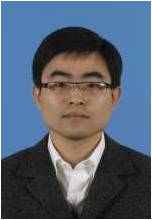 Chun Yu (余春)合作论文数School of Materials Science and Engineering, Shanghai Jiao Tong University113
 Junmei Chen (陈俊梅)合作论文数School of Materials Science and Engineering, Shanghai Jiao Tong University95
 Xiaoyan Song (宋晓艳)合作论文数College of Materials Science and Engineering, Beijing University of Technology86
 Xuemei Liu (刘雪梅)合作论文数College of Materials Science and Engineering, Beijing University of Technology66
 Jijin Xu (徐济进)合作论文数School of Materials Science and Engineering, Shanghai Jiao Tong University63
 Haibin Wang (王海滨)合作论文数College of Materials Science and Engineering, Beijing University of Technology62
 Jieshi Chen (陈劼实)合作论文数School of Materials Science and Engineering, Shanghai Jiao Tong University60
 Dongyang Li合作论文数Department of Chemical and Materials Engineering, Faculty of Engineering, University of Alberta29
 Hou Chao (侯超)合作论文数College of Materials Science and Engineering, Beijing University of Technology26
 Zhi Zhao (赵治)合作论文数北京工业大学20Liu Chao合作论文数18Fawei Tang合作论文数17
 Mengjia Xu合作论文数17Kejin Zhang合作论文数15
 Yi Zheng合作论文数14MaoLong Zhang (张茂龙)合作论文数13Chuanzong Li合作论文数11Yajie Wang合作论文数11Xiao WEI (魏啸)合作论文数11Zhiyuan Yu合作论文数11
 Zuoren Nie (聂祚仁)合作论文数College of Materials Science and Engineering, Beijing University of Technology11Jinghong Chen合作论文数10Peilin Li (李沛霖)合作论文数10Weihua Liu合作论文数9LiangWu Wei (魏良武)合作论文数9
 Kai Xiong (熊凯)合作论文数School of Government, Yunnan University9YongZhi Li (李勇枝)合作论文数8
 Juan Cui合作论文数Northwest A and F University, Northwest Agriculture and Forestry University8
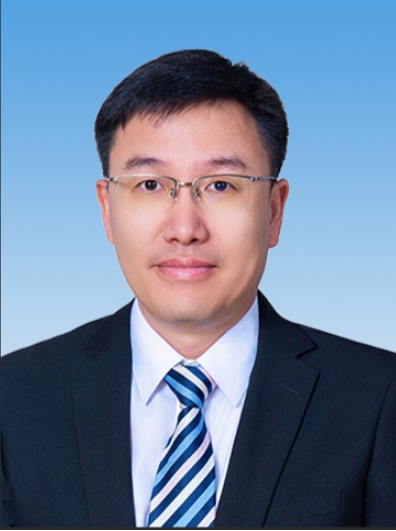 Jun Chen (陈骏)合作论文数School of Chemistry and Chemical Engineering, Hainan University;School of Materials Science and Engineering, Hainan University8Kaiyun Wang合作论文数8Yujing Jin合作论文数8Yuzhu Song合作论文数7Qingzhao Wang合作论文数7Chen Hua合作论文数7
 Qingyang Li (李庆阳)合作论文数Institute of Advanced Wear & Corrosion Resistant and Functional Materials, Jinan University7
 Xiao Wei (魏霄)合作论文数College of Chemistry and Chemical Engineering, Shanghai Jiaotong University7
 Jun-Yan Liu (刘俊彦)合作论文数School of Materials Science and Engineering, Shanghai Jiaotong University7
 Ze Chai合作论文数6
 Daqing Wang合作论文数6Chong Zhao合作论文数6
 Jingqing Chen (陈静青)合作论文数School of Materials Science and Engieering, Southwest Jiaotong University6Hidekazu Murakawa (村川英一)合作论文数Joining and Welding Research Institute, Functional Assessment, Osaka University6
 Xianguo Yan (闫献国)合作论文数Shanxi Institute of Science and Technology6
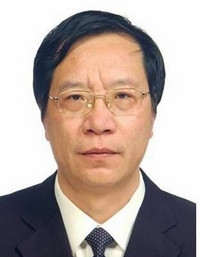 Maozhong An (安茂忠)合作论文数State Key Laboratory of Urban Water Resource and Environment, Harbin Institute of Technology;School of Chemistry and Chemical Engineering, Harbin Institute of Technology6
 Christopher Bailey合作论文数School of Electrical, Computing and Energy Engineering, Ira A. Fulton Schools of Engineering, Arizona State University6
 Jinyang Liu (刘锦阳)合作论文数School of Ocean and Civil Engineering, Shanghai Jiao Tong University6Shuai Wang合作论文数5yuchong han合作论文数5Haodong Wang合作论文数5




