BACKGROUND:Acute exacerbation of chronic obstructive pulmonary disease (AECOPD) significantly contributes to the high mortality rate associated with chronic obstructive pulmonary disease (COPD). It leads to a decline in health status, increased rates of readmission, and accelerated disease progression. LouDan LiFei granule (LDLF), a Traditional Chinese Medicine (TCM) granule, has demonstrated efficacy in treating AECOPD patients. However, its underlying regulatory mechanisms remain to be fully elucidated. PURPOSE:To investigate the pharmacodynamic components and regulatory mechanisms of LDLF in the treatment of AECOPD, and to provide a scientific basis for the further clinical application of subsequent drugs. METHODS:This study focused on identifying the pharmacodynamic components and regulatory mechanisms of LDLF. In vivo experiments, we established a rat model of AECOPD and systematically evaluated the therapeutic effect by monitoring the body weight, lung function and pathological changes in lung tissue. UPLC-MS/MS was employed to detect the components of LDLF medicated serum. Network pharmacology and molecular docking were utilized to determine the therapeutic targets and pathways of LDLF in AECOPD treatment. Finally, we further verified the research results by establishing AECOPD moded in rat and BEAS-2B. RESULTS:Our study revealed that LDLF significantly reduced inflammation and pathological damage in lung tissue of AECOPD model rats and improved pulmonary function. UPLC-MS/MS analysis identified 1502 compounds in LDLF medicated serum, primarily comprising flavonoids, terpenoids, alkaloids, ketones, and aldehydes acids. Network pharmacology results suggested that LDLF may treat AECOPD by modulating Th17 cell differentiation and signaling pathways related to IL-17, T cell receptor, and NOD-like receptor. Molecular docking confirmed stable interactions between core compounds and their targets. In vivo validation showed that LDLF redused the proportion of Th17 cells and increased Treg cells proportion in peripheral blood of rat model. Protein expression levels of FOXP3 were elevated, and RORγ and STAT3 were reduced in lung tissue. Inflammatory markers (IL-6, IL-1β, IL-8, IL-17, TNF-α, IL-10, and TGF-β1) in serum and balf were improved after LDLF treatment. Additionally, LDLF significantly inhibited the NLRP3 inflammasome pathway at protein and mRNA levels in lung. In vitro experiments demonstrated that LDLF enhanced the BEAS-2B cells viability and inhibited inflammatory markers IL-6 and TNF-α as well as key targets of NLRP3, STAT3, CASP3, and AKT1. CONCLUSIONS:This research highlights the potential for LDLF in the treatment of AECOPD and enhances our understanding of its pathogenic and therapeutic mechanisms.
Objectives To analyze the methodology, evidence, recommendations, quality, and implementation of traditional Chinese patent medicine (CPM) guidelines. Methods We retrieved clinical application guidelines of CPM published from 2019 to 2022. Independent screening and data extraction were performed by two evaluators. The basic information about the guidelines, including evidence and recommendations, were extracted and statistically analyzed. Quality and implementation were evaluated using the Implementation Evaluation Tool and Appraisal of Guidelines for Research & Evaluation (AGREE) II. Results In total, 29 guidelines were analyzed, including 262 recommendations and 2,308 references. All the CPM guidelines followed the principle of “evidence as a core, consensus as a supplement, and experience as a reference" and the methods provided by WHO Handbook. An average of 89 references were cited in each guideline and 8 in each recommendation. Randomized controlled trials and systematic reviews constituted 89% and 0.9%, respectively, of all references. Low or very low-quality evidence characterized 74.5% and weak recommendations characterized 83.6%. Of all recommendations, 13.7% were based on expert consensus, and 9.5% of strong recommendations were based on low or very low-quality evidence. The AGREE II scores for each domain were: scope and purpose (79.63%) and editorial independence (79.27%), followed by clarity of presentation (72.59%), stakeholder involvement (69.99%), rigor of development (53.97%) and applicability (5.11%). The implementation quality of most guidelines was either high (44.8%) or moderate (55.2%). Conclusions The results for CPM guidelines were impressive in terms of methodology, quality, and implementation. However, confidence in CPM recommendations was downgraded by low quality of evidence.
Developing a clinical practice guideline (CPG) for integrating traditional Chinese medicine (TCM) and Western medicine (WM) requires the accurate identification, collation, and integration of all available evidence on TCM and WM in a comprehensive, meaningful, and resource-efficient manner. This entails framing appropriate clinical questions, retrieving and synthesizing evidence from multiple resources, and providing concise and complete recommendations for specific diseases. However, some existing CPGs for integrating TCM and WM lack deep and organic integration. As the effective preparation of a CPG for integrating TCM and WM typically involves a complex set of principles, methodology, and steps, we believe that a cohesive, step-by-step guide on how to prepare a CPG for integrating TCM and WM is essential. To facilitate the design and development of a robust CPG, we present a clear and concise methodology, outlining relevant principles and procedures, supported by references for guidance. This technical specification aims to simplify the methodology for preparing a CPG for integrating TCM and WM; provide healthcare professionals and researchers with methodologically sound tools; and enhance the quality of CPGs for integrating TCM and WM. This technical specification may help elucidate this complex process, facilitate evaluation of the quality of published CPGs for integrating TCM and WM, and improve the understanding and application of recommendations for the combined and integrated use of TCM and WM in a new system.
目的 系统评价藤黄健骨片治疗膝骨关节炎的临床疗效和安全性,为临床用药提供循证参考.方法 计算机检索中国知识资源总库(CNKI)、中国学术期刊数据库(万方数据)、中文科技期刊数据库(VIP)、中国生物医学文献数据库(CBM)、PubMed、Cochrane Library、Embase建库至2022年7月29日藤黄健骨片单独服用或联合常规疗法治疗膝骨关节炎随机对照试验(RCT).采用Cochrane系统评价员手册5.1.0进行文献质量评价,采用RevMan5.4进行Meta分析.结果 共纳入9项RCT,涉及1 029例患者.Meta分析结果显示:试验组总有效率[OR=4.26,95%CI(2.59,7.02),P<0.000 01]、VAS评分[MD=-1.32,95%CI(-2.31,-0.33),P<0.01]、WOMAC评分[MD=-12.98,95%CI(-24.65,-1.31),P<0.05]均优于对照组.单独服用藤黄健骨片试验组不良反应发生率低于对照组[OR=0.19,95%CI(0.05,0.69),P<0.05].结论 采用藤黄健骨片单用或者联合常规疗法治疗膝骨关节炎疗效确切,安全性好.但纳入研究质量偏低,尚需开展更多大样本、高质量的RCT验证.
Objective:To summarize the medication rules of Chinese patent medicines in the treatment of type 2 diabetes and analyze the distribution rules of the targets of the medicines for lowering blood glucose via TCM inheritance assistance system(V2.5),hence providing guidance for the development and clinical application of new drugs.Methods:The Chinese patent medicines for treating type 2 diabetes were collected from the Pharnexcloud, and the medication rules were analyzed via the data mining method in the TCM inheritance assistance platform.The relevant articles were retrieved from China National Knowledge Infrastructure(CNKI) and China Science Periodical Database(CSPD) for revealing the blood glucose-lowering mechanisms and targets of high-frequency Chinese medicines.Results:The main syndromes treated by the 138 retrieved prescriptions, as well as the frequency of use, core drug combinations, and new drug combinations of 220 Chinese medicines, were summarized via data analysis.The glucose-lowering targets of high-frequency Chinese medicines were summarized.The main syndromes of type 2 diabetes treated by Chinese patent medicines were qi-yin deficiency and yin deficiency with internal heat.The high-frequency Chinese medicines for the disease were mainly qi-tonifying, yin-tonifying, and heat-clearing ones.Sweet Chinese medicines(frequency of 80) and bitter(frequency of 69) Chinese medicines in the prescriptions had higher frequency.Cold Chinese medicines had the highest frequency(97) and hot ones had the lowest(2).In addition, most of the Chinese medicines used had the tropism to the liver meridian(frequency of 94).Arctii Fructus for dispersing wind and discharging heat, Celosiae Semen for clearing liver and draining fire, and Hirudo for activating blood and resolving stasis appeared in the new drug combinations obtained by the entropy-based hierarchical cluster analysis.The drug targets of the Chinese patent medicines were mainly molecules involved in inhibiting gluconeogenesis and promoting glycogen synthesis, promoting insulin secretion, and preventing islet cell apoptosis.Conclusion:The dominant syndromes of type 2 diabetes include qi-yin deficiency and yin deficiency with internal heat.Sweet, bitter, and cold Chinese medicines and those with tropism to the liver meridian are mainly used to treat the disease.The Chinese medicines most frequently used are qi-tonifying, yin-tonifying, and heat-clearing ones.In the clinical diagnosis and treatment, the Chinese medicines for dispersing wind and dissipating cold, clearing liver and reducing fire, and activating blood and resolving stasis can be appropriately used to enhance the efficacy.The drug targets are mainly molecules involved in the inhibition of gluconeogenesis, the promotion of glycogen synthesis and insulin secretion, and the prevention of islet cell apoptosis.
心脑血管病变如冠心病心绞痛、脑卒中等的发生率逐年升高且有年轻化趋势,对人类生命健康产生重要影响.其发病因素主要包括气虚、气滞、痰浊、阴虚、血瘀等.本文以"气血理论、经络学说、心脑相通、异病同治"等理论为指导,阐释了气血-脉络-心脑的关系网络,并进一步从药物组成的功效及其现代药理作用两个层面分析了脉络通胶囊/颗粒的组方原理,以期为心脑血管疾病的防治作出有益探索.
目的 研究黄芪桑叶玉竹颗粒对气阴两虚型高血糖大鼠肾脏氧化应激及TGFβ1/P-Smad3/P-Smad7信号通路的影响.方法 雄性SD大鼠48只,根据基础血糖水平分为空白组、模型组、十味消渴胶囊阳性药组、黄芪桑叶玉竹颗粒低、中、高剂量组.采用甲状腺素皮下注射、连续高脂饲料喂养合并链脲佐菌素注射复合因素造模.空白组大鼠不予给药,模型组大鼠给予0.9%氯化钠溶液,十味消渴胶囊阳性药组灌胃剂量为1.32 g/kg、黄芪桑叶玉竹颗粒低、中、高剂量组灌胃剂量分别为1.25、2.5、7.5 g/kg,连续给药30 d.检测大鼠空腹血糖(FBG)、血清糖化血红蛋白(GHbA1c)、白蛋白(ALB)、总蛋白(TP)、血尿素氮(BUN)、肌酐(Scr)、尿酸(UA)水平,肾脏活性氧(ROS)、过氧化氢酶(CAT)含量,HE染色观察胰腺组织病理变化,Western Blot法检测肾脏组织转化生长因子β1(TGF-β1)、P-Smad3、P-Smad7表达水平.结果 与空白组相比,模型组大鼠FBG、GHbA1c、ALB、TP、UA、BUN、Scr、ROS、TGF-β1、P-Smad3显著升高(P<0.05),CAT、P-Smad7显著降低(P<0.05).与模型组相比,黄芪桑叶玉竹颗粒低、中、高剂量组大鼠FBG、GHbA1c、ALB、BUN、Scr、ROS、TGF-β1、P-Smad3显著降低(P<0.05),CAT、P-Smad7显著升高(P<0.05),受损胰腺组织改善.黄芪桑叶玉竹颗粒低、中剂量组大鼠TP显著降低(P<0.05),黄芪桑叶玉竹颗粒低剂量组大鼠UA显著降低(P<0.05).结论 黄芪桑叶玉竹颗粒可改善高血糖诱导的肾脏氧化应激反应,抑制肾脏纤维化,延缓肾功能损害,其作用机制可能与调节TGF-β1/P-Smad3/P-Smad7通路有关.
目的:在建立肝阴虚证病证结合实验模型的基础上,研究白芍多糖对大鼠化学性肝损伤肝阴虚证候模型的影响和作用机制.方法:将40只无特定病原体(Specific Pathogen Free,SPF)级雄性SD大鼠,按体质量随机区组法分为空白组、模型组、阳性药组、白芍多糖组.除空白组外,其余各组大鼠腹腔注射浓度20%CCl4橄榄油溶液,后期给予附子、干姜、肉桂温热中药复方灌胃,同时给药,连续6周.6周后观察大鼠体质量,易激惹程度,毛发光泽度,小便颜色,大便颜色质地,肛温.测定血清及肝组织转氨酶活性、细胞因子水平、脂肪代谢相关酶活性、抗氧化酶活性并取肝脏进行HE病理切片检查.结果:与模型组比较,多糖组可改善大鼠大便的干燥程度(P<0.05),血清谷丙转氨酶(GPT)、谷草转氨酶(GOT)、Ⅳ型胶原(CⅣ)、层粘连蛋白(LN)水平显著降低(P<0.05),丙二醛水平显著下降(P<0.05),谷胱甘肽过氧化物酶(GSH-Px)活力显著升高(P<0.05),病理切片有所改善.白芍多糖组大鼠TNF-α、IL-6水平显著下降(P<0.05),磷脂酰肌醇-3-激酶(PI3K)、蛋白激酶B(AKT)mRNA表达量显著下降(P<0.05).结论:白芍提取物白芍多糖具有保护化学性肝损伤肝阴虚证的功效,其作用机制可能与抗肝纤维化、减轻氧化应激水平、调节细胞因子平衡有关.
目的:通过建立"气阴两虚型胰岛素抵抗糖脂代谢紊乱动物模型",探索符合中医辨证特点且适用于保健食品功能评价的证候模型,以期为研发辅助降血糖辨证保健产品提供方法学参考.方法:选取45只雄性SD大鼠,根据基础血糖值分为空白组、模型组、阳性组[十味消渴胶囊1.32 g(kg·d),相当于人7.92 g/d].采用力竭游泳、甲状腺素(T4)皮下注射、连续高脂饲料合并链脲佐菌素(STZ)注射复合因素造模.实验第一天开始给药,连续灌胃33 d.结果:模型组大鼠出现懒动无力、毛发枯黄、情绪躁动等气阴两虚的证候表证;饮水量、进食量、排尿量显著增加、体质量显著降低;空腹血糖(FBG)、血糖曲线下面积(AUC)、胰岛素抵抗指数(HOMA-IR)显著升高,HOMA-β、胰岛素敏感指数(Insulin Sensitivity In-dex,ISI)显著降低,血清总胆固醇(TC)、三酰甘油(TG)、低密度脂蛋白(LDL)显著升高,高密度脂蛋白(HDL)显著降低,三碘甲状腺原氨酸(T3)、T4显著升高,环磷酸腺苷(cAMP)显著升高、环磷酸鸟苷(cGMP)显著降低、cAMP/cGMP显著升高,力竭游泳时间显著降低,脾脏指数、胸腺指数显著降低.十味消渴胶囊能显著增加模型大鼠体质量,降低空腹血糖,改善糖耐量,延长力竭游泳时间,降低T3、T4的水平,降低cAMP/cGMP比值,改善胰岛素抵抗.结论:采用力竭游泳、T4注射、高脂喂养结合STZ注射复合因素建立"气阴两虚型胰岛素抵抗糖脂代谢紊乱动物模型",造模设计在思路和方法上符合中医基本理论,可以用于益气养阴类中药保健食品降血糖功能的评价.
辨证保健理论以辨证论治和治未病理论为基础,以亚健康兼顾健康防护和病后康复人群为研究对象,吸收现代科学思想,提出了"三分法""三理"健康等创新概念,对"疾患""病痛"等概念赋予新的内涵,揭示了疾患和病痛的内在关系和临床价值,构建了由概念内涵、判别标准和预测干预组成的理论体系.辨证保健理论强调传统和现代、主观和客观、局部和整体、定性和定量相结合的判别标准,采用"同疾异健、异疾同健""疾证结合"的辨证方法,施以生理、心理和仁理相结合的综合保健干预措施,达到降低疾病风险的目的.辨证保健理论是中医药理论的传承和创新,是历史和时代发展的必然产物,是维护健康实践活动总结概括的科学体系,充分体现了科学性、创新性和实践性的特点,对于实施"以健康为中心"和中医药发展的战略具有积极和深远的意义.
目的:研究金昭胶囊对急性酒精性肝损伤的保护作用机制,为其临床应用提供实验依据.方法:将美国癌症研究所(ICR)小鼠随机分为空白组、模型组、阳性药组、金昭胶囊低、中、高剂量组,每组10只,持续给药4周后,用50%乙醇灌胃制备小鼠急性酒精性肝损伤模型.观察各组小鼠状态,测定醉酒状态、血清转氨酶活性,肝组织乙醇及脂肪代谢过程相关酶活性、抗氧化酶活性、胃组织抗氧化酶活性并取肝脏进行苏木精-伊红(HE)染色病理切片检查.结果:与模型组比较,金昭胶囊各剂量组小鼠血清中谷丙转氨酶(GPT)、谷草转氨酶(GOT)活性显著降低(P<0.01,P<0.05);肝组织中总胆固醇(TC)、三酰甘油(TG)、丙二醛(MDA)活性显著降低(P<0.01,P<0.05),超氧化物歧化酶(SOD)、过氧化氢酶(CAT)、还原型谷胱甘肽(GSH)、乙醇脱氢酶(ADH)、乙醛脱氢酶(ALDH)活性显著升高(P<0.01,P<0.05),肝细胞坏死程度降低;胃组织丙二醛(MDA)活性显著降低(P<0.01),超氧化物歧化酶(SOD)、一氧化氮(NO)、前列腺素E2(PGE2)活性显著升高(P<0.01,P<0.05).结论:金昭胶囊具有保护急性酒精性肝损伤的功效,其作用机制可能与增强体内肝组织中乙醇代谢关键酶及抗氧化酶活性,减少脂质过氧化物的产生,保护肝细胞膜完整性,减少转氨酶的释放相关.同时金昭胶囊还能通过调节胃组织过氧化物酶活性,达到保护胃黏膜的作用.
目的:明确经典名方实脾散方剂组成与应用,为其中医临床应用提供文献证据支撑,复方制剂的研发提供理论依据.方法:采用文献计量学方法,以"实脾散"及别名"实脾饮"为关键词,古籍文献通过中华医典数据库(V5.0)进行检索,现代研究文献通过国家知识基础设施数据库(CNKI)、中国生物医学文献数据库(CBM)、中国学术期刊数据库(CSPD)进行检索,检索时间均为建库至2020年2月.并根据纳入排除标准进行文献筛选.结果:收集了相关古籍数据89条,涉及中医古籍26本,其中宋代1本、元代1本、明代16本、清代8本;方剂组成与原文一致的共有19条,即由厚朴、白术、茯苓、木瓜、木香、干姜、附子、大腹子、草果及甘草10味药组成,记载散煎煮方法与原文一致的有20条,即煎煮时以姜枣为药引;共26本中医古籍中记载实脾散功效主治,其记载多数与原文一致,即"治阴水,先实脾土".现代研究文献共筛选文献168篇,根据纳入标准与排除标准,最终所得37篇文献,均为实脾散临床应用研究,目前暂未有关于实脾散的药理药效学研究,实脾散的作用机制尚不明确,现代临床可用于治疗腹水、心力衰竭、腹泻、中心性浆液性脉络膜视网膜病变、慢性肾炎、结节性红斑、失代偿肝硬变、小儿维生素B1缺乏症、老年慢性支气管炎等病.结论:历代医家在使用实脾散时多遵照原方,治疗"阴水"疗效突出,现代临床应用范围逐渐扩大,但病症总与"水、湿、痰"有关.实脾散作用机制尚处于空白状态,建议可在网络药理学预测的基础上,开展基础实验研究,为其临床合理应用提供科学的依据.
"异病同治"是指不同的疾病,在其发展过程中,由于出现了相同的病机,而采用同一方法治疗的法则.恒古骨伤愈合剂由三七、红花、人参、黄芪、杜仲、鳖甲、钻地风、洋金花、陈皮组成,是现代中医临床"异病同治"的一种代表性药物.多项临床研究表明,恒古骨伤愈合剂治疗骨折、股骨头坏死、骨关节炎、腰椎间盘突出症等均取得了较好疗效.虽然现代医学认为这4种骨伤疾病的发病机制不同,但中医学认为其病因病机基本相同,均为瘀血、风湿痹阻、肝肾气血亏虚、经脉筋骨失养所致.恒古骨伤愈合剂针对这4种骨伤疾病"瘀血阻络、筋骨失养"的共同病机遣方用药,具有活血化瘀、散结生新、滋补肝肾、荣筋养骨的功效,充分体现了中医"圆机活法""异病同治""辨证用药"的理法特色.同时恒古骨伤愈合剂的现代药理机制研究及临床应用研究,也为其"一药多用"和"异病同治"提供了现代科学依据.本文从中医对4种骨伤疾病发病机理的认识、恒古骨伤愈合剂的方解及其治疗4种骨伤疾病的药理机制和临床运用4个方面,探讨并揭示了恒古骨伤愈合剂能"一药多用"和"异病同治"的科学内涵,为指导临床合理用药提供了借鉴.
目的 建立人正常肝细胞株(L02)脂肪变体外模型,探讨沙苑子苷A对脂肪变性肝细胞的降脂作用及相关机制.方法 采用1 mmol/L的游离脂肪酸FFA(油酸:棕榈酸为2:1)诱导24小时建立L02细胞脂肪变模型,然后分为空白组对照组、模型组、沙苑子苷A低、中、高剂量组(25、50、100μM),按照试剂盒检测甘油三酯(triglyceride,TG)、胆固醇(cholesterol,TC)、谷丙转氨酶(glutamic pyruvic transaminase,ALT)、谷草转氨酶(glutamic oxaloacetic transaminase,AST)、乳酸脱氢酶(lactate dehydrogenase,LDH)、丙二醛(malondialdehyde,MDA)、超氧化物歧化酶(superoxide dismutase,SOD)的水平,Elisa法检测白介素6(interleukin-6,IL-6)、肿瘤坏死因子(tumor necrosis factor-α,TNF-α)的水平,qPCR检测固醇调节元件结合蛋白-1c(sterol regulatory element-binding protein 1C,SREBP-1c)、脂肪酸合成酶(fatty acid synthase,FAS)、过氧化物酶体增殖物激活受体 α(peroxisome proliferator activated receptorα,PPARα)、肉毒碱棕榈酰基转移酶1A(carnitine Palmitoyltransferase 1A,CPT-1A)mRNA的表达,Western blot检测SREBP-1c、FAS、PPARα、CPT-1 A蛋白的表达.结果 与模型组比较,沙苑子苷A预处理能显著降低细胞TG、TC、ALT、AST、LDH、MDA的含量(P<0.05,P<0.01),显著升高SOD活性(P<0.01),显著降低IL-6、TNF-α的水平(P<0.01);同时,与模型组比较,沙苑子苷A预处理能显著降低肝细胞SREBP-1c、FAS mRNA和蛋白的表达量(P<0.01),显著增加肝细胞PPARα、CPT-1A mRNA和蛋白的表达量(P<0.01).结论 FFA成功诱导了L02细胞的脂肪变性,沙苑子苷A对脂肪变的肝细胞具有良好的降脂和保肝作用,其降脂机制可能是通过抑制肝细胞SREBP-1 c的表达,降低TG合成途径中限速酶FAS水平,降低TG合成速度;同时上调PPARα 蛋白表达,提高脂肪酸 β 氧化途径中CPT-1 A水平,加速脂肪酸的β氧化,减少TG合成,从两方面共同作用从而达到降脂和保肝效果.
目的:系统评价参附强心丸联合化学药常规治疗用于慢性心力衰竭的有效性和安全性,为临床用药提供循证参考.方法:计算机检索中国知网、万方数据、维普网、谷歌学术、PubMed、Cochrane图书馆、Embase等数据库,收集参附强心丸联合化学药常规治疗(试验组)对比化学药常规治疗(对照组)的随机对照试验(RCT),检索时限均为各数据库建库起至2020年5月12日.筛选文献、提取数据后,采用Cochrane系统评价员手册推荐的5.1.0偏倚风险评估工具对纳入文献质量进行评价.采用Stata 14.0软件进行Meta分析、敏感性分析.结果:共纳入7项RCT,共计596例患者.Meta分析结果显示,试验组患者的总有效率显著高于对照组[OR=4.14,95%CI(2.15,7.97),P<0.00001];按疗效判定标准不同进行的亚组分析结果显示,试验组患者以Lee式积分法、心功能分级法判定的总有效率均显著高于对照组(P<0.05).试验组患者治疗后N末端B型利钠肽原(NT-proBNP)水平显著低于对照组[SMD=-1.33,95%CI(-1.55,-1.11),P<0.00001];按心力衰竭类型不同进行的亚组分析结果显示,试验组慢性心力衰竭患者治疗后NT-proBNP水平均显著低于对照组(P<0.001).试验组患者治疗后左心室射血分数(LVEF)水平[WMD=5.76,95%CI(5.05,6.47),P<0.00001]显著高于对照组,治疗后B型利钠肽水平[SMD=-1.61,95%CI(-2.58,-0.54),P<0.00001]、左心室舒张末期内径(LVEDD)水平[WMD=-6.06,95%CI(-6.84,-5.27),P<0.00001]、左心室收缩末期内径水平[WMD=-5.02,95%CI(-5.70,-4.33),P<0.00001]均显著低于对照组.两组患者不良反应发生率比较,差异无统计学意义(P>0.05).敏感性分析结果显示,以治疗后NT-proBNP、LVEF水平、LVEDD水平为指标时,剔除异质性来源后的分析结果与剔除前比较无显著性差异.结论:参附强心丸联合化学药常规治疗慢性心力衰竭的疗效与安全性均较好.
目的:系统评价实脾饮治疗肝硬变腹水的临床疗效.方法:计算机检索PubMed、The Cochrane Library、EMbase、中国知网、万方数据库、维普中文期刊数据库等数据库,收集实脾饮治疗肝硬变腹水的随机对照试验(randomized controlled tri-al,RCT),提取相关数据,并采用Cochrane 5.1.0 软件对文献质量进行评价,采用Stata14 进行Meta 分析.结果:纳入RCT文献12篇,共1 007例患者.Meta分析结果显示,治疗组有效率高于对照组[RR = 1.27,95%CI(1.16,1.38),P =0.00].治疗组在降低体质量[WMD=-11.513,95%CI(-6.429,-3.509),P=0.00]、腹围[WMD =-9.560,95%CI(-14.17,-4.95),P =0.00]、丙氨酸氨基转移酶[WMD=-11.513,95%CI(-14.58,-8.77),P =0.00]、天冬氨酸氨基转移酶[WMD=-14.119,95%CI(-16.348,-11.809),P=0.00]、症状积分[WMD=-2.805,95%CI(-3.909,-1.702),P =0.00],升高白蛋白[WMD =6.263,95%CI(4.57,7.96),P = 0.00]和24 h 尿量[WMD=-2.805,95%CI(-3.909,-1.702),P = 0.00]等方面优于对照组,差异具有统计学意义(P<0.05).结论:实脾饮治疗肝硬变腹水疗效优于常规疗法,但因纳入研究的数量和质量有限,上述结论有待高质量的RCT 验证,今后需进行大样本、高质量、多中心的临床RCT 研究.
目的:探讨青钱柳对阴虚型2型糖尿病大鼠内分泌、免疫功能及环核苷酸的影响.方法:将60只雄性SD大鼠随机分为空白组7只和造模组53只.其中空白组给予普通饲料,造模组给予高脂饲料喂养8周.第9周,以0.2mg/kg的剂量皮下注射甲状腺素溶液1周.第10周,以30mg/kg的剂量一次性腹腔注射2%链脲佐菌素,并于72h后选择空腹血糖>11.1mmol/L的成模大鼠随机分为模型组,知柏地黄丸组,CPE低、中、高剂量组,每组7只;空白组和模型组给予无菌水,知柏地黄丸组给予知柏地黄丸混悬液(0.3g/kg),CPE低、中、高剂量组分别给予青钱柳叶水提取物(CPE)0.25、0.5、1g/kg.连续给药4周,给药期间检测空腹血糖(FBG),给药结束后,检测糖环磷酸腺苷、内分泌免疫等代谢指标.结果:与模型组比较,CPE低、高剂量组大鼠T3、T4含量显著下降(P<0.01,P<0.05);CPE低、中剂量组大鼠C4含量显著升高(P<0.01);CPE高剂量组大鼠T、C3含量显著升高(P<0.01,P<0.05);CPE中、高剂量组大鼠IL-1β、IL-6、TNF-α、E2含量显著下降(P<0.05,P<0.01),IgG、IgM含量显著升高(P<0.05,P<0.01);CPE低、中、高剂量组大鼠COR含量显著升高(P<0.01,P<0.05),rT3、TP、ALB、UA、cAMP、cGMP的含量显著下降(P<0.01,P<0.05).结论:CPE可调节阴虚型2型糖尿病大鼠的能量代谢异常,缓解内分泌激素紊乱,调节免疫物质的分泌和环核苷酸代谢.
Purpose: To evaluate the efficacy and safety of Houttuynia eye drops (a Chinese traditional medicine) atomization treatment in meibomian gland dysfunction (MGD)-related dry eye disease (DED) patients. Methods: A total of 240 eligible patients diagnosed with MGD-related DED were assigned either Houttuynia eye drops or placebo for atomization once daily for four weeks in a multi-center, randomized, double-blind, placebo-controlled clinical study. Primary outcome evaluations used included eye symptom score (using the Chinese Dry Eye Questionnaire), meibum quality, and tear break-up time (TBUT), while safety evaluations included adverse events (AEs), visual acuity, and intraocular pressure monitoring. Indicators were measured at baseline as well as one week, two weeks, and four weeks after treatment. Results: Primary outcome measures of the Houttuynia group were improved compared with their placebo counterparts following four-week treatment. Eye symptom scores were significantly reduced relative to the baseline in the Houttuynia group (mean ± standard error of the mean, 9.00 ± 0.61) compared with the placebo group (6.29 ± 0.55; p = 0.0018). Reduction in meibum quality score in the Houttuynia group (0.91 ± 0.10) was also significantly higher compared with the placebo group (0.57 ± 0.10; p = 0.0091), while TBUT in the treatment group (6.30 ± 0.22) was also longer than in the latter (5.60 ± 0.24; p = 0.0192). No medication-related adverse events were observed. Conclusions: Atomization treatment with Houttuynia eye drops is both clinically and statistically effective for the treatment of mild to moderate MGD-related DED patients. This approach is generally safe and was tolerated well by patients.
 Jianjun Zhang (张建军)合作论文数School of Traditional Chinese Medicine, Beijing University of Chinese Medicine56
 Jingxia Wang (王景霞)合作论文数School of Traditional Chinese Medicine, Beijing University of Chinese Medicine53
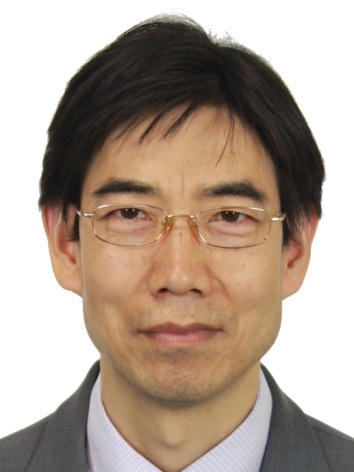 Chun Wang (王淳)合作论文数School of Traditional Chinese Medicine, Beijing University of Chinese Medicine22
 Sumin Hu (胡素敏)合作论文数School of Traditional Chinese Medicine, Beijing University of Chinese Medicine22
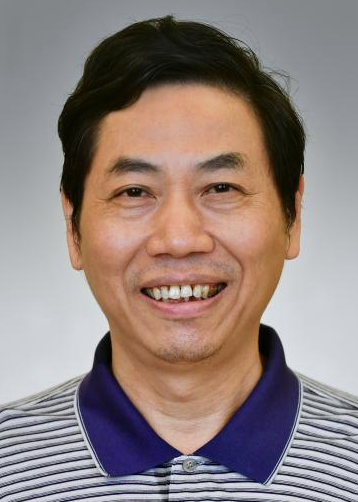 Gansheng Zhong (钟赣生)合作论文数School of Traditional Chinese Medicine, Beijing University of Chinese Medicine20
 XiaoJu Bai (白晓菊)合作论文数16Lan Jia (贾岚)合作论文数16
 Shaohong Chen (陈绍红)合作论文数School of Traditional Chinese Medicine, Beijing University of Chinese Medicine15DeQin Zhang (张德芹)合作论文数天津中医药大学14
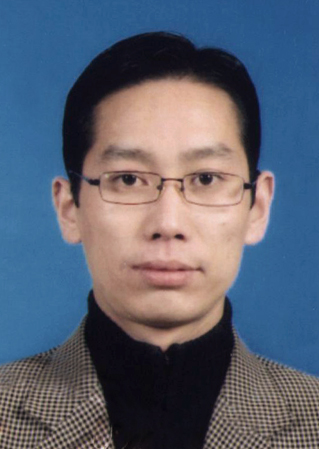 Shengyan Xi (奚胜艳)合作论文数School of Medicine, Xiamen University13LeiLei Wang (王蕾蕾)合作论文数12WEI Yiqian (魏益谦)合作论文数11MENG Zhirui (孟智睿)合作论文数11MENG Liang (孟靓)合作论文数10ShuLi Song (宋树立)合作论文数10Junkai Yao (姚骏凯)合作论文数9LiNa Ou (欧丽娜)合作论文数9Lu Fu (付璐)合作论文数9
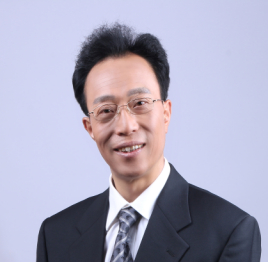 Linyuan Wang (王林元)合作论文数School of Chinese Materia Medica, Beijing University of Chinese Medicine9
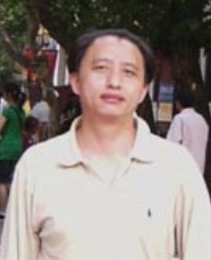 Wei Li (李伟)合作论文数School of Traditional Chinese Medicine, Beijing University of Chinese Medicine8SHAO Zixuan (邵紫萱)合作论文数7
 Peng Zhou (周鹏)合作论文数Tianjin University of Traditional Chinese Medicine7
 Deqin Zhang (张德芹)合作论文数天津中医药大学中药学院7
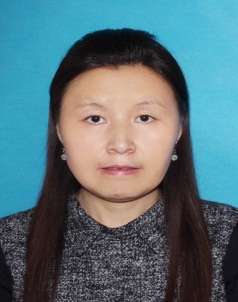 Haiying Tong (佟海英)合作论文数School of Traditional Chinese Medicine, Beijing University of Chinese Medicine7Ji'an HUA (华姞安)合作论文数6Jia Yang (杨佳)合作论文数5Chaoyang Liu (刘朝阳)合作论文数Peking Union Medical College5
 Jing Gao (高晶)合作论文数Third Affiliated Hospital, Beijing University of Chinese Medicine5Li-kun Wu合作论文数4Yingli Zhu合作论文数4WenTing Fei (费文婷)合作论文数4LiLi Qian (钱丽丽)合作论文数4Li Li (李丽)合作论文数4
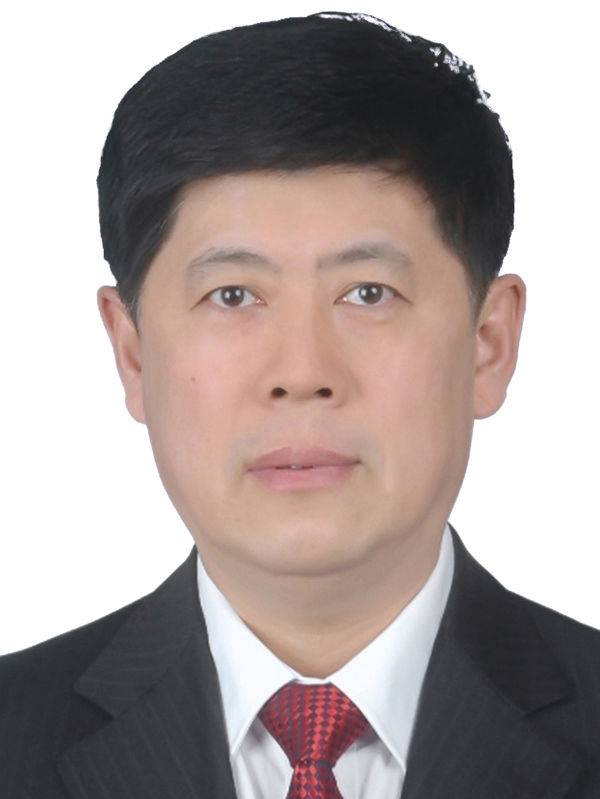 Xiaobo Sun (孙晓波)合作论文数Institute of Medicinal Plant Development, Chinese Academy of Medical Sciences4Jianxin Wang合作论文数3Li Zhang (张力)合作论文数3LiYing Xia (夏立营)合作论文数3JingHua Zhao (赵敬华)合作论文数3ZhenZhen Chen (陈振振)合作论文数3Fei Gao (高飞)合作论文数3Tao Han (韩涛)合作论文数3Jia Wang (王佳)合作论文数3
 Lu Jing (荆鲁)合作论文数Eye Hospital China Academy of Chinese Medical Sciences3Chen Ke-Ji合作论文数3
 Qian Zhang (张前)合作论文数School of Traditional Chinese Medicine, Beijing University of Chinese Medicine3
 Chunrong Zhang (张春荣)合作论文数北京中医药大学国医堂中医门诊部3Lili Wang (王丽丽)合作论文数Beijing University of Chinese Medicine3
 Boli Zhang (张伯礼)合作论文数Tianjin University of Traditional Chinese Medicine3




