The incidence of Neurodegenerative Diseases is on the rise, paralleling the societal trend of an aging population and the extension of the average life expectancy. NDs frequently manifest varying levels of chronic fatigue, a phenomenon whose underlying mechanisms remain obscure. This condition significantly impairs the quality of life for patients and presents a formidable challenge to our nation’s healthcare system. This paper delves into the potential mechanisms, assessments, and therapeutic approaches for Parkinson’s Disease and Multiple System Atrophy in the context of chronic fatigue. The objective of this study is to enhance the understanding of chronic fatigue in NDs, as well as to contribute to the advancement of its diagnosis and treatment methodologies.
Objective To investigate the risk factors for fatigue impairment in patients with multiple system atro-phy(MSA).Methods A total of 101 patients with MSA were enrolled,and according to the score of Fatigue Severity Scale(FSS),they were divided into non-fatigue group(<4 points)with 41 patients and fatigue group(≥4 points)with 60 patients.A binary logistic regression analysis was used to screen for the risk factors for fatigue in patients with MSA.Results There were significant differences in sex,course of disease,clinical classification,urinary retention,UMSARS-I,UMSARS-II,UMSARS-I+II,UMSARS-IV,bradykinesia,myotonia,ataxia,abnormal gait and posture,and ESS score be-tween the patients with different between fatigue levels(P<0.05).The binary logistic regression analysis showed that UMSARS-I and ESS scores were independent risk factors for fatigue in MSA patients(P<0.05).Conclusion Fatigue im-pairment in patients with MSA is caused by multiple factors,among which UMSARS-I and ESS scores are independent risk factors for fatigue in MSA.
目的 分析中国多系统萎缩(MSA)患者的疾病进展及预后情况,探究其相关可能影响因素.方法 收集2014年1月至2020年12月期间就诊于北京中医药大学东方医院的MSA患者的临床资料,分析患者的发病特征,并对患者进行电话随访,了解患者的疾病进展及生存信息.结果 284例MSA患者中男性167例,女性117例;184例为MSA小脑型(MSA-C型),100例为MSA帕金森型(MSA-P型).本研究中运动症状首发119例,自主神经症状首发165例;中位发病年龄为54岁.患者初次就诊时的统一MSA评估量表(UMSARS)总分平均为(41.09±16.33)分,3个月、半年、1年、2年UMSARS总分较基线平均增加率分别为5.5%、13.2%、24.2%、49.1%;从发病至辅助行走、依靠轮椅、卧床、留置胃管、留置尿管/造瘘的中位时间分别为3年、4年、5年、5年、4年,MSA-P型较MSA-C型患者留置尿管/造瘘时间明显提前(P<0.05);运动症状首发较自主神经症状首发的患者辅助行走所需时间明显缩短(P<0.05);发病年龄与从发病至辅助行走的时间呈负相关(P<0.05).105例死亡患者中位生存期为6年,平均为(6.44±2.80)年,5年生存率为73.3%,10年生存率为16.2%;生存期与发病年龄、UMSARS总分呈负相关(P<0.001,P<0.05);呼吸道感染是患者最常见的死亡原因(41.0%),其次为猝死(17.1%)、窒息(13.3%).结论 MSA进展迅速、预后不良;P型患者较C型留置尿管、造瘘时间更早;发病年龄晚、运动症状首发的患者早期辅助行走的风险增加;发病年龄晚、UMSARS 评分高可能是患者生存期短的的预测因素.
多系统萎缩( MSA )是一种中老年神经系统变性疾病,呈进行性、散发性,临床表现以帕金森症、小脑性共济失调、自主神经功能衰竭和锥体束征的组合为特征,根据其症状侧重不同,主要分为帕金森型( MSA-P )和小脑型( MSA -C ).阿尔茨海默病( AD)是一种起病隐匿,以进行性记忆、认知功能障碍及精神行为改变为特征的神经系统变性疾病.
多系统萎缩是一种神经变性病,提出"正虚积损"是多系统萎缩的核心病机,具有"虚-积-损"递进的病理过程.元气亏虚,气血不足,痰瘀内生,极化成毒,损伤脑之结构和功能,缠绵难愈.治疗当以扶正去积、救损复机为治则,以还少丹和地黄饮子为基础方,并根据痰、瘀、毒程度的不同加减用药.本病形气虚损日久,需坚持服药,注重调摄,方有改善.
目的 观察益气补肾化浊方对重症肌无力脾肾两虚证患者的疗效及西药减停情况.方法 通过资料收集、电话回访和电子问卷,对2015年6月-2018年6月就诊于北京中医药大学东方医院门诊部的重症肌无力患者情况进行回顾,共纳入96例符合标准的病例.将治疗过程分为4个时期:第一期(第一次门诊就诊)、第二期(服用中药且口服西药减量到原剂量一半)、第三期(达到西医微小状态持续3个月及以上)、第四期(达到自发病以来身体最佳状态).分别在4个时期进行重症肌无力复合量表、中医症状量表、生活质量量表、汉密尔顿焦虑量表、汉密尔顿抑郁量表评估,并计算达到第三期和第四期所用时长.不能达到上述时间点的患者则记录治疗前及治疗后12、18、24个月时各量表评分.结果 96例患者4个阶段各量表评分逐期下降,疗效均>98%.可达到西医微小状态及发病以来身体最佳状态的患者比例依次为仅服用溴吡斯的明者(45/45),服用溴吡斯的明及醋酸泼尼松者(22/29),服用溴吡斯的明及他克莫司(2/6),服用溴吡斯的明、醋酸泼尼松及他克莫司者(5/16).结论 益气补肾化浊方可减轻重症肌无力患者的临床症状,减停大部分患者的西药使用,并改善患者的临床表现、中医证候、生活质量及焦虑抑郁状态.
The neuroprotective role of Fructus Broussonetiae in a model of chronic cerebral hypoperfusion with cognitive decline was focused on neural plasticity and microglia/macrophage polarization. Chronic cerebral hypoperfusion was induced by bilateral common carotid artery ligation. Fructus Broussonetiae shortened escape latency and added the number of platform crossings of rats, up-regulated the expression of synaptophysin in the gray matter and increased myelin basic protein expression in the white matter. Further mechanistic experiments were conducted to examine microglia activation and M1/M2 polarization. It was shown that Fructus Broussonetiae reduced the activation of microglia revealed by decreased expression of ionized calcium-binding adapter molecule-1, inhibited M1 polarization of microglia and improved microglial M2 polarization shown by down-regulated the expression of inducible nitric oxide synthase and Fc fragment of IgG receptor IIIa and up-regulated the expression of arginase-1. In conclusion, the Chinese herb Fructus Broussonetiae can improve cognitive function following chronic cerebral hypoperfusion by down-regulating the activation of microglia, inhibiting microglial M1 polarization, and improving neural plasticity.
Ethnopharmacological relevance: Huoluo Yinao decoction (HLYND) has been used to ameliorate cognitive impairment induced by chronic cerebral hypoperfusion in clinical for years. However, the exact mechanisms remain unknown. Aim of the study: To investigate the effects and mechanisms underlying HLYND-mediated improvement in cognitive deficits associated with chronic cerebral hypoperfusion. Materials and methods: Thirty-six Sprague-Dawley rats were randomly allocated to three groups: sham, model, and HLYND. Daily administration of HLYND or volume-matched vehicle by gavage was initiated 1 day after bilateral carotid artery stenosis (BCAS) and continued for 42 days. The Morris water maze (MWM) test was used to assess cognitive functions from days 36-42. Via western blot and immunofluorescent staining, restoration of neuronal plasticity and remyelination of white matter were evaluated by analyzing the expression profiles of MAP-2, synaptophysin and MBP. In addition, macrophage/microglial activation was assessed by quantifying changes in Ibal, and macrophage/microglial polarization was assessed by changes in iNOS and CD16 (M1 markers), as well as Argl and CD206 (M2 markers). Results: In the MWM test, BCAS rats showed significantly extended escape latency and reduced platform crossing times, while those in the HLYND group had shortened escape latency and increased frequency of platform crossing. In addition, rats in the model group showed decreased levels and abnormal morphological changes of MAP-2, synaptophysin and MBP, whereas HLYND administration reversed these effects. As expected, Iba1 levels were elevated in both the model and HLYND groups but rats in the model group showed increased levels of the M1 markers, iNOS and CD16, and a correspondent decrease in the M2 marker, Arg1. In contrast, in the HLYND group, iNOS and CD16 levels were suppressed, while Argl levels were elevated. Conclusions: Our findings demonstrate that HLYND mitigates cognitive impairment after chronic cerebral hypoperfusion in rats through mechanisms involving increased neuronal plasticity and white matter remyelination, with a subtile modulation of macrophage/microglial polarization toward the M2 phenotype.
Xinnao shutong (XNST) capsules have been clinically used in China to treat cerebrovascular diseases. Previous studies have demonstrated that XNST has significant neuroprotective effects against acute cerebral ischemic stroke. The present study investigated the effects and mechanisms of XNST treatment following chronic cerebral hypoperfusion. Thirty-six adult male Sprague-Dawley rats were treated with XNST or vehicle following permanent bilateral common carotid artery (BCCA) ligation. Body weight was recorded on days 0, 3, 7, 14, 28, and 42 post-surgery. The Morris water maze (MWM) test was used to assess cognitive function in rats. Immunofluorescent staining and western blot were used to assess the severity of neuronal plasticity, white matter injury, and the numbers and/or phenotypic changes incurred to microglia. Protein levels of p-AKT (Thr308) and p-ERK (Thr202/Tyr204) were detected 42 days after BCCA ligation was performed. The results indicate that XNST treatment significantly reduced escape latency, decreased the frequency of platform crossing compared to the vehicle group. Synaptophysin, protein levels improved and white matter injury ameliorated following XNST treatment. Meanwhile, XNST reduced the number of M1 microglia and increased the number of M2 microglia. Furthermore, p-AKT (Thr308) and p-ERK (Thr202/Tyr204) levels were increased 42 days following BCCA ligation. In summary, our results suggest that XNST mitigates memory impairments by restoration of neuronal plasticity and by modulation of microglial polarization following chronic cerebral hypoperfusion in rats.
Objective:To observe the clinical efficacy of Tianege Dingxuan Granules on treating vertebrobasilar insufficiency type vertigo.Methods:According to the inclusion criterion,patients with vertebrobasilar insufficiency type vertigo were collected and given oral treatment of Tianege Dingxuan Granules 14d.TCMSymptom Score Scale,European Vertigo Scale and International DHI Vertigo Disorder Scale were chosen to evaluate the clinical efficacy of Tianege Dingxuan Granules.Results:Comparing the score of TCM Symptom Score Scale,European Vertigo Scale and International DHI Vertigo Disorder Scale,it was found that there were sig-nificant differences between pretherapy and post-treatment(P <0.01).Conclusion:Tianege Dingxuan Granules could obviously improve the symptoms,reduce seizure frequency,relieve vertigo and improve the life quality of patients.
目的:观察电项针结合电头针治疗帕金森病的临床疗效.方法:将患者按随机数字表法分为治疗组和对照组各35例,分别给予单纯美多芭治疗和美多芭联合电项针和电头针治疗,对患者治疗前后进行UPDRS评分和Webster总有效率评价.结果:UPDRS评分显示,治疗1个疗程后,2组评分均见明显下降,但组间比较差异无统计学意义;治疗2个疗程后,2组评分仍持续下降,治疗组表现更为明显,与治疗前比较差异有统计学意义.Webster总有效率显示,治疗1个疗程后治疗组总有效率略高,但差异无统计学意义;治疗2个疗程后治疗组总有效率明显升高,高于同期对照组.结论:电针结合药物治疗帕金森病的疗效比单纯使用药物作用更持久,疗效更显著.
Luoyutong (LYT) capsule has been used to treat cerebrovascular diseases clinically in China and is now patented and approved by the State Food and Drug Administration. In this retrospective validation study we investigated the ability of LYT to protect against cerebral ischemia-reperfusion injury in rats. Cerebral ischemia-reperfusion injury was induced by middle cerebral artery occlusion followed by reperfusion. Capsule containing LYT(high dose and mediumdose) as treatment group and Citicoline Sodium as positive control treatment group were administered daily to rats 30 min after reperfusion. Treatment was continued for either 3 days or 14 days. A saline solution was administered to control animals. Behavior tests were performed after 3 and 14 days of treatment. Our findings revealed that LYT treatment improved the neurological outcome, decreased cerebral infarction volume, and reduced apoptosis. Additionally, LYT improved neural plasticity, as the expression of synaptophysin, microtubule associated protein, and myelin basic protein was upregulated by LYT treatment, while neurofilament 200 expression was reduced. Moreover, levels of brain derived neurotrophic factor and basic fibroblast growth factor were increased. Our results suggest that LYT treatment may protect against ischemic injury and improve neural plasticity.
Objective To observe the cognition, emotion, tissue condition and microglia condition after chronic cerebral ischemia caused by bilateral common carotid artery(BCCA) occlusion on 42nd and 56th day, and provide the basis to understand forming time of chronic cerebral ischemic model. Methods Sprague-Dawley(SD) rats were divided into 4 groups by sortition randomization method: 42 d-Sham, 42 d-Model, 56 d-Sham and 56 d-Model. Morris water maze, object location test and open field test were measured to evaluate cognition and emotion. To observe tissue condition of hippocampus, we chose H&E staining. The microglia activity was measured by Iba1 immunofluorescent staining(IF). Results The result of morris water maze showed that compared with the Sham group, the cognition of Model group was decreased, the decrease was more significant in 56 d-Model. Model group showed that the escape latency was longer, and the frequency of platform crossing was reduced. The result of object location test also showed the cognition of Model group was decreased. The discrimination index and explore time of new object was reduced. But there were no significant difference between them. The open field test showed vertical number and crossing number of Model group increased clearly, indicating that Model group had anxiety behavior. The H&E staining result showed that there were no changes in hippocampus tissue condition in the four groups. The IF staining showed that there were significant differences between the Model group and Sham group in Iba1 protein expression. Number of microglia in Model group was higher, colour was deepening, the cell was bigger, and the protuberances were increased and shortened, the protuberances like amoebocyte. Conclusion The cognition of rats was reduced at 42 days after BCCA operation, and the microglia were activated. It indicated that we can choose 42 day as forming time of chronic cerebral ischemia model. According to the cognition of 56 d-Model was worse than 42 d-Model, we suspect that the change is more significant with time. But we should notice that there were no changes in tissue condition at 42 days and 56 days described as HE staining.
Objectives To observe the effect of Luoyutong capsule on neurological function following focal cerebral ischemia-reperfusion in rats and to preliminarily study the protective mechanism of Luoyutong capsule for focal cerebral ischemia-reperfusion in rats. Methods A rat model of middle cerebral artery occlusion (MCAO)was induced by the modified Longa method. After 1. 5 h of ischemia,reperfusion started. Ten male SD rats were selected as sham operation group,and forty male SD rats were randomly divided into 4 groups:Model (MCAO),Luoyutong moderate-dose (LYTM),Luoyutong high-dose (LYTH),and citicoline sodium (CS)groups (n=10 in each group). At day 3 and 7 after modeling,the neurological function of the rats was evaluated by using 12 neurological score and forelimb placing test. Western blotting was used to detect the expression levels of brain derived neurotrophic factor (BDNF),basic fibroblast growth factor (b-FGF),and phosphor/protein kinase (p-AKT/AKT)on the ischemic side of the rats and in the ipsilateral brain tissue at day 3 after modeling,as well as the expression level of Caspase-12 at day 7 after modeling in the ipsilateral brain tissue,and a comparison was performed among the groups. Results (1 )Neurological score:At day 3 after modeling,there was no significant difference between the 12 neurological score and the forelimb placing test score (all P>0. 05);At day 7 after modeling, there were obvious improvement in the LYTM,LYTH,and CS groups compared with model group (all P<0.05). (2)The results of western blot showed that①compare with the sham operation group,the expression levels of BDNF and b-FGF were reduced obviously (all P<0.05);compare with the MCAO group,the expression levels of the LYTM,LYTH and CS groups could be up-regulated,particularly in the LYTH group (P<0. 01);② compare with the sham operation group,the expression level of p-AKT/AKT in MCAO group was decreased obviously (P<0. 05);compare with the MCAO group,the expression levels of p-AKT/AKT of the LYTM,LYTH,and CS groups were increased,particularly in the LYTH and CS groups (all P<0. 05);③ compared with the sham operation group,the expression of cleavage Caspase-12 was increased obviously in the MCAO group (P<0. 05). Compared with the MCAO group,the expression levels of proCaspase-12 and cleavage Caspase-12 had a decreasing trend in the LYTM and LYTH groups,but there were no significant differences (all P >0. 05);the expression levels of proCaspase-12 and cleavage Caspase-12 in the CS group were obviously lower than those of the MCAO group (P<0. 05). Conclusion Luoyutong capsule may play a protective effect for focal cerebral ischemia-reperfusion injury in rats by promoting neural survival and regeneration,and this protective effect may be associated with the inhibition of neuronal apoptosis.
Due to the reduced cerebral blood supply,chronic cerebral circulation insufficiency(CCCI) causes diverse pathological damages to different degrees in the brain,and consequently leading to memory deterioration and a series of symptoms.Researches on pathological mechanism and repairing of CCCI damages are one of hot spots in neuroscience.In this article,current researches on animal models of chronic cerebral ischemia are reviewed.The authors would summarize the model preparation,evaluation of methodology and frequent questions,and to provide useful reference for further studies on chronic cerebral circulation insufficiency.
Wendan Tang is a famous prescription which can clean the gallbladder,harmonize the stomach,regulate qi and melte phlegm.Later generations use it in treating many kinds of diseases.Owing to the great pressure of present society and no temperance of diet,internal disturbance of phlegm heat causes many diseases.This article takes phlegm as the main line,summarizes the studying on application of Wendan Tang in treating neurological disease(mainly in insomnia,depression,dementia and senility)in recent years,lays a foundation of the studies later.
Podocyte is a kind of highly differentiated epithelial cells which attached to glomeroular basement meinbrance.Podocytes play a crucial role in preserving integrity of glomerular filtration barrier and maintaining specific restriction on filtration of plasma protein.In recent years,it was showed that the damage of podocyte is related to proteinuria and glomerulosclerosis in the researching of diabetic nephropathy.This article reviews some papers in order to summarize the characters of podocytes injury caused by diabetic nephropathy and lay the foundation of correlational investigation.
In the theory of Chinese medicine,the normal function of the brain is closely related to the five organs.Therefore,the etiology and pathogenesis of learning and memory decline is underlying the disorder of the five organs,and the disharmony of the five emotions.In the five-spirit-organ theory,if one or more than one organs has pathological changes may affect the physiological function of the brain and causing memory decline.Therefore,memory can be improved by regulating the five organs and reconcileing the five emotions through Chinese medicine.
Objective:To study the effects of regulating liver Qi and tonifying kidney on learning and memory of fatigue rats,and on the mRNA level of neurogranin in the CA1 region of rats hippocampus.Methods:Thirty-six male adult Spargue-Dawley rats were randomly separate into three groups,model group(MG,n=12),control group(CG,n=12) and regulate liver Qi and tonify kidney group(LK,n=12).By using combined models:exercise fatigue model and sleep deprivation as our fatigue model.Y maze has been used to test the memory and learning of rats and the mRNA level of Neurogranin was tested by using Real-time PCR.Results:The results from Y maze test showed that the ability of memory and leaning of rats that took regulating liver Qi and tonifying kidney formula performed better than model group,as the results of correct response rate,times of error reaction,standard required training times and total reaction time were all significant between LK group and model group(P0.01,P0.01,P0.05 and P0.05).The neurogranin mRNA level in CA1 region of rats hippocampus was also higher in LK group than that in model group(P0.01).Conclusion:Memory and learning ability will be damaged by combined fatigue model.By regulating liver Qi and tonifying the kidney can restore the damage of memory and learning ability and affect the level of neurogranin mRNA in the CA1 region of rats hippocampus.
Objective:To study the effects of soothing liver and tonifying kidney formula on the protein kinase C(PKC) level in the hippocampal CA1 region of fatigue rats.Method:Thirty-six male adult Spargue-Dawley rats were randomly divided into three groups,namely model group(MG,n = 12),control group(CG,n = 12) and soothing liver and tonifying kidney formula group(LK,n= 12).The fatigue rats' model was established by swimming exercise combined with sleep deprivation.Y maze was used to test the memory and learning ability of the rats.The PKC expression in the hippocampal CA1 region was tested by Western Blot and Real-time PCR. Result:Y maze test showed the memory and learning ability of rats in LK were better than those in MG.The correct response rate and standard required training times between the two groups had significant difference(P<0.01 and P<0.05,respectively).The expression of PKC in MG was lower than that in CG(P<0.05),while that in LK was higher than that in MG(P<0.01).There was significant difference in PKC mRNA expression of MG and LK when compared with that of CG(P<0.01),which was highest in LK(P<0.01).Conclusion:Fatigue can cause the decrease of PKC level in the hippocampal CA1 region,and can be ameliorated by soothing liver and tonifying kidney formula,suggesting that the damage of learning and memory ability brought by fatigue can be improved by the formula as well.
 Zhigang Chen (陈志刚)合作论文数Dongfang Hospital Beijing University of Chinese Medicine10
 Yumin Luo (罗玉敏)合作论文数Xuanwu Hospital, Capital Medical University7
 Rongliang Wang合作论文数6
 Haiping Zhao (赵海苹)合作论文数Xuanwu Hospital, Capital Medical University;Graduate School, Capital Medical University6
 Feng Li (李峰)合作论文数School of Traditional Chinese Medicine, Beijing University of Chinese Medicine5Xue Jing (薛静)合作论文数4NanNan Li (李楠楠)合作论文数4JiaMei Ma (马佳美)合作论文数3SiYuan Guo (郭思媛)合作论文数3NingQun Wang (王宁群)合作论文数3XinNing Zhang (张新宁)合作论文数3Yao Wang (王垚)合作论文数3
 Yuehan Song (宋月晗)合作论文数School of Traditional Chinese Medicine, Beijing University of Chinese Medicine3di zhao (赵迪)合作论文数2Wang Ye (王叶)合作论文数2Yuqing Wang合作论文数2Qianyu ZHAO (赵倩煜)合作论文数2
 Ping Liu (刘萍)合作论文数Department of Physical and Chemical Inspection, School of Public Health, Shandong University2Chencheng Zhang (张陈诚)合作论文数2Xinliu Fan (范新六)合作论文数2Zhen Tao (陶真)合作论文数2
 Binghe Guan合作论文数1Shan Ren合作论文数1Ziping Han合作论文数1Sinai Li合作论文数1jingjing huang (黄晶晶)合作论文数1Qing-fang SUO (索庆芳)合作论文数1Fangfang Li合作论文数1Yuqing WANG (王雨晴)合作论文数1Sijia Zhang合作论文数1
 Lingzhi Li合作论文数1GUO Bing-yu (郭冰玉)合作论文数1Ming-hua PENG (彭明华)合作论文数1Kaige ZHANG (张凯歌)合作论文数1XinYang Zhang (张昕洋)合作论文数1JueXian Song (宋珏娴)合作论文数1XiaoLan Liu (刘晓兰)合作论文数1Xiaomeng Liu (刘小蒙)合作论文数1Wanxing Wang (王万兴)合作论文数1
 Can Lin (林参)合作论文数Dongfang Hospital, Beijing University of Chinese Medicine1Feng Yan (闫峰)合作论文数Xuanwu Hospital, Capital Medical University1
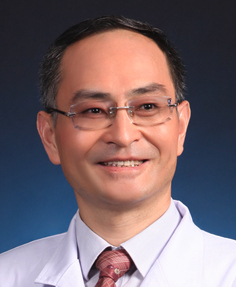 Xunming Ji (吉训明)合作论文数Department of Neurosurgery, Xuanwu Hospital, Capital Medical University;Graduate School, Capital Medical University1
 Yan Liu (刘燕)合作论文数School of Traditional Chinese Medicine, Beijing University of Chinese Medicine1
 Li Gao (高利)合作论文数首都医科大学宣武医院1
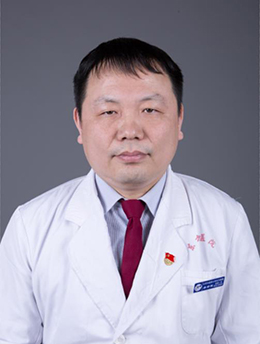 Xuejun Li (李学军)合作论文数Dongfang Hospital, Beijing University of Chinese Medicine1




