粳216A是辽宁省水稻研究选育的粳型三系新不育系,于2020年通过辽宁省农作物品种审定员会鉴定.粳216A不育性稳定、异交结实率高、花时早、配合力好、制种产量高、抗病性强.利用该不育系组配制的杂交稻新组合粳216优34进入辽宁省区试,产量比对照高9.5%.
为了探索旱直播在辽宁稻区的应用前景,以辽粳436为试材进行机械穴直播,分析了不同穴距处理下群体和产量构成因素的差异及其相关性,并通过回归分析明确了各性状对产量的影响.结果表明,不同穴距处理下基本苗、大穗数、小穗数、总穗数和产量存在明显差异,穴距11 cm时,辽粳436产量最高.产量与基本苗、穗苗比、大穗数、总穗数和穗粒数呈显著或极显著相关.回归分析显示,穗苗比对产量有明显的抑制作用,总穗数对产量有促进作用.
为筛选适于在辽宁东部山区种植的优质高食味水稻品种,为当地优质米产业发展提供参考,以当地原主栽品种稻花香(五优稻4号)为对照,对引进的6个优质水稻品种进行农艺性状评价.结果表明,粳优653产量最高,比对照增产35.61%;吉作109和小粒香分别比对照增产26.06%、23.02%和12.13%,且食味值均>80.综合6个品种的生育期、产量和食味值等结果,认为粳优653、吉作109、小粒香较稻花香更适于在辽宁东部山区作为高食味值优质水稻品种种植.
为构建东北平原南部水稻高产群体,揭示其产量形成规律,以辽宁省主栽高产水稻品种辽粳401和辽粳212为试材,进行了不同栽培密度试验.结果表明,高密度处理(行株距20.0 cm×13.3 cm)单位面积有效穗数显著增加,从而获得较高的产量水平,但与低密度处理(行株距30.0 cm×20.0 cm)的产量差异不显著.在低密度处理下,虽然有效穗数少,但每穗粒数增加,因此也具有相对较高的产量水平.高密度行株距配置可构建依靠增加群体分蘖数量和较多物质积累而获得高产的多穗型群体,低密度行株距配置可构建促进物质转移转化、提高收获指数形成大穗大粒而获得高产的大粒型群体.可见,通过平衡有效穗数和穗粒数二者之间的关系,保证群体颖花量,同时确保较高的结实率和千粒重,可获得稳定高产群体.
针对北方稻区机械穴直播水稻群体穗位不整齐、丰产性差等问题,于2018年~2019年在沈阳市博科种业试验基地,以辽粳436为试材进行了密度试验,研究了穗苗比对籽粒产量形成的影响.结果 表明,穗苗比与基本苗和籽粒产量呈显著的线性回归关系,当穗苗比等于1时,籽粒产量达到最高.不同品种和不同栽培条件下,可通过调整播种量控制基本苗,使穗苗比达到或接近于1,从而实现高产.
粳优653是辽宁省水稻研究所用粳65A与C315配组育成的杂交粳稻新组合,介绍了其亲本的特征特性,总结了其在辽宁的高产制种技术.
近年来辽宁省直播稻种植面积逐年扩大,产量水平逐年提高,长势趋于良好,但现阶段缺少直播专用品种,配套栽培技术也尚不完善.分析了辽宁省直播稻目前存在的问题,从重视品种选育、注重化除技术、加强配套技术研究、机械化直播等方面阐述了辽宁省直播稻的发展建议及对策.
针对20世纪80年代以来特别是进入新世纪我国东北水稻大多通过籼粳稻杂交育成的实际情况,为了明确籼型血缘对东北水稻产量和品质的影响,以Sasanishiki(粳稻)/Habataki(籼稻)//Sasanishiki///Sasanishiki构建的回交重组自交系群体(BILs)85个株系为试材,分别在辽宁沈阳、吉林长春和黑龙江哈尔滨种植,以籼型频率(Fi)即来自籼型亲本分子标记比例为指标,分析了籼型血缘与产量和品质的关系.结果表明,BILs群体在辽宁、吉林和黑龙江能够正常成熟,株系数和Fi平均值有自南向北逐渐降低的趋势,三地生物产量、经济系数和经济产量差异均未达到显著水平(黑龙江生物产量和经济系数缺失);穗数在辽宁、吉林>在黑龙江,每穗粒数在黑龙江>在吉林>在辽宁;糙米率在黑龙江显著高于辽宁,而在吉林与辽宁和黑龙江差异不显著;精米率和整精米率在辽宁、吉林>在黑龙江,垩白粒率和垩白度在辽宁>在吉林>在黑龙江,三地粒长、粒宽和长宽比均无显著差异.总体上Fi与千粒重、经济产量、经济系数、糙米率和粒宽呈极显著负相关,与长宽比呈极显著正相关;三地Fi与产量及其构成因素的相关性与总体相似,只是在黑龙江大多没有达到显著水平;在辽宁和吉林Fi与粒宽呈显著负相关,而只有在辽宁Fi与长宽比的正相关达到显著水平.在本试验条件下,控制籼型频率在10%左右可能有利于实现籼粳亚种有利基因互补,促进东北粳稻产量和品质在更高水平上统一起来.
[目的]为明确辽宁省260份粳稻品种中稻瘟病抗性基因的类型,评价抗性基因利用价值,为辽宁省水稻抗病育种提供参考.[方法]选用9个稻瘟病抗性基因的特异引物分析辽宁省已审定的260份粳稻品种抗性基因种类、基因组合类型及地域分布情况,基于抗病基因检测条带的有无进行品种聚类分析,苗期人工喷雾接种、分蘖盛期和蜡熟期田间自然发病调查,评价9个抗性单基因系的抗病性.[结果]辽宁省粳稻品种中含有抗性基因数量从0~7个不等,抗性基因Pikh检出率最高,其次是Pikm和Pi1;所有参试品种均未检测到Pi9基因,仅在辽宁省农业科学院育成的辽粳421中检测到Pi40基因.参试的水稻品种中共有62个基因组合类型.基于抗性基因检测结果进行聚类分析,可以将260份粳稻材料分为11个类群.9个抗性单基因系中,Pi40抗性最好;其次是Pi9、Pigm和Pita.[结论]抗性基因Pi40、Pi9、Pigm和Pita在辽宁省粳稻品种选育和生产上具有重要的应用潜力;参试品种的80.38%集中在第Ⅴ、Ⅵ、Ⅶ和Ⅸ类群,没有明显的地域差异;参试品种抗病基因组合类型不够丰富,亲缘关系较近.
针对辽宁稻区水直播田除草难题,采用两期除草方法,研究6种除草药剂,共10个处理的除草效果,结果表明处理4除草效果最好,即,在耙地时淋施42%丁草胺1650 ml/hm2,在3叶1心期喷施2.5%五氟磺草胺(稻杰)750 ml/hm2,能有效防治水直播田稗草、水芹菜、和荠菜.
To study the effects of different soil types and fertility on root morphology of rice seedling,the middle-late maturing variety ‘Liaojing401’ was used as material.Three soil types of loamy soil,clayey soil and sandy soil were selected.The effects of sixteen proportions of nitrogen fertilizer,phosphorus fertilizer and potassium fertilizer on the morphological indexes of rice root were studied.The results showed that under the condition of clayey soil,the seedling root morphology was the best when nitrogen fertilizer,phosphate fertilizer and potash fertilizer was 4,2.5,3.5 g/tray,respectively,which was beneficial to root growth and the contact of roots with nutrients,and could improve the nutrient utilization rate and the accumulation of biomass above the ground,thus to achieve the purpose of cultivating healthy seedlings.
利用采自辽宁省4个稻区的20株稻瘟病菌对辽星系列水稻品种进行抗病性鉴定,苗期发病级数为0~5级,穗期发病级数为1~7级.苗期和穗期抗性频率均大于等于85%的有2个品种,抗性频率均小于等于35%的有4个品种.利用已开发的10个抗稻瘟病基因的分子标记对21份辽星系列水稻品种进行抗性基因分子检测,21份辽星系列品种含有的抗性基因数量在2~5个之间.这些品种中均不含Pi9、Pi40基因,而Pik-h、Pi1和Pib基因较广泛地分布在辽星系列水稻品种中.随着抗性基因位点数量的增多,品种表现出中等抗病性.
阐述了优质食味粳稻新品种辽粳433的品种特征特性,并介绍了针对辽粳433品种特性,为配合国家级星火计划项目(2015GA650001),集成了工厂化育苗、增密减氮、病虫害绿色防控、机械化栽培、稻田生态种养等多项高效栽培技术,在保证稻米优质食味的前提下,提升新品种的增产潜力.
研究了不同氮肥施用量(纯氮187.5 kg/hm2、150.0 kg/hm2、112.5 kg/hm2)和种植密度(33.3万、20.0万、14.3万穴/hm2)对优质食味水稻辽粳433产量和品质的影响.结果表明:不同施氮量和种植密度对辽粳433穗数和单株粒重影响较大,增加施氮量和稀植有利于提高穗数,但过量施用氮肥会降低千粒重和结实率,对单株粒重产生负面影响而导致减产;施氮量和种植密度的提高会增加辽粳433稻米的蛋白质含量,使稻米食味品质随之降低;纯氮用量为112.5 kg/hm2、种植密度为33.3万穴/hm2时,整精米产量最高,且食味较好,是辽粳433获得高产优质稻米最为适宜的栽培措施.
To develop superior rice varieties with improved yield in most rainfed areas of Asia/Africa, we started an introgression-breeding program for simultaneously improving yield and tolerances of multiple abiotic stresses. Using eight BC1 populations derived from a widely adaptable recipient and eight donors plus three rounds of phenotypic selection, we developed 496 introgression lines (ILs) with significantly higher yield under drought, salt and/or non-stress conditions in 5 years. Six new varieties were released in the Philippines and Pakistan and many more are being evaluated in multi-location yield trials for releasing in several countries. Marker-facilitated genetic characterization revealed three interesting aspects of the breeding procedure: (1) the donor introgression pattern in specific BC populations was characteristic; (2) introgression frequency in different genomic regions varied considerably, resulting primarily from strong selection for the target traits; and (3) significantly lower heterozygosity was observed in BC progenies selected for drought and salinity tolerance. Applying strong phenotypic selection under abiotic stresses in early segregating generations has major advantages for not only improving multiple abiotic stress tolerance but also achieving quicker homozygosity in early generations. This breeding procedure can be easily adopted by small breeding programs in developing countries to develop high-yielding varieties tolerant of abiotic stresses. The large set of trait-specific ILs can be used for genetic mapping of genes/QTL that affect target and non-target traits and for efficient varietal development by designed QTL pyramiding and genomics-based recurrent selection in our Green Super Rice breeding technology.
优质食味粳稻新品种辽粳433是2007年以(辽星1×幸实)为母本,港源8号为父本杂交,经连续系谱选择方法选育而成的晚熟品种。2012~2014年完成水稻品种区域试验晚熟组试验程序,于2015年5月通过辽宁省品种审定委员会审定。辽粳433最突出的特点是其优异的食味品质,且田间表现综合抗逆性强。
The difference of the yield component traits and nitrogen uptake and utilization characteristics between hybrid combina-tions and their parents in different nitrogen levels were studied using six typical hybrid rice varieties and their parents of Liaoning province.The results showed that the panicle number and yield were most sensitive and the harvest index and grain weight were less sensitive to the changes of nitrogen levels.In nitrogen uptake and utilization characteristics,absorption ability was most sensi-tive and nitrogen harvest index and Agronomic Nitrogen Utilization Efficiency were less sensitive to the changes of nitrogen levels. Compared with their parents,the plant nitrogen content of hybrid rice varieties plant nitrogen was lower than that of their parents, while absorption ability of nitrogen,harvest index of nitrogen,physiological nitrogen utilization efficiency,agronomic nitrogen uti-lization efficiency,nitrogen absorption and utilization efficiency were higher than that of their parents especially in low nitrogen level.The results indicated the sensitive index between the physiological nitrogen utilization efficiency related to the nitrogen ab-sorption and utilization and plant nitrogen content correlated significantly as well,so the nitrogen absorption and utilization of the hybrids could be inferred by the reaction of parents to the increasing of the nitrogen application.
Based on the analysis of the japonica rice varieties which finished the national network for varieties evaluation, the hybrid combinations are worse than homochronous japonica rice on the integration grain quality. After analysis on another 100 hybrid combinations, the head rice rate is lower, chalkiness traits and taste quality traits are better, but the percentage of synthesis grain quality combination is lower. Combined with breeding practice, the good quality breeding strategy of hybrid combinations is brought forward. If the parents with good quality are selected, the hybrid combination with the high yield superiority and good quality can be proved to truth.
In order to breed the japonica rice variety with similar taste to Koshihikali which could be planted in Liaoning Province, Koshihikali was introduced from Japan and‘Liao 433’was bred by Liaoning Rice Research Institute. It was a progeny of the cross between the F1 of Koshihikari and‘Jinyuan 9540’with high resistance and‘Liaojing 294’with good rice quality. The brown rice rate, milled rice rate and head rice rate of‘Liao 433’were almost the same as that of Koshihikari, while the taste value was higher than that of Koshihikari, and the resistance to rice blast and lodging was significantly improved as well. The suitable planting density of‘Liao 433’should be paid attention to ensure the production in practice because of less secondary branch numbers. Koshihikari could be introduced to promote the directive breeding and improvement of good taste japonica rice variety in north China.
[Objective]To ensure taste of rice and study influence of different storage methods on taste value of northern quality rice varieties. [Methods]Three quality rice varieties in Liaoning Province were selected,treated by different storage methods for 11 months,and the taste was tested with SATAKE taste testing device imported from Japan. [Results]There were significant differences in the taste between 3 rice varieties. For taste value,Yueguang was 65-85,Yanjing No. 48 was 61-80,and Liaoxing No. 1 was 50-69. Liaoxing No. 1 had higher variation coefficient from cold storage of polished rice than from vacuum cold storage. For other storage methods,the fluctuation of taste value was cold storage rice cold storage vacuum rice cold storage polished rice ordinary polished rice ordinary vacuum rice. In other words,the taste value of rice had slight fluctuation at lower storage temperature and in the rice form. [Conclusion]This study is expected to provide certain reference for proper storage of rice.
 Feng Shen (沈枫)合作论文数16ZhiQiang Tang (唐志强)合作论文数15XiaoWan Li (李小婉)合作论文数14XianBin Hao (郝宪彬)合作论文数11Zetian Hua合作论文数9Guilan Lv (吕桂兰)合作论文数General Hospital of Eastern Theater Command8Fu-lin QIU (邱福林)合作论文数7Rui Li (李睿)合作论文数7XiuYing Shen (沈秀瑛)合作论文数6HongBo Jiang (蒋洪波)合作论文数6
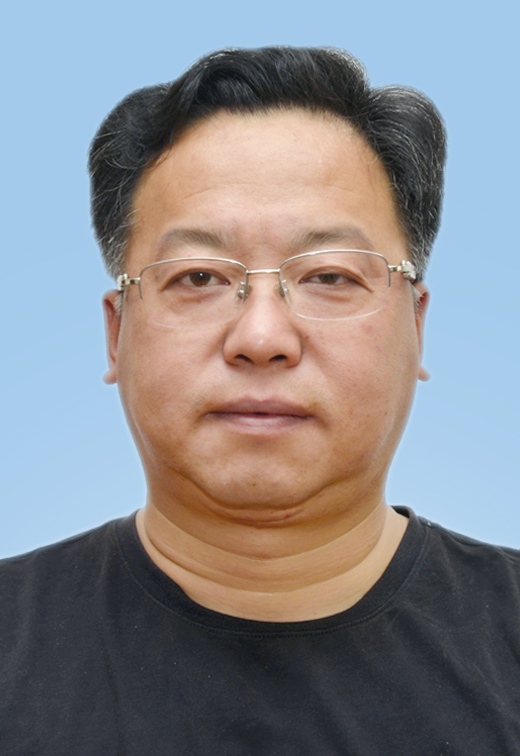 Yuedong Li (李跃东)合作论文数Liaoning Rice Research Institute6
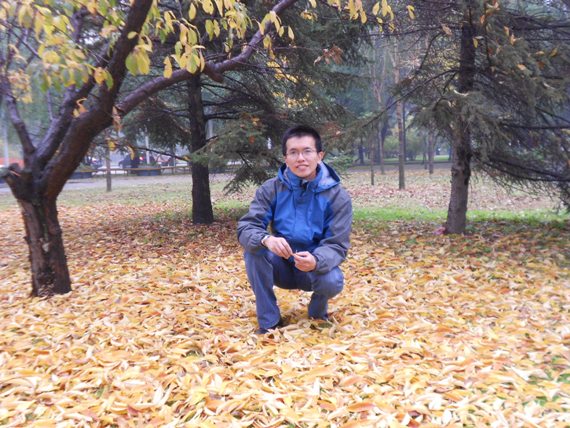 Tianhong Zhao (赵天宏)合作论文数沈阳农业大学农学院6
 Deguang Yang (杨德光)合作论文数College of Agriculture, Northeast Agricultural University6
 Zhikang Li (黎志康)合作论文数Institute of Crop Science, Chinese Academy of Agricultural Sciences6
 Zhongxu Zhang (张忠旭)合作论文数辽宁省水稻研究所5Fen Ding (丁芬)合作论文数辽宁省水稻研究所5WenQi Shang (商文奇)合作论文数4Zhengyan Pan合作论文数3
 Li-jun Meng合作论文数3XianJu Wang (王先俱)合作论文数3ChangHua Wang (王昌华)合作论文数3
 Guomin Sui (隋国民)合作论文数Liaoning Academy of Agricultural Sciences3
 Jianlong Xu (徐建龙)合作论文数Institute of Crop Sciences, Chinese Academy of Agricultural Sciences3Xiu Pang (庞秀)合作论文数3Yongming Gao (高用明)合作论文数3
 Zhengjin Xu (徐正进)合作论文数Shenyang Agricultural University3feng shen合作论文数2Yanru Cui (崔彦茹)合作论文数Coll Agron, Hebei Agr Univ2Hui WANG (王辉)合作论文数2Liang Fu (付亮)合作论文数2XiuRu Zhang (张秀茹)合作论文数2Hong Gao (高虹)合作论文数2Xue Zhang (张雪)合作论文数2
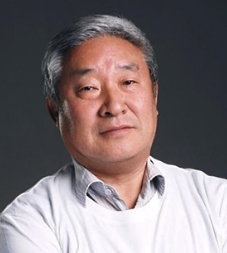 Wenfu Chen (陈温福)合作论文数Agronomy College of Shenyang Agricultural University2
 Chen Kai合作论文数2
 Zheng Wang (王铮)合作论文数BAAFS Institute of Animal Husbandry and Veterinary Medicine2Fan Zhang合作论文数1lu cai合作论文数1
 Ying Wang (王莹)合作论文数School of Life Sciences, Fudan University1Ming-xiao LI (李鸣晓)合作论文数1shuang wang (王双)合作论文数1Min ZHANG (张敏)合作论文数1
 Yunlong Pang合作论文数1WANG Xu-Hong (王旭虹)合作论文数1LI Na (李娜)合作论文数1Fan ZHANG (张帆)合作论文数1LIU Jun (刘军)合作论文数1
 Jauhar Ali合作论文数International Rice Research Institute1YuanJun Bai (白元俊)合作论文数1




