民以食为天,粮食安全事关国家的稳定与发展.良种选育是农业生产发展的首要条件,也是作物种子工程的最终目标.本文作者从玉米的战略地位和人民不断提高的生活水平需求出发,阐述了我国粮食安全的重要性及粮食生产中存在的问题,系统比较了我国与欧美国家在种子工程方面存在的差距及优势,并为进一步促进我国玉米种子工程发展指明了方向.通过转基因技术,减肥、减药,改善农业生产环境,以蔬菜为主的农作物生产才能做到"有机、环保、绿色".
Recommended Citation Zhu, OUYANG; Hongsheng, WANG; Jianbin, LAI; Chunjing, WANG; Zhen, LIU; Zhigang, SUN; and Ruixing, HOU (2020) "New Approach of High-quality Agricultural Development in the Yellow River Delta," Bulletin of Chinese Academy of Sciences (Chinese Version): Vol. 35 : Iss. 2 , Article 2. DOI: https://doi.org/10.16418/j.issn.1000-3045.20200106001 Available at: https://bulletinofcas.researchcommons.org/journal/vol35/iss2/2
It is a big challenge to promote grain production in China under the background of limited arable lands and increasing grain demand due to an enormous population.In order to provide scientific basis for national policy decision-making on increasing grain production capacity,planning and distributing,potential grain outputs of 30 counties in the area around the Bohai Sea in Shandong Province were estimated by using current data about arable lands,cropping systems and land productivity in recent years.The results show that the potential increase in grain output was likely to reach 4.034 1 × 10⁹ kg,which could be achieved by expanding planting area of grain crops and enhancing grain yield per unit area.There were two approaches to enlarge the area of grain crops.Firstly,about 50% of the current areas of cotton of single cropping per year system change into wheat/corn double cropping system by enriching soil fertility and adopting special varieties.This approach may increase grain production by 2.364 7 × 10⁹ kg.Secondly,some of the current uncultivated lands with severe saline-alkali develop for planting grain crops after taking comprehensive measures to increase grain output to 7.755 5 × 10⁸ kg.Furthermore,the promotion of wheat and corn grain yield under current cultivated farmlands will further increase grain output by 8.938 5 × 10⁸ kg.Counties with greater potential for grain output increase by either expanding planting area or enhancing grain yield are in the Delta area and along the banks of the Yellow River.The main technology approaches include:1) leaching and discharge of salt ions from saline-alkali soils by intense freshwater watering and drainage,which will as well reduce salt accumulation in surface soils;2) enriching soil fertility and increasing land productivity by using soil improvement measures such as application of organic manure,utilization of microbial remediation agents and management of crop residues;3) optimizing farming systems by screening and applying crop cultivars with high salt-tolerance.Furthermore,it was essential to conduct demonstration of standard technologies at farmland scale.
The sustainable agricultural development is a greatly concerned world-wide issue.Agriculture in China has been developing along the direction of modern agriculture with Chinese characteristics under the background of huge population,shortage of resources and big environmental pressure.This paper focus on introducing resources-saving modern agricultural mode on the basis of the experiences of the agricultural science and technology demonstration carried out by the scientists from the Chinese Academy of Sciences for the past four decades,at Yucheng City,Shandong Province and summarizing the agricultural development modes and technical systems at different developmental stages.The results and experiences achieved at Yucheng are representative,which can provide the basis and references for the modern agricultural development in China.
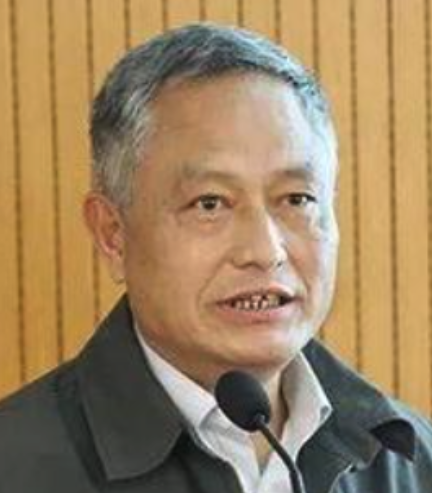 Zhu Ouyang (欧阳竹)合作论文数Institute of Geographic Sciences and Natural Resources Research, Chinese Academy of Sciences4
 Lanfang Wu (武兰芳)合作论文数Institute of Geographic Sciences and Natural Resources Research, Chinese Academy of Sciences2
 jingshuang hao (郝敬爽)合作论文数1Hongsheng WANG (王竑晟)合作论文数1
 Zhen Liu合作论文数1XinJian Li (李新建)合作论文数1Ruixing Hou (侯瑞星)合作论文数1
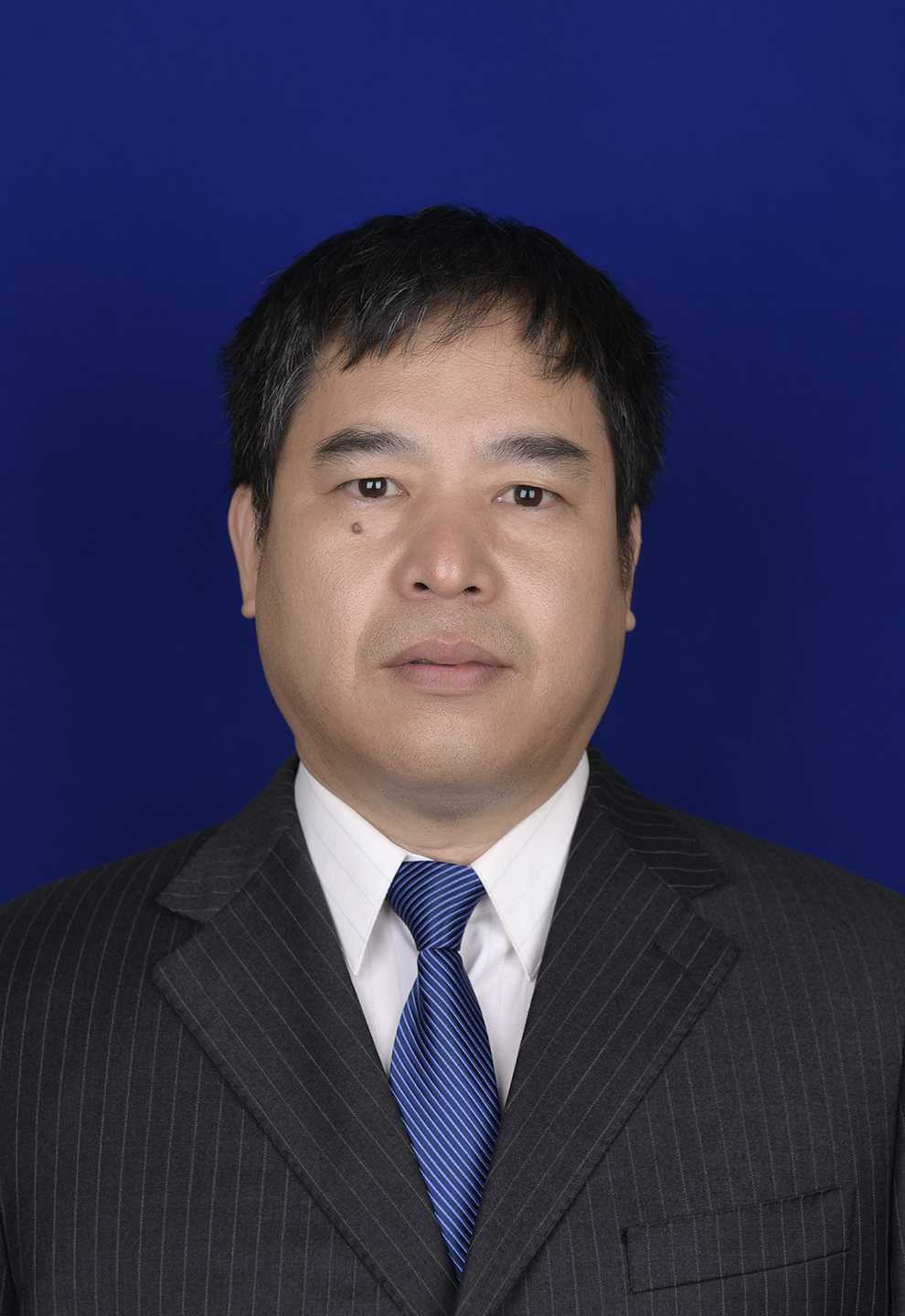 Fenglu Zhang (张凤路)合作论文数College of Agronomy, Hebei Agricultural University1Yunsheng Li (李运生)合作论文数1
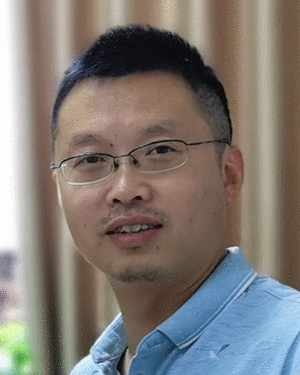 Zhigang Sun (孙志刚)合作论文数Institute of Geographic Sciences and Natural Resources Research, Chinese Academy of Sciences1
 Jianbin Lai合作论文数State Key Laboratory of Biocontrol;School of Life Sciences;Sun Yat-Sen ( Zhongshan ) University;School of Life Sciences, Sun Yat-Sen ( Zhongshan ) University1




