The influence of the lanthanide cation type and calcination temperature on the crystal, local, and electronic structures of both individual and high-entropy (HE) Ln chromates/chromites (Ln = La - Yb, and Y) prepared by a coprecipitation is studied by using synchrotron X-ray diffraction, X-ray absorption fine structure spectroscopy, Raman and Fourier transform infrared spectroscopies, scanning electron microscopy with energy-dispersive Xray spectroscopy, simultaneous thermal analysis, and inductively coupled plasma atomic emission spectroscopy. Calcination of X-ray amorphous precursors at 550 degrees C resulted in the formation of individual LnCrO4 chromates with monoclinic (sp. gr. P21/n for Ln = La) or tetragonal (sp. gr. I41/amd for Ln = Sm - Yb, Y) structure. The PrCrO4 and NdCrO4 samples were a mixture of monoclinic and tetragonal phases. The HE LnCrO4 chromates were characterized by tetragonal structure regardless of the Ln3+ cation type involved. A further increase in temperature >= 650 degrees C led to the formation of Ln chromites having the orthorhombic symmetry (sp. gr. Pnma for LaCrO3, sp. gr. Pbnm for individual Ln = Pr - Yb, Y, and HE chromites). For all synthesized LnCrO3 samples, the lattice parameters, unit cell volumes, Cr-O-Cr bond angles, average Ln-O distances diminish with decreasing the Ln3+ cation radius. On the contrary, the octahedral distortions within CrO6 units increase with decreasing the Ln3+ cation radius. An analysis of the electronic structure showed the presence of an oxidation state (3+) for both Ln and Cr cations in all synthesized precursors and Ln chromites, and Cr5+ for Ln chromates. The local environment of the Ln3+ and Cr3+ cations in HE Ln chromites is close to that of similar ions in individual compounds. The local environment of the La3+ cation in La-containing compounds differs significantly from that of Ln3+ cations in other Ln chromites (Ln = Nd, Sm, Eu, Gd, Dy, Ho, Yb, Y).
The Spin Physics Detector collaboration proposes to install a universal detector in the second interaction point of the NICA collider under construction (JINR, Dubna) to study the spin structure of the proton and deuteron and other spin-related phenomena using a unique possibility to operate with polarized proton and deuteron beams at a collision energy up to 27 GeV and a luminosity up to 10^32 cm^-2 s^-1. As the main goal, the experiment aims to provide access to the gluon TMD PDFs in the proton and deuteron, as well as the gluon transversity distribution and tensor PDFs in the deuteron, via the measurement of specific single and double spin asymmetries using different complementary probes such as charmonia, open charm, and prompt photon production processes. Other polarized and unpolarized physics is possible, especially at the first stage of NICA operation with reduced luminosity and collision energy of the proton and ion beams. This document is dedicated exclusively to technical issues of the SPD setup construction.
This study analyzes the results of research on the bipolar effect of resistive switching in heterojunctions based on high-temperature superconductors (HTSC) Bi2Sr2CaCu2O8+y, YBa2Cu3O7–δ, Ba0.6K0.4BiO3–x, and doped manganites La1–xSrxMnO3–y. It demonstrates how the functional properties of HTSC can be used to create memristive structures on their basis. The ability to undergo a metal–insulator transition under oxygen doping, the anisotropy of electronic transport, and the existence of charge reservoirs through which copper–oxygen conducting regions are doped, are the key functional properties of HTSC that form the basis of memristor operation. Research on the structure, transport, and superconducting properties of the metastable OFF and ON states of memristors shows that macroscopic phase separation on the surface of oxygen-containing epitaxial films of HTSC and doped manganites is a determining factor in the formation of memristive properties in structures based on them. The memristive properties of HTSC appear on the phase diagram in the phase-separation region, which is characteristic of strongly correlated electron systems.
The results of preliminary experiments on measuring the spatial asymmetry of plasma flows in the GOL-NB device using movable Mach probe are presented and the diagnostics used is described. In the experiments, the high-field sections were mounted in the configuration with solenoidal magnetic field. The dynamics of plasma flows was recorded which was expected in the trap: the plasma flowed from the plasma gun along the magnetic field, accumulated in the GOL-NB central trap, and then after the plasma gun was switched off, flowed out from the central trap in two directions. At time of transition from the stage of plasma accumulation to the stage of its decay, the direction of plasma flow in the input high-field section was inverted. The balance of particles in the central trap is discussed. Experiments have shown that this technique can be used for studying the effects of improving plasma confinement after switching to the multiple-mirror configuration of high-field sections, in which, according to theory, under optimal conditions, a flow of b-ackscattered particles should arise, which will return them from the multiple-mirror sections to the confinement zone.
Nanostructured thin films on a silicon substrate were obtained by high-frequency periodic pulse f ~ 6–10 kHz action of laser radiation with wavelength λ = 1.064 μm and power density q = 120 MW/cm 2 on zirconium in a vacuum chamber at pressure p = 2.2 Pa. The morphology of the thin films of zirconium was studied by atomic-force microscopy. The transmission spectra of the zirconium films in the visible and near and mid IR regions were obtained. The electrophysical characteristics of the Zr/Si structures were analyzed.
We provide some evidence for nonzero electron velocity at the tunnel exit in strong-field atomic ionization. Our investigation is based on the analysis of a suitably chosen correlation function which describes correlations between the two observables: the longitudinal electron velocity and the appearance of the photoelectron in the continuum at the end of the laser pulse. The results of the correlation function analysis that we perform are confirmed by the calculations using the quantum orbits method.
In this paper, a study of the influence of laser processing parameters with pulsed nanosecond laser radiation on the degree of metallization and the quality of the metallized surface of aluminum nitride ceramics is presented. Experiments were carried out to create conductive structures with the lowest resistance using direct laser metallization. The dependences of resistance on duration, pulse overlap, and laser fluence were obtained and analyzed, and changes in surface roughness were considered. In addition, the composition of the surface of laser-metallized ceramics was studied using energy-dispersive x-ray spectroscopy. As a result, it was shown that the resistance is inversely proportional to the square root of the pulse duration, the thermal diffusion length was estimated as lT = 8.2 mu m for 200 ns and lT = 1.2 mu m for 4 ns, and the presence of optimal values of pulse overlap Oy (scanning direction) equal to 50% and pulse overlap Ox (step direction) equal to 96% and 99.7% for pulse durations of 200 and 4 ns, respectively, was determined. The choice of optimal pulse overlaps with the highest laser fluence allowed us to obtain the minimum resistance value with maximum performance.
Using fluorescence spectroscopy, the two-photon absorption cross sections of aqueous solutions of the styryl dye trans-4-[4-(dimethylamino)styryl]-1-methylpyridinium iodide (DASPI) and its inclusion complexes with cucurbit[n]urils (CB[n] n = 6–8) have been measured. A nonmonotonic dependence of the cross section on the excitation wavelength and on the cavitand cavity size has been revealed. Compared to the free dye, a sevenfold increase in the two-photon absorption cross section has been observed in DASPI inclusion complexes with CB[8] at an excitation wavelength of 980 nm.
The physics of confinement of plasma rotating in the magnetic field with linear helical symmetry is studied at the SMOLA open trap at Budker Institute of Nuclear Physics of the Siberian Branch of the Russian Academy of Sciences. The factor characterizing the quality of plasma confinement in the system is its flow velocity. The paper describes the diagnostics applied, which is based on the Mach probe used under the conditions of nonmagnetized plasma; this diagnostics made it possible to determine the longitudinal flow velocity in the experiments. In different operating regimes of the device, the measured longitudinal flow velocity was (0.5−5) × 106 cm/s. It is discussed how the velocity depends on the magnetic field corrugation. The reverse flow of trapped particles returning to the confinement zone was detected.
The synthesis and detailed study of six series of high-entropy complex oxides containing lanthanides (Ln) and transition metals with the general formula Ln(2)M(2)O(7) (Ln = La-Yb, and Y; M = Ti, Zr, and Ce) with the number of different Ln cations not less than six in each case are reported. The influence of synthesis conditions (types of the Ln(3+) and M4+ cations, calcination temperature) used in the synthesis via either coprecipitation or sol-gel method on the crystal and local structures of target materials is comprehensively surveyed. The studies were carried out using a combination of long- (s-XRD), medium- (Raman, FT-IR, SEM-EDS) and short-range (XAFS) sensitive techniques, as well as AES-ICP and STA. It was established that the ratio of the cation radii gamma = (r) over bar (3+)(Ln)/(r) over bar (4+)(M) is the main factor that determines the type of initially formed crystal structure. In the boundary region (gamma similar to 1.42-1.47), the average radius of lanthanide cation ((r) over bar (3+)(Ln)), along with the (r) over bar (3+)(Ln)/(r) over bar (4+)(M) ratio, also plays a significant role in the type of the resulting crystal structure of the high-entropy lanthanide complex oxides. The presence of inhomogeneity in the distribution of elements in precursors significantly affects the phase composition of the resulting high-entropy oxides. An increase in the calcination temperature promotes not only the occurrence of subsequent phase transitions, but also an increase in the single-phase nature of the resulting high-entropy complex rare-earth oxides. At the same time, the cations included in the composition retain some independence, despite the fact that they occupy one crystallographic position in the resulting crystal structure.
A short review of the studies carried out at the Budker Institute of Nuclear Physics, Siberian Branch, Russian Academy of Sciences (BINP SB RAS) on the photon neutralization of the beams of negative ions is presented. The principal distinctive feature of the presented approach consists in the nonresonant accumulation of photons in a limited space. Their confinement is based on the adiabatic motion of photons in a system of concave mirrors, which is insensitive to the quality of the injected radiation. An analysis is carried out of the possibility of using the neutralizer based on such a nonresonant photon trap in large-scale installations such as ITER and TRT, and a future experiment is described on the photon neutralization using a beam of negative hydrogen ions with energy up to 130 keV and a current of about 10 mA.
High-luminosity particle collider experiments such as the ones planned at the High-Luminosity Large Hadron Collider require ever-greater vertexing precision of the tracking detectors, necessitating reductions in the material budget of the detectors. Traditionally, the fractional radiation length (x/X-0) of detectors is either estimated using known properties of the constituent materials, or measured in dedicated runs of the final detector. In this paper, we present a method of direct measurement of the material budget of a CMS prototype module designed for the Phase-2 upgrade of the CMS detector using a 40-65 MeV positron beam. A total of 630 million events were collected at the Paul Scherrer Institut PiE1 experimental area using a three-plane telescope consisting of the prototype module as the central plane, surrounded by two MALTA monolithic pixel detectors. Fractional radiation lengths were extracted from scattering angle distributions using the Highland approximation for multiple scattering. A statistical technique recovered runs suffering from trigger desynchronisation, and several corrections were introduced to compensate for local inefficiencies related to geometric and beam shape constraints. Two regions of the module were surveyed and yielded average x/X-0 values of (0.72 +/- 0.05)% and (0.95 +/- 0.09)%, which are compatible with empirical estimates for these regions computed from known material properties of 0.753% and 0.892%, respectively. Two types of higher-granularity maps of the fractional radiation length were produced, subdivided either into rectangular regions of uniform size, or polygonal-shaped regions of uniform material composition. The results bode well for the CMS Phase-2 upgrade modules, which will play a key role in the minimisation of the material of the upgraded detector.
Pulse investigations of resistive switching in planar memristive heterocontacts based on Nd2 – xC-exCuO4 – y epitaxial films are presented. The possibility of regulating metastable resistive states in planar memristive systems based on such films is studied using specific protocols of pulse measurements. Various metastable states are implemented by changing external parameters: the frequency and magnitude of the electric-field voltage applied to the heterocontacts. Dynamic effects are investigated, and the transition times between metastable states are determined. Direct investigation involves alteration of the electrodynamic properties under the effect of a sinusoidal alternating electric field at frequencies of 10–3 Hz and in the pulsed mode with pulse durations ranging from 0.1 ms to 25 s. This is accomplished by measuring the current–voltage characteristics, recording the current and voltage oscillograms at the heterocontact, and examining the temperature-dependent resistivity of metastable phases. The multilevel nature of the metastable resistive states in the studied systems and the ability to control switching times characterize the adaptability of these devices and their potential use as memory elements for neuromorphic applications in spiking neural networks.
Fluorescence quenching of 3,3,11,11-tetramethyl-8,16-diphenyl-3,4,8,10,11,12,13,16-octahydroacridino[4,3-c]acridine-1,9(2H,5H)dione in liquid mixtures of methanol and acetonitrile have been studied using fluorescence spectroscopy methods. The results obtained are interpreted in terms of nonradiative deactivation of the excited state of the fluorophore due to interaction with a protic solvent. A theoretical analysis of experimental data was carried out, its results were compared with data obtained previously in similar studies in mixtures of methanol and dimethylformamide. The values of a number of model parameters were determined, in particular, the rate constant for the formation of “fluorophore–methanol cluster” complexes and the equilibrium constant of this reaction. The mechanisms of the influence of the aprotic cosolvent on the cluster structure of the mixture and the quantum yield of fluorescence have been analyzed.
The current-voltage (I-V) properties along the c axis on Nd2-xCexCuO4/SrTiO3 epitaxial films with x = 0.145, 0.15 were investigated. For all the samples it has been established that the I-V characteristics exhibit several resistive branches, which correspond to the resistive states of individual Josephson junctions. The results confirm the idea of a tunneling mechanism between the CuO2 layers (superconductor - insulator - superconductor junction) for the investigated Nd2-xCexCuO4 compound. The I-V dependence of this compound with x = 0.15 points out on the nonmonotonic nature of the d-wave or anisotropic s-wave symmetry order parameter associated with the coexistence of superconductivity and antiferromagnetic fluctuations.
We report a study of the entanglement between the quantized photon field and an atom arising in the photo-ionization process. Our approach is based on an ab initio solution of the time-dependent Schrödinger equation (TDSE) describing the quantum evolution of a bipartite system consisting of the atom and the quantized electromagnetic field. Using the solution of the TDSE, we calculate the reduced photon density matrix, which we subsequently use to compute entanglement entropy. We explain some properties of the entanglement entropy and propose an approximate formula for the entanglement entropy based on the analysis of the density matrix and its eigenvalues. We present the results of a comparative study of the entanglement in the photo-ionization process for various ionization regimes, including the tunneling and the multiphoton ionization regimes.
The results on applying the technique of vortex plasma confinement in the GOL-NB facility are presented. The first experiments on optimizing the biasing the in-chamber electrodes demonstrated an improvement in the dynamics of trapping the injected fast hydrogen atoms, as well as a decrease in the fluctuations of local plasma parameters in the central trap and an increase in the plasma decay time. The geometry of in-chamber electrodes arrangement, as well as the polarity and magnitude of the supplied potentials, correspond to the theory of vortex confinement and to those in similar studies at other open traps.
The magnetic system of an open trap usually includes expansion sections located between high-field magnetic mirrors and end surfaces that receive plasma. In the GOL-NB device, an arc plasma gun is located in one of the expanders, which creates a low-temperature starting plasma in the confinement area. The parameters of the surface plasma sheath affect the electrical connection of the confinement area with the walls and, thereby, affect the contribution of the line-tying effect to the plasma stability and the longitudinal energy losses from the trap. The experiments with additional hydrogen injection into the plasma gun were carried out at GOL-NB. We observed a radiating plasma formation detached from the surface, which visually corresponds to that in radiating divertors in tokamaks. In both standard and detached modes, decaying plasma existed near the receiving electrodes during the entire observation time after the discharge current was terminated. In the central trap of GOL-NB, some structures in the Fourier spectrogram of magnetic fluctuations manifest earlier in the detachment mode than in the standard mode and have lower frequencies. We associate these structures with the onset of interchange-like modes due to the loss of plasma stabilization by the line-tying to the conducting ends. The observed plasma response to the additional gas supply confirmed our understanding of the line-tying effect as the main factor stabilizing the plasma core in the initial phase of density accumulation in the central trap.
 Ben Kilminster合作论文数Physik-Institut, University of Zurich230
 K. Lannon合作论文数229
 John S. Conway合作论文数Department of Physics and Astronomy, University of California, Davis229
 Arie Bodek合作论文数Department of Physics and Astronomy, School of Arts & Sciences, University of Rochester227
 Matthew Herndon合作论文数Department of Physics, University of Wisconsin–Madison226Andrew Beretvas合作论文数225
 Giorgio Apollinari合作论文数Fermi National Accelerator Laboratory223
 Jacobo Konigsberg合作论文数Institute for High Energy Physics and Astrophysics, University of Florida;Department of Physics, College of Liberal Arts and Sciences, University of Florida221Andrea Bocci合作论文数CERN220K. Goulianos合作论文数218
 Jay R. Dittmann合作论文数Department of Physics, College of Arts and Sciences, Baylor University218B. Blumenfeld合作论文数218
 Maxwell Chertok合作论文数Department of Physics and Astronomy, University of California, Davis217G. Latino合作论文数INFN Sezione di Firenze, Università di Firenze215
 Pawel De Barbaro合作论文数Department of Physics and Astronomy, School of Arts and Sciences, University of Rochester;CERN215
 Duncan Carlsmith合作论文数Department of Physics, College of Letters & Science, University of Wisconsin-Madison212
 Daniela Bortoletto合作论文数Department of Physics, University of Oxford211M. A. Ciocci合作论文数210K. Hatakeyama合作论文数208I. Gorelov合作论文数207
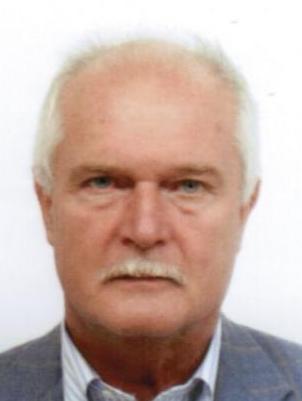 Dario Bisello合作论文数Department of Physics and Astronomy "Galileo Galilei", University of Padova205K. Burkett合作论文数203
 Massimo Casarsa合作论文数Istituto Nazionale di Fisica Nucleare203
 Fabio Happacher合作论文数Istituto Nazionale di Fisica Nucleare203
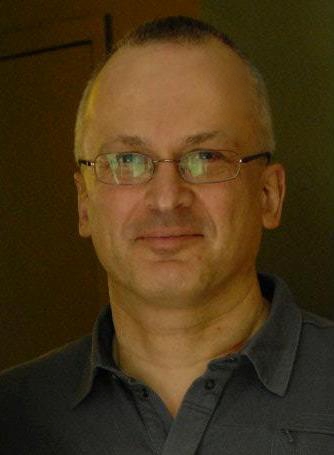 Luc Demortier合作论文数Laboratory of Experimental High Energy Physics, The Rockefeller University203
 Joey W Huston合作论文数Department of Physics & Astronomy, College of Natural Science, Michigan State University203A. Artikov合作论文数203
 Steven Errede合作论文数Department of Physics, The Grainger College of Engineering, University of Illinois Urbana-Champaign203
 C. Bromberg合作论文数Michigan State University, USA203Franco Bedeschi合作论文数Istituto Nazionale di Fisica Nucleare Sezione di Pisa202
 Dante Amidei合作论文数Department of Physics, College of Literature, Science, and the Arts, University of Michigan202Alvin Laasanen合作论文数Purdue University202
 Melissa Franklin合作论文数Department of Physics, Harvard University202
 Ray Culbertson合作论文数Fermi National Accelerator Laboratory202
 Bill Ashmanskas合作论文数Department of Physics & Astronomy, College of Arts & Sciences, University of Pennsylvania202
 Javier Cuevas Maestro合作论文数Universidad de Oviedo;European Organization for Nuclear Research202
 Giorgio Chiarelli合作论文数Istituto Nazionale di Fisica Nucleare201
 Guenakh Mitselmakher合作论文数Institute for High Enery Physics and Astrophysics, Department of Physics, College of Liberal Arts and Sciences, University of Florida201C. Grosso-Pilcher合作论文数201
 Andy Hocker合作论文数Fermi National Accelerator Laboratory200
 Richard (Rick) Field合作论文数Institute for Fundamental Theory, Department of Physics, University of Florida200
 Michael S. Gold合作论文数Department of Physics and Astronomy, The University of New Mexico200
 Julian Budagov合作论文数Joint Institute for Nuclear Research200
 Tommaso Dorigo合作论文数Italian Institute for Nuclear Physics;University of Padova200
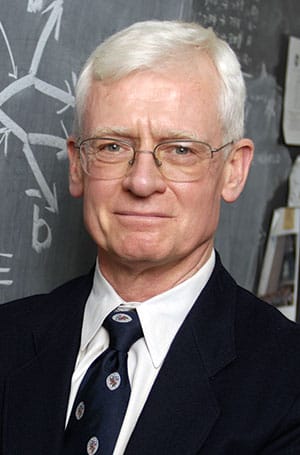 Bruce Barnett合作论文数William H. Miller III Department of Physics and Astronomy, Krieger School of Arts and Sciences, Johns Hopkins University199
 Gianluca Introzzi合作论文数Department of Physics, University of Pavia199
 Manfred Paulini合作论文数Department of Physics, Mellon College of Science, Carnegie Mellon University198
 Bo Jayatilaka合作论文数Fermi National Accelerator Laboratory196S. Leone合作论文数196




