血管新生是缺血性脑卒中神经功能修复的重要基础,是现代脑科学研究卒中治疗的新型靶标之一.卒中后血管新生主要受血管新生促进因子和抑制因子的协同调控,针刺通过多靶点、多环节、多层次、多途径作用于机体的"血管生成开关",在促进血管新生、改善神经功能及预后方面具有独特的优势.文章对缺血性脑卒中后血管新生的相关因子、评估方法及针刺干预机制进行了归纳总结,以期为中医药促进卒中后血管新生的基础研究提供新思路和新方法.
目的:应用功能磁共振明确针刺足临泣对无先兆偏头痛脑功能区域低频振荡振幅的特征性影响.方法:选取2015年1月至2016年2月北京中医药大学东直门医院神经内科和北京中医药大学东方医院针灸科门诊就诊的无先兆偏头痛患者19例作为研究对象,在针刺前后进行静息态功能磁共振成像,匹配的18例健康受试者进行一次无针刺的功能磁共振扫描作为对照.分析偏头痛患者和正常受试者脑功能区的低频振荡振幅值差异以及患者针刺前后低频振荡振幅值的变化.结果:与健康对照组比较,无先兆偏头痛患者低频振荡振幅值显著增强的脑区为海马、海马旁回、右侧颞上回等脑区,显著减弱的脑区为左侧楔叶、顶上回等脑区;与针刺前比较,针刺后低频振荡振幅值显著增强的脑区为右侧中央前回和中央后回,显著减弱的脑区为右侧楔前叶、额中回等脑区;与健康对照组比较,无先兆偏头痛患者针刺足临泣穴后低频振荡振幅值显著增强的脑区为右侧的中央前回、中央后回等脑区,显著减弱的脑区为左侧楔叶、楔前叶等脑区.结论:针刺足临泣穴对无先兆偏头痛多个脑区的功能活动异常的起特征性调节作用,这可能为针刺干预的疗效机制提供功能影像学支持.
目的:初步探讨不同证型偏头痛患者的睡眠质量及影响因素,以期为临床防治提供依据.方法:纳入临床常见的肝风挟瘀(n=150)和寒凝血瘀(n=78)偏头痛患者,采用匹兹堡睡眠指数(PSQI)问卷对符合标准患者的睡眠情况进行评估分析,并对睡眠相关影响因素进行多因素Logistic回归分析.结果:肝风挟瘀证与寒凝血瘀证患者睡眠障碍发生率分别为48%、50%,PSQI评分分别为5.55±3.00、5.78±3.41,二者比较无统计学差异(P>0.05),回归分析显示头痛天数、头痛次数及中医症状“口唇紫暗或面色晦暗”“头晕目眩”为肝风挟瘀证睡眠质量的影响因素,而头痛病程与中医症状“痛如针刺”是寒凝血瘀证睡眠的影响因素.结论:不同证型偏头痛患者睡眠质量的影响因素不同,在偏头痛辨治中应兼顾睡眠影响因素干预,有利于改善睡眠质量,减少偏头痛发作.
目的 观察针刺阳陵泉对中风偏瘫病人大脑皮层局部一致性(ReHo)影响的特征,为针刺促进脑功能重塑提供数据支持.方法 选择符合纳入标准的20例中风偏瘫病人,分别行静息态及针刺阳陵泉后即刻的功能磁共振成像(fMRI),20名健康受试者行静息态功能磁共振扫描.应用SPM8等软件对影像数据进行预处理和统计分析后,得到两组大脑皮层的局部一致性数据,比较中风偏瘫病人针刺阳陵泉前后与健康受试者局部一致性值的异同.结果 与健康受试者相比,中风偏瘫病人局部一致性增强的脑区为左侧额上回、额中回、额下回、额内侧回、中央前回、中央后回、顶下小叶、扣带回、岛叶;而在右侧额中回、中央前回、扣带回、岛叶以及双侧小脑扁桃体局部一致性减弱.与针刺前相比,中风偏瘫病人针刺后在左侧额中回、中央前回、中央后回、顶下小叶以及双侧尾状核的局部一致性增强.与健康受试者相比,中风偏瘫病人针刺后局部一致性增强的脑区均位于左侧大脑半球,分别为额中回、中央前回、中央后回、顶下小叶、扣带回、岛叶;而在右侧中央前回、中央后回、双侧额内侧回局部一致性减弱.结论 静息状态下中风偏瘫病人多个运动相关脑区的局部一致性存在异常变化,而针刺阳陵泉可通过调节上述脑区的局部一致性值,促进脑功能重塑与代偿,有助于中风偏瘫病人运动功能康复.
Objective:To analyze the resting state and immediate effects of acupuncture on executive control network (ECN) in stroke patients and explore the central mechanism of acupuncture by using functional magnetic resonance imaging (fMRI).Methods:Twenty stroke patients were recruited to lay in an fMRI in resting state and acupuncturing at GB34 state,while 20 health subjects were recruited to undergo resting state fMRI scanning.The functional connectivity (FC) of the ECN between two groups were analyzed and compared by using the independent component analysis.Results:Stroke patients showed significantly decreased FC in left inferior frontal gyrus,superior frontal gyrus,medial frontal gyrus,cingulate gyrus and insula of ECN.FC in right superior frontal gyrus and middle frontal gyrus of stroke patients was decreased than resting state after treating with acupuncturing at left GB34.There was no significant difference between stroke patients at acupuncture state and healthy subjects at resting state.Conclusion:The impaired motor pathway can influence the function of ECN,which may explain the phenomenon of compensatory activation in contralateral motor-related brain regions.In the immediate effect of acupuncture,the FC of ECN tended to be normal.Acupuncture might improve the recovery of motor function by reducing the inhibitory effect on the motorrelated brain regions.
Objective To investigate the effect of acupuncture combined with modern rehabilitation ther-apy on acute ischemic stroke patients. Methods 90 acute ischemic stroke patients within 7 days of flac-cid period were randomly divided into three groups:modern rehabilitation therapy group( group A) , acu-puncture therapy group ( group B ) and acupuncture combined with modern rehabilitation therapy group ( group C) . The fugl-meyer assessment ( FMA) and ability of daily living ( ADL) were used for evalua-tion on 3 and 6 months after treatment. Results FMA were improved on both 3 and 6 month in three groups than before treatment (P<0. 01). After 3 months, group B (P<0. 05) and C (P<0. 01) were significant improved comparing to group A, as well as group C to B (P<0. 05). After 6 months, group C was significant improved comparing to group A and B ( P<0 . 01 ) . ADL were improved both on 3 and 6 month in three groups than before treatment (P<0. 01). After 3 months, group C was significant im-proved comparing to group A. After 6 months, group B and C were significant improved comparing to group A ( P <0 . 01 ) . Conclusion Acupuncture combined with modern rehabilitation therapy were found practicable, effective and repeatable in improving fugl-meyer assessment ( FMA) and ADL. Espe-cially acupuncture therapy could improve the clinical prognosis and quality of life of stroke patients, which provides a useful basis for acute ischemic stroke patients in the selection of traditional Chinese medicine rehabilitation methods and intervention time.
Brain plasticity is the foundation of stroke rehabilitation,which is one of the hot issues in modern brain science research,and mainly relate to neurophysiology,neurochemistry,neuroimaging,and many other factors.Chinese medicine has a unique advantage in improving nerve function and promoting brain plasticity through multi-link,multi-target in the body.The current research focused on the single herbs,compound Chinese medicine,acupuncture,and several other key aspects,and the mechanisms involved were summed up and concluded in this paper in order to provide theoretical support for clinic application of Chinese medicine in promoting brain function rehabilitation after stroke.
肢体痉挛是中风病最常见的并发症之一,对其进行及时全面准确的评定应是每位神经科医师的必备技能。本研究将国内外常用于中风后痉挛的评价量表等进行文献综述,重点阐述其应用特点、适用范围及使用方法,以便在临床中更好、更全面地评估中风后肢体痉挛的状态和评价治疗效果,促进中风病人的功能康复。
Insomnia,a chronic dysfunctional disease,is a sleep disorder of quality,quantity,duration and rhythm.In recent years,functional magnetic resonance imaging (fMRI )technology is applied to study the disease.In this review,we describe the advances of fMRI on insomnia in abnormal variations of brain functional network in rest state and task state,central effects and mechanism of acupuncture inter-vention.
A large number of functional imaging studies have focused on the understanding of motor-related neural activities after ischemic stroke. However, the knowledge is still limited in the structural and functional changes of the interhemispheric connections of the bilateral primary motor cortices (M1s) and their potential influence on motor function recovery following stroke.Twenty-four stroke patients with right hemispheric subcortical infarcts and 25 control subjects were recruited to undergo multimodal magnetic resonance imaging examinations. Structural impairments between the bilateral M1s were measured by fractional anisotropy. Functional changes of the bilateral M1s were assessed via M1-M1 resting-state functional connectivity. Task-evoked activation analysis was applied to identify the roles of the bilateral hemispheres in motor function recovery. Compared with control subjects, unilateral subcortical stroke patients revealed significantly decreased fractional anisotropy and functional connectivity between the bilateral M1s. Stroke patients also revealed higher activations in multiple brain regions in both hemispheres and that more regions were located in the contralesional hemisphere.This study increased our understanding of the structural and functional alterations between the bilateral M1s that occur in unilateral subcortical stroke and provided further evidence for the compensatory role played by the contralesional hemisphere for these alterations during motor function recovery.
[Objective] To observe the characteristic of brain functional regions of the effect of acupuncture at Yanglingquan (GB34) on sensorimotor network of stroke patients with hemiplegia, and investigate the effect mechanism of acupuncture at Yanglingquan (GB34) on promoting brain reorganization of stroke patients with hemiplegia. [Methods] 12 stroke patients with hemiplegia and 8 healthy controls in accordance with the inclusive criteria were recruited and underwent resting state fMRI scanning before and after acupuncture stimulation, the method of generalized linear models was used to analyze the components of sensorimotor network extracted from all the subjects and compare the brain regions activated by acupuncturing at Yanglingquan (GB34). [Results] Compared with healthy controls, acupuncture at Yanglingquan (GB34) showed positive effect at right cingulate gyrus, right superior frontal gyrus, right medial frontal gyrus, right lingual gyrus, right declive, left precuneus and left superior parietal lobule, while negative effect mainly occurred at left anterior cingulate gyrus, left superior frontal gyrus, right superior frontal gyrus, left middle frontal gyrus, left inferior frontal gyrus, left medial frontal gyrus, right medial frontal gyrus, left superior temporal gyrus, left cuneus, and left precuneus. [Conclusion] Acupuncture at Yanglingquan (GB34) may promote the brain reorganization of stroke patients with hemiplegia by modulating some brain regions activity related to the sensorimotor network of the bilateral cerebral hemisphere and enhancing the effect of sensory feedback on motion output.
阳陵泉穴在偏瘫的针灸治疗中选用频率较高.从阳陵泉的腧穴特性可以看出,阳陵泉穴具有条达气机、调理肝脾等功效,这对中风病治疗有一定的临床意义.在临床应用中,阳陵泉穴在偏瘫痉挛状态、下肢运动障碍及足内翻畸形方面有较高的治疗价值.芒针刺法与透刺法是阳陵泉穴在偏瘫治疗中较为经常应用的刺法.现代试验研究揭示了阳陵泉通过调节神经-体液代谢、调整脑功能活动发挥效应的机制,也体现出中医理论中“调其偏性”“气达病所”等思想观点.
Objective To study the change of left frontoparietal network (LFPN)in stroke patients with hemiplegia.Methods Fifteen stroke patients with hemiplegia were recruited to undergo resting state functional magnetic resonance imaging (fMRI)scanning.An-other 15 matched healthy subjects underwent same scanning for comparison.We analyzed the functional connectivity (FC)of the LFPN between stroke patients and healthy subjects by using the independent component analysis.Results Compared with healthy sub-jects,the stroke patients showed significantly increased FC in the LFPN.Conclusion The enhanced FC of the LFPN provided further evidence for the compensatory role played by the contralesional hemisphere during motor function recovery.
Objective] To discuss the theoretical basis of migraine treatment from the liver, the wind and blood stasis, and summarize the clinical application for providing thoughts for clinical prevention and treatment of migraine. [Methods] From the perspective of etiology and pathogenesis of traditional Chinese medicine, the present review emphasizes on the theoretical basis of migraine treatment from the liver, the wind and blood stasis. Then the composition and therapeutic feature of some effective prescriptions commonly used in clinic will be summarized. [Results] The study provides some evidence and traditional Chinese prescriptions for migraine treatment from the liver, the wind and blood stasis. [Conclusion] The attack of migraine is closely related to the liver, wind and blood stasis, and these treatments have satisfactory clinical effect in prevention and treatment of migraine. Nevertheless, the evaluation criterion of curative effect and the research of modern mechanism in migraine is needed further exploration.
Objective To explore the methodology of migraine and provide more thoughts for further study. Methods The present review will provide the methodology of migraine research including animal model experiments,clinical trials and modern functional neuroimaging studies,which show the research methods,research achievements and practical values o f the three aspects above. Results The study provides some representative research methodology about migraine especially the method of Traditional Chinese Medicine( TCM). Conclusion The pathogenesis of migraine is not clear as well as its therapies. Chinese medicine treatment of migraine is syndrome differentiation and treatment mainly from wind,stasis and liver,which is suitable for the real world study and pragmatic RCT. Nevertheless,the research methods of migraine pathogenesis and curative effect are still to be explored.
Objective To investigate the characteristic of brain regional amplitude of low frequency fluctuation(ALFF)in patients with migraine without aura.Methods Thirteen migraine patients without aura and 16 healthy control subjects wel matched in gender and age with migraine patients,were enrol ed and col ected the whole brain functional images and data using resting state functional magnetic resonance imaging (fMRI)technique.Then we compared and analyzed the ALFF value difference between migraine pa-tients and healthy subjects by Resting State fMRI Data Analysis Toolkit.Results Compared with healthy controls,migraine patients showed increased ALFF value in the right superior temporal gyrus,right middle temporal gyrus temporal pole,right superior temporal gyrus temporal pole,right middle temporal gyrus,rolandic operculum and right insula lobe (P<0.05).Among of them,insular lobe, prefrontal cortex,and medial prefrontal cortex in the right brain region relatively centralized and increased.Conclusion During the resting state,migraine patients without aura had the characteristics of the abnormal enhancement of the neural activities and func-tions in multiple brain regions.
OBJECTIVE:To investigate the modulatory effect of acupuncture treatment on the resting-state functional connectivity of brain regions in migraine without aura (MWoA) patients.METHODS:Twelve MWoA patients were treated with standard acupuncture treatment for 4 weeks. All MWoA patients received resting-state functional magnetic resonance imaging (fMRI) scanning before and after acupuncture treatment. Another 12 normal subjects matched in age and gender were recruited to serve as healthy controls. The changes of restingstate functional connectivity in MWoA patients before and after the acupuncture treatment and those with the healthy controls were compared.RESULTS:Before acupuncture treatment, the MWoA patients had significantly decreased functional connectivity in certain brain regions within the frontal and temporal lobe when compared with the healthy controls. After acupuncture treatment, brain regions showing decreased functional connectivity revealed significant reduction in MWoA patients compared with before acupuncture treatment.CONCLUSIONS:Acupuncture treatment could increase the functional connectivity of brain regions in the intrinsic decreased brain networks in MWoA patients. The results provided further insights into the interpretation of neural mechanisms of acupuncture treatment for migraine.
Background Functional and structural abnormalities in resting-state brain networks in migraine patients have been confirmed by previous functional magnetic resonance imaging (fMRI) studies. However, few studies focusing on the neural responses of therapeutic treatment on migraine have been conducted. In this study, we tried to examined the treatment-related effects of standard acupuncture treatment on the right frontoparietal network (RFPN) in migraine patients. Methods A total of 12 migraine without aura (MWoA) patients were recruited to undergo resting-state fMRI scanning and were rescanned after 4 weeks standard acupuncture treatment. Another 12 matched healthy control (HC) subjects underwent once scanning for comparison. We analyzed the functional connectivity of the RFPN between MWoA patients and HC subjects before treatment and that of the MWoA patients before and after treatment. Diffusion tensor images (DTI) data analyzing was also performed to detect fiber-related treatment responses. Results We observed significantly decreased FC in the RFPN and that the decreased FC could be reversed by acupuncture treatment. The changes of FC in MWoA patients was negatively correlated with the decrease of visual analogue scale (VAS) scores after treatment. This study indicated that acupuncture treatment for MWoA patients was associated with normalizing effects on the intrinsic decreased FC of the RFPN. Conclusions Our study provided new insights into the treatment-related neural responses in MWoA patients and suggested potential functional pathways for the evaluation of treatment in MWoA patients. Future studies are still in need to confirm the current results and to elucidate the complex neural mechanisms of acupuncture treatment.
目的 评价川芎定痛饮预防性治疗偏头痛肝风挟瘀证对伴随症状的影响及主症与伴随症状之间的相关性.方法 采用多中心、前瞻性、安慰剂对照、随机双盲的研究方法,治疗组(86例)服用川芎定痛饮免煎颗粒加必要的止痛剂,对照组(42例)服用免煎颗粒安慰剂加必要的止痛剂.对治疗4周和停药后4周时,伴随症状及头痛发作次数进行疗效评价及相关性分析.结果 两组头痛发作频次、伴随症状积分在治疗前后比较有统计学意义(P<0.05或P<0.01).两组随访期头痛发作频次与治疗4周时组间比较有统计学意义(P<0.05);治疗组患者畏光流泪、肢体无力症状在治疗前后有统计学意义(P<0.05).两组随访与治疗4周头痛次数差值组间比较有统计学意义(P<0.05).治疗组头痛次数变化与伴随症状各症状积分的变化呈正相关(P<0.05).结论 川芎定痛饮的预防性治疗能够明显减少头痛发作次数并有效地改善伴随症状.
Objective: To observe the clinical ef ect of traditional Chinese medicine(TCM) in the treatment of migraine. Methods: A multi-center, randomized, double-blind, placebo controlled clinical trial was conducted in this study, 193 cases of migraine patients with common clinical type of syndromes including the syndrome of liver wind with blood stasis and the syndrome of congealing cold with blood stasis were observed, which were divided into treatment group with 129 patients and placebo control group with 64 patients. Besides standard management, treatment group was orally given granules of Chuanxiong Dingtong Yin and necessary analgesics and control group was orally given placebo and necessary analgesics. The two groups were treated routinely for 12 weeks and one time of followup visit after 4 weeks of treatment. The aim was to compare changes of migraine attack times, days, pain extent and TCM syndrome scores between treatment group and placebo group. Results: The TCM treatment group was superior to placebo control group in reducing migraine attack times, days and relieving pain extent(P0.05). After treatment, the scores of TCM syndromes of both groups were improved(P0.05), but no significant difference between the two groups. Conclusion: TCM based on syndrome differentiation have a better therapeutic ef ect in migraine patients.
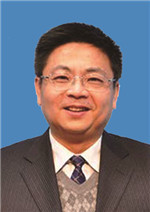 Yihuai Zou (邹忆怀)合作论文数Zaozhuang Hospital, Beijing University of Chinese Medicine;Dongzhimen Hospital, Beijing University of Chinese Medicine16
 Yong Zhang (张勇)合作论文数Dongzhimen Hospital, Beijing University of Chinese Medicine11
 Yi Ren (任毅)合作论文数Dongzhimen Hospital, Beijing University of Chinese Medicine10
 Yanzhe Ning合作论文数8
 Kuangshi Li合作论文数7
 HongWei Liu (刘宏伟)合作论文数7Tan Zhongjian合作论文数5Xiao Han (韩笑)合作论文数4
 Kegang Cao (曹克刚)合作论文数Dongzhimen Hospital, Beijing University of Chinese Medicine4
 Hongwei Liu合作论文数3Hu Zhang (张虎)合作论文数2
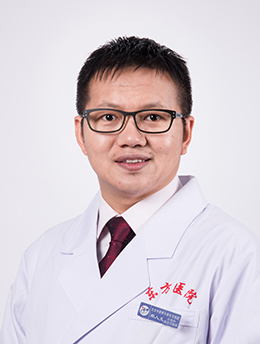 Ruwen Zheng (郑入文)合作论文数Dongfang Hospital, Beijing University of Chinese Medicine2
 Han Xiao合作论文数1TAN Xin (谭欣)合作论文数1MengJiu Dong (董梦久)合作论文数1HaiYang Gong (龚海洋)合作论文数1Pei Chen (陈沛)合作论文数1
 Anji Lin (林安基)合作论文数Xiamen Hospital of T.C.M1
 Lingbo Kong (孔令博)合作论文数Dongzhimen Hospital, Beijing University of Chinese Medicine1
 Fangyuan Cui (崔方圆)合作论文数Dongzhimen Hospital, Beijing University of Chinese Medicine1
 Sheng Chen (陈晟)合作论文数Dongzhimen Hospital, Beijing University of Chinese Medicine1
 Yu Zhang (张宇)合作论文数Dongzhimen Hospital, Beijing University of Chinese Medicine1
 Baolin Yang (杨保林)合作论文数Dongzhimen Hospital, Beijing University of Chinese Medicine1
 Hua Zhang (张华)合作论文数Dongzhimen Hospital, Beijing University of Chinese Medicine1
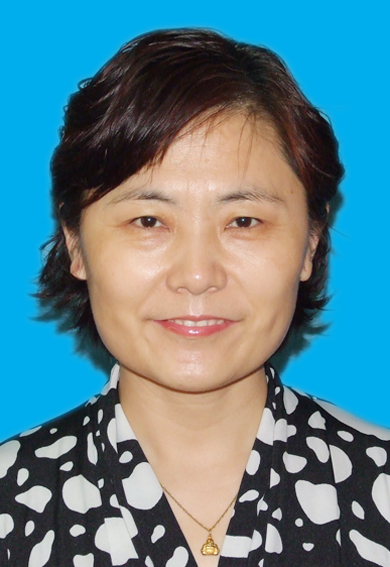 Lan Wang (王兰)合作论文数Dongzhimen Hospital, Beijing University of Chinese Medicine1




