Objective:To observe the clinical effect of nourishing the heart and spleen on major depressive disorder(MDD)with suicidal ideation.Methods:From January 2017 to April 2018,366 MDD patients(deficiency of heart and spleen)in 13 hospitals including traditional Chinese medicine(TCM)hospitals,integrated Chinese and Western medicine hospitals and psychiatric hospi-tals were taken as the study subjects in this cohort.Three cohort groups(TCM,Western medicine,and integrated Chinese and West-ern medicine)were formed naturally according to treatment regime,and they were divided into high,medium and low levels based on the TCM exposure time(TCM-ET).The follow-up interval was 3 months,and the Montgomery-Asberg Depression Rating Scale(MADRS)was used in the follow-up to assess the dynamic status of MDD patients and the occurrence of the endpoint events.Re-sults:The 2-year incidence of suicidal ideation of MDD patients in the TCM,Western medicine,and integrated Western and Chi-nese medicine cohorts was 39.0%,49.1%,and 29.0%,respectively.In the multifactorial comparison of suicidal ideation,com-pared with the condition in Western medicine cohort,the risk of suicidal ideation was reduced by 28.1%(HR=0.719,95%CI 0.476 to 1.087,P>0.05)in TCM cohort,and by 42.1%(HR=0.579,95%CI 0.373 to 0.899,P<0.01)in integrated Chinese and Western medicine cohort.In TCM cohort,compared with the condition under low-level TCM-ET,the risk of suicidal ideation was reduced by 22.2%(HR=0.778,95%CI 0.404 to 1.500,P>0.05)under medium-level TCM-ET,and by 66.6%(HR=0.394,95%CI 0.167 to 0.931,P<0.05)under high-level TCM-ET.In integrated Chinese and Western medicine cohort,com-pared with the condition under low-level TCM-ET,the risk of suicidal ideation was lowered by 70.3%(HR=0.419,95%CI 0.189 to 0.927,P<0.05)with medium-level TCM-ET,and by 83.1%(HR=0.217,95%CI 0.094 to 0.501,P<0.01)with high-level TCM-ET.Conclusion:Western medicine and TCM method of nourishing the heart and spleen present the same effect,and integrat-ed Chinese and Western medicine is more significant in reducing the suicidal ideation of MDD patients(deficiency of heart and spleen).Compared with low-level TCM-ET,medium-level and high-level TCM-ETs are more clinically effective in reducing the sui-cidal ideation.
目的 基于云数据技术建立中医药防治抑郁障碍(MDD)的信息资源库,评价中医药方案防治MDD患者自杀风险的临床疗效.方法 2017年1月—2018年4月,招募全国7个城市的13家中医医院、中西医结合医院及精神专科医院住院及门诊MDD患者4440例,纳入其中无自杀观念的患者2513例,按照接受的治疗方案自然形成中医治疗、西医治疗与中西医结合治疗3个队列,并根据中医治疗暴露时间水平分为高、中、低水平.随访间隔时间3个月,以蒙哥马利-艾森贝格抑郁评定量表(MARDS)评估患者抑郁症状变化情况及出现自杀观念终点事件的发生.结果 MDD无自杀观念患者的中医治疗队列(896例)、西医治疗队列(744例)、中西医结合治疗队列(873例)的2年自杀观念发生率分别为34.5%(309/896)、46.9%(349/744)、23.0%(201/873).以西医治疗队列为参照,中医治疗队列自杀观念发生风险降低32.9%[HR=0.671,95%CI(0.575~0.784),P<0.001],中西医结合治疗队列自杀观念发生风险降低59.4%[HR=0.406,95%CI(0.341~0.483),P<0.001].在中医治疗队列中,以低水平中药暴露时间(TCM-ET)为参照,中水平TCM-ET自杀观念发生风险降低47.2%[HR=0.528,95%CI(0.414~0.674),P<0.001],高水平TCM-ET自杀观念发生风险降低81.6%[HR=0.184,95%CI(0.127~0.267),P<0.001].在中西医结合治疗队列中,以低水平TCM-ET为参照,中水平TCM-ET自杀观念发生风险降低39.9%[HR=0.601,95%CI(0.438~0.826),P<0.001],高水平TCM-ET自杀观念发生风险降低65.9%[HR=0.341,95%CI(0.235~0.495),P<0.001].结论 中医治疗、西医治疗及中西医结合治疗均可改善MDD患者抑郁症状,运用中医药治疗方案较单纯西药治疗可更好降低MDD患者自杀观念的出现率,且治疗时间达半年以上(中高水平TCM-ET)对防治MDD自杀风险的疗效更为显著.
目的 评价中医药治疗方案对抑郁障碍(MDD)2年复发率的疗效.方法 运用大样本、多中心、前瞻性的队列研究方法,基于博识医疗云数据管理平台,2017年1月—2018年4月在全国13个分中心招募MDD患者,分别运用中医治疗、中西医结合治疗、西医治疗方案进行干预,形成中医治疗队列、中西医结合治疗队列和西医治疗队列,比较3个队列的复发率.并根据中医药方案干预的时间,将中医治疗队列和中西医结合治疗队列分为低、中、高3个暴露水平,比较低、中、高3个暴露水平的复发率,以评价中医药治疗方案降低MDD远期复发率的疗效.结果 共纳入4440例MDD患者,其中中医治疗队列1484例,西医治疗队列1412例,中西医结合治疗队列1544例.中医治疗队列2年复发率25.5%(379/1484),西医治疗队列2年复发率35.4%(500/1412),中西医结合治疗队列2年复发率19.3%(298/1544).其中中医治疗队列中水平暴露组比低水平暴露组复发风险低41.6%[HR=0.584,95%CI(0.467~0.731),P<0.001],高水平暴露组比低水平暴露组复发风险低71.3%[HR=0.287,95%CI(0.214~0.384),P<0.001],中西医结合治疗队列中水平暴露组比低水平暴露组复发风险低54.3%[HR=0.457,95%CI(0.352~0.692),P<0.001],高水平暴露组比低水平暴露组复发风险低75.2%[HR=0.248,95%CI(0.182~0.337),P<0.001].结论 中医药治疗方案能够降低MDD的远期复发率.中医药干预的暴露水平与复发率之间具有密切的关系,较长的暴露水平可以获得较低的患者复发率.
目的:探讨化痰通络汤联合常规西医治疗对缺血性卒中患者神经功能、血小板功能及血清炎性因子的影响.方法:选取我院于2016年2月~2019年2月接收的缺血性卒中患者101例,按照乱数表法将其随机分为对照组(n=50)和研究组(n=51).对照组给予常规西医治疗,研究组在对照组基础上联合化痰通络汤治疗,比较两组患者临床疗效,治疗前、治疗28d后的神经功能、血小板参数、血清炎性因子水平及治疗期间的不良反应发生情况.结果:两组患者治疗28d后美国国立卫生研究所卒中量良(NIHSS)评分均下降,且研究组低于对照组(P<0.05).研究组的临床总有效率为88.24%(45/51),高于对照组的66.00%(33/50)(P<0.05).两组治疗28d后血小板聚集率、血小板体积均下降,且研究组低于对照组(P<0.05).两组治疗28d后血清白细胞介素-4(IL-4)、超敏C反应蛋白(hs-CRP)、肿瘤坏死因子-α(TNF-α)水平均降低,且研究组低于对照组(P<0.05).两组不良反应发生率对比无差异(P.0.05).结论:采用化痰通络汤联合常规西医治疗缺血性卒中可有效改善患者血清炎性因子水平及血小板功能,减轻神经功能损伤,且用药安全性较好,具有一定的临床应用价值.
目的 观察自拟乏力汤治疗气血两虚型慢性疲劳综合征的临床疗效. 方法 将100例气血两虚型慢性疲劳综合征患者随机分为对照组和观察组各50例.对照组予洋参丸治疗,观察组予自拟乏力汤治疗,2组均连续治疗1个月.观察2组治疗前后ATMT、VAS评分,并比较其疗效. 结果 观察组总有效率优于对照组(P<0.01).与治疗前比较,2组治疗前后ATMT、VAS评分均明显降低(P<0.05,P<0.01). 结论 自拟乏力汤治疗气血两虚型慢性疲劳征获得了满意的临床疗效.
目的 比较中风后痴呆与非痴呆患者二便的差异,尝试从二便角度分析中风后痴呆中医证候特点.方法 将2 996例中风患者根据认知功能障碍程度分为非痴呆组2 348例、痴呆组648例,采用项目统一制定的《中医周边症状、舌脉象观察表》采集2组患者二便信息并作比较,分析差异条目所蕴含的证候特点.结果 与非痴呆组比较,痴呆组小便清长、小便短赤、夜尿频多、尿后余沥、咳笑时遗尿、尿急、排便无力、便秘发生率高,2组差异有统计学意义(P<0.01);其中,夜尿频多、便秘的发生率最高.在校正年龄、NIHSS评分因素后,发现尿急(OR=1.519,P<0.05)、排便无力(OR=1.353,P<0.05)与中风后痴呆具有相关性.结论 二便异常在中风后痴呆患者中发生率更高.尿急、排便无力与中风后痴呆具有相关性,提示在疾病复杂病机中脾肾气虚的重要性.
Objective:To study the cognitive impairment characteristics and TCM symptom factors of lacunar infarction (LI) cognitive impairment with hypertension.Methods:A total of 713 cases of lacunar infarction patients were divided into two groups:the LI cognitive impairment with hypertension group(501patients) and the LI cognitive impairment without hypertension group (212 patients).Cognitive impairment characteristics and TCM symptom factors were analyzed.Results:LI cognitive impairment with hypertension group have lower MMSE and MoCA scores (P<0.01,P<0.05),and worse visuospatial ability and executive ability,attention and calculative ability,delayed memory than LI cognitive impairment without hypertension group.Qi deficiency (30.7%),phlegm (16.4%),fire (16.0%),blood stasis (14.4%),endogenous wind (6.6%),yin deficiency (5.8%),qi stagnation (5.2%)and yang deficiency (5.0%) are the symptom factors of LI cognitive impairment with hypertension group.Conclusion:LI cognitive impairment with hypertension group had worse visuospatial ability and executive ability,attention and calculative ability and delayed memory,and a larger proportion of symptom factors of qi deficiency,phlegm and fire.
BACKGROUND:The primary objective of this study was to assess whether Zhengtian Capsule was non-inferior to flunarizine in efficacy and safety profile for prevention of migraine in adults. METHODS:This was a double-dummy, double-blind, multicenter, positive drug (flunarizine), parallel randomized controlled, non-inferior clinical trial. Patients (n = 360) were randomized in a 1:1 to receive either Zhengtian Capsule or flunarizine, including 12 weeks' intervention and 4 weeks' follow-up. The primary outcome measure was responder rate (defined as the percentage of subjects in a treatment group with 50 % or greater reduction in attack frequency during treatment compared with the baseline period). The secondary outcome measures included migraine attack frequency, the number of migraine days, pain evaluated by visual analogue scale (VAS) score, duration of migraine attacks, the times of using analgesics, patient-reported outcome (PRO) measure of migraine and the scores of short-form 36 Health Survey Scale (SF-36). Weight variation in both groups was also evaluated. Adverse events were monitored throughout the trial. RESULTS:Zhengtian Capsule was non-inferior to flunarizine in responder rate at week 12 and follow-up period (P = 0.002, P < 0.001). There was fewer migraine days in Zhengtian Capsule group at follow-up period compared with flunarizine (P = 0.001). For the total duration of migraine attacks, there was significant group difference at week 4 which favored the control group (P = 0.009). For the total score of PRO scale, there was statistical difference between the two groups at follow-up period (P = 0.021). There were also group differences between the two groups in the dimensions of somatization symptoms at week 4 (P = 0.022) and functional status at week 12 and follow-up period (P < 0.001, P < 0.001). However, there were no significant differences between the two groups in migraine attack frequency, VAS scores reduction, consumption of acute pain drugs and the dimension scores of SF-36 at any time interval of the treatment period (P > 0.05). No severe adverse events occurred in the trial. Flunarizine was found associated with a weight gain. CONCLUSION:Zhengtian Capsule was non-inferior to flunarizine with regard to the primary endpoint. In addition, it could reduce migraine days and improve the functional status and somatization symptoms of migraine patients with good safety profile. TRIAL REGISTRATION:This trial was registered at Chinese Clinical Trial Register (ChiCTR), ChiCTR-TRC-13004412.
Objective To explore the clinical effect of Zhengtian capsule and sibelium in the treatment of migraine relief. Methods Self hospital in January 2015 to June 2016 accepts to convenient select 64 cases of patients with migraine renis-sion, according to the random number arrangement will be divided into two groups, the control group of 32 cases of Sibeline, 3 times daily, 2 capsules each time (5 mg/grain); observation group 32 routine Zhengtian capsules, 3 times daily, 2 capsules each time (0.45 g/grain), two groups were treated for 12 weeks, observed before and after treatment in patients with headache degree, the incidence and clinical therapeutic effect. Results After treatment, the pain degree in the control group was (5.91 ± 2.16), the frequency of the disease was (6.01 ± 2.36), the pain degree in the observation group was (4.62 ± 2.19), the incidence frequency was (4.15 ± 2.19)(P<0.05). The total effective rate in the control group was 59.38%, and the total effective rate in the observation group was 90.63%(P <0.05). Conclusion Zhengtian Capsule is effective in relieving pain and relieving seizure frequency in the treatment of migraine relief, and it is worthy of promotion.
Objective To explore the influencing factors of vascular cognitive impairment(VCI)among patients with ischemic stroke. Methods 3 000 cases with ischemic stroke were selected from 14 centres( Dongfang Hospital of Beijing University of Chinese Medicine,Wangjing Hosptial of CACMS,Affiliated Hospital of Changchun University of Traditional Chinese Medicine,Affiliated Hospital of Shandong University of Traditional Chinese Medicine,Traditional Chinese Medicine Hospital of Hebei Medical University,Peking University People's Hospital,Chongqing Traditional Chinese Medicine Hospital, Beijing Shunyi Hospital of Traditional Chinese Hospital,Youanmen Community Health Service Centre of Beijing Fengtai District, Puhuangyu Community Health Service Centre of Beijing Fengtai District,Fangzhuang Community Health Service Centre of Beijing Fengtai Distriet,Shandong Rizhao Hospital of Traditional Chinese Medicine,Xinglong TCM Hospital of Beijing,and Xiamen Hospital of Traditional Chinese Medicine)during December 2010 to December 2013. The demographics,past medical history, family history and living habit of cases were collected,the cognitive function was evaluated by using the diagnostic criteria for VCI and MoCA. All participants were divided into two groups by the MoCA score as follows:the VCI group(MoCA score < 26)and control group(MoCA score ≥ 26). The influencing factors of VCI among patients with ischemic stroke were analyzed by using single - factor and multi - factor Logistic regression analysis. Results 1 504 cases had cognitive impairment,while 1 496 cases were normal. According to result of single - factor Logistic regression analysis,age,education level,occupation,marital status, living status,hypertension,cerebrovascular disease,coronary heart disease,drinking coffee,physical exercises,hobbies and interests,using mobile were influencing factors of VIC( P < 0. 05). According to result of multi - factor Logistic regression analysis,age,education level,hypertension,physical exercises,and using mobile entered the regression equation of VCI(P< 0. 05). Conclusion Advanced age and hypertension were risk factors of VCI after ischemic stroke. While higher education level,regular physical exercises and using mobile were protective factors of VCI after ischemic stroke.
Objective To observe the effect of XuanFu Syndrome Differentiation treating Acute Ischemic Stroke. Methods120 cases with acute cerebral infraction were randomly divided into 2 groups. 60 cases in control group were given western medicine treatment while 60 cases in treatment group on the basis of western medicine were given XuanFu Syndrome Differentiation Treatment for (28±3) days.Results Total effective rate in treatment group was 93.3%, which was obviously higher than 73.3% in control group (P<0.01), neurologic impairment score (NIHSS)integration, disability (mRS) in treatment group were signiifcantly improved. Compared with control group, there were signiifcant statistical differences (P<0.05). LDC-C after treatment were decreased, Compared with control group, there were statistically signiifcant differences (P<0.05). ConclusionXuanFu Syndrome Differentiation Treatment is effective in treating Acute Ischemic Stroke.
Objective:To observe the effect on treating PSD (posts stroke depression) by acupuncture and medicine. Methods:150 cases were randomly divided into medicine treated group, acupuncture treated group, acupuncture combined with medicine group, with single blind method to observe changes of HAMD, the limb function, ADL and serum NE and 5-HT levels before and after treatment. Results:Before and after treatment HAMD, the limb function, ADL and serum NE and 5-HT levels of the three groups were significantly improved, acupuncture combined with medicine group was better than medicine treated group and acupuncture treated group. Conclusion:Compared with medicine or acupuncture alone, acupuncture combined with medicine has the comprehensive advantages on treating PSD.
Objective: To observe the clinical ef ect of traditional Chinese medicine(TCM) in the treatment of migraine. Methods: A multi-center, randomized, double-blind, placebo controlled clinical trial was conducted in this study, 193 cases of migraine patients with common clinical type of syndromes including the syndrome of liver wind with blood stasis and the syndrome of congealing cold with blood stasis were observed, which were divided into treatment group with 129 patients and placebo control group with 64 patients. Besides standard management, treatment group was orally given granules of Chuanxiong Dingtong Yin and necessary analgesics and control group was orally given placebo and necessary analgesics. The two groups were treated routinely for 12 weeks and one time of followup visit after 4 weeks of treatment. The aim was to compare changes of migraine attack times, days, pain extent and TCM syndrome scores between treatment group and placebo group. Results: The TCM treatment group was superior to placebo control group in reducing migraine attack times, days and relieving pain extent(P0.05). After treatment, the scores of TCM syndromes of both groups were improved(P0.05), but no significant difference between the two groups. Conclusion: TCM based on syndrome differentiation have a better therapeutic ef ect in migraine patients.
目的观察针药结合疗法对卒中后抑郁患者抑郁状态及肢体功能康复的影响。方法将150例卒中后抑郁患者随机分为药物治疗组、针刺治疗组与针药结合组,采用单盲的方法观察三组患者治疗前后HAMD及肢体功能评分的变化情况。结果三组患者治疗前后HAMD及肢体功能评分均有显著改善,其中针药结合组在治疗前后差值方面均显著优于其他两组。结论针药结合疗法对卒中后抑郁患者的抑郁状态及肢体功能的综合改善较单纯针刺或药物治疗均显示出了明显的优势。
The occurrence rate of vascular dementia is increasing year by year,and it has a long and ingravescence course.At present the awareness rate,rate of visiting doctor and treatment rate are lower,and there are not satisfactory therapeutic plans.Some measures should be taken including ancient literature database,personalized prevention and treatment,animal research model,biomarker database,community health improvement and new ideas and methods for preventing and curing vascular dementia.The key in construction of translational medicine system of preventing and treating vascular dementia with Chinese medicine is to build talent group and governmental support.
Objective. To evaluate the efficacy of traditional Chinese herbal ChuanXiong Ding Tong herbal formula granule (CXDT-HFG) for migraine patients with "the Syndrome of Liver Wind and Blood Stasis." Methods. 150 migraine patients were recruited and assigned randomly in a double-blind, placebo-controlled study to receive CXDT-HFG (n = 99) plus necessary analgesics, or placebo (n = 51) plus necessary analgesics for 16 weeks (12 weeks' intervention and 4 weeks' follow up). Outcome measures included migraine days, frequency of migraine attacks, analgesics consumption for acute treatment, and the proportion of responders as well as the visual analogue scale (VAS) scores and intensity for pain. Results. Compared with the placebo group, the CXDT-HFG group showed significant reduction in migraine days and attacks frequency at week 12 and follow-up period (P < 0.05) as well as in the reduction of VAS scores at follow-up period. There was significant difference in the proportion of responders between the two groups at follow-up period (P = 0.014). However there were no significant differences between the two groups in analgesics consumption (P > 0.05). Conclusion. CXDT-HFG was more effective than placebo in decreasing days of migraine attacks, frequency, VAS scores, and relieving pain intensity for migraine patients.
Objective: To observe the therapeutic effects of Sanchongbanxiabaizhutianma Decoction in treating headache patients with phlegm and blood stasis syndrome and to research the association between homocysteine and this type headache.Methods: After HCY level detection and relative score in 176 patients,80 cases of headache with phlegm and blood stasis syndrome whose HCY value was greater than the patients of 15μmol / L were divided randomly into the observation group with Sanchongbanxiabaizhutianma Decoction and the control group with Sibelium,Folic Acid,vitB6 and vitB12.After 2 weeks and 4 weeks,the HCY level,the headache score and the TCM syndrome score were observed in 2 groups.Results: In 176 cases of headache with phlegm and blood stasis syndrome,HCY levels of 115 patients were more than the normal value.There was a significant correlation between the phlegm and blood stasis syndrome and the HCY concentration.The headache score and the TCM syndrome score in the observation group were significantly superior to those in the control group.After 4 weeks,HCY levels in 2 groups were decreased remarkably.After 2 weeks,the degree of HCY reduction in the observation group was less obviously than that in the control group.However,there was no statistical difference of HCY reduction between 2 groups after 4 weeks.Conclusion: There is a significant correlation between the headache with phlegm and blood stasis syndrome and the serum HCY level.Sanchongbanxiabaizhutianma Decoction can improve the symptoms and the TCM syndrome of headache patients with phlegm and blood stasis syndrome.It has the definite therapeutic effect and no adverse reaction.
Objective: To observe the therapeutic effects of Sanchongbanxiabaizhutianma Decoction in treating headache patients with phlegm and blood stasis syndrome and to research the association between homocysteine and this type headache.Methods: After HCY level detection and relative score in 176 patients,80 cases of headache with phlegm and blood stasis syndrome whose HCY value was greater than the patients of 15μmol / L were divided randomly into the observation group with Sanchongbanxiabaizhutianma Decoction and the control group with Sibelium,Folic Acid,vitB6 and vitB12.After 2 weeks and 4 weeks,the HCY level,the headache score and the TCM syndrome score were observed in 2 groups.Results: In 176 cases of headache with phlegm and blood stasis syndrome,HCY levels of 115 patients were more than the normal value.There was a significant correlation between the phlegm and blood stasis syndrome and the HCY concentration.The headache score and the TCM syndrome score in the observation group were significantly superior to those in the control group.After 4 weeks,HCY levels in 2 groups were decreased remarkably.After 2 weeks,the degree of HCY reduction in the observation group was less obviously than that in the control group.However,there was no statistical difference of HCY reduction between 2 groups after 4 weeks.Conclusion: There is a significant correlation between the headache with phlegm and blood stasis syndrome and the serum HCY level.Sanchongbanxiabaizhutianma Decoction can improve the symptoms and the TCM syndrome of headache patients with phlegm and blood stasis syndrome.It has the definite therapeutic effect and no adverse reaction.
目的 探讨超敏C反应蛋白(hs-CRP)的变化与偏头痛发病机制的关系,观察颅痛煎治疗偏头痛疗效及对hs-CRP的影响.方法 选取65例偏头痛患者和30例健康人进行检测hs-CRP,再将65例病人随机分为颅痛煎汤治疗组(简称颅头煎组)32例,给予颅痛煎,一日一剂,水煎分2次服;西比灵对照组(简称西比灵组)33例,给于西比灵5mg,一天1次,谷维素20mg,一天3次.共治疗28天后.观察两组患者的治疗前后疼痛程度、持续时间、发作频度及检测hs-CRP,计算其头痛指数和头痛疗效.结果 偏头痛组hs-CRP含量明显高于正常对照组(P<0.01),治疗后颅痛煎组的hs-CRP水平明显低于西比林组(P<0.05),颅痛煎组的临床基本恢复、总有效率、头痛指数明显好于西比灵组(P<0.01、<0.05).结论 hs-CRP的增高与偏头痛的发生有关,颅痛煎治疗偏头痛疗效明显优于西比灵,可能与颅痛煎降低偏头痛患者的hs-CRP有关.
Objective: To observe the clinical effects of Sanchongbanxiabaizhutianma Decoction in the Vertebro-basilar ischemia(VBI) . Methods: 109 cases with VBI were divided randomly into two groups. 67 cases were selected as treatment group and treated by Sanchongbanxiabaizhutianma Decoction. 42 cases were selected as the control group and treated by flunarizine plusing compoud salvia pellet. And then, the changes of hemorheology and TCD were observed. Results: The total effective rate of the treatment group was significantly higher than that of the contrast group. The treatment group was better than the control group in depressing blood viscosity, increasing blood flow rate of arteriae vertebralis and arteriae basilaris. Conclusion: Sanchongbanxiabaizhutianma Decoction shows the good effect in the treatment of VBI.
 Guizhen Feng (冯桂贞)合作论文数Beijing University of Chinese Medicine9
 Yunling Zhang (张允岭)合作论文数Dongfang Hospital, Beijing University of Chinese Medicine6
 Jianjun Zhao (赵建军)合作论文数 First Affiliated Hospital of Changchun University of Chinese Medicine5
 XiaoBing Hou (侯小兵)合作论文数4
 Junbiao Tian (田军彪)合作论文数河北省中医院4
 Wenming Yang (杨文明)合作论文数安徽中医药大学第一附属医院4
 Xianglan Jin (金香兰)合作论文数Dongfang Hospital, Beijing University of Chinese Medicine4HongNa Yin (尹洪娜)合作论文数3ShaoMei Chen (陈少玫)合作论文数3XianZhong Zhang (张宪忠)合作论文数3Hao Hu (胡皓)合作论文数3
 Qisheng Tang (唐启盛)合作论文数Third Affiliated Hospital, Beijing University of Chinese Medicine3
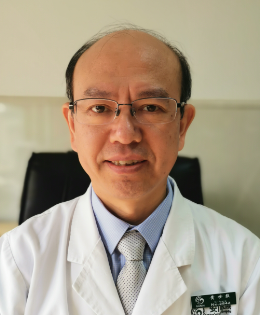 Shijing Huang (黄世敬)合作论文数Guang'anmen Hospital, China Academy of Chinese Medical Sciences3
 Wenjun Sun (孙文军)合作论文数Third Affiliated Hospital, Beijing University of Chinese Medicine3
 Shaojie Wang (王少杰)合作论文数Peking University People′s Hospital3
 Hong Zheng (郑宏)合作论文数Dongzhimen Hospital, Beijing University of Chinese Medicine3
 Kegang Cao (曹克刚)合作论文数Dongzhimen Hospital, Beijing University of Chinese Medicine3
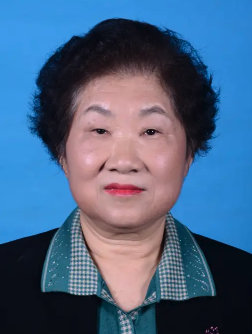 Xiaolan Cao (曹晓岚)合作论文数Affiliated Hospital of Shandong University of Traditional Chinese Medicine3ZHANG Ji-yu (张吉玉)合作论文数2WU Shi-fu (吴仕福)合作论文数2Xuemin Hao (郝学敏)合作论文数2XiuYu Hong (洪秀瑜)合作论文数2QiZhi Wei (韦奇志)合作论文数2YeQing Wu (吴业清)合作论文数2XiangZhe Liu (刘向哲)合作论文数2LeJun Li (李乐军)合作论文数2JunRan Zheng (郑军然)合作论文数2Di Wang (王娣)合作论文数2MengJiu Dong (董梦久)合作论文数2XiaoLi Zhang (张小丽)合作论文数2HaiYang Gong (龚海洋)合作论文数2Hu Zhang (张虎)合作论文数2LingLing Wang (王玲玲)合作论文数2Yan Yan (闫妍)合作论文数2Hao Wu (吴浩)合作论文数2Liang Ma (马良)合作论文数2Jian Yang (杨健)合作论文数2ZhiQiang Wang (王志强)合作论文数2
 Qinggang Meng (孟庆刚)合作论文数School of Traditional Chinese Medicine, Beijing University of Chinese Medicine2Lihua Yu合作论文数2
 Qingjing Ye (叶清景)合作论文数Beijing University of Chinese Medicine2
 Yongyan Wang (王永炎)合作论文数Institute of Basic Research in Clinical Medicine, China Academy of Chinese Medical Sciences;China Central Institute for Culture and History2
 Xiaoli Li (李小黎)合作论文数Third Affiliated Hospital, Beijing University of Chinese Medicine2
 Xuemei Liu (刘雪梅)合作论文数Dongfang Hospital, Beijing University of Chinese Medicine2
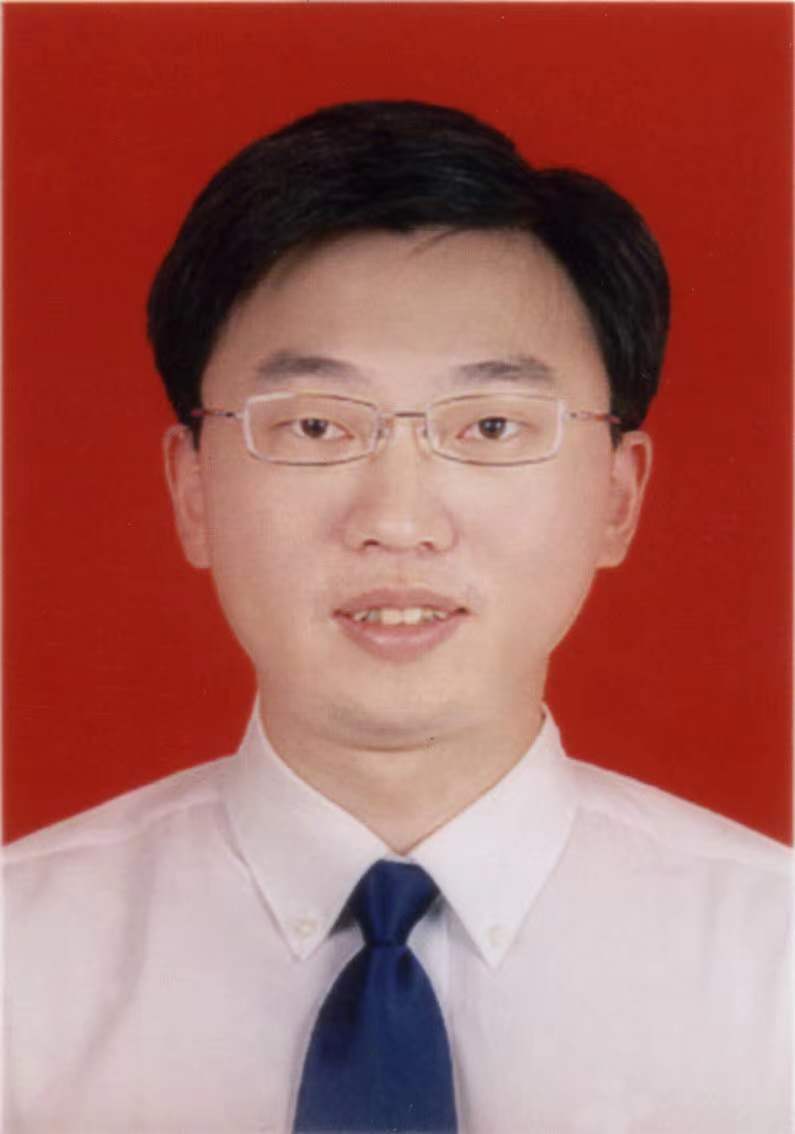 Haipeng Jin (金海鹏)合作论文数Bejing University of Chinese Medicine2Qiuyan Wu (吴秋燕)合作论文数2
 Xiangqing Xu (徐向青)合作论文数山东中医药大学附属医院2
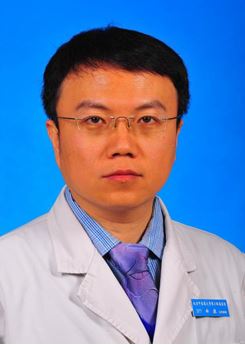 Miao Qu (曲淼)合作论文数Graduate School of Capital Medical University;Xuanwu Hospital, Capital Medical University2
 Chongshan Lv (吕崇山)合作论文数School of Medicine, Xiamen University2




